
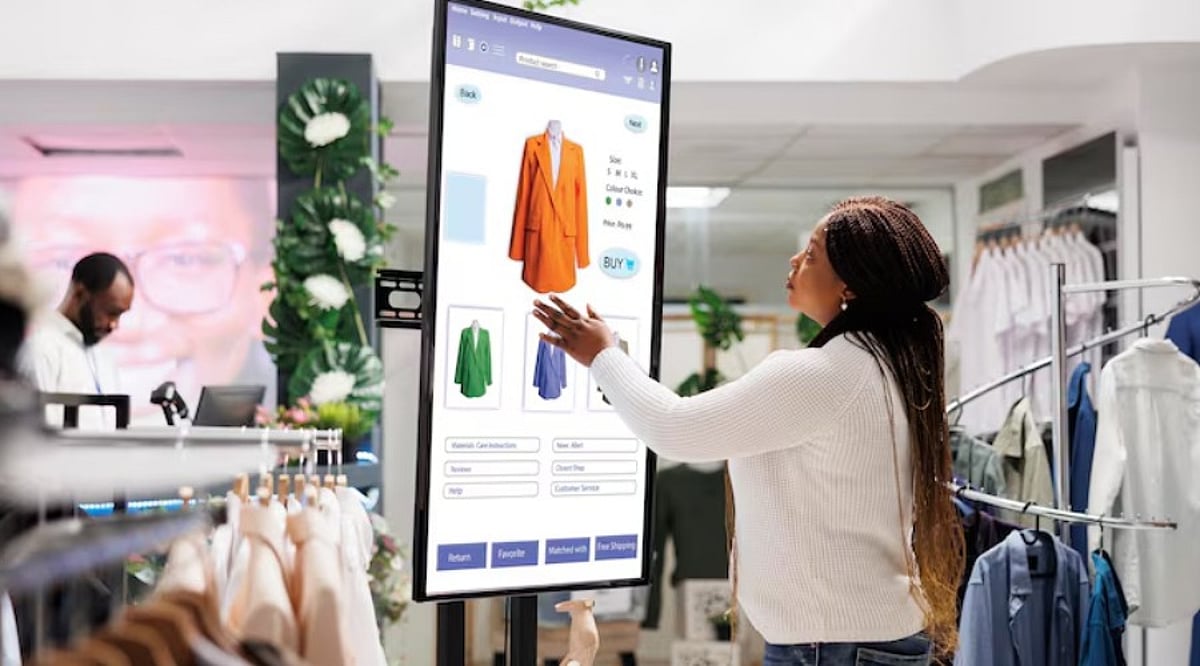
Online shopping used to mean opening multiple browser tabs, manually comparing spec sheets, and scrolling through hundreds of reviews. That process is changing fast. AI shopping assistants now handle most of the legwork, letting shoppers describe what they want in plain language and receive a shortlist within seconds. From tools built into ChatGPT and Gemini to dedicated retail assistants like Amazon’s Rufus, this shift is reshaping how people discover and compare products online.
How AI Shopping Assistants Compare Products
An AI shopping assistant combines natural language understanding with access to large, real-time product databases. Instead of typing a short keyword like “running shoes,” a shopper can describe something specific, such as “trail shoes under $150 for wide feet that handle wet roads well.” The assistant then reads through structured product data, price listings, and verified reviews to match those exact requirements. According to McKinsey’s ConsumerWise survey, 62 percent of consumers have already used AI to compare brands, models, prices, or reviews while shopping — showing this behavior has moved well past early adopters.
Review Synthesis Makes Comparison Faster
One of the most useful features is the ability to turn thousands of scattered reviews into a short, readable summary. Rather than reading through pages of comments, a shopper gets a quick breakdown of common pros and cons across verified buyers. This addresses a real problem: fake or misleading reviews have long made comparison shopping harder than it should be. By pulling only from verified purchase data, assistants give a more honest picture of how a product actually performs, cutting down the guesswork that used to come with trusting online reviews blindly.
From Browsing to Describing
Traditional shopping relied on filters, categories, and keyword searches, putting the burden of comparison entirely on the shopper. AI assistants flip that model. A person can simply describe their situation — like needing a warm coat for a cold winter — and the assistant narrows down options based on material, price, and delivery timelines. Adobe Analytics reported that AI-referred traffic to retail sites grew 138 percent year over year as of May 2026, a clear sign that more shoppers are starting their search inside a chat window rather than a search bar.
Why This Shift Benefits Everyday Shoppers
The biggest advantage is time saved and better decision confidence. Bain reported that 30 to 45 percent of U.S. consumers now use generative AI for product research and comparison, and Adobe’s own consumer survey found that 85 percent of people who tried AI shopping assistants said it improved their experience. Beyond convenience, these tools reduce the anxiety of picking the wrong product, since the comparison work now happens instantly instead of over multiple browsing sessions spread across days.
What This Means for Brands and Retailers
This shift also changes what brands need to focus on. Assistants can only recommend products they can clearly understand, which means clean, structured product data matters more than ever. A brand with strong pricing and good reviews can still lose visibility if its product information is not easy for an AI system to read and compare. This has pushed many e-commerce brands to rework how they present specifications, pricing, and reviews, since ranking well in traditional search no longer guarantees a spot in an AI-generated shortlist.
AI shopping assistants have turned product comparison from a time-consuming chore into a quick conversation, letting shoppers describe what they need and get a trustworthy shortlist within seconds. As adoption grows across major platforms, this shift is fast becoming the new starting point for how people shop online.
Frequently Asked Questions
How do AI shopping assistants compare products?
They read structured product data, pricing information, and verified reviews, then match all of it against a shopper’s specific requirements, like budget or size, to generate a shortlist.
Are AI shopping assistant recommendations trustworthy?
Most reputable assistants pull only from verified purchase data and real-time pricing, which makes recommendations more reliable than manually sifting through unverified reviews. Still, it helps to double-check final details before buying.
Which platforms currently offer AI shopping assistants?
ChatGPT Shopping, Google Gemini, Perplexity, and Amazon Rufus are among the most widely used AI shopping assistants right now, each pulling from slightly different data sources.
Do AI shopping assistants cost anything to use?
Most consumer-facing assistants, like those built into ChatGPT or Amazon, are free to use for shoppers. Businesses that build dedicated shopping assistants for their own stores may pay for the underlying technology.
Can AI shopping assistants complete a purchase?
Some advanced assistants now support this, handling checkout and even comparing shipping across multiple retailers. However, most assistants today are still focused mainly on research and comparison rather than completing transactions.
Leave a Reply