Category: Automotive

  • ADAS Show 2026 to Spotlight India’s Connected Mobility and Vehicle Safety in Pune

    ADAS Show 2026 to Spotlight India’s Connected Mobility and Vehicle Safety in Pune

    The fourth edition of The ADAS Show is set to take place on December 3, 2026, at the ADAS Test City, ARAI, Takwe, Pune. This premier event will bring together government representatives, automotive manufacturers, technology firms, suppliers, testing bodies, and academic institutions to discuss advanced driver assistance systems (ADAS), vehicle safety, and intelligent mobility in India.

    The Automotive Research Association of India (ARAI) will support the event, with representatives from the Ministry of Heavy Industries and the Ministry of Road Transport and Highways expected to attend. Dr. Reji Mathai, Director of ARAI, will open the event and discuss the evolving landscape of ADAS technology and vehicle safety in India. ARAI operates testing and certification facilities for the Indian automotive sector and collaborates with vehicle makers and technology companies.

    The event venue, ADAS Test City in Takwe, will allow participating companies to demonstrate driver assistance systems and vehicle technologies in a controlled testing environment. The programme combines conference sessions with practical demonstrations of automotive safety systems.

    The ITS India Forum has joined as a strategic partner and will lead a dedicated session on Vehicle-to-Vehicle (V2V) communication. Akhilesh Srivastava, President of the ITS India Forum, will lead the session, covering V2V communication, connected vehicles, and intelligent transportation systems, and their role in road safety and connected mobility.

    The ADAS Show 2026 will feature a conference, technology exhibition, live ADAS demonstrations, networking sessions, and an Exhibitor March. The live demonstrations give participants access to ADAS technologies and vehicle capabilities at ARAI’s testing facility. The exhibition will include technologies from automotive OEMs, Tier-1 suppliers, engineering firms, component manufacturers, technology companies, and testing organisations. The Exhibitor March allows senior executives and technology leaders to meet exhibitors and review products and technologies.

    The conference agenda includes India-ready ADAS systems, artificial intelligence, software-defined vehicles, connected mobility, V2V technology, localisation, and testing and validation. Localisation is a key focus because ADAS systems must operate across varied Indian road environments, including pedestrians, two-wheelers, changing road layouts, and different lane conditions. Manufacturers and testing organisations continue to develop systems designed for local driving conditions.

    Organised by Aayera, The ADAS Show aims to bring government bodies, automotive companies, and technology providers together on one platform for knowledge sharing, technology demonstrations, and discussions around vehicle safety, connected systems, and intelligent mobility in India.

  • Tesla’s Rise to Dominance in the Electric Vehicle Market: A Systematic Approach

    Tesla’s Rise to Dominance in the Electric Vehicle Market: A Systematic Approach

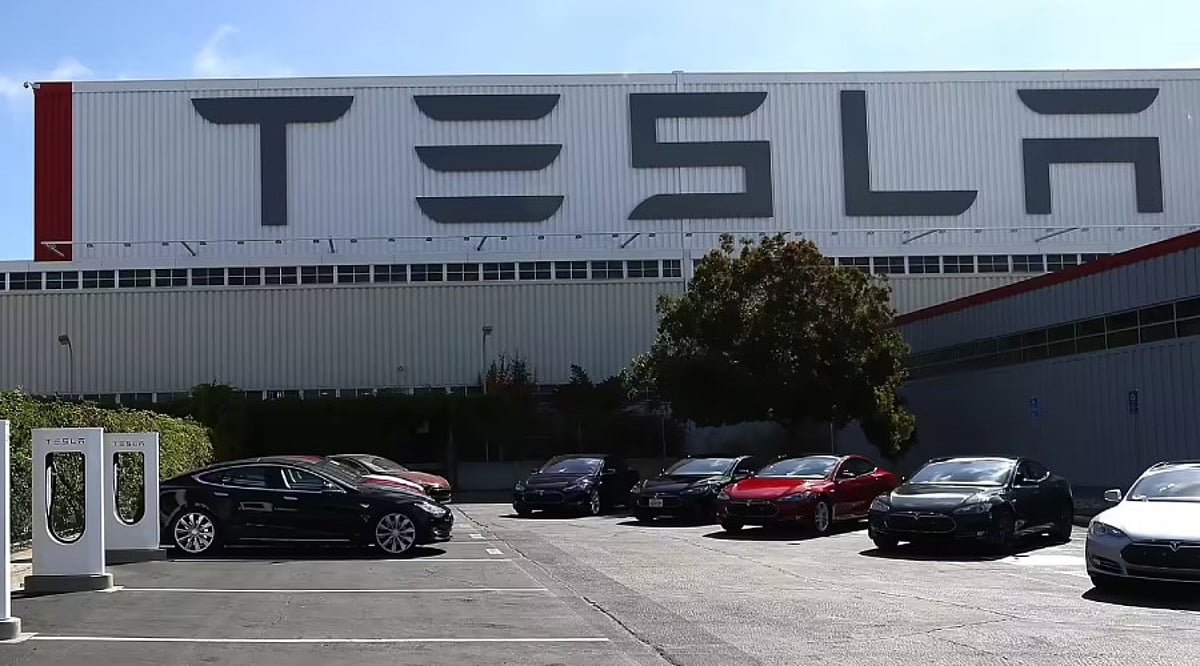
    Tesla did not become a major automaker overnight. It did not get there through one clever invention either. Its growth came from solving one problem after another. First, Tesla had to prove people wanted electric cars. Then it needed batteries, the ability to build cars at scale, and expansion into new countries. Each solution created the next challenge. This pattern explains Tesla’s rise better than any single product ever could.

    The Roadster Gamble

    Tesla was founded in 2003 by Martin Eberhard and Marc Tarpenning. Elon Musk joined as chairman and lead investor in 2004 and later became CEO. The company’s first car, the Roadster, launched in 2008. It used a Lotus Elise chassis and a battery pack made of thousands of small lithium-ion cells—the same type used in laptops at the time. This gave Tesla access to an already scalable battery supply chain. The hard part was managing heat, wiring the cells safely, and controlling the entire pack with software. The Roadster proved that a fast electric car could sell to real buyers, even at a high price.

    Model S Changes the Blueprint

    The Model S, introduced in 2012, marked a real shift for Tesla. Unlike the Roadster, it was built from scratch as an electric car, not adapted from another model. Tesla designed its own battery system, opened Supercharger stations to solve range anxiety, and introduced over-the-air updates that could change how a car worked even after it left the factory. This mix of software, batteries, and charging under one company gave Tesla more control over the driving experience than most traditional automakers had.

    Solving the Battery Bottleneck

    By 2014, demand for Tesla cars had outpaced its battery supply. The Gigafactory in Nevada was built to fix this, partnering with Panasonic to bring battery cell and pack production closer to the car assembly line. This partnership combined Tesla’s scale with Panasonic’s battery expertise, driving down costs over time. Tesla later built more Gigafactories in Shanghai, Berlin, and Texas, each one moving production closer to the markets it served.

    The Model 3 Manufacturing Crisis

    Tesla’s hardest period came with the Model 3 in 2017 and 2018, a stretch the company itself called “production hell.” Building an affordable car at scale exposed real gaps in Tesla’s factory process. Musk later said the company came close to running out of money. The fix was not simple: Tesla built a temporary assembly line in a tent outside its Fremont factory and rethought automation steps that had slowed everything down. Once stabilized, the Model 3 became one of the best-selling electric cars in the world, proving Tesla could handle mass production, not just small batches of luxury cars.

    Shanghai Proves the Model Can Travel

    Tesla broke ground on its Shanghai factory in January 2019—its first plant outside the United States. Model 3 production began there later that same year, an extremely fast timeline for any car factory. Shanghai showed that Tesla’s production approach could succeed outside California. Local suppliers and production cut costs and gave Tesla direct access to China, the world’s largest EV market.

    Model Y Builds on What Already Works

    Tesla did not design a brand-new platform for the Model Y. Instead, it leveraged much of the same engineering as the Model 3, allowing Tesla to enter the crossover and SUV market quickly without repeating years of development. Shared parts extended the value of earlier investments into a whole new vehicle type.

    A Market That Has Changed

    Tesla once had the EV market mostly to itself, but that is no longer true. Legacy automakers now offer strong electric vehicles, and Chinese companies like BYD report huge sales numbers (though often including plug-in hybrids). Tesla still has strong advantages: its charging network, software, and factory scale. But rivals are building the same strengths. What sets Tesla apart today is not being first—it’s how well Tesla integrates all these pieces into one cohesive system.

    Final Thought

    Tesla’s real story is not about inventing the electric car. It’s about building the machinery around it. Batteries, factories, charging stations, and software were once separate parts of the business. Tesla turned them into one connected system. That system, more than any single car, is what transformed a small EV startup into a global manufacturer.

  • Ford Fathom EV Pickup: 7 Key Facts About the Affordable Electric Truck

    Ford Fathom EV Pickup: 7 Key Facts About the Affordable Electric Truck

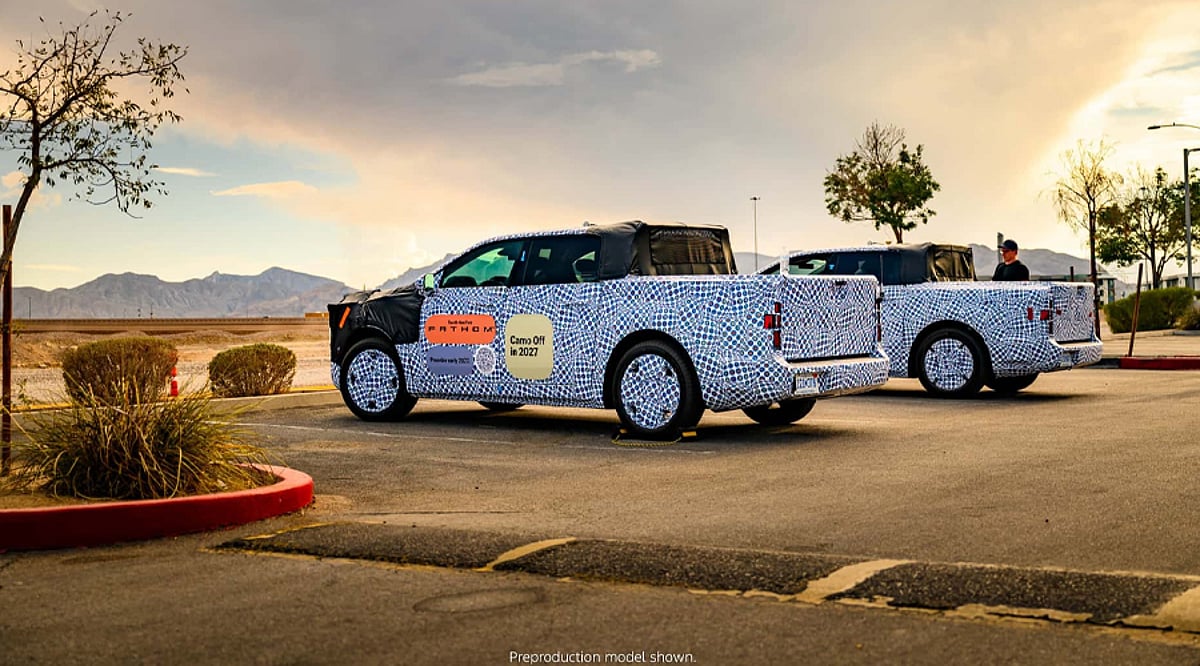
    The Ford Fathom is an upcoming midsize electric pickup from Ford, built on the automaker’s new Universal EV Platform. Aimed at buyers seeking a practical electric truck with everyday usability, modern technology, and a price below many existing options, the Fathom promises to make EV ownership more accessible.

    Starting Price

    The Ford Fathom will start at $28,350 before destination charges. This sub-$30,000 price point places the electric pickup within reach of buyers who may have previously considered EVs too expensive. Ford is positioning the truck around affordability while retaining the core utility expected from a pickup.

    Five-Seat Cabin

    The Fathom will offer seating for five adults, making it suitable for families and everyday commuting. Ford says the truck is designed to provide more projected passenger volume than the Toyota RAV4. This combination gives the electric pickup a practical focus beyond traditional work-oriented truck duties.

    Universal EV Platform

    The Fathom will be the first Ford vehicle built on its Universal Electric Vehicle Platform. The architecture is designed around cost efficiency, simplified manufacturing, and electric powertrain integration. Ford is developing the platform as part of a broader strategy to produce more affordable electric vehicles at higher volumes.

    BlueCruise Support

    Every Fathom will include hardware supporting Ford’s BlueCruise driver assistance technology. The system enables hands-free driving on designated compatible roads when conditions allow. Its inclusion gives the electric pickup access to one of Ford’s established driver assistance technologies while keeping the vehicle focused on everyday usability.

    Bidirectional Power

    The Fathom will combine conventional pickup utility with several electric-specific features. Ford has highlighted a frunk, truck bed, digital key, and bidirectional power capability. These features expand storage options and allow the truck’s battery to provide power for compatible equipment, devices, or other uses.

    Production Plans

    Ford plans to open Fathom pre-orders in early 2027, while preparations for prototype production are underway. The truck will be produced at Ford’s Louisville Assembly Plant. Its launch will mark an important step in bringing the company’s Universal EV Platform to the market.

  • India’s Commercial Vehicle Market Share in FY2025: Tata Motors and Mahindra Lead FADA Rankings

    India’s Commercial Vehicle Market Share in FY2025: Tata Motors and Mahindra Lead FADA Rankings

    India’s commercial vehicle retail market remains highly concentrated, with a handful of manufacturers controlling the majority of sales in FY2025, according to the latest data from the Federation of Automobile Dealers Associations (FADA).

    Tata Motors Leads the Market

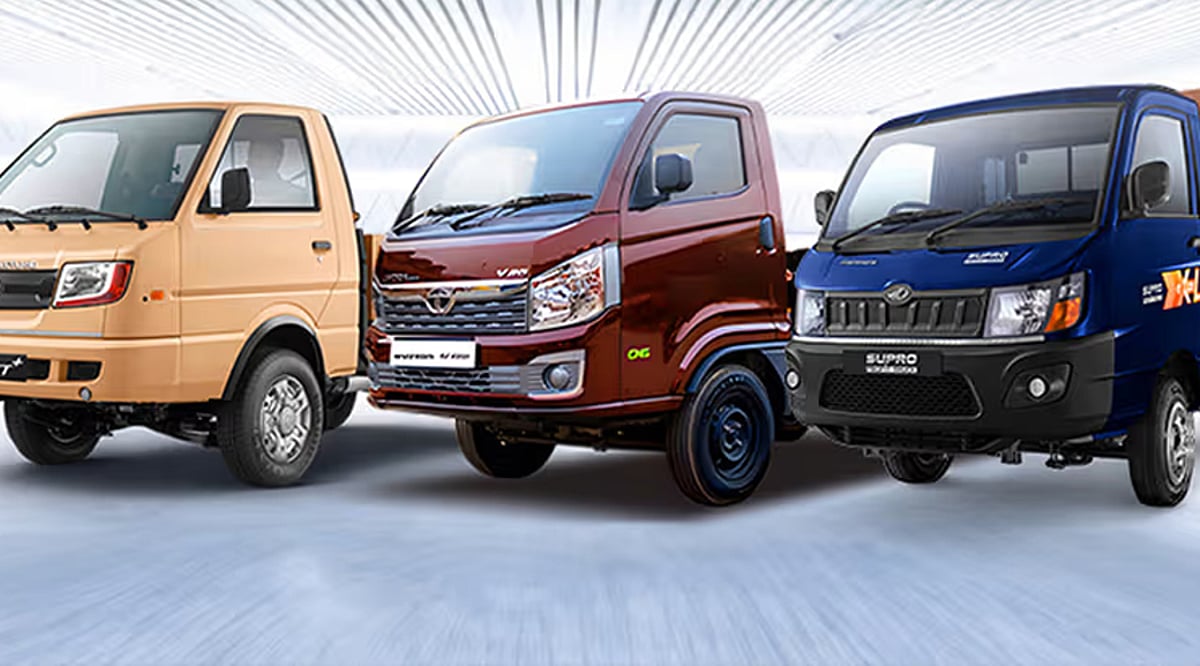
    Tata Motors retained its position as India’s largest commercial vehicle retailer in FY2025, capturing a 33.46% market share. While that represents a slight dip from 35.69% in FY2024, the company’s wide-ranging portfolio — spanning small commercial vehicles, intermediate trucks, heavy trucks, and buses — continues to give it strong presence across multiple segments.

    Mahindra & Mahindra Gains Ground

    Mahindra & Mahindra posted a 25.52% retail market share in FY2025, up from 23.94% in FY2024. The automaker’s focus on small commercial vehicles, pickups, and utility-oriented offerings has helped it strengthen its position in last-mile transportation and goods movement.

    Ashok Leyland Holds Steady

    Ashok Leyland accounted for 16.60% of the market in FY2025, nearly unchanged from 16.64% in FY2024. The company remains a major producer of trucks and buses, serving freight, public transport, and logistics applications across the country.

    VE Commercial Vehicles Expands Slightly

    VE Commercial Vehicles, which operates the Eicher brand, recorded a 7.53% market share in FY2025, compared with 7.37% in FY2024. The company competes mainly in the medium-duty and heavy commercial vehicle segments.

    Maruti Suzuki and Others Round Out the List

    Maruti Suzuki held a 4.51% share, up from 4.22%, reflecting the growing importance of compact commercial vehicles for urban and last-mile operations. Daimler India Commercial Vehicles, under the BharatBenz brand, captured 2.06%, while Force Motors and SML Isuzu posted shares of 1.95% and 1.17%, respectively. All other manufacturers collectively accounted for 7.19%.

    These figures show that while a few automakers dominate India’s commercial vehicle sector, smaller players continue to hold meaningful positions in specialised niches. For fleet operators and industry watchers, the FADA data provides a clear snapshot of the competitive dynamics shaping the market.

  • EV Charging Times Explained: From Home Outlets to DC Fast Chargers

    EV Charging Times Explained: From Home Outlets to DC Fast Chargers

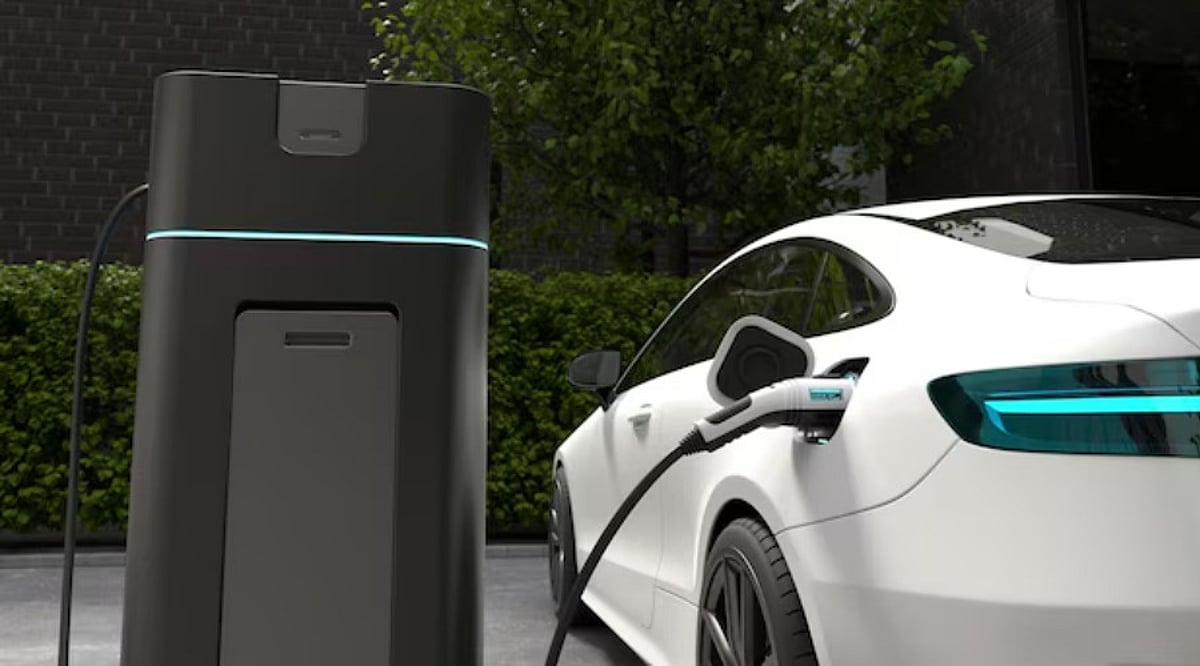
    How long it takes to charge an electric vehicle depends on several factors, including battery size, charger output, vehicle capability, temperature, and the battery’s starting charge level. Charging can take anywhere from several hours at home to less than an hour with a compatible fast charger. There’s no single answer that applies to every EV on the road.

    According to the Bureau of Energy Efficiency (BEE), most EVs can charge from 0% to 80% in roughly one to five hours with slow or moderate chargers. Fast charging can bring that time below one hour, but the exact duration depends on battery chemistry, charging hardware, and the car’s own charging system.

    Understanding Charging Power and EV Charger Types

    Charging power is measured in kilowatts (kW). In general, a higher kW rating means the charger can deliver energy faster. However, an EV may not be able to use the charger’s full output. The vehicle’s onboard charger and battery-management system determine how much power it can safely accept.

    AC slow and standard charging is the most common option for home use. In India, a standard 230V/15A household connection can deliver roughly 2.5 kW of AC charging output. AC fast charging uses higher-power equipment, with Type-2 AC systems specified at a minimum of 22 kW under the country’s charging infrastructure guidelines.

    DC fast charging bypasses the vehicle’s onboard charger. Instead of converting alternating current inside the car, the charging station sends direct current straight to the battery. BEE classifies common DC fast chargers at 50 kW or above, while newer high-power units can reach several hundred kilowatts.

    How Battery Size Affects Charging Time

    Battery capacity is measured in kilowatt-hours (kWh), which indicates how much energy the battery can store. A larger battery generally needs more electricity to reach the same percentage of charge, assuming identical charging conditions.

    For example, if two EVs are charging at the same effective rate of 7 kW, a 35-kWh battery would theoretically need about five hours to receive a full charge, while a 70-kWh battery would need about ten hours. In real-world driving, charging times vary due to energy losses, starting state of charge, and the charging curve the vehicle follows.

    The car’s maximum charging capability also plays a major role. A 100-kW charger won’t speed things up if the EV can only accept 50 kW. The battery-management system may also reduce power to manage temperature and protect battery health.

    How Long Does Home EV Charging Take?

    Home charging is generally slower than public DC fast charging, but it is often more convenient because the car can stay plugged in overnight. A standard household outlet offers the slowest option: according to BEE, a roughly 30-kWh EV battery can take around eight hours to reach 80% using a 15A slow or moderate charger.

    A dedicated home wallbox can provide significantly more power and reduce charging time, depending on the vehicle and the electrical connection. For many drivers, overnight charging is enough to prepare the car for the next day’s commute without a separate charging stop.

    How Fast Is DC Fast Charging?

    DC fast charging can dramatically reduce EV charging time. BEE cites the example of a 30-kWh electric car reaching 80% in less than one hour on a 50-kW fast charger. The U.S. Department of Energy says DC fast chargers can add roughly 100 to 200-plus miles of range in about 30 minutes, although results vary between vehicles and charger models.

    During road trips, charging from around 10% to 80% is often more practical than charging all the way to 100%. Charging power naturally drops as the battery approaches a higher state of charge, which means the final 20% can take noticeably longer than the earlier portion.

    Key Factors That Influence EV Charging Speed

    Several variables can change how long a charging session takes:

    • Battery capacity and starting state of charge
    • The vehicle’s maximum charging rate
    • The charger’s output and condition
    • Battery temperature and outdoor weather
    • Battery-management software and charging curve
    • Home electrical supply and other loads on the same circuit
    • Public station capacity and operating conditions

    Frequently Asked Questions About EV Charging Time

    1. How long does it take to charge an electric vehicle?
    Charging can take several hours at home or less than one hour with compatible DC fast chargers, depending on battery size and charger power.

    2. Is AC charging slower than DC charging?
    Yes. AC charging generally takes longer because electricity is converted inside the vehicle. DC fast charging sends direct current directly to the battery, which enables much faster speeds.

    3. Does a higher-kW charger always charge an EV faster?
    Usually, but only if the vehicle supports that charging power. The car’s charging limit determines how much electricity it can accept.

    4. Why does EV charging slow down after 80 percent?
    EVs reduce charging power as the battery approaches higher charge levels to manage heat and protect long-term battery health. This makes the final portion of the charging session slower.

    5. Is fast charging bad for an EV battery?
    Frequent high-power charging can increase battery heat and stress, but modern EVs use battery-management systems to regulate charging and protect performance over time.

  • Italy’s 907-HP Lamborghini Temerario Police Car: 5 Unusual Features of the Hybrid Supercar

    Italy’s 907-HP Lamborghini Temerario Police Car: 5 Unusual Features of the Hybrid Supercar

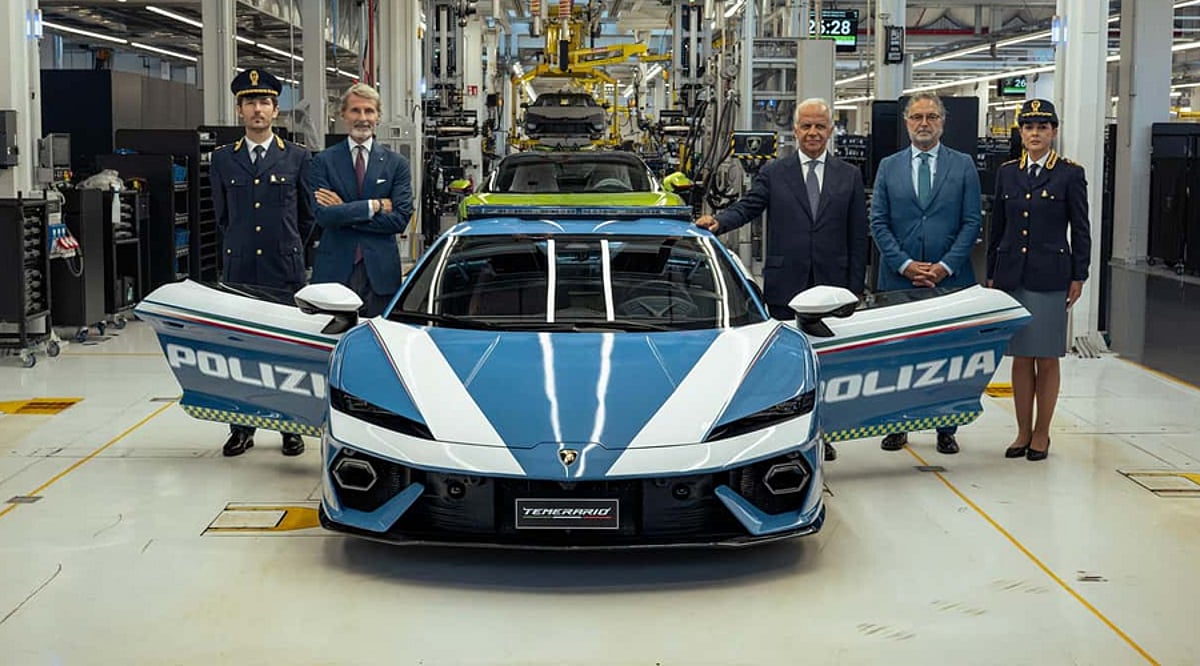
    The Italian State Police has added a Lamborghini Temerario to its fleet, continuing a partnership that began in 2004. This supercar is not for routine patrols but for critical services such as emergency organ and medical-supply transport. Here are five things that make this 907-horsepower police car extraordinary.

    1. Nearly 1,000 HP of Hybrid Power

    The Temerario combines a 4.0-liter twin-turbo V8 with three electric motors, producing a total output of 920 CV (approximately 907 hp). This hybrid powertrain delivers immense performance while showcasing Lamborghini’s latest electrified technology.

    2. Built for Critical Medical Missions

    This is no ordinary patrol vehicle. The Temerario is used for urgent transportation of organs and medical supplies, where rapid response can save lives. Lamborghini reports that its police vehicles have participated in more than 200 organ-transport missions over the years.

    3. Full Police Treatment

    The Temerario has been adapted for Italian State Police duties with a distinctive police livery, emergency equipment, and communications technology. It combines the visual drama of a Lamborghini with the practical gear needed for specialized emergency operations.

    4. Supercar Performance with All-Wheel Drive

    The standard Temerario uses an all-wheel-drive layout and an eight-speed dual-clutch transmission. Its combined system produces 920 hp and 800 Nm of torque, enabling the road car to accelerate from 0 to 100 km/h in just 2.7 seconds.

    5. A Unique Police Tradition

    The Temerario follows earlier Lamborghini police cars, including the Gallardo and Huracán. The partnership has lasted over two decades and has included special vehicles deployed on Italian roads. The police fleet also added the Urus Performante in 2023.

    The Lamborghini Temerario Polizia blends emergency-service duties with cutting-edge supercar engineering, focused on specialized missions rather than everyday policing. With hybrid power, police equipment, and Lamborghini styling, it adds another extraordinary chapter to Italy’s unusual police-car collection.

  • 7 Affordable Electric Cars Under ₹20 Lakh in India for 2026

    7 Affordable Electric Cars Under ₹20 Lakh in India for 2026

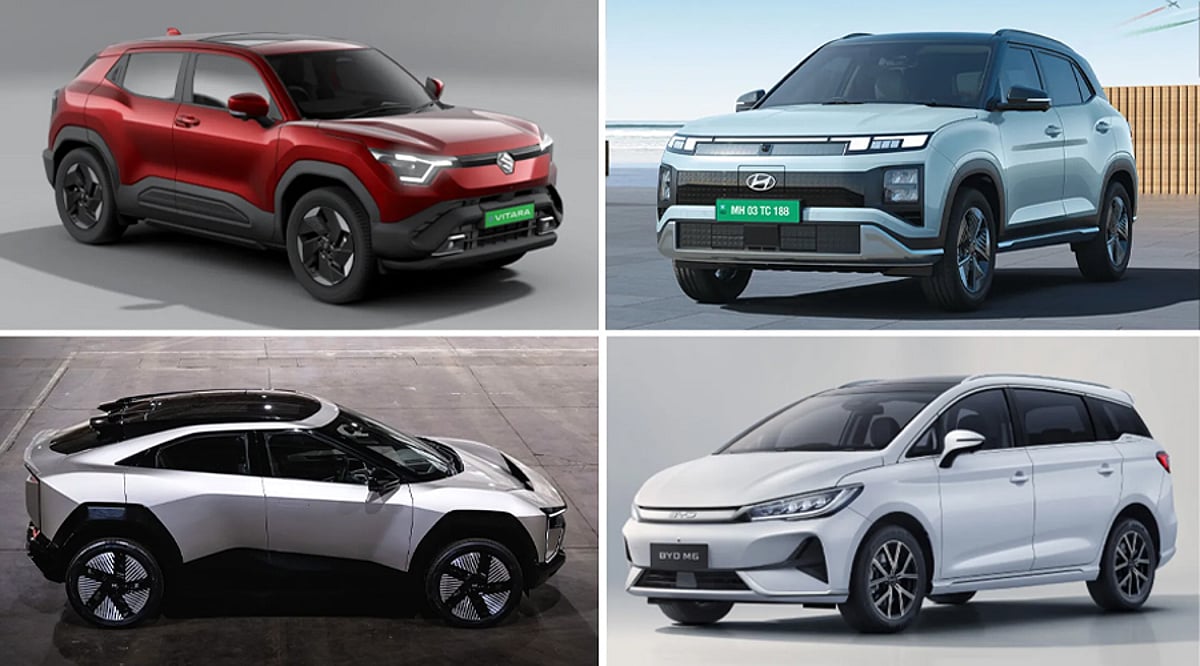
    The Indian electric vehicle market continues to expand, with several compelling options available under ₹20 lakh in 2026. Here are seven standout models offering a mix of range, features, and value for various driving needs.

    Tata Punch EV

    Starting at around ₹9.69 lakh, the Tata Punch EV remains one of the most accessible electric SUVs in India. It offers two battery options: 30 kWh and 40 kWh. The larger battery delivers a claimed range of up to 468 km, making it suitable for city commutes and occasional highway trips.

    Tata Nexon EV

    Priced from approximately ₹12.49 lakh, the Tata Nexon EV blends a compact SUV design with solid range and practical features. Battery choices include 30 kWh and 45 kWh packs, with the larger unit offering a claimed 489 km range.

    MG Windsor EV

    The MG Windsor EV features a spacious cabin and crossover styling. Its 52.9 kWh battery version achieves a claimed range of up to 449 km. Prices start around ₹14 lakh, with top variants staying under ₹20 lakh depending on the purchase plan.

    Mahindra XUV 3XO EV

    Mahindra’s electric compact SUV uses a 39.4 kWh battery with a claimed range of up to 456 km. Starting at ₹13.89 lakh, it comes equipped with Level 2 ADAS, connected car technology, and a premium audio system.

    Maruti Suzuki e Vitara

    The Maruti Suzuki e Vitara brings the brand’s familiar SUV DNA to EVs, available with 49 kWh and 61 kWh battery options. The larger pack claims up to 543 km range. Entry variants start around ₹15.99 lakh, fitting comfortably within the budget.

    Tata Tiago EV

    For those seeking an affordable city EV, the Tata Tiago EV starts at just ₹6.99 lakh. It offers 19.2 kWh and 24 kWh batteries, with claimed ranges of 226 km and 285 km respectively—ideal for daily urban driving.

    Mahindra BE 6

    The performance-focused Mahindra BE 6 starts at roughly ₹19 lakh, with battery variants that can deliver a claimed range up to 683 km. Its modern styling, strong performance, and tech-rich cabin make it a feature-packed choice near the budget ceiling.

  • EV Battery Health: The New Decisive Factor in Used Car Pricing

    EV Battery Health: The New Decisive Factor in Used Car Pricing

    Battery health is emerging as a critical determinant of used electric vehicle (EV) prices, with State of Health (SoH), warranty coverage, and independent battery reports influencing buyer confidence and resale value.

    Key Takeaways

    • Battery State of Health could become as important as mileage when dealers set used-EV prices.
    • Independent battery reports reduce uncertainty and help buyers assess a vehicle’s true condition.
    • Warranty coverage may support resale value by alleviating concerns about future battery costs.

    A three-year-old EV can look perfect on paper yet face a sharp price cut if the battery has poor health. While age, mileage, accident history, and service records still matter, battery condition now adds another major layer to used-EV valuation. Two cars with the same age and mileage may carry very different prices if one has a strong battery and the other shows clear capacity loss.

    The issue goes beyond battery life. Used-car buyers cannot easily see the battery’s SoH from a normal inspection. That gap creates uncertainty around range, future repair costs, and long-term value. As more early EVs enter the used-car market, battery health could become one of the most important numbers on a vehicle report. The wider market already shows signs of this shift.

    Battery Health Can Change the Value of an EV

    A petrol or diesel car typically gets a value estimate from familiar factors such as age, mileage, service records, and accident history. An EV needs another measure. Battery SoH shows how much of the original usable battery capacity remains.

    Recent data from Aviloo, based on more than 500,000 battery tests, found that most used EVs retain about 87% to 94% of their original usable capacity after 150,000 km. The results also show clear differences across models. Battery size, climate, driving habits, and charging patterns affect the rate of capacity loss.

    That data challenges a common fear around old EVs. An older battery does not always mean a weak battery. The bigger concern comes from an EV with no reliable battery record. A healthy battery with a verified report can offer far more confidence than a similar car with an unknown history.

    The SoH Number Still Needs Trust

    Battery health data helps buyers, but the number itself requires careful checks. A 2026 study of 1,114 EVs across five manufacturers found major gaps between actual battery capacity and SoH figures reported by battery management systems. The research raises concerns about using one reported figure as a universal measure of battery condition.

    That issue could shape the next stage of the used-EV market. A simple dashboard figure may not offer enough detail for a major purchase. An independent battery report could instead show usable capacity, cell balance, past thermal events, fast-charge exposure, and expected battery life.

    Such reports could eventually gain a role similar to a vehicle history report. A strong and trusted battery certificate could help separate a high-quality used EV from a risky example.

    India Needs Better Battery Price Signals

    India’s used-EV market now faces this issue at a critical stage. Autocar India’s 2026 used-car study covered more than 11,000 transactions across nine cities and identified battery concerns as a key reason for the lack of clear resale benchmarks for EVs.

    The market has already started to respond. In July 2026, JSW MG Motor India and Spinny announced a certified pre-owned EV program. The program includes EV-specific checks, a standard battery-health assessment, OEM warranty continuity, and a 200-point inspection.

    That move matters for resale prices. A certified battery check reduces uncertainty at the point of sale. It also helps sellers prove that a used EV has a healthy battery rather than relying only on age and mileage.

    Warranty Could Protect Resale Value

    Battery warranty may also become a major part of used-EV value. A car with several years of battery cover left can look safer than a similar vehicle near the end of its warranty period.

    Recent research from Strategy& found that battery warranty ranked as the strongest incentive for used-EV consideration, with 91% of APAC respondents selecting it. Dealer certification of battery SoH also ranked among the major factors that could improve buyer confidence.

    This trend could create a clear price gap between similar cars. A three-year-old EV with 95% SoH and strong warranty cover could command a premium. A similar car with 88% SoH may attract a normal market price, while a car with 75% SoH could face a much deeper discount. An EV with no reliable battery data may also lose value simply from uncertainty.

    Better Battery Data Could Change Depreciation

    The most important shift may not come from faster battery degradation. Better battery data could change how the market treats degradation.

    Some luxury EVs have already faced very steep depreciation. Barron’s reported that certain used Audi e-tron and Tesla Model S examples lost more than 70% of their original value. Rapid technology changes, higher supply, and battery concerns all contribute to weak resale prices in parts of the market.

    A trusted battery report could change that pattern. Strong batteries could hold more value, while genuinely weak batteries could face larger discounts. The used-EV market may therefore move toward a system where battery health directly shapes the price rather than remain a hidden technical detail.

    The next major step could come from banks, insurers, dealers, and automakers. If battery health starts to affect loan values, insurance terms, warranty extensions, and resale guarantees, SoH could become almost as important as mileage. At that point, the battery certificate may become one of the most valuable documents attached to a used EV.

    FAQs

    1. Why does battery health matter for used EVs?
      Battery health affects the vehicle’s usable range, future reliability, and overall resale value.
    2. What does State of Health mean?
      State of Health, or SoH, shows how much usable battery capacity remains compared with the original capacity.
    3. Can two EVs with the same mileage have different values?
      Yes. Different battery conditions can create a major price gap between otherwise similar vehicles.
    4. Does battery warranty affect resale value?
      Yes. Remaining battery warranty can give buyers greater confidence and reduce concerns about expensive future repairs.
    5. Will battery reports become standard for used EVs?
      The market is moving toward clearer battery checks, although a single universal standard has not yet emerged.

  • Five Cars Worth Waiting for Before Diwali 2026: Key Updates and Launch Timelines

    Five Cars Worth Waiting for Before Diwali 2026: Key Updates and Launch Timelines

    Buying a car during the festive season can be a costly mistake if a better model arrives just weeks later. In 2026, there are more reasons than usual to hold off on a purchase. From refreshed designs to new electric and hybrid powertrains, several noteworthy launches are expected—but their timing and real impact vary. The smart approach is to evaluate which updates genuinely transform the ownership experience rather than simply add a new badge.

    Mahindra Thar Facelift

    The Thar’s update focuses more on style than mechanical changes. Expect Roxx-inspired exterior cues and a more spacious, modern cabin with a larger touchscreen. The engine and gearbox lineup is likely to remain unchanged, making this facelift ideal for buyers who already want a Thar but prefer the refreshed look. Mahindra hasn’t officially confirmed a date, but reports suggest a late-September launch ahead of the festive season.

    Volkswagen Virtus Facelift

    Sedans continue to lose ground to SUVs, which makes the Virtus update noteworthy for a different reason. Test mules have shown a revised front end along with minor cabin and equipment tweaks. What stands out is Volkswagen’s continued investment in a sedan while most rivals redirect funds toward SUVs. If you’re already leaning toward a Virtus, waiting for the October 2026 arrival makes sense rather than booking the outgoing version now.

    Tata Safari EV

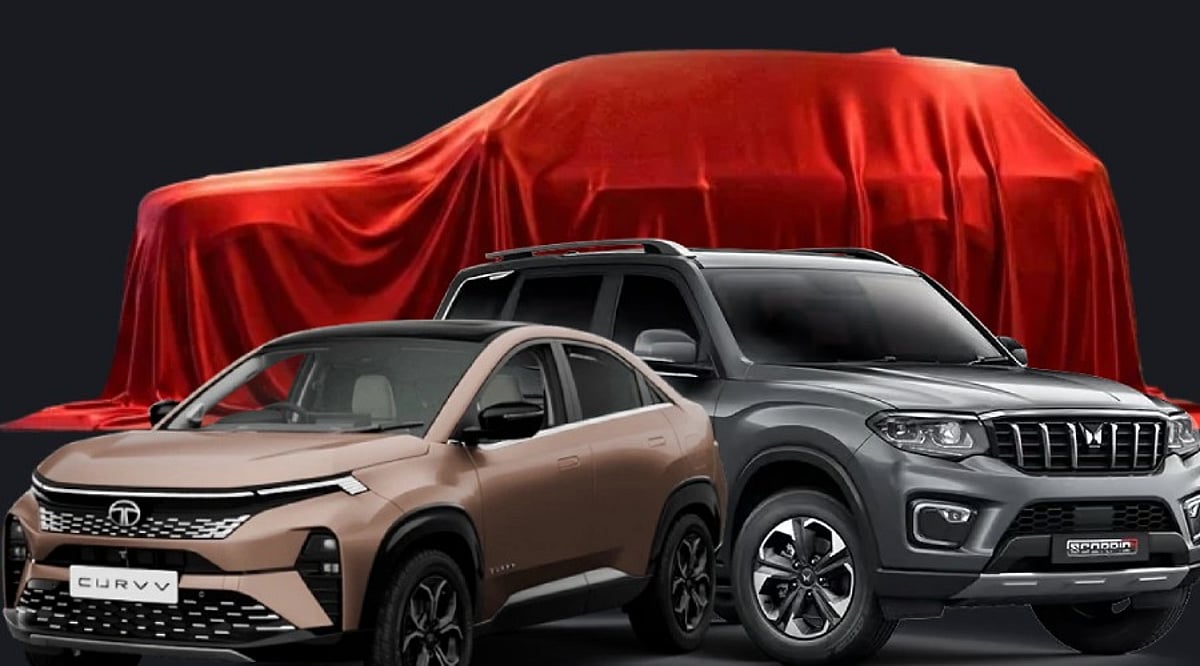
    Tata is introducing a fully electric powertrain to the Safari, extending the nameplate beyond its current petrol and diesel options. This will be the brand’s first three-row electric vehicle, offering large families an SUV with zero emissions. Final pricing and specs haven’t been announced, so it’s wise to wait for official numbers rather than rely on early estimates.

    Maruti Fronx Facelift

    This is the least confirmed update on the list. Spy shots hint at styling changes and a possible equipment boost, but Maruti has yet to release official details. What makes it worth tracking is the competitive price segment it occupies—one of the most crowded in the market. Even a modest refresh could shift its standing against rivals. If you don’t have a deadline, keep it on a watchlist rather than a shortlist.

    Renault Duster Hybrid

    Renault’s strong-hybrid system pairs a 1.8-liter petrol engine with two electric motors and a 1.4 kWh battery. The company claims it can run in EV mode for up to 80% of city driving, potentially delivering substantial fuel savings for urban commuters. Hybrid deliveries are expected around Diwali. Unlike cosmetic updates, this one changes daily driving dynamics, making it the strongest case for waiting among high-mileage city buyers.

    Before Booking Anything

    Not every model on this list justifies the same wait. The Thar and Virtus updates suit buyers already set on those nameplates. The Safari EV introduces a new option for families seeking a three-row electric SUV. The Duster Hybrid offers a genuine change in running costs. The Fronx remains uncertain and should stay on a watchlist until Maruti provides more information.

    Final Thought

    A new badge on the trunk is never the real reason to wait. The stronger reason is whether the update affects something that truly matters—running cost, cabin space, or the powertrain itself. As these launches get confirmed through September and October, comparing final prices and delivery timelines will be far more important than comparing launch dates.

    FAQs

    1. Which cars are worth waiting for before Diwali 2026?
    Key upcoming models include the Mahindra Thar facelift, Volkswagen Virtus facelift, Tata Safari EV, Maruti Fronx facelift, and Renault Duster Hybrid.

    2. When is the Mahindra Thar facelift expected to launch?
    Reports point to a late-September 2026 launch, though Mahindra hasn’t officially confirmed the date.

    3. Is the Tata Safari EV launching before Diwali 2026?
    Tata has planned the Safari EV around the 2026 festive season, but final pricing, specs, and exact date are yet to be announced.

    4. Which upcoming car is best for fuel-conscious city drivers?
    The Renault Duster Hybrid is the strongest option for high-mileage city drivers, thanks to its hybrid system designed to maximize EV-mode driving in urban conditions.

    5. Should buyers wait for the Maruti Fronx facelift?
    Only those with flexible timelines should wait. The facelift has been spotted in testing, but Maruti hasn’t officially confirmed specs or timing.

  • BMW India Plans Fourth Price Increase in 2026 as Rupee Weakens and Costs Rise

    BMW India Plans Fourth Price Increase in 2026 as Rupee Weakens and Costs Rise

    BMW Group India is preparing to raise vehicle prices for the fourth time in 2026, driven by the weakening rupee and escalating commodity costs. The luxury automaker has already implemented three price hikes this year, with total increases of up to 5% across its BMW and MINI lineups.

    Hardeep Singh Brar, President and CEO of BMW Group India, confirmed that another price revision is under consideration, potentially as early as next month. “The forex has hit us quite a bit. We have increased prices by 4-5% till now and there’s another one around the corner,” Brar said. He noted that foreign exchange conditions have deteriorated by about 18% since January 2025, putting significant pressure on margins.

    Expanding Local Production to Offset Costs

    Brar made the announcement following the launch of the new BMW 7 Series in India. The flagship luxury sedan is now available with both petrol and fully electric powertrains, including the high-performance BMW i7 M70. Bollywood actor Ranveer Singh unveiled the new models and was introduced as the brand voice for BMW India.

    To mitigate cost pressures, BMW is expanding local assembly. The new BMW i7 will be produced at the company’s Chennai plant, making India the only country outside Germany to locally manufacture the electric luxury sedan. However, the higher-performance i7 M70 will continue to be imported as a completely built-up unit.

    Pricing for the New 7 Series

    The new BMW 740 M Sport is priced at Rs 1.95 crore (ex-showroom), while the electric BMW i7 eDrive 50 xDrive M Sport carries the same ex-showroom price. The top-of-the-range BMW i7 M70 xDrive is priced at Rs 2.65 crore (ex-showroom) and will be imported.

    BMW did not specify the size of the next price increase, but Brar confirmed that another revision remains on the table as the company navigates currency volatility and rising input costs. Deliveries of the new 7 Series are expected to begin in October 2026.