The electric vehicle market is entering a new phase, marked by shifting regional dynamics, falling prices, and rapid technological advances. Global sales of battery-electric and plug-in hybrid vehicles reached 1.85 million units in July 2026, a 9% year-over-year increase, with total sales for the first seven months hitting approximately 11.5 million. Europe is emerging as the fastest-growing market, while China faces a saturated domestic market and North America shows mixed signals. The next wave of EV adoption will hinge on price, battery innovation, charging infrastructure, software capabilities, and trade policies.
Europe Gains Momentum
In 16 major European markets, battery-electric vehicles accounted for 25.7% of new car sales in July 2026. BEV sales rose 13.6% year-over-year to 224,266 units. France achieved a 35% BEV share, Germany 29.3%, and Denmark an impressive 80.1%. However, Italy saw its share drop to 5.9% after ending purchase subsidies. Stable regulations and more affordable models will be critical for Europe to maintain its lead.
China Shifts Focus to Exports
China’s domestic EV market is under pressure, with passenger vehicle exports rising 77.5% year-over-year in August 2026, while domestic sales fell for the 11th consecutive month. Electric and plug-in hybrid exports surged 154.7%, even as domestic sales of these vehicles declined 10.1%. Major automakers like BYD and Geely are increasingly looking overseas for growth as the home market becomes saturated.
Price and Battery Costs Are Key
Price remains the central factor in EV adoption. According to the International Energy Agency, nearly 70% of battery-electric cars sold in China in 2025 cost less than the average petrol or diesel car, and about 30% of electric models had an entry price below USD 20,000. In Europe, fewer than 10% of BEV models were priced below USD 30,000 in 2025. Low-cost Chinese models hold a strong advantage, but trade barriers could shift the balance.
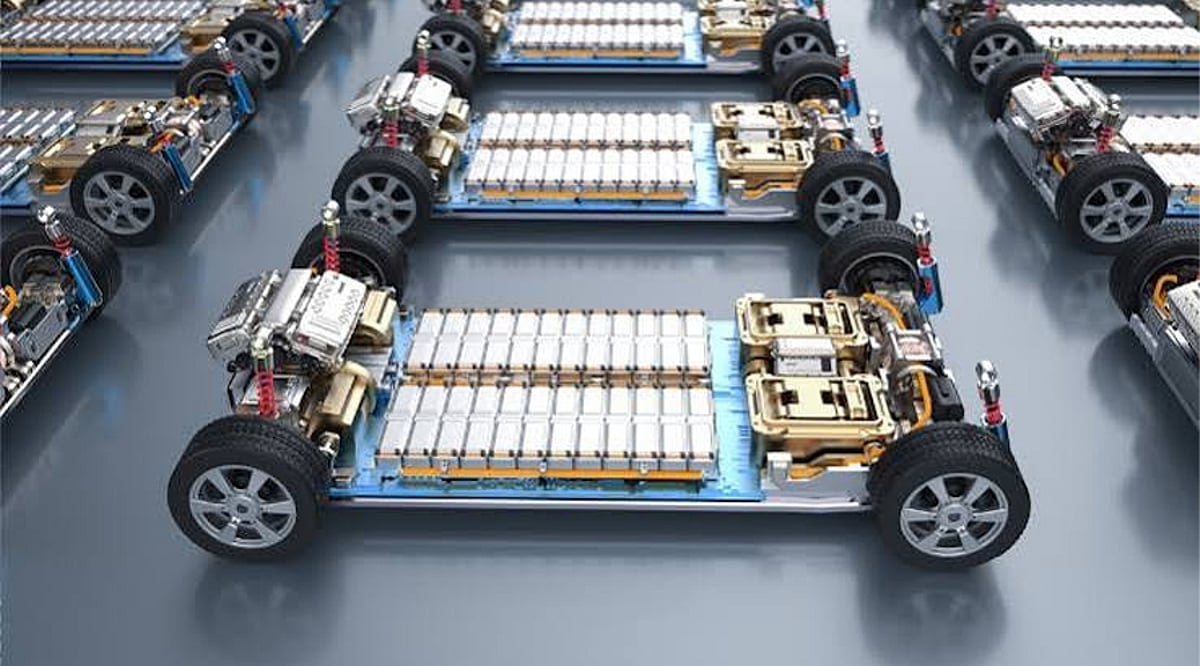
Global EV battery use reached 1.2 terawatt-hours in 2025, up nearly 30% from 2024. Average battery prices fell 8% in 2025, though lithium prices at the start of 2026 were more than double their level from the same period in 2025. Battery makers must balance lower pack costs with volatile mineral prices. Smaller, cheaper models could attract more buyers if range and safety remain acceptable.
Charging Infrastructure and Software
The world had over 43 million private light-duty vehicle charge points in 2025, with roughly one-third each in China and Europe and one-sixth in the United States. Public fast-charging rates can be up to 240% higher than residential tariffs, making home charging a key value driver. The average electric car range is now around 380 km and has largely plateaued. New 1,000-volt models and ultra-fast charging systems can cut charge times to under 10 minutes.
Software is playing an increasingly important role. Modern EVs support remote updates, advanced driver assistance, battery management, and new digital features. Driverless taxis are already operating in more than 20 cities, primarily in China and the United States.
India’s Unique Path
India presents a different growth story. Alternative-fuel passenger vehicles accounted for 41.95% of retail sales in August 2026, ahead of petrol and ethanol at 40.85%. CNG and LPG held 25.28%, hybrids 9.04%, and EVs 7.63%. India recorded 297,820 EV registrations in August, with Uttar Pradesh alone contributing 42,007. The country shows strong potential across small cars, two-wheelers, three-wheelers, buses, and fleet vehicles.
What Lies Ahead
The next phase of the EV industry will not be defined by a single technology or market. Europe needs stable policies and lower prices. China must secure overseas access. Battery manufacturers require lower costs and stable mineral supply. Automakers need better software and faster charging. India offers room for diverse growth. The winners will be those that can deliver the right combination of price, range, software, and charging access.
FAQs
- What is driving the next phase of EV growth? Lower prices, battery innovation, faster charging, improved software, and supportive trade and policy frameworks.
- Why is Europe becoming an important EV market? Europe is seeing faster BEV adoption, with several major markets recording strong growth and higher electric-car sales shares.
- What challenge is China’s EV industry facing? A saturated domestic market is pressuring sales, encouraging Chinese automakers to expand exports and enter overseas markets.
- Will EV prices continue to fall? Lower battery costs and increased competition could support more affordable EVs, although mineral prices and trade barriers may affect pricing.
- What role will India play in the EV transition? India has significant growth potential across EVs, two-wheelers, three-wheelers, buses, and fleet vehicles, supported by broader growth in alternative-fuel mobility.