Category: Automotive

  • Top 10 Autonomous Vehicles Defining 2026

    Top 10 Autonomous Vehicles Defining 2026

    The autonomous vehicle landscape is accelerating rapidly in 2026, with major players expanding their fleets, entering new markets, and pushing the boundaries of what driverless technology can achieve. From ride-hailing services to consumer cars and autonomous trucks, here are ten vehicles and platforms that are shaping the future of transportation this year.

    1. Waymo One

    Waymo One leads the driverless ride-hailing segment, now operating fully autonomous services across 14 U.S. cities, including newer markets such as Denver, San Diego, and Tampa. The company is also preparing to expand into Germany, signaling its global ambitions.

    2. Tesla Model 3 and Model Y with FSD

    Tesla’s Full Self-Driving (FSD) system remains one of the most widely deployed advanced driving solutions. While the system can handle turns, lane changes, and navigation, Tesla still requires active driver supervision. The Model 3 and Model Y are the primary vehicles showcasing this technology.

    3. Mercedes-Benz DRIVE PILOT

    Mercedes-Benz DRIVE PILOT stands out as a regulated Level 3 automated driving system. Available on select S-Class and EQS models, it uses LiDAR and other sensors to provide automated driving in approved highway conditions, setting a benchmark for consumer-grade autonomy.

    4. Pony.ai Robotaxi

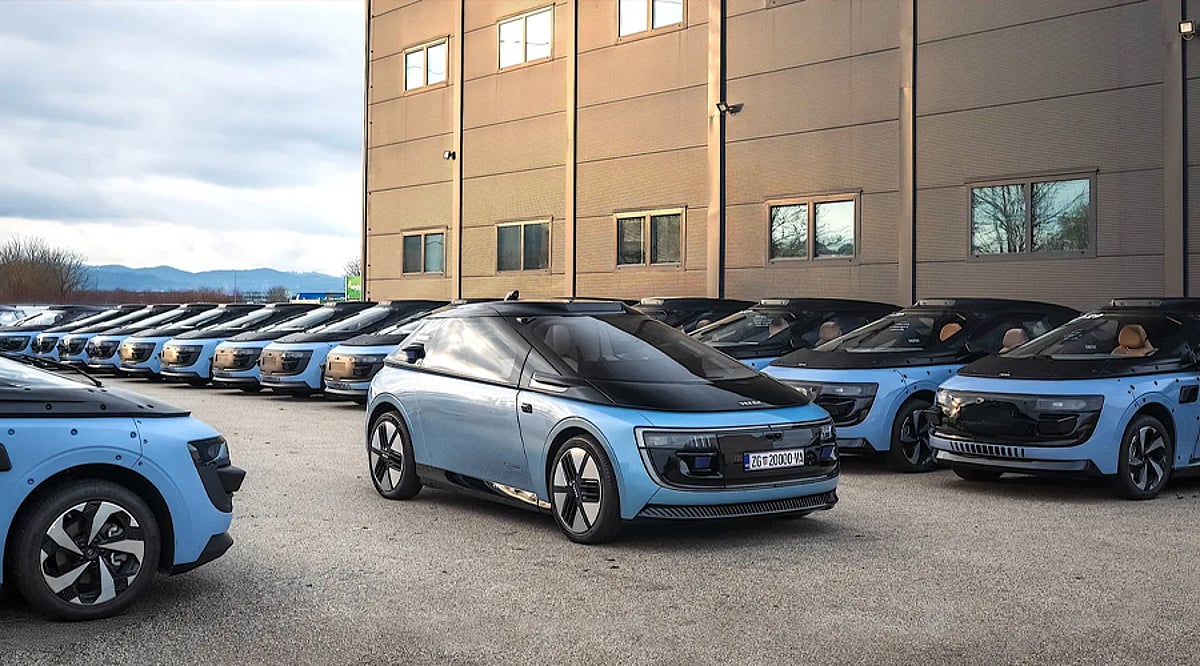
    Pony.ai is rapidly expanding its robotaxi service across China and international markets. The company launched commercial operations in Zagreb, Croatia, and aims to deploy thousands of vehicles as it scales its autonomous fleet globally.

    5. Wayve-Powered Vehicles

    Wayve, a UK-based startup, has partnered with Uber to launch supervised autonomous rides in London as of September 2026. This marks a significant milestone for European robotaxi services, bringing autonomous technology to busy urban streets.

    6. Aurora Driver Trucks

    Aurora is proving that autonomy extends beyond passenger cars. Its self-driving trucks now operate without any human in the driver’s seat, and the company plans to scale its commercial fleet throughout 2026, targeting logistics and freight applications.

    7. Zoox Robotaxi

    Zoox takes a unique approach with a purpose-built vehicle designed for driverless ride-hailing. The cabin features face-to-face seating and no steering wheel. The company is now preparing for larger-scale production, aiming to redefine urban mobility.

    8. Baidu Apollo Go

    Baidu Apollo Go is one of China’s largest autonomous mobility platforms. By 2026, it has expanded to 28 cities and accumulated over 350 million autonomous kilometers, including more than 240 million fully driverless kilometers, making it a dominant player in the region.

    9. BMW iX and Advanced ADAS

    The BMW iX, along with other models featuring advanced driver-assistance systems (ADAS), represents the next step for consumer vehicles. Systems like BMW’s Driving Assistant Professional offer hands-free assistance on approved roads, bringing near-autonomous capabilities to everyday drivers.

    10. NIO and XPeng EVs

    Chinese automakers NIO and XPeng are pushing navigation and driver-assistance technology with AI-powered systems. Their vehicles highlight how Chinese manufacturers are competing globally, integrating advanced automation into mainstream electric cars.
  • India’s Alternative-Fuel Vehicle Sales Overtake Petrol Cars for First Time in August 2026

    India’s Alternative-Fuel Vehicle Sales Overtake Petrol Cars for First Time in August 2026

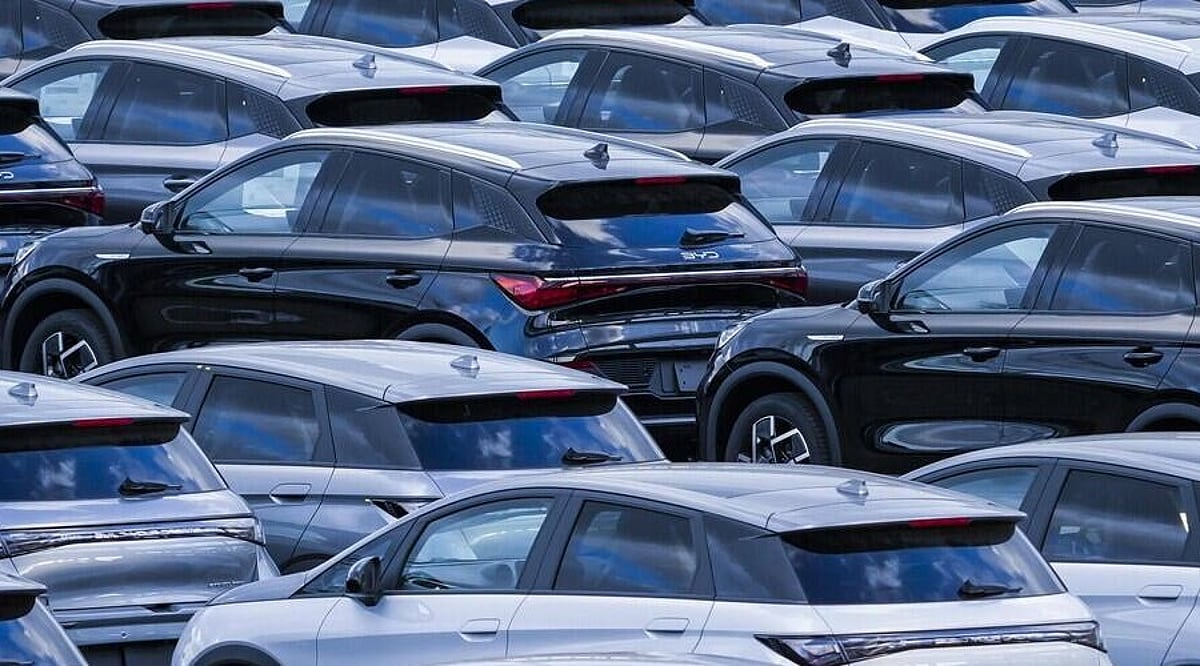
    For the first time in India, sales of alternative-fuel passenger vehicles—CNG, hybrid, and electric—surpassed those of petrol-powered cars in August 2026, according to the Federation of Automobile Dealers Associations (FADA). The milestone reflects shifting consumer preferences driven by rising fuel costs, concerns over E20 petrol, and a widening selection of alternative-fuel models.

    Alternative-fuel vehicles captured 41.95% of passenger vehicle retail sales during the month, while petrol vehicles accounted for 40.85%. This marks a dramatic reversal from just over a year earlier, when petrol vehicles led alternative-fuel models by nearly 11 percentage points.

    FADA Vice President Sai Giridhar attributed the change to several factors. “This shift was bound to happen,” he said. “Concerns about E20 petrol may have pushed some buyers to consider other fuel options earlier than expected.” He noted that better electric vehicle driving ranges, expanding charging infrastructure, and a broader array of alternative-fuel models now support the trend.

    E20 Petrol and Fuel Costs Drive Buyers

    India is transitioning from E10 to E20 petrol, which contains 20% ethanol, as part of efforts to reduce dependence on imported crude oil. However, some owners of older vehicles have raised concerns about fuel economy and compatibility, fearing that E20 could reduce mileage or harm engines not designed for the higher blend. The government has dismissed these as “wild claims,” but the debate continues as E20 becomes more widely available.

    Higher crude oil prices, exacerbated by the ongoing Middle East conflict, have also heightened attention to running costs for petrol vehicles, accelerating the shift toward alternatives.

    Record August Sales, but Monthly Dip

    India’s total automobile retail sales rose 17.51% year-on-year to 24,23,201 units in August, marking the strongest August performance on record. However, sales fell 6.48% from July, which FADA linked to monsoon conditions and the shifting festive calendar—Ganesh Chaturthi and part of Onam moved into September this year.

    Rural markets outperformed urban areas, with rural vehicle sales climbing 19.79% year-on-year versus 15.17% in cities. Rural passenger vehicle sales surged 24.99%, compared to 10.93% in urban markets.

    Festive Season Outlook and Price Hikes

    Although dealers remain optimistic about the upcoming festive season, vehicle price increases and inflation are key concerns. Maruti Suzuki India announced it will raise prices on selected models by up to Rs 20,000 starting September, its third hike since May. Giridhar warned that further price increases could dampen the demand boosted by recent tax reforms.

    Passenger vehicle inventory rose to 38–40 days by end of July, up by about five days. FADA said demand from September through November will provide crucial insight into festive-season buying behavior, as buyers weigh prices, fuel costs, and their growing array of vehicle choices.

  • Jaguar Land Rover Announces 4,000 Job Cuts Globally to Drive Cost Savings

    Jaguar Land Rover Announces 4,000 Job Cuts Globally to Drive Cost Savings

    Jaguar Land Rover (JLR), the luxury automaker owned by Tata Motors, has announced plans to reduce its global workforce by approximately 4,000 roles over the next two years. The move is part of a broader restructuring strategy aimed at cutting costs by £1.7 billion and improving competitiveness in the face of rising expenses, tariffs, and intense market pressure.

    CEO PB Balaji confirmed the job reductions, which will affect salaried and management positions. The company has initiated a voluntary redundancy program, allowing eligible employees to leave voluntarily, with further details to be communicated to staff first.

    The restructuring is designed to streamline operations, enhance efficiency, and lower the company’s breakeven point to 300,000 units annually. JLR cited the need for operational simplification and greater resilience amid shifting global market conditions.

    Key challenges driving the layoffs include declining sales, escalating costs, US tariffs, and stiff competition from Chinese electric vehicle manufacturers. This announcement follows similar job cuts across the European automotive sector, reflecting broader industry pressures.

    JLR’s efforts are part of a wider trend among traditional automakers to adapt to changing consumer preferences and the rise of affordable EVs from China. The company remains focused on achieving long-term sustainability while navigating these industry disruptions.

  • Hyundai HE1i Electric SUV Spied Testing: 450 km Range, Pleos Connect Infotainment, and Expected Price

    Hyundai HE1i Electric SUV Spied Testing: 450 km Range, Pleos Connect Infotainment, and Expected Price

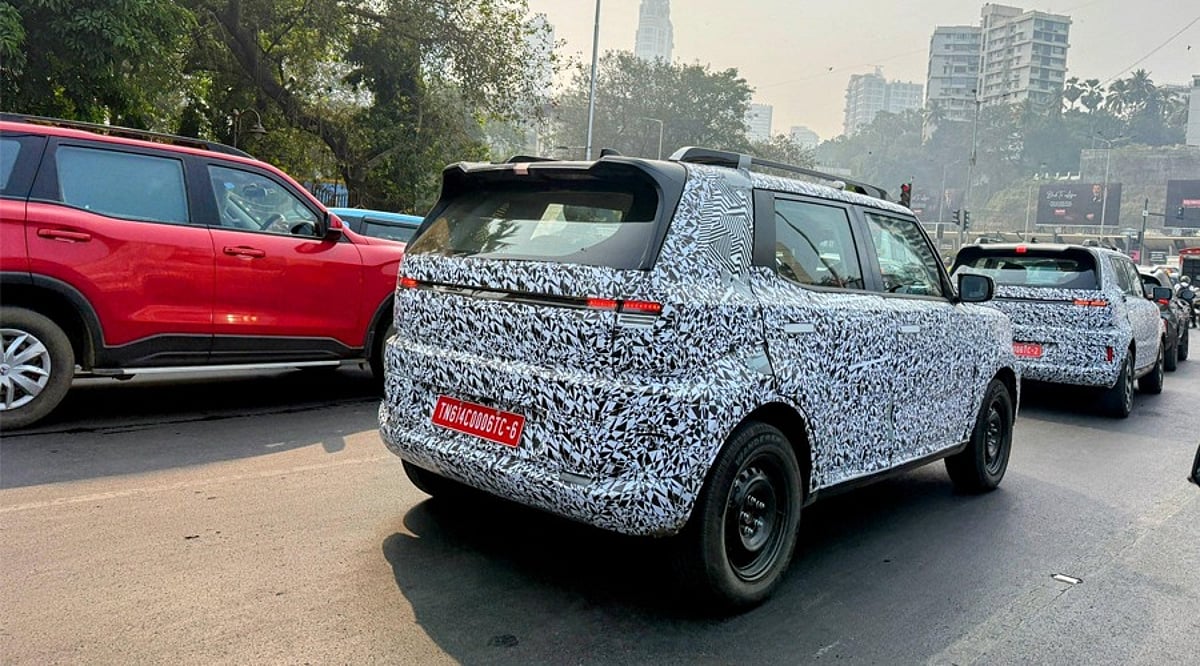
    Hyundai’s upcoming subcompact electric SUV, internally codenamed HE1i, has been spotted testing ahead of its anticipated launch in India during the fourth quarter of 2026. The A-segment EV is expected to be produced at Hyundai’s Sriperumbudur facility in Tamil Nadu, and recent spy photographs offer a closer look at its cabin and features.

    The test vehicle suggests the HE1i could feature Hyundai’s new-generation Pleos Connect infotainment system, based on Android Automotive OS. This digital platform supports a smartphone-like interface, multi-window functionality, AI-enabled voice control, and over-the-air updates. It also includes Pleos ID, a unified user profile for personalizing the cabin experience. While Hyundai has confirmed that the India-specific EV will receive a new-generation infotainment system and Level 2 assisted driving technology, the company has not officially confirmed Pleos Connect for the HE1i. However, similarities in the spy shots indicate the system may make it to the production model. The test vehicle also appeared to feature sequential turn indicators, though these may not necessarily appear on the final production-spec India-bound model.

    Under the hood, the Hyundai HE1i is expected to use the E-GMP (K) architecture, also used by the global Hyundai Ioniq 5. Reports suggest standard-range and long-range versions with battery capacities ranging from 42 kWh to 51 kWh. The expected range stands at around 450 km on a single charge, though these figures remain preliminary and require official confirmation from Hyundai.

    Expected features include wireless Android Auto and Apple CarPlay, dual-zone climate control, front-seat ventilation, a sunroof, a 360-degree camera, and additional airbags, although these remain unverified. The expected price is around Rs. 10 lakh and above, with recent reports suggesting an estimated entry-level price of Rs. 10–12 lakh, depending on battery size, localization, and variants. The Hyundai HE1i is expected to compete with the Tata Punch EV, Tata Nexon EV, Mahindra XUV 3XO EV, and Kia Syros EV.

  • Uber’s $10 Billion Robotaxi Investment: What It Means for Human Drivers

    Uber’s $10 Billion Robotaxi Investment: What It Means for Human Drivers

    Uber plans to commit more than $10 billion to autonomous mobility, with partners adding about 120,000 robotaxis to its network. Human drivers will still handle most rides as the company expands driverless services gradually across selected cities and approved operating zones.

    Uber plans to commit more than $10 billion to autonomous vehicles over the coming years. Its partners have committed about 120,000 vehicles to the Uber network during that period.

    The company currently offers autonomous rides in seven cities. It expects that number to reach as many as 15 by year-end. However, Uber’s expansion does not set a deadline for removing human drivers from its platform.

    Uber Builds Its Robotaxi Network Through Partners

    Uber disclosed the investment plan in its second-quarter 2026 prepared remarks. The spending covers equity investments, infrastructure and agreements to buy or use autonomous vehicles. Uber will also consider outside investors to help finance future deployments.

    Chief Executive Dara Khosrowshahi said, “Our ambition is clear: to become the world’s leading commercialization platform for autonomous mobility.” Uber plans to connect vehicle developers with riders through its app. It does not intend to develop every self-driving system internally.

    The program will combine Uber’s capital with vehicles from technology partners. This approach follows Uber’s 2020 sale of its autonomous-driving unit to Aurora.

    Since then, Uber has signed agreements with several developers and vehicle makers. Its current partners include Waymo, Nuro, Lucid, Rivian, Wayve, WeRide and Zoox.

    Uber reported $2.8 billion in second-quarter free cash flow. Free cash flow for the previous 12 months exceeded $10 billion for the first time. Gross bookings rose 24% from a year earlier to $58 billion, while revenue reached $14.2 billion.

    Human Drivers Still Handle Most Uber Trips

    Human drivers and couriers still form the core of Uber’s service network. A record 10.2 million drivers and couriers earned more than $25 billion during the second quarter.

    Robotaxis currently account for less than 0.5% of Uber’s total rides, Khosrowshahi said during the company’s earnings call. Most autonomous services also operate within defined areas. Each city requires local testing, operating support and regulatory approval.

    Uber has started reducing driver recruitment in some cities where autonomous rides operate. Khosrowshahi said the company wants established drivers in those markets to maintain their earnings. Uber has not announced plans to remove existing drivers.

    The longer-term position is less certain. Khosrowshahi said in February that robots could handle most Uber trips within 15 to 20 years. He also said driver and courier numbers should keep rising for several years.

    Automation will not reach every route at the same pace. Construction zones, severe weather and unusual traffic conditions can restrict autonomous systems. Human drivers can serve trips outside approved zones and markets without commercial robotaxi rules.

    New Fleet Work Accompanies Autonomous Expansion

    Large robotaxi networks require more than self-driving software. Uber lists dispatch, vehicle integration, fleet operations, charging, financing and insurance among the services needed for commercial operations. Regulators and local communities also take part in each launch.

    Those requirements create work in fleet maintenance, charging, cleaning, customer support and remote assistance. However, Uber has not provided hiring forecasts for these roles. It has also not said how many driving positions its planned fleet may replace.

    The company’s partner commitments cover different schedules and markets. For example, Uber’s Lucid and Nuro agreement covers at least 20,000 vehicles over six years. The broader 120,000-vehicle commitment has no single six-year deadline.

    For now, Uber is adding robotaxis alongside human-driven rides. The speed of that change will depend on vehicle supply, safety approvals and local operating rules. Driver demand will also vary by city as autonomous services expand within selected zones.

  • Nissan Ariya Electric SUV: Comprehensive Overview of Its Design, Performance, and Market Impact

    Nissan Ariya Electric SUV: Comprehensive Overview of Its Design, Performance, and Market Impact

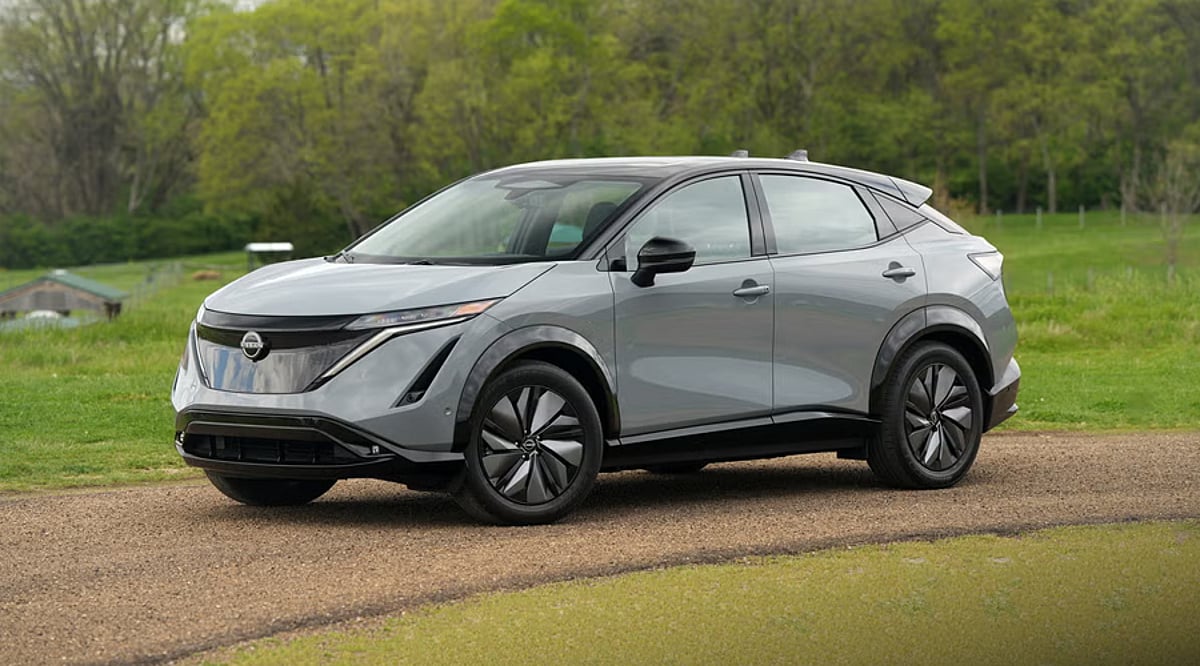
    The Nissan Ariya marks a significant step in the company’s transition to an all-electric future, blending modern design with innovative technology. As a practical SUV with electric performance, it delivers a premium driving experience. The spacious cabin, intelligent features, and efficient powertrain position the Ariya as a key player in the global electric vehicle market.

    Stylish Design Creates Strong Appeal

    The Nissan Ariya features a futuristic exterior with smooth lines, a bold front fascia, and aerodynamic enhancements. Inside, the cabin emphasizes simplicity and comfort with a minimalist layout. Premium materials, intuitive controls, and clever storage solutions create a relaxing environment for both driver and passengers during daily commutes or longer journeys.

    Electric Performance Meets Everyday Driving

    The Ariya delivers smooth acceleration and responsive handling through its electric powertrain. Various battery configurations offer options for those prioritizing efficiency or stronger performance. Instant electric torque, quiet operation, and balanced dynamics provide an enjoyable ride while maintaining the practicality expected from a modern family SUV.

    Advanced Technology Enhances the Experience

    Nissan equips the Ariya with intelligent driving aids, connected features, and advanced safety systems. Driver-assistance tools boost confidence on the road, while digital displays and smart connectivity add convenience. These technologies underscore Nissan’s commitment to merging electric mobility with modern digital experiences for everyday users.

    Range and Charging Remain Key Features

    Electric vehicle buyers often evaluate range and charging convenience before purchasing. The Nissan Ariya addresses these concerns with efficient battery options and charging support tailored for daily travel. Improved charging networks and home charging solutions continue to make electric SUVs like the Ariya increasingly practical for consumers worldwide.

    Competition Grows in Electric SUV Market

    The electric SUV segment is becoming highly competitive, with models from Tesla, Hyundai, Kia, and others. Automakers are focusing on longer range, better technology, and attractive pricing. The Nissan Ariya competes by offering a compelling mix of comfort, reliability, and electric innovation for those exploring sustainable transportation.

    Nissan Ariya Represents the EV Future

    As electric vehicle adoption rises, models such as the Nissan Ariya demonstrate how traditional automakers are adapting to evolving consumer preferences. With advanced technology, practical design, and electric performance, the SUV reflects the direction of future transportation. Nissan’s continued EV development could strengthen its position in the rapidly changing global electric vehicle market.

  • Key Players in the EV Ecosystem: Stocks Powering Electric Mobility’s Future

    Key Players in the EV Ecosystem: Stocks Powering Electric Mobility’s Future

    Electric Vehicle Market Enters a New Growth Phase

    The electric vehicle industry is expanding beyond car manufacturers, creating opportunities across batteries, charging infrastructure, software, and energy solutions. Companies supporting the EV ecosystem are becoming important players as global demand for cleaner transportation increases. Investors are closely watching businesses that contribute to the development, production, and adoption of electric mobility worldwide.

    EV Manufacturers Lead the Transformation

    Electric vehicle makers remain central to the industry’s growth as they introduce new models, improve battery efficiency, and compete for global market share. Companies developing affordable, premium, and specialized electric vehicles are influencing the future of transportation. Their progress depends on innovation, production capacity, technology improvements, and the ability to meet changing consumer expectations.

    Battery Companies Power Electric Mobility

    Battery technology is one of the most important parts of the EV ecosystem because it determines range, performance, and cost. Battery manufacturers and suppliers are investing heavily in advanced materials, faster charging solutions, and improved energy storage. Companies involved in battery production are becoming increasingly important as automakers seek reliable partners for future electric vehicle growth.

    Charging Networks Build EV Infrastructure

    The expansion of electric vehicles depends heavily on charging infrastructure. Companies developing charging stations, fast-charging technology, and energy management systems are helping create a stronger EV network. As more drivers switch to electric vehicles, charging providers are expected to play a larger role in supporting convenient and accessible transportation solutions.

    Semiconductor and Software Companies Gain Importance

    Modern electric vehicles rely on advanced chips, artificial intelligence, and software systems to improve performance and safety. Semiconductor companies and technology providers are becoming key contributors to the EV ecosystem. Their innovations support autonomous driving features, battery management systems, connected services, and smarter vehicle experiences for future generations of electric cars.

    Global Competition Shapes EV Investments

    The EV market includes companies from different regions competing through technology, pricing, and innovation. Manufacturers, battery suppliers, and infrastructure providers are expanding their capabilities to capture growing demand. Investors are monitoring businesses with strong growth potential while considering challenges such as supply chain risks, changing regulations, and increasing market competition.

    The Future of EV Ecosystem Stocks

    The electric vehicle revolution extends far beyond vehicle production, creating opportunities across multiple industries. Companies involved in batteries, charging, software, and renewable energy solutions will continue influencing the future of transportation. As EV adoption increases globally, ecosystem-focused businesses are expected to remain important areas of interest for technology and mobility investors.

  • Best Electric Two-Wheelers in India: Top Scooters and Performance Motorcycles for 2025

    Best Electric Two-Wheelers in India: Top Scooters and Performance Motorcycles for 2025

    India’s electric two-wheeler market is booming, with a growing lineup of scooters and motorcycles that combine style, range, and smart features. From daily commuters to high-performance machines, here are the leading electric two-wheelers available today.

    Electric Scooters

    • Ola S1 Pro Gen 3 – Premium electric scooter offering strong performance, a long riding range, touchscreen features, fast charging, and a connected smart riding experience for daily use.
    • Ather 450X – Popular smart scooter delivering smooth acceleration, excellent handling, reliable battery performance, over-the-air updates, and advanced navigation for commuters.
    • TVS iQube ST – Family-friendly electric scooter combining comfortable seating, practical storage, connected technology, dependable performance, and strong after-sales service across India.
    • Bajaj Chetak 35 Series – Stylish electric scooter blending classic design with modern technology, refined ride quality, durable build, and dependable city commuting capabilities.
    • Hero Vida V2 Pro – Feature-rich electric scooter offering removable batteries, comfortable ergonomics, connected technology, practical range, and convenient charging options for urban riders.
    • River Indie – Practical electric scooter featuring large storage capacity, sturdy construction, comfortable seating, and everyday usability designed for families and working professionals alike.
    • Simple One – Long-range electric scooter offering powerful performance, modern design, connected features, fast charging support, and excellent battery efficiency for extended commuting.

    Electric Motorcycles

    • Ultraviolette F77 – High-performance electric motorcycle delivering sporty styling, rapid acceleration, premium features, advanced safety technology, and impressive highway riding capabilities throughout India.
    • Revolt RV400 – Affordable electric motorcycle providing swappable battery options, comfortable riding position, smart connectivity, and low operating costs for daily urban transportation.

    Whether you’re a daily commuter or an enthusiast, India’s electric two-wheeler lineup offers something for everyone. Stay tuned for more updates and reviews.

  • Cummins India Reports 18% Revenue Growth in Q1 FY2027 Amid Strong Domestic Demand

    Cummins India Reports 18% Revenue Growth in Q1 FY2027 Amid Strong Domestic Demand

    Cummins India Limited (NSE: CUMMINSIND, BSE: 500480) has announced its financial results for the quarter ended June 30, 2026. The Board of Directors reviewed and approved the standalone financial results during a meeting held on August 5, 2026.

    Key Financial Highlights

    • Total Sales: ₹3,375 crore, an increase of 18% year-over-year (YoY) and 14% quarter-over-quarter (QoQ).
    • Domestic Sales: ₹2,854 crore, up 22% YoY and 14% QoQ.
    • Export Sales: ₹521 crore, flat YoY but up 16% QoQ.
    • Profit Before Tax (PBT) before exceptional items: ₹721 crore, with a margin of 21.4%, marginally lower by 0.7% YoY and 12% lower sequentially.
    • Profit After Tax (PAT): ₹543 crore, resulting in a net profit margin of 16.1%.

    Management Commentary

    Shveta Arya, Managing Director of Cummins India Limited, commented: “The new fiscal year began on a steady note, supported by robust domestic demand across key end markets and our order execution contributing to revenue growth. Exports continue to be resilient in major regions that we supply despite the geopolitical developments. These headwinds led to higher commodity costs and inflationary trends impacting margins. We are closely tracking these developments and remain focused on operational efficiencies and cost discipline while continuing with our promise of dependability and reliability as we serve our customers.”

    Future Outlook

    Looking ahead, the company expects business momentum to remain steady across its key markets. Inflationary pressures and supply chain constraints are likely to continue influencing the industry environment. Cummins India will prioritize disciplined execution, cost management, and operational efficiencies. With a healthy balance sheet and strong liquidity, the company is adopting a measured approach to execution, capital deployment, and cost control. It remains committed to creating long-term value for customers and shareholders by leveraging proven technologies, experienced talent, established brand presence, market-relevant portfolio, manufacturing depth, and wide distribution and service reach.

    About Cummins India Limited

    Established in 1962 and headquartered in Pune, Cummins India Limited (NSE: CUMMINSIND | BSE: 500480) is a leading power solutions provider in India. As the oldest Cummins entity in the country, it operates in power generation, aftermarket, and export businesses. The company has four state-of-the-art manufacturing plants, assembly, and a distribution center, along with 480 customer touchpoints. With over 3,000 employees, Cummins India is dedicated to powering customer success and making people’s lives better by powering a more prosperous world.

  • Santa Cruz Blur Combines All-Day Comfort With Race-Ready Speed

    Santa Cruz Blur Combines All-Day Comfort With Race-Ready Speed

    The Santa Cruz Blur proves that comfort and speed can coexist in a modern trail bike. With a redesigned frame and carefully tuned suspension, the Blur delivers a smooth, confidence-inspiring ride without giving up the efficient climbing and fast descending that riders expect.

    Comfort-Focused Geometry

    Updated frame geometry improves stability and rider confidence on long rides, while still preserving efficient climbing performance. The balanced layout helps riders stay comfortable over varied terrain, making the bike equally appealing to recreational cyclists and competitive racers.

    Refined Suspension and Lightweight Frame

    The Blur’s suspension system absorbs trail impacts effectively while retaining responsive pedaling efficiency on technical climbs and fast descents. Combined with a lightweight carbon frame, the bike accelerates quickly and offers greater control and agility on demanding trails.

    Predictable Handling and Versatile Performance

    Riders get predictable steering that inspires confidence on winding trails, rough surfaces, and challenging downhill sections. The Blur performs well during endurance rides, weekend adventures, and amateur races, making it a versatile option for a wide range of cyclists.

    Reliable Components and Everyday Appeal

    A quality drivetrain, brakes, and wheels deliver dependable performance with minimal maintenance over extended use. The trail-friendly design handles changing terrain comfortably, while the overall focus on usability and rider enjoyment makes the Santa Cruz Blur accessible to more cycling enthusiasts.