Category: Automotive

  • 7 Legendary Automobiles That Define Global Automotive Excellence

    7 Legendary Automobiles That Define Global Automotive Excellence

    Some cars transcend transportation, becoming timeless legends through groundbreaking engineering, unforgettable design, and a lasting influence on the global automotive industry. Models like the Ferrari 250 GTO and Porsche 911 remain highly sought after for their rarity, racing heritage, exceptional craftsmanship, and enduring value. These legendary automobiles continue to inspire enthusiasts and collectors worldwide, proving that true automotive excellence never goes out of style or loses its significance.

    Whether they introduced groundbreaking engineering, dominated motorsport, or defined an era, these iconic cars continue to command extraordinary prices decades later. Their rarity, technological innovation, racing pedigree, craftsmanship, and historical significance make them some of the most sought-after collector’s items in the world.

    These qualities drive the global collector car market. The Ferrari 250 GTO, for example, has sold at auction for tens of millions of dollars, making it one of the most expensive cars ever sold. Meanwhile, the Porsche 911 has continued to evolve while staying true to its original identity and is currently priced between Rs. 1.99 crore and Rs. 4.26 crore in India. Another enduring icon, the Mercedes-Benz 300SL Gullwing, remains highly coveted, regularly fetching millions of dollars in the collector market.

    Legendary Cars That Continue Inspiring Collectors Around the World Today: Top 7

    Ferrari 250 GTO

    No other car has really taken on that legendary reputation as the Ferrari 250 GTO did. It was manufactured from 1962 to 1964 and used in Grand Touring races. The car arrived with a 3.0-liter naturally aspirated V12 engine, and it was exceptionally strong but also quite reliable, not just fast on paper. Only 36 of these were made by the company, so it ends up being one of the rarest collector vehicles you can actually find in the timeline of cars.

    Porsche 911

    Porsche 911 shows how a well-designed thing can keep evolving while still holding onto its original character. The 911 stayed loyal to its rear-engine layout and that iconic silhouette while quietly absorbing the engineering upgrades of each new period in which it launched. It is well known for its balance, steering feel, and overall engineering strength, so it continues to rank among the best sports cars you can buy today. In India, the latest variants are often listed in the range of Rs. 1.99 crore to Rs. 4.26 crore.

    Ford Mustang

    With the introduction of the Ford Mustang in 1964, Ford opened up a whole new category known as the ‘pony car’. Sporty looks, V8 engine, and affordable price made the Mustang a huge success amongst young people. Its fame from Hollywood movies and participation in motorsport made it a household name. Even today, early-model Mustangs are the most desirable American classics worldwide.

    Lamborghini Miura

    Known as the first true supercar, the Lamborghini Miura revolutionized the concept of performance in the late 1960s. This car was equipped with a revolutionary mid-mounted V12 engine and featured a very low-slung body style that set new standards for supercars. The Miura produced around 350 horsepower in its early models and proved that engineering and design could be beautifully combined, inspiring practically all subsequent supercars.

    Jaguar E-Type

    The Jaguar E-Type is considered to be one of the most beautiful cars in the world. Released in 1961, this car offered beautiful styling along with remarkable technical characteristics. This car gained recognition for its beautiful lines and excellent performance, all at a reasonable price. Many years have passed since then, but the Jaguar E-Type remains one of the most famous British automotive exports.

    Mercedes-Benz 300SL Gullwing

    Mercedes-Benz 300SL Gullwing is remembered mostly for those gull-wing doors that open sort of upward, but there was more going on underneath it too. It had real innovation packed in, not just styling. People often point out that it was the first car ever to rely on fuel injection, and that choice gave it great performance for its era. Even today, you can still see why it’s often mentioned as one of the more technologically advanced classics.

    Toyota 2000GT

    Toyota 2000GT kind of flipped the script on how many folks viewed Japanese cars. It arrived in the late 1960s and looked stunning, but it wasn’t just a pretty body. The engineering of the period shows in the way it drives, with solid performance and a design that still feels attractive. In a broader sense, it proved that Japanese automakers could go head-to-head with the best European sports car makers, not just chase them from the sidelines. Since it’s rare and historically important, it has become one of the most valuable Japanese classics, the kind people collect with serious care.

    Final Takeaway

    Automotive icons are not only about performance but also about the meanings they represent and the contributions they have made. Ferrari 250 GTO, which holds an all-time auction record, the Porsche 911 that remains popular today, and the Mercedes-Benz 300SL Gullwing, which is technologically advanced- all these cars have found a place in automotive history for these attributes. Given their success in racing, popularity in pop culture, and exceptional craftsmanship, these cars are likely to remain sought after by automotive fanatics worldwide. Long past the time they were taken off the production line, these cars have proven themselves to be excellent examples of engineering; it goes without saying that real automotive icons do not diminish in value.

    FAQs

    Why is the Ferrari 250 GTO considered the world’s most valuable collector car?

    The Ferrari 250 GTO is prized for its extreme rarity, with only 36 examples built, along with its racing success, iconic V12 engine, and record-breaking auction prices.

    What makes the Porsche 911 a timeless sports car?

    The Porsche 911 has retained its signature rear-engine layout and classic design while continuously evolving with modern technology, performance upgrades, and exceptional driving dynamics over decades.

    Why is the Lamborghini Miura called the first true supercar?

    The Lamborghini Miura introduced a mid-mounted V12 engine and revolutionary styling, setting new standards for performance and inspiring generations of supercars that followed.

    Which legendary car changed the perception of Japanese sports cars?

    The Toyota 2000GT showcased Japan’s engineering excellence, stylish design, and strong performance, proving Japanese automakers could compete with Europe’s finest sports car manufacturers.

    Why do classic legendary cars continue appreciating?

    Limited production, historical significance, engineering innovation, racing heritage, and strong collector demand make legendary classic cars highly desirable and increasingly valuable in the global collector market.

  • World’s Most Expensive Luxury Cars: Rankings by Price (2026)

    World’s Most Expensive Luxury Cars: Rankings by Price (2026)

    Overview: The Pinnacle of Automotive Luxury

    The Rolls-Royce La Rose Noire Droptail is the most expensive new car in the world, with an estimated price of $30 million to $32 million. Most vehicles on this list are produced in extremely limited numbers, driving their value sky-high. Luxury materials, bespoke designs, and powerful engines combine to create these automotive masterpieces.

    These cars transcend mere transportation—they embody luxury, beauty, and exceptional design. Costing millions of dollars and built in tiny quantities, they are coveted by wealthy collectors for their rarity and exclusivity. Every component receives meticulous attention, justifying their staggering price tags.

    1. Rolls-Royce La Rose Noire Droptail – $30–32 Million

    Topping the list, the Rolls-Royce La Rose Noire Droptail is the most expensive new car ever built. Priced between $30 million and $32 million, only four examples exist. Created by the Rolls-Royce Coachbuild division, its design draws inspiration from the Black Baccara rose. The interior features over 1,600 handcrafted wood pieces, lending the cabin a rich, organic feel. A removable hardtop offers two distinct driving experiences. Power comes from a 6.75-liter twin-turbo V12 engine producing about 593 horsepower, with a top speed of 155 mph (250 km/h).

    2. Rolls-Royce Boat Tail – ~$28 Million

    The Rolls-Royce Boat Tail ranks second, with an estimated price of $28 million. Only three units were built. Its standout feature is the rear deck, which opens like two wings to reveal a luxury picnic set complete with a table, chairs, and a parasol. Each Boat Tail was custom-built to the owner’s exact specifications, ensuring no two are identical.

    3. Bugatti La Voiture Noire – ~$18.7–19 Million

    Bugatti La Voiture Noire is valued at roughly $18.7 million to $19 million, and it is a one-of-a-kind model. It pays homage to the legendary Bugatti Type 57 SC Atlantic. The car is powered by an 8.0-liter quad-turbo W16 engine delivering 1,479 horsepower. Its combination of speed, luxury, and stunning design makes it an icon.

    4. Pagani Zonda HP Barchetta – ~$17–18 Million

    The Pagani Zonda HP Barchetta holds fourth place with a price range of $17 million to $18 million. Only three cars were ever made. It features a 7.3-liter V12 engine and a distinctive design with partially covered rear wheels. Its extreme rarity and unique styling make it one of the most valuable Pagani models ever produced.

    5. SP Automotive Chaos – ~$14 Million

    In fifth place, the SP Automotive Chaos has a top-tier version priced at around $14 million. The company claims it can produce up to 3,000 horsepower. Designed in Greece, it uses advanced materials and modern technology. Production is extremely limited, adding to its exclusivity.

    Other Highly Expensive Cars

    Several other ultra-luxury vehicles command high prices: the Rolls-Royce Sweptail (approx. $13 million, one-of-a-kind), Bugatti Centodieci (approx. $9 million, 10 units), Mercedes-Maybach Exelero (approx. $8 million, single unit), Pagani Huayra Codalunga (approx. $7.4 million, 5 units), and Bugatti Divo (approx. $5.8 million, 40 units).

    Most Expensive Production Cars

    Even production models with limited runs are extremely costly: Bugatti Tourbillon (~$4.6 million), Koenigsegg CC850 (~$3.7 million), Aston Martin Valkyrie (~$3 million), Pagani Utopia ($2.5–3 million), and Zenvo Aurora (~$2.8 million). These cars combine advanced technology, blistering speed, and rarity.

    Why These Cars Cost So Much

    Their astronomical prices stem from extremely limited production runs, handcrafted construction, and the use of premium materials like carbon fiber, titanium, rare wood, and fine leather. Many owners commission one-off designs, further boosting value. Rare components, luxury features, and powerful engines all contribute to their high price tags.

    Final Thoughts

    The Rolls-Royce La Rose Noire Droptail currently reigns as the world’s most expensive new car, priced between $30 million and $32 million. It is followed by the Rolls-Royce Boat Tail, Bugatti La Voiture Noire, Pagani Zonda HP Barchetta, and SP Automotive Chaos. While other ultra-expensive cars exist, all share breathtaking beauty, luxury, and uniqueness.

    Frequently Asked Questions

    1. Which is the most expensive car in the world? The Rolls-Royce La Rose Noire Droptail is the most expensive new car, with an estimated price of $30 million to $32 million. Only four examples exist.
    2. Why are some luxury cars so expensive? They are produced in very limited numbers, feature custom designs, use premium materials like carbon fiber, titanium, rare wood, and fine leather, and are often handcrafted to individual customer specifications.
    3. How many Bugatti La Voiture Noire cars were made? Only one Bugatti La Voiture Noire was ever produced, making it one of the rarest and most valuable cars globally.
    4. Which car is the second most expensive in the world? The Rolls-Royce Boat Tail ranks second, at around $28 million. Just three units were built, each customized for its owner.
    5. What makes the Rolls-Royce La Rose Noire Droptail unique? Its bespoke Coachbuild design inspired by the Black Baccara rose, interior with over 1,600 handcrafted wood pieces, removable hardtop, and powerful twin-turbo V12 engine.
  • Bentley Confirms Torcal Electric SUV for September 2026 Global Debut

    Bentley Confirms Torcal Electric SUV for September 2026 Global Debut

    Bentley has officially announced that its first fully electric production model will be called the Torcal, an electric SUV set to debut globally in London on September 23, 2026. The new model expands Bentley’s lineup with a dedicated EV line while maintaining the brand’s signature luxury and craftsmanship.

    Name and Inspiration

    The Torcal name draws from El Torcal de Antequera in Andalusia, Spain, a natural landmark known for dramatic limestone rock formations, cliffs, and caves. This continues Bentley’s tradition of naming models after iconic natural sites—following the Bentayga, Bacalar, and Batur. The name also echoes the Latin word ‘torquere’ (to twist), hinting at the torque performance inherent to electric drivetrains.

    Positioning and Platform

    Bentley describes the Torcal as a ‘Luxury Urban SUV,’ smaller than the current Bentayga, and aimed at city-oriented luxury buyers. It will become the brand’s fourth main model line, joining the Continental GT, Flying Spur, and Bentayga families. Underpinning the Torcal is an advanced electric platform linked to Volkswagen Group’s Premium Platform Electric (PPE), which is also expected to underpin the upcoming Porsche Cayenne Electric. An 800-volt electrical architecture supports fast charging, with Bentley claiming the ability to add approximately 160 kilometers of range in just seven minutes under optimal conditions.

    Design and Technology

    Initial teaser images reveal a sleek SUV profile with a long roofline, slim rear lighting, and a black Bentley badge. The front end is expected to feature a closed grille design typical of EVs, along with illuminated detailing and a large curved central screen inside. While Bentley has not shared full specifications, industry reports indicate a dual-motor all-wheel-drive setup with a battery pack around 113 kWh, targeting more than 300 miles of range. Official figures will be confirmed at the September unveiling.

    Timeline and Future Plans

    The Torcal is a cornerstone of Bentley’s Beyond100+ strategy, which aims for a fully electric lineup by 2035. Market launch dates, final pricing, and detailed performance data remain under wraps until the global debut.

  • AI Assistants Revolutionize the In-Car Experience: From Voice Commands to Natural Conversations

    AI Assistants Revolutionize the In-Car Experience: From Voice Commands to Natural Conversations

    The era of frustrating voice commands in cars is ending. Major automakers are replacing rigid rule-based systems with conversational AI assistants powered by large language models (LLMs). This shift promises to transform vehicles from mere transportation into intelligent digital companions.

    The in-car voice assistant market is projected to grow from $3.27 billion in 2026 to $5.49 billion by 2029, at a compound annual growth rate of 13.9%, according to The Business Research Company. This growth is fueled by new capabilities and fierce competition among automakers to secure the best AI partners.

    From Rigid Commands to Natural Conversation

    Traditional voice assistants required memorized phrases and often failed. Modern LLM-based systems understand context, prioritize results, and handle multi-step requests. For example, a driver can say, “Take me to the nearest coffee shop and text my mom I’ll be late,” then follow up with, “Actually, make it one with outdoor seating,” without repeating context.

    This capability depends on a pipeline of technologies: Automatic Speech Recognition (ASR), Natural Language Understanding (NLU), and real-time data from maps, weather, charging-station APIs, and vehicle sensors. For EV owners, this means asking about a nearby fast charger and receiving live availability, pricing, and operating hours in one exchange.

    Major Automaker-AI Partnerships Reshaping Dashboards

    Automakers are choosing different AI partners:

    • General Motors integrates Google’s Gemini into Buick, Chevrolet, Cadillac, and GMC vehicles with “Google built-in,” leveraging its OnStar network. Nearly four million cars in the US are affected.
    • Mercedes-Benz incorporates ChatGPT via Microsoft Azure OpenAI Service into its MBUX Voice Assistant, enabling open-ended question answering with Bing search.
    • BMW integrates Amazon’s Alexa+ into its Intelligent Personal Assistant, launching with the new iX3 at CES 2026 and expanding to 40 models by 2027.
    • Tesla uses xAI’s Grok.
    • Stellantis partners with French AI company Mistral.
    • Lucid teams up with SoundHound.

    Each approach is unique: GM uses its connectivity history to scale Gemini; BMW focuses on continuity across devices; Mercedes emphasizes knowledge depth. No single standard has emerged.

    What These Assistants Can Actually Do Behind the Wheel

    Beyond trivia, these systems perform context-aware tasks. BMW’s Alexa+ can adjust cabin temperature and find Italian restaurants along a route from a single sentence. Mercedes partners with Liquid AI to run parts of the assistant on-device for low-latency responses. GM envisions a future where drivers ask specific questions about vehicle parts and systems, answered by an assistant fine-tuned on proprietary data. Some automakers layer assistants over driver-assistance functions, allowing voice control of driving modes, diagnostics, and maintenance alerts.

    Real Challenges Behind the Conversational Upgrade

    LLMs can hallucinate, producing confident but incorrect answers—problematic for navigation or safety. Most systems rely on cloud connectivity, introducing latency and failure in poor signal areas (hence on-device processing experiments). Data privacy concerns have grown, prompting GM to commit to opt-in consent and no data selling. Driver reception is mixed; some worry about accidental activation or unwanted processing of everyday conversations. Automakers emphasize that microphones require explicit wake words or button presses, and core functions work without linking AI accounts.

    Where In-Car AI Goes From Here

    The current wave is a stepping stone. GM’s Gemini rollout is interim; a proprietary OnStar-trained assistant is planned. Automakers are linking conversational AI to advanced driver-assistance systems, predictive maintenance, and autonomous driving. As competition among Google, OpenAI, Amazon, xAI, and Mistral plays out across dashboards, cars become connected devices in a digital ecosystem. Over-the-air updates will allow continuous improvement, unlike traditional fixed infotainment systems. The next two to three years will reveal whether this leads to safer, more useful driving companions or more sophisticated distractions.

  • Bajaj Auto Buyback Concludes: Stock Holds Above ₹10,000 as ₹5,633 Crore Tender Ends

    Bajaj Auto Buyback Concludes: Stock Holds Above ₹10,000 as ₹5,633 Crore Tender Ends

    Bajaj Auto shares traded above ₹10,000 on July 7, 2026, as the company’s ₹5,633 crore buyback offer entered its final day. Investors closely tracked the tender while weighing the premium offer against the company’s long-term growth trajectory in electric vehicles (EVs), exports, and earnings.

    The stock closed at ₹10,079.50 on the NSE, up ₹43 (0.43%), reflecting sustained investor confidence. The buyback, one of the largest ever by an Indian automobile manufacturer, underscores management’s commitment to shareholder value.

    Buyback Details and Capital Allocation Strategy

    Bajaj Auto is repurchasing 46.94 lakh shares at ₹12,000 per share through the tender offer route. Promoters are not participating, leaving the entire offer open to public shareholders. The move is expected to reduce outstanding equity and improve earnings per share over time.

    Auto Sector in Focus: TVS Motor, Apollo Tyres Also on Radar

    The positive sentiment isn’t limited to Bajaj Auto. Brokerage firm Kotak Institutional Equities has identified TVS Motor and Apollo Tyres as preferred picks for the June quarter, citing easing raw material costs, resilient domestic demand, and favorable product mix. The broader auto sector benefits from healthy financing conditions and rising consumer preference for premium vehicles.

    EV Competition Intensifies

    India’s electric two-wheeler market is becoming increasingly competitive. Bajaj Auto is expanding its Chetak electric scooter range with a cautious approach, balancing market share gains with profitability — a strategy that sets it apart from some rivals focused solely on volume.

    What Investors Should Watch Going Forward

    With the buyback complete, attention shifts to the company’s operational performance. Key metrics include:

    • June quarter earnings
    • Export growth trajectory
    • Chetak EV sales and market share
    • Operating margins
    • Future capital allocation plans
    • Buyback acceptance ratio
    • Management commentary on FY27 demand

    Sustainability of the Auto Rally

    The sector has shown strong momentum, but investors remain cautious about rising EV competition, export market volatility, commodity prices, and rural demand recovery. However, declining input costs, premiumization trends, and solid balance sheets provide a positive medium-term outlook.

    Bajaj Auto’s prudent capital management and consistent profitability position it well in India’s evolving mobility landscape. The buyback serves as a testament to its financial strength, but long-term value hinges on earnings growth, export recovery, and successful execution in EVs.

  • Top 7 Luxury SUVs Taking Over Indian Roads Today

    Top 7 Luxury SUVs Taking Over Indian Roads Today

    India’s love for luxury SUVs continues to grow, with several premium models capturing the attention of discerning buyers. Here are the top luxury SUVs that are currently dominating Indian roads, offering a blend of performance, comfort, and advanced technology.

    Mercedes-Benz GLE

    The Mercedes-Benz GLE blends refined luxury with strong performance, offering a plush cabin, advanced driver assistance features, powerful engine options, and exceptional ride comfort. Its commanding road presence, premium interiors, and cutting-edge infotainment system make it one of India’s most desirable luxury SUVs for families and executives alike.

    BMW X5

    Renowned for its sporty handling and premium craftsmanship, the BMW X5 delivers an engaging driving experience alongside luxurious interiors and modern technology. Powerful petrol and diesel engines, adaptive suspension, and intelligent safety systems make it a top choice for buyers seeking performance without compromising comfort and everyday practicality.

    Audi Q7

    The Audi Q7 combines elegant styling, spacious three-row seating, and sophisticated technology into a premium family SUV. Its Quattro all-wheel-drive system ensures confident performance across varying conditions, while the luxurious cabin, smooth ride quality, and advanced infotainment features make every journey comfortable and enjoyable.

    Range Rover Sport

    The Range Rover Sport offers a perfect balance of luxury, off-road capability, and dynamic performance. Featuring premium materials, powerful engine choices, advanced terrain management systems, and an unmistakable design, it remains a status symbol among buyers who demand versatility alongside unmatched sophistication and road presence.

    Volvo XC90

    The Volvo XC90 stands out with Scandinavian design, class-leading safety innovations, and exceptional cabin comfort. Its mild-hybrid powertrain, minimalist interiors, premium materials, and advanced driver assistance features make it an attractive luxury SUV for buyers prioritizing elegance, sustainability, and family-friendly practicality in everyday driving.

    Lexus RX

    The Lexus RX delivers a refined hybrid driving experience with whisper-quiet performance, luxurious interiors, and outstanding reliability. Known for exceptional build quality, cutting-edge safety technologies, premium comfort, and excellent fuel efficiency, it appeals to discerning buyers seeking dependable luxury with lower running costs than traditional rivals.

    Porsche Cayenne

    The Porsche Cayenne blends sports car dynamics with SUV practicality, offering exhilarating performance, luxurious interiors, and advanced technology. Powerful engine options, precise handling, premium craftsmanship, and everyday usability make it one of the most desirable high-performance luxury SUVs currently dominating Indian roads.

  • India’s New Vehicle Cybersecurity Rules Drive Demand for Local Suppliers

    India’s New Vehicle Cybersecurity Rules Drive Demand for Local Suppliers

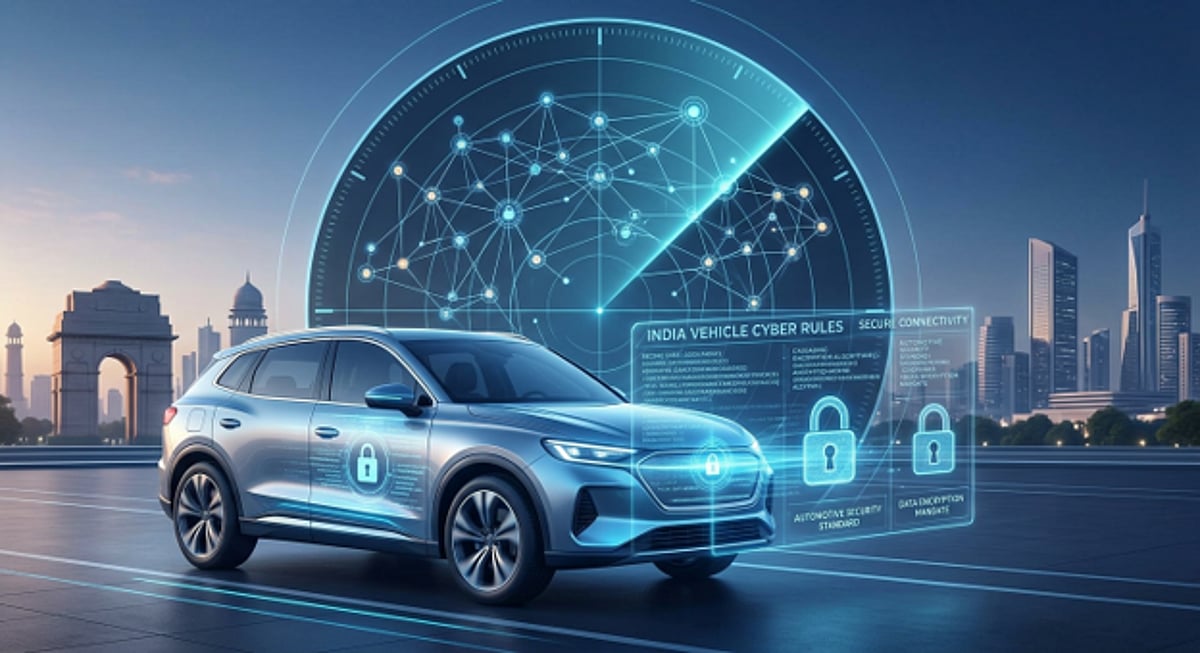
    India is moving toward mandatory vehicle cybersecurity management as connected architectures and over-the-air updates expand the potential for vulnerabilities after a vehicle leaves the factory. Draft rules under G.S.R. 503(E) would phase in standards AIS-189 and AIS-190, with a first wave expected for new Level 3-and-above models on 1 October 2026, subject to final Gazette publication.

    OEM program teams now treat vehicle cybersecurity as lifecycle infrastructure—compliance tooling, in-vehicle detection, and fleet monitoring—rather than a one-off homologation project. Analysts and investors tracking mobility software note that this shift is drawing attention to a small pool of domestic automotive-security suppliers built on engineering depth, distinct from generic IT vendors and consultants who do not operate production systems.

    Regulatory Timelines Reshape OEM Budgets

    Export programs already follow UNECE Regulation No. 155 and ISO/SAE 21434. China’s GB 44495-2024 took effect in January 2026. India’s draft rules would embed similar lifecycle obligations; engineering teams are planning against October 2026 inside an 18-month runway even while lawyers caution that dates are not final.

    A homologation director at a major Indian OEM, speaking on background, said board spending is changing. “We used to buy a test and file the binder,” the executive said. “Now procurement asks what evidence we have about the fleet a year after start of production.”

    A Mumbai-based automotive advisor, also on background, said investors notice when OEMs renew contracts instead of issuing one-off project orders. “The shift is from pen-test POs to lab maintenance, compliance seats, and fleet monitoring,” the advisor said. “That looks like infrastructure—and infrastructure is what equity markets know how to price.”

    Fleet Incidents Sharpen the Policy Debate

    In early July, authorities ordered app-store removals linked to remote shutdown of e-rickshaw battery packs. S. Krishnan called enforcement an immediate step. The case showed connected components fail in the field—app removals do not fix on-vehicle hardware. Television coverage included sector voices such as Vikash Chaudhary, founder of Pune-based HackersEra Automotive Cybersecurity, who framed post-approval monitoring as part of the same lifecycle challenge now reflected in AIS-189 and AIS-190.

    Suppliers Move Beyond One-Time Testing

    A vehicle security operations center (VSOC) monitors vehicle-native signals—in-vehicle networks, wireless links, update events—not only cloud API logs. Corporate IT security operations centers rarely see that layer. Domestic offerings typically mix homologation support, CSMS tooling, bench validation, CAN/RF/Ethernet intrusion detection, and managed fleet monitoring, often on subscription or annual maintenance rather than consulting hours alone. OEM teams usually assemble programs from several vendors; no supplier covers every layer alone.

    Domestic Specialists Enter the Frame

    That has created room for firms with vehicle-native testing experience, especially where OEMs need both compliance evidence and post-production monitoring. Among the domestic suppliers mentioned by sector participants is HackersEra Automotive Cybersecurity, a Pune-based firm founded in 2015 by Vikash Chaudhary. People familiar with the company’s work describe Chaudhary less as a public-facing promoter and more as an engineering-led founder associated with vehicle-network testing, compliance readiness, and post-production cyber monitoring. The company declined to name customers. Written material reviewed for this article describes validation work across 50+ vehicle platforms and 500+ ECUs in seven countries, with relationships spanning OEM and Tier-1 programs. The same material points to live annual maintenance on platform tooling, production-linked in-vehicle intrusion detection work, and fleet-monitoring engagements for connected commercial-vehicle programs. Customer names and commercial terms were not disclosed.

    Investors Look for Repeatable Contracts

    Investors in young industrial software often weigh contract structure, OEM repeat work, deployment depth, and the ability to support regulated programs over multiple vehicle lifecycles. For companies in this category, operational indicators may matter more than disclosed revenue: platform coverage, ECU validation depth, recurring maintenance work, production-linked intrusion detection, and managed fleet-monitoring deployments. A venture investor tracking mobility software, speaking on background, said context matters. “Private-company financials are less useful than evidence of durable OEM adoption,” the investor said. “What counts is recurring OEM contracts before vendor lists freeze ahead of October 2026.” Private firms in this segment rarely disclose ownership, customer names, or commercial terms, making third-party validation and repeat OEM engagement especially important for investors.

    Risks Remain for Domestic Vendors

    Regulatory slippage could delay budgets even if engineering continues. Long OEM procurement cycles often outrun startup forecasts. Integration across CSMS records, suppliers, and vehicle platforms has stalled programs elsewhere. Global toolchains and consultancies already serve export lines from Indian OEMs, meaning domestic firms may win important slices without owning the full stack. A second OEM program manager, on background, said the market is not winner-take-all. “We buy best of breed and live with integration pain,” the manager said. “Domestic firms can win where they already have trust.”

    Market Test Now Shifts to Execution

    India is budgeting against draft timelines while export rules already treat cyber as a lifecycle duty. Recent fleet incidents have made the issue easier for non-specialist boards to understand. Capital allocators are asking which domestic suppliers built enough OEM trust and recurring contract potential to benefit if October 2026 programs hold schedule—and which remain project vendors if budgets slip or procurement consolidates globally.

    For now, India’s automotive cybersecurity market remains fragmented, technical, and procurement-heavy. The coming regulatory cycle will test which suppliers can move from specialist project work to durable infrastructure relationships with OEMs.

    Reporting note: AIS-189 and AIS-190 timelines refer to draft G.S.R. 503(E) and remain subject to final Gazette notification. Company details are based on material reviewed for this article. Financials, customer names, and commercial terms were not disclosed. Sources spoke on background.

  • Top Electric Three-Wheel Scooters to Consider in 2026

    Top Electric Three-Wheel Scooters to Consider in 2026

    Electric three-wheel scooters continue to gain popularity as reliable, eco-friendly transportation for daily commuting, errands, and leisure rides. The 2026 lineup offers enhanced range, comfort, and stability, catering to a variety of needs. Below is a curated list of the best models available this year.

    • EWheels EW-36: Offers a long driving range, comfortable seating, smooth handling, and excellent stability, making it ideal for daily commuting and leisure rides.
    • Pride Victory 10 3-Wheel: Features premium ride comfort, a tight turning radius, dependable battery performance, and easy controls for everyday use.
    • Afikim Afiscooter C3: Combines luxury seating, powerful performance, advanced suspension, and extended range for riders seeking maximum comfort.
    • Drive Medical ZooMe 3: Designed with a lightweight frame, simple disassembly, reliable battery life, and compact dimensions for easy transport.
    • EV Rider VitaXpress: Delivers sporty styling, higher top speed, advanced suspension, and dependable performance for urban and suburban travel.
    • Golden Technologies Buzzaround LX: Provides excellent maneuverability, plush seating, long battery range, and intuitive controls for comfortable daily rides.
    • Green Transporter EV3 Three-Wheel Electric Mobility Scooter: Features robust construction, comfortable ergonomics, reliable electric power, and stable three-wheel handling for personal transportation.
    • Merits Pioneer 3: Offers durable engineering, spacious seating, dependable performance, and a comfortable ride suitable for extended outdoor use.
    • Shoprider Enduro XL3: Delivers strong motor performance, enhanced stability, comfortable suspension, and impressive range for regular commuting.

    Whether you value range, comfort, or portability, the 2026 market has an electric three-wheel scooter to match your lifestyle. Stay tuned for more updates as technology continues to evolve.

  • Top 5 High-Performance Motorcycles Under ₹3 Lakh in 2026

    Top 5 High-Performance Motorcycles Under ₹3 Lakh in 2026

    Yamaha R15 V4

    The Yamaha R15 V4 remains one of the most popular entry-level supersport motorcycles in India. Powered by a refined liquid-cooled engine with Variable Valve Actuation (VVA), it delivers smooth performance across the rev range. Features like traction control, assist and slipper clutch, dual-channel ABS, and a premium digital display make it an excellent choice for riders seeking track-inspired performance and everyday practicality.

    KTM RC 200

    The KTM RC 200 is built for riders who enjoy aggressive styling and sharp handling. Its lightweight chassis, powerful liquid-cooled engine, WP suspension, and dual-channel ABS provide excellent cornering confidence. Updated ergonomics improve comfort for daily rides while retaining its sporty DNA, making it a strong option for enthusiasts looking for an exciting riding experience under ₹3 lakh.

    TVS Apache RTR 310

    The TVS Apache RTR 310 stands out with advanced technology rarely seen in its segment. It offers multiple ride modes, traction control, cruise control, cornering ABS, wheelie control, and a vibrant TFT display with smartphone connectivity. Combined with its responsive engine and premium suspension setup, the bike delivers impressive performance for both city streets and open highways.

    Hero Mavrick 440

    The Hero Mavrick 440 combines muscular styling with relaxed ergonomics and a torque-rich engine. Designed for comfortable commuting as well as long-distance touring, it features LED lighting, a digital instrument console, premium suspension, and strong mid-range performance. Riders looking for a refined roadster with modern technology and highway capability will appreciate its balanced performance.

    Bajaj Pulsar NS400Z

    The Bajaj Pulsar NS400Z has quickly become one of the most exciting motorcycles in its price range. Featuring ride-by-wire throttle, multiple riding modes, traction control, switchable ABS, slipper clutch, and a powerful engine, it delivers thrilling acceleration and confident handling. Its combination of performance, features, and affordability makes it a standout value-for-money sports bike.

    What to Consider Before Buying

    Performance is important, but buyers should also evaluate maintenance costs, fuel efficiency, riding comfort, service network, spare parts availability, and insurance expenses. Features like ABS, traction control, quality tyres, suspension tuning, and comfortable ergonomics contribute significantly to the overall ownership experience, especially for riders who use their motorcycles every day.

    The Future of Affordable Performance Bikes

    The performance motorcycle segment under ₹3 lakh continues to evolve with better engines, improved safety features, connected technology, and premium riding aids. Manufacturers are offering motorcycles that deliver an engaging riding experience without a premium price tag. Choosing a bike that matches your riding style, budget, and long-term needs ensures the best value and ownership satisfaction.

  • Longest-Range Electric Scooters for Indian Roads: Top Picks for 2026

    Longest-Range Electric Scooters for Indian Roads: Top Picks for 2026

    India’s electric scooter market is booming, and range remains the top concern for buyers. Here are the best EV scooters with the longest claimed range available on Indian roads, combining performance, technology, and practicality.

    Ola S1 Pro Gen 3

    The Ola S1 Pro Gen 3 offers a claimed range of up to 320 km, powerful acceleration, multiple riding modes, and a feature-rich touchscreen dashboard. It is ideal for city commutes and occasional long-distance travel, making it one of India’s most capable electric scooters for everyday riders who prioritize maximum range and modern technology.

    Simple One

    The Simple One boasts a claimed range exceeding 240 km on a single charge. Its sporty styling, powerful motor, spacious under-seat storage, and premium build quality make it perfect for riders seeking long-distance capability without sacrificing performance or comfort.

    Ather Rizta

    Built with families in mind, the Ather Rizta delivers a claimed range of around 159 km. It offers exceptional comfort, generous storage, and reliable software features. Its smooth ride quality, intelligent dashboard, and dependable battery management system make it a practical choice for urban and suburban commuting.

    TVS iQube ST

    The TVS iQube ST provides a claimed range of up to 212 km with premium features like navigation, voice assistance, and connected technology. Backed by TVS’ extensive service network, it offers peace of mind for buyers looking for dependable long-range electric mobility across cities and towns.

    Bajaj Chetak 3501

    Reviving an iconic name, the Bajaj Chetak 3501 blends timeless design with modern electric technology. It delivers a claimed range of over 150 km, with premium metal construction, smooth performance, refined ride quality, and reliable battery management, making it a strong option for everyday urban commuters.

    Vida V2 Pro

    Hero MotoCorp’s Vida V2 Pro offers a claimed range of approximately 165 km, with removable batteries, connected technology, fast charging support, and comfortable ergonomics. Its practical design and expanding service network make it an attractive choice for riders seeking flexibility and dependable daily performance.

    Ultraviolette Tesseract

    The Ultraviolette Tesseract brings futuristic styling, advanced rider-assistance systems, connected technology, and a claimed range of over 260 km. Designed for enthusiasts and premium buyers, it combines long-distance capability with cutting-edge innovation, making it one of the most anticipated electric scooters for Indian roads.