Category: Automotive

  • Top Electric Vehicle Makers to Track in 2026

    Top Electric Vehicle Makers to Track in 2026

    The electric vehicle (EV) landscape is evolving rapidly, with several manufacturers poised to make significant strides by 2026. From established giants to ambitious newcomers, these companies are driving innovation in battery technology, autonomous driving, and global market expansion. Here are the key EV manufacturers to watch.

    • Tesla – Continues advancing autonomous driving, battery innovation, and global manufacturing while expanding affordable electric vehicle options across major international markets.
    • BYD – Dominates electric vehicle production through vertically integrated manufacturing, advanced battery technology, and rapidly growing exports across Europe and emerging regions.
    • Rivian – Focuses on premium electric trucks and SUVs while expanding commercial delivery partnerships and improving manufacturing efficiency for sustainable long-term growth.
    • Hyundai – Strengthens its EV lineup with dedicated electric platforms, competitive pricing, longer driving ranges, and advanced connectivity features for global customers.
    • Kia – Expands affordable electric mobility through stylish models featuring fast charging, practical interiors, improved software integration, and strong worldwide consumer demand.
    • BMW – Combines luxury engineering with electrification by introducing premium electric sedans, SUVs, and high-performance models featuring innovative digital technologies consistently.
    • Mercedes-Benz – Accelerates premium electric mobility through advanced battery platforms, intelligent software ecosystems, and luxury-focused design for discerning global buyers everywhere.
    • Lucid Motors – Impresses with long-range luxury electric sedans featuring high efficiency, premium interiors, and innovative engineering targeting premium automotive markets worldwide.
    • VinFast – Expands internationally with competitively priced electric vehicles, aggressive manufacturing investments, and customer-focused strategies supporting rapid global brand recognition successfully.

    These manufacturers represent the forefront of EV innovation and are set to shape the industry in 2026 and beyond.

  • 10 Smart Engineering Technologies That Are Transforming Modern Transportation

    10 Smart Engineering Technologies That Are Transforming Modern Transportation

    Modern transportation is undergoing a radical transformation, driven by cutting-edge engineering technologies that enhance safety, efficiency, and sustainability. From autonomous vehicles to hydrogen fuel cells, these innovations are reshaping how we move people and goods. Here are 10 smart engineering technologies powering the future of transportation.

    Autonomous Driving Systems

    Autonomous driving systems combine sensors, cameras, artificial intelligence, and powerful computing to navigate roads safely with minimal human intervention. These systems improve efficiency, reduce accidents, and pave the way for fully self-driving vehicles.

    Vehicle-to-Everything (V2X) Communication

    V2X technology enables vehicles to exchange real-time information with roads, infrastructure, pedestrians, and other vehicles. This communication enhances safety, improves traffic management, and reduces congestion by allowing vehicles to anticipate and react to conditions instantly.

    Electric Powertrain Technology

    Electric powertrains replace traditional combustion engines with efficient electric motors, drastically reducing emissions, operating costs, and environmental impact. This technology is being adopted globally across cars, buses, trucks, and even ships.

    AI Traffic Management

    Artificial intelligence optimizes traffic signals, reduces congestion, and improves emergency response times. AI-driven traffic management systems analyze real-time data to adjust signal timings, reroute vehicles, and enhance urban mobility.

    Predictive Maintenance Platforms

    Predictive maintenance uses continuous vehicle performance analysis to identify potential failures before breakdowns occur. This reduces repair costs, maximizes fleet availability, and improves operational reliability for commercial and public transport.

    Digital Twin Technology

    Digital twins create virtual models of transportation systems for testing, monitoring, and optimization. Engineers can simulate changes, plan infrastructure improvements, and predict performance without disrupting real-world operations.

    Smart Railway Signaling

    Advanced communication-based train control systems automate train operations, improving passenger safety, scheduling accuracy, and rail network capacity. Smart signaling enables more frequent and reliable service on existing tracks.

    Hydrogen Fuel Cell Systems

    Hydrogen fuel cells generate clean electricity, offering longer driving ranges and rapid refueling compared to battery-electric vehicles. This technology is especially promising for heavy-duty trucks, buses, and other commercial applications requiring high energy density.

    Advanced Battery Management Systems

    Battery management systems monitor performance, temperature, charging cycles, and health in real time. They extend battery lifespan, improve electric vehicle reliability, and enhance safety by preventing overheating and overcharging.

    These smart engineering technologies are not just concepts—they are being deployed today to make transportation safer, greener, and more efficient. As innovation continues, the way we travel will continue to evolve, driven by engineering excellence.

  • Determining Fault When Driver Assistance Technology Fails

    Determining Fault When Driver Assistance Technology Fails

    Despite steady improvements in vehicle safety technology, the World Health Organization reports that nearly 1.19 million people die in road accidents every year. While driver assistance features can reduce certain risks, they do not replace the legal obligations of drivers or the rules of the road. When these systems malfunction, determining who is liable becomes complex, hinging on driver behavior, software performance, vehicle design, and digital evidence.

    Driver Assist Does Not Replace Your Legal Duty

    Many drivers assume that activating lane centering, adaptive cruise control, or automatic emergency braking makes the car fully responsible for avoiding hazards. However, most current driver-assistance systems are Level 1 or Level 2, meaning the driver must remain engaged and attentive. Courts and insurers scrutinize whether the driver followed manufacturer instructions, ignored warnings, or misused the technology—factors that heavily influence fault and compensation.

    Digital Evidence Often Tells the Real Story

    Modern vehicles record far more than speed and braking. They capture steering input, driver alerts, sensor readings, camera activity, software versions, GPS data, and driver-monitoring system status. This wealth of digital evidence—from event data recorders, telematics, repair records, over-the-air updates, mobile phone logs, and traffic cameras—helps reconstruct accidents. Preserving such data early is as critical as photographing vehicle damage.

    When Human Error and Technology Collide

    When both driver actions and automated system failures contribute to a crash, liability often falls under comparative negligence rules, allowing fault to be divided among multiple parties. If you are injured in such an accident, expert legal assistance is vital to preserve evidence, analyze vehicle data, and navigate state contributory negligence laws to protect your compensation.

    Software Updates Can Quietly Shift Liability

    Many high-end vehicles now receive over-the-air software updates that improve object detection, braking, lane recognition, and driver monitoring. While convenient, these updates introduce legal questions. If a manufacturer released a safety update that the owner postponed, investigators may examine whether the delay contributed to the crash. Conversely, if an update introduced unexpected behavior, the manufacturer could face product liability claims. Software documentation and update timing become critical evidence.

    Product Defects Extend Beyond Software

    Driver assistance depends on an ecosystem of hardware and software working together: cameras, radar, ultrasonic sensors, steering components, braking systems, wiring, processors, and AI models. Defects in manufacturing, calibration after repairs, or insufficient testing can cause failures. Regulators like the U.S. National Highway Traffic Safety Administration monitor such defects through recalls and investigations. If a defective component causes a collision, manufacturers or suppliers may share liability.

    Insurance Companies Are Scrutinizing Technology Closer

    Claims involving driver-assist systems often face extra scrutiny. Insurers request repair histories, software versions, vehicle diagnostics, maintenance records, and recall information before determining fault. The Insurance Institute for Highway Safety notes that while these features reduce certain crash types, confusing system design or driver overconfidence can undermine safety benefits.

    Your Maintenance Choices Matter More Than You Think

    Many owners focus on engine maintenance but neglect the electronic systems supporting driver assistance. Damaged sensors, windshield replacements, wheel alignment issues, and aftermarket modifications can affect performance. Manufacturers often require recalibration after replacing windshields, bumpers, cameras, or radar units. Skipping these procedures increases safety risks and legal exposure. Keeping detailed service records demonstrates reasonable maintenance.

    Artificial Intelligence Raises New Legal Questions

    AI makes vehicles smarter at recognizing objects and reacting to hazards, but it can struggle with rare situations it wasn’t trained to handle. When AI makes a wrong decision, responsibility becomes complicated. Future legal battles will determine whether drivers, automakers, software developers, or other parties share the blame.

    Stay Ahead of Liability

    Driver assistance technology can reduce crashes but does not eliminate legal responsibility or the need for careful driving. Understanding how technology, maintenance, software updates, and digital evidence affect liability will put you in a stronger position after an accident. Stay informed and take practical steps to protect your safety and your ability to establish fault when driver assistance fails.

  • Best Backup Cameras for Cars and Trucks in 2026: Top Picks and Buying Guide

    Best Backup Cameras for Cars and Trucks in 2026: Top Picks and Buying Guide

    Modern backup cameras have become an essential safety feature for drivers, especially those operating larger vehicles like trucks, SUVs, and RVs. These systems enhance rear visibility, helping drivers detect obstacles, pedestrians, and other vehicles while reversing. Whether you’re upgrading an older car or adding extra coverage to a commercial vehicle, choosing the right backup camera involves evaluating image clarity, night vision, viewing angle, installation ease, and durability. Below are the top five backup cameras that stood out in our testing, along with key factors to consider before making a purchase.

    Garmin BC 50: A Strong Choice for Trucks and Larger Vehicles

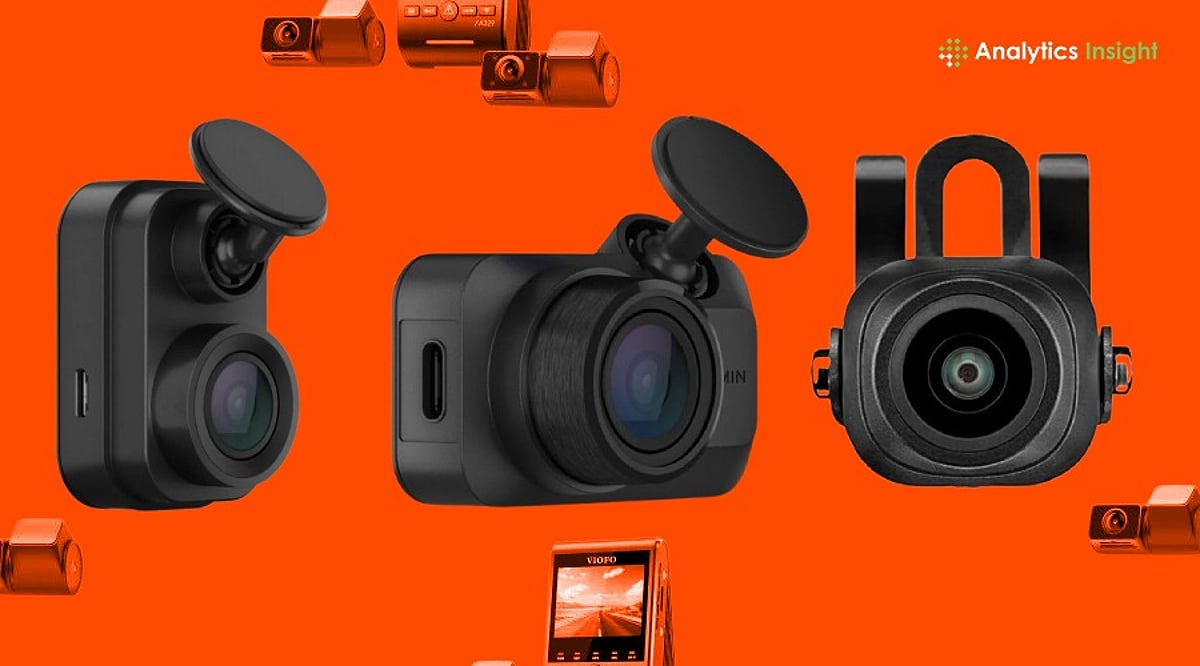
    The Garmin BC 50 is designed for drivers who need a reliable rearview without complex wiring. Its wireless system simplifies installation, particularly for large vehicles where running cables can be challenging. The camera delivers a clear view behind the vehicle and performs well on trucks, campers, and SUVs. Its durable construction makes it suitable for outdoor use, and the wide viewing angle helps drivers monitor more of their surroundings when reversing.

    eRapta Backup Camera System: Ideal for Multi-Camera Needs

    The eRapta backup camera system targets drivers who require broader coverage. Certain versions support multiple cameras, making them practical for trucks, commercial vehicles, and other large rigs where a single rear camera may not provide adequate visibility. The system includes a dedicated display and focuses on delivering a wider view around the vehicle, helping drivers manage blind spots while parking or reversing.

    Auto-Vox CS-2: Simple Option for Everyday Vehicles

    Auto-Vox CS-2 emphasizes easy installation and everyday convenience. It uses a wireless connection between the camera and display, reducing the need for complicated wiring. This system is ideal for drivers who want to add a backup camera to an older vehicle without major modifications. Its compact design makes it a practical choice for regular cars and small SUVs.

    Furrion Vision S: Built for RV Owners

    Large vehicles often require more robust camera systems. The Furrion Vision S is designed with RV owners in mind, providing a wider rear view and helping drivers navigate tight spaces. The system improves visibility while reversing, parking, and changing lanes. It is especially useful for those who travel with trailers or recreational vehicles.

    LeeKooLuu LK6: Budget-Friendly Backup Camera Option

    For drivers seeking an affordable upgrade, the LeeKooLuu LK6 offers basic backup camera features without a high price tag. It includes a display and camera setup intended for everyday reversing needs. While it lacks advanced features found in premium systems, it provides essential rear visibility for those who want a simple, cost-effective solution.

    Key Considerations When Buying a Backup Camera

    Beyond the product’s cost, several factors should influence your decision, as vehicle requirements vary:

    • Image Quality: A clear image is essential for seeing objects and judging distances while reversing.
    • Night Vision Capabilities: Critical for safe parking in low-light conditions.
    • Installation Process: Some cameras require professional installation, while others are DIY-friendly. Consider your vehicle’s size.
    • Viewing Angle: A wide viewing angle covers more area behind the vehicle, especially important for trucks, SUVs, and RVs.
    • Wired vs. Wireless Systems: Wired cameras offer a stable connection; wireless models simplify installation.

    Final Verdict

    Investing in a quality backup camera enhances safety and convenience, particularly for truck and SUV owners. The ideal camera depends on your vehicle’s size, installation preferences, and budget. Larger vehicles benefit from systems offering broader coverage and reliable wireless functionality, while simpler setups suit smaller cars. Regardless of your choice, a good backup camera is a worthwhile addition to any vehicle.

    Frequently Asked Questions

    What is the best backup camera for cars?

    The best backup camera depends on your vehicle and needs. Wireless models are convenient for easy installation, while advanced systems provide superior coverage, image quality, and safety features.

    Are wireless backup cameras reliable for daily use?

    Yes, wireless backup cameras are reliable for most drivers. They offer easier installation and solid performance, especially in older vehicles where adding wired connections can be more complex.

    Which backup camera is better for trucks and large vehicles?

    Trucks and large vehicles benefit from cameras with wider viewing angles and stronger coverage. Systems designed for bigger rigs help reduce blind spots and improve reversing control.

    What features should I check before buying a backup camera?

    Buyers should evaluate camera resolution, night vision, viewing angle, installation method, and display quality. These factors determine how clearly drivers can see behind the vehicle in various conditions.

    Can I install a backup camera in an older car?

    Yes, aftermarket backup cameras can be installed in older cars without factory systems. Many models are designed for straightforward upgrades and provide better rear visibility while driving.

  • 10 Leading Companies Racing to Make Flying Cars a Reality

    10 Leading Companies Racing to Make Flying Cars a Reality

    The dream of flying cars is closer than ever, with numerous innovative companies developing electric vertical takeoff and landing (eVTOL) aircraft and hybrid vehicles. Here are 10 key players pushing the boundaries of personal air transportation.

    • Joby Aviation: Developing an all-electric eVTOL aircraft capable of carrying four passengers quietly, targeting commercial air taxi operations worldwide soon.
    • Archer Midnight: Designed for short urban flights, Midnight offers rapid charging, reduced noise, and partnerships with airlines for future passenger services.
    • Lilium Jet: German-developed electric jet featuring multiple ducted fans, promising regional flights with greater speed, efficiency, and environmental sustainability benefits.
    • Alef Model A: Road-legal electric vehicle capable of vertical takeoff, allowing drivers to seamlessly transition between highways and air travel experiences.
    • XPeng AeroHT Land Aircraft Carrier: Innovative modular vehicle combining a road-going SUV with a detachable eVTOL aircraft for versatile personal transportation solutions.
    • PAL-V Liberty: Unique gyrocopter-car hybrid already certified for roads, offering owners both driving convenience and recreational flying capabilities in one vehicle.
    • Aska A5: Hybrid-electric flying car designed for personal commuting, featuring vertical takeoff capability and extended travel range through efficient propulsion technology.
    • Klein Vision AirCar: Transformable flying car switching between automobile and aircraft modes, successfully completing intercity flights after extensive real-world testing recently.
    • Vertical Aerospace VX4: British eVTOL aircraft emphasizing passenger safety, low emissions, and efficient urban transportation through partnerships with global aviation companies.
  • Record-Breaking Auction Cars: The Top 10 Most Expensive Vehicles Ever Sold

    Record-Breaking Auction Cars: The Top 10 Most Expensive Vehicles Ever Sold

    Mercedes-Benz and Ferrari dominate the list of the world’s highest-valued auction cars, reflecting their unmatched motorsport legacy and rarity. The Mercedes-Benz 300 SLR Uhlenhaut Coupe remains the most expensive auction car, valued at approximately $143 million (Rs. 1,225 crore). Factors such as rarity, provenance, originality, and racing history continue to drive record-breaking valuations in the collector car market.

    The world’s most valuable cars are not modern hypercars but historic racing machines with unmatched rarity and provenance. From Mercedes-Benz to Ferrari, these automobiles have rewritten auction records by commanding prices that exceed the value of luxury mansions, private jets, and even works of art.

    There have been many record-breaking auctions of cars in the last few decades where the price has crossed $50 million for a select few cars. Mercedes-Benz currently owns the top two slots, whereas Ferrari occupies as many as seven spots. Here’s a look at the 10 most expensive cars ever auctioned, along with their approximate values in Indian rupees.

    Top 10 Most Expensive Auction Cars

    INR values are approximate, based on an exchange rate of 1 USD ≈ Rs. 85.65

    1. Mercedes-Benz 300 SLR Uhlenhaut Coupe – $143 million (Approx. Rs. 1,225 crore)
      The 1955 Mercedes-Benz 300 SLR Uhlenhaut Coupe is the world’s most expensive car sold at auction. The name ‘Uhlenhaut’ honors Mercedes engineer Rudolf Uhlenhaut, and the car was built on the success of Mercedes’ racing program. Only two units have been produced, making it one of the rarest cars in the world.
    2. Mercedes-Benz W 196 R Stromlinienwagen – $53 million (Approx. Rs. 454 crore)
      The sleek W 196 R set a record in 2025, becoming the second most expensive auction car. This Formula One race car was driven by legends Juan Manuel Fangio and Stirling Moss.
    3. Ferrari 330 LM/250 GTO – $51.7 million (Approx. Rs. 443 crore)
      Considered one of the finest cars from Maranello, it is the only first-series GTO fitted with a 4.0-liter V12 designed for Le Mans. Its legacy, scarcity, and originality have made it the most expensive Ferrari ever auctioned.
    4. Ferrari 250 GTO (3413 GT) – $48.4 million (Approx. Rs. 415 crore)
      With only 36 Ferrari 250 GTOs ever produced, every surviving example is a collector’s dream. Chassis 3413 GT set an auction benchmark in 2018 thanks to its documented racing history and exceptional condition.
    5. Ferrari 250 GTO (3729 GT) – $38.5 million (Approx. Rs. 330 crore)
      This 1962 Ferrari 250 GTO in Bianco Speciale livery sold in 2026. It is largely original with a well-proven ownership history, making it one of the finest 250 GTOs.
    6. Ferrari 250 GTO (3851 GT) – $38.1 million (Approx. Rs. 327 crore)
      Before newer records, chassis 3851 GT was the world’s most expensive auction car. Its competition history and originality keep it among the most valuable collector cars.
    7. Ferrari 250 LM – $36.3 million (Approx. Rs. 311 crore)
      Launched in 1964, the Ferrari 250 LM helped Ferrari achieve its final win at the 24 Hours of Le Mans in 1965. Its racing prowess and low production numbers drive its increasing value.
    8. Ferrari 335 S Spider Scaglietti – $35.7 million (Approx. Rs. 306 crore)
      Featuring a 4.1-liter V12 engine, this is one of the fastest sports race cars ever. It was driven by Stirling Moss and Mike Hawthorn.
    9. Ferrari 412P Berlinetta – $30.3 million (Approx. Rs. 260 crore)
      Designed for private teams in endurance races, its limited production, original factory configuration, and racing history make it one of the most expensive Ferraris sold at auction.
    10. Mercedes-Benz W196 Formula One Car – $29.6 million (Approx. Rs. 254 crore)
      Crucial to F1 in the mid-1950s, this car driven by Juan Manuel Fangio to multiple victories is a technical achievement and one of the most important Grand Prix cars ever.

    Why Are These Cars Worth Hundreds of Crores?

    Several factors separate these automobiles from ordinary collector cars: rarity, documented ownership history, racing achievements, original components, historical importance, and overall condition. These elements combine to create extraordinary value.

    Final Take

    The world’s most costly auction cars are not just collector cars; they are automotive history. Mercedes-Benz holds the top two spots, while Ferrari dominates with seven of the top ten. As museum-quality classic cars become rarer, collector interest will keep rising. Cars with winning race histories, great provenance, and limited production may set more records and become the most costly tangible assets in the luxury world.

    FAQs

    1. Which is the most expensive auction car ever? The Mercedes-Benz 300 SLR Uhlenhaut Coupe tops the list at $143 million.
    2. Why are Ferrari 250 GTOs so valuable? Limited production, proven racing pedigree, historical significance, exceptional engineering, and strong collector demand.
    3. Which brands dominate expensive car auctions? Mercedes-Benz and Ferrari dominate thanks to legendary racing heritage, engineering excellence, rarity, and enduring demand.
    4. What factors determine a classic car’s auction value? Rarity, documented ownership history, racing achievements, original components, historical importance, and overall condition.
    5. Are classic cars considered good investments? Museum-quality classic cars with proven provenance, limited production, and historic significance often appreciate over time.
  • Top Electric Cars Coming in 2026: What to Expect

    Top Electric Cars Coming in 2026: What to Expect

    The electric vehicle revolution shows no signs of slowing down. By 2026, automakers from every corner of the globe will unleash a wave of new EVs designed to meet diverse needs—from budget-friendly commuters to luxury SUVs. Here’s a look at the most anticipated electric cars arriving in 2026.

    Tesla Model 2

    Expected to deliver affordable pricing, advanced software, improved battery efficiency, and wider EV accessibility for everyday drivers worldwide. Tesla aims to make electric mobility mainstream with this compact model.

    Hyundai Ioniq 7

    Promises spacious interiors, premium technology, extended driving range, and family-friendly practicality with Hyundai’s latest electric vehicle innovations. A versatile SUV for modern families.

    Kia EV4

    Designed as an affordable electric sedan featuring futuristic styling, impressive range, connected technology, and efficient performance for urban commuters everywhere. Kia continues to push bold design in the EV space.

    Volkswagen ID.2all

    Targets budget-conscious buyers with compact dimensions, practical interiors, modern infotainment, and competitive electric driving range for everyday transportation needs. Volkswagen’s entry-level EV for the masses.

    Mercedes-Benz CLA EV

    Combines luxury, aerodynamic efficiency, premium interiors, intelligent driver assistance, and extended battery range for executive electric mobility experiences. Mercedes brings its signature elegance to an electric compact.

    Volvo EX60

    Expected to introduce enhanced safety systems, sustainable materials, smart connectivity, and refined Scandinavian design in a midsize electric SUV package. Volvo continues its commitment to safety and sustainability.

    BMW Neue Klasse Sedan

    Marks BMW’s next-generation electric platform with improved efficiency, digital cockpit innovations, and significantly enhanced driving dynamics for enthusiasts globally. A new chapter for the Ultimate Driving Machine.

    Audi A6 e-tron

    Offers premium comfort, long-distance capability, ultra-fast charging, and cutting-edge digital features designed for luxury electric vehicle buyers worldwide. Audi’s answer to the executive EV segment.

    Porsche Cayenne EV

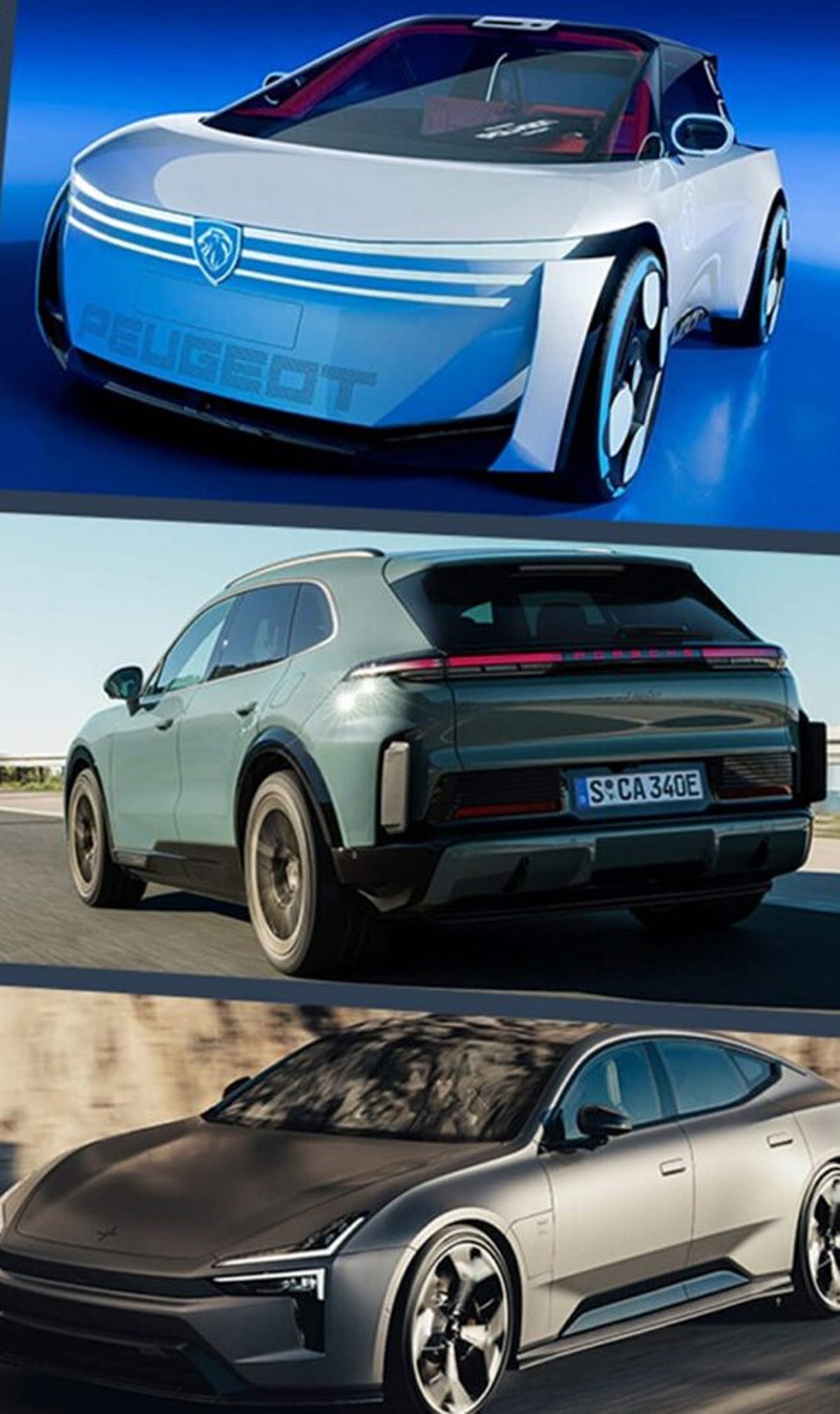
    Blends sports car performance, premium craftsmanship, advanced battery technology, and practical SUV versatility without compromising driving excitement or luxury. Porsche electrifies its best-selling model.

  • Enhance Your Android Auto Audio: Expert Tips for Every Car

    Enhance Your Android Auto Audio: Expert Tips for Every Car

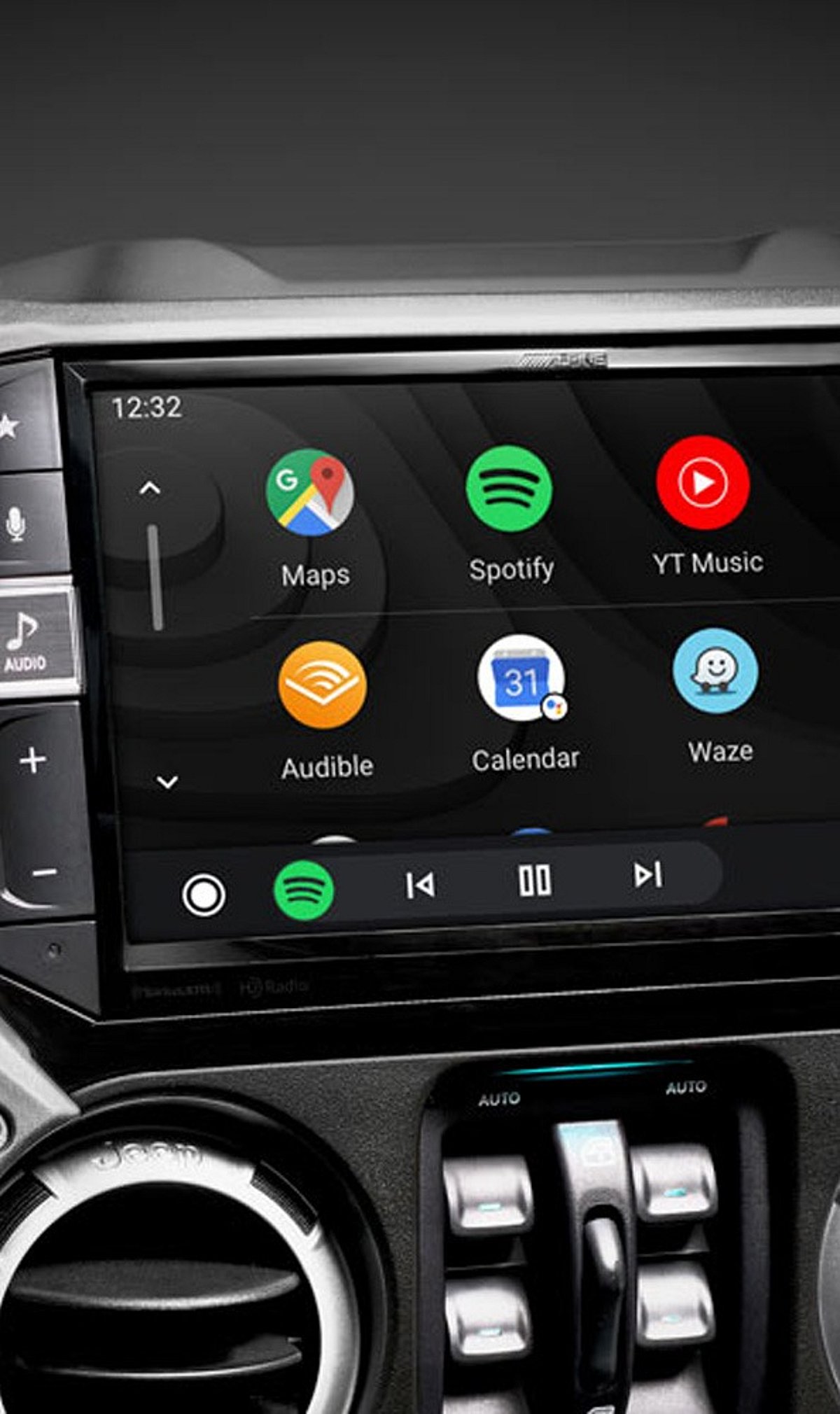
    Android Auto can deliver excellent sound quality when your phone, apps, and car audio settings are properly optimized. Follow these expert tips to get the best audio experience in any vehicle.

    • Use high-bitrate streaming or lossless music services whenever available for clearer vocals and richer instrument detail.
    • Adjust your car’s equalizer by reducing excessive bass and slightly boosting mids and highs for balanced audio.
    • Keep Android Auto, your phone software, and music apps updated to benefit from the latest audio improvements and bug fixes.
    • Whenever possible, use a wired USB connection for the most stable playback and minimal audio interruptions.
    • Turn off unnecessary sound effects or audio enhancements that may distort music instead of improving it.
    • Place your phone where it receives a strong cellular signal to reduce buffering while streaming music online.
    • If your vehicle supports wireless Android Auto, ensure both Wi-Fi and Bluetooth connections remain stable for consistent performance.
    • Upgrading speakers or adding a quality amplifier can dramatically improve the listening experience beyond software tweaks.
  • Zelio E-Mobility Opens New Coimbatore Plant to Boost South India EV Manufacturing

    Zelio E-Mobility Opens New Coimbatore Plant to Boost South India EV Manufacturing

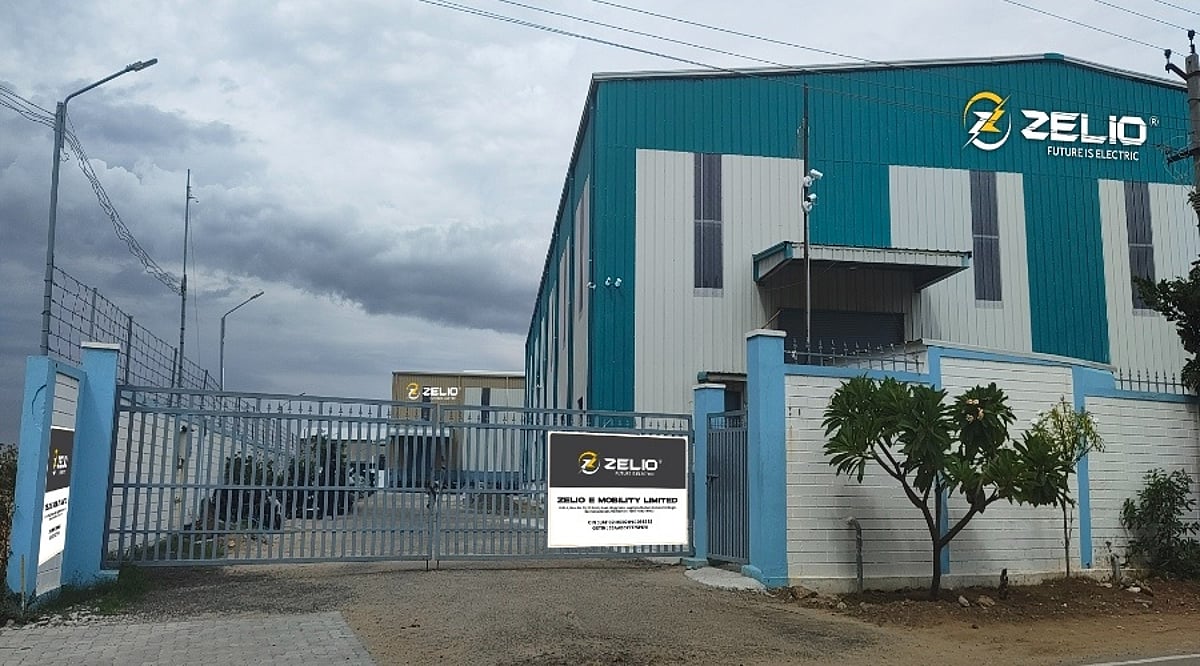
    Zelio E-Mobility, a rapidly growing electric two- and three-wheeler manufacturer, has announced the opening of a new manufacturing facility in Coimbatore, Tamil Nadu, to strengthen its presence in South India. The move supports the company’s strategy to expand across key southern markets including Tamil Nadu, Karnataka, Kerala, Telangana, Andhra Pradesh, and South Maharashtra.

    The new facility, located on Trichy Road in Nagiyyaan Thottam, Lakshmi Nagar Kannampalayam, spans approximately 39,000 square feet. It will handle electric scooter assembly, storage, logistics, and allied operations. The plant has an installed production capacity of 60,000 units per year, initially targeting 24,000 to 30,000 electric two-wheelers annually, with plans to scale production based on demand.

    This expansion adds to Zelio E-Mobility’s existing manufacturing network, which includes plants in Ladwa (Haryana), Patan (Haryana), and Cuttack (Odisha). With the new facility, the company’s total installed manufacturing capacity increases by 33% to 240,000 units per year, up from 180,000 units previously.

    The Coimbatore plant currently employs 30 direct workers and is expected to contribute to the company’s goal of surpassing 500 employees this fiscal year, adding over 100 personnel in the coming months. Established with a capital investment of up to INR 1 crore, the facility will produce models from Zelio E-Mobility’s product portfolio, with specific model details to be announced later.

    Kunal Arya, Managing Director of Zelio E-Mobility, said: “The launch of our Coimbatore facility marks a major milestone in Zelio E-Mobility’s growth journey. South India represents one of the most promising electric mobility markets in the country, and this expansion strengthens our ability to serve customers, dealers, and partners with greater speed and efficiency.”

    The plant follows the same manufacturing standards and quality protocols as the company’s existing facilities. Future technology upgrades and sustainability initiatives will be announced in due course.

    Zelio E-Mobility has reported strong financial growth, with revenue rising 81.8% year-on-year to INR 313.68 crore in FY2025–26 and a four-year revenue CAGR of 121%. The company has remained profitable since inception and, following its BSE SME listing in October 2025 (where it raised INR 78.34 crore), continues to expand its dealer network, which now exceeds 400 dealerships across 25+ states, with plans to reach 550+ by FY27.

  • How Brain-Inspired AI from Prophesee and Volkswagen Is Accelerating Autonomous Driving Safety

    How Brain-Inspired AI from Prophesee and Volkswagen Is Accelerating Autonomous Driving Safety

    Prophesee and Volkswagen are teaming up to bring neuromorphic computing to autonomous driving, equipping self-driving cars with human-like perception and reaction on the road. Instead of relying solely on traditional cameras and GPUs that process every pixel in every frame, the latest approach uses event-based vision sensors and brain-inspired chips that operate only when something in the scene actually changes.

    This shift dramatically reduces data load and power consumption while enabling faster detection of pedestrians, obstacles, and sudden hazards, even in poor lighting or weather conditions. For Volkswagen, such intelligence paves the way to safer, more scalable autonomous vehicles that can think and respond more like human drivers, but with machine-level consistency.

    What Neuromorphic Computing Brings to Cars

    Neuromorphic computing refers to hardware and algorithms modeled on how the brain works: massively parallel, event-driven, and highly energy-efficient. Instead of processing continuous data streams, neuromorphic chips react to spikes—discrete events such as changes in brightness or motion in a scene. In an autonomous car, that means focusing compute power only on what matters: a child stepping off the curb, a fast-moving motorcycle in the blind spot, or debris on the highway.

    Prophesee’s Metavision sensors are built around this principle of event-based vision. Each pixel triggers only when it detects a change, so the sensor outputs a sparse, high-value stream of events instead of dense frames. When such sensors are paired with neuromorphic processors, the perception stack can run faster, with less energy, and lower latency than conventional camera-plus-GPU pipelines. This combination is particularly attractive to automakers like Volkswagen, who need robust, low-power intelligence running directly on the vehicle’s edge hardware, rather than in the cloud.

    Why This Matters

    Neuromorphic computing matters because it lets self-driving cars react faster and use less energy, focusing only on important changes in the scene. This shift enables safer, more reliable autonomy at scale, especially in complex, unpredictable real-world traffic and weather conditions.

    Brain-Inspired Speed Boost for Safer Autonomy

    Reaction time is critical for safety; shaving even fractions of a second off perception delays can translate into meters of braking distance saved at highway speeds. In experiments with neuromorphic vision chips, researchers have shown up to a four-fold boost in hazard detection speed compared to conventional computer vision systems, along with significant improvements in accuracy. Since neuromorphic systems process only regions of interest, they can keep up with high-speed motion, cluttered scenes, and low-light conditions better than standard frame-based cameras.

    For self-driving stacks, this opens up several practical advantages:

    • Lower Latency: Event-driven detection enables near-instant recognition of emerging hazards.
    • Energy Efficiency: Chips designed for spiking neural networks and neuromorphic sensing consume far less power, which is crucial for electric vehicles and large fleets.
    • Scalability: More sensors and more intelligence can be added to a car without blowing up the thermal or power budget.

    Volkswagen and partners see neuromorphic hardware as a way to embed AI directly into the vehicle, bridging the gap between research prototypes and production-grade safety systems.

    Future Outlook: Cars That Sense Like Brains, Scale Like Software

    Looking ahead, neuromorphic computing is poised to become a strategic layer in the autonomous vehicle ecosystem rather than a niche add-on. As chipmakers and automotive suppliers refine event-based vision sensors and spiking neural hardware, car platforms will evolve to host more adaptive, fleet-aware intelligence that learns from real-world driving while staying within strict power and cost limits.

    For collaborations like Prophesee and Volkswagen, the trajectory points toward vehicles that perceive their environment with brain-like efficiency, share insights across fleets, and continuously update their behavior without needing a complete hardware replacement every few years. If this momentum holds, ‘neuromorphic-ready’ may soon be as important a specification for self-driving cars as range or battery capacity—especially in emerging markets where infrastructure is patchy and on-board intelligence is the first and last line of safety.