Category: Cryptocurrency

  • Bitcoin Steadies Near $64,800 as Ethereum Outshines Broader Crypto Market

    Bitcoin Steadies Near $64,800 as Ethereum Outshines Broader Crypto Market

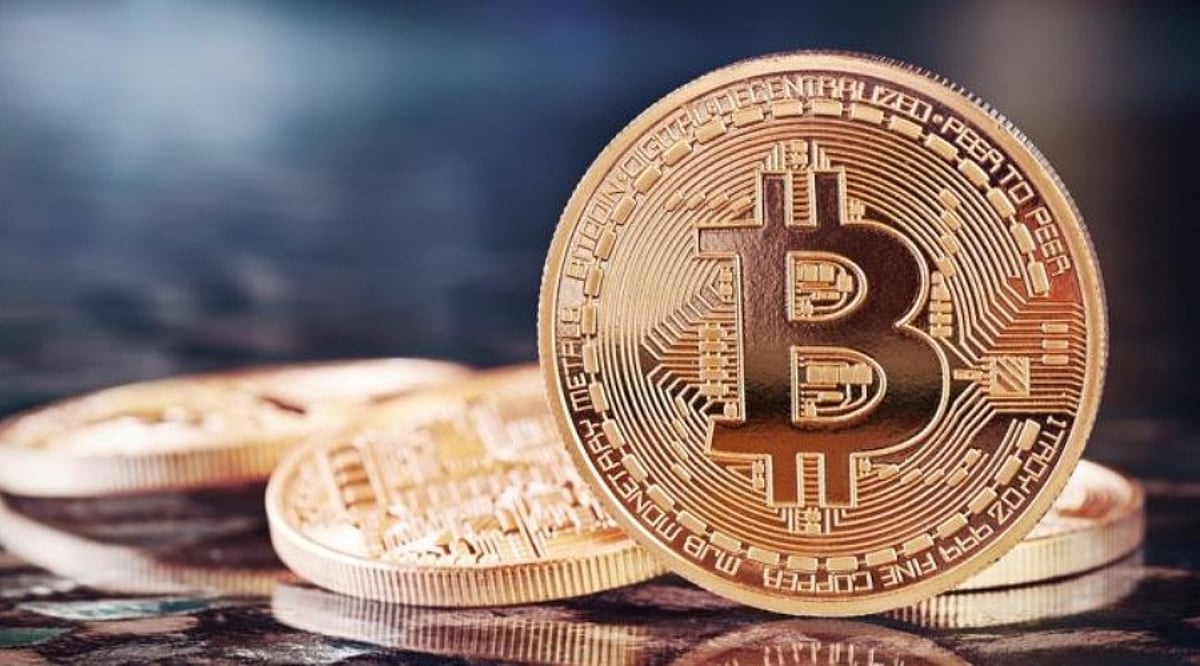
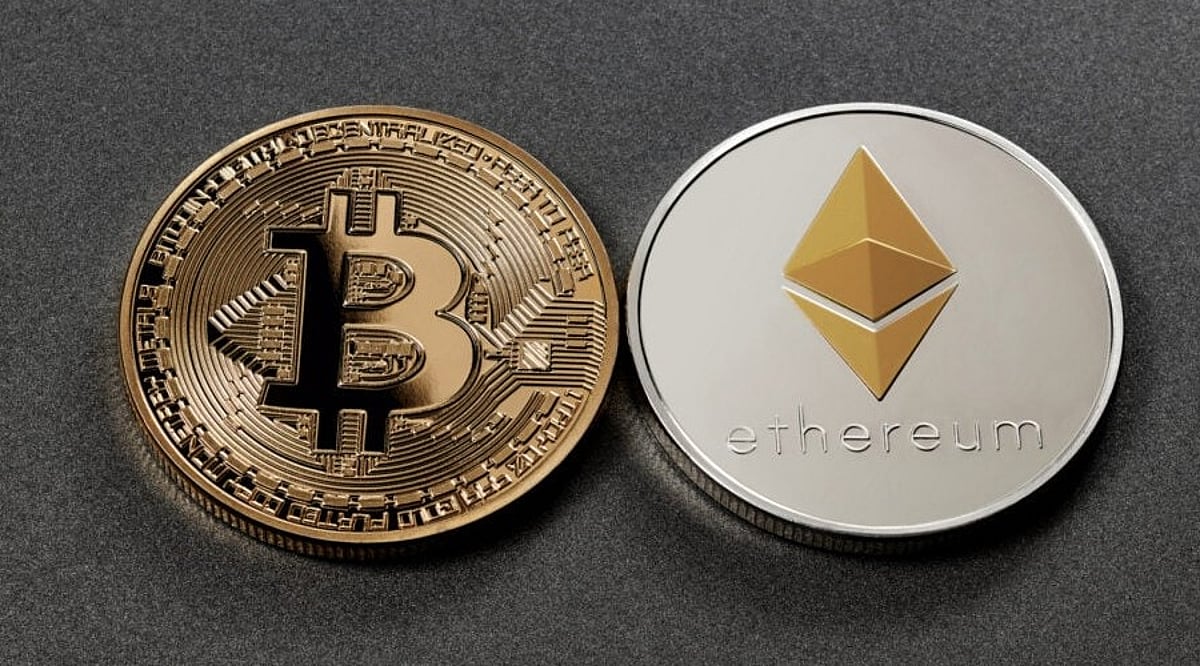
    Bitcoin traded near $64,800 on Wednesday, supported by a six-day streak of inflows into spot Bitcoin ETFs, while Ethereum outpaced the broader market with a 2.08% gain. XRP also advanced, rising 1.90%, as investors rotated into large-cap altcoins.

    According to live data from CoinMarketCap, Bitcoin is currently trading at $64,806.54, up 0.79% over the past 24 hours. Its market cap stands near $1.3 trillion, with 24-hour trading volume at $22.47 billion. The price action remains tied to ETF demand and ongoing custody concerns stemming from the Coldcard exploit.

    Bitcoin Price Today

    Bitcoin holds near $64,800, staying range-bound between $64,000 and $65,000. Resistance sits at $65,000–$65,500, while support is near $64,000. A break above $65,000 could open a path toward $65,500, while a slip below $64,000 risks exposing support closer to $62,300.

    Analyst Insights

    CoinSwitch Markets Desk noted that BTC remained range-bound near $65,000 despite a risk-on tone across global markets. The S&P 500 extended its rally past 7,793 points, and gold jumped 2.8% to a six-week high near $4,213 an ounce. A sustained Bitcoin recovery may need stronger ETF inflows and softer Treasury yields.

    Prateek Gupta, Head of Business at Mudrex, said Bitcoin stayed inside its broad $64,000–$64,700 band. He noted that the S&P 500 closed above Bitcoin on relative performance for the first time since 2012. Long-term holders sold over 11,500 BTC this week.

    Nischal Shetty, founder of WazirX, said Bitcoin traded near $64,469, largely unmoved despite steady ETF demand. US spot Bitcoin ETFs added $211.5 million, while Ethereum ETFs drew $53.8 million in fresh inflows. CryptoQuant flagged renewed accumulation among large Bitcoin and Ethereum holders.

    Riya Sehgal, Research Analyst at Delta Exchange, said gold climbed to a seven-week high near $4,286 an ounce. Lower Treasury yields and renewed safe-haven demand drove the move. Bitcoin consolidated near $64,500, holding a constructive structure while staying above $64,000.

    Crypto Prices Today: Top 10 Coins at a Glance

    Live data sourced from CoinMarketCap as of today’s session.

    Biggest Gainers: ETH, XRP, BNB

    Ethereum led today’s session with a gain above 2%. XRP followed closely, adding nearly 1.90% through the day. BNB rounded out the top movers, supported by strong weekly momentum near 4.29%.

    Biggest Losers: Solana and Dogecoin Lag

    Solana and Dogecoin posted only marginal daily moves today. TRON stayed nearly flat, gaining just 0.12% through the session. Stablecoins USDT and USDC held their peg with barely any movement.

    Crypto News Today: Top Headlines Impacting Prices

    Coldcard Exploit Losses Widen Past $130 Million

    Galaxy Research now estimates at least 15 separate attackers are exploiting the Coldcard firmware flaw. Confirmed and suspected losses have climbed to roughly 2,055 BTC across more than 7,700 wallet addresses. Coinkite founder Rodolfo Novak apologized publicly and pledged support for affected users. Nearly 90% of the stolen Bitcoin remains untouched, suggesting attackers are holding funds rather than rushing to sell.

    Bitcoin ETFs Post a Clean Inflow Streak in August

    US spot Bitcoin ETFs have recorded zero outflow sessions so far this month, extending a six-day inflow run. BlackRock, Fidelity, and Franklin Templeton all added fresh Bitcoin exposure on August 3. Cumulative net inflows since launch have now crossed $52 billion across the fund complex. The streak follows an eight-week outflow stretch that had tested confidence in the broader ETF adoption story.

    Hashdex to Close Its Smallest Bitcoin ETF

    Hashdex confirmed it will close and liquidate the Hashdex Bitcoin ETF, trading under the DEFI ticker on NYSE Arca. Trading ends on August 17, with shareholders receiving cash payouts after liquidation. The fund held just $14.7 million in assets against BlackRock’s IBIT at over $47 billion. The closure highlights a growing gap between dominant issuers and smaller competitors in the ETF space.

    Bernstein Flags CLARITY Act Delay as a Risk Factor

    Bernstein warned that fading odds for CLARITY Act passage could pressure crypto prices as the Senate enters recess. Analysts said a failed vote may trigger an immediate negative market reaction. The firm still expects crypto markets to find a bottom and build momentum later this quarter. Policy uncertainty remains a key variable for institutional positioning heading into September trading sessions.

    Metaplanet Raises $137 Million for Its Bitcoin Treasury

    Japan’s Metaplanet confirmed a $137 million capital raise through third-party allotment to expand its Bitcoin holdings. The move follows a wider trend of public companies building corporate Bitcoin treasuries this year. Analysts see these raises as a steady demand source that runs independent of ETF flow data. Corporate accumulation in Asia continues to grow despite recent volatility across Bitcoin’s broader price structure.

    Coinbase Signals Doubts Over Senate Crypto Bill

    Coinbase indicated it may withdraw backing for the Senate’s crypto market structure bill over unresolved provisions. The exchange’s hesitation adds fresh uncertainty to an already fragile legislative timeline this month. Industry lobbying groups remain split as the bill faces recess deadlines and competing political priorities. A weaker industry coalition could complicate the bill’s passage chances ahead of the midterm election cycle.

    Investor and Market Outlook

    Bitcoin holds near $64,800 as steady ETF inflows offset lingering worries from the Coldcard exploit. A close above $65,000 could open a path toward stronger resistance near $65,500. A slip below $64,000 risks exposing support closer to $62,300.

    Ethereum and XRP remain the most responsive names to shifts in institutional risk appetite this week. Bitcoin’s next move hinges on ETF flow consistency and Senate action on the CLARITY Act. Coldcard-related fund tracing and corporate treasury announcements stand as key catalysts through the coming sessions.

    FAQs

    What is the Bitcoin price today? Bitcoin trades near $64,806.54, up 0.79% over the past 24 hours, holding steady above $64,700. Support sits close to $64,000, while resistance builds between $65,000 and $65,500 through the coming trading sessions this week.

    Why are Bitcoin ETFs seeing inflows this month? US spot Bitcoin ETFs have posted zero outflow days so far in August, extending a six-day inflow streak. BlackRock, Fidelity, and Franklin Templeton led fresh buying, pushing cumulative inflows past $52 billion since launch.

    What is the biggest crypto news today? The Coldcard exploit crossing $130 million and Bernstein’s CLARITY Act warning are shaping sentiment today. Hashdex’s ETF closure and Coinbase’s hesitation over the Senate bill add further caution across trading desks.

    Which coins are performing best today? Ethereum leads daily gains with a rise above 2%, followed closely by XRP near 1.90%. BNB also posted solid weekly momentum, while stablecoins stayed largely flat through today’s trading session.

    What should investors watch this week? Track the Senate’s recess deadline, CLARITY Act developments, and daily Bitcoin ETF flow data closely. Coldcard-related fund movements and fresh corporate treasury announcements could also shift near-term market positioning.

  • Coldcard Firmware Flaw Exposes $130M in Bitcoin: What Hardware Wallet Users Must Know Now

    Coldcard Firmware Flaw Exposes $130M in Bitcoin: What Hardware Wallet Users Must Know Now

    A series of hacks targeting Coldcard hardware wallets has reignited concerns about cryptocurrency self-custody, proving that even offline devices can fall prey to software vulnerabilities. According to blockchain security firms, hackers stole an estimated 1,596 BTC (worth roughly $130 million) from around 7,300 affected addresses, marking one of the largest hardware wallet security incidents in recent years.

    The exploit does not mean Bitcoin’s cryptography has been compromised. Instead, researchers say attackers exploited a weakness in certain Coldcard firmware versions that produced insufficient randomness when generating seed phrases, making them predictable.

    Firmware Vulnerability Enabled Seed Phrase Prediction

    Hardware wallets are widely regarded as one of the safest ways to store digital assets because private keys remain offline. However, security researchers at Block discovered that some Coldcard devices generated seed phrases using weak entropy. This allowed attackers to reconstruct private keys through brute-force methods.

    Blockchain analytics firm K33 reported that the attacks triggered an unusual spike in on-chain activity: approximately 890,000 BTC moved across the Bitcoin network over the past week—the highest weekly total recorded this year. K33 noted, “Therefore, the recent acceleration in BTC transaction activity is very likely driven by the Coldcard attacks.”

    Victims believed they followed industry best practices. One affected user, Jonathan Goodman, who lost $1.6 million, wrote on X, “I never shared my seed phrase with anybody. My devices never touched the internet.” He added that the vulnerability originated from “one line in their code from 2021.”

    What the Incident Means for Hardware Wallet Users

    The vulnerability is specific to certain Coldcard wallet implementations and does not compromise Bitcoin itself—only the wallet implementation. So far, no evidence suggests that hardware wallets from manufacturers like Ledger, Trezor, BitBox, Foundation, Cypherock, or KeepKey share the same flaw.

    After the announcement, Coinkite (Coldcard’s manufacturer) recommended that affected users immediately upgrade their firmware and create a new wallet using a fresh seed phrase. Restoring the old recovery phrase would not eliminate the susceptibility.

    The incident has also brought multi-signature (multisig) wallets back into focus. Multisig setups require approvals from several devices before funds can be transferred, greatly mitigating the risk if any single device is compromised.

    Why This Matters

    The Coldcard exploit proves hardware wallets are not foolproof. Flawed seed phrase generation exposed offline funds, highlighting that true crypto security requires constant firmware updates, multi-signature setups, and multi-layered protection rather than relying on a single device.

    Final Thoughts

    TRM Labs reports that the crypto sector has experienced over 200 hacks so far in 2026, totaling more than $950 million in losses. The Coldcard event underscores that hardware wallets remain one of the most secure storage solutions available, but security is a matter of layers: keeping firmware updated, using strong seed phrases, spreading assets, and monitoring security advisories. Ultimately, this attack serves as a stark reminder to long-term Bitcoin investors that cybersecurity is not a one-time setup, but an ongoing journey.

    Frequently Asked Questions

    1. What caused the Coldcard hardware wallet hack? The attack stemmed from a firmware vulnerability that generated predictable seed phrases due to insufficient randomness. This allowed attackers to reconstruct private keys without breaking Bitcoin’s underlying cryptography.
    2. Does this mean all hardware wallets are unsafe? No. The vulnerability appears specific to certain Coldcard firmware versions. There is currently no evidence that major brands like Ledger, Trezor, BitBox, Foundation, Cypherock, or KeepKey are affected by the same flaw.
    3. What should affected Coldcard users do immediately? Update the device to the latest firmware, generate a completely new wallet with a fresh seed phrase, and transfer Bitcoin to the new wallet. Simply restoring the old seed phrase does not eliminate the vulnerability.
    4. What is a multisignature (multisig) wallet, and why is it safer? A multisig wallet requires approvals from two or more devices or private keys before funds can be transferred. This significantly reduces theft risk because compromising one wallet is insufficient to access assets.
    5. What lessons can Bitcoin holders learn from the Coldcard incident? This attack highlights that hardware wallets remain highly secure but should not be the only layer of protection. Keeping firmware updated, securely backing up seed phrases, following official security advisories, and considering diversified custody or multisig setups can greatly improve long-term security.
  • Ripple Partner SBI Holdings Acquires Bitbank in $289M Deal to Expand Japan’s Crypto Market

    Ripple Partner SBI Holdings Acquires Bitbank in $289M Deal to Expand Japan’s Crypto Market

    Ripple’s long-term partner SBI Holdings has completed its acquisition of Japanese cryptocurrency exchange Bitbank in a deal worth 46.7 billion yen (around $289 million). The deal is expected to boost SBI’s position as a leader in the regulated digital asset market.

    The acquisition will be structured in multiple stages. SBI will first buy shares of Bitbank founder Noriyuki Hirosue and individual investors, and then increase its holdings by buying more from MIXI and Ceres later this year. Following the process, Bitbank will become a consolidated subsidiary of SBI Holdings.

    SBI Expands Its Digital Asset Leadership

    The acquisition significantly boosts SBI’s footprint in the regulated cryptocurrency market in Japan. Together, the two companies would handle approximately 2.92 million customer accounts and over 1.1 trillion yen ($7 billion) in digital assets under custody, surpassing some key domestic rivals.

    The agreement is part of a broader pattern of traditional financial institutions gaining more exposure to digital assets as regulatory clarity improves. It also shows the increasing trust in financial services and financial asset tokenization.

    Ripple Partnership Could Benefit from Larger Platform

    SBI Ripple Asia, which was founded in 2016, was created to help grow Ripple’s blockchain payment capabilities in the Asia-Pacific region and Japan, the companies said. SBI has long been promoting the use of XRP, with its regulated exchange SBI VC Trade being one of the earliest platforms to support XRP trading and later add Ripple-linked stablecoin RLUSD.

    SBI Chairman and CEO Yoshitaka Kitao has also been a strong supporter of the partnership and is a former board member of Ripple and a long-time proponent of blockchain-based payments.

    While SBI has not announced immediate operational changes for Bitbank, the increased adoption could lead to more opportunities for introducing XRP, RLUSD, and Ripple’s payment network in Japan in the future.

    The announcement comes after another groundbreaking blockchain project led by SBI-backed gaming company gumi, which revealed an XRP-focused plan totaling $86 million, featuring the $18.3 million crypto investment fund and additional institutional blockchain infrastructure investments.

    With the Bitbank acquisition, Japan’s digital asset market is further solidifying its reputation as one of the most regulated and blockchain-friendly markets globally, with its institutional backing on the rise.

    FAQs

    1. Why did SBI acquire Bitbank?
    SBI acquired Bitbank to strengthen its position in Japan’s regulated cryptocurrency market. The deal expands its customer base, increases assets under custody, and enhances its digital asset ecosystem.

    2. How large will SBI’s crypto business become after the acquisition?
    Following the acquisition, SBI is expected to manage around 2.92 million customer accounts and more than 1.1 trillion yen (over $7 billion) in digital assets under custody, making it one of Japan’s largest crypto operators.

    3. How is Ripple connected to SBI Holdings?
    SBI and Ripple have worked together since launching SBI Ripple Asia in 2016 to promote blockchain-based cross-border payments. SBI has consistently supported XRP adoption through its regulated exchange, SBI VC Trade.

    4. Will Bitbank users see immediate changes?
    SBI has not announced any immediate operational or platform changes for Bitbank. The exchange will continue operating while becoming a consolidated subsidiary of SBI Holdings.

    5. What does this acquisition mean for XRP and Japan’s crypto market?
    The larger SBI ecosystem could create additional opportunities for XRP, RLUSD, and Ripple’s payment infrastructure to gain wider institutional adoption. It also reinforces Japan’s reputation as one of the world’s most regulated and crypto-friendly markets.

  • ChangeNOW Hires Former TON Executive Martin Masser to Lead Strategic Partnerships

    ChangeNOW Hires Former TON Executive Martin Masser to Lead Strategic Partnerships

    ChangeNOW, the crypto super app, has announced the appointment of Martin Masser as Director of Strategic Partnerships. Masser, a former executive at the TON Foundation, brings deep experience in growth, business development, and ecosystem building to the role.

    His primary focus will be to forge key relationships with blockchain networks, wallets, fintech companies, payment providers, and other infrastructure partners. This move is central to ChangeNOW’s transition from a standalone crypto exchange into a fully integrated super app where users can buy, store, swap, trade, send, receive, and grow digital assets in a single environment.

    “Martin brings a rare mix of commercial relationships, product and media understanding,” said Pauline Shangett, Chief Strategy Officer at ChangeNOW. “He knows what the technology can do, what the business needs and how to make the market pay attention. That is exactly the perspective we need as we build the ChangeNOW super app.”

    Masser’s role is not about accumulating partnership announcements but about identifying relationships that make the platform more complete and remove friction from the user experience. He commented: “The best partnerships create access, adoption and attention. My focus is to build relationships that make the product stronger, simpler and more useful, and then help the market understand why they matter. If you are building wallets, networks, payments, stablecoins, fintech infrastructure, consumer crypto or Web3 products, I want to hear from you.”

    For consumers, ChangeNOW is consolidating all core crypto activities into one interface. For businesses, it is developing an integrated toolkit for crypto payments, exchange, stablecoin settlement, digital asset management, and Web3 integrations. Masser’s appointment marks a significant step toward connecting the right networks, wallets, and partners to drive product value, adoption, and market momentum.

    About ChangeNOW

    ChangeNOW.io is a crypto super app built for every crypto move, serving newcomers, professionals, and businesses with simple and secure access to Web3 finance. Since 2017, it has evolved from a fast, secure, and limitless instant exchange into a trusted platform covering storage, swaps, trading, staking, and asset management for millions of clients worldwide.

    About Martin Masser

    Martin Masser is Director of Strategic Partnerships at ChangeNOW. His career spans traditional banking and capital markets in London, plus Web3 roles including Head of Growth at TON Foundation. He works at the intersection of growth, infrastructure, and partnerships, connecting products and industry players to create seamless crypto experiences.

    For media inquiries, contact: PR Team, CHN Group LLC – pr@changenow.io

  • BlackRock’s ETHA Reverse Split: How It Makes Ethereum Trading 70x Cheaper

    BlackRock’s ETHA Reverse Split: How It Makes Ethereum Trading 70x Cheaper

    BlackRock is set to execute a rare reverse split on its iShares Ethereum Trust ETF (ETHA) on October 6, a move designed to improve trading efficiency and significantly reduce costs for investors seeking Ethereum exposure through traditional brokerage accounts.

    What Is the ETHA Reverse Split?

    The one-for-three reverse split will consolidate every three ETHA shares into a single share. According to the filing with the U.S. Securities and Exchange Commission (SEC), this adjustment raises the ETF’s share price without altering the total value of investors’ holdings or the fund’s underlying assets. Unlike reverse splits often associated with struggling companies, BlackRock’s action is aimed at optimizing the fund’s trading characteristics when the market price moves outside a preferred range.

    Impact on Share Price and Trading Costs

    ETHA currently trades around $14.15 per share, reflecting Ethereum’s 37% decline this year from over $3,200 to roughly $1,870. Despite the price drop, the ETF manages about $5.4 billion in assets and has attracted over $11 billion in cumulative net inflows. After the reverse split, the share price will rise to an estimated $42.45, and the number of outstanding shares will drop from 384 million to 128 million. Investor holdings will remain unchanged in total value.

    Bloomberg Intelligence ETF analyst Eric Balchunas predicts that the higher share price will narrow ETHA’s bid-ask spread significantly. “This will lower cost to trade from 7bps to 2bps-ish,” Balchunas said, highlighting how ETF issuers work to reduce even small trading costs.

    How ETHA Compares to Retail Crypto Platforms

    The projected reduction makes ETHA substantially cheaper to trade than many retail cryptocurrency platforms. Balchunas noted that some crypto purchase services, such as those available through Ledger, quoted spreads around 150 basis points, while Coinbase’s simplified buying service charged approximately 140 basis points. Based on these figures, ETHA’s estimated 2-basis-point spread after the reverse split would make trading the ETF roughly 70 times cheaper than certain retail crypto purchases in terms of execution costs alone.

    However, the two investment methods serve different purposes. An ETF provides Ethereum price exposure through a traditional brokerage account and charges an annual management fee. Direct cryptocurrency purchases allow investors to transfer assets into self-custody, interact with decentralized applications, and participate in on-chain activities. For those focused primarily on market exposure rather than blockchain utility, BlackRock’s reverse split could further strengthen ETHA’s position as one of the most cost-efficient regulated vehicles for gaining Ethereum exposure.

    Frequently Asked Questions

    1. What is BlackRock’s ETHA reverse split?

    BlackRock will consolidate every three ETHA shares into one on October 6. This raises the ETF’s share price without changing the total value of investors’ holdings or the fund’s assets.

    2. Why is BlackRock conducting a reverse split?

    According to market analysts, the higher share price could reduce bid-ask spreads, making the ETF cheaper and more efficient to trade while improving overall market liquidity.

    3. Will the reverse split affect my investment value?

    No. Although you’ll own fewer shares after the split, each share will represent a proportionally larger value, leaving your total investment unchanged, assuming Ethereum’s price remains the same.

    4. Why is ETHA considered cheaper than buying Ethereum on Coinbase?

    According to Bloomberg ETF analyst Eric Balchunas, ETHA’s trading spread could fall to around 2 basis points, while some retail crypto purchase services charge around 140–150 basis points in execution costs.

    5. Should investors choose ETHA instead of buying Ethereum directly?

    It depends on the investment goal. ETHA offers regulated Ethereum price exposure through a brokerage account, while direct ETH ownership allows self-custody, staking opportunities (where supported), and participation in blockchain applications.

  • Top Crypto Hardware Wallets for 2026: Secure Your Digital Assets Offline

    Top Crypto Hardware Wallets for 2026: Secure Your Digital Assets Offline

    As cryptocurrency adoption continues to accelerate, securing digital assets has never been more critical. Hacks, phishing attacks, and exchange breaches cause billions of dollars in losses annually. While keeping crypto on exchanges is convenient, many long-term investors turn to hardware wallets because they store private keys offline, drastically reducing exposure to online threats.

    Hardware wallets, also known as cold wallets, keep private keys out of reach of third parties, making them one of the safest ways to store Bitcoin, Ethereum, NFTs, and other digital assets. Below are the most recommended crypto hardware wallets for 2026.

    1. Ledger Nano X – Best Overall Hardware Wallet

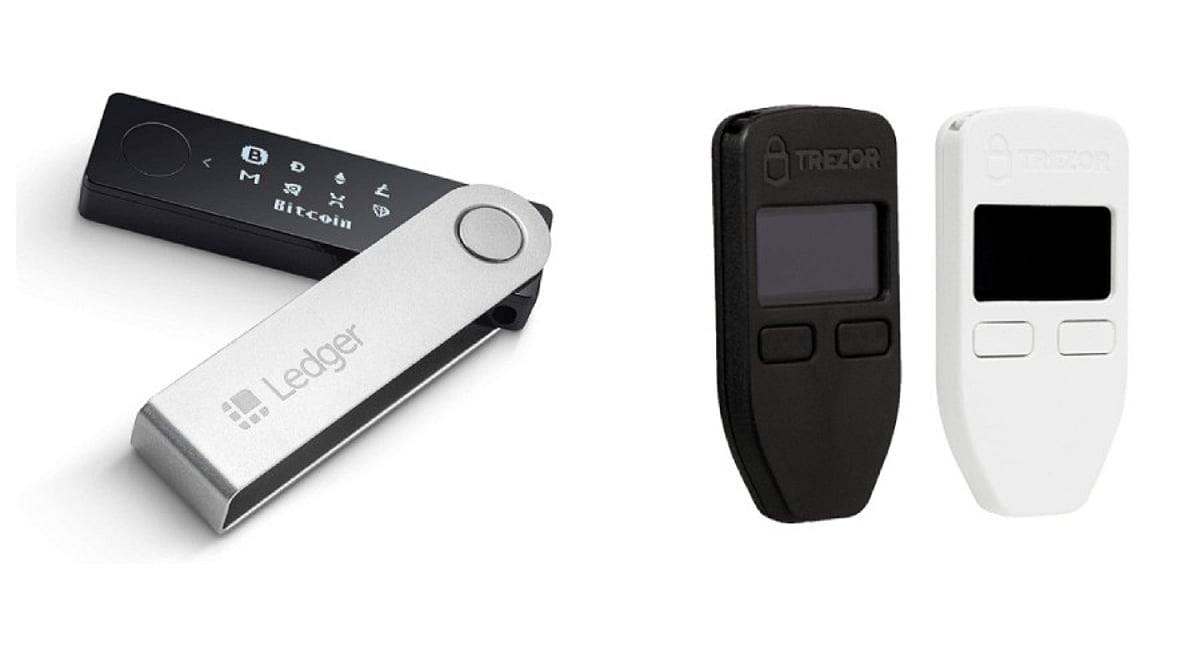
    The Ledger Nano X strikes an excellent balance between security and convenience. Through the Ledger Live app, users can stake, trade, buy, and sell over 5,000 cryptocurrencies. It connects via Bluetooth or USB-C for desktop and mobile devices and features Ledger’s Secure Element chip.

    Ideal For: Investors seeking an all-in-one mobile-enabled hardware wallet.
    Approximate Price: $99

    2. Ledger Stax – Best Premium Hardware Wallet

    For a premium experience, the Ledger Stax offers a large curved E-Ink touchscreen and Bluetooth connectivity. It supports thousands of cryptocurrencies and NFTs, using the same Secure Element technology as other Ledger devices. The larger display makes transaction verification easier at a glance.

    Ideal For: Long-term investors aiming for a premium user experience.
    Approximate Price: $399

    3. Trezor Model T – Best Open-Source Wallet

    The Trezor Model T features open-source firmware, which allows independent security researchers to inspect the code, enhancing transparency. It includes a color touchscreen and USB-C port, and manages hundreds of cryptocurrencies through the Trezor Suite app.

    Ideal For: Security-focused users who prefer open-source solutions.
    Approximate Price: $129

    4. Trezor Model One – Best Budget Choice

    The Trezor Model One remains an excellent entry-level wallet. It lacks a touchscreen but provides solid offline storage, open-source firmware, and simple two-button operation. It is compatible with most major cryptocurrencies and is one of the most affordable hardware wallets available.

    Ideal For: Newcomers to crypto investing.
    Approximate Price: $49

    5. Bitkey – Best Bitcoin-Only Wallet

    Block’s Bitkey is designed specifically for Bitcoin security, using a multi-signature architecture. It eliminates single points of failure through a combination of hardware, mobile app, and cloud-based recovery. Features like inheritance and recovery make it ideal for long-term Bitcoin holders.

    Ideal For: Maximum security for Bitcoin holders.
    Approximate Price: $215

    6. Tangem Wallet – Best Seedless Hardware Wallet

    Tangem takes a unique approach by eliminating traditional seed phrases. Its NFC-enabled smart cards store private keys in a certified secure chip. Users access their wallets by tapping the card on an NFC-enabled smartphone. It supports over 14,000 digital assets and offers an easy setup process.

    Ideal For: Beginners looking for a seed phrase-free wallet.
    Approximate Price: $54–$180

    Why This Matters

    As cryptocurrency-related cyber threats evolve, choosing the right hardware wallet is essential for protecting digital assets. Keeping funds offline reduces exposure to online attacks, giving investors more control over their private keys and enhancing long-term portfolio security.

    Final Thoughts

    In 2026, the hardware wallet market offers diverse options for every type of investor. Ledger’s feature-packed lineup continues to dominate, while Trezor’s open-source transparency appeals to those prioritizing trust. Bitkey’s multisig solution is ideal for Bitcoin-only investors, and Tangem’s seedless NFC design attracts users seeking simplicity. Regardless of the device chosen, storing private keys offline remains one of the best ways to safeguard digital assets from cyberattacks, phishing, and exchange-related risks.

    Frequently Asked Questions

    1. What is a crypto hardware wallet?

    A hardware wallet is a physical device that stores your cryptocurrency private keys offline. Because it remains disconnected from the internet, it offers significantly better protection against hacking, phishing, and malware compared to online wallets.

    2. Which hardware wallet is best for beginners?

    The Trezor Model One and Tangem Wallet are excellent choices for beginners. Both are easy to set up, affordable, and provide strong security without requiring advanced technical knowledge.

    3. Are hardware wallets safer than keeping crypto on exchanges?

    Yes. Hardware wallets give users complete control over their private keys, reducing the risk of exchange hacks or account compromises. However, users must safely store their recovery information to avoid losing access.

    4. Which hardware wallet supports the most cryptocurrencies?

    Tangem Wallet supports more than 14,000 digital assets, while the Ledger Nano X offers compatibility with over 5,000 cryptocurrencies and tokens through the Ledger ecosystem.

    5. Is a hardware wallet worth buying in 2026?

    For anyone holding a meaningful amount of cryptocurrency, a hardware wallet remains one of the best security investments. Offline storage greatly reduces exposure to online threats and gives users full ownership of their digital assets.

  • Bitcoin Long-Term Holders Begin Profit-Taking as On-Chain Metrics Hint at Market Bottom

    Bitcoin Long-Term Holders Begin Profit-Taking as On-Chain Metrics Hint at Market Bottom

    Bitcoin’s long-term holders (LTHs) have started to sell after months of continued accumulation, signaling a potential new phase in the market. Despite profit-taking by seasoned investors—which is likely to create short-term selling pressure—several on-chain metrics suggest Bitcoin could be entering conditions more commonly seen near market bottoms.

    On-chain data reveals that LTH supply recently began declining after climbing close to 16 million BTC, while the supply of LTHs in short-term holding periods remains comparatively low. Historically, after extended price rallies, long-term investors have sold part of their holdings, allowing new investors to enter the market.

    On-Chain Indicators Suggest Accumulation

    The LTH/STH Spent Output Profit Ratio (SOPR) has moved closer to 1, indicating that the profits of long-term and short-term holders are converging. Historically, this pattern occurred in 2015, 2019, and 2022, with selling pressure easing slowly over time and accumulation resuming. While the ratio has not yet entered its traditional accumulation zone, current readings suggest the market is heading further toward that zone.

    This cycle also differs from previous ones. Bitcoin’s first major price increase in the current cycle took approximately 31 months to achieve—much longer than the 8 to 17 months seen in past cycles. This extended timeline suggests that investor behavior has evolved alongside the rising institutionalization of the market.

    Also Read: Bitcoin Security Faces New Questions After the Coldcard Wallet Hack

    Fear Persists Despite Improving Fundamentals

    LTH supply recently started declining after climbing close to 16 million BTC. Currently, the Crypto Fear & Greed Index stands at 40, indicating neutral market sentiment. Bitcoin’s Market Value to Realized Value (MVRV) ratio has been squeezed to the 1.21–1.22 zone. Historically, when sentiment turned negative while on-chain fundamentals improved, new accumulation phases have begun. Meanwhile, long-term investor supply remains near record levels, suggesting that established investors are holding onto most of their Bitcoin after recent distributions.

    Although no single indicator can accurately identify a market bottom, the combination of record long-term holder conviction, compressed valuations, subdued speculative activity, and cautious investor sentiment increasingly resembles conditions seen before previous Bitcoin recoveries.

    In the short term, Bitcoin appears to be transitioning from a distribution phase to what could become an accumulation phase. Whether this marks the cycle bottom will depend on overall macroeconomic conditions, investor demand, and the market’s ability to absorb continued selling pressure from long-term investors.

  • BlackRock ETHA Reverse Split: Key Details for Ethereum ETF Investors

    BlackRock ETHA Reverse Split: Key Details for Ethereum ETF Investors

    BlackRock is implementing a one-for-three reverse split on its iShares Ethereum Trust ETF (ETHA) to improve trading efficiency. The change, effective October 6 with a record date of October 5, consolidates every three existing shares into one new share. While the number of shares investors hold will decrease, the net asset value (NAV) will adjust proportionally, keeping the total value of each investor’s position unchanged. Fractional shares generated during the process will be redeemed for cash, which may create tax liabilities.

    Why the Reverse Split?

    Although BlackRock did not provide an explicit reason, Bloomberg Senior ETF Analyst Eric Balchunas noted that the primary goal is to lower trading costs by narrowing the ETF’s bid-ask spread. He estimated the cost to trade would drop from 7 basis points to approximately 2 basis points. This administrative adjustment targets enhanced trading efficiency and reduced transaction costs for investors, especially for lower-priced ETFs like ETHA, which currently trades at about $14 per share—down roughly 40% year-to-date amid Ethereum’s price decline.

    What It Means for Investors

    The reverse split does not alter ETHA’s investment policy, Ethereum holdings, or total assets under management (AUM). It simply changes the number of shares outstanding and the per-share price. Despite recent price drops, ETHA remains the largest spot Ethereum ETF, with over $5 billion in AUM. Reverse splits are not uncommon in the crypto ETF space; Grayscale executed similar moves for its Bitcoin Mini Trust and Ethereum Mini Trust in November 2024.

    This announcement comes as institutional demand for Ethereum ETFs has cooled in 2026. BlackRock has expanded its Ethereum ETF lineup with the iShares Staked Ethereum Trust ETF, launched in March 2026, offering investors both staking and non-staking options.

    Frequently Asked Questions

    1. What is BlackRock’s ETHA reverse split?

    BlackRock is consolidating three existing ETHA shares into one new share. The total value of an investor’s holdings remains unchanged because the share price increases proportionally.

    2. Why is BlackRock conducting a reverse split?

    While BlackRock hasn’t officially stated the reason, Bloomberg ETF analyst Eric Balchunas said the higher share price should narrow bid-ask spreads, reducing trading costs from around 7 basis points to roughly 2 basis points.

    3. Will the reverse split affect my investment value?

    No. The reverse split only changes the number of shares outstanding and the price per share. The ETF’s assets, Ethereum holdings, and your overall investment value remain the same, excluding any cash paid for fractional shares.

    4. What happens to fractional ETHA shares after the split?

    Fractional shares will not be issued. Instead, they will be redeemed for cash and credited to your brokerage account, which may have tax implications.

    5. Does the reverse split change BlackRock’s Ethereum ETF strategy?

    No. ETHA will continue tracking the price of Ethereum as before. The reverse split is an administrative adjustment aimed at improving trading efficiency and does not alter the ETF’s investment objective or portfolio composition.

  • Bitcoin Faces Potential Pullback: 3 Warning Signs Investors Should Watch

    Bitcoin Faces Potential Pullback: 3 Warning Signs Investors Should Watch

    Bitcoin is trading around $64,000, up 0.56% in the last 24 hours, despite Strategy’s third Bitcoin sale this year. However, several on-chain and market signals suggest the top cryptocurrency may face additional selling pressure in the near term.

    Exchange Inflows and Miner Selling Raise Caution

    Crypto analyst Ali Martinez reports that over the past week, more than 20,000 BTC — worth over $1.2 billion — have moved toward cryptocurrency exchanges. CryptoQuant data shows exchange reserves are now roughly at 2.72 million BTC, the highest since early July.

    “When coins move onto trading platforms, it often signals rising sell-side pressure. Keep an eye on this trend,” Martinez noted.

    While higher exchange balances are often interpreted as a precursor to selling, recent security concerns surrounding the ColdCard wallet incident may also be encouraging some investors to temporarily move assets from self-custody into centralized exchanges without intending to sell.

    Another bearish signal comes from Bitcoin miners. According to Martinez, miners have sold approximately 1,774 BTC, valued at roughly $112 million, during the past week. Miner selling is often viewed as profit-taking and can increase short-term supply entering the market.

    Seasonal Trends Keep Traders on Alert

    Bitcoin’s historical performance also adds uncertainty. Market data shows the cryptocurrency has finished August in negative territory nine out of the past thirteen years, making it one of Bitcoin’s weaker seasonal months.

    Market opinions remain divided. Some analysts expect additional downside before a sustained recovery. Rekt Fencer suggested a potential bull trap could drive Bitcoin toward $30,000 later this month.

    According to Ali Martinez, a decline toward $60,000 could actually strengthen Bitcoin’s technical outlook by confirming an inverse head-and-shoulders pattern, potentially setting the stage for a rally toward $74,000. Crypto analyst MikybullCrypto also believes the bullish setup has already formed, stating, “Breakout is next. $80K is the magnet target.”

    Technical Structure

    Bitcoin price is currently hovering around $64,038 on Wednesday with a slight downward trend, trapped between a dense range of Exponential Moving Averages (EMAs). BTC is struggling to move above the 50-day EMA near $64,650.

    The Relative Strength Index (RSI) is sitting around 50.50 on the daily time frame, indicating no real conviction for an upside move today. The Moving Average Convergence Divergence (MACD) remains under the zero line, with a mild downward bias; it suggests price is still in a downtrend.

    For the upside, immediate resistance is near $64,650 at the 50-day EMA. A break above $64,650 would lift the downside pressure for a leg toward the 100-day EMA at $67,079, followed by the 200-day EMA at $72,649. On the downside, support is seen at $64,004; a break below this support could drag the asset into a deeper corrective trend.

    FAQs

    1. Why are rising Bitcoin exchange inflows considered bearish? When large amounts of Bitcoin move onto exchanges, it often signals that investors may be preparing to sell. Higher exchange balances can increase available supply, creating short-term selling pressure if demand does not keep pace.
    2. Why does miner selling affect Bitcoin’s price? Bitcoin miners periodically sell a portion of their holdings to cover operational costs or lock in profits. Increased miner selling adds fresh supply to the market, which can weigh on prices during periods of weak buying demand.
    3. What does Bitcoin’s RSI currently indicate? The Relative Strength Index (RSI) is hovering around 50.50, suggesting neutral momentum. It indicates that neither buyers nor sellers currently have strong control, leaving Bitcoin vulnerable to movement in either direction.
    4. Which technical levels should Bitcoin traders watch? Immediate resistance is near the 50-day EMA at $64,650. If Bitcoin breaks above this level, the next upside targets are the 100-day EMA near $67,079 and the 200-day EMA around $72,649. On the downside, key support lies near $64,004.
    5. Does a short-term pullback mean Bitcoin’s long-term trend has turned bearish? Not necessarily. Short-term corrections are common in crypto markets. Some analysts believe a pullback toward $60,000 could strengthen Bitcoin’s longer-term bullish structure by confirming a potential inverse head-and-shoulders pattern before another upward move.
  • Bitcoin Tops $64K Amid Qatar-Iran Talks as Three Missouri Men Face Federal Robbery Charges

    Bitcoin Tops $64K Amid Qatar-Iran Talks as Three Missouri Men Face Federal Robbery Charges

    Federal prosecutors have charged three Missouri men in connection with an alleged home-invasion plot targeting a Connecticut family over stolen Bitcoin. The case unfolds as Bitcoin rebounds above $64,000, buoyed by news that Qatar is mediating renewed negotiations between the United States and Iran.

    Missouri Trio Accused in Bitcoin Extortion Plot

    According to prosecutors, Sedric Louis, John Davis, and Martel Williams traveled from Missouri to Connecticut between August 21 and August 24, 2024. The group is alleged to have rented vehicles, obtained air rifles and walkie-talkies, and surveilled the intended victim and his parents over two days.

    Authorities say the men planned to enter the family home, threaten the target, and force him to transfer stolen cryptocurrency into wallets controlled by coordinators. The plot was abandoned when the group feared that home-security cameras had captured them. Prosecutors also cited poor communication with alleged co-conspirators.

    A Second Group Kidnapped the Parents

    Shortly after the Missouri men backed off, a separate group from Florida allegedly carried out a kidnapping. On August 25, six men rammed a Lamborghini Urus driven by the parents and pulled them into a van. The attackers beat and restrained the couple until witnesses alerted police. Officers rescued the victims after a pursuit and arrested the suspects.

    Prosecutors say the couple’s son had participated in the theft of hundreds of millions of dollars in Bitcoin. The broader case involves approximately 4,100 BTC, valued at roughly $245 million at the time. The attackers allegedly used social engineering tactics, posing as tech and cryptocurrency support staff.

    Proceeds from the stolen Bitcoin were reportedly spent on luxury cars, jewelry, high-end rentals, and nightclub parties. Several defendants in the larger case have pleaded guilty. A federal grand jury returned a second superseding indictment against Louis, Davis, and Williams on May 22, 2026. All three have pleaded not guilty.

    Louis and Davis remain in custody, while a judge released Williams on bond. The Hobbs Act robbery conspiracy charge carries a maximum 20-year federal prison sentence.

    Bitcoin Rises as Qatar Pursues Iran Talks

    Bitcoin climbed above $64,000 after Qatar confirmed that regional mediators are working to restart negotiations between the United States and Iran. Qatari Foreign Ministry spokesperson Majed Al-Ansari stated that Doha wants normal conditions restored in the Strait of Hormuz. Qatar, Pakistan, and Oman continue exchanging proposals, though no timetable exists for an agreement.

    Iran has denied direct talks with Washington, describing its discussions as negotiations with Oman. Shipping through the strait remains restricted despite reported diplomatic progress. The route is a critical passage for global oil supplies.

    For U.S. investors, the outcome of these talks could influence oil prices, inflation expectations, and overall market sentiment. A ceasefire and restored shipping could support risk assets like cryptocurrencies and equities. Alternatively, a breakdown could drive demand for cash and defensive assets. Technical charts suggest Bitcoin may be poised for a breakout from a descending channel.

    A Brief Roundup

    Federal prosecutors allege that three Missouri men joined a failed Bitcoin extortion plot before another group kidnapped the target’s parents. Meanwhile, Bitcoin traded above $64,000 as Qatar pursues renewed US-Iran negotiations. Court proceedings and diplomatic developments remain the key events shaping both parts of the story.