Category: Finance

  • South Korea’s Kospi Soars Nearly 18% as Chip Stocks Lead Historic Rebound

    South Korea’s Kospi Soars Nearly 18% as Chip Stocks Lead Historic Rebound

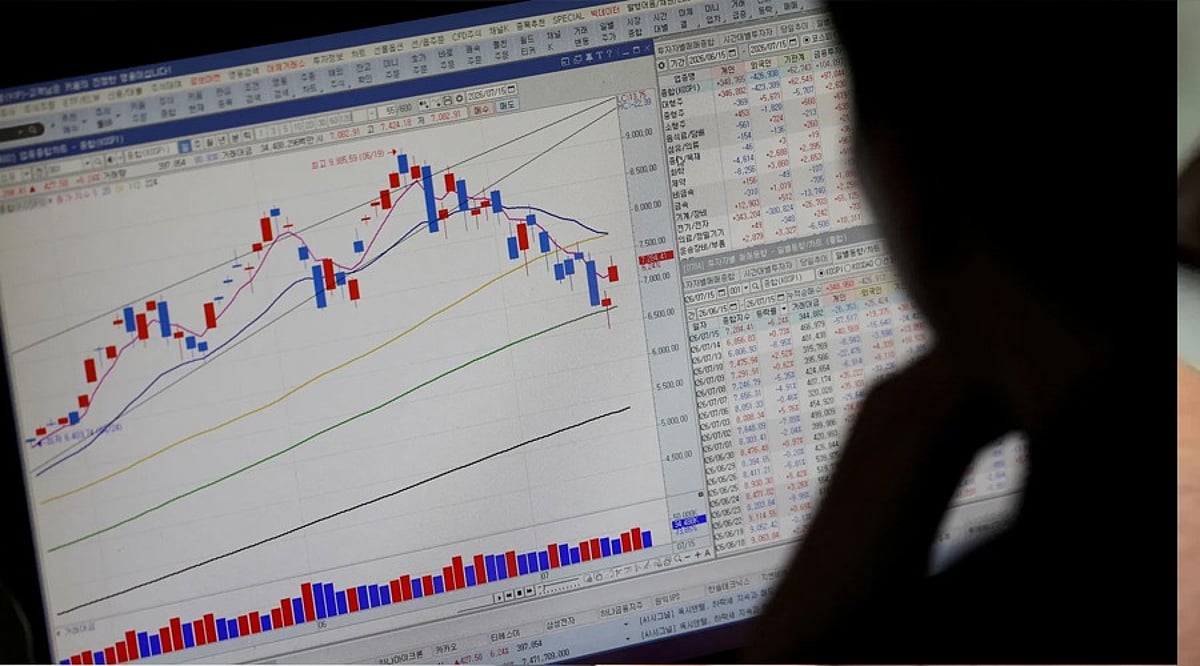
    South Korea’s Kospi index surged nearly 18% on Friday, July 31, heading for its largest one-day gain after three sessions of heavy losses. Chipmakers led the rebound, while Wall Street’s technology rally restored confidence across global markets.

    Chipmakers Drive the Record Kospi Rally

    The Kospi rose 18.27% to 6,615.60 earlier in the session. It later stood 17.9% higher at 6,695.45 as buying accelerated. Samsung Electronics climbed 28%, while SK Hynix jumped 30%. Both companies became the main drivers of the benchmark’s historic advance.

    The rally followed a three-day decline of more than 17%. Investors had sold technology shares amid concerns about an AI bubble and stronger Chinese competition. The Kospi still remained below its June record above 9,000. Before Friday, its largest daily rise was nearly 12% during the October 2008 financial crisis.

    Wall Street Rebound Restores Confidence

    Asian markets followed a strong technology-led session on Wall Street. United States chip stocks recorded their biggest one-day gain in more than a year.

    Microsoft shares surged 15.5%, marking their strongest session in nearly 18 years. Its quarterly profit exceeded expectations and suggested that large AI spending could support earnings. Amazon added 9.5% in after-hours trading following strong results. In contrast, Apple dropped more than 6% after warning that supply shortages could affect sales.

    Nasdaq 100 futures also moved higher after the index ended a six-day losing streak. TSMC gained about 10% and supported the wider Asian market advance.

    Bargain Buying Lifts Global Markets

    Investors returned to technology shares after the steep sell-off created lower entry prices. The renewed demand quickly lifted stocks that had suffered earlier in the week. Japan’s Nikkei 225 climbed 4% to 64,362.02. SoftBank Group advanced 13.8%, while chip equipment producer Tokyo Electron gained 6.2%.

    European markets also opened higher. Germany’s DAX rose 0.7%, France’s CAC 40 added 0.9%, and Britain’s FTSE gained 0.5%. United States futures increased 0.5%. Oil prices resumed climbing after Brent crude had edged lower as shipping conditions through the Strait of Hormuz showed improvement.

    The dollar recovered 0.5% to 160.28 yen after falling sharply overnight. Markets suspected intervention by Japanese and United States regulators near the 160-yen level.

    A Brief Roundup

    The Kospi’s nearly 18% surge followed a sharp rebound in Samsung Electronics, SK Hynix and other AI-linked shares. Wall Street’s technology gains and bargain buying strengthened the recovery. Investors will now watch economic data, oil prices, supply constraints and Middle East developments for signs that the rebound can continue.

  • Google Pay Launches ‘Ask Google Pay’ AI Assistant in India for Smarter Personal Finance Management

    Google Pay Launches ‘Ask Google Pay’ AI Assistant in India for Smarter Personal Finance Management

    Google Pay has introduced a new AI-powered feature called ‘Ask Google Pay’ in India, designed to help users manage their personal finances more intuitively. Powered by Google’s Gemini AI model, the conversational assistant allows users to interact with the app using natural language—either text or voice—to track expenses, gain spending insights, and learn about financial concepts.

    Gemini AI Brings Conversational Finance to Google Pay

    With ‘Ask Google Pay’, users can pose queries about their expenditures without manually sifting through transaction history. The assistant analyzes spending patterns, clarifies financial jargon, offers savings advice, and even helps compare credit card options based on individual spending habits. The feature supports 10 Indian languages, making it accessible to a broader audience across the country. Users can also ask about SIP investments and CIBIL scores.

    Privacy Controls Remain at the Core

    Unlike some AI platforms that are automatically enabled, ‘Ask Google Pay’ is an optional feature. Users must activate it by turning on “Personalisation within Google Pay,” giving them control over whether their transaction history is used to generate personalized recommendations. Google assures that all financial data processed by the assistant stays within the Google Pay ecosystem and is not shared with third-party apps. The company also states that user data is not used to train any Google AI models. However, the assistant may occasionally generate incorrect responses and should not be considered a replacement for professional financial advisors.

    Expanding AI Beyond Payments

    This launch aligns with Google’s broader strategy of integrating Gemini across its consumer products. Google Pay is evolving from a simple payment app into a comprehensive financial companion that not only facilitates transactions but also provides budgeting help, financial education, and personalized recommendations. The feature is currently rolling out to select Google Pay users in India, with a wider release expected soon.

    India remains a key market for Google’s digital payment services, and the introduction of AI-powered financial assistance highlights the growing convergence of fintech and generative AI. As digital payment platforms compete to offer more intelligent budgeting and spending analysis, ‘Ask Google Pay’ positions Google Pay as a leader in personalized financial guidance.

  • Key CFO Challenges in 2026: Navigating Economic Uncertainty, AI, and Compliance in India and Worldwide

    Key CFO Challenges in 2026: Navigating Economic Uncertainty, AI, and Compliance in India and Worldwide

    Chief Financial Officers in 2026 face a complex landscape marked by persistent economic uncertainty, rapid technological change, and evolving regulatory demands. From inflation and geopolitical tensions to AI adoption and cybersecurity threats, CFOs must balance growth with cost discipline while ensuring financial resilience. This article explores the top challenges and trends shaping the role of CFOs in India and globally.

    Navigating Constant Economic Uncertainty

    CFOs in 2026 grapple with ongoing uncertainty driven by inflation, fluctuating interest rates, geopolitical tensions, and shifting consumer demand. Financial leaders must balance growth with cost discipline while maintaining healthy cash flow. Strategic forecasting, scenario planning, and financial resilience have become essential responsibilities for organizations worldwide, including India.

    AI Adoption Brings Opportunities and Risks

    Artificial intelligence is transforming finance through automation, predictive analytics, and smarter decision-making. However, CFOs must evaluate implementation costs, data quality, governance, and return on investment. Managing AI responsibly while ensuring compliance and workforce readiness remains a top priority for financial leadership in 2026 across industries.

    Regulatory Compliance Keeps Growing

    New financial regulations, tax reforms, ESG reporting requirements, and evolving data privacy laws demand constant attention. Indian and global CFOs must strengthen internal controls, improve reporting accuracy, and stay ahead of compliance obligations. Failure to adapt quickly can increase financial risks, penalties, and reputational damage.

    Cybersecurity Threats Impact Financial Operations

    Finance departments increasingly face ransomware, phishing attacks, and data breaches targeting sensitive financial information. CFOs now work closely with technology leaders to strengthen cybersecurity investments, business continuity plans, and incident response strategies. Protecting financial assets and maintaining stakeholder trust have become strategic business priorities in 2026.

    Managing Costs Without Hurting Growth

    Organizations continue searching for efficiency while investing in innovation and digital transformation. CFOs must identify cost-saving opportunities without reducing customer experience, operational quality, or long-term competitiveness. Careful budgeting, productivity improvements, and smarter resource allocation help businesses maintain sustainable growth despite economic challenges and market uncertainty.

    Talent Shortages Challenge Finance Teams

    Finding professionals with expertise in analytics, AI, financial planning, and digital finance remains difficult. CFOs must invest in employee training, leadership development, and technology that improves productivity. Building adaptable finance teams capable of managing modern financial systems is becoming a competitive advantage across global organizations and India.

    Strategic Leadership Defines Modern CFO Success

    Today’s CFO is no longer limited to financial reporting. Modern finance leaders influence business strategy, digital transformation, sustainability initiatives, and investor confidence. Success in 2026 depends on balancing financial discipline with innovation, embracing technology responsibly, and making informed decisions that support long-term organizational resilience and profitable growth.

  • FTSE 100 Surges 84 Points to 10,981.47 as Global Tech Rally Boosts UK Markets; Brent Oil Drops to $87.88

    FTSE 100 Surges 84 Points to 10,981.47 as Global Tech Rally Boosts UK Markets; Brent Oil Drops to $87.88

    The FTSE 100 opened 84.20 points higher at 10,981.47 on Friday, driven by a global rally sparked by strong Amazon earnings and a broad rebound in technology shares on Wall Street and across Asia. Meanwhile, Brent crude futures fell 1.29% to $87.88 per barrel, and US West Texas Intermediate (WTI) declined 1.71% to $82.16 per barrel.

    Sterling held steady at $1.3440, little changed from $1.3439 in the previous session. Against the euro, the pound edged up to €1.1678 from €1.1671.

    Gainers & Losers

    On the upside, Polar Capital Technology Trust surged 4.42% to 638.50p. NatWest Group gained 3.86% to 710.20p, while IMI advanced 3.53% to 3,050p. Anglo American climbed 3.36% to 3,851p, Antofagasta rose 3.21% to 3,823p, and Sainsbury (J) added 3.01% to 366.40p.

    On the downside, IG Group Holdings declined 6.80% to 1,590p. Pearson dropped 3.17% to 1,251.50p, while RELX slipped 1.65% to 2,631p. Unilever eased 1.43% to 4,780.50p, Reckitt Benckiser fell 0.87% to 5,254p, and London Stock Exchange Group edged 0.74% lower to 8,542p.

    Interest Rates Hit Housing Market

    The UK housing market’s summer slowdown extended into July as geopolitical uncertainty continued to pressure interest rates and energy prices. Annual house price growth slowed to 1.8% in July, down from 2.2% the previous month. The average price fell by £551.1 during the month to £277,542, according to the latest Nationwide house price index.

    IAG Shares Decline

    British Airways owner IAG dropped more than 4% to 419p after reporting a 16% decline in profit to €1.4 billion, hurt by soaring fuel prices following disruptions to the oil market from the Iran conflict. Mark Crouch, market analyst at eToro, noted the airline’s resilience: “Higher fuel prices, disruption linked to the Middle East conflict and lower-than-planned capacity all weighed on second-quarter profits, but strong demand for travel and disciplined cost control helped the group preserve one of the strongest margins in the sector. Clear skies are far from guaranteed, particularly if fuel prices remain elevated or geopolitical tensions intensify. However, with bookings holding up and shareholder returns continuing, IAG appears well positioned to keep flying above much of the industry’s turbulence.”

    Intertek Revenue Jumps

    Intertek reported a 6% rise in first-half revenue to £1.8 billion, driven by new acquisitions and strong performance in its corporate assurance business. Pre-tax profit climbed 14% to £145.5 million. Growth was fueled by a 10% revenue increase in the corporate assurance arm and a 6% rise in its health and safety division. Last month, the firm agreed to an £11 billion takeover by Swedish buyout firm EQT.

    Global Market View

    In the US, the Nasdaq surged 2.8% as tech stocks led a comeback, while the S&P 500 climbed 1.7% and the Dow added 1.2%. In Asia on Friday, Tokyo’s Nikkei 225 jumped 4.03% to 64,362.02, China’s Shanghai Composite gained 0.72%, Hong Kong’s Hang Seng advanced 0.12%, and South Korea’s Kospi edged higher. In India, both the Nifty 50 and the Sensex rose modestly.

  • CowryWise Review: Nigeria’s Automated Savings and Investment App for Smart Financial Planning

    CowryWise Review: Nigeria’s Automated Savings and Investment App for Smart Financial Planning

    Overview

    CowryWise is a Nigerian fintech mobile app that helps users automate savings and invest in regulated mutual funds. Licensed by the Nigerian SEC, the platform offers goal-oriented saving, investment opportunities in both Naira and Dollars, and portfolio management tools. It is designed for individuals, young professionals, students, salaried employees, freelancers, families, and long-term investors. The app is available on iOS, Android, and the web.

    Key Features

    • Automated Savings: Set up daily, weekly, or monthly savings plans to build wealth without manual deposits.
    • Mutual Fund Investments: Access professionally managed Naira and Dollar mutual funds tailored to your financial goals.
    • Goal-Based Savings: Choose from options like Emergency Savings, Money Duo, Circle Savings, or custom savings for rent, travel, education, or business.
    • Risk Assessment: Receive investment recommendations based on your financial objectives and risk tolerance.
    • Account Linking & Tracking: Automate bank account connections, recurring payments, portfolio tracking, interest calculations, and access to financial literacy resources.

    Benefits

    • Disciplined Savings: Automated schedules help you meet short- and long-term goals effortlessly.
    • Better Returns: Invest in well-regulated mutual funds that typically outperform traditional savings accounts.
    • High Security: Licensed custodians, SEC oversight, encryption, and anti-fraud systems protect your funds.
    • User-Friendly: An intuitive interface makes saving and investing easy for beginners.
    • Compound Growth: Consistent reinvestment helps build wealth over time.

    Challenges

    • Locked Savings: Funds in locked savings plans cannot be withdrawn before maturity, reducing flexibility in emergencies.
    • Emergency Savings Waiting Period: Withdrawals require a security waiting period, which may be inconvenient.
    • Minimum Contributions: Some plans require minimum deposits that may not suit small savers.
    • Market-Dependent Returns: Investment performance is not guaranteed.
    • Nigeria-Focused: Most services are limited to Nigerian users, excluding international customers.

    Pricing & Subscription

    CowryWise does not charge subscription fees for opening or managing accounts. Users can start saving with minimal deposits; investment products have varying minimums. Returns depend on market performance and the chosen mutual fund, not on subscription fees.

    Customer Support

    The platform offers a comprehensive Help Center with FAQs, security tips, and educational content. Support is available via in-app chat, email, and phone for account verification, savings plans, investments, and withdrawals.

    Conclusion

    CowryWise combines automated savings, regulated mutual fund investments, strong security, and ease of use. User testimonials, domain age, and popularity add to its credibility. While locked savings and market-dependent returns may not suit everyone, the app remains a solid choice for Nigerians seeking effective saving and investing tools.

  • How Sameer Nigam Built PhonePe Into India’s Digital Finance Powerhouse

    How Sameer Nigam Built PhonePe Into India’s Digital Finance Powerhouse

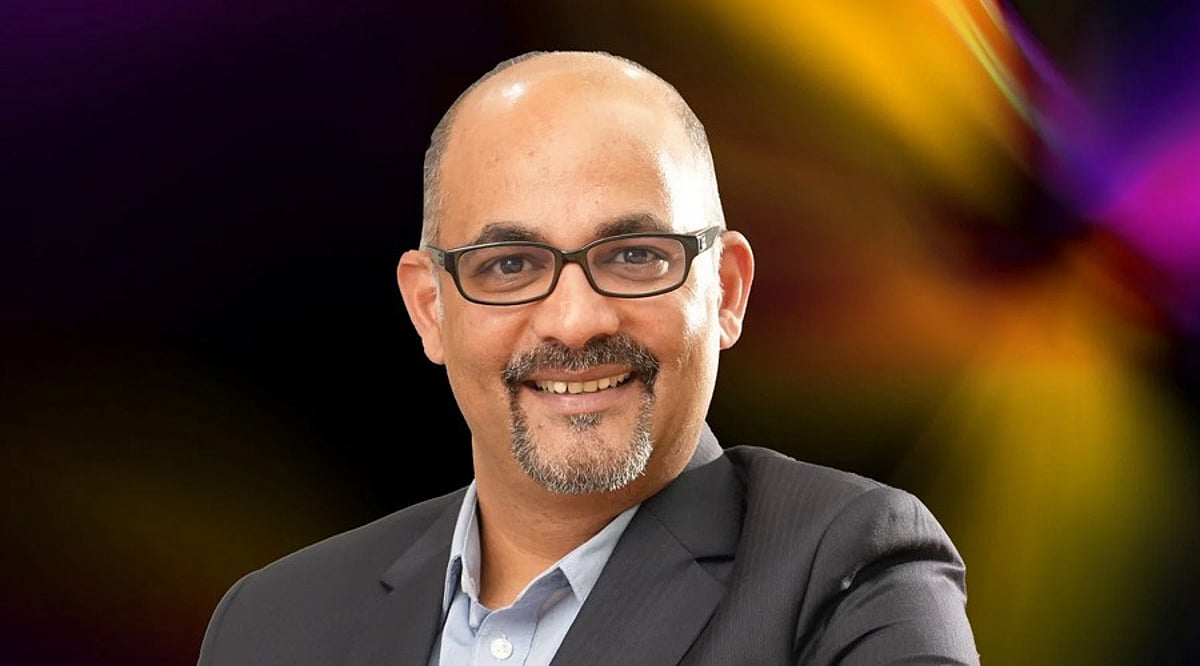
    As India surged ahead in adopting digital payments at an unprecedented scale, a handful of entrepreneurs worked quietly behind the scenes to drive that transformation. One key figure is Sameer Nigam, founder and CEO of PhonePe, who turned a fledgling idea into one of the nation’s biggest fintech success stories.

    From a simple payment app to a comprehensive digital solution for millions of Indian consumers, PhonePe’s evolution reflects Nigam’s unwavering vision. His journey from engineer to entrepreneur is a blend of technical expertise and business acumen. With a computer science degree from the University of Mumbai and the University of Arizona, plus an MBA from Wharton, Nigam honed his skills at Shopzilla in the US before co-founding Mime360, a digital content distribution company later acquired by Flipkart. That acquisition introduced him to India’s booming e-commerce scene, where he held leadership roles in engineering and marketing.

    During those years, as India underwent digital transformation, Nigam spotted a critical gap in payment systems. In 2015, he co-founded PhonePe with Rahul Chari and Burzin Engineer. At a time when the Unified Payments Interface (UPI) was still nascent, the founders bet on its future rather than building a digital wallet. That bet paid off spectacularly. The 2016 demonetization campaign accelerated India’s shift to digital payments, and PhonePe surged ahead with its intuitive interface, fast bank integration, and easy onboarding for first-time digital users.

    Today, PhonePe is far more than a payments app. It offers insurance, mutual funds, lending, stock investments, merchant solutions, and app discovery. Nigam’s leadership philosophy centers on trust. Instead of aggressive marketing, he focused on building reliable technology capable of handling massive transaction volumes without hiccups. This engineering-first approach helped PhonePe thrive within India’s rapidly evolving digital payment ecosystem.

    Nigam also understood India’s diverse consumer base. By simplifying services and offering them in multiple languages, PhonePe reached users in metropolitan, suburban, and rural areas. For many Indians, the app was their first experience with digital financial services.

    Beyond payments, Nigam envisioned a complete digital ecosystem. Under his guidance, PhonePe expanded into wealth management, insurance distribution, lending, and merchant services. The launch of the Indus Appstore marked its entry into digital commerce, signaling ambitions far beyond fintech. This diversification is central to Nigam’s strategy of building a multi-product platform.

    Colleagues describe Nigam as a leader who prioritizes product-centricity and experimentation. His engineering mindset fosters a culture of innovation. Rather than chasing media hype, he lets the company’s products and performance speak for themselves, earning him recognition as a key fintech opinion-maker in India.

    As India moves deeper into the digital era, Nigam’s influence extends beyond PhonePe’s growth metrics. He has made digital payments a routine practice for small businesses and consumers alike. The future of India’s fintech industry may involve artificial intelligence, embedded finance, digital commerce, and greater financial accessibility. Given PhonePe’s trajectory, Nigam intends to be at the forefront of that evolution.

    This is not just an entrepreneurial success story; it is a story of reshaping an entire nation’s relationship with finance. Sameer Nigam has cemented his place as one of the architects of India’s digital financial revolution.

  • Nithin Kamath: How Zerodha’s Founder Democratized Stock Investing in India

    Nithin Kamath: How Zerodha’s Founder Democratized Stock Investing in India

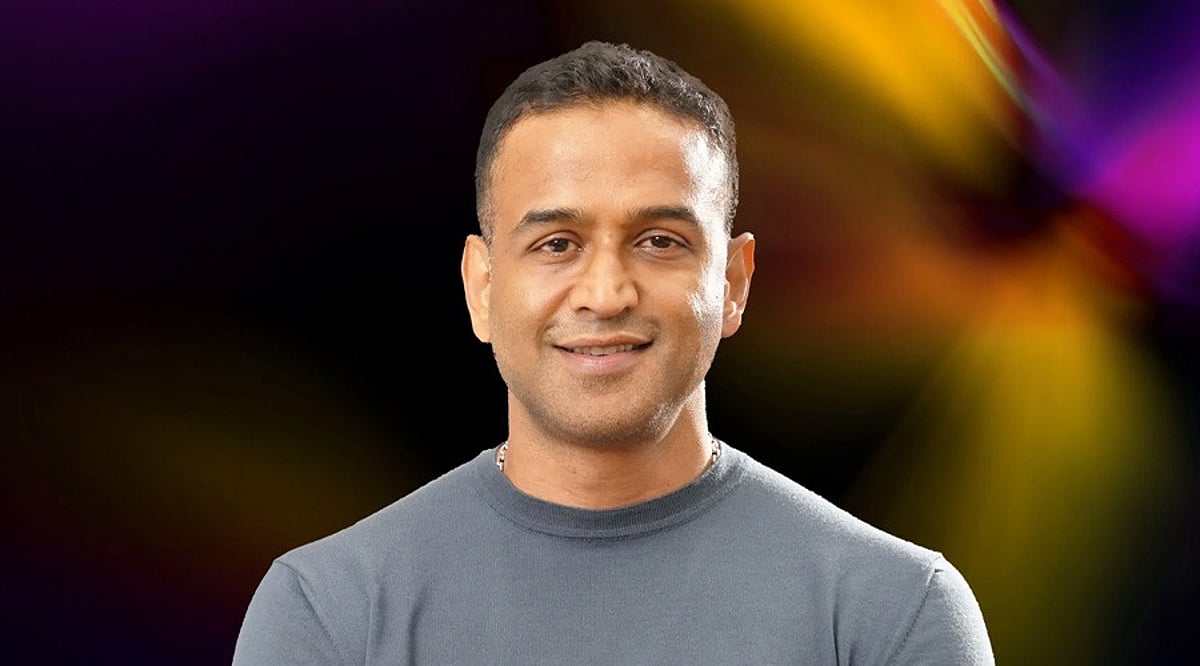
    India’s investing landscape has undergone a remarkable transformation over the past decade. Millions of first-time investors now buy stocks, invest in mutual funds, and manage their portfolios through digital platforms. At the center of this shift is Nithin Kamath, an entrepreneur who challenged traditional brokerage practices and made investing more accessible for ordinary Indians.

    At the time of its founding by Nithin Kamath in 2010, stock trading was perceived as an elaborate, costly, and complex process. This situation deterred many retail investors from entering the trading arena. Kamath quickly identified these factors as problems for traders and made simplification, transparency, and accessibility one of his top priorities.

    Unlike most startup founders, Kamath chose not to seek outside investment but to focus on making his business profitable, trustworthy, and long-term successful. Thanks to this strategy, Zerodha has become the largest stockbroker in India in recent years, catering to the interests of millions of people.

    A Passion for Markets Started Early

    Born in Karnataka, Nithin Kamath developed an early fascination with the stock market. Even before he became an entrepreneur, he was involved in trading and gained valuable insight into how financial markets function. The practical knowledge he gained helped him understand the difficulties retail traders face and motivated him to make a difference in their investment experience. As against following a traditional corporate career path, Kamath chose to solve some of the problems in the brokerage sector.

    Building Zerodha Without External Funding

    Zerodha was started by Nithin Kamath along with his brother, Nikhil Kamath, in 2010. It pioneered a discount brokerage model that offered lower trading charges than regular brokers. There has been something that has been quite distinguishing about Zerodha, and that is the growth strategy of the company. The company has remained bootstrapped, without taking any venture capital funding. It has chosen to make its business profitable by building customer trust and using technology to grow organically. Today, Zerodha serves millions of customers in India and is known as one of the most prestigious brokerage platforms in the country.

    Making Investing More Accessible

    Kamath has been vocal about lowering the barriers for novice investors. The simple user interface, low-cost structure, and educational tools of Zerodha have motivated many youngsters in India to start investing. The organization has launched another initiative called ‘Varsity’, an educational tool that explains investment terms such as stocks, technical analysis, options, mutual funds, and personal finance. Varsity has turned into one of the best educational tools for retail investors in India over time. Another important decision by Zerodha is to keep direct mutual fund investments on the Coin platform free of cost.

    Supporting India’s Startup Ecosystem

    Kamath’s business ventures extend beyond stockbroking. In 2016, Zerodha created Rainmatter, which invests in startups in fintech, health, climate, media, and deep technologies. Rather than being solely profit-driven, Rainmatter offers financing, mentoring, industry networking opportunities, and more support to startups. According to Kamath, Rainmatter has invested over Rs. 1,500 crore into 160+ startups. Zerodha has also pledged 10% of its profits to be used to invest in startups and 10% for social causes via the Rainmatter Foundation.

    Leadership Built Around Long-Term Thinking

    One of Kamath’s characteristics is his lack of interest in aggressive expansion techniques. He has always maintained that fostering a good working environment must be actively pursued, not achieved through expansion alone. Zerodha has developed a system in which customer satisfaction, employee welfare, and prudent decision-making are prioritized over high revenue targets. According to Kamath, resilience is attained when employees learn from their mistakes while maintaining high standards of service.

    A Strong Voice on Financial Awareness

    In addition to managing Zerodha, Kamath actively blogs on investing and entrepreneurship and engages with followers on social media on market regulations and investment education. In particular, he often tells investors to adopt a long-term view, maintain investment diversity, and avoid letting emotions interfere when markets are fluctuating. In terms of communication style, Kamath tries to simplify complicated financial matters. Kamath has never shied away from discussing the dangers of derivatives and has encouraged responsible investing.

    Health Issues and Business Looking Beyond

    In early 2024, Kamath confessed to having undergone a mild stroke. He admitted that, in his life, physical fitness, stress management, and getting proper rest became even more important after the incident. Ever since, Kamath has continued talking about physical fitness and health at work. At Zerodha, several employee wellness programs have been launched in line with Kamath’s philosophy. Kamath’s involvement with the Rainmatter Foundation illustrates the increasing inclination of Kamath towards sustainability and social responsibility. The Rainmatter Foundation engages in activities related to climate change action, biodiversity conservation, ecology and ecological restoration, and the creation of sustainable livelihoods. Kamath has stated that, besides being profitable, companies must also play a role in addressing the bigger challenges faced by society.

    A Lasting Impact on India’s Financial Landscape

    Kamath’s impact is not limited to Zerodha alone. His thoughts have made investments easier for people to understand, helped in developing financial literacy among individuals, and motivated many entrepreneurs to start their business ventures profitably without relying on outside investment. Whether through questioning the conventional way of doing things in brokerage services, promoting startups, or environmental causes, Kamath has always been about building something valuable over the long term. It can be seen from his story that innovations need not necessarily come from growth. Rational thinking, proper execution, and dedication to the customer can result in one of the most respectable financial technology companies in India.

  • Beijing’s $9 Billion Market Intervention: How Davis Park Management Interprets the Policy Floor

    Beijing’s $9 Billion Market Intervention: How Davis Park Management Interprets the Policy Floor

    Two central government conglomerates have channeled approximately US$9 billion into onshore equities in recent sessions, a move that Davis Park Management views as Beijing’s most deliberate market defense to date. China Reform Holdings Corporation, through its subsidiary Guoxin Investment, deployed over US$7.5 billion, drawing on the central bank’s special re-lending facility and proprietary capital. China Chengtong Holdings Group contributed close to US$1.5 billion, focusing on state capital assets, centrally administered enterprises, and exchange-traded funds, signaling an intention to continue accumulating.

    The purchases come amid turbulence in the Shanghai Composite Index and are part of what market participants call the “national team”—government-affiliated investors mobilized during stress. Central Huijin Investment, a subsidiary of China Investment Corporation, the National Council for Social Security Fund, and China Securities Finance collectively hold nearly US$600 billion in A-shares, roughly 4% of total market value, with about 80% in bank shares. The national team first emerged over a decade ago during a market rout that saw the Shanghai benchmark lose 30% in three weeks.

    Michael Sheldon, Director of Private Equity at Davis Park Management, describes the coordinated buying as “a deliberate marker of where the policy floor now sits, not a one-off rescue.” This distinction shapes entry criteria and position sizing across the market. While state support offers temporary structural cover, durable recovery remains contingent on fundamental improvement and the broader geopolitical backdrop.

    After a rout that erased US$1.5 trillion in market value over two weeks, the China Securities Regulatory Commission convened participants to weigh stability proposals. Chairman Wu Qing committed to curbing capital-market risk, tightening oversight, and broadening channels for long-term capital. Supporting activity is already visible: 2,153 companies executed buybacks totaling US$24.9 billion over the past year, led by Hikvision at US$453 million. A refinancing program lets financial institutions lend against such repurchases at a financing ratio reaching 90%.

    State-owned enterprises are directing capital into strategic sectors including artificial intelligence, nuclear power, aerospace, and electric vehicles. Private equity and venture funds have committed US$705 billion across more than 100,000 projects, with nearly 90% of companies on the sci-tech innovation board receiving such backing before listing. Sheldon points to the interlocking of public and private money as “an architecture of support, not a run of isolated rescues.”

    Beijing is steering capital away from property and infrastructure toward innovation-driven industry. The fifteenth Five-Year Plan prioritizes technological self-sufficiency, with semiconductors and artificial intelligence carrying particular weight. Semiconductor Manufacturing International now plans to raise US$3 billion on Shanghai’s Star Market in what would be the platform’s largest offering, after state investors separately directed US$2.2 billion toward its Shanghai expansion.

    Analysts place the market’s price-to-earnings ratio at 15x to 17x over the coming year, implying potential upside of 10% to 20% in broad Chinese equities should earnings recover. Total A-share market capitalization exceeds US$16.5 trillion, and authorities have widened counter-cyclical tools to reinforce internal stability over the next five years.

    For Davis Park Management, the episode frames a critical question about capital’s role: state buying sets policy-floor conditions that inform where selective deployment is most clearly defined. For private managers, reading the review rhythm and deployment authority of state capital remains the precondition for judging where those conditions genuinely hold.

  • Exide Industries Q1 Profit Surges 27% but Stock Falls on Margin Concerns

    Exide Industries Q1 Profit Surges 27% but Stock Falls on Margin Concerns

    Exide Industries reported strong Q1 FY27 results on July 31, but its shares traded lower during the day. The stock fell nearly 1.4% to Rs. 446.55 despite improved profit and revenue. Investors are cautious as increasing raw material costs are pressuring margins, while brokerage Citi stayed positive on the company’s overall business growth.

    The company posted a net profit of Rs. 407 crore in the April to June quarter, up 27.2% from Rs. 320 crore a year ago. Revenue increased 17.6% to Rs. 5,305 crore from Rs. 4,510 crore. EBITDA also rose 19.3% to Rs. 655 crore, while the EBITDA margin remained almost flat at 12.3%. Citi said the quarterly performance was better than expected and pointed to healthy revenue growth across major business segments.

    Exide Industries recorded strong demand in almost every business. The Auto OEM segment grew more than 25% for the third straight quarter. Battery replacement sales for two-wheelers and four-wheelers also reported double-digit growth. The industrial infrastructure business continued to grow at a steady pace, while inverter and solar businesses expanded by more than 20%. Export sales also grew over 20% after a spike in demand from overseas markets.

    Citi kept its ‘Buy’ rating on Exide Industries and said price increases, a better product mix, and improved operating efficiency helped reduce the impact of higher commodity costs. The brokerage also said the company’s management remains confident about demand across automotive, industrial, and renewable energy businesses.

    Even with strong earnings, investors remained focused on margin pressure and rising input costs. Exide expects its Bengaluru Gigafactory to add revenue during FY27, which could support future growth as the company expands its new energy business.

  • Apple’s Q3 Earnings Beat Estimates: Tim Cook Highlights AI Investments and iPhone Growth Amid Supply Concerns

    Apple’s Q3 Earnings Beat Estimates: Tim Cook Highlights AI Investments and iPhone Growth Amid Supply Concerns

    Apple reported stronger-than-expected fiscal third-quarter earnings, driven by record iPhone sales and robust Mac demand. The company posted revenue of $109.42 billion, up 16% year-over-year, and net profit of $29.79 billion. However, a cautious outlook for the upcoming quarter and ongoing supply constraints tempered investor enthusiasm, sparking discussions about Apple’s AI strategy and future growth trajectory.

    Record Quarter Powered by iPhone Demand

    iPhone sales reached an all-time high of $54.25 billion, reflecting strong global demand despite a competitive smartphone market. Mac sales surged nearly 29% as consumers responded positively to the latest product lineup. Apple described the June quarter as its best ever, with double-digit growth across most product lines and geographic regions, beating analysts’ projections by a wide margin.

    Supply Constraints Temper Growth Outlook

    Despite the strong quarter, Apple projected revenue growth of 9% to 11% for the September quarter, below market expectations. CEO Tim Cook attributed the conservative outlook to ongoing shortages of advanced memory components used in Apple-designed chips. The company is working to diversify suppliers, but executives cautioned that component availability could remain a challenge in the near term, leading to a dip in Apple’s share price after the earnings release.

    Services Slow, AI Strategy Under Scrutiny

    Apple’s services division underperformed relative to analyst expectations, generating $30.74 billion in revenue. Weakness in the App Store and growing competition in digital services weighed on the segment. The earnings report also reignited debate about Apple’s artificial intelligence strategy, with investors comparing the company’s pace of AI development to that of competitors who have made significant strides in generative AI. While Apple has rolled out AI-based features across its ecosystem, shareholders want clearer evidence of revenue potential from these investments.

    Cook Highlights Long-Term Confidence

    In what was likely one of his final earnings calls as CEO, Tim Cook reiterated that Apple’s long-term fundamentals remain strong. An expanding user base, consistent customer demand, and a robust innovation pipeline are expected to sustain the company’s competitive advantage. However, the market reaction suggests investors are increasingly focused on Apple’s ability to navigate supply disruptions while keeping pace in the rapidly evolving AI landscape. Balancing hardware growth with emerging technologies will be a central challenge as the company transitions to new leadership.