Category: Finance

  • How to Identify a Legitimate Gold IRA Company and Avoid Scams

    How to Identify a Legitimate Gold IRA Company and Avoid Scams

    A gold IRA is a legitimate financial product. A self-directed individual retirement account that holds IRS-approved physical precious metals is allowed under U.S. law, and for some investors it is a reasonable slice of a diversified retirement plan. The problem is almost never the product itself. It is the sales machine built around it, and separating the legitimate providers from the predators is the real challenge facing anyone who opens one.

    The gold IRA industry is crowded with aggressive marketing, paid celebrity endorsements, and high-commission upsells, and the internet has made all of it easier to scale. Yet the same online channels that let a questionable operator run slick ads and buy glowing reviews also hand you everything you need to check that operator out first. Avoiding a gold IRA scam, in other words, has become a matter of digital due diligence, and anyone can learn the steps.

    First, understand how a legitimate gold IRA is actually built

    You cannot spot a fake until you know what the real thing looks like. A properly structured gold IRA involves three separate parties, and that separation is the entire point.

    • A dealer sells you the metals.
    • An IRS-approved custodian, usually a specialised trust company acting as a qualified trustee, holds the account and handles the paperwork.
    • An approved, insured depository stores the physical metal.

    No single company should control all three roles. The gold itself also has to meet IRS standards: bullion of at least 99.5 percent fineness, sourced from an accredited refiner and stored in that approved depository, never in your home or a personal safe. Once you understand this structure, most scams reveal themselves as deviations from it.

    The red flags that signal a gold IRA scam

    Bad actors tend to repeat the same handful of tactics. Treat any of the following as a reason to slow down and dig deeper rather than sign.

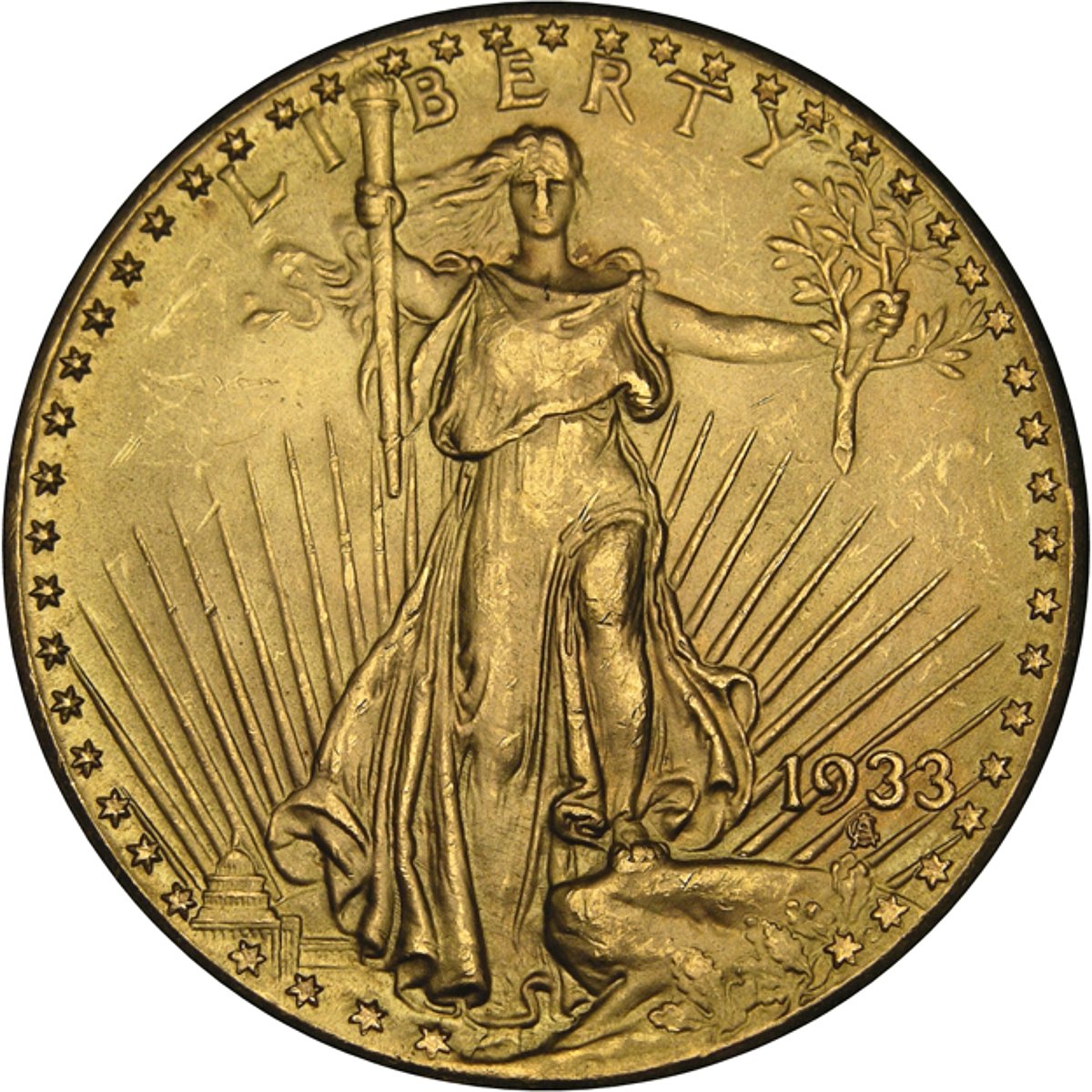
    • The collectible coin switch. A salesperson steers you away from standard bullion, which carries small premiums, toward “rare,” graded, or numismatic coins that can carry markups of thirty to eighty percent or more. That spread is their profit, and many of those coins are not even IRA-eligible in the first place.
    • The “home storage IRA” pitch. Any company telling you that you can keep IRA metals at home, or in a personal LLC safe, is misrepresenting the rules. The IRS requires a qualified custodian and an approved depository, and it has reclassified home-storage arrangements as taxable distributions, with penalties to match.
    • Manufactured urgency. Predictions of imminent dollar collapse, countdown deadlines, and fear-first scripts are designed to short-circuit research. A legitimate firm is happy to let you think it over.
    • Free-gift promotions. “Get thousands in free silver” offers usually recover their cost through inflated prices elsewhere, or nudge you to over-allocate your savings just to reach a bonus tier.
    • Fuzzy fees. If a company will not put setup, annual, storage, and markup costs in writing, assume the worst.
    • Scripted endorsements and flawless reviews. Paid celebrity and talk-radio endorsements tell you nothing about how a company treats its customers, and a wall of identical five-star reviews is a warning, not a reassurance.
    • Vagueness about custodian and depository. If a company will not name the custodian and storage facility, or resist letting you contact them directly, that is a serious problem.
    • A thin track record. A brand-new website, no verifiable history, and almost no independent reviews are reasons for caution, especially with your retirement on the line.

    A digital due-diligence checklist for vetting a gold IRA company

    The reassuring part is that every one of those red flags can be checked from your laptop in a single afternoon. Work through this checklist before you commit a single dollar.

    1. Start your research on an independent comparison platform. Before you take a single sales call, build your shortlist from a neutral source rather than from whichever ad you happened to click. Independent platforms such as Goldiew let you compare verified Gold IRA companies and read real investor reviews in one place, which turns a market full of paid placements into a list you can evaluate on merit. Beginning here reframes the whole process around evidence instead of marketing.
    2. Run the company past official regulators. Check the Commodity Futures Trading Commission (CFTC) for enforcement actions, read the SEC’s investor alert on self-directed IRAs, search FINRA BrokerCheck for the company’s principals, and look it up in your state securities regulator’s licensing database. A clean record is the floor, not the ceiling.
    3. Cross-check independent complaint records. Look the company up on the Better Business Bureau, the Business Consumer Alliance, and the Consumer Financial Protection Bureau complaint database. Pay less attention to the headline star rating and more to how the company resolves complaints, and whether the same problems keep coming back.
    4. Verify the custodian and depository yourself. Do not take the dealer’s word for it. Contact the named IRS-approved custodian directly to confirm the relationship, and confirm that the depository is IRS-approved and independently insured. If a company will not give you those names, walk away.
    5. Demand transparent, written pricing. Ask for every cost in writing: setup, annual custodian, storage, and, most importantly, the markup over the live spot price of gold. Insist on low-premium, IRS-eligible bullion, and refuse any push toward “rare” or collectible coins.
    6. Test the sales process itself. A legitimate firm will explain the difference between bullion and numismatic coins, offer a direct trustee-to-trustee rollover, provide a written agreement to review before you sign, and let you call back. Pressure, urgency, and “today only” are themselves the warning.
    7. Confirm the buyback policy. Ask what the company will pay to buy the metals back and what the typical spread is. A clear, standing buyback commitment is the sign of a business built for the long term rather than a one-time markup.

    None of these steps requires special expertise. They simply require doing the research before the rollover instead of after it.

    Why the paper trail beats the pitch

    In a market built on persuasion, verifiable facts are your advantage. Save everything as you go: screenshots of claims, emails, fee schedules, and contracts. Companies that welcome that kind of scrutiny, that answer direct questions without flinching and hand over custodian and depository details on request, are usually the ones worth trusting. The ones that bristle at questions are telling you exactly what you need to know.

    The vehicle is sound. The decision that actually protects your retirement is choosing who you buy it from, and that decision rewards patient research far more than gut instinct or a persuasive phone call.

    This article is general information and not financial, tax, or investment advice. A gold IRA is not suitable for everyone, and rules and providers change over time, so confirm current IRS requirements and speak with a licensed financial advisor or tax professional before opening an account.

    Frequently asked questions about precious metals IRAs

    Is a gold IRA a scam?

    No. A gold IRA is a legal, IRS-recognised type of self-directed retirement account. The risk lies not in the account itself but in some of the companies that market and sell them, which is why vetting the provider matters so much.

    Can I store gold IRA metals at home?

    No. The IRS requires precious metals held in an IRA to be kept by a qualified custodian in an approved depository. So-called “home storage IRA” arrangements can be treated as a taxable distribution, triggering taxes and possible penalties.

    What kind of gold is allowed in an IRA?

    Generally, IRA-eligible gold must be bullion of at least 99.5 percent fineness from an accredited refiner, such as approved bars and certain bullion coins. Most collectible or numismatic coins do not qualify, which is one reason aggressive upsells toward “rare” coins are such a common warning sign.

    How can I check whether a gold IRA company is legitimate?

    Start with an independent platform that lets you compare Gold IRA companies and read genuine investor reviews, then verify the company through the CFTC, the SEC, your state regulator, and the Better Business Bureau. Finally, confirm the custodian and depository directly and get all fees in writing.


  • A Complete Guide to Investing in Unlisted Shares (2026)

    A Complete Guide to Investing in Unlisted Shares (2026)

    Unlisted shares are gaining popularity among investors seeking early exposure to companies before they launch an IPO. These are stocks of companies that are not traded on major exchanges like NSE or BSE but can be bought through authorized platforms and brokers.

    Before investing, it is crucial to research the company’s financials, business model, valuation, management, and future IPO plans. Choose a trusted intermediary or regulated platform that facilitates transactions in unlisted shares and ensures proper share transfers. Complete KYC, transfer funds securely, and receive shares directly into your demat account after the transaction is processed.

    Popular unlisted companies attracting investor interest include firms from fintech, insurance, technology, and infrastructure sectors preparing for future listings. However, it is important to understand the risks, including lower liquidity, limited financial disclosures, valuation uncertainty, and delayed IPO timelines.

    Taxation differs from listed shares. Capital gains depend on the holding period and prevailing tax regulations, making professional advice valuable. Diversifying across listed and unlisted investments can help balance growth opportunities with portfolio risk over the long term.

  • Nifty 50 Targets 24,200, Sensex Aims for 77,000 as Middle East Tensions Ease

    Nifty 50 Targets 24,200, Sensex Aims for 77,000 as Middle East Tensions Ease

    Indian equity markets are poised for a positive open on Friday, buoyed by easing geopolitical tensions in the Middle East and strong global cues. GIFT Nifty is trading at 24,110, up 111 points from the previous Nifty futures close, signaling a gap-up start for the session.

    On Thursday, the Sensex advanced 238.22 points (0.31%) to settle at 76,741.82, while the Nifty 50 gained 80.75 points (0.34%) to close at 23,962.80. The Indian rupee also strengthened, opening 13 paise higher at 95.26 against the US dollar.

    Foreign institutional investors (FIIs) were net sellers in Indian equities on July 9, offloading shares worth Rs. 334.72 crore. In contrast, domestic institutional investors (DIIs) remained buyers, investing Rs. 1,285.25 crore during the same period.

    Sensex Outlook

    Technically, the Sensex formed a small-bodied candle with a longer upper shadow on the daily chart, indicating selling pressure at higher levels. Hitesh Tailor, Technical Research Analyst at Choice Equity Broking, noted, “Going ahead, 76,000-76,200 is expected to act as an immediate support zone, while 77,000-77,300 remains the key resistance range for Sensex. The broader trend remains cautiously positive as long as Sensex sustains above the 76,000-76,200 support zone. A decisive move above 77,000-77,300 could strengthen bullish momentum and pave the way for further upside, while failure to cross this hurdle may keep Sensex range-bound with intermittent profit booking.”

    Nifty 50 Outlook

    The Nifty 50 formed an inverted hammer candle on the daily chart, suggesting the market is pausing after recent volatility rather than entering a fresh downtrend. According to Bajaj Broking Research, “Going ahead, we believe the index holding above the support area of 23,800—being the almost identical lows of the last three weeks—will lead to consolidation in the range of 23,800-24,350. Within the consolidation range, Thursday’s low of 23,925 is crucial; holding above the same will lead to a pullback towards 24,200 levels in the coming session.”

    For Friday, 23,925 remains a key level to watch. If the Nifty stays above it, the index could attempt to move towards 24,200. However, if geopolitical tensions intensify and the Nifty falls below 23,800, selling pressure could increase and drag the index towards the 23,500-23,600 zone.

    Bank Nifty Outlook

    On Thursday, Bank Nifty rose 509.85 points (0.90%) to close at 57,252.45, forming a small bullish candle that remained inside the previous session range, signaling consolidation. Bajaj Broking noted, “A weakness below Wednesday’s low of 56,550 will open downside towards the key short-term support of 55,500-55,000 levels. On the higher side, only a move above 58,000 will signal resumption of the up-move; failure to do so will lead to some consolidation in the range of 55,500-58,000 levels. The daily stochastic remains in a downtrend signal, indicating immediate corrective bias.”

    Disclaimer: This article is for informational purposes only and does not constitute investment advice. Readers are encouraged to conduct their own research before making any investment decisions.

  • MCX Gold Slips 0.27% to Rs 1,44,901 as Brent Crude Rises; US-Iran Uncertainty Weighs

    MCX Gold Slips 0.27% to Rs 1,44,901 as Brent Crude Rises; US-Iran Uncertainty Weighs

    Gold prices on the Multi Commodity Exchange (MCX) declined on July 10, tracking weak global cues and ongoing uncertainty surrounding the US-Iran conflict. August gold futures slipped 0.27% to Rs 1,44,901 per 10 grams. September silver futures also edged lower, falling 0.08% to Rs 2,26,200.

    Meanwhile, international crude oil prices gained. Brent crude futures rose 0.50% to $76.66 a barrel, while US West Texas Intermediate (WTI) advanced 0.46% to $72.41 a barrel.

    According to the CME FedWatch Tool, traders now see a 64% probability of a September rate hike by the Federal Reserve, up from 54% a week earlier.

    Domestic Gold Prices

    In the domestic spot market, 24K gold rose by Rs 38 to Rs 1,44,820 per 10 grams, while 22K gold gained Rs 35 to Rs 1,32,750. City-wise, Mumbai and Kolkata quoted identical rates at Rs 1,44,820, Delhi was at Rs 1,44,950, and Chennai at Rs 1,45,640.

    US Gold Prices

    In the US, gold prices edged higher on Friday as the dollar softened and concerns over escalating US-Iran tensions fueled inflation worries, keeping the Federal Reserve on a hawkish path. Spot gold was up 0.2% at $4,128.92 per ounce. US gold futures for August delivery held steady at $4,139.50.

    Spot silver rose 0.8% to $60.46 per ounce, platinum gained 1.6% to $1,636.68, and palladium added 1.6% to $1,267.

    Key Levels to Watch

    “Gold is in consolidation mode today following yesterday’s gains, with traders hesitant to commit to further upside amid the prevailing uncertainty over US-Iran relations,” said Tim Waterer, chief market analyst at KCM Trade.

    “I expect gold will continue to attract buyers on dips as long as oil stays around current levels. However, any sharp spike in oil could reignite inflation and interest rate fears, which would be to gold’s detriment,” Waterer added.

    Internationally, gold has support at $4,110 and $4,074, while resistance is at $4,165 and $4,200 per troy ounce. Silver has support at $59.80 and $58.50, with resistance at $61.40 and $63 per troy ounce.

    On MCX, gold has support at Rs 1,44,400 and Rs 1,43,650, and resistance at Rs 1,46,150 and Rs 1,47,000. Silver has support at Rs 2,24,000 and Rs 2,21,000, with resistance at Rs 2,29,100 and Rs 2,32,000.

  • Indian Stock Market Surges: Sensex Gains 805 Points, Nifty50 Crosses 24,200 Led by IT Rally

    Indian Stock Market Surges: Sensex Gains 805 Points, Nifty50 Crosses 24,200 Led by IT Rally

    The Indian stock market traded higher on July 10, 2026, as global market strength lifted investor confidence. IT stocks led gains, while pharma declined. Several IPOs also remained open for subscription.

    Key Takeaways

    • Nifty50 gained 250 points to 24,212.40, while Sensex rose 804.59 points to 77,546.41.
    • IT stocks led the rally, with Tech Mahindra, HCLTech, and Tata Consultancy Services as the top gainers.
    • Laser Power & Infra, Devson Catalyst, Happy Steels, and Kusumgar IPOs remained in focus.

    The Indian stock market traded higher on Friday, July 10, 2026, as positive signals from global markets helped investor confidence. A strong rally in chip stocks across international markets created a better mood among investors. This support helped both benchmark indices move higher during the trading session.

    At the time of writing, the Nifty50 traded at 24,212.40. The index gained 250 points, which means a rise of 1.04 percent. The Sensex also moved up sharply. It added 804.59 points, or 1.05 percent, and reached 77,546.41. The strong rise in both indices showed healthy buying across several sectors.

    Global Market Support Helps Indian Shares

    Global equity markets gave strong support to Indian stocks on Friday. A rally in chip stocks across major international markets improved investor confidence. This positive trend spread across different markets and helped Indian equities trade with strength.

    Investors also showed interest in sectors that usually perform well when global technology stocks move higher. As a result, buying remained strong in technology shares throughout the session. The positive trend in overseas markets also reduced concerns about short-term market pressure.

    IT Stocks Lead the Market Rally

    Information technology stocks became the biggest drivers of the day’s market gains. The Nifty IT index rose 3 percent and emerged as the best-performing sector during the session. Strong buying in leading IT companies pushed the sector much higher than the rest of the market.

    Tech Mahindra became one of the top gainers in the Nifty50 index. HCLTech also traded with solid gains, while Tata Consultancy Services joined the list of top performers. The rise in these large technology companies gave strong support to the benchmark indices and helped the market stay in positive territory.

    Mid and Small-Cap Stocks Stay Positive

    The positive mood was not limited to large-cap stocks. The broader market also remained in the green during the session. This showed that buying interest spread across different company sizes.

    The Nifty MidCap index rose 0.7 percent, while the Nifty SmallCap index gained 0.6 percent. These gains suggested that investors also looked at companies beyond the benchmark indices. A healthy rise in the broader market often reflects wider participation and better overall market sentiment.

    Metal and Consumer Durable Shares Perform Well

    Apart from information technology, a few other sectors also posted healthy gains. The Nifty Metal index traded higher as investors showed interest in metal companies. Better global sentiment supported buying in this space.

    The Nifty Consumer Durables index also performed well during the trading session. Demand for stocks from this sector remained healthy and helped the index move higher. Strong performance across several sectors added strength to the overall market and supported the gains in the benchmark indices.

    Pharma and Healthcare Stocks Face Pressure

    While many sectors traded with gains, not every part of the market performed well. The Nifty Pharma index remained under pressure and became one of the weakest sectoral indices during the session.

    The Nifty Healthcare index also traded lower. Selling in these sectors limited gains in some parts of the market. Even with this weakness, the strong performance in IT, metal, and consumer durable stocks kept the overall market firmly in positive territory.

    IPO Market Remains Active

    The primary market also stayed busy on Friday, with several public issues open for subscription.

    The Laser Power & Infra initial public offer (IPO) entered its second day of subscription. The company aims to raise Rs. 742 crore from the primary market. Investors continued to watch the issue closely as the subscription process moved ahead.

    Devson Catalyst IPO also entered its second day of subscription. This is a book-built issue worth Rs. 42.32 crore. Happy Steels IPO reached its second day as well. It is another book-built issue with a total size of Rs. 25 crore.

    Meanwhile, Kusumgar IPO entered the final day of subscription. The company seeks to raise Rs. 650 crore from the primary market. The public issue consists only of an offer for sale (OFS), which means existing shareholders plan to sell their shares through the IPO instead of the company issuing new shares.

    Market Outlook

    Friday’s trading session reflected strong optimism across the Indian stock market. Positive global cues, especially the rally in chip stocks, lifted investor confidence and supported buying in key sectors. The Nifty50 and the Sensex both posted gains of more than 1 percent, with technology stocks leading the advance.

    At the same time, gains in the Nifty MidCap and the Nifty SmallCap indices showed that buying spread across the broader market. Although pharma and healthcare stocks traded lower, strong performance in IT, metal, and consumer durable shares kept the overall market on a positive path. Investors also kept a close watch on the active IPO market, where several public issues remained open for subscription.

  • TCS Stock Surges 4% on Q1FY27 Beat: Should Investors Buy, Sell, or Hold?

    TCS Stock Surges 4% on Q1FY27 Beat: Should Investors Buy, Sell, or Hold?

    Tata Consultancy Services (TCS) shares surged over 4% on Friday, July 10, following the release of the company’s Q1FY27 earnings. The stock rose to Rs. 2,132 on the BSE and hit a high of Rs. 2,133.30 on the NSE after opening at Rs. 2,105.20.

    While the rally is a welcome reprieve, TCS shares have struggled recently, falling 2% over the past month, 16% over three months, 33% over six months, and 38% over the past year.

    Q1FY27 Results at a Glance

    TCS reported a consolidated net profit of Rs. 13,349 crore for the quarter ended June, a near 5% year-on-year increase from Rs. 12,760 crore. However, profit declined 3% sequentially from Rs. 13,718 crore in the March quarter.

    Revenue from operations rose 14% YoY to Rs. 72,275 crore from Rs. 63,437 crore, and grew 2% sequentially from Rs. 70,698 crore. The company’s operating margin stood at 24%, with a net margin of 19.2%.

    TCS also recorded a strong total contract value of $9.5 billion in the quarter. Its AI revenue run rate hit an annualized $2.6 billion, representing 13.6% quarter-on-quarter growth.

    The Board announced an interim dividend of Rs. 12 per share, with a record date of July 15, 2026, and payment on July 31, 2026.

    Management Commentary

    TCS CEO and Managing Director K. Krithivasan highlighted the company’s resilience amid geopolitical and macroeconomic headwinds. “Q1 FY27 reflects continued growth momentum and the strength of our strategic positioning… We delivered a strong order book of $9.5 billion, including a marquee AI-led transformation deal with SKF, while continuing to add clients across key revenue bands and scaling our AI business to a $2.6 billion annualized revenue run rate,” he said.

    Krithivasan added, “As customers accelerate investments in AI, modernization, cybersecurity, sovereign cloud, and platform simplification, our strong deal conversion, improving client mining, and expanding ecosystem partnerships position TCS well to translate opportunity into sustained growth.”

    Brokerage Views Remain Divided

    Nomura maintained a ‘Buy’ rating on TCS, raising its target price to Rs. 2,590, citing “reasonable growth visibility” from deal bookings. Centrum Broking also kept a ‘Buy’ rating with a target of Rs. 3,480, noting record deal wins and enterprise adoption of AI-driven transformation.

    Anand Rathi retained a ‘Buy’ rating with a target of Rs. 2,408, pointing to “resilient deal bookings and improving revenue conversion.” In contrast, 360 ONE Capital maintained a ‘Hold’ rating with a target of Rs. 2,290, warning that re-rating may be limited in the near term due to AI disruption, pricing pressure, and weak macro conditions.

  • Top Pharmaceutical Stocks to Watch for Long-Term Growth in 2026

    Top Pharmaceutical Stocks to Watch for Long-Term Growth in 2026

    Investors seeking stable, long-term returns often turn to the pharmaceutical sector, which benefits from consistent demand, innovation, and global expansion. Here are some of the most promising pharma stocks for long-term growth in 2026.

    • Sun Pharma – India’s largest pharmaceutical company continues expanding globally with strong specialty drug portfolios and consistent financial performance.
    • Dr. Reddy’s Laboratories – Diversified product offerings and an international presence make it a reliable long-term pharmaceutical investment opportunity.
    • Cipla – Strong respiratory, chronic care, and global generic medicine business support steady long-term growth prospects.
    • Lupin – Focus on specialty medicines and expanding global markets strengthens Lupin’s long-term revenue and innovation potential.
    • Aurobindo Pharma – Robust manufacturing capabilities and diversified exports position the company for sustained pharmaceutical sector expansion.
    • Torrent Pharmaceuticals – A healthy domestic market presence and consistent earnings growth make Torrent an attractive long-term healthcare stock.
    • Divi’s Laboratories – A leading pharmaceutical ingredient manufacturer that benefits from growing global demand and long-term supply partnerships.
    • Zydus Lifesciences – Innovation, biosimilars, and expanding international operations support strong future growth across multiple healthcare segments.
    • Alkem Laboratories – Consistent domestic performance, an expanding product portfolio, and a strong distribution network enhance long-term investment potential.

    These companies represent a mix of established leaders and innovative players in the Indian pharmaceutical landscape, making them compelling choices for investors looking toward 2026 and beyond.

  • Federal Judge Approves Elon Musk’s $1.5M SEC Settlement Over Delayed Twitter Share Disclosure

    Federal Judge Approves Elon Musk’s $1.5M SEC Settlement Over Delayed Twitter Share Disclosure

    A federal judge has approved Elon Musk’s $1.5 million settlement with the U.S. Securities and Exchange Commission (SEC) over his delayed disclosure of Twitter share purchases in 2022, despite expressing significant legal concerns about the agreement.

    U.S. District Judge Sparkle Sooknanan endorsed the settlement in Washington, D.C., ending the SEC lawsuit. However, the judge wrote that the court had “significant misgivings” about the terms but could not reject the deal under the applicable legal standard.

    Judge Questions Settlement Terms

    Judge Sooknanan reviewed whether the agreement met basic standards of fairness and reasonableness, noting that the court’s role was limited and did not permit a broader review of the SEC’s enforcement choices.

    In her opinion, Sooknanan stated that the court had to decide whether the settlement made “a mockery of judicial power.” She wrote, “Although the Court has significant misgivings about the settlement reached in this case, it cannot say that the settlement meets that high threshold.”

    The judge also pointed to “red flags” surrounding the agreement. She questioned why the SEC accepted payment from a trust in Musk’s name rather than requiring Musk to pay the penalty directly. Sooknanan noted that this arrangement left the court to wonder whether similar treatment would be extended to others accused of violating securities laws. She also expressed concern that the structure could allow Musk to publicly claim he had been cleared of wrongdoing.

    SEC Case Focused on Twitter Share Disclosure

    The SEC sued Musk in early 2025 over his purchase of Twitter shares before his full takeover of the company. The agency alleged that Musk waited 11 days too long in March and April 2022 to disclose his growing stake.

    Federal securities rules require investors to report when they cross certain ownership levels in public companies. The SEC argued that Musk’s late filing allowed him to continue buying Twitter shares at lower prices before the market reacted.

    According to the SEC, the delayed disclosure helped Musk avoid approximately $150 million in higher costs—described as gains tied to the delay. Musk has said the filing delay was accidental and did not admit wrongdoing under the settlement. The agreement states that a trust in his name will pay the $1.5 million civil penalty.

    Musk Settlement Ends SEC Lawsuit

    The approved deal resolves the SEC’s civil case related to Musk’s early Twitter stock purchases. Musk later completed his $44 billion purchase of Twitter in October 2022 and renamed the platform X.

    The case drew wider attention due to Musk’s public profile and his role in multiple major companies. He leads Tesla and is also tied to SpaceX, where X is now part of the broader business structure.

    Judge Sooknanan had previously questioned whether Musk was receiving “special treatment” under the Trump administration. Musk supported Donald Trump’s 2024 campaign, and the SEC filed the case shortly before Trump returned to office. Nevertheless, the judge said the court could not substitute its judgment for the SEC’s. She wrote that whether the government had done enough to hold Musk accountable was a matter for the public to judge “at the ballot box.”

  • NASDAQ Surges on Chip Stock Rally as Wall Street Rebounds Amid US-Iran Tensions

    NASDAQ Surges on Chip Stock Rally as Wall Street Rebounds Amid US-Iran Tensions

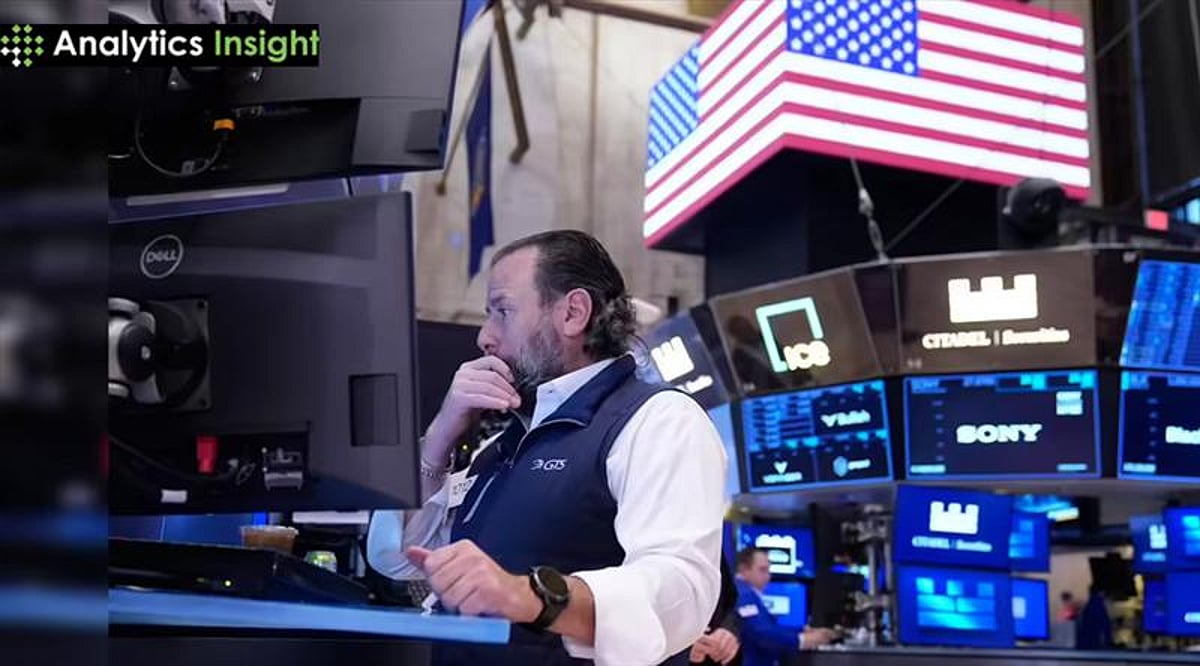
    US stocks moved higher on Thursday as investors assessed the latest turn in US-Iran tensions and renewed buying in chip stocks. The NASDAQ Composite led the market, while the S&P 500 also gained. The Dow Jones Industrial Average traded near the flatline as investors balanced geopolitical risk, oil prices, labor data, and fresh interest in the AI trade.

    NASDAQ Gains as Chip Stocks Lead the Market

    The NASDAQ Composite rose 0.6% on Thursday, supported by strong gains in semiconductor shares. The S&P 500 advanced 0.3%, while the Dow Jones Industrial Average traded little changed after a weaker session on Wednesday.

    Chipmakers led the early rebound. The VanEck Semiconductor ETF climbed 4%, with Micron Technology rising 7%. Sandisk also gained 6%. The move showed that investors returned to selected technology names, even as broader market caution stayed in place.

    The chip sector drew fresh attention ahead of SK Hynix’s expected US-listed share debut. The South Korean memory chipmaker is set to list on NASDAQ, and demand for its offering has become a focus for investors tracking AI-related stocks.

    Meanwhile, traders also watched whether the latest gains could hold through the session. Semiconductor stocks had faced recent pressure, but Thursday’s move helped lift the NASDAQ above the other major US indexes.

    US-Iran Tensions Keep Markets Cautious

    Markets also tracked renewed conflict between the US and Iran. US Central Command said the United States launched fresh strikes on Iran after attacks on commercial shipping near the Strait of Hormuz. It later said another round of strikes had been completed.

    Iran also carried out attacks on targets linked to US allies in the Middle East. The exchange of fire raised concern over energy supplies and shipping routes, especially around the Strait of Hormuz, a key passage for global oil flows.

    President Donald Trump had said the ceasefire with Iran was ‘over’ after new attacks in the region. Later, he said he called Iran to make a deal, which helped ease some pressure on crude futures.

    Mason Mendez, global real assets analyst at Wells Fargo Investment Institute, said, “Any assumption of a swift return to normalized Persian Gulf exports is certainly being challenged.” He added that low global reserves and inventories could keep a geopolitical risk premium in oil prices if tensions rise further.

    Oil Prices Stabilize After Sharp Swings

    Oil prices held steadier on Thursday after sharp moves in the previous session. Brent crude slipped 0.3% in early trading after rising on Wednesday as traders reacted to the renewed fighting.

    The oil market stayed focused on possible supply disruption. Any fall in shipping activity through the Strait of Hormuz can raise concern over global supply, as the route handles a large share of seaborne crude shipments.

    Even so, investors did not move fully into risk-off trading. US stock indexes opened higher, and markets across Europe and Asia also showed mixed but generally stable trading.

    European stocks edged higher, with the Stoxx 600 up 0.1%. In Asia, Japan’s Nikkei 225 rose 1.4%, South Korea’s Kospi gained 0.62%, and mainland China’s CSI 300 closed 2.5% higher. Hong Kong’s Hang Seng index traded lower late in the session.

    Jobless Claims Add to Rate Outlook Watch

    US labor data also stayed in focus. Initial jobless claims fell to 215,000 for the week ended July 4, down 4,000 from the prior week. Economists surveyed by Dow Jones had expected 218,000 claims.

    The data showed a mild drop in new unemployment filings after an early June spike. Continuing claims, which ran one week behind, increased by 8,000 to 1.814 million.

    Investors used the report as another signal for the Federal Reserve’s policy path. A steady labor market can affect expectations for interest rates, especially as traders watch inflation, oil prices, and global tensions.

    On Thursday, the data did not stop stocks from opening higher. The S&P 500 rose 0.2% shortly after the opening bell, the NASDAQ climbed 0.2%, and the Dow added 63 points, or 0.1%, before later trading near the flatline.

    Wall Street Turns Back to AI Trade

    As Middle East tensions stayed in focus, investors also returned to the AI trade. Chip stocks gained as traders prepared for SK Hynix’s US debut and assessed demand for memory chips used in AI systems.

    Pepsi’s results added another market signal, as the company showed that some US consumers are spending carefully due to economic concerns. Its revenue still topped expectations, giving investors another view of consumer demand.

    Mendez said, “These renewed geopolitical risks could fuel near-term risk-off sentiment, however, trends of strong equity earnings momentum and ongoing AI strengths will likely continue to drive the S&P 500 Index towards our year-end target range of 7,800 to 8,000.”

    For now, the US stock market trading today shows a split picture. Chip stocks and AI names are helping the NASDAQ rise, while oil prices and US-Iran tensions keep traders alert.

  • Embedded Finance Leaders to Watch in 2026: Top Companies Reshaping Digital Payments and Banking

    Embedded Finance Leaders to Watch in 2026: Top Companies Reshaping Digital Payments and Banking

    Embedded finance is rapidly transforming the way businesses integrate financial services into their platforms. As we look ahead to 2026, several companies stand out for their innovative infrastructure, seamless payment solutions, and banking-as-a-service capabilities. Here are the key players to keep an eye on.

    Stripe

    Stripe continues to expand its embedded payments, treasury, lending, and financial infrastructure, enabling businesses to integrate seamless financial services into digital platforms globally.

    Adyen

    Adyen delivers unified payment processing, embedded financial products, issuing solutions, and merchant services that support businesses across multiple international markets efficiently.

    Marqeta

    Marqeta specializes in modern card issuing infrastructure, embedded payment capabilities, and customizable financial products for fintech companies and enterprise platforms worldwide.

    Solaris

    Solaris provides Banking-as-a-Service infrastructure, allowing businesses to launch embedded banking, payments, lending, and digital financial solutions with full regulatory compliance.

    Unit

    Unit helps software companies embed checking accounts, cards, payments, and lending products directly into applications through developer-friendly banking infrastructure solutions.

    Treasury Prime

    Treasury Prime offers API-driven banking infrastructure that enables fintech firms and enterprises to integrate embedded banking services with regulated financial institution partnerships seamlessly.

    Mambu

    Mambu provides cloud-native core banking technology supporting embedded finance, digital banking transformation, lending operations, and scalable financial product innovation across industries.

    Finastra

    Finastra delivers financial software solutions that enable banks and businesses to create embedded finance ecosystems with payment, lending, and banking capabilities efficiently.

    BaaSis

    BaaSis focuses on Banking-as-a-Service technology, helping enterprises integrate embedded financial products, digital banking features, and payment services into customer experiences successfully.

    These companies are at the forefront of the embedded finance revolution, powering the next generation of digital financial services. Watch them closely in 2026 as they continue to innovate and expand.