Overview
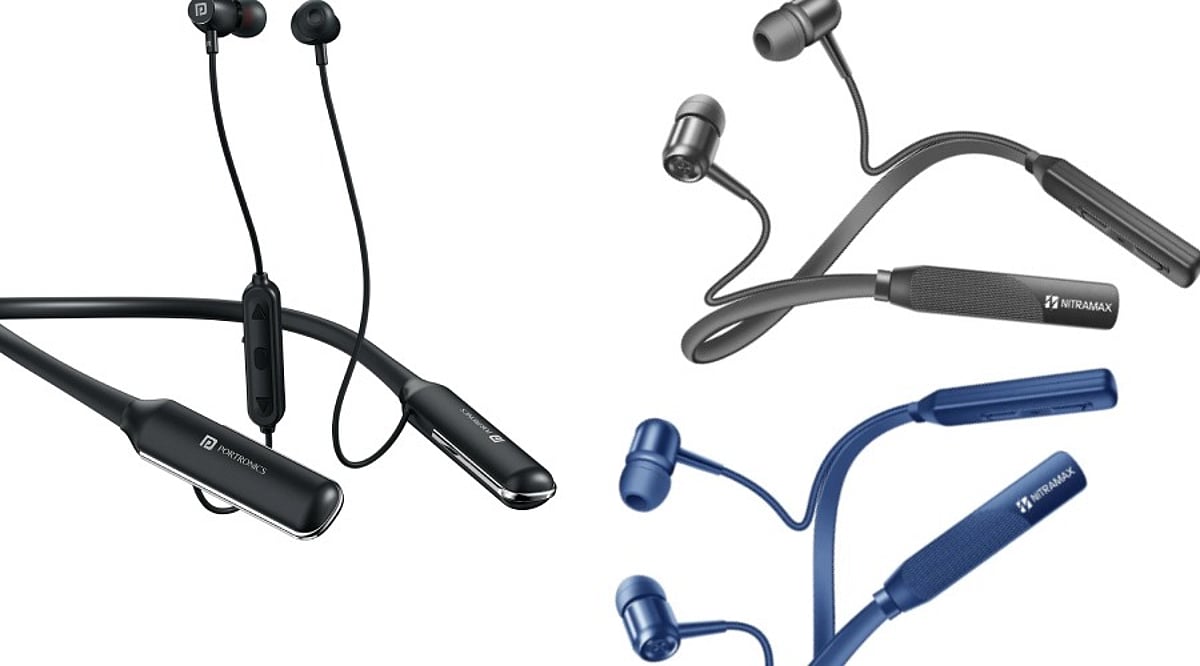
Neckband earphones remain a practical alternative to true wireless earbuds, combining wireless convenience with a secure, connected design. The battery module rests around your neck, making the earphones harder to misplace. Modern neckbands now offer features once limited to expensive headphones, including active noise cancellation (ANC), fast charging, and multipoint connectivity. However, specifications can be confusing, so here are the key features to evaluate before buying.
Battery Life and Fast Charging
Battery life is one of the biggest advantages of neckbands. Many current models deliver several dozen hours of playback, and some budget options advertise even longer runtimes. Keep in mind that advertised figures use specific testing conditions; actual runtime varies with volume and feature usage. ANC can significantly reduce battery life, so check the expected runtime with noise cancellation enabled. Fast charging is equally important—a short charging session can provide several hours of playback. USB-C should be a priority for easy charging across modern devices.
Sound Quality and Driver Size
A larger driver doesn’t automatically guarantee better sound. Tuning, hardware quality, and software processing also play crucial roles. Look for a sound profile that matches your listening habits: bass-heavy tuning suits electronic music and action content, while balanced tuning works well for podcasts and vocal-heavy music. Some models offer equalizer controls through companion apps. Codec support matters too—higher-end models may support codecs like LDAC, but both phone and earphones must be compatible.
Active Noise Cancellation vs. Call Quality
ANC is increasingly common in affordable neckbands, with some models advertising levels up to 45dB or 50dB. However, these numbers don’t directly reflect real-world performance. ANC works best against steady sounds like air conditioners, engines, and background hum. Call noise reduction serves a different purpose—it helps make your voice clearer during calls. If you frequently take calls outdoors, microphone quality is critical. Multiple microphones can improve voice pickup and background-noise handling.
Comfort, Fit, and Build Quality
A neckband should feel comfortable after hours of use. Look for a lightweight design, flexible neckband, and ear tips that fit securely without pressure. Magnetic earbuds make storage easier, and some models pause playback when the buds connect magnetically. Durability matters—check for an appropriate water or sweat resistance rating (IP rating) if you plan to use them during workouts.
Connectivity and Useful Features
Bluetooth version is important but not the only factor. Newer standards improve efficiency, stability, and supported features. Multipoint connectivity lets compatible earphones connect with two devices simultaneously, simplifying switching between a laptop and smartphone. Some models offer low-latency modes for gaming and video. Companion apps provide additional controls and equalizer settings; verify app compatibility with your operating system. Magnetic controls and dedicated buttons enhance everyday convenience.
Choosing Based on Your Daily Routine
The best neckband depends on how you plan to use it:
- Commuters: Prioritize ANC, comfort, and battery life.
- Professionals: Focus on microphones and multipoint connectivity.
- Frequent travelers: Look for longer battery life and fast charging.
- Fitness users: Emphasize secure fit and sweat resistance.
- Music listeners: Concentrate on sound quality and codec support.
- Budget buyers: Avoid paying for rarely used features; a reliable neckband with good battery life often outperforms a feature-heavy model in daily use.
Also consider warranty and after-sales support. A slightly more expensive model can provide better long-term value. Neckbands remain relevant because they solve everyday problems—they are hard to lose and often last longer between charges. Choose a model that fits your routine, not just the longest specification list.
FAQs
What should I look for when buying neckband earphones?
Start with battery life, comfort, sound quality, microphone performance, and connectivity. ANC is useful for commuters and travelers. Fitness users should check water resistance. Fast charging and USB-C improve everyday convenience. Finally, consider warranty coverage and after-sales support.
Are neckband earphones still worth buying in 2026?
Yes. Neckbands remain useful for people who prefer longer battery life and a connected design. They are harder to lose than separate wireless earbuds. Current models offer ANC, multipoint connectivity, fast charging, and improved microphones.
How much battery life should a neckband have?
There is no universal requirement. Around 20 to 30 hours is sufficient for moderate users. Frequent travelers may prefer longer runtimes. Some 2026 neckbands advertise 40, 50, or even 100+ hours. Remember that actual battery life varies with volume, ANC, and usage conditions.
Is ANC important in neckband earphones?
ANC can be valuable in noisy environments, reducing steady background sounds from transport, offices, and other locations. Effectiveness depends on implementation and fit. Don’t judge performance solely by the advertised decibel figure; real-world reviews provide better context.
Are neckband earphones good for phone calls?
They can be, but microphone quality varies considerably. Models with multiple microphones and effective noise reduction provide clearer voice transmission. If you frequently make outdoor calls, look for reviews that test microphones in noisy environments. Specifications alone cannot fully predict call performance.