Category: Gadgets

  • Xiaomi 17 Amazon Deal: Save Up to Rs. 12,249 With Axis Bank EMI Offer

    Xiaomi 17 Amazon Deal: Save Up to Rs. 12,249 With Axis Bank EMI Offer

    Xiaomi 17 Amazon Discount: What You Need to Know

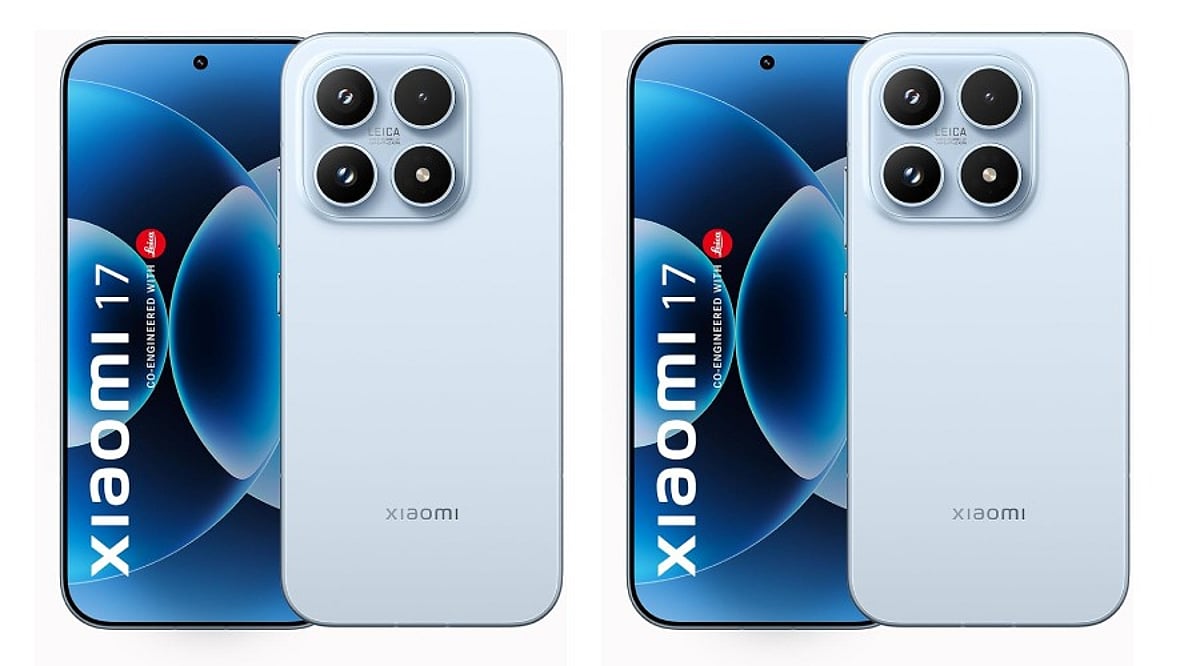
    The Xiaomi 17 is now available at a significant discount on Amazon India. The 12GB RAM + 512GB storage model is priced at Rs. 89,999, but eligible buyers can use bank offers to bring the effective cost down to around Rs. 77,750 or less. The discount depends on the payment method selected at checkout.

    How to Get the Discount

    Shoppers paying with an eligible Axis Bank credit card on EMI can save Rs. 12,249 on the Xiaomi 17. Kotak Bank credit card EMI users can claim Rs. 10,400 off. Customers can also trade in an older smartphone to lower the final price further.

    Xiaomi’s own platform also has promotions for the handset. The company’s September offer lists up to Rs. 10,000 off on EMI transactions for the Xiaomi 17. Since bank offers and exchange values change frequently, buyers should verify the current terms before completing their order.

    Xiaomi 17 Specifications

    • Display: 6.3-inch LTPO AMOLED, 1Hz-120Hz adaptive refresh rate, up to 3,500 nits peak brightness, HDR10+, Dolby Vision
    • Processor: Qualcomm Snapdragon 8 Elite Gen 5
    • Battery: 6,330mAh with 100W wired and 50W wireless charging
    • Rear cameras: Leica-branded triple setup with 50MP primary, 50MP telephoto, and 50MP ultra-wide lenses
    • Front camera: 50MP autofocus sensor
    • Durability: IP68 dust and water resistance

    Is the Xiaomi 17 Deal Worth It?

    The Xiaomi 17 combines a compact design with flagship-level hardware, including a large battery, fast charging, and Leica-tuned cameras. At the current Amazon discount, it becomes a stronger option in the premium segment, especially for buyers who can use the Axis Bank EMI offer. Before purchasing, check the final checkout price, bank eligibility, and exchange value to make sure the deal applies to your order.

  • How Apple’s Price Hikes Are Driving Refurbished iPhone Demand in India

    How Apple’s Price Hikes Are Driving Refurbished iPhone Demand in India

    Apple’s latest iPhone price increases in India are pushing more consumers toward refurbished models, as the widening gap between new and pre-owned devices makes older iPhones a more attractive entry point into the Apple ecosystem. With the iPhone 17 starting at ₹99,900 — a 21% jump — and the 1TB iPhone Air soaring 41% to ₹2,24,900, buyers are increasingly looking for certified second-hand options.

    Higher iPhone Prices Could Lift Refurbished Demand

    Refurbished marketplace Cashify expects the latest iPhone launch to significantly boost trade-ins and demand for older devices. The company forecasts a sharp rise in buybacks during the first 30 days after launch, accelerating over 60 to 90 days as more used units enter the resale channel. Festive-season discounts, exchange offers, and broader availability could further sweeten the deal for consumers unwilling to spend nearly ₹1 lakh on a base-model iPhone. Certified refurbished phones, which come with testing, grading, and warranty support, are likely to gain particular traction.

    Counterpoint Research data underscores the trend: refurbished smartphone sales in India grew 13% year-on-year in the first half of 2026, while new smartphone sales declined about 11%. Analyst Prachir Singh noted that “rising memory costs are changing the value equation for consumers,” making refurbished devices a cheaper route to high-end features.

    iPhone 13, 14, 15, 16 May Draw More Buyers

    Cashify anticipates strong growth in buybacks for the iPhone 15 and iPhone 16 series as owners upgrade, increasing the supply of these models in the refurbished market. Older models remain key: the iPhone 13 accounted for 6.93% of smartphone buybacks on Cashify but made up 15.5% of refurbished demand, ranking as the platform’s best-selling refurbished iPhone and most frequently traded-in model. Counterpoint also highlights the iPhone 13 as a preferred refurbished choice in India.

    The iPhone 16 may initially command a higher price in the refurbished segment due to its resale value, but as more units reach the second-hand market, buyers will see a wider price range across generations.

    Certification, Battery Health May Shape Buying Decisions

    Higher demand for refurbished iPhones puts a premium on device quality. Buyers are likely to scrutinize battery health, warranty terms, repair history, physical condition, and testing records before purchasing. Organized refurbishers that test, repair, and certify devices stand to benefit, though local second-hand sellers still dominate — Counterpoint data shows specialized platforms handle only about 20% of second-hand phone sales.

    As new iPhones become more expensive, previous-generation devices offer a lower entry price for consumers who still want an iPhone. The ultimate trajectory of refurbished iPhone demand in India will hinge on availability, resale pricing, festive offers, and buyer confidence in certified devices.

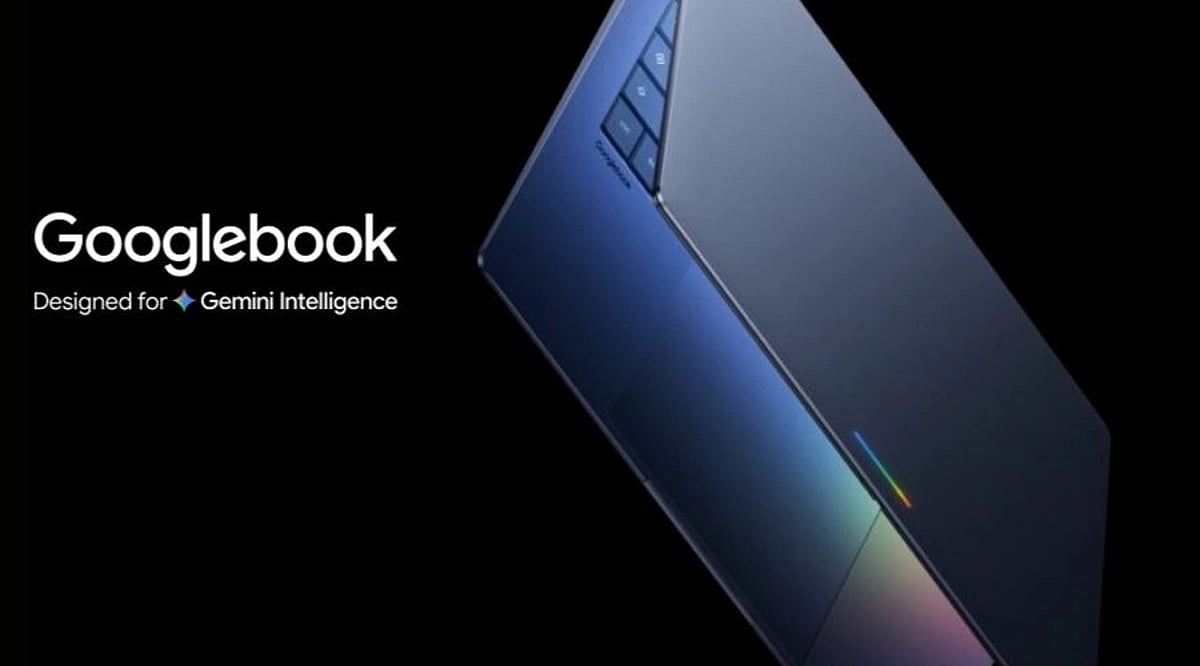
  • Googlebook Laptop Pre-Orders Open September 21 With Gemini AI and Android Integration

    Googlebook Laptop Pre-Orders Open September 21 With Gemini AI and Android Integration

    Google has confirmed that pre-orders for its upcoming Googlebook laptops will officially open on September 21. The announcement, posted on the official Googlebook website, also gives users the option to sign up for preorder notifications if they aren’t ready to order right away. Google has not yet shared pricing, the exact models that will be available for pre-order, or shipping timelines.

    What Are Googlebook Laptops?

    The Googlebook was first teased during the Android Show I/O Edition in May. It is a new line of flagship laptops designed to combine the best of ChromeOS and Android. While current Chromebooks run on ChromeOS, Googlebook devices will be built on the Android technology stack but still include the Chrome browser and full access to Google Play Store apps.

    Several major PC makers are supporting the new category, including Acer, Asus, Dell, HP, and Lenovo. Google has not confirmed which manufacturer models will be the first to go on sale.

    Gemini AI Features

    Googlebook laptops will lean heavily on Gemini intelligence. The company’s website highlights two key features:

    • Magic Pointer: Select anything on screen and ask Gemini to analyze, compare, or create with it.
    • Create My Widget: Build custom widgets simply by asking Gemini to generate them.

    Deeper Android Phone Integration

    Googlebook is also designed to work more closely with Android smartphones. Two standout features include:

    • Cast My Apps: Use phone apps directly on the laptop without needing to install them separately.
    • Quick Access: Browse and access files stored on your phone right from the laptop’s file manager.

    These features will require a phone running Android 17 or later.

    Design and Availability

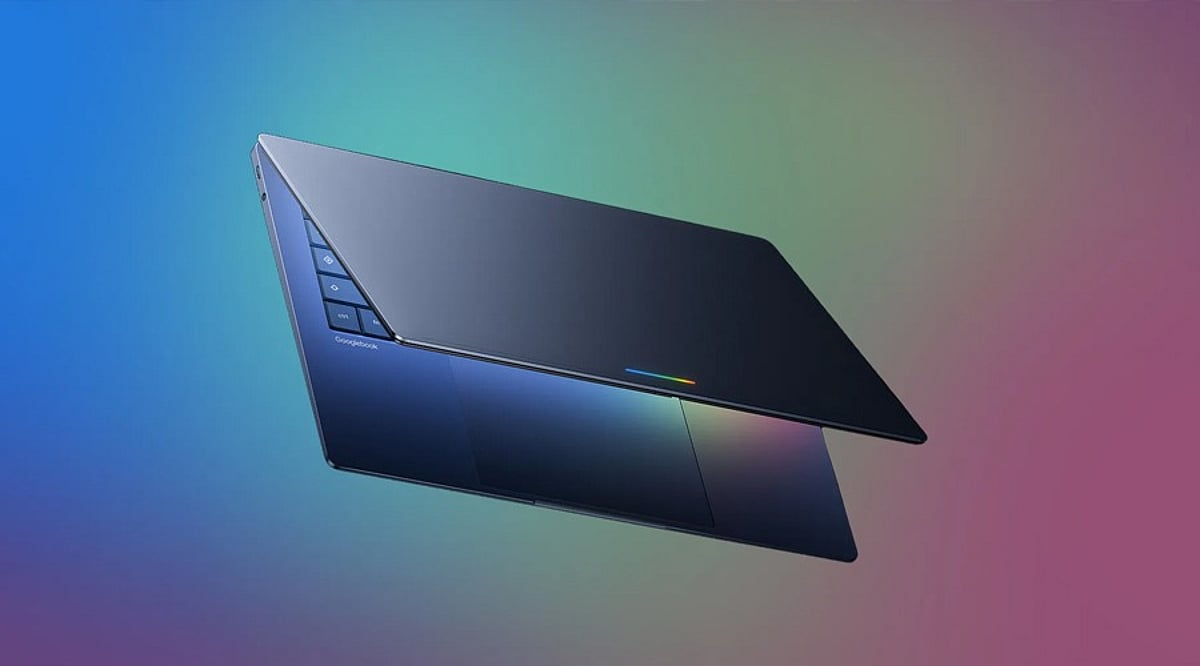
    Googlebook laptops will feature a distinctive Glowbar, described by Google as a functional design element. Since Acer, Asus, Dell, HP, and Lenovo are building the first-generation devices, customers can expect a range of shapes, sizes, and hardware configurations across the lineup.

    Google has not disclosed pricing or confirmed shipping dates, but the first devices are expected to arrive this fall.

  • India’s Consumer Regulator Investigates Apple Over iOS 18 iPhone Failures and Repair Costs

    India’s Consumer Regulator Investigates Apple Over iOS 18 iPhone Failures and Repair Costs

    India’s Central Consumer Protection Authority (CCPA) has escalated its probe into Apple over alleged iPhone problems linked to iOS 18. The regulator ordered a detailed investigation on July 29 after receiving complaints about display and microphone failures, and it will now examine whether Apple unfairly shifted repair costs onto consumers.

    What triggered the CCPA investigation?

    The case began after users reported green, pink, and white lines appearing on iPhone screens following the iOS 18 update. Some affected owners said they had to pay for display replacements and other repairs. The CCPA noted that an iPhone 15 screen repair could cost around Rs. 27,900 — more than one-third of the handset’s retail price.

    Warranty terms under scrutiny

    Apple’s limited warranty covers hardware, while its software license excludes software defects. The investigation will assess whether that exclusion remains fair if Apple’s own update allegedly triggers device problems. The CCPA has said the complaints may involve consumer rights violations.

    Apple defends iOS 18 and its warranty approach

    Apple disputed the allegations, saying iOS 18 has no systemic problems in India and that it found no safety concerns linked to the update. In an August response, Apple noted that the case involved only 75 complaints and that about 11% of iPhones still ran iOS 18 by June 2026. The company also said users received information about software terms before installing the update.

    Apple also cautioned against treating every software fault as a warranty breach, arguing that such rules could turn software providers into insurers against technological risks.

    Potential outcomes

    The investigation could lead to document requests, hearings, and a final regulatory report. If violations are established, Apple could face financial penalties, refunds, or changes to its business practices. Any changes to warranty terms could also set a significant consumer protection precedent.

    Why it matters for India

    The case comes as Apple expands its manufacturing footprint and market presence in India. The company’s iPhone share in India reached 9% last year, compared with 4% in 2022. The outcome could influence how software-related device failures receive warranty protection across India’s smartphone market.

  • Googlebook Pre-Orders Launch September 21: Gemini AI, Android Integration, and What to Know

    Googlebook Pre-Orders Launch September 21: Gemini AI, Android Integration, and What to Know

    Google has confirmed that Googlebook pre-orders will open on September 21 at 9 a.m. ET (6:30 p.m. IST), officially launching its new laptop category. The first wave of devices will be produced by Acer, ASUS, Dell, HP, and Lenovo, with Google positioning the lineup as a premium computing experience.

    What we know so far

    • Pre-order start: September 21, 2026, at 9 a.m. ET through Google’s official Googlebook website.
    • Hardware partners: Acer, ASUS, Dell, HP, and Lenovo will supply the initial devices.
    • Unconfirmed details: Pricing, final configurations, shipping dates, and India availability have not been announced.

    Shift from Chromebook to Android

    Googlebook marks a departure from the traditional Chromebook model. Instead of ChromeOS, the new category runs on an Android-based technology stack. The goal is to connect everyday laptop work, AI assistance, and Android phone interactions in a single, seamless experience.

    Magic Pointer brings Gemini to anything on screen

    One of the standout software features is Magic Pointer, which lets users point at on-screen content and ask Gemini for analysis, comparisons, or content creation without switching apps. The feature is designed to make AI assistance feel more natural during routine tasks.

    Create My Widget

    Googlebook also introduces Create My Widget, which builds custom desktop widgets from natural language requests. In a demo, Google showed a travel tracker that combined flight, accommodation, and restaurant details in a single interface, giving Gemini a practical role beyond chatbot-style conversations.

    Android phone integration

    The Android connection goes further with Cast My Apps, which brings Android phone apps to the laptop, and Quick Access, which provides direct access to phone files. Google notes that these capabilities require Android 17 or newer on the connected phone.

    Hardware and design

    While exact launch configurations are unconfirmed, reports point to premium displays and powerful processors across the initial Googlebook lineup. Google is also bringing back the Glowbar, a multicolor light strip above the keyboard first seen on the Chromebook Pixel, now serving as a visual marker for Googlebooks.

    The September 21 opening may reveal more than just availability. Pricing and hardware choices will show whether Google’s Gemini-first strategy can challenge established Windows laptops and premium MacBooks.

  • Samsung Galaxy S27 Ultra Leaks Hint at ₹1,49,990 Price, Horizontal Camera and 200MP Sensor

    Samsung Galaxy S27 Ultra Leaks Hint at ₹1,49,990 Price, Horizontal Camera and 200MP Sensor

    Fresh leaks surrounding the Samsung Galaxy S27 Ultra suggest an early 2027 launch in India, with a rumored starting price of ₹1,49,990. While Samsung has not confirmed the device or its specifications, CAD renders and insider reports point to one of the most significant design changes in the Ultra series in years.

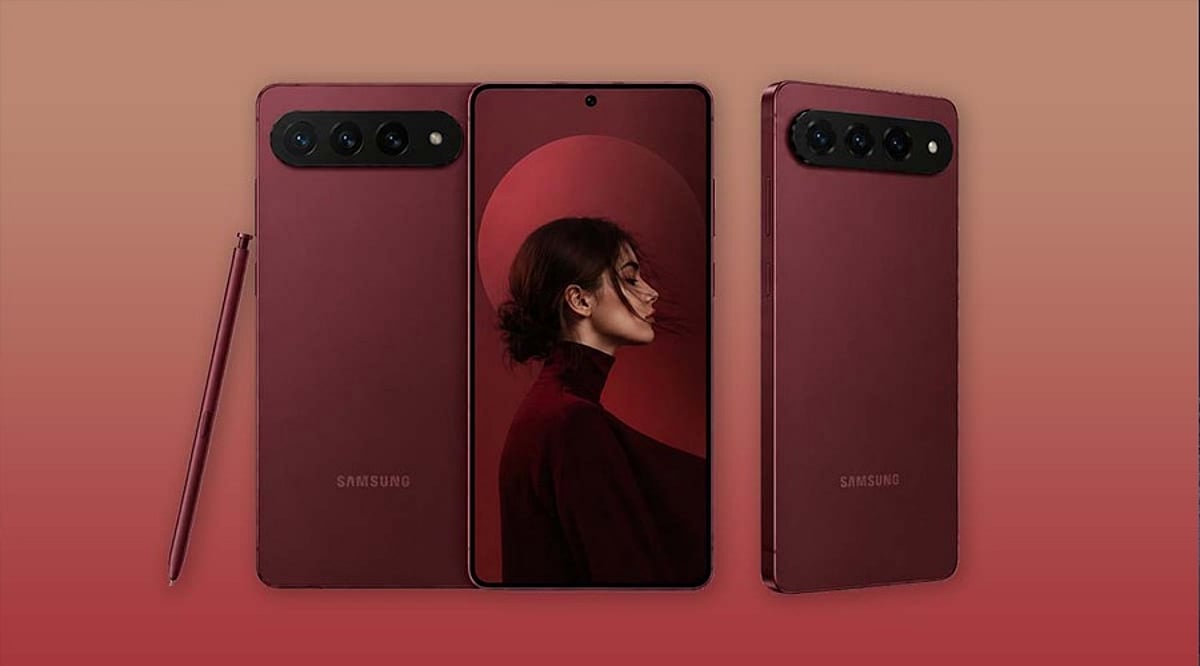
    The most notable visual shift could be a horizontal camera module, replacing the familiar separate camera rings seen on recent Ultra models. Leaked renders show three cameras aligned inside a single wide island, resulting in a cleaner, more streamlined rear panel.

    Camera specifications are expected to remain impressive: a 200MP primary sensor with optical image stabilization, a 50MP ultrawide lens, and a 50MP 5x telephoto camera. Notably, Samsung may drop the dedicated 3x telephoto sensor, leaning more heavily on computational photography to cover the mid-range zoom gap.

    Under the hood, the Galaxy S27 Ultra is rumored to pack a 6.9-inch Dynamic LTPO AMOLED 2X display with a 120Hz adaptive refresh rate and a peak brightness of 3,000 nits. Processing duties should fall to Qualcomm’s Snapdragon 8 Elite Gen 6 Pro chip, though an Exynos variant remains possible for certain markets.

    Battery capacity could see a significant boost to 5,700mAh, with charging speeds potentially reaching 65W — up from earlier expectations of 45W. The larger battery would likely become one of the device’s standout features, alongside brighter display technology and improved power efficiency.

    Higher storage variants may cost considerably more than the base model. All details remain preliminary until Samsung officially unveils the phone, expected around February 2027.

  • Meta’s Luna Smart Glasses Reportedly Drop the Camera for a Voice-First AI Experience

    Meta’s Luna Smart Glasses Reportedly Drop the Camera for a Voice-First AI Experience

    Meta Bets on Voice-First Wearables

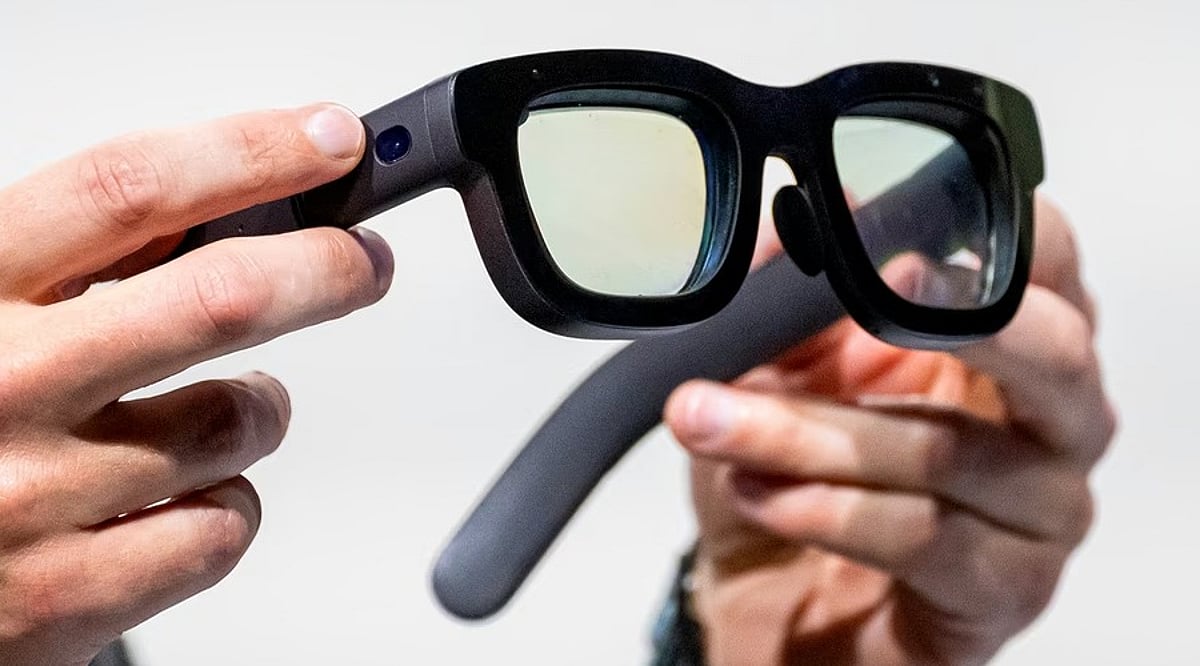
    Meta is reportedly preparing a new pair of smart glasses that will ship without a camera. The device, said to be codenamed Luna, could launch this fall, according to a report from The Information that was later picked up by Reuters. Reuters added that it could not independently verify the report.

    The rumored redesign comes as camera-equipped smart glasses face growing scrutiny over privacy and the risk of unauthorized recording. Meta’s current AI glasses rely on a camera for photos, video, and various AI features, with an LED meant to signal when recording is active. By removing the camera, Luna is expected to ease those privacy worries while preserving many of the AI and audio capabilities.

    What Luna Might Bring

    • Six microphones: The glasses reportedly include six built-in mics to support clear voice interaction.
    • Meta AI plus Muse: Users could talk to Meta AI and the company’s new consumer AI agent, Muse, using voice commands.
    • Built-in speakers: Luna is expected to feature speakers similar to those found on Meta’s existing smart glasses.
    • Side button shortcut: A physical button on the side may offer quick access to Meta AI, giving users an alternative to voice activation.

    Launch Timing and the Road Ahead

    Meta could unveil Luna at its Meta Connect developer conference, scheduled for September 23 and 24. Shipments are reportedly targeted for October, though Meta has not publicly confirmed the product, its release timing, or final specifications.

    If it reaches market, Luna would add another direction to Meta’s expanding wearable strategy. The company is also developing more advanced augmented-reality hardware, underscoring its view of smart glasses as a major platform for AI.

  • XPG Debuts First Gaming Monitors with RIFT and APERTURE Series

    XPG Debuts First Gaming Monitors with RIFT and APERTURE Series

    ADATA’s gaming brand XPG has officially entered the monitor market with the launch of its first gaming displays, the RIFT and APERTURE series. The lineup includes four models, from a high-end 34-inch ultrawide to a budget-friendly 23.8-inch screen, though pricing and availability have yet to be announced.

    XPG, known for its memory, SSDs, and PC components, announced the new monitors in Taipei. The company states that this expansion builds a more complete gaming ecosystem under its “Game To The Xtreme” brand identity.

    Four Models for Different Gaming Needs

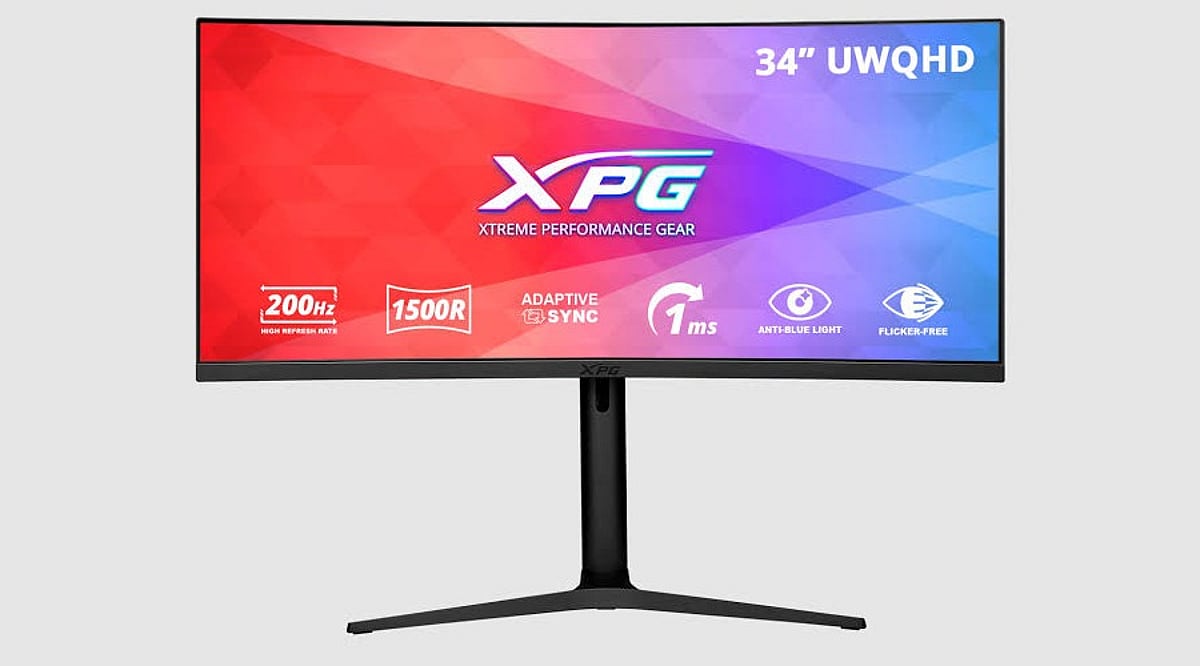
    The flagship RIFT R34WXC is a 34-inch curved ultrawide monitor with a 21:9 aspect ratio and UWQHD resolution (3440 x 1440). It offers a 200Hz refresh rate, 1500R curvature, 1ms response time, and Adaptive Sync support. The panel delivers 350 nits brightness, a 4000:1 contrast ratio, and 93 percent DCI-P3 color coverage for immersive gameplay.

    The smaller RIFT R24F4 features a 23.8-inch IPS panel at 1920 x 1080 resolution, with a 144Hz refresh rate and 99 percent sRGB coverage, making it ideal for budget-conscious gamers.

    On the APERTURE side, the A27Q1 offers a 27-inch screen with 1440p resolution and a 210Hz refresh rate, balancing sharpness and speed. The APERTURE A27F4 is another 27-inch option built for fast-paced gaming, though its full specifications have not been released.

    Pricing and Availability Still Unknown

    XPG has not announced pricing, release dates, or regional availability for the new monitors. Details on port selection, HDMI and DisplayPort versions, stand adjustability, and warranty coverage are also unconfirmed. All four models come standard with Adaptive Sync support and a 1ms response time.

    Buyers will need to wait for full pricing and independent reviews before making a purchase decision.

  • iPhone 17 Pro Max Effective Price Drops to Rs. 74,990 at Croma with Exchange Deals

    iPhone 17 Pro Max Effective Price Drops to Rs. 74,990 at Croma with Exchange Deals

    Croma has introduced a promotional offer that brings the effective price of the 256GB iPhone 17 Pro Max down to Rs. 74,990. This price is achieved when customers combine eligible exchange benefits, an exchange bonus, and select bank offers. The final amount depends on the value of the device being traded in and the specific promotional conditions.

    It is important to note that the headline price does not represent a flat discount on the phone’s selling price. Buyers must meet the conditions attached to the exchange and payment offers, so the final cost can vary.

    How the Rs. 74,990 Price Is Calculated

    Croma lists the iPhone 17 Pro Max 256GB at an effective Rs. 74,990 under its current promotion. The 512GB model is available at an effective Rs. 94,990. The discount combines the value of an eligible old smartphone with Croma’s exchange benefits and selected bank cashback.

    Croma is offering an exchange bonus of up to Rs. 12,000. Customers can also receive up to Rs. 53,000 as exchange value for an iPhone 15 Pro Max, depending on the handset’s model and condition. Select credit-card transactions can provide an additional Rs. 4,000 in bank cashback.

    Additional Benefits for Buyers

    The offer includes more than just an exchange discount. Croma is also providing a free Hyphen case combo worth Rs. 3,499 with eligible purchases. Buyers can further claim a flat 10% discount on AppleCare+ under the promotional terms.

    The deal is available through Croma’s retail network and its online platforms, subject to applicable terms and product availability.

    Things to Check Before Exchanging Your Phone

    The biggest point to consider is the exchange valuation. Croma’s terms require the old phone to be in working condition, with an intact display and no specified forms of physical damage. The device details entered during the transaction must also match the handset handed over for verification.

    For buyers with a high-value eligible phone, the combined benefits can significantly reduce the effective cost of the iPhone 17 Pro Max. Those without a suitable device for exchange, however, will not get the headline Rs. 74,990 price. Croma’s offer should be evaluated based on the actual exchange value and cashback available to each customer, rather than the advertised effective price alone.

  • Apple Adds 2019 21.5-Inch iMac to Vintage Products List, Signaling Tighter Repair Support

    Apple Adds 2019 21.5-Inch iMac to Vintage Products List, Signaling Tighter Repair Support

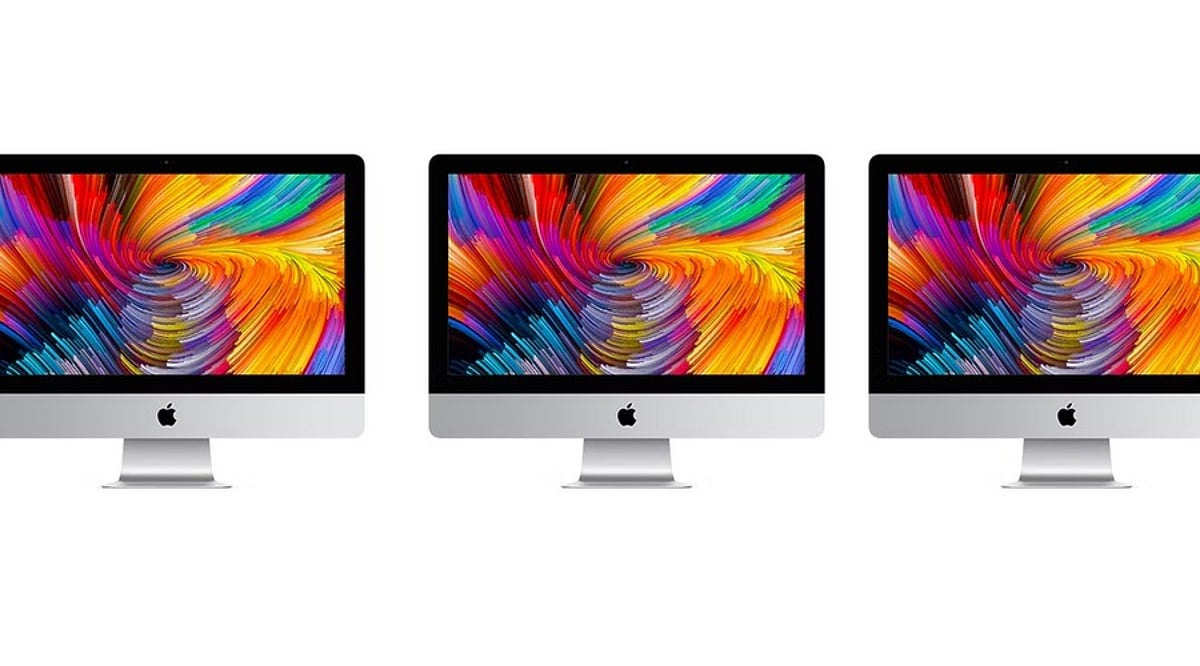
    Apple has officially added the 2019 21.5-inch iMac with Retina 4K display to its global vintage products list, signaling that official repair support will now depend on the availability of replacement parts.

    The move places the final 21.5-inch Intel-powered iMac in a new phase of Apple’s hardware support cycle. Under Apple’s policy, products are considered vintage when more than five but fewer than seven years have passed since they were last sold. Once a product passes the seven-year mark, Apple may reclassify it as obsolete.

    The 2019 model was the last 21.5-inch iMac to feature an Intel processor. Apple replaced the smaller desktop with the 24-inch M1 iMac in 2021, marking a major transition to Apple’s own silicon across its all-in-one lineup.

    Apple Stores and authorized service providers can still repair vintage products, but service is limited by component availability. Apple notes that hardware support and parts availability may continue beyond five years in some cases, but customers should not assume that every part will remain available indefinitely.

    For current owners, the vintage designation is not an immediate shutdown notice. The computer will continue to operate normally, but access to official repairs may become more difficult as compatible parts become harder to source. The change also highlights Apple’s broader move away from Intel, with the current iMac lineup now running entirely on Apple silicon.