Category: Gadgets

  • Top Smart Home Gym Machines for Connected Workouts in 2025

    Top Smart Home Gym Machines for Connected Workouts in 2025

    The way we work out at home has evolved dramatically, with smart home gym machines now offering live classes, performance tracking, and personalized training programs. Below, we highlight some of the best connected workout machines available today.

    Peloton Bike+

    Combines live and on-demand classes with performance tracking, resistance adjustments, and instructor guidance for an interactive connected cycling experience.

    Tonal

    Uses digital resistance and guided strength workouts to deliver personalized training while tracking repetitions, weight, performance, and progress through its interface.

    NordicTrack Commercial 2450

    Offers interactive treadmill workouts, automatic incline adjustments, and immersive training experiences through connected fitness programming for varied home cardio sessions.

    Hydrow

    Provides connected rowing workouts with instructor-led classes, performance metrics, and scenic experiences designed to make indoor rowing more engaging and structured.

    Tempo Studio

    Combines strength training equipment with intelligent workout guidance, movement tracking, and personalized recommendations for users building structured home exercise routines.

    Tonal 2

    Provides connected strength training with adaptive resistance, guided programs, and performance tracking designed to support personalized workouts within limited home spaces.

    BowFlex Treadmill 22

    Combines a large touchscreen with connected workout content, incline adjustments, and performance tracking for immersive treadmill training at home.

    Vitruvian Trainer+

    Uses digitally controlled resistance and connected training programs to deliver compact strength workouts while tracking performance through its companion application.

    Speediance Gym Monster

    Combines digital resistance, guided workouts, and connected performance tracking in a compact home gym designed for strength and functional training.

  • Samsung Wallet Adds Fingerprint Authentication for UPI Payments in India

    Samsung Wallet Adds Fingerprint Authentication for UPI Payments in India

    Samsung has introduced a new fingerprint-based authentication feature for UPI payments through its Samsung Wallet app in India. The update allows users of compatible Galaxy smartphones to approve eligible transactions using the device’s built-in fingerprint sensor, eliminating the need to manually enter a UPI PIN for qualifying payments.

    How Fingerprint UPI Payments Work

    The authentication process is designed to be as seamless as unlocking a Galaxy phone. When a user initiates an eligible UPI payment of up to Rs. 10,000 via Samsung Wallet, the app prompts them to authenticate using the fingerprint sensor. Once the fingerprint is recognized, the transaction proceeds without requiring the user to type their UPI PIN on the screen.

    Samsung has confirmed that the biometric verification occurs entirely on the device. The company leverages its Knox security platform and encryption to protect sensitive payment information, ensuring that fingerprint data is stored securely.

    Enhanced Convenience and Privacy

    This update is particularly beneficial for frequent small-ticket UPI transactions. By removing the manual PIN entry step, Samsung aims to make routine payments faster. The feature also enhances privacy in crowded public spaces, where entering a PIN on a phone screen can risk exposure.

    According to Samsung, on-device biometric authentication can help reduce payment failures caused by incorrect UPI PIN entries. The move aligns with the National Payments Corporation of India’s (NPCI) broader initiative to introduce additional authentication methods for UPI transactions.

    More Than Just UPI

    Samsung Wallet serves as a comprehensive digital wallet. Beyond UPI, it supports contactless payments using tokenized credit and debit cards, utility bill payments, and storage for digital keys, boarding passes, tickets, and ID cards. Samsung emphasizes that the Knox security platform, combined with fingerprint recognition and encryption, creates a secure environment designed to protect sensitive data from both digital and physical threats.

    For Galaxy users in India, this update brings the UPI payment experience closer to the simplicity of unlocking their phone: a simple fingerprint scan is all it takes to complete an eligible payment.

  • Vivo X500 Pro Max: 200MP ZEISS Camera, 8,000mAh Battery, and 2nm Dimensity Chip – Full Specs

    Vivo X500 Pro Max: 200MP ZEISS Camera, 8,000mAh Battery, and 2nm Dimensity Chip – Full Specs

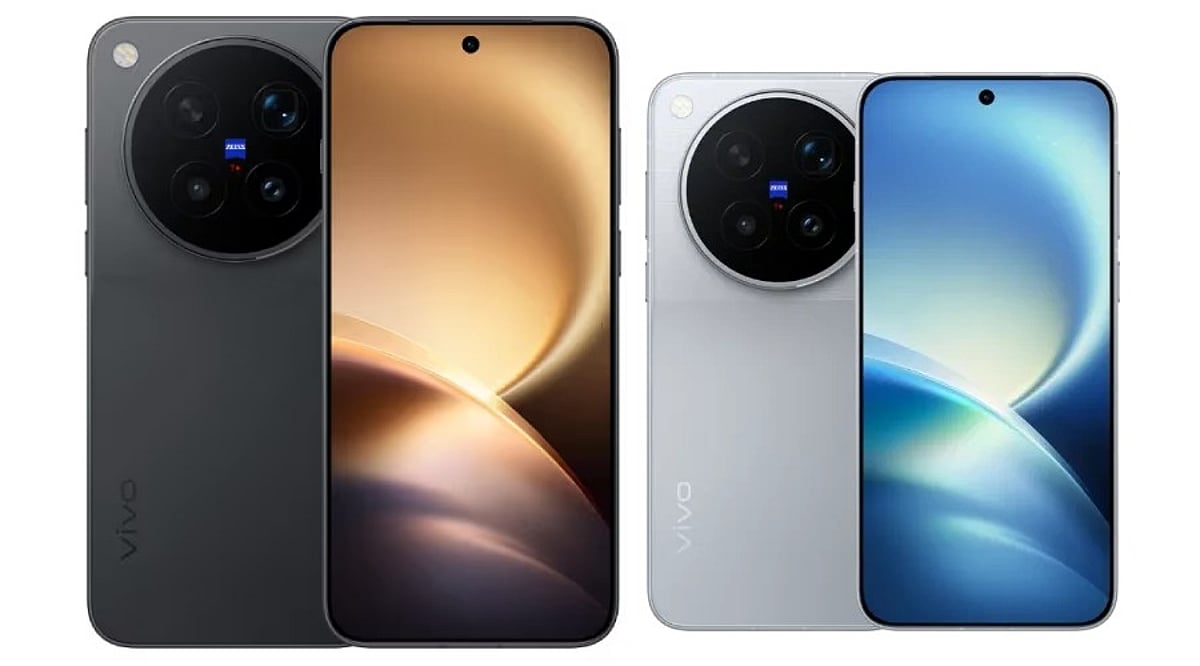
    The vivo X500 Pro Max has officially launched in China, marking a major step forward in flagship smartphone hardware. With a 200MP ZEISS APO super-telephoto camera, an 8,000mAh silicon-carbon battery, and MediaTek’s new 2nm Dimensity 9600 Pro chip, the device targets photography enthusiasts and power users alike.

    Display and Performance

    The phone features a 6.85-inch BOE Q11 ZEISS Master Color OLED display with a 2K resolution and an adaptive refresh rate ranging from 1Hz to 144Hz. This large panel sets it apart from the smaller 6.36-inch X500 Pro, making it ideal for reviewing photos, watching videos, and gaming.

    Under the hood, the Dimensity 9600 Pro is built on a 2nm process with a tri-cluster CPU: two cores at 4.55GHz, three at 4.35GHz, and three at 3.1GHz. Memory options go up to 16GB RAM with storage up to 1TB. Software is handled by OriginOS 7 based on Android 17.

    Battery and Charging

    The 8,000mAh fifth-generation silicon-carbon cell (25% silicon content) supports 90W wired charging and 40W wireless charging. Vivo also states that the battery can operate at temperatures as low as -30°C under test conditions.

    Camera System

    The rear camera consists of a 50MP Sony LYTIA L910 main sensor with LOFIC technology and 3° optical stabilization, a 50MP ultra-wide camera, and the highlight: a 200MP ZEISS APO super-telephoto camera offering approximately 3.7x optical zoom. The telephoto supports the ZEISS G2 Ultra teleconverter, extending the equivalent focal length to 400mm for distant subjects. CIPA 7.0-class stabilization is included on the telephoto.

    Video capabilities include 4K at 240fps slow motion, 4K at 120fps with advanced subject lock, 8K recording, 10-bit Log, 4:2:2 capture, ACES support, Cinematic Video, Cinematic Portrait Video, and 8K Native Live. The phone integrates BlueImage Dynamic Imaging Technology Stack, combining sensor, chip, ZEISS optics, and vivo’s V3+ and VS1+ image processors. A 50MP front camera completes the setup.

    Pricing and Global Launch

    China pricing starts at CNY 6,999 (12GB/256GB) and goes up to CNY 12,999 (16GB/1TB Creator Edition). A satellite communication model (12GB/1TB) is priced at CNY 8,999.

    According to a vivo Austria microsite, the global launch is scheduled for October 27, 2026, at 4 p.m. CEST, with preorders beginning the same day. International pricing and exact specifications are still unconfirmed. Some reports suggest that global models may feature a smaller battery than the China version.

    Key Takeaways

    • 200MP ZEISS APO super-telephoto camera with ~3.7x optical zoom and 400mm teleconverter option.
    • 8,000mAh battery with 90W wired and 40W wireless charging.
    • MediaTek Dimensity 9600 Pro chip on 2nm process.
    • 6.85-inch 2K OLED display with 144Hz adaptive refresh rate.
    • Global launch expected October 27, 2026.
  • How to Use Your iPad as a Second Monitor: A Step-by-Step Guide

    How to Use Your iPad as a Second Monitor: A Step-by-Step Guide

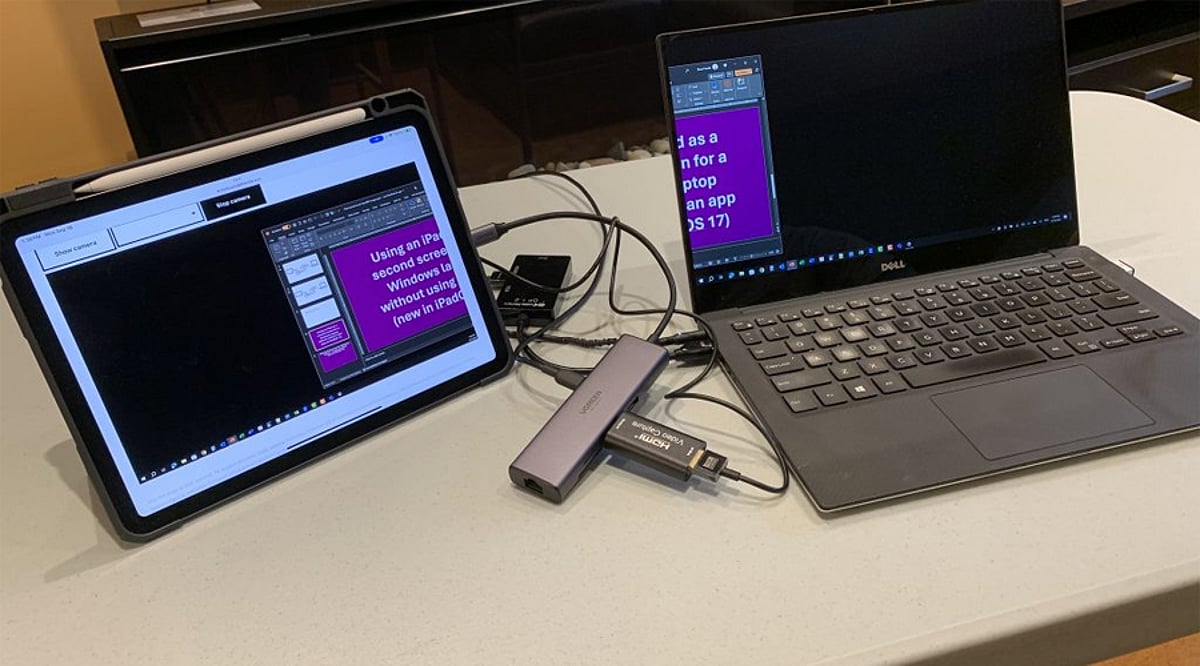
    Your iPad can do much more than serve as a standalone tablet. When paired with a compatible Mac, Apple’s Sidecar feature transforms your iPad into a second screen, expanding your workspace for documents, creative applications, research, and multitasking. This guide walks you through the entire process, from compatibility checks to advanced tips.

    Check Compatibility First

    Before diving in, ensure your Mac and iPad support Sidecar and are signed in to the same Apple Account. Both devices must run compatible operating systems, and you’ll need to have two-factor authentication enabled for that account. This requirement ensures a secure and seamless connection.

    Connect Your Devices

    Sidecar works both wirelessly and over a wired USB connection. For wireless setup, turn on Wi-Fi, Bluetooth, and Handoff on both devices, and keep them near each other. A USB connection is ideal for long sessions, as it keeps your iPad charged while working.

    Enable Sidecar

    On your Mac, open Control Center and select Screen Mirroring, then choose your iPad from the list. Alternatively, go to System Settings, click Displays, and add the iPad from there. Once connected, your iPad will act as an extension of your Mac desktop.

    Extend or Mirror the Screen

    Sidecar offers two primary modes: Extend and Mirror. In Extend mode, you can place different windows on each screen, effectively doubling your workspace. In Mirror mode, both displays show the same content—ideal for presentations or teaching. You can also rearrange display positions so moving the cursor between screens feels natural.

    Use Apple Pencil Too

    For creative professionals, Sidecar becomes even more powerful with an Apple Pencil. You can draw, edit photos, annotate documents, and interact with supported Mac applications directly on your iPad. The iPad’s sidebar gives quick access to common modifiers like Command, Option, and Shift, making it a natural extension of your workflow.

    Build a Bigger Workspace

    Once Sidecar is running, drag research materials, reference pages, or tool palettes onto the iPad while keeping your main project on the Mac. This setup eliminates cramped multitasking and boosts productivity. When you’re done, simply disconnect your iPad via the Screen Mirroring menu or Sidecar controls to return to normal operation.

    Join our WhatsApp Channel for the latest news, exclusives, and videos on technology.

  • Top Samsung Smartphones Under ₹15,000 in 2026: Budget Picks with Long-Term Support

    Top Samsung Smartphones Under ₹15,000 in 2026: Budget Picks with Long-Term Support

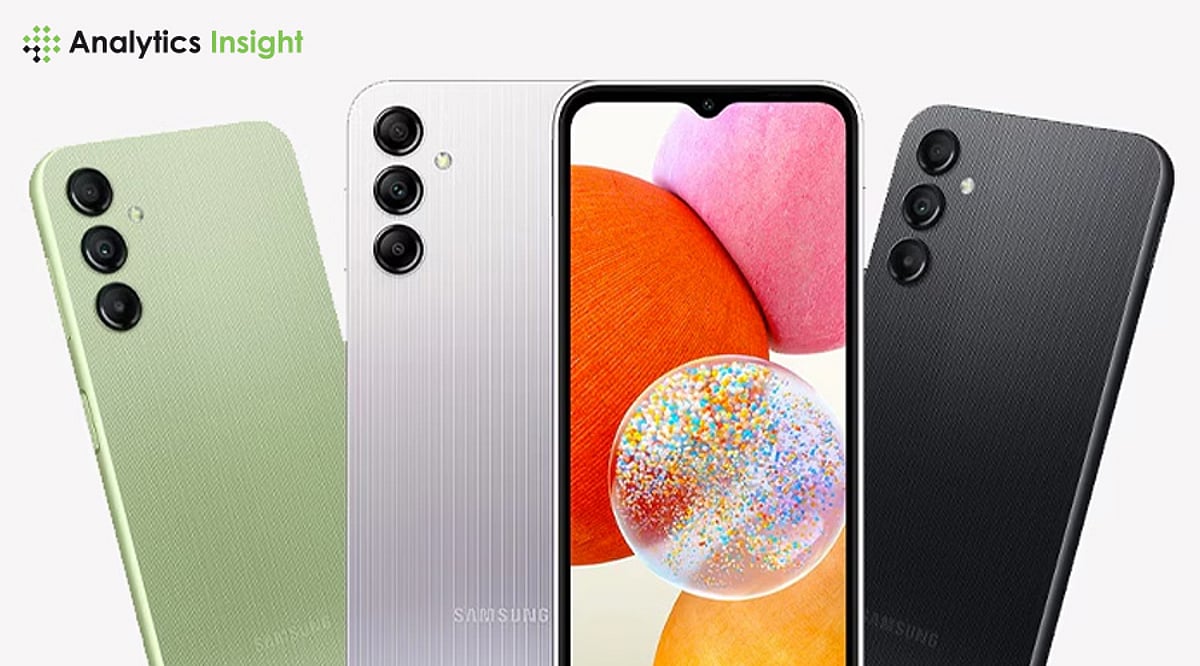
    Samsung continues to dominate India’s budget smartphone segment, offering feature-packed devices under ₹15,000 as of late 2026. These phones combine smooth performance, attractive designs, and extended software updates—key factors for value-conscious buyers. Note that a global RAM shortage has nudged prices slightly above launch levels. Below are the top Samsung models in this price range, with detailed specs to help you choose.

    Samsung Galaxy M17 5G: The New All-Rounder Champion

    Launched in October 2025, the Galaxy M17 5G is Samsung’s standout pick in this segment. It features a 6.7-inch Full HD+ Super AMOLED display with a 90Hz refresh rate, up to 1,100 nits peak brightness, and Gorilla Glass Victus protection—a rare level of screen durability at this price. Powered by the Exynos 1330 chipset, it comes in 4GB, 6GB, and 8GB RAM variants, all with 128GB storage.

    The camera system includes a 50MP main sensor with OIS, a 5MP ultra-wide lens, and a 2MP macro camera, plus a 13MP front camera. It runs One UI 7 on Android 15, backed by six years of OS and security updates, and supports Gemini Live AI features. A 5,000mAh battery with 25W fast charging and an IP54 rating round out the package. Pricing starts at ₹12,499 (4GB/128GB) and goes up to ₹15,499 (8GB/128GB).

    Samsung Galaxy F16 5G: Reliable Mid-Range Value

    The Galaxy F16 5G remains a strong option, with prices now between ₹12,499 (4GB/128GB) and ₹15,499 (8GB/128GB) after segment-wide adjustments. It keeps the 6.7-inch Full HD+ Super AMOLED 90Hz display and runs on the MediaTek Dimensity 6300 chipset. The 50MP main + 5MP ultra-wide + 2MP macro rear camera and 13MP front camera are unchanged. It ships with One UI 7 on Android 15 with six years of updates, and packs a 5,000mAh battery with 25W charging. A dependable all-rounder for those who want AMOLED quality without stretching to the M17.

    Samsung Galaxy M07: Best Budget Pick Under ₹11,000

    Launched quietly in October 2025, the Galaxy M07 is one of Samsung’s most affordable current models, priced around ₹10,999–₹11,999. It features a 6.7-inch HD+ display with 90Hz refresh rate, MediaTek Helio G99 chipset, 4GB RAM, and 64GB storage (expandable via microSD). The camera setup includes a 50MP main sensor and a 2MP depth sensor, with an 8MP front camera. It runs Android 15 with One UI 7 and six years of updates, plus a 5,000mAh battery with 25W fast charging and IP54 rating. Ideal if battery life and software support matter more than display resolution.

    Samsung Galaxy M16 5G: Still a Solid Value Pick

    The Galaxy M16 5G remains available and has become more affordable, now retailing around ₹10,999–₹13,999. It retains the Dimensity 6300 chipset, 6.7-inch Super AMOLED 90Hz display, 5,000mAh battery with 25W charging, and the 50MP+5MP+2MP rear camera with 13MP front camera. Six years of OS updates on One UI 7 / Android 15 are still promised. A great choice for budget-minded shoppers who want AMOLED quality.

    Samsung Galaxy A06 5G: Budget 5G Entry

    The Galaxy A06 5G is Samsung’s entry point for 5G connectivity under ₹13,000, priced at roughly ₹12,499. It runs on the MediaTek Dimensity 6300 chipset, features a 6.7-inch display, and includes a 50MP + 2MP dual rear camera with an 8MP front camera. The 5,000mAh battery supports fast charging. This is a practical no-frills option for first-time 5G buyers on a tight budget.

    Main Considerations for Purchasers

    Each model excels in specific areas: the M17 5G and F16 5G prioritize display and camera quality, the M07 emphasizes battery life and affordability, while the M16 5G and A06 5G focus on cost efficiency. Camera performance is consistent across the range with 50MP sensors, though low-light capability trails higher tiers. Nearly all models here now support 5G, and Samsung’s six-year OS and security update commitment has become a standard differentiator for its budget lineup.

    Conclusion: Samsung’s Budget Dominance Continues

    Samsung’s offerings under ₹15,000 in late 2026 represent a blend of endurance, performance, and value. The Galaxy M17 5G leads for the best display and camera, while the F16 5G and M16 5G offer similar experiences at lower costs. The M07 and A06 5G round out the list for the most budget-conscious buyers. Long software support across the range keeps these devices competitive, cementing Samsung’s position in India’s budget smartphone market.


  • Top Smart TVs of 2026: Comprehensive Guide to Features, Deals, and Best Picks

    Top Smart TVs of 2026: Comprehensive Guide to Features, Deals, and Best Picks

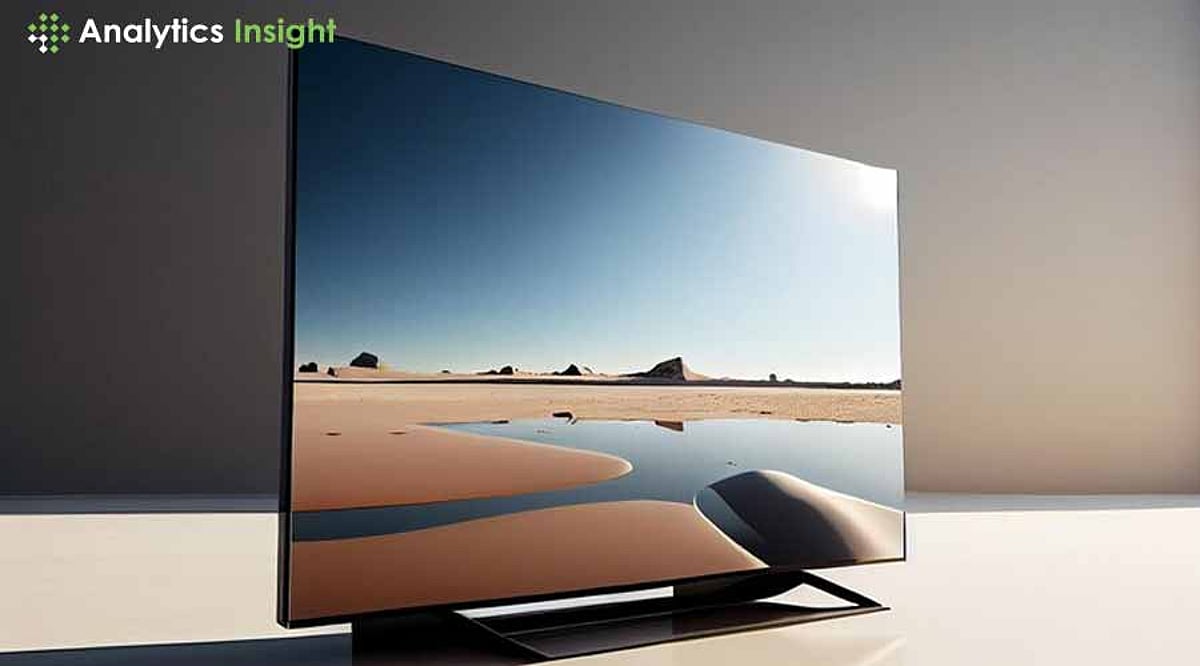
    Smart TVs continue to evolve with cutting-edge technology, superior image quality, and advanced features. As of 2026, several models lead their categories, offering options for every budget, performance need, and smart-home integration. This guide highlights the best smart TVs of 2026, detailing their standout features and unique characteristics.

    Samsung QN90D – Best Smart TV Overall

    The Samsung QN90D is widely regarded as the best overall smart TV of 2026. It delivers crystal-clear picture quality with an anti-reflective screen, making it ideal for bright rooms. Samsung’s refined QLED technology provides deeper blacks, richer colors, and improved energy efficiency. AI-based picture and sound optimization create an immersive viewing experience.

    TCL C845K – Top Value Smart TV

    For value-conscious shoppers, the TCL C845K offers outstanding performance without breaking the bank. It features stunning picture quality, high brightness, and a user-friendly smart interface. Support for major HDR formats (Dolby Vision, HDR10+) makes it competitive in the mid-range segment. Built-in streaming apps and voice commands add convenience.

    Sony Bravia XR X90L – Best LED 4K TV

    The Sony Bravia XR X90L excels with excellent color accuracy and contrast, powered by Sony’s Cognitive Processor XR. Its superior motion handling makes it perfect for sports and action content. Google TV enhances the experience with personalized recommendations and easy access to streaming services.

    Amazon Fire TV – Best Smart 4K TV

    Amazon’s Fire TV stands out for its advanced smart capabilities and seamless Alexa integration. It offers 4K resolution with HDR for clear, vibrant images. The intuitive interface provides instant access to streaming media and hands-free voice commands. AI-based content discovery simplifies browsing, while its price offers great value.

    Hisense U8N – The Brightest Smart TV

    The Hisense U8N is acclaimed for its exceptional brightness, high contrast, and wide color gamut. With a 144Hz native refresh rate, VRR, and AMD FreeSync Premium Pro, it’s a top choice for gamers. Apple AirPlay, Google Assistant, and Google Cast support enable seamless multi-ecosystem connectivity. Hisense’s Mini-LED technology balances performance and price.

    LG Evo G4 OLED TV – Ultimate OLED TV for Gaming

    LG’s Evo G4 OLED TV delivers rich, precise colors and outstanding gaming performance. Near-instant response times and a 120Hz refresh rate make it ideal for console and PC gaming. LG’s OLED technology ensures deep blacks and high contrast for a cinematic experience. AI-enhanced picture and sound settings adapt to room lighting.

    Panasonic Z95A OLED TV – Brightest OLED TV

    The Panasonic Z95A OLED TV offers superb brightness, accurate wide-color representation, and a spatial audio speaker system. It supports all major HDR formats, including Dolby Vision IQ and HDR10+, delivering optimal picture quality for any content.

    Samsung S95D – Best OLED TV with Anti-Glare Technology

    Samsung’s S95D combines OLED technology with a distinctive matte finish that minimizes glare while preserving color accuracy. Superior contrast and brightness make it impressive even in brightly lit rooms. Sub-millisecond input lag appeals to gamers, and the smooth Tizen OS ensures easy navigation. This model is a strong contender in the high-end TV segment.

    Final Thoughts

    The top smart TVs of 2025 cater to diverse preferences, whether you prioritize gaming, value, or image quality. Brands like Samsung, Sony, LG, and Hisense continue to push boundaries with new features and improved user experiences. When choosing a smart TV, consider display technology, refresh rate, and smart features to find the best fit for your needs. With emerging AI and display technologies, the future of smart TVs promises even more immersive experiences for viewers worldwide.

    Frequently Asked Questions

    1. Which smart TV is best overall in 2026? Samsung QN90D offers strong picture quality, anti-reflective technology, and AI-based optimization.
    2. Which smart TV is best for gaming? LG Evo G4 OLED provides 120Hz refresh rate, fast response, deep blacks, and high contrast.
    3. Which smart TV is best for bright rooms? Samsung QN90D and Hisense U8N perform well due to high brightness and robust screen performance.
    4. Which smart TV offers the best value for money? TCL C845K combines high brightness, strong picture quality, HDR support, and smart features at a competitive price.
    5. What should you consider before buying a smart TV? Display type, picture quality, brightness, refresh rate, HDR support, gaming features, operating system, smart features, and budget.
  • Apple’s $250 Million Siri Settlement: iPhone Owners Could Claim Up to $95 – Eligibility & How to File

    Apple’s $250 Million Siri Settlement: iPhone Owners Could Claim Up to $95 – Eligibility & How to File

    Apple Launches Claims for $250 Million Siri Settlement

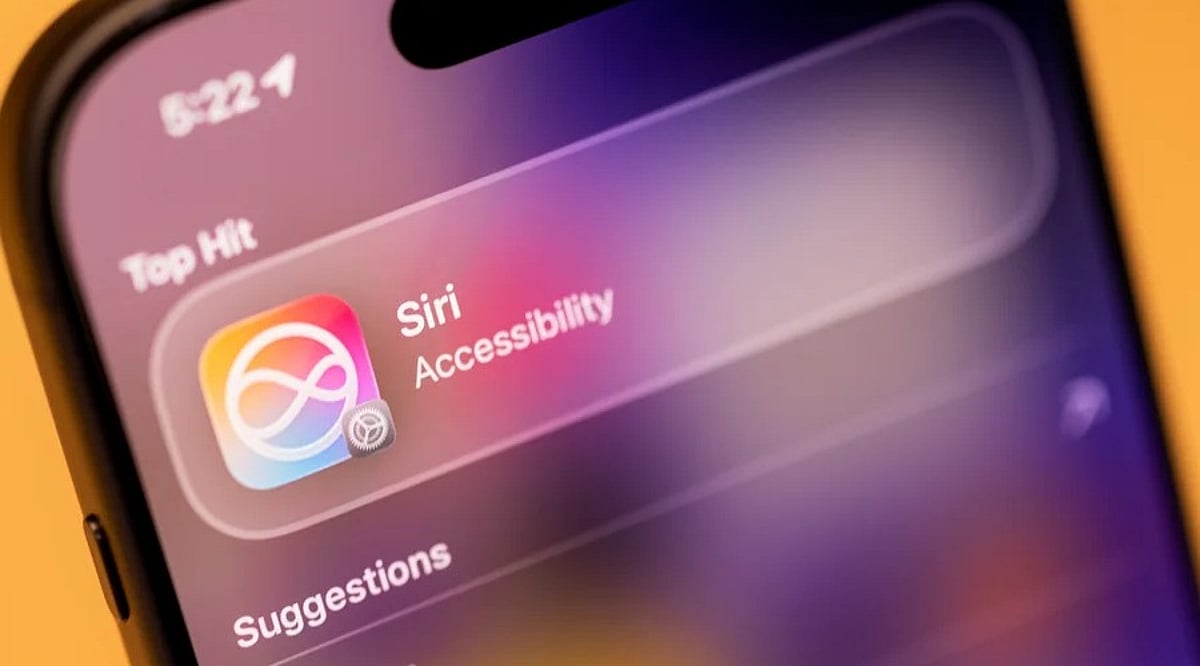
    Apple’s $250 million class-action settlement over Siri delays is now accepting claims. Eligible iPhone owners in the U.S. can file for payments estimated at $25 to $95 per device.

    Why the Settlement?

    The lawsuit alleged that Apple promoted advanced Siri features with Apple Intelligence but failed to deliver them as advertised.

    Which iPhone Models Qualify?

    The settlement covers specific iPhone models sold in the U.S. between June 10, 2024, and March 29, 2025:

    • iPhone 15 Pro
    • iPhone 15 Pro Max
    • iPhone 16e
    • iPhone 16 Plus
    • iPhone 16 Pro
    • iPhone 16 Pro Max

    Note: The purchase must meet settlement requirements, and only U.S. purchases qualify.

    How to File a Claim

    Eligible customers can submit claims via the official settlement website. You’ll need your device’s serial number (found in Settings > General > About) or alternative information like your Apple Account email and phone number. Some users may receive a claim ID and PIN by email, but it’s not required to start.

    Payment Amounts and Options

    The total settlement fund is $250 million. Expected payout is about $25 per device, but could increase to $95 if fewer claims are filed. Each eligible device requires a separate claim. Payment can be made via PayPal, Venmo, direct deposit, or paper check.

    Deadline

    Claims must be submitted by December 21, 2026. A final approval hearing is on February 24, 2027, so payments may be delayed if appealed.

  • Apple’s 2027 Anniversary iPhone to Feature Curved OLED Display Despite Delays in Advanced Screen Tech

    Apple’s 2027 Anniversary iPhone to Feature Curved OLED Display Despite Delays in Advanced Screen Tech

    Apple is reportedly scaling back some of the advanced display technologies originally planned for its 20th-anniversary iPhone in 2027, but the company is still moving forward with a significant visual redesign. According to industry reports, the upcoming model will feature a four-sided curved OLED display that creates a near-borderless appearance.

    Apple Delays Advanced Display Technologies

    Color Filter on Encapsulation (COE) and LTPO+ were among the technologies expected to debut in the 2027 iPhone. COE integrates the color filter into the display structure, reducing panel thickness and improving light efficiency. LTPO+ is designed to enhance power efficiency through improved transistor technology. However, Apple has reportedly postponed the introduction of both technologies, with no revised timeline confirmed.

    Industry sources suggest the delays may be due to technology maturity and rising production costs. Adding new display components could increase manufacturing expenses at a time when memory prices are already pressuring smartphone costs.

    Four-Sided Curved Display Remains

    Despite the delays, Apple is expected to pursue a four-sided curved OLED display. The panel will curve subtly around all four edges, giving the impression of a larger screen and significantly reducing the visual presence of the frame. Earlier reports described Apple’s approach as a ‘micro-curved’ design, which is less extreme than the waterfall-style displays used by some Android manufacturers. This shallow curvature helps reduce image distortion and makes edge gestures more comfortable.

    Apple may also use optical engineering alongside the physical curve to make the display appear almost bezel-free. Reports have also suggested an all-glass design as part of the company’s broader redesign plans.

  • Qualcomm Snapdragon 8 Elite Gen 6: 2nm Chip With 5GHz CPU Set to Transform Android Flagships

    Qualcomm Snapdragon 8 Elite Gen 6: 2nm Chip With 5GHz CPU Set to Transform Android Flagships

    Qualcomm has officially unveiled the Snapdragon 8 Elite Gen 6, its latest flagship mobile platform, featuring a groundbreaking 2nm manufacturing process, a 5GHz Oryon CPU, and advanced AI capabilities. Alongside it, the company introduced the higher-end Snapdragon 8 Elite Extreme Gen 6. Both chipsets are designed for premium Android smartphones and will debut in devices from major brands including Xiaomi, OnePlus, OPPO, vivo, iQOO, and Motorola.

    Why the 2nm Shift Matters

    The most significant upgrade is the transition to a 2nm process node. Smaller semiconductor nodes enable higher transistor density, improving the balance between performance and power consumption. Qualcomm claims the Snapdragon 8 Elite Gen 6 delivers a 10% CPU performance improvement and 37% better CPU power efficiency compared to its predecessor. The redesigned Adreno GPU reportedly offers 35% higher performance and 40% better efficiency.

    However, these figures do not guarantee that every phone will last 37% longer on a single charge. Real-world battery life depends on factors such as battery capacity, display technology, cooling systems, and software optimization.

    AI Moves Closer to the Device

    Qualcomm is placing agentic AI at the core of the new platform. The reworked Hexagon NPU supports multi-step AI workloads, while the Sensing Hub handles lower-power, context-aware tasks. According to Qualcomm, the AI Engine can deliver up to 20% better performance per watt for agentic AI workloads. This could enable more responsive on-device assistants, advanced image processing, and personalized features without relying on cloud processing.

    The impact of the 2nm process will largely depend on how phone makers leverage the additional efficiency. Users can expect improvements in gaming, camera processing, AI features, and sustained performance rather than a dramatic change in basic tasks.

    The Snapdragon 8 Elite Extreme Gen 6 goes further with dedicated AI graphics hardware and support for 8K/60fps video recording. The standard Gen 6 remains focused on bringing Qualcomm’s latest CPU, GPU, and AI technology to a broader premium-phone segment.

  • Google Fitbit Air India Launch Expected on October 2: Price, Specs, and Key Features

    Google Fitbit Air India Launch Expected on October 2: Price, Specs, and Key Features

    Fitbit Air Could Hit India on October 2

    Google is reportedly bringing its screenless Fitbit Air fitness tracker to India, with a possible launch date of October 2. While the company has confirmed an October launch, a recent leak from tipster Sanju Choudhary and a Flipkart listing suggest the specific date. The wearable is expected to retail at around Rs. 13,999 in India.

    Expected Price in India

    According to a reported Flipkart listing, the Fitbit Air will be priced at Rs. 13,999. Another leak places it between Rs. 12,999 and Rs. 13,999. In the US, the tracker starts at $99.99, with a special-edition version costing more. Indian pricing may vary due to local taxes and import costs.

    Design and Specifications

    The Fitbit Air takes a unique approach by removing the display entirely. Instead, it relies on sensors, vibration alerts, and the companion Google Health app to deliver health and fitness data. Weighing just 5.2 grams (without the band), the device offers up to seven days of battery life. It features an optical heart-rate sensor, SpO2 monitoring, a skin-temperature sensor, an accelerometer, a gyroscope, and 5ATM water resistance. Charging is via a magnetic connector.

    Health and Fitness Tracking

    The tracker provides continuous 24-hour heart-rate monitoring, sleep tracking, heart-rate variability, readiness scores, and automatic workout recognition for over 140 activities. All data syncs with the redesigned Google Health app. Basic health tracking is free, while premium features require a Google Health Premium subscription. Google Health Coach offers personalized guidance on fitness, recovery, and sleep.

    What Sets It Apart

    The screenless design makes the Fitbit Air a distinctive option in the fitness tracker market, focusing on minimal distraction and long battery life. It competes directly with other screenless trackers like the Whoop 5.0. The official launch event is expected to confirm all details, including availability and pricing.