Category: Gadgets

  • Lenovo Yoga 7 2-in-1 Review: A Solid Convertible Laptop for Everyday Productivity

    Lenovo Yoga 7 2-in-1 Review: A Solid Convertible Laptop for Everyday Productivity

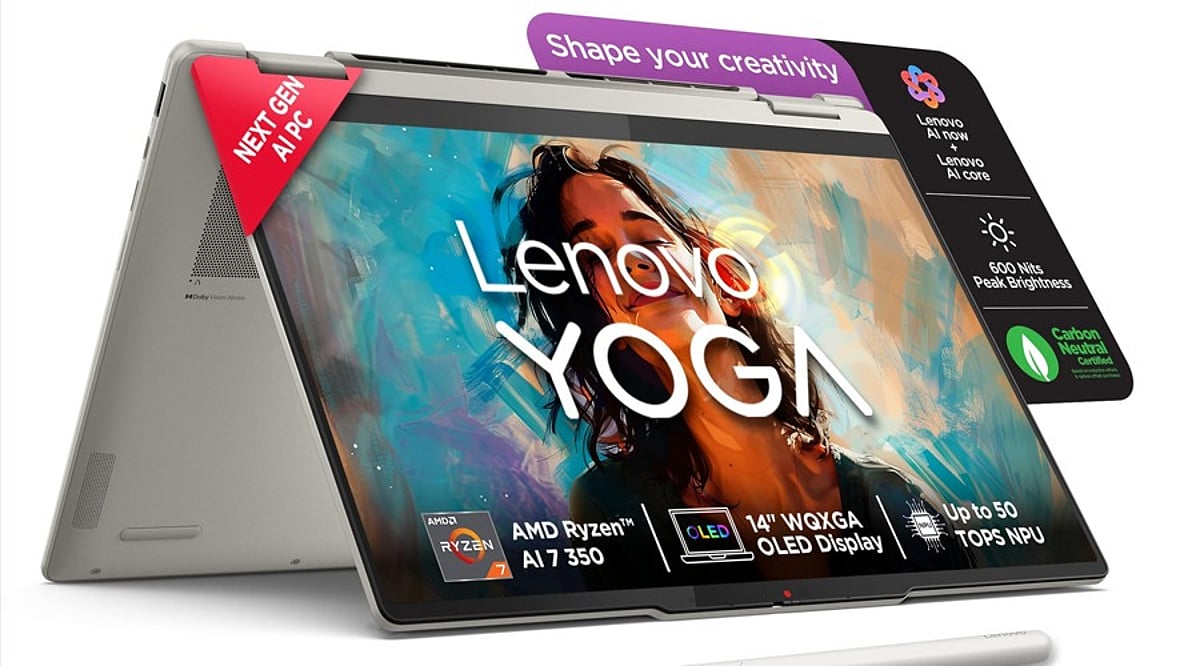
    The Lenovo Yoga 7 2-in-1 is a high-end convertible laptop designed for users who value portability, flexibility, and reliable daily performance. With its sleek aluminium frame, 360-degree hinge, and vibrant 14-inch OLED touch screen, this laptop is an excellent companion for work and media consumption.

    Key Specifications at a Glance

    • Processor: AMD Ryzen AI 7 445
    • RAM: 24GB
    • Storage: 512GB SSD
    • Display: 14-inch OLED Touch Screen
    • Battery: 70Wh (Approx. 12 hours)
    • Weight: 1.38 kg

    Pros and Cons

    Pros

    • Excellent build quality with an aluminium chassis
    • Stunning OLED display
    • Versatile 360-degree hinge
    • Comfortable keyboard
    • Good battery life
    • Ample 24GB RAM for multitasking

    Cons

    • No high refresh rate display
    • Inconsistent touchpad performance
    • Lacks Thunderbolt 4 connectivity

    Performance and Everyday Use

    The AMD Ryzen AI 7 445 processor handles everyday workloads with ease. The 24GB of RAM provides plenty of headroom for heavy multitasking, making it ideal for productivity tasks and light creative work. The 512GB SSD ensures snappy boot times and fast application loading. The 70Wh battery comfortably delivers around 12 hours of mixed usage, allowing you to work throughout the day without reaching for a charger.

    Final Verdict

    The Lenovo Yoga 7 2-in-1 is a solid choice for users who prioritise build quality, portability, and everyday productivity. Its OLED display, comfortable keyboard, versatile 360-degree hinge, and good battery life make it a capable work and entertainment machine. However, the inconsistent touchpad and lack of Thunderbolt 4 are notable compromises. The Ryzen AI 7 445 processor handles everyday workloads well but is less convincing under sustained heavy use. Overall, the Yoga 7 2-in-1 is a dependable convertible rather than an especially exciting one.

  • Walmart’s Best Gadget Deals: RTX Gaming Laptops and Apple AirTag 4-Pack on Sale

    Walmart’s Best Gadget Deals: RTX Gaming Laptops and Apple AirTag 4-Pack on Sale

    Walmart’s latest gadget deals bring significant savings on gaming laptops and everyday accessories. The retailer’s GeForce Week promotion, running through September 27, 2026, cuts prices on selected RTX-equipped gaming laptops. Additionally, the Apple AirTag 4-pack is discounted, offering a low-cost tracking solution. This roundup covers five products where the price drop aligns with a clear use case: four gaming laptops at various price points and one tracking accessory.

    Gaming Laptop Deals

    MSI Vector 16 Gaming Laptop

    The MSI Vector 16 features an Intel Core Ultra 7 255HX processor, RTX 5070 Ti GPU with 12GB VRAM, 16GB RAM, and a 512GB SSD. Its 16-inch FHD+ display has a 144Hz refresh rate. Priced at $1,399 (down from $1,749, saving $350), this is a strong pick for gamers, though storage is limited.

    ASUS ROG Strix G16 Gaming Laptop

    This model combines an AMD Ryzen 9 processor with an RTX 5070 GPU, 16GB RAM, and a 1TB SSD. The 16-inch 165Hz screen ensures smooth gameplay. At $1,599 (down from $2,000, saving $401), it offers ample storage and solid performance.

    Alienware 15.3-inch Gaming Laptop

    For budget-conscious buyers, this Alienware laptop costs just $899. It includes a Ryzen 5 processor, RTX 4050 GPU, and a 165Hz display. While the RTX 4050 is less powerful than higher-tier options, it provides an affordable entry into gaming.

    Acer Nitro V 15.6-inch Gaming Laptop

    Also priced at $899, the Acer Nitro V features an Intel Core 5 210H processor, RTX 4050 GPU, 16GB RAM, 512GB storage, and a 165Hz screen. It’s a good alternative for those who prefer Intel over AMD.

    Accessory Deal

    Apple AirTag 4-Pack

    The AirTag 4-pack is available for $79.99, working out to about $19.99 per tracker. A single AirTag normally costs $24, making this pack a smart buy for tracking keys, bags, luggage, and other items.

    Before You Buy

    Prices and specifications were checked on September 22-23, 2026. Walmart can change prices, stock, and seller listings without notice. Always verify the current listing, seller, and exact configuration before checkout.

    Final Thoughts

    Gaming laptops dominate Walmart’s current gadget discounts, with selected RTX models offering savings of up to $401 during GeForce Week. The AirTag 4-pack provides an affordable everyday tech option. Checking live listings and configurations is essential before purchasing.

  • Vivo V50 vs Vivo V40: Which Mid-Range Phone Offers Better Value in 2026?

    Vivo V50 vs Vivo V40: Which Mid-Range Phone Offers Better Value in 2026?

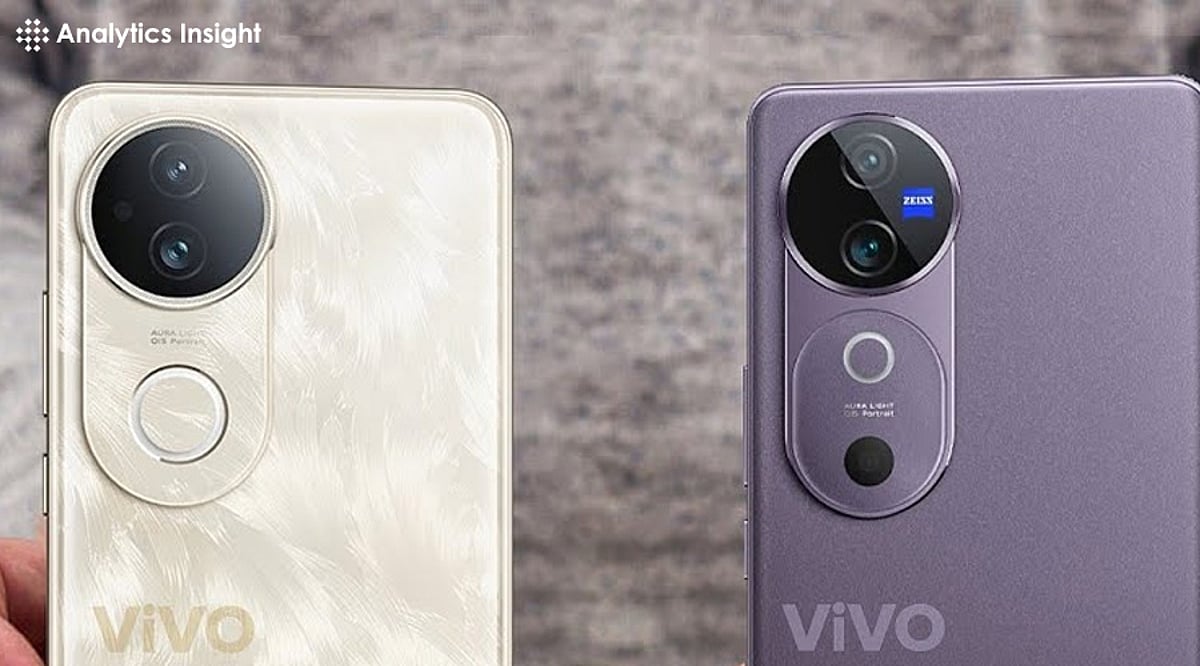
    Even in 2026, the Vivo V50 and Vivo V40 remain popular picks for budget-conscious smartphone buyers. They share nearly identical camera hardware and the same processor, but key differences in battery capacity, storage, and software make one a more compelling choice. Let’s break down how these two mid-range phones compare today.

    Camera: Same Hardware, Software Edge for the V50

    Both the Vivo V50 and V40 come with a dual rear camera setup featuring a 50MP main sensor with optical image stabilization (OIS) and a 50MP ultra-wide lens. Zeiss optics are present on both models, helping deliver sharp, color-rich photos across various lighting conditions. Selfie lovers will also find a 50MP front camera on both phones, making them solid options for social media and video calls.

    While the physical camera hardware is identical, the V50 has a slight advantage thanks to Funtouch OS 15, which brings improved image processing compared to the V40’s Funtouch OS 14. However, neither phone supports 4K cinematic video, a feature now common on Vivo’s newer V-series models. If advanced videography is a must-have, you may need to look at newer devices.

    Battery and Charging: V50 Pulls Ahead

    The Vivo V50 packs a larger 6000mAh battery with 90W fast charging, giving it a clear edge in endurance. Heavier users can expect longer screen-on time and quicker top-ups compared to the V40’s 5500mAh cell with 80W charging. While the V40’s battery remains respectable for daily use, the V50 is the better choice if all-day battery life is your priority.

    That said, if raw battery capacity is your primary buying factor, Vivo’s newest models like the V80 push capacity close to 7,200mAh, so it’s worth considering current-generation options before making a final decision.

    Performance: Same Chip, Better Sustained Gaming on V50

    Both phones run on the Qualcomm Snapdragon 7 Gen 3 processor, with AnTuTu scores hovering around 810,000 points. In everyday tasks, you won’t notice much difference. However, the V50 features improved thermal management, which helps maintain stable performance during extended gaming sessions. That makes the V50 a slightly better pick for mobile gamers.

    Storage options also differ. The V50 goes up to 512GB, while the V40 tops out at 256GB. Both offer up to 12GB of RAM, but the V50’s extra storage makes it more suitable for users who store lots of media or install many heavy apps. On the software side, the V50 ships with Android 15-based Funtouch OS 15, while the V40 launched on Android 14 and remains upgradeable.

    Display and Design: Curved vs. Flat, Both Smooth

    The Vivo V50 sports a 6.77-inch Full HD+ AMOLED display with a 1080 x 2392 resolution and a stunning peak brightness of 4500 nits. Its quad-curved design gives a premium, immersive feel, though some users may prefer the V40’s flatter screen to avoid accidental touches. The V40 has a slightly larger 6.78-inch AMOLED panel with a sharper 1260 x 2800 resolution.

    Both displays support a 120Hz refresh rate, ensuring smooth scrolling, fluid animations, and solid gaming performance. Even by 2026 mid-range standards, these displays hold up well.

    Which One Should You Choose in 2026?

    If battery life, larger storage, and newer software matter most to you, the Vivo V50 is the stronger choice. Its 6000mAh battery, 90W charging, and up to 512GB storage make it a more future-proof buy. The V50 also handles long gaming sessions better thanks to its improved thermal management.

    On the other hand, if you prefer a sharper display resolution, a flatter design, and want to save money, the Vivo V40 still delivers solid all-round performance. It may lack the V50’s battery and storage advantages, but it remains a dependable smartphone even against Vivo’s newer 2026 lineup.

    FAQ

    What is the main difference between the Vivo V50 and V40?

    The biggest differences are battery capacity and storage. The V50 offers 6000mAh with 90W fast charging and up to 512GB of storage, while the V40 has 5500mAh with 80W charging and a 256GB maximum.

    Do the Vivo V50 and V40 have the same camera setup?

    Yes, both phones feature a 50MP main sensor with OIS, a 50MP ultra-wide lens, and a 50MP selfie camera. The V50 benefits from improved image processing thanks to Funtouch OS 15.

    Which phone is better for gaming?

    The Vivo V50 is slightly better for gaming because its thermal management prevents performance throttling during long sessions. Both use the same Snapdragon 7 Gen 3 processor and score similarly in benchmarks.

    Is the Vivo V50 worth buying over the V40 in 2026?

    Yes, if you value battery life, storage, and newer software. The V40 remains a good budget option if you prefer a higher-resolution display and don’t need the extra endurance.

    How do these phones compare to Vivo’s newer models?

    Newer Vivo phones like the V80 offer larger batteries, 4K cinematic video, and more advanced processors. If you want the latest features, that lineup is worth considering.

  • Global Smartphone Market Leaders in 2026: Apple, Samsung, and Others by Market Share

    Global Smartphone Market Leaders in 2026: Apple, Samsung, and Others by Market Share

    The global smartphone market continues to evolve, with the top five brands commanding significant shares in 2026. Based on Omdia data and industry analysis, here is the breakdown of the leading smartphone brands and their market performance.

    Apple — 19% Market Share

    Apple secured the top position globally in 2025 with a 19% unit share. Omdia reported 240.6 million iPhone shipments during the year, marking Apple’s third consecutive year as the world’s largest smartphone vendor.

    Samsung — 19% Market Share

    Samsung matched Apple’s 19% global unit share in 2025. The company recorded annual shipment growth of 7%, supported by strong demand across its Galaxy portfolio and a recovery in both premium and mainstream smartphone segments.

    Xiaomi — 13% Market Share

    Xiaomi held third place globally with a 13% unit share in 2025. The company shipped approximately 163 million smartphones during the year and remains a major force in affordable, mid-range, and increasingly premium smartphone markets.

    vivo — 8% Market Share

    vivo ranked fourth worldwide with an 8% unit share in 2025. The company shipped 105.3 million smartphones, with strong performance in markets such as India helping it become the fourth-largest global smartphone vendor for the first time.

    OPPO — 8% Market Share

    OPPO completed the global top five with an 8% unit share in 2025. The company shipped 100.7 million smartphones. Its position is also significant for 2026 as realme moves under the OPPO business umbrella.

    These brands are expected to continue shaping the competitive landscape in 2026, with innovations in camera technology, 5G connectivity, and AI-driven features driving consumer demand.

  • Googlebook 2026: Google’s AI-Powered Laptop Lineup, Pricing, and Features

    Googlebook 2026: Google’s AI-Powered Laptop Lineup, Pricing, and Features

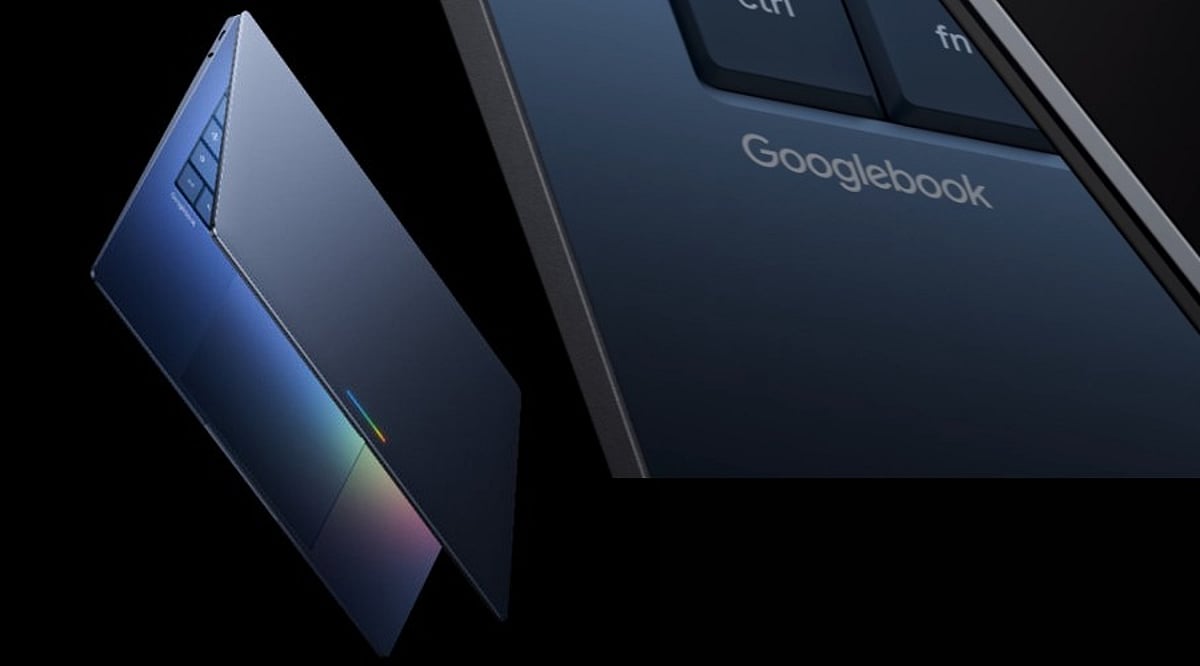
    Google is taking a significant step into the premium laptop market with the introduction of Googlebook, a new device category designed to put AI at the center of everyday computing. The first generation of Googlebook laptops combines conventional laptop hardware with Google’s software ecosystem, including ChromeOS, Android app support, and deep integration with the company’s Gemini AI assistant.

    The lineup includes five models from Acer, ASUS, Dell, HP, and Lenovo, with prices starting at USD 899. Each device offers a distinct design and feature set, giving buyers a range of choices across portability, screen size, and security.

    Five Googlebook Models, Five Different Approaches

    Unlike a single flagship design, Google is letting its partners take different approaches to the first Googlebook lineup:

    • Acer Googlebook 14 – The only convertible model, featuring a display that folds into tablet mode for flexible work.
    • ASUS Googlebook 14 – A lightweight, portable option weighing just 2.2 pounds, with HDMI and multiple ports.
    • Dell Googlebook 14 – Borrows Dell’s popular XPS design language, adding a fingerprint reader and a slim profile.
    • HP Googlebook 14 – Supports both facial recognition and fingerprint authentication, with storage options up to 1TB.
    • Lenovo Googlebook – Offers a larger 15.3-inch display, aimed at users who need more screen real estate.

    Premium Hardware and Everyday Practicality

    Googlebooks are built with a mix of aluminum, magnesium alloy, and carbon fiber. The displays are touchscreens with resolutions up to 2.8K, and Google highlights features like haptic glass trackpads and backlit keyboards.

    Audio is a strong focus across the lineup. Some models include up to six speakers with Dolby Atmos support, and noise-canceling microphones are designed to make voice calls and recordings clearer. Battery life varies by configuration, but Google promises up to 14 hours of video playback and up to 16 hours of web browsing on supported models.

    Gemini Is the Core of the Experience

    The biggest differentiator for Googlebook is how deeply Gemini is integrated into the system. One feature, Magic Pointer, brings Gemini contextually to whatever appears on screen. Users can highlight content and ask the AI to organize information, translate text, or analyze suspicious messages.

    Another tool, Rambler, is built around voice-based writing. You can speak naturally while Rambler turns your thoughts into structured notes. There is also Create My Widget, which lets users describe a widget in plain language and have it generated without writing code.

    Closer Android Phone Integration

    Googlebook is designed to work seamlessly with Android smartphones. Files can be accessed directly from the computer, and tasks can be moved between devices without constant file transfers. The Files feature can display photos and documents stored on a connected phone, while Cast My Apps can bring selected phone applications onto the Googlebook screen.

    This tight Android connection makes the laptop feel like an extension of your phone rather than a separate device, a strategy that could appeal to people already in the Google ecosystem.

    Software, Apps, and Developer Tools

    The software experience combines a desktop version of Chrome with Android applications. Users can run a range of tools, including Adobe Photoshop, Lightroom, and CapCut. Streaming apps and Android games are also supported, and every purchase includes a complimentary year of GeForce NOW.

    Developers get access to Google Antigravity and a full terminal environment, allowing them to use development tools and AI coding agents directly on the device. Security features include Titan hardware security, on-device malware detection, and an isolated Linux environment powered by pKVM technology.

    Pricing, Availability, and What to Expect

    The Googlebook lineup starts at USD 899, with higher-end configurations going up to USD 1,299. Every device includes 12 months of Google AI Pro and 5TB of cloud storage. Buyers also receive promotional access to YouTube Premium and select creative software. Google says the devices will receive updates for up to 10 years.

    The first Googlebooks will be available in the United States starting October 4, followed by the UK, Canada, Australia, France, Germany, and Ireland.

    By bringing Gemini, Android integration, and premium hardware together, Google is positioning Googlebook as a serious entry into the AI laptop space. The variety across the five models also gives users the flexibility to choose a laptop that fits their particular workflow.

  • The Wireless Audio Boom: How Bluetooth Is Transforming Everyday Listening

    The Wireless Audio Boom: How Bluetooth Is Transforming Everyday Listening

    Bluetooth audio has become an integral part of daily life, moving beyond traditional wired headphones into a vast ecosystem of earbuds, speakers, cars, and smart-home devices. From private listening on the go to shared sound in living rooms, wireless audio now accompanies users almost everywhere. Recent listening trends reflect a steady rise in audio consumption across TVs, vehicles, and connected speakers.

    Earbuds Lead the Charge

    True wireless earbuds have eliminated the hassle of cables, making portable audio more convenient than ever. Modern models increasingly feature active noise cancellation, spatial audio, voice controls, and intelligent assistant integration. Premium TWS products are drawing strong consumer interest as users seek better sound quality, comfort, and seamless device connectivity.

    Open-Ear Audio Gains Momentum

    Open-ear earbuds are carving out a new niche in wireless listening, allowing users to remain aware of their surroundings. Designed for outdoor activities, commuting, and casual use where environmental awareness is key, these devices highlight how Bluetooth audio is evolving beyond traditional in-ear designs.

    Smart Speakers Transform Shared Spaces

    Bluetooth speakers have evolved from simple portable gadgets into connected entertainment hubs. Smart speakers now bring music, podcasts, and voice-controlled functions into bedrooms, kitchens, and living rooms, shifting audio from personal to shared, room-filling experiences.

    Cars Become Audio Hubs

    Wireless audio is deeply integrated into modern vehicles, letting drivers and passengers stream music, podcasts, and calls without any cables. Bluetooth connectivity has turned the car into another major listening environment. As smartphones, infotainment systems, and wireless accessories converge, audio increasingly follows users wherever they go.

    Bluetooth Keeps Getting Smarter

    Bluetooth technology continues to evolve toward more efficient and capable wireless audio. Bluetooth LE Audio and the LC3 codec have already expanded what low-energy connections can support. Emerging developments promise improved data throughput and broader broadcast-style audio experiences.

    The Future Is Wireless

    The Bluetooth audio boom is no longer limited to headphones. Earbuds, speakers, cars, TVs, and smart-home devices are forming a connected audio ecosystem around everyday users. As wireless standards and device intelligence improve, listening is becoming more flexible, social, and deeply integrated into daily routines.

  • The Wireless Audio Revolution: How Bluetooth Is Reshaping Everyday Listening

    The Wireless Audio Revolution: How Bluetooth Is Reshaping Everyday Listening

    Bluetooth has fundamentally changed how people experience sound, liberating audio from wired constraints and embedding it into earbuds, speakers, vehicles, and smart-home systems. From private listening on the go to shared, room-filling sound, wireless audio has become an integral part of daily life. Recent listening trends reveal a surge in audio consumption across TVs, cars, and connected speakers, signaling a permanent shift toward untethered sound.

    Earbuds Lead the Charge

    True wireless earbuds have revolutionized portable audio by eliminating cables entirely. Modern models now pack advanced features such as active noise cancellation, spatial audio, voice assistant integration, and intuitive touch controls. Premium TWS (True Wireless Stereo) products are drawing strong consumer interest as users prioritize sound quality, comfort, and seamless connectivity with their devices.

    Open-Ear Audio Takes Off

    Open-ear earbuds are carving out a new niche in wireless listening, allowing users to stay aware of their surroundings while enjoying audio. This design is ideal for outdoor activities, commuting, and casual listening where environmental awareness is crucial. Their growing popularity underscores how Bluetooth audio is transcending traditional in-ear designs to accommodate diverse lifestyles.

    Smart Speakers Change the Room

    Bluetooth speakers have evolved from simple portable gadgets into sophisticated, connected entertainment hubs. Smart speakers now bring music, podcasts, and voice-controlled functions into bedrooms, kitchens, and living rooms. This transformation marks a shift from personal listening to shared, ambient audio experiences that fill entire spaces.

    Cars Become Audio Hubs

    Wireless audio is also becoming deeply integrated into vehicles, enabling drivers and passengers to stream music, podcasts, and calls without any wires. Bluetooth connectivity has turned the car into yet another major listening environment. As smartphones, infotainment systems, and wireless accessories converge, audio increasingly follows users wherever they go.

    Bluetooth Keeps Getting Smarter

    Bluetooth technology itself is advancing rapidly, delivering more efficient and capable wireless audio. The introduction of Bluetooth LE Audio and the LC3 codec has expanded what low-energy wireless connections can support, improving battery life and sound quality. Emerging developments promise even greater data throughput and broader broadcast-style audio experiences, paving the way for more innovative use cases.

    The Future Is Wireless

    The Bluetooth audio boom is no longer confined to headphones. Earbuds, speakers, cars, TVs, and smart-home devices are converging into a connected audio ecosystem that surrounds everyday users. As wireless standards and device intelligence improve, listening is becoming more flexible, more social, and more deeply woven into daily routines. The age of untethered sound is here, and it is only accelerating.

  • Laptop Fan Running Loud? Top Causes and Easy Fixes

    Laptop Fan Running Loud? Top Causes and Easy Fixes

    Is your laptop fan suddenly roaring like a jet engine? A noisy fan isn’t just annoying—it’s often a warning sign that your system is working harder than it should. Understanding what’s causing the extra noise can help you fix the problem and keep your laptop cool, quiet, and running smoothly.

    Common Causes of a Loud Laptop Fan

    • Dust Buildup: Dust accumulates inside the vents and on cooling components, blocking airflow and forcing the fan to spin faster to compensate.
    • High CPU Usage: Demanding apps, background processes, or too many open programs increase the processor workload, which generates more heat and triggers louder fan activity.
    • Overheating: When internal temperatures climb too high, the laptop speeds up the fan to protect critical components and maintain performance.
    • Blocked Air Vents: Using your laptop on beds, cushions, or soft surfaces can cover the vents, trap heat, and make the fan work much harder.
    • Too Many Background Apps: Unnecessary applications running at the same time consume system resources, raising processor activity and causing the cooling fan to spin faster.
    • Outdated or Incompatible Drivers: Old drivers can create inefficient hardware performance, increasing resource use and contributing to unnecessary fan activity.
    • Malware or Unwanted Software: Malicious programs can quietly eat up processor resources, generating extra heat and making the fan run continuously at high speeds.
    • Poor Thermal Paste: Deteriorated thermal paste reduces heat transfer between the processor and cooling system, leading to higher temperatures and louder fan operation.

    How to Fix and Prevent a Noisy Laptop Fan

    • Clean the vents regularly: Use compressed air to gently remove dust from the air intake and exhaust areas.
    • Elevate your laptop: Place it on a hard, flat surface or a laptop stand to improve airflow underneath.
    • Close unnecessary programs: Shut down apps you aren’t using to reduce CPU load and heat generation.
    • Use a cooling pad: A cooling pad can help bring temperatures down during heavy workloads or gaming sessions.
    • Run a malware scan: Regularly check for malicious software that may be using resources in the background.
    • Update your drivers: Keep chipset, graphics, and BIOS drivers current to ensure efficient hardware performance.

    If the fan remains excessively loud after trying these steps, it may be worth having a professional inspect the internal cooling system and replace the thermal paste if needed.

  • Top Smartphone Deals You Can’t Miss: Nothing, Motorola, Realme, and More (2025)

    Top Smartphone Deals You Can’t Miss: Nothing, Motorola, Realme, and More (2025)

    Looking for the best smartphone deals right now? We’ve rounded up the most compelling offers on the latest devices, from the innovative Nothing Phone 3a Pro to the budget-friendly Realme Narzo 70 Turbo. Whether you’re after a flagship experience or solid mid-range performance, these deals deliver exceptional value.

    Nothing Phone 3a Pro

    The successor to the Phone 2a Plus features a 6.77-inch AMOLED display with a peak brightness of 3,000 nits. Its triple-camera system includes a 50MP primary sensor and a 50MP periscope lens. Powered by the Snapdragon 7s Gen 3 processor and up to 12GB of RAM, it handles multitasking with ease. The 5,000mAh battery supports 50W fast charging. Pre-orders start March 11, 2025.

    Motorola Edge 50 Neo

    This model sports a 6.55-inch pOLED display with a 144Hz refresh rate for ultra-smooth visuals. Under the hood, the Snapdragon 695 chipset ensures efficient performance. The dual-camera setup comprises a 50MP primary sensor and a 13MP ultra-wide lens. A 5,000mAh battery with 68W fast charging keeps you powered. Priced under ₹20,000, it’s a compelling choice for budget-conscious buyers.

    Realme Narzo 70 Turbo

    Equipped with the MediaTek Dimensity 7300 Energy chipset, this phone delivers efficient performance. Its 6.67-inch FHD+ display offers a 120Hz refresh rate. The 50MP AI-enhanced main camera captures detailed photos, while the 5,000mAh battery with 45W fast charging provides extended usage. With up to 12GB RAM and 256GB storage, it’s built for multitasking. Also priced under ₹20,000, it offers excellent value.

    Vivo T4x

    The Vivo T4x features a 6.72-inch FHD+ LCD display with a 120Hz refresh rate. Powered by the MediaTek Dimensity 7300 processor and up to 8GB RAM, it ensures smooth daily operation. The 50MP dual-camera setup captures sharp images, and the massive 6,500mAh battery with 44W FlashCharge offers exceptional battery life. It runs on Android 15 with Funtouch 15.

    Infinix GT 20 Pro 5G

    Tailored for gamers, the Infinix GT 20 Pro 5G packs the Dimensity 8200 Ultimate chipset, up to 12GB RAM, and 256GB storage. Its 6.78-inch FHD+ AMOLED display supports a 144Hz refresh rate. The flat design improves grip during intense gaming sessions. Slightly above ₹20,000, it provides robust performance for gaming enthusiasts.

    Tecno Pova 6 Pro

    This device stands out with its futuristic cyber-mecha design and mini-LED lighting. The Dimensity 6080 chipset ensures smooth performance. The 108MP primary camera captures high-quality photos. A 6,000mAh battery with 70W fast charging keeps you going. Priced under ₹20,000, it offers a unique blend of style and functionality.

    Poco X7 Pro

    The Poco X7 Pro features a 6.67-inch AMOLED display with a 120Hz refresh rate. Powered by the Snapdragon 7 Gen 2 processor, it delivers smooth performance. The 64MP triple-camera system captures sharp images. A massive 6,550mAh battery with 90W fast charging ensures you stay connected longer. Priced under ₹35,000, it brings flagship features to the mid-range segment.

  • Beats 360 Over-Ear Headphones Launch with Interchangeable Cushions and Advanced Active Noise Cancellation

    Beats 360 Over-Ear Headphones Launch with Interchangeable Cushions and Advanced Active Noise Cancellation

    Beats has officially launched its latest over-ear flagship headphones, the Beats 360, in India and global markets. Priced at Rs. 42,900 in India and $349.99 in the US, the new headphones offer interchangeable ear and headband cushions, active noise cancellation (ANC), personalized Spatial Audio, and up to 32 hours of battery life.

    The Beats 360 are available in Black, Cloud, Pink, and Sky color options. Customers can purchase additional cushion kits separately, allowing them to change the headphones’ color and material. The detachable cushions use memory foam for comfort, and the headphones automatically adjust acoustic tuning based on the installed cushion configuration. The design folds flat and comes with a woven ripstop carrying case.

    These are Beats’ first over-ear headphones with an IPX4 rating, providing resistance against sweat and water splashes. The ANC system delivers up to 1.75 times more combined active and passive noise cancellation than the Beats Studio Pro. The headphones also support Transparency mode, Adaptive EQ, and personalized Spatial Audio with dynamic head tracking.

    Internally, Beats uses custom-designed drivers with dual neodymium magnets and a three-layer diaphragm. Nine microphones handle noise cancellation and voice pickup, with beam-forming technology to improve call clarity.

    Battery life is rated at up to 32 hours with ANC and Spatial Audio enabled. A five-minute Fast Fuel charge provides up to one hour of playback. Charging is via USB Type-C. Connectivity includes Bluetooth 5.3, with support for both Apple and Android devices. Apple users get one-touch pairing, Automatic Switching, Audio Sharing, and Find My, while Android users get Fast Pair, Audio Switch, and Find Hub support.

    Orders opened through Apple’s website on September 22, with retail and in-store availability beginning September 24.