Category: Health Technology

  • 10 Future Health-Tracking Wearables Expected by 2035

    10 Future Health-Tracking Wearables Expected by 2035

    10 Health-Tracking Wearables We May Be Using by 2035

    By 2035, wearable technology will go far beyond step counting. Here are ten futuristic health-tracking devices that could become part of our daily lives.

    • AI Health Glasses: Continuously monitor vision, stress, fatigue, biometric signals, and environmental conditions while delivering real-time personalized health insights.
    • Smart Contact Lenses: Track glucose levels, hydration, eye health, and vital biomarkers without invasive procedures.
    • Electronic Skin Patches: Flexible wearables that monitor heart activity, temperature, hydration, and other health indicators with medical-grade accuracy.
    • Brain-Computer Headbands: Measure brain activity, stress, concentration, sleep quality, and neurological patterns to support cognitive health.
    • Smart Rings: Compact wearables track sleep, heart rate, blood oxygen, temperature, recovery, and daily activity using advanced miniature sensors.
    • Connected Hearing Aids: Future hearing devices may monitor heart health, detect falls, and provide AI-powered wellness assistance.
    • Smart Clothing: Embedded sensors analyze posture, muscle activity, breathing, circulation, and movement to optimize fitness and prevent injuries.
    • Health Monitoring Earbuds: Measure body temperature, heart rate, oxygen levels, and fitness metrics while delivering intelligent health notifications.
    • AI Medical Neckbands: Future neckbands could detect respiratory conditions, voice changes, stress patterns, and cardiovascular anomalies through continuous biometric sensing.
    • Implant-Free Biosensor Bands: Advanced bands may monitor multiple biomarkers, predict illnesses early, and connect securely with digital healthcare ecosystems.
  • Trump’s Phased Tariff Plan on Generic Drugs Threatens India’s Pharma Export Dominance

    Trump’s Phased Tariff Plan on Generic Drugs Threatens India’s Pharma Export Dominance

    US President Donald Trump has announced a phased tariff plan for imported generic medicines, offering a two-year window before imposing sharply higher duties. The proposal, aimed at encouraging pharmaceutical companies to shift manufacturing to the United States, could have significant implications for India’s export-driven generic drug industry.

    Under the plan, imported generic medicines will face zero tariffs for the next two years. Beginning in August 2028, the US will levy a 100 percent tariff for one year, followed by a 200 percent tariff thereafter. The policy is scheduled to take effect from August 1, 2026.

    Why India Has Most at Stake

    India is one of the major exporters of cheap generic drugs across the globe and holds an important place in the healthcare sector of the United States. Generic drug companies in India are responsible for almost 40 percent of generic drugs sold in the United States by volume, making them highly susceptible to any restrictions on their exports.

    According to the Global Trade Research Initiative (GTRI), India exported pharmaceuticals worth US$9.7 billion to the US during FY2024-25. This accounted for 38 percent of India’s total pharmaceutical exports.

    Industry Braces for Long-Term Impact

    Though the two-year grace period will give firms some breathing space, industry watchers feel that the new tariff structure will change the landscape of the pharmaceuticals business. Companies might be forced to think about increasing production facilities in America or rethinking their export strategy.

    The development is also likely to have an impact on the stock markets, with the stocks of certain Indian pharmaceutical giants facing pressure.

    Part of Trump’s Manufacturing Push

    This tariff idea is one of the latest attempts made by President Trump to ensure the production of pharmaceuticals in the US again. It is believed that such actions will result in lower dependence on imported drugs and help to make supply chains more secure. However, it may become another point of discussion regarding increased healthcare expenses and the international generic drug trade.

  • 10 Biotechnology Breakthroughs Transforming Modern Healthcare

    10 Biotechnology Breakthroughs Transforming Modern Healthcare

    The field of biotechnology is advancing at an unprecedented pace, bringing revolutionary changes to how we diagnose, treat, and prevent diseases. Here are ten key breakthroughs that are reshaping healthcare today.

    CRISPR Gene Editing

    This powerful tool enables precise modifications to DNA, offering promising treatments for inherited disorders, advancing cancer research, and paving the way for personalized medicine with unprecedented genetic accuracy.

    mRNA Vaccines

    The rapid development of mRNA vaccines has revolutionized infectious disease prevention, and the same technology is now being explored for cancer therapies and treatments for rare medical conditions.

    CAR-T Cell Therapy

    By engineering a patient’s own immune cells to target cancer more effectively, CAR-T cell therapy provides new hope for those with difficult-to-treat blood cancers around the world.

    Liquid Biopsies

    These tests detect cancers using simple blood samples, enabling earlier diagnosis, reducing the need for invasive procedures, and improving monitoring of treatment effectiveness over time.

    Personalized Medicine

    Using genetic information to tailor treatments improves effectiveness while reducing side effects across multiple diseases and diverse patient populations globally.

    AI-Assisted Drug Discovery

    Artificial intelligence accelerates the identification of promising drug candidates, shortening research timelines and helping pharmaceutical companies develop innovative treatments faster than ever before.

    Regenerative Medicine

    Stem cells and tissue engineering are being used to repair damaged organs, offering hope for treating chronic diseases and severe injuries that were once considered irreversible.

    Synthetic Biology

    By designing biological systems and engineered microorganisms, scientists can produce medicines, vaccines, and therapeutic proteins more efficiently and at lower cost.

    Wearable Biosensors

    Continuous monitoring of health indicators through wearable devices enables early disease detection, personalized care, and real-time medical insights for both patients and healthcare providers.

  • Google and YouTube Release Free Digital Wellbeing Guidebook for Indian Families to Foster Healthy Tech Habits

    Google and YouTube Release Free Digital Wellbeing Guidebook for Indian Families to Foster Healthy Tech Habits

    Google and YouTube have unveiled the Digital Wellbeing Guidebook for Indian Families, a free resource designed to help parents, caregivers, and educators guide children through the digital world. Developed with input from mental health, child development, and education experts, the guidebook addresses the unique needs of Indian households.

    Tailored for Indian Households

    The guidebook acknowledges that many Indian families share smartphones and tablets among members. Instead of simply advocating reduced screen time, it offers practical strategies for navigating privacy, child safety, and age-appropriate content in shared-device environments. Google emphasizes ongoing parent-child conversations and collaborative boundary-setting rather than unilateral restrictions.

    Expert-Backed Recommendations

    Created in consultation with specialists from the National Institute of Mental Health and Neurosciences (NIMHANS), Fortis Healthcare, and education experts, the guidebook provides actionable tips such as establishing technology-free zones, creating family media agreements, and modeling positive online behavior. The aim is to translate research into everyday practices.

    Built-In Safety Features

    The resource highlights Google’s existing digital wellbeing tools, including supervised YouTube and YouTube Kids sessions, Family Link parental controls, the Family Center, Take a Break reminders, Bedtime and School Time modes, and the ‘Who’s Watching’ feature. This last tool enables multiple family members to use the same device while preserving individual privacy and enhancing child safety.

    Promoting Responsible Technology Use

    With this guidebook, Google and YouTube encourage families to focus on responsible technology use rather than solely limiting screen time. Through open communication, realistic expectations, and thoughtful decision-making, the companies believe families can build healthy digital habits that integrate seamlessly into daily life.

    The guidebook is available for free download and represents a significant step toward empowering Indian families to navigate the digital age safely and effectively.

  • Google Fitbit Air Spotted on Amazon India: Expected Price, Features, and Launch Details

    Google Fitbit Air Spotted on Amazon India: Expected Price, Features, and Launch Details

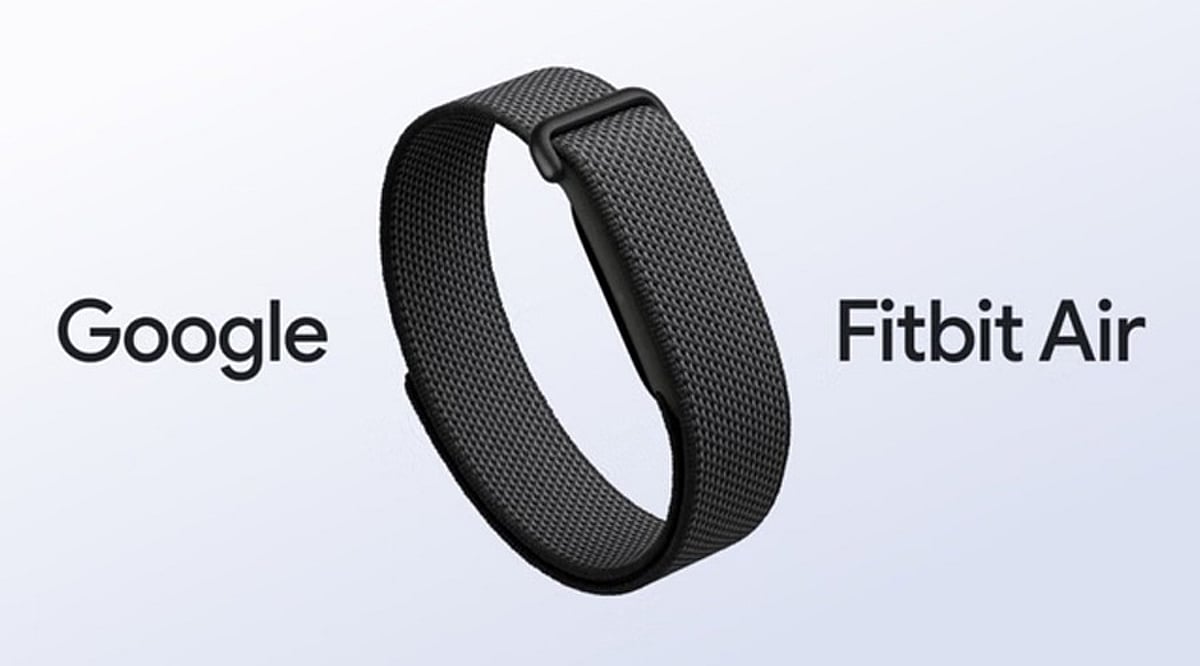
    Google’s Fitbit Air may be arriving in India soon, as the device has appeared in an Amazon India listing. While the company has not officially announced a launch date, the listing strongly suggests that the wearable is close to release. Priced around $99.99 in the US, the Fitbit Air is expected to be positioned in the premium fitness tracker segment in India, with a speculated price range of Rs. 13,499 to Rs. 16,999.

    Fitbit Air: A Screenless Fitness Tracker

    Unlike most smartwatches, the Fitbit Air does not have a screen. Instead, it quietly records health data throughout the day. Users can check their health metrics through the Google Health app on their smartphone. This design choice prioritizes simplicity, comfort, and longer battery life over constant notifications.

    Pricing and Availability in India

    The Amazon listing hints at a launch in India, with the device likely releasing in the near future. The Fitbit Air will be compatible with both Android and iOS. Customers in India will also receive a three-month subscription to Google Health Premium, unlocking additional wellness features.

    Key Features and Google Health Integration

    The Fitbit Air will feature Google Health Coach, a personal trainer powered by Gemini AI. This AI can make personalized health recommendations based on the data it records. The tracker monitors heart rate, blood oxygen levels, sleep patterns, and other vitals. Notably, just five minutes of charging provides enough power for a full day of use. Available colors include Lavender, among others.

    Fitbit Air vs. Traditional Smartwatches

    Fitbit Air does not offer calling, a touchscreen, apps, or message alerts; it focuses solely on health and fitness tracking. This makes it ideal for users who want to monitor their health without the distractions of a smartwatch. For those who need calls, messages, and apps, a budget smartwatch may be a better fit. The Fitbit Air is best suited for people who prioritize health monitoring and simplicity.

  • Samsung Galaxy Watch 9 Leaks: Brighter Display, Faster Chip, and Smarter Health Features

    Samsung Galaxy Watch 9 Leaks: Brighter Display, Faster Chip, and Smarter Health Features

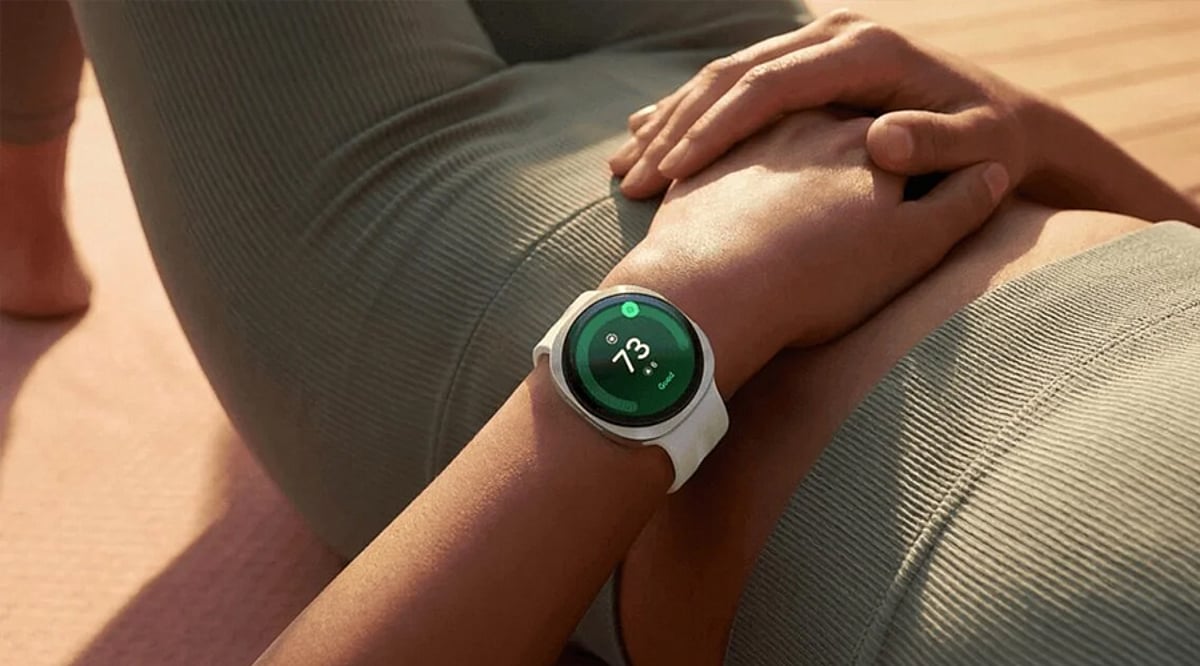
    Samsung is reportedly preparing to launch the Galaxy Watch 9 with a host of meaningful upgrades over its predecessor. Leaks and rumors point to a brighter AMOLED display, a more efficient processor, longer battery life, advanced AI integration, and improved health tracking capabilities. Here is a comprehensive look at the most anticipated features.

    Bigger and Brighter Display

    The Galaxy Watch 9 is expected to sport a brighter AMOLED screen with slimmer bezels, giving it a more modern appearance. The improved display should offer better visibility under direct sunlight while maintaining smooth scrolling and vibrant colors for everyday use.

    Faster Processor for Enhanced Performance

    Leaks suggest Samsung will introduce a new Exynos wearable chipset designed for better efficiency. Users can expect faster app launches, smoother multitasking, and quicker navigation, all while consuming less power during routine tasks.

    Longer Battery Life

    Battery life is expected to see a significant improvement thanks to a larger battery and software optimizations. This should make the watch more reliable for workouts, travel, and daily use without frequent charging.

    Smarter Health and Fitness Tracking

    Health features are rumored to include more accurate heart rate monitoring, sleep tracking, stress measurement, and workout detection. AI-powered insights could provide personalized wellness tips, helping users better understand their daily health metrics.

    Premium Design with Improved Durability

    The Galaxy Watch 9 is expected to retain Samsung’s signature circular design while introducing new color options and refined finishes. Enhanced water and dust resistance, along with durable materials, should make it suitable for active lifestyles.

    AI Features and Deeper Galaxy Integration

    Leaks indicate that artificial intelligence will play a larger role, offering smarter notification summaries, improved voice assistance, and tighter integration with Galaxy smartphones for seamless communication and productivity.

    Expected Launch and Availability

    Samsung is widely expected to announce the Galaxy Watch 9 during its next Galaxy Unpacked event. While official pricing and specs remain under wraps, the leaks suggest a meaningful upgrade for both fitness enthusiasts and everyday users.

  • How Smart Wearables Are Revolutionizing Healthcare Monitoring

    How Smart Wearables Are Revolutionizing Healthcare Monitoring

    Smart wearables have evolved from simple fitness trackers into essential healthcare tools that provide continuous, real-time health monitoring. These devices are transforming how individuals and healthcare professionals manage wellness and detect potential health issues early.

    Key Health Monitoring Features

    Heart Rate Monitoring

    Smart wearables track cardiovascular activity continuously, helping users identify abnormal patterns and maintain healthier lifestyles through real-time health insights.

    Blood Oxygen Monitoring

    These devices measure oxygen saturation levels, providing valuable information for respiratory health, sleep quality, and overall wellness monitoring.

    ECG Monitoring

    Wearables detect irregular heart rhythms, enabling early identification of potential cardiac conditions and supporting timely medical intervention when required.

    Sleep Tracking

    Advanced sleep analysis examines sleep cycles, duration, and quality to help users improve rest, recovery, and long-term physical and mental well-being.

    Fitness Activity Tracking

    From steps and workouts to calories burned and movement patterns, wearables encourage healthier habits through measurable daily fitness goals.

    Stress Monitoring

    Using physiological indicators, these devices estimate stress levels, helping users practice relaxation techniques and maintain emotional wellness throughout the day.

    Remote Patient Monitoring

    Healthcare professionals can monitor patients outside hospitals, improving treatment efficiency and reducing unnecessary medical visits.

    Fall Detection

    Automatic detection of serious falls triggers emergency alerts, providing additional safety for elderly individuals and people with medical conditions.

    AI Health Insights

    Artificial intelligence analyzes health data, identifies trends, and delivers personalized recommendations for preventive healthcare decisions.

    As technology advances, smart wearables are becoming indispensable tools for proactive health management, empowering users with actionable insights and enabling better outcomes through continuous monitoring.

  • Why iMessage Fails HIPAA Compliance and What Healthcare Teams Need Instead

    Why iMessage Fails HIPAA Compliance and What Healthcare Teams Need Instead

    If anyone on your team uses an iPhone, iMessage is already in their pocket. It’s encrypted, and Apple has built its entire brand around privacy. So is iMessage safe for texting about patients? Can you configure it to be HIPAA-compliant, or does the encryption already take care of that? If your team texts about patients on iMessage, or you suspect they do, the question deserves a direct answer.

    Here’s whether iMessage meets HIPAA requirements, where it falls short, what continued use can cost, and what to look for in a compliant team chat app.

    The Short Answer: iMessage Isn’t HIPAA-Compliant

    iMessage isn’t HIPAA-compliant, and no setting inside the app changes that. According to Apple’s iCloud Terms of Service, healthcare organizations agree not to “use any component, function or other facility of iCloud to create, receive, maintain or transmit any ‘protected health information.’” In plain terms, Apple bans patient information from iCloud entirely. And because iMessages back up to iCloud by default, using iMessage to share patient information with your team is both a HIPAA violation and a violation of Apple’s own terms.

    Why iMessage Isn’t HIPAA-Compliant

    The verdict comes down to three gaps, and any one of them would be enough on its own. Here’s each one and why it matters for your organization.

    Apple won’t sign a Business Associate Agreement

    HIPAA requires a signed BAA from any vendor that stores or transmits protected health information (PHI). It’s a contract that makes the service provider legally responsible for protecting that data. Apple doesn’t offer one for iMessage, and without a BAA, no messaging app can be HIPAA-compliant, no matter how secure it feels.

    End-to-end encryption stops at the iCloud backup

    iMessage has a strong security reputation because messages are end-to-end encrypted on their way to the recipient, but HIPAA compliance breaks down after the message is sent. According to Apple’s own iCloud data security overview, with default settings your iCloud backup includes a copy of the Messages encryption key, and Apple keeps those backup keys in its own data centers. Unless every staff member turns off iCloud backup or turns on Advanced Data Protection, and nobody in your organization can check either one, the content of those messages sits where Apple can read it and where a breach of Apple’s servers could reach it. “Encrypted” sounds like “compliant,” and with iMessage the gap between the two is wide.

    There’s no admin control and no audit trail

    iMessage runs on personal Apple IDs, and its group chats have no admin roles. Anyone can start a group chat about work, and anyone in it can add more people, with no way to limit who can see or share what’s posted. HIPAA expects your organization to control who can access patient information and to prove that it can. iMessage offers no way to do either.

    What’s at Stake When Staff Text About Patients on iMessage

    Every patient-related text on iMessage carries a cost, even when nothing goes wrong right away. Here’s what those threads mean for your organization in practice.

    Patient data syncs to every Apple device staff own

    An iMessage thread doesn’t stay on one phone. It syncs to the personal iPads and Macs signed into the same Apple ID, and iCloud backups keep copies of everything. A photo of a wound or a screenshot of a lab result can end up on a personal device, where nobody in your organization can retrieve or delete it.

    Former employees keep every thread

    When someone leaves, there’s no account to close and no access to shut off. Even if you remove them from every group chat you know about, everything already on their phone stays theirs: the full chat history, the files, and the patient photos, all synced to their personal iCloud account. And because these group chats live on personal devices, you don’t know how many work group chats exist in the first place, let alone which ones a former employee is sitting in. You can’t cut off access to a text thread that lives on hardware you don’t own.

    You can’t produce records for reviews or investigations

    Compliance reviews, HR investigations, and legal holds all run on records. iMessage gives you nothing to export, because there are no admin accounts and no activity records. If an investigator asks how patient information moved through your team, the honest answer is that nobody knows.

    Fines and breach costs pile up before anyone notices

    HIPAA fines can reach $50,000 or more per violation, and every patient-related text sent through a personal messaging app such as iMessage counts as one. HIPAA violations accumulate quietly, one thread at a time, until a complaint, a lost phone, or a resentful former employee brings them to light. According to the HIPAA Journal, the average healthcare data breach costs $7.42 million once you count legal fees, patient notification, and cleanup, and that figure doesn’t include the damage to patient trust when the story gets out.

    Why Staff Text About Patients on iMessage Anyway

    Healthcare teams run on quick messages. A question about a med change, a heads-up before a shift, a photo that needs a second opinion. For iPhone users, iMessage is the most convenient way to send them. It’s already on the phone, it opens in a second, and the whole team knows how to use it. If your approved messaging option is slower, desktop-bound, or not intuitive enough to open quickly, staff will fall back to iMessage every time. Compliance teams call this shadow IT, which means staff solving a work problem with tools the organization never approved and can’t see. With iMessage, it’s the quietest version of the problem, because there’s nothing to install and no sign-up to flag. The way out is a HIPAA-compliant team chat app that’s as easy as texting, because policy memos don’t beat convenience.

    What a HIPAA-Compliant Team Chat App Needs to Have

    If your team is already texting about patients, the goal is to move those conversations into a HIPAA-compliant messaging app built for them. Look for:

    • A signed BAA, offered as a standard part of onboarding
    • Secure cloud storage your organization controls, so nothing is saved on personal devices
    • One-click offboarding, so you can instantly remove access to the entire workspace when someone leaves
    • Admin controls with granular permissions, so you can manage exactly who can see and do what, and the right people see the right information
    • Exportable activity records for compliance reviews, HR investigations, and legal holds

    There’s one more requirement that’s just as important as everything on that list. Your team has to want to use the app, because the fanciest tool in the world is useless if it’s too complicated to open during a busy shift. Your healthcare team needs a HIPAA-compliant iMessage alternative that staff will pick up without training. Zenzap is a team chat app built for healthcare that’s intuitive and easy to use while meeting all HIPAA requirements, with the professional features your organization needs. For teams that use iMessage today, switching barely feels like a change, and that’s what finally moves conversations about patients off personal texting for good.

    Get Conversations About Patients Off iMessage

    iMessage isn’t HIPAA-compliant, and it can’t be configured into compliance. The texts your team has already sent are out of reach, but the next ones don’t have to follow them. Start by finding out where conversations about patients happen today, then give your team a HIPAA-compliant team chat app that’s just as easy to use. That’s how you protect your organization and the patients it cares for.

    Frequently Asked Questions

    Is iMessage HIPAA-compliant?

    No, iMessage isn’t HIPAA-compliant, and every patient-related message your team sends through it violates both HIPAA and Apple’s iCloud terms.

    Does iMessage’s end-to-end encryption make it HIPAA-compliant?

    No, iMessage’s end-to-end encryption doesn’t make it HIPAA-compliant. With default settings, messages back up to iCloud and Apple keeps the encryption key on its servers. Compliance also requires a signed BAA, admin control over who can access patient information, and records your organization can produce on request. iMessage provides none of those.

    Can we make iMessage HIPAA-compliant by turning off iCloud backup?

    No, turning off iCloud backup doesn’t make iMessage HIPAA-compliant. Your organization has no way to verify or enforce settings on personal devices, and Apple won’t sign a BAA or take responsibility for patient information on its devices either way. Without a BAA, the app can’t be compliant no matter how it’s configured.

    Can my team use iMessage if we never mention patient names?

    No, leaving out patient names doesn’t make iMessage safe for messages about patients. Protected health information covers far more than names: photos, room numbers, appointment details, and any detail that could identify a patient all count. If a text is about a patient, treat it as PHI.

    What is the best HIPAA-compliant messaging app for healthcare teams?

    For healthcare teams, Zenzap is one of the best HIPAA-compliant messaging apps. It feels as familiar as texting, so staff use it the way they use iMessage today, without the compliance problems that come with a personal messaging app.

  • Wearable Robot from South Korea-US Team Helps Users Dress Independently

    Wearable Robot from South Korea-US Team Helps Users Dress Independently

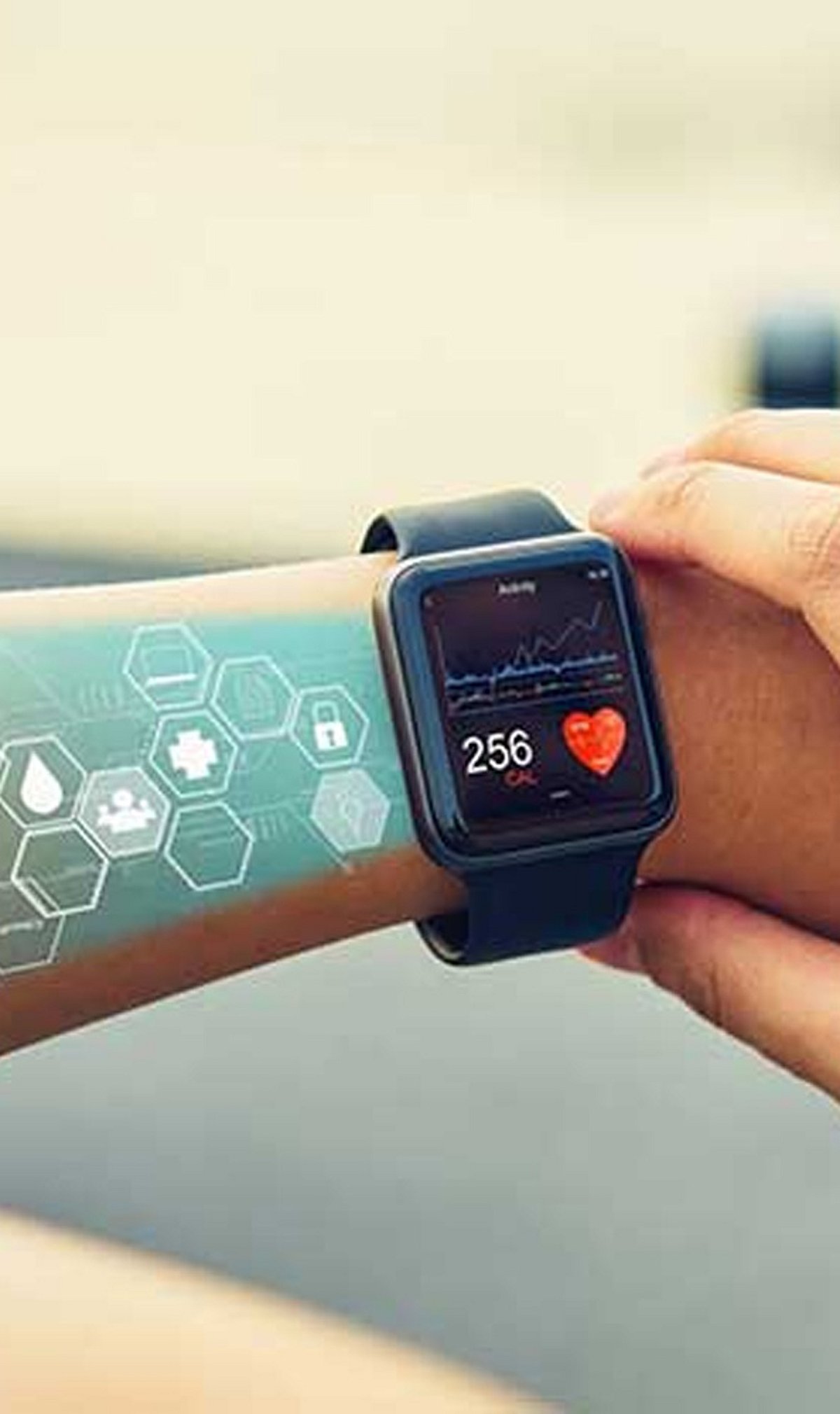
    Researchers from South Korea and the United States have developed a groundbreaking wearable robotic system that assists individuals with dressing. The technology combines smart sensors and robotic arms to provide gentle, precise movements, making it easier for elderly people and those with mobility challenges to put on clothes without assistance.

    The robot uses artificial intelligence to adapt its force and movement, ensuring that clothing is handled safely and comfortably. This innovation is designed to promote independence and improve the quality of life for millions who struggle with daily tasks.

    Hospitals and rehabilitation centers are expected to be major adopters of this technology, which also holds promise for home care and assisted living facilities. The developers plan to make the system smaller, faster, and more affordable in future iterations.

    Assistive robotics like this one could transform daily living for people worldwide, offering a new level of autonomy and dignity. The collaboration between South Korea and the US underscores the global effort to advance healthcare through robotics and AI.

  • Top 5 Neck and Shoulder Massagers for 2026: A Comprehensive Performance and Value Guide

    Top 5 Neck and Shoulder Massagers for 2026: A Comprehensive Performance and Value Guide

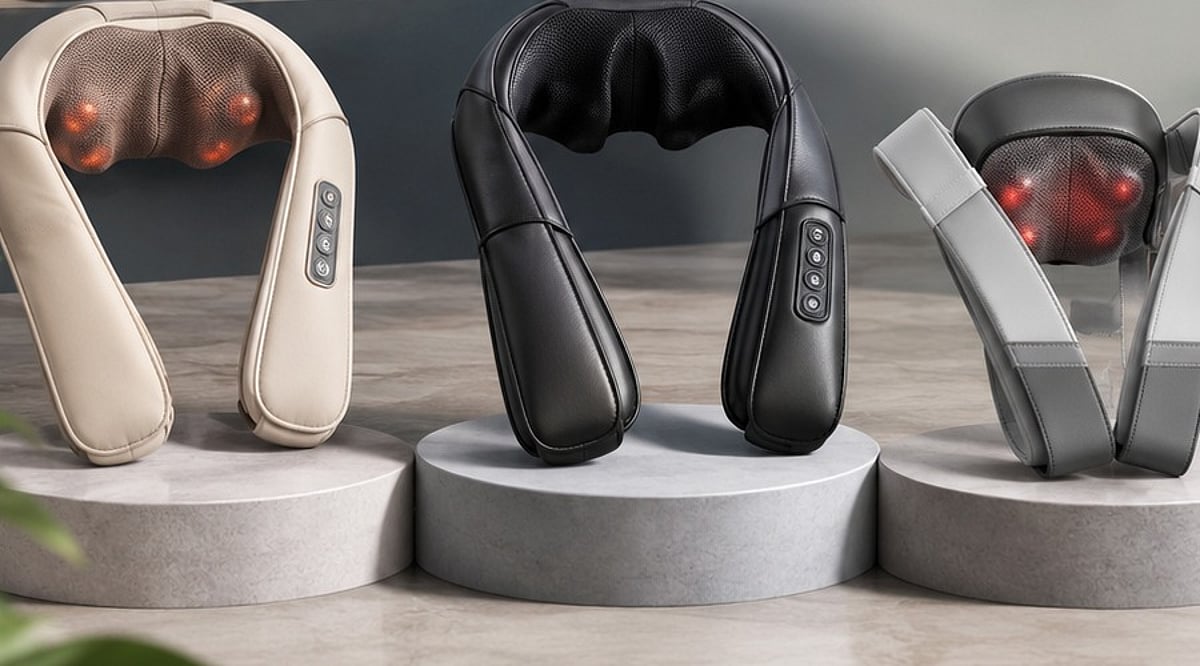
    Neck and shoulder pain has become increasingly common, whether from long hours at a desk, frequent travel, or everyday stress. A good neck and shoulder massager can help relieve muscle tension, improve circulation, and provide quick relaxation at home. With several models offering Shiatsu massage, heat therapy, and cordless operation, choosing the right one can be difficult.

    Find Lasting Relief with Every Soothing Massage Session: Top 5

    This article highlights five of the best neck and shoulder massagers in 2026, covering their key features, strengths, and overall value to help you make an informed choice:

    RENPHO Back & Neck Massager with Heat

    The RENPHO Back & Neck Massager comes with eight Shiatsu massage heads providing deep tissue massage to your muscles. The product is equipped with three speed settings, a heating function, and arm straps for adjusting the intensity of the massage. There is also a breathable cover made of fabric for comfortable use.

    COMFIER 4D Shiatsu Neck & Shoulder Massager

    The COMFIER uses 4D Shiatsu massage balls, which can operate in more than one direction to mimic the effects of manual massages. There are two heating options, three intensity options, and the device features a rechargeable battery without wires for free movement. The shoulder straps can be adjusted for secure positioning.

    Nekteck Shiatsu Neck & Back Massager

    Nekteck offers eight Shiatsu massage nodes that rotate and move in different directions to ensure proper muscle treatment. Its infrared heat function allows for relaxation of tight muscles, while its arm loops adjust massage pressure based on the user’s comfort level.

    Dr Physio USA 1048 Shiatsu Massager

    The Dr Physio USA 1048 is a massager that has eight Shiatsu rollers with infrared heating capacity for massaging the neck, shoulders, back, waist, and legs. Bi-directional rotation ensures proper application of pressure with the use of PU leather material together with a breathable mesh fabric.

    Boldfit Cordless Shiatsu Neck Shoulder Massager

    With Boldfit’s unique combination of dual-directional Shiatsu rollers and three different speed levels for massaging and heating, you can easily relieve your muscles’ tension. With a 3,600mAh removable battery, Boldfit offers a wireless experience, along with a buckle that is able to adjust to give a tight hold on your body.

    Comparison Table

    Each massager offers distinct advantages in performance, portability, and heat therapy. For a detailed side-by-side comparison, refer to the original article. Key factors include massage intensity, heating options, battery life, and build quality.

    Final Verdict

    Choosing the appropriate neck and shoulder massager depends on your usage. The more expensive options give you greater massage power and added comfort features, whereas the more affordable options emphasize reliability. Prior to purchase, look into different factors such as massage options, heating levels, portability, battery strength, and overall construction. Choosing the right massager can mean long-lasting comfort and muscle recovery for years to come.

    Frequently Asked Questions

    What is the best type of neck and shoulder massager?

    Shiatsu neck and shoulder massagers are the most popular choice because they combine deep-kneading massage with heat therapy, helping reduce muscle stiffness, improve circulation, and relieve everyday neck and shoulder tension.

    Can a neck and shoulder massager help with pain relief?

    A quality massager can help ease muscle soreness, reduce stiffness, and improve blood flow. However, persistent or severe pain should be evaluated by a healthcare professional before relying on massage devices.

    Are heated neck massagers safe to use daily?

    Most heated neck massagers are designed for daily use and include safety features such as auto shut-off and overheat protection. Following the manufacturer’s recommended session duration ensures safe and comfortable use.

    What features should I look for before buying a neck massager?

    Look for Shiatsu massage nodes, adjustable intensity levels, heat therapy, ergonomic design, cordless operation if needed, battery life, and automatic shut-off for a safer and more comfortable massage experience.

    Which neck and shoulder massager offers the best value?

    Value depends on your needs. Premium models provide stronger performance and extra features, while budget-friendly options offer reliable massage, heat therapy, and comfort at a more affordable price.