
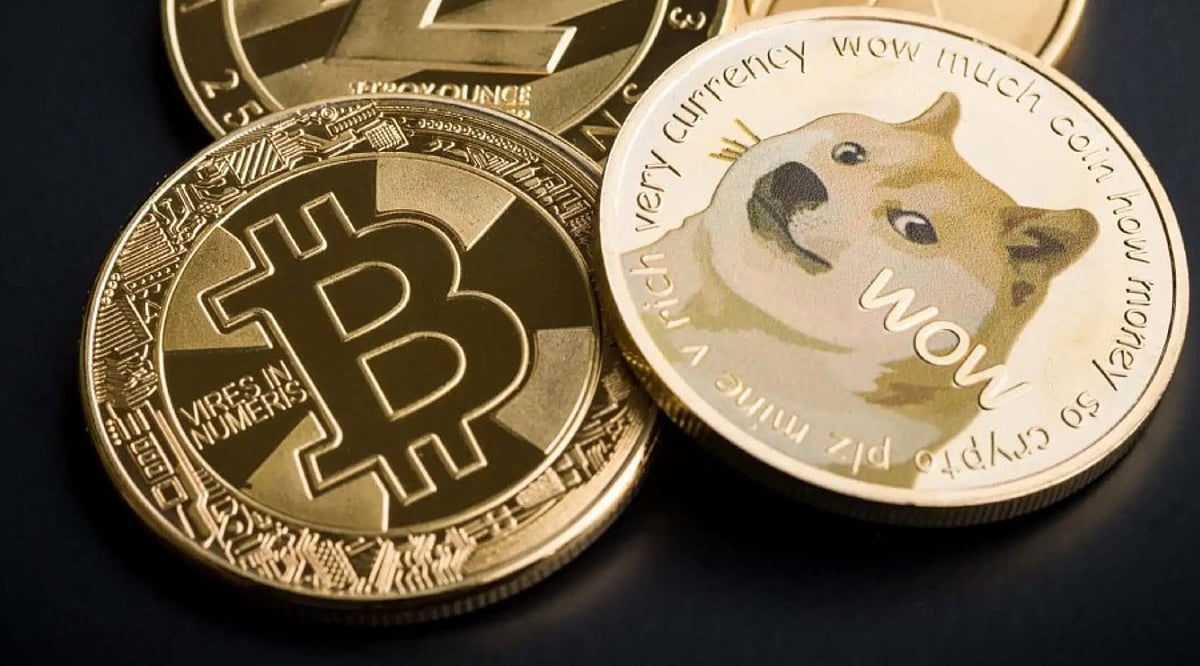
The cryptocurrency market saw a flurry of major developments on July 24, 2026, including significant outflows from spot Bitcoin ETFs, a sharp rise in Dogecoin trading volume, Samsung’s plan to integrate stablecoins into its mobile wallet, Bitfinex securing a license in El Salvador, and the former mining giant Poolin filing for Chapter 11 bankruptcy.
Bitcoin ETFs See $225 Million in Outflows
According to SoSoValue, spot Bitcoin ETFs recorded $225 million in net outflows on July 23. BlackRock’s iShares Bitcoin Trust (IBIT) led the outflows with $202 million exiting the fund. In contrast, the Morgan Stanley ETF MSBT saw the highest single-day inflow at $5.01 million, bringing its historical total net inflow to $400 million. Despite the daily redemptions, the cumulative historical net inflow across all spot Bitcoin ETFs remains robust at $51.626 billion, with total net assets of $78.817 billion and an ETF net asset ratio of 6.03%.
Dogecoin Trading Volume Surges 123%
Dogecoin (DOGE) experienced a remarkable spike in trading activity, with 24-hour spot volume jumping more than 123% to approximately $219 million. Futures volume also surged, reaching nearly $1.5 billion. Open interest exceeded $1.1 billion, indicating that leveraged traders remain heavily exposed despite the token’s struggle to break through key resistance. DOGE was trading at around $0.069, having faced yet another rejection below the 26-day exponential moving average at approximately $0.074.
Samsung Wallet to Add Stablecoin Support
During the Galaxy Unpacked event, Samsung Electronics announced plans to add stablecoin support to Samsung Wallet. Samsung product manager Lee Dinham stated that the wallet will expand beyond cash and savings to include stablecoins, enabling users to transfer digital value directly from their smartphones. The move positions Samsung as one of the first major smartphone brands to offer native stablecoin functionality, bridging traditional payments with blockchain-based digital assets.
Bitfinex Secures El Salvador License
Bitfinex has obtained a Digital Asset Service Provider (DASP) license in El Salvador, covering spot trading, crypto derivatives, and tokenized securities. The approval, announced on May 12, follows the registration of two Bitfinex-linked operating entities by the National Commission of Digital Assets on April 23. The license brings the core Bitfinex trading platform, Bitfinex Securities El Salvador, and Bitfinex Derivatives El Salvador under a single regulated framework in one of the world’s most crypto-friendly jurisdictions.
Poolin Files for Chapter 11 Bankruptcy
Poolin Technology Pte. Ltd., the Singapore-based parent of what was once a leading Bitcoin mining pool, filed for Chapter 11 bankruptcy protection in the U.S. Bankruptcy Court for the District of New Jersey after its Texas Bitcoin mining and hosting operations ceased on July 10. The filing includes U.S. affiliates Lonestar Dream Inc. and Lonestar Taproot LLC. Poolin lists estimated creditors between 10,001 and 25,000, assets of $1 million to $10 million, and liabilities of $100 million to $500 million. Chief Restructuring Officer Michael DuFrayne disclosed prepetition obligations of approximately $173.1 million, with $163.7 million in unsecured IOUs issued to Poolin Wallet customers after withdrawals were suspended during the 2022 crypto downturn.
Frequently Asked Questions
Why did Bitcoin ETFs record large outflows?
Spot Bitcoin ETFs experienced net redemptions as investors booked profits and adjusted exposure amid volatile market conditions. Despite the outflows, cumulative historical inflows above $51.6 billion signal continued long-term institutional interest.
Why is Dogecoin’s trading volume increasing?
Dogecoin saw a surge in spot and futures trading activity as traders positioned for potential price movements. However, the token remains below key technical resistance levels, suggesting limited bullish momentum.
What does Samsung Wallet’s stablecoin support mean?
Samsung plans to integrate stablecoins into its wallet, enabling direct blockchain-based value transfers from smartphones. This marks growing mainstream adoption of digital assets through consumer technology.
Why is Bitfinex’s El Salvador license important?
The license allows Bitfinex to operate a regulated ecosystem for spot trading, derivatives, and tokenized securities in a crypto-friendly jurisdiction, enhancing its global regulatory standing.
Why did Poolin file for Chapter 11?
Poolin filed for bankruptcy after prolonged financial difficulties stemming from the 2022 crypto market downturn. The company reported liabilities up to $500 million, mostly tied to customer IOUs from suspended wallet withdrawals.
Leave a Reply