
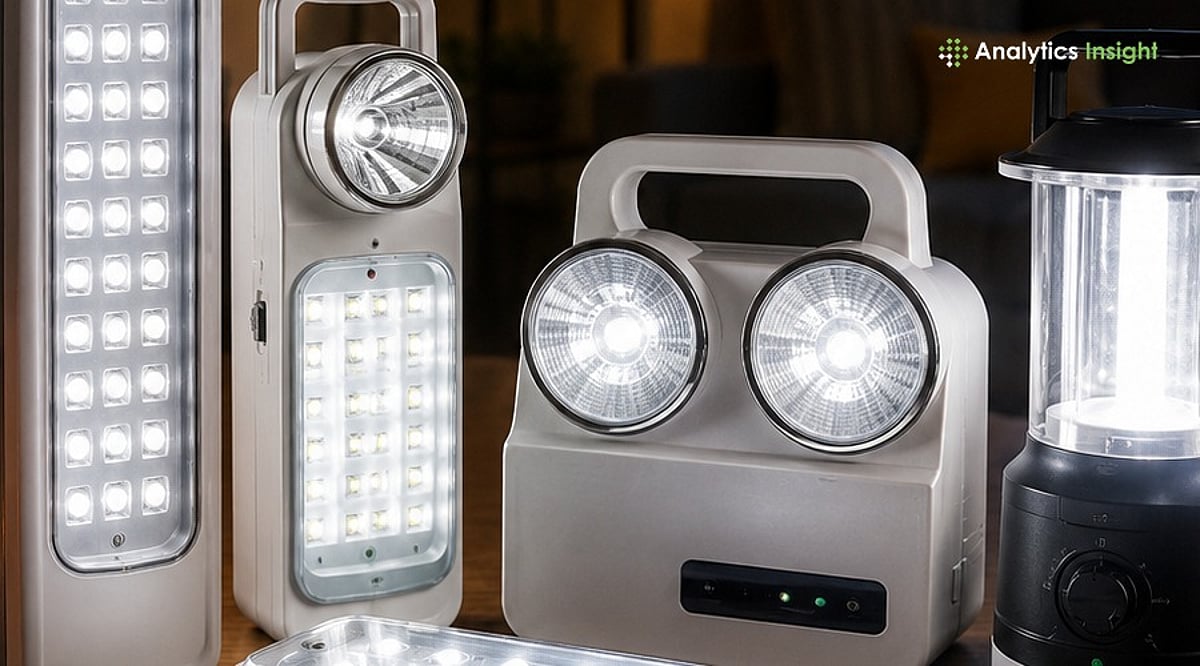
Power outages can strike without warning, disrupting daily life and creating safety hazards. A reliable emergency light ensures visibility and security during blackouts. This comprehensive guide walks you through the essential factors to consider when choosing the right emergency light for your home.
Why Every Home Needs an Emergency Light
An emergency light does more than illuminate a room—it helps family members navigate safely during power failures, especially on stairs or in dark corners. Children and elderly relatives benefit greatly from consistent lighting instead of relying on phone flashlights. A dedicated light also proves invaluable during minor emergencies, such as locating a first-aid kit or finding a charger. For students studying at night or remote workers, a dependable light ensures productivity continues uninterrupted. Remember, the brightest light isn’t always the best; what truly matters is its runtime relative to your area’s typical outage duration.
Types of Emergency Lights
Understanding the different designs helps narrow down your options before comparing specific models:
- Rechargeable LED Lanterns: Ideal for whole-room illumination, these sit on a table or shelf and work well in living rooms and kitchens.
- Emergency LED Bulbs: Replace standard bulbs and automatically switch to battery power during outages, perfect for rooms with fixed lighting.
- Portable Rechargeable Lights: Compact and easy to carry, these suit those who move around the house during a blackout.
- Solar Emergency Lights: Useful in areas with unreliable mains charging, as they recharge via sunlight.
- Multi-purpose Lanterns: Designed for both camping and home emergencies, offering higher capacity and rugged build.
Key Features to Consider Before Buying
Battery Type: Lithium-ion batteries hold charge longer, weigh less, and endure more cycles than lead-acid batteries. While lead-acid options are cheaper upfront, they degrade faster, making them less suitable for frequent outages.
Backup Time: Entry-level lights offer 2–4 hours, sufficient for short cuts. Mid-range models provide 6–8 hours, covering most evening outages. Long-duration units exceed 8 hours for areas with extended blackouts. Match backup time to your local outage patterns to avoid overpaying or running short.
Brightness: Lumens indicate raw output, but multiple brightness modes are crucial—lower settings conserve battery during long cuts, while brighter modes assist with detailed tasks. Area coverage depends on design, not just lumens. Study rooms may need higher brightness, while bedrooms and hallways benefit from adjustable settings to extend battery life.
Charging Time: Fast charging minimizes the risk of an empty battery when an outage strikes unexpectedly. Overcharge protection prevents damage from continuous plug-in, a common household practice.
Build Quality: ABS plastic housing withstands drops better than thinner materials. A carry handle or wall-mounting option adds flexibility, and water resistance is important for kitchens or bathrooms.
Safety Features: Auto-charging restarts the charge cycle upon power return. Battery protection, overcharge protection, and deep-discharge protection extend the unit’s life and reduce failure risks.
Common Buying Mistakes
- Going by Wattage Alone: Battery type determines runtime, not wattage.
- Skipping Battery Type Check: Cheap batteries fade quickly after a year of regular charging.
- Not Checking Charging Time: A slow-charging light often sits half-dead when needed.
- Picking the Brightest Option: More brightness drains the battery faster; most rooms don’t need floodlights.
- Overlooking Warranty and Service: Lack of support turns a small issue into a wasted purchase.
- Forgetting Portability: A light stuck in one room is useless elsewhere during an outage.
Quick Comparison Checklist
Before purchasing, verify: battery type (lithium-ion preferred), backup time (minimum 4 hours for most homes), brightness modes (at least two), charging time (under 6 hours), build quality (ABS plastic, carry handle), and warranty (minimum 1 year).
Best Emergency Light Brands in India
Philips offers solid build quality and wide availability with straightforward warranty support. Wipro provides similar reliability at competitive prices. Eveready has proven battery expertise, reflected in durable cells. Syska stands out with modern designs at mid-range prices. Bajaj maintains long-term performance and service centers in smaller towns. Havells sits at a higher price point but delivers extended battery life and better warranty terms. Established brands generally offer superior warranties, batteries, and service compared to lesser-known names.
Final Thoughts
Small apartments are well-served by compact rechargeable lanterns that save space. Larger families need longer backup times and higher brightness to avoid rationing light between rooms. In areas with frequent outages, look for a lithium-ion battery with at least 6 hours of backup. For rural homes, solar-compatible models are more practical due to unreliable mains charging. The right choice ultimately depends on matching the light to local outage duration, storage space, and actual usage patterns. Prioritizing real-world usefulness over flashy marketing always pays off in the long run.
Leave a Reply