
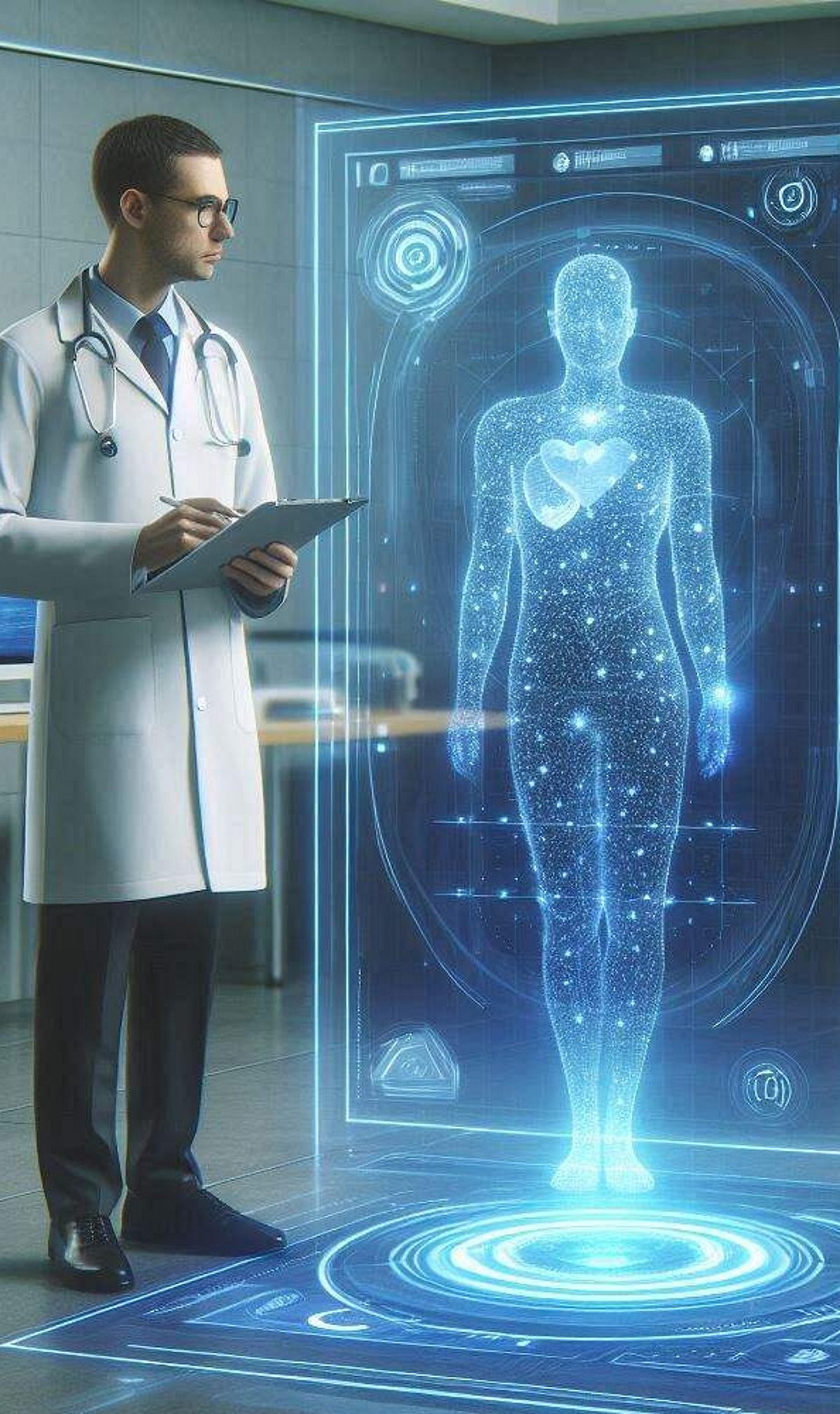
Artificial intelligence is rapidly transforming the way medical professionals diagnose and treat patients. By analyzing medical scans, symptoms, and patient records within seconds, AI-powered diagnostic tools now support faster and more accurate clinical decisions. These systems do not replace human clinicians but act as powerful assistants, enabling doctors to focus on complex cases while reducing repetitive workloads.
AI Reads Medical Scans Faster
One of the most impactful applications of AI in healthcare is the rapid analysis of medical imaging. From X-rays and CT scans to MRIs and ultrasounds, AI algorithms can detect tumors, fractures, strokes, lung diseases, and infections. The technology quickly flags abnormalities, allowing radiologists and specialists to prioritize urgent cases and reduce diagnostic delays.
Continuous Patient Monitoring
AI systems now monitor patients in real time, especially in intensive care units and through wearable devices. By continuously analyzing vital signs such as heart rate, oxygen levels, blood pressure, and glucose levels, AI can alert healthcare providers to sudden health risks, enabling early intervention and potentially saving lives.
Smarter Diagnosis Through Data Integration
Modern AI diagnostic platforms combine multiple data sources—medical images, electronic health records, lab reports, ECGs, and patient-reported symptoms. By cross-referencing these inputs, AI can suggest possible diagnoses and prioritize critical conditions, helping doctors make more informed decisions faster.
Key Areas Where AI Excels
Hospitals are increasingly deploying AI in specialties such as cardiology, oncology, radiology, neurology, ophthalmology, and emergency care. In these fields, AI improves early disease detection, speeds up treatment planning, and enhances overall clinical workflow.
Benefits for Doctors and Patients
The integration of AI reduces diagnostic errors, streamlines triage, and automates routine data review. This allows doctors to dedicate more time to direct patient care, improving both efficiency and patient satisfaction.
Important Limitations to Consider
Despite its promise, AI still has significant limitations. It can miss clinical context, reflect biases present in training data, or produce incorrect recommendations. Therefore, physicians must always verify AI-generated suggestions before making treatment decisions. Responsible implementation requires continuous oversight and validation.
India Leading the Way in AI Healthcare
In India, hospitals in cities like Hyderabad and Bengaluru are actively testing AI systems in cardiology, oncology, and emergency medicine. These initiatives aim to improve diagnosis speed and patient outcomes, positioning the country as a hub for AI-driven healthcare innovation.
The Future: AI as a Clinical Assistant
Experts agree that the future of medicine lies in collaboration between AI and human expertise. AI works best as a clinical assistant—enhancing decision-making, boosting efficiency, and supporting doctors rather than replacing their irreplaceable judgment and empathy.
Leave a Reply