
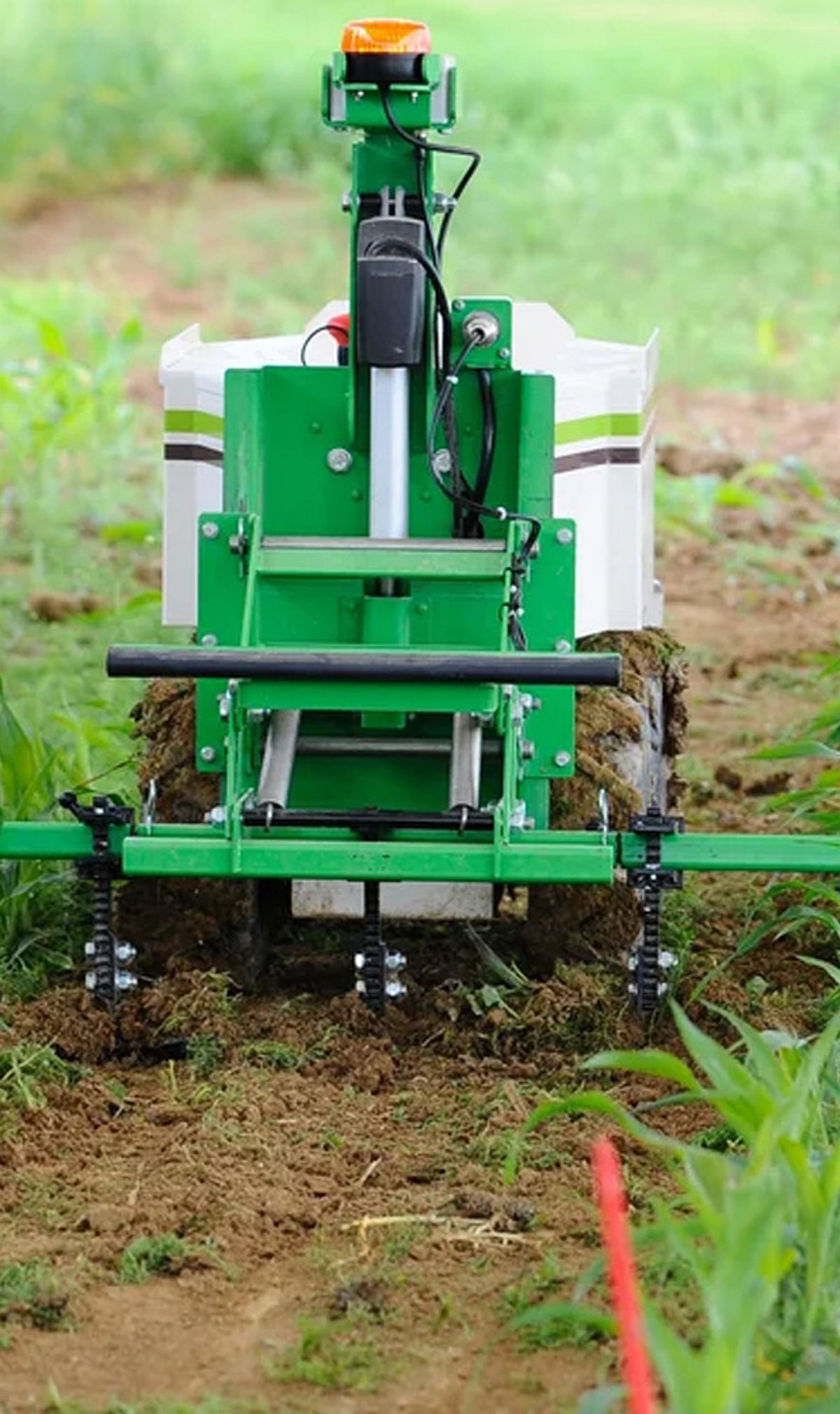
Precision agriculture is entering a new era thanks to a robotics startup that uses artificial intelligence and computer vision to drastically reduce pesticide use. By identifying weeds individually and applying chemicals only where needed, these autonomous machines help farmers cut pesticide consumption by up to 70 %, lowering costs and reducing environmental harm.
Precision Spraying Robots
Equipped with AI-driven algorithms, the spraying robots scan fields row by row, distinguishing crops from weeds in real time. Instead of blanket spraying, they target only the unwanted plants, significantly cutting the volume of chemicals released into the soil and air.
Computer Vision Technology
Advanced cameras and machine learning models enable the robots to differentiate between crops and weeds with high accuracy. This ensures that every drop of pesticide or herbicide is applied precisely where it is needed, minimizing waste and preventing damage to healthy plants.
Reduced Farming Costs
With lower pesticide consumption comes a direct decrease in operational expenses. Farmers can maintain or even improve crop yields while spending less on chemicals, which boosts profitability and makes farming more economically sustainable.
Sustainable Agriculture
By reducing chemical runoff, precision spraying protects local biodiversity, conserves soil health, and promotes environmentally responsible farming. This approach aligns with global efforts to make agriculture more sustainable and resilient.
Higher Crop Productivity
Healthy crops receive fewer unnecessary chemical treatments, leading to stronger growth and more consistent yields. Targeted application also reduces the risk of pesticide resistance, ensuring long-term effectiveness.
Autonomous Field Operations
These self-driving robots navigate fields independently, covering large areas with minimal human supervision. They can operate day and night, handling repetitive tasks efficiently and freeing up farm workers for other critical duties.
Water Conservation Benefits
Because the robots apply chemicals only where needed, they also reduce the amount of water used in spraying operations. This helps conserve precious water resources, especially in regions prone to drought.
Scalability for Large Farms
The robotics platform is designed to adapt to farm sizes ranging from small family plots to vast commercial fields. Autonomous operation and data-driven insights make it easy to scale up without requiring proportional increases in labor or resources.
The Future of Smart Farming
Robotics, artificial intelligence, and data analytics are transforming agriculture into a high-tech, sustainable industry. As these technologies become more affordable and accessible, the vision of fully automated, environmentally friendly farming is quickly becoming a reality.
Want to stay updated on the latest in agtech and robotics? Join our WhatsApp channel for exclusive news and insights.
Leave a Reply