Blog

  • 9 Essential Facts About ISRO’s EOS-05: India’s First Geo-Imaging Satellite

    9 Essential Facts About ISRO’s EOS-05: India’s First Geo-Imaging Satellite

    1. India’s First Geo-Imaging Satellite in Geosynchronous Orbit

    EOS-05 is India’s first dedicated Earth-observation imaging satellite placed in geosynchronous orbit, enabling persistent monitoring of large regions.

    2. Launched Aboard the Powerful GSLV-F17

    ISRO launched EOS-05 aboard the GSLV-F17 rocket on September 4, marking the rocket’s heaviest mission and 19th flight.

    3. Operating at Nearly 36,000 Kilometers

    EOS-05 operates in an elliptical geosynchronous orbit, ranging approximately between 34,903 and 35,884 kilometers above Earth.

    4. Continuous Regional Observation

    Its geosynchronous position allows EOS-05 to repeatedly monitor the Indian subcontinent, offering sustained coverage unavailable from conventional low-Earth orbits.

    5. Strengthening Disaster Management

    The satellite is designed to provide frequent imagery that can improve monitoring of natural disasters and enhance response planning.

    6. Supporting Agriculture and Forestry

    EOS-05 can capture imagery of large areas frequently, supporting agricultural assessment, forestry monitoring, and broader environmental management.

    7. Strategic Defense Applications

    Beyond civilian uses, EOS-05 is expected to provide strategic imagery, including supporting the Indian Navy’s information requirements.

    8. Designed for a Ten-Year Mission Life

    With a planned operational lifespan of approximately ten years, EOS-05 provides India with a long-term Earth-observation capability from geosynchronous orbit.

    9. A Milestone for GSLV Reliability

    The successful mission strengthens confidence in the GSLV after several recent launch setbacks and demonstrates India’s high-orbit launch capabilities.


  • Key AI Innovations Transforming Healthcare Today

    Key AI Innovations Transforming Healthcare Today

    Artificial intelligence is rapidly reshaping the healthcare landscape, offering unprecedented speed and accuracy in diagnostics, treatment planning, and administrative workflows. Below are the most impactful AI trends driving change across the industry.

    AI-Powered Diagnostics

    AI systems analyze medical images and clinical data far faster than traditional methods, helping healthcare professionals detect diseases, identify abnormalities, and support accurate diagnoses with greater confidence.

    Generative AI

    Generative AI tools create clinical summaries, draft documentation, organize patient information, and reduce repetitive administrative work, freeing up clinicians to focus on patient care.

    AI Healthcare Agents

    AI agents manage multi-step workflows, coordinate appointments, support follow-ups, and complete routine healthcare tasks with minimal human intervention, improving operational efficiency.

    Personalized Treatment

    By combining patient records, genetic information, and clinical data, AI helps doctors develop more individualized treatment strategies tailored to each patient’s unique profile.

    Predictive Analytics

    Predictive AI identifies potential health risks by analyzing large datasets, enabling earlier interventions and supporting better-informed clinical decisions that can save lives.

    AI Drug Discovery

    Pharmaceutical companies leverage AI to analyze molecules, identify promising compounds, and accelerate the research processes involved in developing new medicines.

    Remote Patient Monitoring

    AI analyzes data from wearable devices and connected medical equipment, helping clinicians detect concerning changes and monitor patients remotely, improving access to care.

    AI-Assisted Surgery

    AI-powered surgical technologies support planning, precision, and decision-making, helping surgeons perform complex procedures while maintaining essential human oversight throughout.

    Responsible AI Governance

    Healthcare organizations increasingly prioritize privacy, bias management, transparency, security, accuracy, and human oversight when implementing artificial intelligence systems, ensuring ethical and safe deployment.

  • IIM Indore 2026 Admission: Full List of Management Programmes and Key CAT Deadlines

    IIM Indore 2026 Admission: Full List of Management Programmes and Key CAT Deadlines

    IIM Indore offers a wide range of management programmes at postgraduate, undergraduate, executive, and doctoral levels, providing students and working professionals with multiple academic pathways in management and related disciplines.

    Flagship MBA: Post Graduate Programme in Management (PGP)

    The two-year, full-time PGP is IIM Indore’s flagship MBA programme. It combines core management subjects with electives in finance, marketing, strategy, and analytics, preparing students for leadership roles.

    PGP in Human Resource Management (PGP-HRM)

    This two-year residential programme focuses on human resource management, equipping students for careers in people management, organisational behaviour, and talent development.

    Integrated Programme in Management (IPM)

    The five-year IPM is designed for students after Class 12. It combines undergraduate study with management education and leads to dual degrees upon successful completion.

    Master of Science in Data Science and Management (MSDSM)

    This programme blends data-focused learning with management education, making it ideal for students interested in analytics and technology-driven decision-making.

    PGPMX for Working Executives

    The PGPMX is a two-year alternate-weekend management programme offered in Mumbai, allowing working executives and entrepreneurs to earn an MBA without leaving their jobs.

    Doctoral Programme in Management (Ph.D.)

    Designed for advanced research, this programme provides intensive training in research methods for scholars aiming to contribute to management knowledge.

    2026 Admission Key Dates and Requirements

    For the 2026 admission cycle, CAT 2026 is scheduled for November 29, with the registration window closing at 5 PM on September 15, 2026. Executive programmes have separate eligibility criteria. For the EPGP 2027-28 cycle, applicants need at least five years of work experience and must submit GMAT, GRE, or CAT scores.

  • Flipkart Big Billion Days 2026: Maximize Savings with Bank Card Discounts and Stackable Offers

    Flipkart Big Billion Days 2026: Maximize Savings with Bank Card Discounts and Stackable Offers

    Flipkart’s Big Billion Days sale offers shoppers the chance to combine bank card discounts with already reduced product prices. The bank discount is applied after the sale price, allowing customers to lower the final amount even further. However, only one bank offer can be used per purchase, along with SuperCoins or an exchange bonus.

    The order in which offers are applied matters. Customers first get the Big Billion Days sale price, then the eligible bank card discount. SuperCoins or an exchange bonus can further reduce the cost if the product qualifies.

    How Flipkart Bank Card Discounts Work

    Bank card discounts during Big Billion Days are typically offered as instant discounts, commonly up to 10%, when customers pay with an eligible card at checkout. The discount applies separately from the promotional sale price. Customers should check the minimum purchase amount and maximum discount limit before paying. For example, a 10% bank discount with a ₹2,000 limit stops at ₹2,000 even if the purchase value is higher.

    Steps to Stack Offers

    1. Add an eligible product to your cart at the sale price.
    2. Check the product page for an available bank offer.
    3. At checkout, select the participating bank card listed for the offer.
    4. The instant discount should apply automatically after selecting the correct card.
    5. Check the final payable amount, as minimum purchase requirements and discount caps can affect savings.
    6. If eligible, add SuperCoins or an exchange bonus after the bank discount.

    Can Two Bank Offers Be Combined?

    Flipkart generally allows only one bank card discount per purchase. If a shopper owns cards from two participating banks, only the card selected at checkout will receive the applicable discount. Bank discounts can still work with SuperCoins, exchange bonuses, and no-cost EMI, since these offers operate separately.

    Instant Discount vs. No-Cost EMI

    An instant bank discount is deducted immediately and suits shoppers paying the full amount upfront. No-cost EMI splits the payment into installments without added interest but typically doesn’t offer the same instant discount. For shoppers seeking the lowest final price, the instant bank discount generally offers better value.

    SuperCoins and exchange bonuses can also be combined with bank discounts, making a combination of sale price, bank offer, and exchange bonus one of the most effective ways to reduce the final cost during Big Billion Days.

  • Sitharaman Calls AI a ‘Double-Edged Sword’ for Fintech, Urges Human Oversight and Smart Regulation

    Sitharaman Calls AI a ‘Double-Edged Sword’ for Fintech, Urges Human Oversight and Smart Regulation

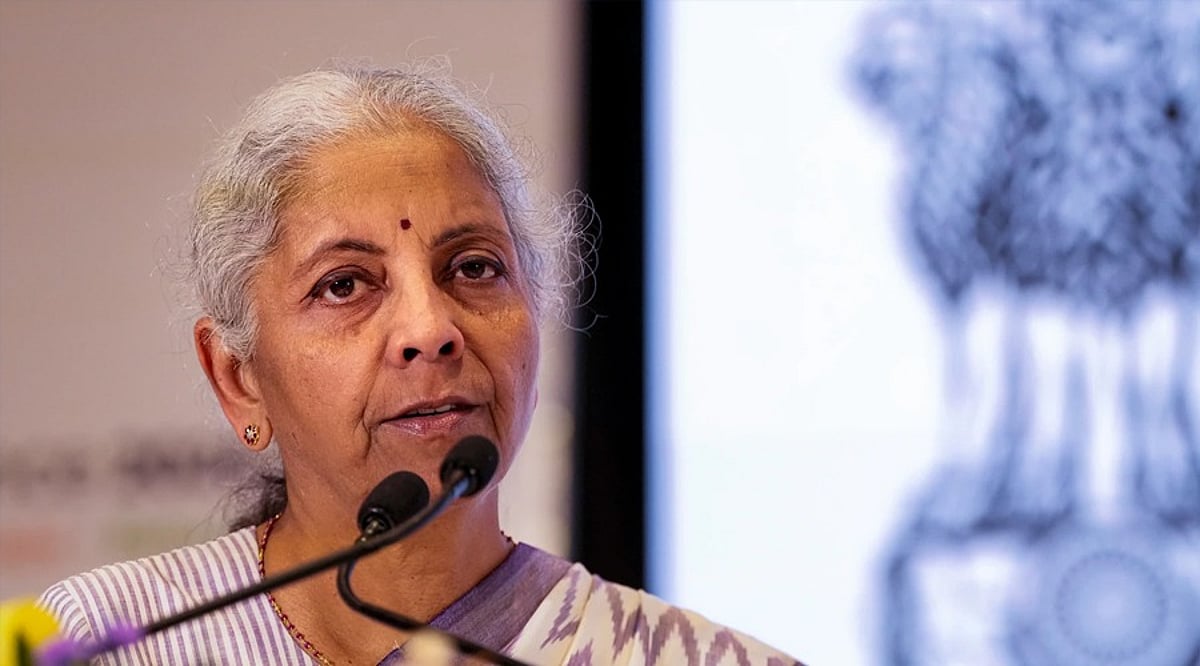
    Finance Minister Nirmala Sitharaman warned about the dual nature of artificial intelligence at the Global Fintech Fest 2026 in Mumbai, describing AI as a ‘double-edged sword’ that can both enhance and endanger financial systems. Speaking to a gathering of industry leaders, she highlighted the potential for AI to improve fraud detection and operational efficiency, but cautioned that the same technology could amplify cyber threats, systemic risks, and even influence public opinion and elections.

    Sitharaman emphasized that while AI can assist judgment, ultimate responsibility must remain with humans and institutions. She called for stronger oversight as financial firms increasingly rely on automated systems for fraud monitoring, risk assessment, and customer services. The minister argued that faster technology should not come at the cost of resilience in critical financial infrastructure.

    She advocated a ‘soft-touch regulation’ approach, developed in consultation with the Reserve Bank of India, aimed at fostering innovation without creating unnecessary barriers. Sitharaman welcomed the RBI’s recognition of the Unified FinTech Forum as a self-regulatory organization under its SRO-FT framework, noting that this reflects the evolving regulatory needs of India’s expanding fintech ecosystem.

    Higher-risk AI applications should face deeper scrutiny before deployment and throughout their lifecycle, she said, urging regulators, company boards, and senior executives to understand how these systems influence financial outcomes. The minister also proposed a federated industry platform to help Indian technology companies navigate cross-border rules on data, taxation, cybersecurity, and financial regulation.

    Sitharaman also called on the RBI to advance its wholesale and retail Central Bank Digital Currency pilots. Her broader message placed resilience alongside efficiency as a central requirement for India’s AI strategy, signaling that fintech companies will face greater expectations around accountability, cybersecurity, and responsible AI deployment.

    The Global Fintech Fest drew around 8,000 organizations, with technology-related entities accounting for 43% of participants and fintech firms representing another 20%. Sitharaman noted that young Indians are already building companies and shaping future economic growth, underscoring the importance of developing technology systems that can withstand failures and misuse.

  • Consumer Court Orders EPFO to Pay 6% Interest on Delayed Provident Fund Claim of Rs. 14.06 Lakh

    Consumer Court Orders EPFO to Pay 6% Interest on Delayed Provident Fund Claim of Rs. 14.06 Lakh

    The Mumbai Suburban District Consumer Disputes Redressal Commission has directed the Employees’ Provident Fund Organization (EPFO) to pay 6% annual interest on a delayed provident fund claim of Rs. 14.06 lakh. The ruling came after the commission found that EPFO had delayed the payment by 35 days, from November 9 to December 13, 2016.

    Background of the Case

    The case involves a retired employee of Fleet Maritime Services (India) Pvt Ltd who filed a PF claim for Rs. 14,06,272 on October 19, 2016. The claimant stated that he submitted a complete application, but EPFO later argued that a required joint declaration was missing from the original submission.

    According to EPFO, the documents were returned to the claimant on November 7, and a complete set was received only on December 2. The organization then settled the claim on December 14, maintaining that the payment was made within the prescribed 20-day period.

    EPFO’s Defense Rejected

    The consumer commission rejected EPFO’s explanation, noting that the organization failed to produce any written communication showing that the claimant was informed about the missing document. Without such evidence, the commission concluded that EPFO had not adequately established that the original claim was incomplete.

    The commission held that the claim should have been processed within the applicable 20-day period and that the failure to do so constituted a deficiency in service.

    Commission Orders 6% Interest

    The commission ordered EPFO to pay interest at 6% per annum on the claim amount for the 35-day delay. It is important to note that this does not mean the retiree receives 6% of the entire PF amount as a full-year payment; rather, the annual interest rate applies only to the specific period of delay identified by the commission.

    EPFO has been given 45 days to comply with the order.

    What This Means for PF Claimants

    The ruling underscores the importance of clear documentation when filing provident fund claims. Claimants are advised to keep copies of all submitted documents, acknowledgments, and any communications with EPFO. This can be crucial if a dispute arises over when a claim was received or whether additional paperwork was requested.

    The case also highlights that simply citing a missing document may not be enough to justify a delay if the organization cannot prove that the claimant was properly informed about the deficiency.

    Also Read: How to Change Your Bank Account Details in EPFO After Job Switch

  • iPhone 18 Pro and Pro Max Pre-Orders Launch in India: Pricing, Specs, and Offers

    iPhone 18 Pro and Pro Max Pre-Orders Launch in India: Pricing, Specs, and Offers

    Apple has opened pre-orders for the iPhone 18 Pro and iPhone 18 Pro Max in India today, September 12, at 5:30 PM IST. Customers can reserve the devices through Apple’s official online store, the Apple Store app, authorized retailers, and other major online and offline platforms. The phones will go on sale starting September 18. To secure a unit on launch day, buyers are encouraged to place orders during the initial pre-order window, as supply may be limited later.

    Price, Specs, and Features

    The iPhone 18 Pro starts at Rs. 1,64,900 for the 256GB model, while the Pro Max begins at Rs. 1,79,900. Storage options now go up to 2TB, with the top-end Pro Max variant crossing Rs. 3 lakh.

    Both phones are available in Black, Silver, Glacier, and a new shade called Burgundy. The Pro features a 6.3-inch display, while the Pro Max steps up to 6.9 inches with a larger battery.

    Under the hood, the new A20 Pro chip is paired with Apple’s own C2 modem, promising faster and more efficient connectivity. The camera system has received a significant upgrade: a 48MP Fusion Main sensor with a variable aperture, along with 48MP Fusion Ultra Wide and Telephoto units. Apple states this setup enhances low-light photography and provides greater control over depth of field.

    Apple has also introduced a next-generation vapour chamber for improved heat management during intensive use, plus Ceramic Shield 2 for tougher display protection.

    In a notable change, Apple shifted the pre-order date to Saturday instead of the usual Friday, as the original Friday would have fallen on September 11 — the 25th anniversary of the 9/11 attacks. The company reportedly moved the window by a day to avoid any conflict with the solemn anniversary.

    Offers and EMI Options

    Apple is offering up to six months of no-cost EMI through select banks. Shoppers using eligible American Express, Axis Bank, or ICICI Bank cards can also receive an instant cashback of up to Rs. 7,000. Through Apple’s trade-in program, buyers can get credit worth up to Rs. 81,500 depending on the condition and model of their old device.

    New purchasers also receive three months of Apple Music, Apple TV+, and Apple Arcade free with their purchase. Given the current memory shortage affecting the industry, those who delay may see delivery dates pushed beyond September 18. It is advisable to have payment details and trade-in device information ready before the pre-order window opens.

  • Microsoft Communications Chief Frank Shaw Departs After Nearly Three Decades

    Microsoft Communications Chief Frank Shaw Departs After Nearly Three Decades

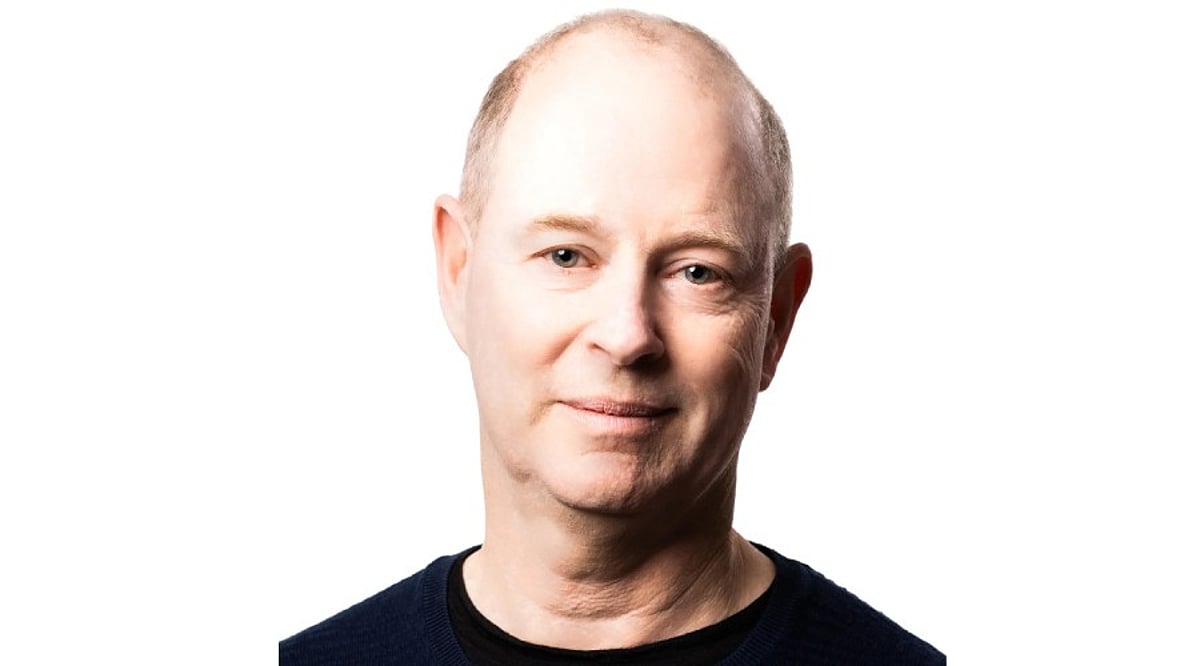
    Frank X. Shaw, Microsoft’s chief communications officer, is stepping down after nearly 29 years with the company. Shaw announced the decision through an internal memo to his team on Friday, September 11, and later shared the news publicly on LinkedIn. He will stay on until the end of December to help with the transition.

    Shaw held the top communications role at Microsoft for 17 years, and his ties to the company go back even further through his earlier work at the outside PR agency Waggener Edstrom. In his note to staff, Shaw said he felt it was time to move on and try new things. He said he was discussing the move with Takeshi Numoto, Microsoft’s chief marketing officer, for a while, and both agreed the timing felt right.

    “I remain optimistic about the company mission, the incredible talent on this team, and how much the company depends on us during this critical time,” Shaw wrote. He added that the team accomplished a great deal together and called his gratitude endless. Shaw also thanked the reporters and analysts he worked with over the years, joking about the late-night calls and the “off the record no comments” he had given them.

    In his own note to employees, Numoto said few people shaped Microsoft’s voice and reputation as much as Shaw. Microsoft did not name a replacement yet and says it will look at candidates from inside and outside the company.

    Shaw, 64, first began supporting Microsoft’s communications in 1997, long before he formally joined the company. Over the years, he guided the company’s public messaging through multiple CEO transitions, several Windows and Office launches, the antitrust battles of the early 2000s, and the Windows Vista backlash. He also handled communications around major acquisitions, including LinkedIn and Activision Blizzard, and helped position Microsoft during its shift toward cloud computing and artificial intelligence.

    Reports suggest Shaw does not plan to retire. He does not have another job lined up yet and intends to take some time off before deciding on his next move. His exit adds to a string of long-serving Microsoft executives who have left the company this year, marking a notable shift in its leadership ranks.

  • How Telegram Accounts Can Be Hacked Without an OTP: Risks and Prevention Strategies

    How Telegram Accounts Can Be Hacked Without an OTP: Risks and Prevention Strategies

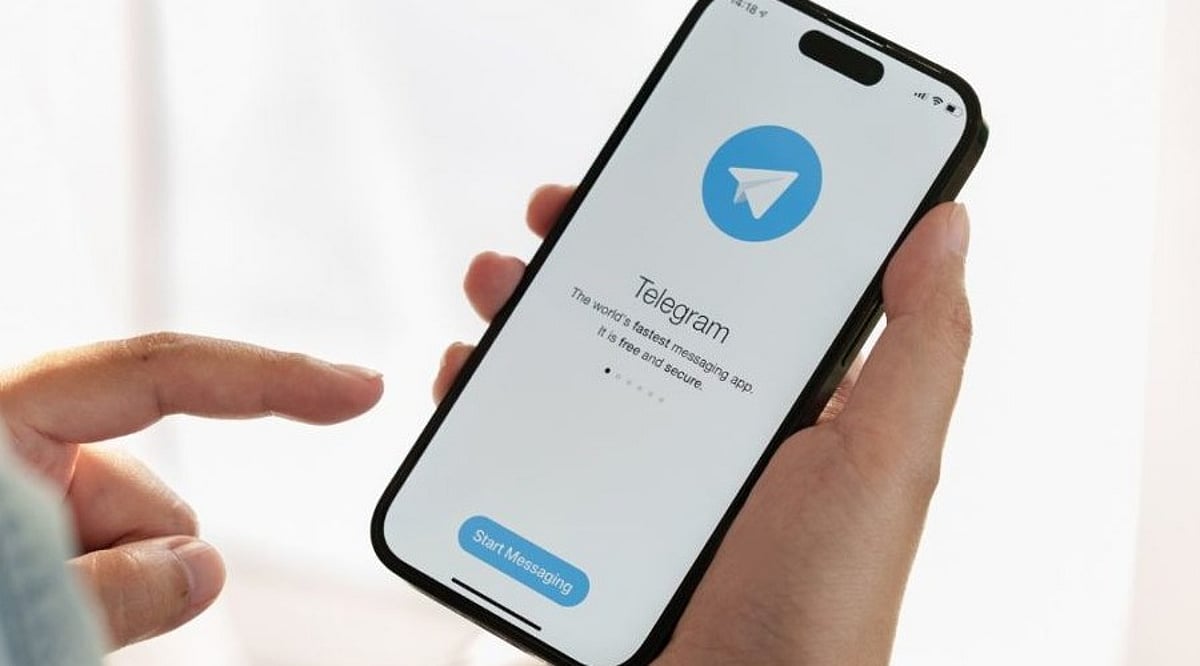
    Telegram sends a one-time password (OTP) to verify new logins, but that alone does not guarantee account safety. Hackers, scammers, and even someone with brief physical access to your phone can still compromise a Telegram account without ever requesting that OTP. This risk affects everyone—casual users, business owners, and community channel managers alike. The methods typically exploit stolen sessions, malware, or lingering login sessions rather than breaking Telegram’s own systems.

    Understanding Telegram Account Security Risks

    Telegram allows a single account to remain logged in on multiple devices simultaneously, and each active session works without re-entering the OTP. If a hacker steals an active session—via malware on the device or a fake app that copies login credentials—they can instantly access the account. Security researchers warn that malicious files, often disguised as APKs on Android, can silently extract session data stored on the device. Once that data reaches an attacker, they can open Telegram as if they were the legitimate user, with no password or code required.

    Public Wi-Fi networks add another layer of vulnerability. Experts note that unsecured networks make it easier for attackers to intercept data flowing between a phone and Telegram’s servers, especially when using Telegram Web on a shared or public computer.

    Phishing remains a common threat on Telegram. A fake login page that looks identical to Telegram’s real site can trick users into entering their credentials directly, handing over access without any OTP involved.

    Steps to Keep Your Telegram Account Safe

    Adopting a few simple habits can significantly reduce the risk of such hacks:

    • Turn on Two-Step Verification in Telegram’s settings to add an extra password layer.
    • Add a passcode lock inside the app so it cannot be opened even on an unlocked phone.
    • Regularly check the Devices section and log out of any sessions you do not recognize.
    • Avoid downloading APK files or clicking links from unknown senders.
    • Keep the app updated, as Telegram regularly releases security patches.

    These measures together make it much harder for anyone to slip into your account unnoticed.

  • Samsung’s 2026 Neo QLED TVs Get Limited-Time Price Cuts: QN70H and QN80H Deals in US and India

    Samsung’s 2026 Neo QLED TVs Get Limited-Time Price Cuts: QN70H and QN80H Deals in US and India

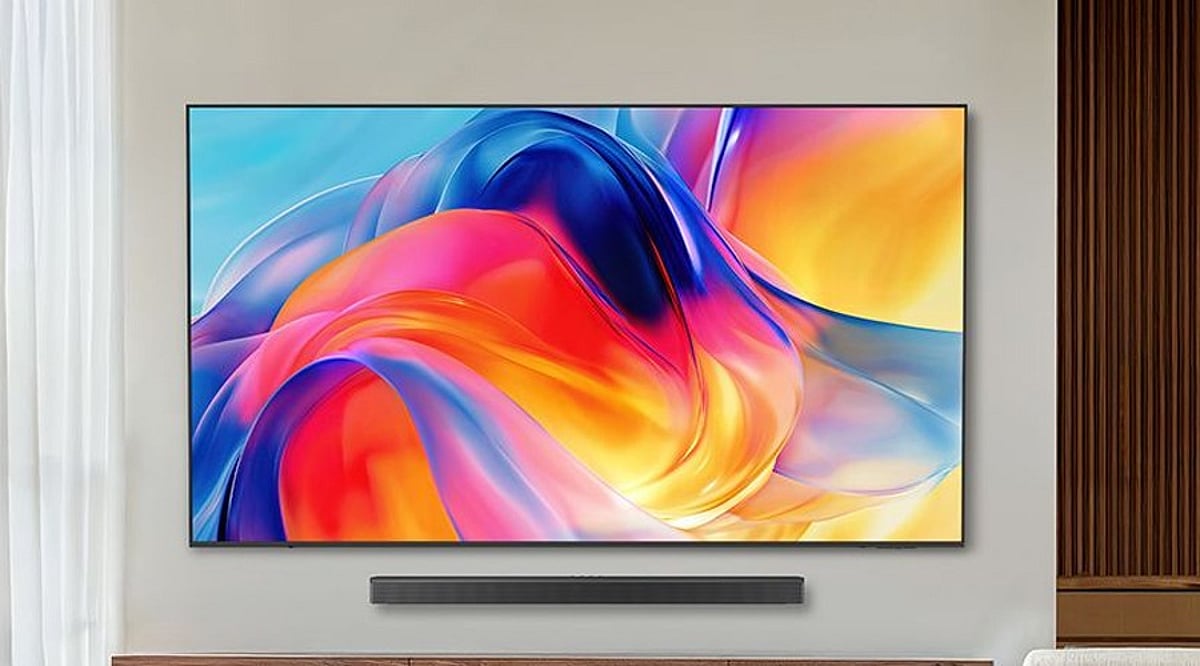
    Samsung’s 2026 Neo QLED TV lineup, featuring the QN70H and QN80H models, is now available with significant limited-time discounts in the United States and competitive pricing in India. These price reductions make premium big-screen upgrades more accessible for home theater enthusiasts.

    US Discounts: QN70H and QN80H Price Cuts

    In the US, the QN70H receives discounts ranging from $100 to $500, while the QN80H sees reductions from $200 to $800, depending on screen size. Samsung also offers free delivery, free haul-away for eligible models, a $35 setup option, and soundbar bundle discounts.

    QN70H: Affordable Neo QLED Performance

    The QN70H targets buyers seeking Neo QLED picture quality at a lower price point. It features Quantum Mini LED backlight technology, an NQ4 AI Processor, and 100% color volume with Quantum Dot technology. The US discount varies by size, with larger screens receiving the biggest cuts.

    QN80H: Premium Features with Larger Savings

    The QN80H steps up with Quantum Mini LED Full Array, the NQ4 AI Gen2 Processor, Motion Xcelerator 144Hz, and AI-driven picture and sound optimization. The 75-inch QN80H is now $1,699.99 (down from $1,999.99), and the series offers up to $800 off. The 144Hz support makes it ideal for sports and gaming.

    India Pricing and Promotions

    Samsung’s 2026 Vision AI TV range in India includes 72 models across multiple technologies. The Neo QLED series starts at ₹52,990. Retail listings from Croma show the 43-inch QN70H at ₹54,490, 50-inch at ₹60,990, 55-inch at ₹83,990, 65-inch at ₹1,21,990, 75-inch at ₹1,68,390, and 85-inch at ₹2,99,990. The 65-inch QN80H is ₹1,29,990 and the 75-inch QN80H is ₹2,01,990.

    65-Inch QN80H: A Strong Value Proposition

    At ₹1,29,990, the 65-inch QN80H costs only ₹8,000 more than the 65-inch QN70H, making it an attractive upgrade for enhanced backlighting, motion processing, and sound. Samsung India also offers a complimentary soundbar (worth ₹102,990) and Music Studio (worth ₹23,990) on select models, plus up to 20% cashback and flexible EMI options.

    Which Model Should You Choose?

    The QN70H is best for those wanting a large Neo QLED screen at a lower cost. The QN80H excels with extra picture processing, Full Array backlight, and 144Hz support. At 65 inches, the price gap is minimal, favoring the QN80H. At 75 inches, the QN70H offers a more affordable path to a very large screen. In India, the 65-inch QN70H (₹1,21,990) and 75-inch QN70H (₹1,68,390) are standout options, while the 65-inch QN80H (₹1,29,990) provides a notable step-up for a small extra cost.

    FAQs

    1. What is the starting price of Samsung’s 2026 Neo QLED TVs in India? The series starts at ₹52,990, with entry models like the 43-inch QN70H from ₹54,490 at Croma.
    2. Which model gets the bigger discount in the US? The QN80H, with savings up to $800, compared to $500 on the QN70H.
    3. What is the current price of the 65-inch QN70H in India? ₹1,21,990 at Croma.
    4. How much does the 65-inch QN80H cost in India? ₹1,29,990 at Croma.
    5. Does Samsung offer extra benefits with its 2026 TVs in India? Yes, including complimentary soundbars, Music Studio, up to 20% cashback, and EMI options.