Blog

  • iPhone 18 Pro and Pro Max Pre-Orders Launch in India: Pricing, Specs, and Offers

    iPhone 18 Pro and Pro Max Pre-Orders Launch in India: Pricing, Specs, and Offers

    Apple has opened pre-orders for the iPhone 18 Pro and iPhone 18 Pro Max in India today, September 12, at 5:30 PM IST. Customers can reserve the devices through Apple’s official online store, the Apple Store app, authorized retailers, and other major online and offline platforms. The phones will go on sale starting September 18. To secure a unit on launch day, buyers are encouraged to place orders during the initial pre-order window, as supply may be limited later.

    Price, Specs, and Features

    The iPhone 18 Pro starts at Rs. 1,64,900 for the 256GB model, while the Pro Max begins at Rs. 1,79,900. Storage options now go up to 2TB, with the top-end Pro Max variant crossing Rs. 3 lakh.

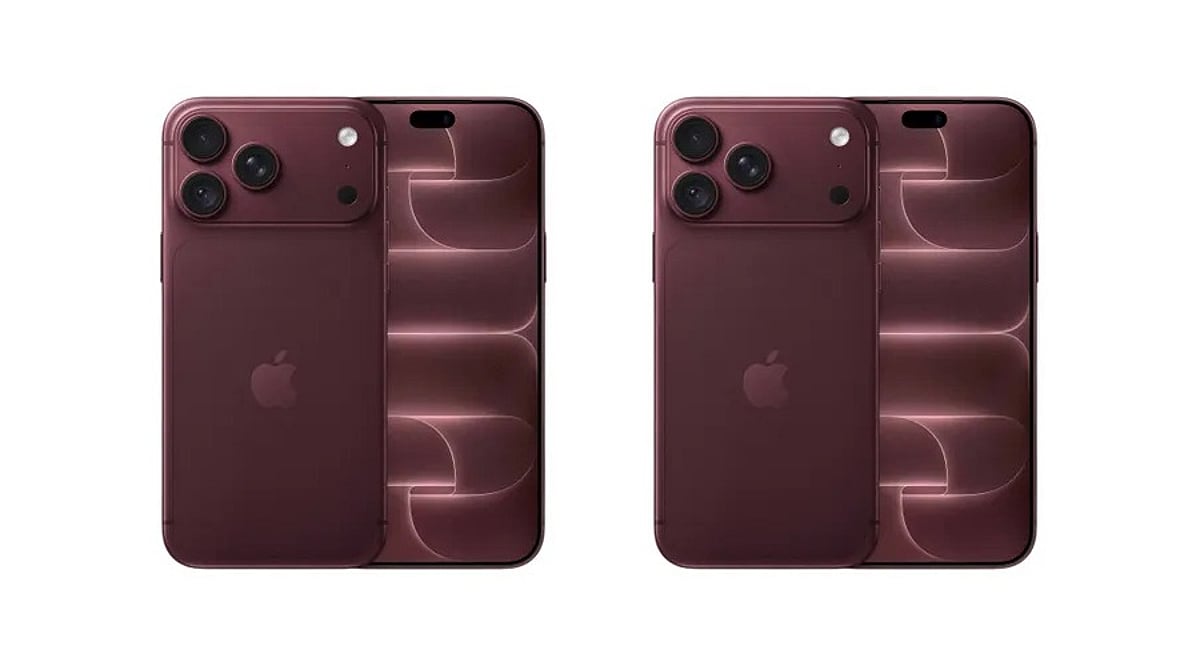
    Both phones are available in Black, Silver, Glacier, and a new shade called Burgundy. The Pro features a 6.3-inch display, while the Pro Max steps up to 6.9 inches with a larger battery.

    Under the hood, the new A20 Pro chip is paired with Apple’s own C2 modem, promising faster and more efficient connectivity. The camera system has received a significant upgrade: a 48MP Fusion Main sensor with a variable aperture, along with 48MP Fusion Ultra Wide and Telephoto units. Apple states this setup enhances low-light photography and provides greater control over depth of field.

    Apple has also introduced a next-generation vapour chamber for improved heat management during intensive use, plus Ceramic Shield 2 for tougher display protection.

    In a notable change, Apple shifted the pre-order date to Saturday instead of the usual Friday, as the original Friday would have fallen on September 11 — the 25th anniversary of the 9/11 attacks. The company reportedly moved the window by a day to avoid any conflict with the solemn anniversary.

    Offers and EMI Options

    Apple is offering up to six months of no-cost EMI through select banks. Shoppers using eligible American Express, Axis Bank, or ICICI Bank cards can also receive an instant cashback of up to Rs. 7,000. Through Apple’s trade-in program, buyers can get credit worth up to Rs. 81,500 depending on the condition and model of their old device.

    New purchasers also receive three months of Apple Music, Apple TV+, and Apple Arcade free with their purchase. Given the current memory shortage affecting the industry, those who delay may see delivery dates pushed beyond September 18. It is advisable to have payment details and trade-in device information ready before the pre-order window opens.

  • Microsoft Communications Chief Frank Shaw Departs After Nearly Three Decades

    Microsoft Communications Chief Frank Shaw Departs After Nearly Three Decades

    Frank X. Shaw, Microsoft’s chief communications officer, is stepping down after nearly 29 years with the company. Shaw announced the decision through an internal memo to his team on Friday, September 11, and later shared the news publicly on LinkedIn. He will stay on until the end of December to help with the transition.

    Shaw held the top communications role at Microsoft for 17 years, and his ties to the company go back even further through his earlier work at the outside PR agency Waggener Edstrom. In his note to staff, Shaw said he felt it was time to move on and try new things. He said he was discussing the move with Takeshi Numoto, Microsoft’s chief marketing officer, for a while, and both agreed the timing felt right.

    “I remain optimistic about the company mission, the incredible talent on this team, and how much the company depends on us during this critical time,” Shaw wrote. He added that the team accomplished a great deal together and called his gratitude endless. Shaw also thanked the reporters and analysts he worked with over the years, joking about the late-night calls and the “off the record no comments” he had given them.

    In his own note to employees, Numoto said few people shaped Microsoft’s voice and reputation as much as Shaw. Microsoft did not name a replacement yet and says it will look at candidates from inside and outside the company.

    Shaw, 64, first began supporting Microsoft’s communications in 1997, long before he formally joined the company. Over the years, he guided the company’s public messaging through multiple CEO transitions, several Windows and Office launches, the antitrust battles of the early 2000s, and the Windows Vista backlash. He also handled communications around major acquisitions, including LinkedIn and Activision Blizzard, and helped position Microsoft during its shift toward cloud computing and artificial intelligence.

    Reports suggest Shaw does not plan to retire. He does not have another job lined up yet and intends to take some time off before deciding on his next move. His exit adds to a string of long-serving Microsoft executives who have left the company this year, marking a notable shift in its leadership ranks.

  • How Telegram Accounts Can Be Hacked Without an OTP: Risks and Prevention Strategies

    How Telegram Accounts Can Be Hacked Without an OTP: Risks and Prevention Strategies

    Telegram sends a one-time password (OTP) to verify new logins, but that alone does not guarantee account safety. Hackers, scammers, and even someone with brief physical access to your phone can still compromise a Telegram account without ever requesting that OTP. This risk affects everyone—casual users, business owners, and community channel managers alike. The methods typically exploit stolen sessions, malware, or lingering login sessions rather than breaking Telegram’s own systems.

    Understanding Telegram Account Security Risks

    Telegram allows a single account to remain logged in on multiple devices simultaneously, and each active session works without re-entering the OTP. If a hacker steals an active session—via malware on the device or a fake app that copies login credentials—they can instantly access the account. Security researchers warn that malicious files, often disguised as APKs on Android, can silently extract session data stored on the device. Once that data reaches an attacker, they can open Telegram as if they were the legitimate user, with no password or code required.

    Public Wi-Fi networks add another layer of vulnerability. Experts note that unsecured networks make it easier for attackers to intercept data flowing between a phone and Telegram’s servers, especially when using Telegram Web on a shared or public computer.

    Phishing remains a common threat on Telegram. A fake login page that looks identical to Telegram’s real site can trick users into entering their credentials directly, handing over access without any OTP involved.

    Steps to Keep Your Telegram Account Safe

    Adopting a few simple habits can significantly reduce the risk of such hacks:

    • Turn on Two-Step Verification in Telegram’s settings to add an extra password layer.
    • Add a passcode lock inside the app so it cannot be opened even on an unlocked phone.
    • Regularly check the Devices section and log out of any sessions you do not recognize.
    • Avoid downloading APK files or clicking links from unknown senders.
    • Keep the app updated, as Telegram regularly releases security patches.

    These measures together make it much harder for anyone to slip into your account unnoticed.

  • Samsung’s 2026 Neo QLED TVs Get Limited-Time Price Cuts: QN70H and QN80H Deals in US and India

    Samsung’s 2026 Neo QLED TVs Get Limited-Time Price Cuts: QN70H and QN80H Deals in US and India

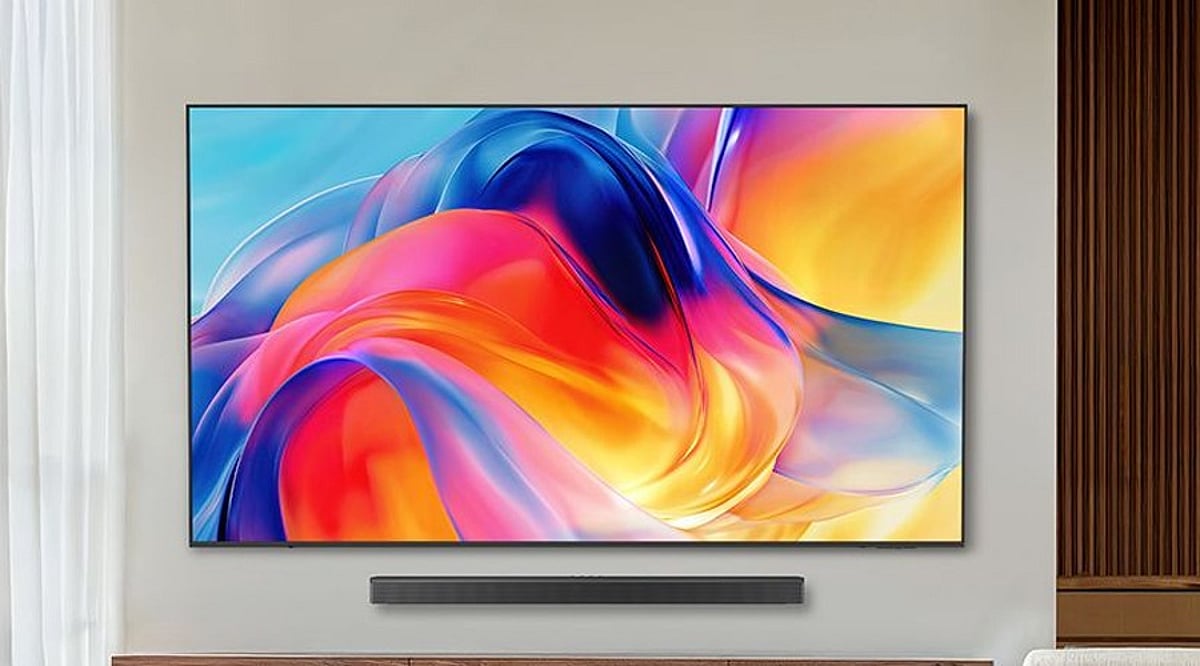
    Samsung’s 2026 Neo QLED TV lineup, featuring the QN70H and QN80H models, is now available with significant limited-time discounts in the United States and competitive pricing in India. These price reductions make premium big-screen upgrades more accessible for home theater enthusiasts.

    US Discounts: QN70H and QN80H Price Cuts

    In the US, the QN70H receives discounts ranging from $100 to $500, while the QN80H sees reductions from $200 to $800, depending on screen size. Samsung also offers free delivery, free haul-away for eligible models, a $35 setup option, and soundbar bundle discounts.

    QN70H: Affordable Neo QLED Performance

    The QN70H targets buyers seeking Neo QLED picture quality at a lower price point. It features Quantum Mini LED backlight technology, an NQ4 AI Processor, and 100% color volume with Quantum Dot technology. The US discount varies by size, with larger screens receiving the biggest cuts.

    QN80H: Premium Features with Larger Savings

    The QN80H steps up with Quantum Mini LED Full Array, the NQ4 AI Gen2 Processor, Motion Xcelerator 144Hz, and AI-driven picture and sound optimization. The 75-inch QN80H is now $1,699.99 (down from $1,999.99), and the series offers up to $800 off. The 144Hz support makes it ideal for sports and gaming.

    India Pricing and Promotions

    Samsung’s 2026 Vision AI TV range in India includes 72 models across multiple technologies. The Neo QLED series starts at ₹52,990. Retail listings from Croma show the 43-inch QN70H at ₹54,490, 50-inch at ₹60,990, 55-inch at ₹83,990, 65-inch at ₹1,21,990, 75-inch at ₹1,68,390, and 85-inch at ₹2,99,990. The 65-inch QN80H is ₹1,29,990 and the 75-inch QN80H is ₹2,01,990.

    65-Inch QN80H: A Strong Value Proposition

    At ₹1,29,990, the 65-inch QN80H costs only ₹8,000 more than the 65-inch QN70H, making it an attractive upgrade for enhanced backlighting, motion processing, and sound. Samsung India also offers a complimentary soundbar (worth ₹102,990) and Music Studio (worth ₹23,990) on select models, plus up to 20% cashback and flexible EMI options.

    Which Model Should You Choose?

    The QN70H is best for those wanting a large Neo QLED screen at a lower cost. The QN80H excels with extra picture processing, Full Array backlight, and 144Hz support. At 65 inches, the price gap is minimal, favoring the QN80H. At 75 inches, the QN70H offers a more affordable path to a very large screen. In India, the 65-inch QN70H (₹1,21,990) and 75-inch QN70H (₹1,68,390) are standout options, while the 65-inch QN80H (₹1,29,990) provides a notable step-up for a small extra cost.

    FAQs

    1. What is the starting price of Samsung’s 2026 Neo QLED TVs in India? The series starts at ₹52,990, with entry models like the 43-inch QN70H from ₹54,490 at Croma.
    2. Which model gets the bigger discount in the US? The QN80H, with savings up to $800, compared to $500 on the QN70H.
    3. What is the current price of the 65-inch QN70H in India? ₹1,21,990 at Croma.
    4. How much does the 65-inch QN80H cost in India? ₹1,29,990 at Croma.
    5. Does Samsung offer extra benefits with its 2026 TVs in India? Yes, including complimentary soundbars, Music Studio, up to 20% cashback, and EMI options.
  • Apple Watch Ultra 4 Review: S11 Chip, Enhanced Health Sensors, and Satellite Connectivity

    Apple Watch Ultra 4 Review: S11 Chip, Enhanced Health Sensors, and Satellite Connectivity

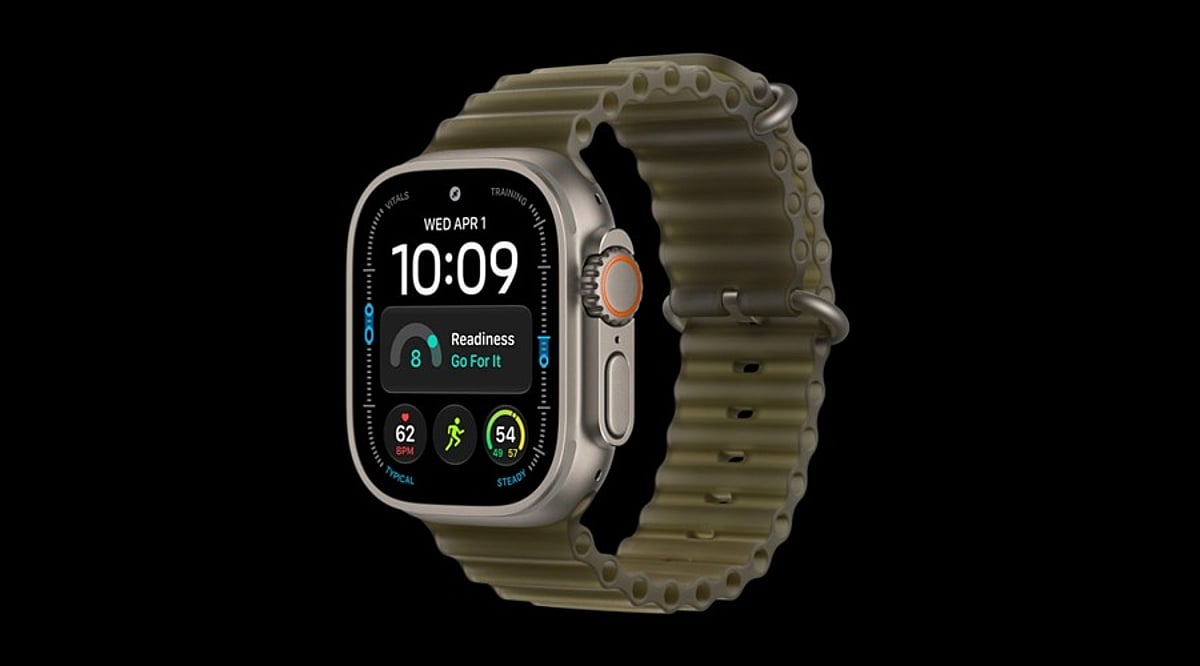
    The Apple Watch Ultra 4 is the latest flagship smartwatch from Apple, designed for fitness enthusiasts, outdoor adventurers, and users who prioritize safety features. Building on the rugged titanium construction of its predecessor, the Ultra 4 introduces the new S11 chip with a four-core Neural Engine, enabling advanced Siri AI and Audio Intelligence technology. Key highlights include an upgraded Health Sensing System, Readiness tracking, high-precision dual-frequency GPS, 5G connectivity, and satellite communication capabilities. With impressive battery life, WR100 water resistance, and recreational dive capability down to 40 meters, the Apple Watch Ultra 4 stands out as one of Apple’s best smartwatches.

    General Specifications

    • Processor: S11 chip with four-core Neural Engine
    • Connectivity: 5G, satellite communication, dual-frequency GPS
    • Water Resistance: WR100 (100 meters), dive-ready to 40 meters
    • Battery Life: Up to 50 hours
    • Health Sensors: Enhanced Health Sensing System, Readiness tracking
    • AI Features: Siri AI, Audio Intelligence

    Pros and Cons

    Pros

    • Powerful S11 chip with advanced AI capabilities
    • Improved health and fitness tracking
    • Excellent battery life (50 hours)
    • Rugged titanium build with 100m water resistance
    • Satellite connectivity for emergency situations
    • Precise GPS for outdoor activities

    Cons

    • High price point
    • Minor visual upgrades over Ultra 3
    • Not a must-upgrade for Ultra 3 owners

    Final Verdict

    The Apple Watch Ultra 4 is a highly sophisticated smartwatch that leverages Apple’s best wearable platform. Its standout features—the S11 chip, Siri AI, Audio Intelligence, upgraded health sensors, Readiness measurement, long battery life, and enhanced outdoor performance—make it ideal for sports enthusiasts and adventurers. The titanium body, 100-meter waterproofing, diving capabilities, satellite communications, and precise GPS positioning further solidify its appeal. However, the high price and subtle design changes mean that Ultra 3 owners may not find it an essential upgrade. For iPhone users seeking a top-tier smartwatch for fitness, health monitoring, safety, and outdoor activities, the Apple Watch Ultra 4 is an excellent choice.

  • Today’s Top Tech News: iPhone 18 Pro, iOS 27, A20 Pro Chip, and AI Safety Concerns

    Today’s Top Tech News: iPhone 18 Pro, iOS 27, A20 Pro Chip, and AI Safety Concerns

    Apple’s latest flagship, the iPhone 18 Pro, along with iOS 27 and the new A20 Pro chip, dominate today’s tech headlines. Samsung’s roast of Apple’s launch, growing AI safety concerns, and Apple’s upcoming foldable iPhone Duo also make waves.

    Published on 11 Sep 2026, this roundup covers the most important developments in consumer technology. The iPhone 18 Pro promises significant performance gains thanks to the A20 Pro processor, while iOS 27 introduces new features and security enhancements. Meanwhile, Samsung’s social media posts trolling the iPhone 18 launch have sparked online debates. On the AI front, safety discussions intensify as regulators and companies seek to balance innovation with responsible deployment. Apple’s foldable iPhone Duo, expected to compete with Samsung’s Galaxy Z Fold 8, remains a hot topic among enthusiasts.

  • XRP vs Algorand: Which Blockchain Is Leading the Race for Quantum-Resistant Security?

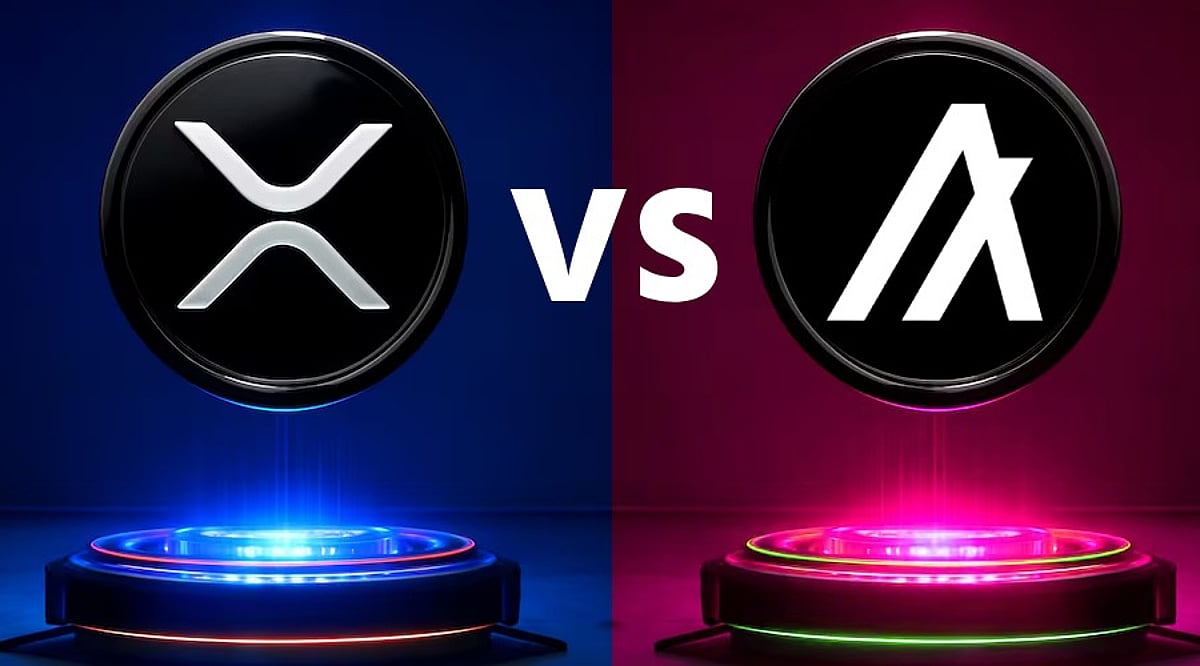
    XRP vs Algorand: Which Blockchain Is Leading the Race for Quantum-Resistant Security?

    Quantum computing is becoming an increasingly important long-term security question for cryptocurrency networks. Today’s quantum computers cannot simply break XRP, Algorand or other major cryptocurrencies. However, sufficiently powerful future quantum computers could threaten some of the public-key cryptography used to protect blockchain accounts.

    Why Could Quantum Computing Threaten Crypto?

    Blockchain wallets rely on digital signatures to prove that transactions have been authorized by the legitimate owner. A sufficiently powerful fault-tolerant quantum computer could theoretically use Shor’s algorithm against certain public-key cryptographic systems. The immediate threat remains theoretical as existing quantum computers lack the scale and reliability necessary to perform such attacks against major blockchain networks. However, replacing cryptography across an entire decentralized ecosystem could itself take years.

    Algorand Has Established a Quantum Timeline

    Algorand has made post-quantum security a visible part of its development roadmap. In June 2026, the Algorand Foundation announced a target of achieving broad quantum resilience by the end of 2027, according to Algorand’s official post-quantum roadmap. The strategy includes post-quantum accounts and Falcon-based cryptographic signatures. Algorand has since released native post-quantum accounts, representing an important milestone toward its 2027 objective.

    Why Falcon Signatures Matter

    Falcon is a post-quantum digital-signature scheme designed to remain secure against attacks from both classical and quantum computers. Algorand has already used Falcon signatures within its State Proof infrastructure and is expanding post-quantum capabilities into user accounts. This is important as quantum preparedness requires more than publishing research. Wallets and users will eventually need practical mechanisms to migrate funds into quantum-resistant accounts.

    What About XRP?

    The XRP Ledger also relies on cryptographic signatures to authorize transactions. Like other blockchain networks using current public-key cryptography, XRP would eventually require upgrades if cryptographically relevant quantum computers become practical. The difference today is the roadmap’s visibility. Algorand has established specific milestones, deployed post-quantum infrastructure and attached a 2027 target to its broader migration strategy.

    XRP vs Algorand: Which Is Ahead?

    Based strictly on publicly announced and deployed post-quantum infrastructure, Algorand currently appears further along. That does not mean ALGO is necessarily a better investment than XRP. XRP has different advantages involving liquidity, payments infrastructure and ecosystem adoption. Quantum preparedness represents only one component of a blockchain’s long-term investment case. Investors should instead monitor whether networks develop post-quantum signatures, migration mechanisms, wallet support and consensus-level protections. Quantum computers may still be years away from threatening today’s cryptography. However, as blockchain migrations also take time, the networks preparing before the threat becomes urgent could have an important advantage.

    Why This Matters

    Quantum security could eventually determine whether blockchain networks can protect user funds and maintain trust as computing technology advances. Early preparation gives networks more time to upgrade infrastructure, migrate accounts and address vulnerabilities before quantum computing becomes a practical threat.

    Final Thoughts

    Algorand currently has a clearer and more advanced public roadmap for post-quantum security, while XRP has yet to demonstrate a publicly announced implementation at the same level. However, quantum readiness is only one factor when evaluating blockchain. For investors, the key will be watching how both networks turn quantum-security research into practical upgrades.

    FAQs

    1. Can quantum computers currently break XRP or Algorand? No. Current quantum computers lack the scale and reliability required to break the cryptographic protections used by major blockchains such as XRP and Algorand.
    2. Why could quantum computing become a threat to cryptocurrencies? Powerful fault-tolerant quantum computers could theoretically use algorithms such as Shor’s algorithm to attack certain public-key cryptographic systems used to secure blockchain accounts and transactions.
    3. How is Algorand preparing for quantum computing? Algorand is targeting broad quantum resilience by the end of 2027. Its strategy includes native post-quantum accounts, Falcon-based signatures and further upgrades to its cryptographic infrastructure.
    4. Is the XRP Ledger quantum-resistant today? XRP Ledger currently relies on conventional cryptographic signatures and would require future upgrades if quantum computers become capable of defeating those systems. There is no immediate practical quantum threat today.
    5. Is Algorand better prepared for quantum computing than XRP? Based on publicly announced roadmaps and deployed post-quantum infrastructure, Algorand currently appears further ahead. However, quantum readiness alone does not determine which blockchain or cryptocurrency is a better investment.
  • Wordle #1910 Hints and Answer for September 11, 2026 – Expert Guide to Today’s Puzzle

    Wordle #1910 Hints and Answer for September 11, 2026 – Expert Guide to Today’s Puzzle

    If you’re stuck on today’s Wordle puzzle (September 11, 2026, Puzzle #1910), you’re not alone. This guide offers strategic hints, helpful clues, and the final answer to help you maintain your winning streak. Read on for expert tips and a step-by-step walkthrough—but beware of spoilers until you’re ready to reveal the solution.

    Wordle Hints for September 11, 2026 (Puzzle #1910)

    Today’s word is a five-letter noun associated with change and often found in short stories. Use these clues to narrow down your guesses:

    • Vowel Count: 2 vowels
    • Consonant Count: 3 consonants
    • Repeated Letters: None
    • Letter Rarity: All letters are common
    • First Letter: A
    • Bonus Hint: The word ends with the letter ‘R’

    Wordle Answer for September 11, 2026

    If the hints above haven’t led you to the solution, here’s the answer for Wordle #1910:

    ASTER

    An aster is a type of flower, often associated with change in folklore. Now you can keep your streak alive!

    Best Tips for Playing Wordle

    Whether you’re a beginner or a seasoned player, these strategies can improve your guessing game:

    • Start with words that contain common vowels and consonants to gather information quickly.
    • Avoid repeating letters in your first few guesses unless you’re sure of their placement.
    • Pay close attention to color feedback: green means correct and in the right position, yellow means correct but misplaced.
    • Use each guess to eliminate possibilities rather than rushing to the answer.
    • Expand your vocabulary—familiarity with less common words speeds up solving.

    Is Wordle Getting Harder?

    It might feel that way, but Wordle’s difficulty hasn’t changed since its launch. You can enable Hard Mode for an extra challenge, but the core puzzle remains consistent. Each day offers a fresh five-letter word and six chances to solve it—a simple yet rewarding mental exercise.

    Happy solving, and may your streak continue!

  • Apple Watch Series 12 Review: Smarter Health Tracking, AI Audio Tools, and Faster Charging

    Apple Watch Series 12 Review: Smarter Health Tracking, AI Audio Tools, and Faster Charging

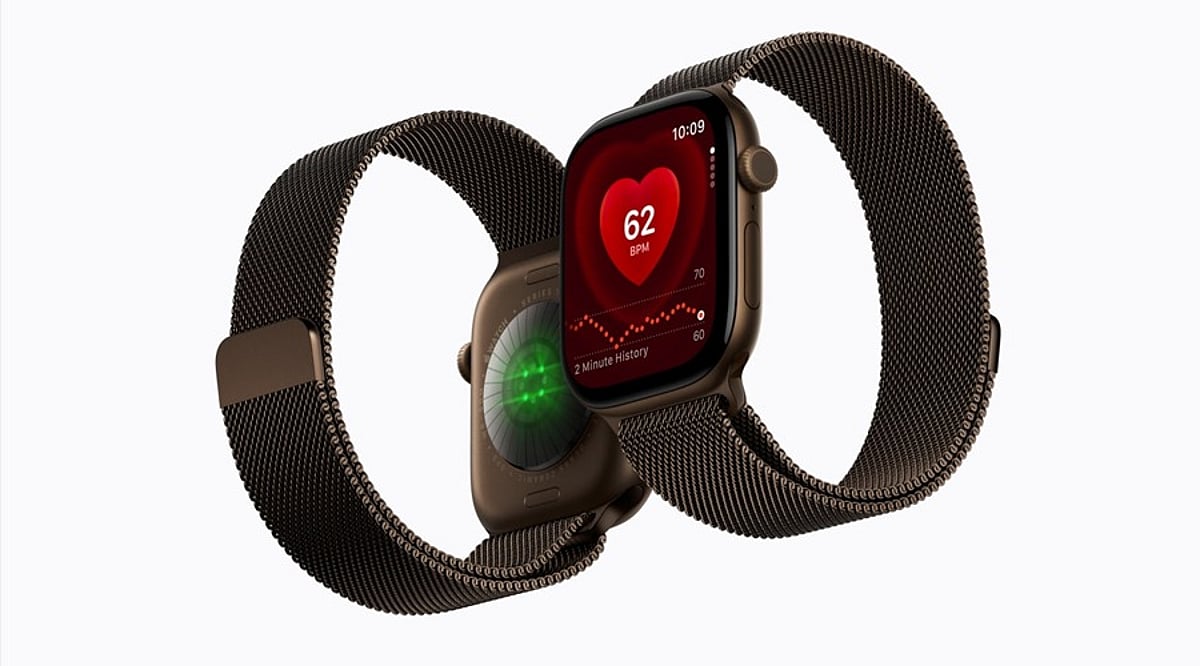
    The Apple Watch Series 12 builds on Apple’s smartwatch lineup with meaningful upgrades in health monitoring, AI-driven audio tools, and charging speed. Powered by the new S11 chip and an enhanced Health Sensing System, the wearable adds a background heart rate sensor, readiness score, and health age indicators to give iPhone users a more complete picture of their well-being.

    Key Features

    Beyond the refreshed internals, the Series 12 keeps the bright always-on display and elegant design users expect. Fitness tracking is more advanced, and the tight integration with the Apple ecosystem remains a major selling point. The watch also introduces several audio intelligence features, including sound recognition, Live Rewind, and Siri Recap.

    Pros and Cons

    Pros:

    • New S11 chip improves performance and efficiency
    • Enhanced Health Sensing System with background heart rate monitoring
    • Readiness score and health age indicators offer deeper wellness insights
    • Faster charging despite the same 24-hour battery life
    • Bright always-on display and premium design
    • Strong fitness tracking and Apple ecosystem integration

    Cons:

    • Battery capacity remains at 24 hours, so daily charging is still needed
    • Not a major upgrade for Apple Watch Series 11 owners

    Final Verdict

    The Apple Watch Series 12 is an excellent choice for iPhone users looking for a capable, polished smartwatch. Its combination of the S11 chip, upgraded health sensing, readiness score, and audio intelligence makes it a meaningful step forward. The faster charging adds convenience, while the display, fitness capabilities, safety features, and seamless iPhone integration remain strong. However, if you already own an Apple Watch Series 11, there may not be enough new features to justify an immediate upgrade.

  • Why Crypto Exchanges Remain Vulnerable Even After Passing Security Audits

    Why Crypto Exchanges Remain Vulnerable Even After Passing Security Audits

    Security audits are a cornerstone of trust in the cryptocurrency world. They signal that a platform’s code has been examined by experts. Yet, history shows that many audited platforms still fall victim to hacks. Understanding why helps investors and users stay cautious. Here are seven key reasons crypto platforms can be compromised even after a clean audit.

    1. New Code Introduces Fresh Risks

    A security audit evaluates only the code and systems present at that moment. Once developers add features, modify functionality, or integrate new services, the platform’s attack surface changes. These updates can introduce vulnerabilities that the original audit never saw, leaving the platform exposed despite a previously clean report.

    2. Audits Have Limited Scope

    Audits typically focus on a predefined set of contracts, systems, or infrastructure. They cannot examine every external service or blockchain protocol a platform relies on. Vulnerabilities lurking outside the audit’s scope—such as in third-party oracles or cross-chain bridges—may go undetected.

    3. Zero-Day Vulnerabilities

    Attackers sometimes discover security flaws that no researcher has yet identified. These zero-day exploits can be used before developers have a chance to patch them. No audit can guarantee protection against threats that do not yet exist.

    4. Human Error Undermines Technical Security

    Even the strongest code can be bypassed through mistakes by employees, developers, or users. Phishing attacks, leaked credentials, misconfigurations, and unsafe operational practices give attackers a way in. In these cases, the audited software remains sound, but the people and processes around it become the weak link.

    5. Smart Contract Interactions Create Hidden Flaws

    Crypto platforms often rely on multiple smart contracts and protocols that interact. A platform may appear secure on its own, but a flaw in a connected contract can expose it. Unexpected interactions between contracts can also create attack vectors that a standalone audit would miss.

    6. Compromised Private Keys Bypass All Code Protections

    Security audits focus on code, not on key management. If attackers steal or compromise administrative private keys or privileged credentials, they can move funds or make unauthorized changes. Strong code cannot protect a platform when critical keys are already in the wrong hands.

    7. Attack Techniques Are Constantly Evolving

    Cybersecurity is a moving target. Attackers continuously develop new methods, meaning a platform secure today may face different threats tomorrow. Security audits should be seen as one layer of defense, not a permanent guarantee. Continuous monitoring, regular testing, rapid patching, strict access controls, and solid incident-response plans remain essential.