Blog

  • Top Full Stack Java Interview Mistakes Freshers Must Avoid to Land the Job

    Top Full Stack Java Interview Mistakes Freshers Must Avoid to Land the Job

    Full Stack Java interviews have evolved significantly. Today, employers look beyond rote memorization and expect candidates to demonstrate practical knowledge, confident communication, and logical problem-solving. For fresh graduates, avoiding common pitfalls can make the difference between advancing or being rejected. This guide covers the most frequent mistakes and provides actionable preparation strategies.

    Why Memorized Answers Fail

    Many freshers spend weeks memorizing answers from websites or videos, but this approach rarely succeeds. Interviewers quickly detect memorized responses and often ask follow-up questions to test genuine understanding. Instead of recalling definitions, focus on explaining core Java concepts—inheritance, polymorphism, encapsulation, and abstraction—using simple examples from your projects. This shows practical experience and helps interviewers see how you apply knowledge in real situations.

    Resume Preparation: Less Is More

    Listing too many technologies on your resume without solid practice creates unnecessary pressure. Every item can become a question. Hiring teams pay special attention to the project section. Be ready to discuss your project’s goals, architecture, database choices, API design, and challenges. Honest answers always outperform exaggerated claims. A small, well-understood project carries more weight than a large one with weak explanations.

    Master Java Fundamentals First

    Core Java is the foundation of every Full Stack Java interview. Recruiters expect proficiency in OOP, collections, exception handling, strings, generics, multithreading basics, and memory management. Topics like HashMap, ArrayList, StringBuilder, JVM, JDK, and JRE are common. Jumping directly to Spring Boot without solid Java basics often causes confusion during technical rounds. Strong fundamentals build confidence and help you solve coding problems clearly.

    SQL Skills Are Non-Negotiable

    Database knowledge is critical for Java development. SQL questions appear regularly: CRUD operations, JOINs, GROUP BY, HAVING, subqueries, normalization, and indexes. Many freshers lose points by writing incorrect queries or failing to explain database design. Good SQL skills demonstrate your ability to manage application data accurately and support backend development.

    Coding Practice That Builds Confidence

    Coding rounds test reasoning, not memory. Expect tasks with arrays, strings, HashMap, lists, recursion, stacks, queues, and simple algorithms. Write clean code, use clear variable names, and explain each step as you go. Interviewers favor candidates who talk through their solution—it shows poise and logical thinking. Solving problems silently in your head rarely impresses.

    Modern Java Features Show Readiness

    Knowledge of features introduced after Java 8 is increasingly important. Be comfortable with lambda expressions, Stream API, Optional, method references, and functional interfaces. These improve code quality and are used in real projects. Using simple project examples to illustrate them proves practical understanding.

    Spring Boot and Frontend Knowledge Complete the Picture

    Spring Boot is central to many Full Stack Java projects. Understand dependency injection, REST APIs, Spring Data JPA, Hibernate, validation, exception handling, and application architecture. Connect every concept to project work, not just definitions.

    Frontend skills also matter. Basic knowledge of HTML, CSS, JavaScript, and either React or Angular is common. Be ready to explain how frontend pages communicate with backend services via APIs. This shows complete full stack understanding rather than isolated technical expertise.

    Small Details That Influence Results

    Git proficiency is now a standard requirement. Know how to create repositories, commit changes, branch, merge, push, pull, and resolve conflicts. These skills show readiness for team-based development.

    Communication cannot be overlooked. Clear, concise explanations help interviewers grasp your technical knowledge quickly. Practice mock interviews and project discussions to build natural confidence.

    Final Thoughts

    Succeeding in a Full Stack Java interview requires sound knowledge, strong fundamentals, coding ability, database skills, and clear communication. Recruiters appreciate candidates who explain ideas in detail, approach problems logically, and speak honestly about their projects. Comprehensive preparation across Java, Spring Boot, SQL, frontend technologies, Git, and coding practice creates a balanced profile and greatly improves your chances in today’s competitive job market.

    Frequently Asked Questions

    1. Which Java topics get the most attention during interviews?
    Core Java, OOP concepts, collections, exception handling, multithreading basics, and Java 8 features are the most common.

    2. Why do interviewers ask detailed questions about projects?
    Project discussions help measure practical knowledge, problem-solving ability, and technology understanding.

    3. Is SQL important for a Full Stack Java interview?
    Yes. Recruiters frequently ask about CRUD operations, JOINs, subqueries, indexes, and database design.

    4. Which frontend skills should freshers prepare?
    Basic HTML, CSS, JavaScript, and knowledge of React or Angular demonstrate complete full stack skills.

    5. How can freshers improve interview performance?
    Regular coding practice, concept revision, honest project preparation, and clear communication help build confidence.
  • Bun vs Node.js 2026: Which JavaScript Runtime Wins for Performance and Production?

    Bun vs Node.js 2026: Which JavaScript Runtime Wins for Performance and Production?

    The JavaScript runtime landscape has evolved significantly by 2026. Node.js, the long-standing industry standard, continues to power millions of applications, while Bun has emerged as a formidable challenger with remarkable speed and integrated tooling. This comparison helps developers choose the right runtime based on project needs, not hype.

    Key Takeaways

    • Bun delivers faster startup, lower memory usage, and powerful built-in tools.
    • Node.js offers unmatched ecosystem compatibility and enterprise reliability.
    • The right choice depends on project requirements rather than popularity.

    Understanding the Architectural Differences

    Node.js runs on Google’s V8 engine with libuv for async operations, providing decades of refinement and stability. Bun, built on Apple’s JavaScriptCore and Zig, achieves significantly faster startup and lower memory overhead—ideal for serverless and edge computing.

    Performance: Bun Takes the Lead

    Benchmarks in 2026 show Bun boots in under 15 milliseconds versus Node.js’s 40–120 ms. It also handles more HTTP requests per second and uses less memory. These gains directly benefit APIs, AI services, and containerized deployments.

    Memory Efficiency and Cloud Costs

    Bun’s lower memory profile reduces cloud expenses, especially in Kubernetes and serverless environments. Node.js still dominates large enterprise systems where stability outweighs marginal resource savings.

    All-in-One Developer Experience

    Bun includes a package manager, test runner, bundler, TypeScript support, SQLite, and more—all in one binary. Node.js requires separate tools (npm, Vite, Jest, etc.), offering flexibility at the cost of setup complexity.

    TypeScript Support: Both Improve

    Bun runs TypeScript natively without configuration. Modern Node.js supports erasable TypeScript syntax, but complex projects still need extra steps. Bun retains a slight edge in developer convenience.

    Ecosystem Compatibility: Node.js Still Leads

    Node.js supports virtually every npm package, including native C++ modules. Bun has narrowed the gap, but some specialized packages may require testing before production migration.

    Enterprise Adoption Trends

    Large enterprises trust Node.js for its LTS releases, extensive documentation, and mature security. Startups and cloud-native teams increasingly adopt Bun for speed and reduced tooling overhead.

    Which Runtime in 2026?

    Choose Bun for new performance-critical APIs, serverless functions, and edge deployments needing fast startup and integrated tools. Choose Node.js for enterprise applications, legacy codebases, and projects requiring the complete npm ecosystem. Both are excellent—align your choice with project priorities, not trends.

    Frequently Asked Questions

    Is Bun faster than Node.js in 2026?
    Yes, benchmarks confirm faster startup, higher throughput, and lower memory usage for most workloads.
    Can Bun replace Node.js in production?
    Yes, but verify native module compatibility first.
    Does Node.js support TypeScript without extra tools?
    Modern Node.js runs erasable TypeScript; advanced features may need configuration.
    Which runtime suits enterprise applications better?
    Node.js remains preferred for large codebases and extensive dependencies.
    Which runtime should I choose for a new project?
    Bun for speed and simplicity; Node.js for maximum compatibility and long-term stability.
  • Weekend Gaming Headset Deals: Save Up to 85% on Top Brands

    Weekend Gaming Headset Deals: Save Up to 85% on Top Brands

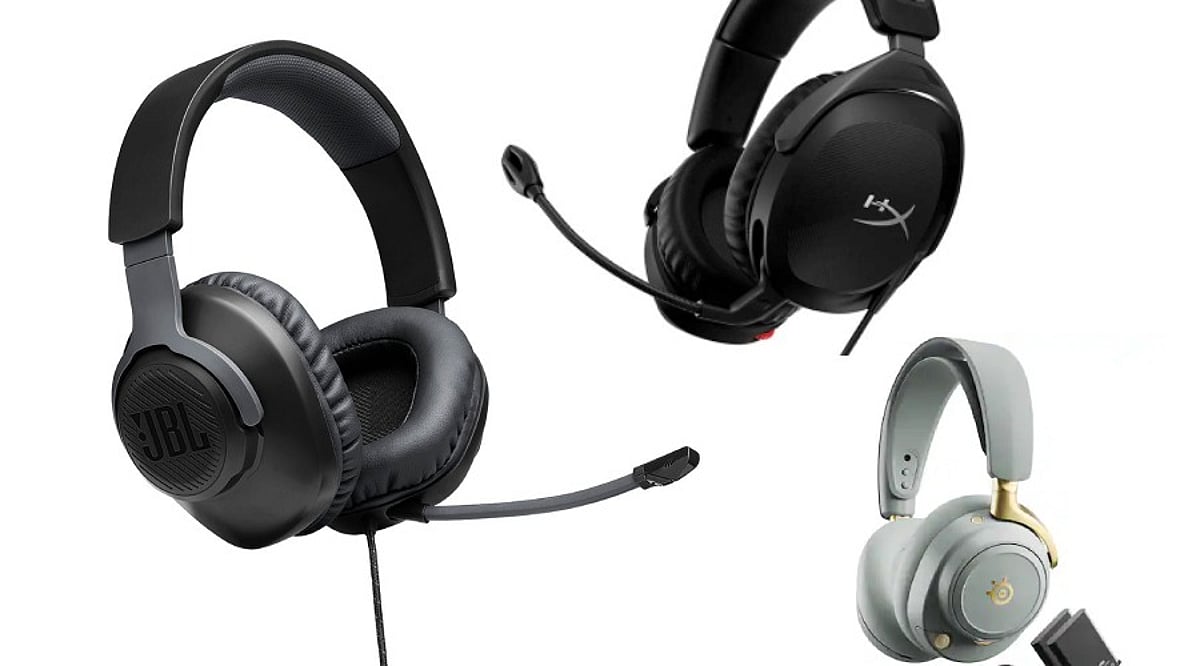
    Weekend deals bring massive discounts on gaming headsets across every budget. From budget wired models to premium wireless options, popular brands offer strong audio, comfort, broad compatibility, and attractive prices for all types of gamers.

    Many headsets work with PC, PlayStation, Xbox, Nintendo Switch, laptops, and mobile devices. Customer ratings help you compare quality before buying. Check out the best offers below.

    Ant Esports H520W White Gaming Headset

    The Ant Esports H520W White features 50mm bass speakers for deep sound, a wired 3.5mm connection, cushioned ear cups, and noise isolation. It holds a 3.8-star rating from over 4,000 reviews, with over 300 units sold in the last month. Price: Rs. 789 (74% off from Rs. 2,999).

    NUBWO U3 Gaming Headset

    This wired headset connects to PC, PS4, Xbox One, Mac, iPad, Nintendo Switch, and more via a standard 3.5mm jack. It features a flexible microphone and built-in volume control. Rating: 4.3 stars from over 2,700 reviews. Price: Rs. 1,499 (70% off from Rs. 4,999).

    Ant Esports H520W Smartchoice Black Edition

    A black version with the same 50mm drivers, lightweight build, noise isolation, and multi-platform compatibility. Rating: 3.8 stars from over 4,000 reviews. Price: Rs. 788 (74% off from Rs. 2,999).

    HAMMER Blaze Wired Gaming Headphones

    Bold styling with 50mm drivers, full RGB lights, breathable ear cushions, adjustable headband, and built-in microphone. 1.5-meter USB cable. Rating: 4.2 stars from 488 reviews. Price: Rs. 1,659 (82% off).

    Budget Wireless Options

    HOPPUP Xo6 Gaming Earbuds: 35ms low latency, 13mm drivers, RGB LED, Bluetooth, 50-hour battery. Cobalt Blue model: 4 stars from 569 reviews. Price: Rs. 742 (85% off). P47 icall Gaming Over-Ear Bluetooth Headphones (Red): Bluetooth, built-in mic. Rating: 4.6 stars from 4 ratings. Price: Rs. 359 (78% off). P47 Best Brand Wireless Portable Gaming Bluetooth Headset (Multicolor): Similar specs, same price and discount.

    Razer Game On Bundle

    Includes DeathAdder Essential mouse (6400 DPI), Kraken X Lite headset (40mm drivers), and Mouse Bungee V3 Chroma. Rating: 3.1 stars. Price: Rs. 2,999 (79% off).

    Punnkfunnk K20 Wired Gaming Headphones

    Supports PS4, Xbox One, Switch, PC, Mac, laptops. Rating: 3.7 stars from 157 reviews. Price: Rs. 926 (77% off from Rs. 3,999).

    Havit HV-H2002d Pink Gaming Headset

    Large 53mm speakers, wired 3.5mm, works with Xbox One, PS4. Rating: 4.4 stars from nearly 39,900 reviews – #1 Top-Rated. Price: Rs. 2,999 (70% off from Rs. 9,999).

    Why This Matters

    A quality gaming headset enhances sound, voice clarity, and comfort. These discounts let buyers grab trusted options at affordable prices.

    Final Thoughts

    The weekend sale covers all preferences and budgets. Entry-level wired headsets from Ant Esports cost under Rs. 1,000. NUBWO and HAMMER offer extra features. HOPPUP and P47 provide wireless options at great prices.

  • Top 5 Brain-Training Games for Adults: Boost Memory and Cognitive Skills

    Top 5 Brain-Training Games for Adults: Boost Memory and Cognitive Skills

    Keeping the brain active is just as important as maintaining physical fitness. Whether you’re looking to sharpen memory, improve problem-solving skills, or simply keep your mind engaged, learning games can provide an enjoyable way to exercise your brain. Modern cognitive games combine science-backed challenges with interactive gameplay, making learning feel less like studying and more like entertainment.

    Why Brain Training Games Matter

    Brain activity is significant in ensuring good cognitive health throughout one’s lifetime. Although playing any specific game does not promise higher intelligence and protection against cognitive decline, studies indicate that activities such as memorizing, focusing attention, and solving problems enhance mental sharpness and learning effectiveness. Learning games also encourage consistent practice through short, engaging sessions that fit into busy schedules. Many platforms now personalize exercises based on individual performance, making them suitable for beginners and experienced learners alike.

    Learning Games as Part of a Healthy Lifestyle

    Games that promote learning have proven to be most effective when included in an overall lifestyle of ongoing learning and good brain health. Combining a daily exercise for your brain with activities like reading, playing puzzles, learning a new language or musical instrument, or even meditating will help improve your brain functions. Regularity is key rather than lengthy intervals, even 15 minutes a day counts.

    Best Learning Games for Adults at a Glance

    • Lumosity – Personalized exercises targeting memory, attention, and mental flexibility.
    • Elevate – Focuses on communication and practical skills like writing and listening.
    • Peak – Offers a variety of brain-training challenges with adaptive difficulty.
    • Duolingo – Gamified language learning that strengthens memory and cognitive flexibility.
    • Chess.com – Strategic thinking and problem-solving through classic chess gameplay.

    How to Get the Most Out of Learning Games

    Brain training apps yield maximum results when applied on a consistent basis rather than with great intensity. Working out from 15 to 20 minutes a day is usually more beneficial than working out occasionally in marathon sessions. Applying various kinds of games, including memory, languages, and strategic games, enables exercising various cognitive functions rather than repeating the practice of one and the same function. Equally important is the necessity of brain training by means of good sleep, exercise, healthy nutrition, and constant learning. Reading books, learning new skills for work, and communicating with people make up for the lack of learning through digital games.

    Choosing the Right Learning Game

    Choosing the right learning game depends on your objectives. For those seeking well-structured exercises for the brain, Lumosity and Peak can be considered good choices. People who are keen on improving their communicative and other practical skills will find the application Elevate to be more useful. For people who would like to learn a foreign language, Duolingo is recommended. Finally, those who want to think strategically will find it more suitable to use Chess.com. To know which application motivates you better, try its free version first before paying for the premium version.

    Are Premium Versions Worth It?

    The majority of learning games have free versions which are adequate for those who do not intend to use them on a regular basis, whereas the paid ones allow access to extra workouts, progress monitoring, and tailored training programs. Should you decide to use the program on a regular basis, you can choose to pay in order to enjoy added options and flexibility.

    Final Thoughts

    From simple puzzles to adaptive learning and personalized challenges, games for learning have advanced significantly since the days of puzzle games. Modern games use the principles of gaming in order to help adults develop their memory, concentration, logic, communication, and problem-solving abilities. However, despite the benefits, learning games should not take the place of practical experience in everyday learning. If you aim at improving your productivity on the job, learning a language, or just want to train your brain, consider including some brain training games into your daily schedule.

  • Data Analyst Career in India 2026: Complete Guide to Skills, Salary, and Job Opportunities

    Data Analyst Career in India 2026: Complete Guide to Skills, Salary, and Job Opportunities

    Data analytics has become one of India’s fastest-growing and highest-demand career paths, driven by digital transformation, AI adoption, fintech growth, and expanding Global Capability Centers (GCCs). This comprehensive guide covers everything aspiring data analysts need to know: essential skills, certifications, salary expectations, a learning roadmap, and job search strategies for building a successful career in India.

    Why the Demand is So Strong Right Now

    The drivers of India’s data analyst demand are specific and worth understanding. UPI processed 16.7 billion transactions in December 2025 alone—every one requiring fraud detection, trend analysis, and reporting done by analysts. Over 1,400 D2C brands launched in India in 2025, each needing someone to guide product pushes, city expansions, and customer retention strategies.

    The DPDP Act 2024 and tightening SEBI reporting requirements are forcing mid-sized companies to hire analytics staff they never previously needed. A growing concentration of global capability centers across Bengaluru, Hyderabad, and Pune is pulling experienced analysts into well-paying enterprise roles. The demand is not speculative—it is wired into structural changes across India’s digital economy.

    According to Analytics Vidhya’s India Analytics Hiring Report 2026, demand for data professionals grew 34% year-on-year while talent supply grew only 18%. This structural shortage keeps salaries elevated even as other tech roles face hiring freezes. The Deloitte-NASSCOM report projects India will need over 1.25 million AI and data professionals by 2027.

    Skills that Actually Get You Hired

    The toolkit for an entry-level data analyst role in India in 2026 is well-defined and learnable in four to six months without a computer science degree.

    • SQL is the non-negotiable foundation—most analyst job descriptions list it first. Strong SQL combined with a visualization tool like Power BI or Tableau separates hireable candidates from those stuck at the application stage.
    • Power BI or Tableau add 25%-40% higher salary for SQL-skilled analysts, according to Glassdoor India salary data (March 2026).
    • Python is the next logical addition, especially libraries like Pandas for data manipulation and Matplotlib for visualization.
    • Excel and pivot tables remain relevant and tested in interviews across banking, FMCG, and traditional enterprise hiring.

    Practical Learning Roadmap:

    • Month 1: SQL and Excel fundamentals
    • Months 2-3: Power BI or Tableau
    • Month 4: Python basics
    • Months 5-6: Build two real portfolio projects with actual datasets

    Salary Expectations by Experience Level

    Entry-level (0-2 years): Rs. 3.5 to Rs. 6 LPA. Candidates with strong SQL, visualization software, and an impressive portfolio land on the higher side. The average expected salary for data analysts in India is around Rs. 10.5 LPA.

    Mid-level (3-5 years): Rs. 12 to Rs. 18 LPA. Professionals with specialization in verticals like banking or e-commerce, fluency in Python, and advanced BI tools command these salaries.

    Senior roles: Bengaluru and Mumbai offer the highest salaries, with senior positions in product firms and global capability centers paying Rs. 20 to 25 LPA and beyond. Remote data analyst jobs have also increased.

    Certifications Worth Considering

    Certifications offer a structured learning path but are less important than portfolios during recruitment. The three most recognized certifications are:

    • Google Data Analytics Certificate (Coursera)
    • Microsoft PL-300 Power BI certification
    • Tableau Desktop Specialist

    Each takes four to eight weeks and costs between Rs. 5,000 and Rs. 15,000. For freshers and career switchers, completing one certification alongside two real portfolio projects is the most reliable combination for entry-level applications.

    Where to Apply and What Companies Look For

    Top hiring locations: Bengaluru, Hyderabad, Pune, and Mumbai.

    Top hiring sectors: Financial services, e-commerce, healthcare, and IT services.

    Primary job boards: LinkedIn, Naukri, and Indeed. AngelList is active for startup analyst roles.

    Recruiters consistently report these gaps in candidate profiles:

    • Lack of SQL interview preparation
    • Portfolio projects using generic Kaggle datasets instead of domain-specific data
    • Inability to explain business impact rather than just technical steps

    Prepare three to five domain-specific SQL questions for your target sector, and practice walking through a project from data cleaning to insight to recommendation.

    The Honest Career Trajectory

    Data analyst is a strong entry point, not a ceiling. Most experienced analysts in India progress to senior analyst, business intelligence lead, product analyst, or data science roles within three to five years. Those who develop strong communication skills alongside technical depth—translating data into decisions for non-technical stakeholders—consistently outpace peers who focus only on technical capability.

    The combination of structural demand, accessible learning resources, and a genuine talent shortage makes data analytics one of the most rational career investments available to an Indian professional, regardless of their current background.

  • Best AI Data Analysis Tools for Analysts in 2026: A Comprehensive Guide

    Best AI Data Analysis Tools for Analysts in 2026: A Comprehensive Guide

    Why AI-Powered Data Analysis Tools Are Essential in 2026

    Artificial intelligence is fundamentally reshaping how analysts interact with data. Tasks that once demanded hours of manual cleaning, coding, and visualization can now be completed in minutes with AI-powered platforms. From generating SQL queries to automatically uncovering trends, these tools let analysts focus on interpreting insights rather than repetitive work.

    In today’s data-rich enterprise environment, the ability to make fast, informed decisions is critical. AI-driven analytics handles complex operations like data preparation, anomaly detection, forecasting, natural language querying, and automated reporting—allowing you to ask questions in plain English and receive answers in seconds.

    Top AI Tools for Business Intelligence

    Business intelligence platforms are increasingly embedding AI to enhance their capabilities:

    • Microsoft Power BI Copilot: Create DAX expressions, summarize dashboards, and generate reports using conversational language. It integrates seamlessly with Excel, Teams, and Azure, making it ideal for Microsoft-centric organizations.
    • Tableau Pulse: Continuously monitors datasets for anomalies and highlights unusual trends, helping you spot business changes proactively.
    • Google Looker AI: Enables natural language queries, removing the need for complex query writing and making enterprise reporting more accessible.

    AI Tools That Simplify Data Exploration

    Not every analysis starts with a dashboard. Many analysts spend significant time exploring data before reporting. These tools streamline that process:

    • ChatGPT Advanced Data Analysis: Upload spreadsheets, clean datasets, run statistical analyses, generate Python code, and create visualizations—all within a single conversational interface.
    • Julius AI: A spreadsheet-based tool that lets you upload Excel or CSV files and ask questions in your preferred language, making data exploration more intuitive.

    Natural Language Analytics Is Becoming the Standard

    One of the most significant shifts in analytics is the move toward natural language interfaces. Instead of mastering SQL or navigating complex dashboards, analysts can simply ask questions like “What was the fastest-growing product category quarter over quarter?” or “How does customer churn compare between 2025 and 2026?”

    Platforms such as ThoughtSpot Sage, Qlik Answers, and others convert plain-English questions into analytical queries, reducing the learning curve and boosting productivity across teams.

    How to Choose the Right AI Analytics Tool

    Selecting the best platform depends on your workflow and technical expertise:

    • Power BI Copilot suits business analysts already embedded in the Microsoft ecosystem.
    • Tableau Pulse is perfect for teams that rely on Tableau for visualization.
    • ChatGPT Advanced Data Analysis and Julius AI are excellent for exploratory analysis, ad-hoc reporting, and statistical computations.
    • Looker AI and ThoughtSpot Sage are designed for enterprise-scale data warehouses.

    Final Thoughts

    AI is not replacing data analysts—it’s transforming their roles. By automating tedious tasks like formula writing, report generation, data cleaning, and visualization, AI tools free analysts to focus on strategic decision-making. As more businesses adopt AI-powered business intelligence, professionals who master both classic and AI-assisted analytics will be well-positioned for the future.

    Ultimately, the right tool depends on your environment, reporting needs, and technical skills. But one thing is clear: understanding AI-enabled analytics is becoming a non-negotiable skill for every analyst.

    Frequently Asked Questions

    What are AI data analysis tools?

    AI data analysis tools use artificial intelligence and machine learning to automate data cleaning, visualization, forecasting, anomaly detection, and report generation. They help analysts uncover insights faster and reduce manual effort.

    Which AI tool is best for business analysts?

    Microsoft Power BI Copilot is a top choice for business analysts due to its seamless integration with Excel, Teams, and Azure. It can generate DAX formulas, summarize dashboards, and create reports using natural language, simplifying BI workflows.

    Can ChatGPT be used for data analysis?

    Yes. ChatGPT’s Advanced Data Analysis feature lets you upload Excel or CSV files, clean data, perform statistical analysis, generate Python code, create visualizations, and answer analytical questions in natural language—ideal for exploratory analysis and rapid prototyping.

    What is the difference between Tableau Pulse and Power BI Copilot?

    Power BI Copilot focuses on AI-assisted dashboard creation, report generation, and DAX automation within Microsoft’s ecosystem. Tableau Pulse emphasizes proactive business monitoring by automatically detecting trends, anomalies, and performance changes while delivering AI-generated insights directly to users.

    Are AI analytics tools replacing data analysts?

    No. AI tools enhance analyst productivity by automating repetitive tasks, allowing analysts to focus on interpreting results, solving business problems, and making strategic decisions that require human expertise.

  • NYT Wordle Answer for August 8, 2026: Hints, Clues, and Winning Strategies

    NYT Wordle Answer for August 8, 2026: Hints, Clues, and Winning Strategies

    The August 8 puzzle may require players to think beyond the most obvious word choices. Making informed guesses can uncover critical letters and reduce the pool of possible answers. A balanced mix of deduction and pattern recognition could be the key to solving today’s challenge.

    A simple five-letter word can turn into an engaging daily brain teaser. NYT Wordle challenges players to think critically, spot letter patterns, and make smart guesses as they work toward the correct answer. Its easy-to-understand format and once-a-day challenge have helped the game remain a favorite among puzzle enthusiasts worldwide.

    The August 8 edition offers another chance to test your vocabulary, sharpen your deduction skills, and keep your winning streak alive. Whether you tackle it with your morning coffee or during a quick break, today’s puzzle delivers a satisfying mix of challenge, strategy, and fun.

    How to Play Wordle

    First Guess: Type any five-letter English word (like SLATE), then hit Enter.

    Color Feedback: After each guess, letters will change colors:

    • Green: You have the correct letter in the correct location.
    • Yellow: You have the correct letter in the incorrect location.
    • Gray: The letter is not in the word at all.

    Apply Logic: Now, with letters shown in gray ruled out from the next guess, green letters will be prioritized, and yellows will be tried in other locations based on their color.

    Guess Within Six Tries: Suppose you can find the word within six guesses. Congratulations! You have won for the day. Everyone gets the same puzzle each day.

    Yesterday’s Wordle: August 7, 2026

    FEIGN.

    Today’s NYT Wordle Hints

    If today’s Wordle feels challenging, these hints can help you move closer to the solution without giving it away too quickly:

    • Vowels: The word contains only one vowel (I).
    • Starting Letter: It begins with the letter P.
    • Ending Letter: It ends with the letter Y.
    • Definition: Having knowledge of or access to secret or private information (e.g., “to be privy to a conversation”), or a term used to describe an outdoor toilet.

    NYT Wordle Answer Today

    The Wordle answer for August 8, 2026, is PRIVY.

    Want More Wordle? Play Again and Again!

    Paid NYT Games members have access to a tool known as the Wordle Bot. This allows them to track their performance in each day’s game. Newcomers can look back and catch up on earlier editions.

    If you are an NYT subscriber with full access to the publication’s games, you don’t need to quit after a single round. You’ll have access to an archive of over 1,400 games. See you tomorrow for another round of Wordle.

  • LinkedIn AI Advertising Tools Every B2B Marketer Must Master in 2026

    LinkedIn AI Advertising Tools Every B2B Marketer Must Master in 2026

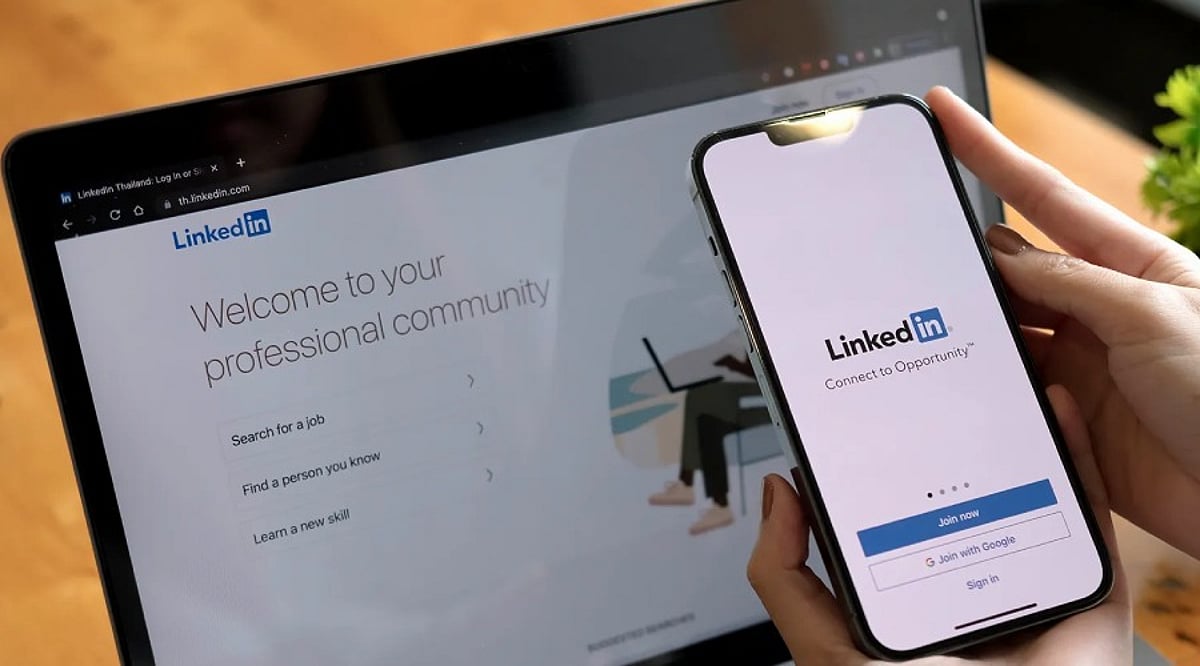
    Artificial intelligence has become central to digital advertising, but nowhere is its impact more evident than on LinkedIn. As the largest professional network in the world, LinkedIn provides advertisers with access to accurate information about professionals’ job titles, industries, companies, and decision-makers. Integrating such professional information with the company’s AI tools is now making it possible for B2B marketers to run better campaigns and reduce the time needed for campaign management.

    The introduction of such AI tools into the system is not only aimed at automating mundane tasks. LinkedIn’s AI tools can help advertisers target the right audience and create the right content, optimizing the budget in real time.

    AI is Reducing the Complexity of Campaign Creation

    Developing a B2B campaign usually entailed various decisions concerning audience choice, bidding strategy, and other aspects. LinkedIn’s AI-driven campaign development capabilities significantly ease many of these steps.

    By using capabilities like Accelerate, users can develop campaign suggestions aligned with business objectives rather than manually adjusting every possible parameter. The AI provides appropriate suggestions for audiences, campaign type, and optimization techniques. This solution is especially beneficial for small marketing teams that lack advertising specialists.

    Better Targeting Means Better Leads

    LinkedIn’s ability to leverage professional audience information is one of its best benefits, and AI can enhance it by analyzing user behavior, engagement patterns, and company attributes to predict conversion likelihood among specific groups.

    Compared with traditional filtering criteria such as job position or industry, marketers can connect with prospects by considering buying intent, company growth, recruitment needs, and professional interests. For B2B brands, where acquiring a single qualified lead often costs significantly more than in consumer marketing, better targeting directly improves return on investment.

    AI is Improving Creative Quality

    Creating multiple versions of ad copy for different audience segments has always been time-consuming. LinkedIn’s generative AI tools now assist marketers by producing headlines, primary text, and campaign messaging within minutes.

    Rather than replacing human creativity, AI provides a strong starting point. Marketing teams can edit the suggested copy to reflect their brand voice while reducing the time spent drafting advertisements from scratch. This allows businesses to test multiple creatives simultaneously, helping identify which messages generate the highest engagement and conversion rates.

    Performance Optimization Happens Continuously

    Campaign optimization has moved past the weekly reporting stage. LinkedIn’s artificial intelligence constantly monitors the effectiveness of your campaigns and pinpoints ways you can improve them.

    The platform no longer shows you numbers but points out developing trends, such as reduced engagement or underperforming creatives. It may even recommend reallocating your budget, refreshing your creatives, or adjusting your targeting before your campaign performance declines.

    Personalization is Becoming a Competitive Advantage

    Today’s B2B purchasers want communications that speak to their specific industry, position, and problems. LinkedIn’s AI capabilities can help deliver better personalization in advertising efforts.

    Organizations can use personalized communication by analyzing user data and past communications through Conversations, messaging, and audiences. Personalized communication is helpful not only for engagement but also for creating trust, which is an important component of the B2B buying process. Organizations don’t send the same message to all their possible customers anymore.

    AI Integration Increases the Efficiency of Workflows

    Using AI capabilities in LinkedIn becomes more relevant when AI is integrated with CRM and marketing automation systems. Lead data is automatically passed to the sales application, allowing you to communicate with them faster. Other use cases include lead scoring, opportunity detection, and attribution. This is a time- and effort-saving strategy.

    AI Still Needs Human Strategy

    Regardless of this progress, AI will never replace marketing knowledge. For successful B2B marketing campaigns, it is important to know what challenges customers face, create something valuable for them, and build relationships. AI may assist in suggesting an audience and generating ad texts, but only humans can create a value proposition and take into account all subtleties of customer behavior. Companies that see AI as a decision-making support system, not a decision-maker itself, will reach sustainable success.

    The Road Ahead for B2B Advertising

    In terms of AI marketing tools, LinkedIn represents another example of the changes taking place in this sphere. There has been increased automation of processes, predictive analysis, and personalization, which has made the campaigns much more accurate. AI technologies are developing, and therefore, there is greater potential for accurate audience research and assistance in the development process.

    Business-to-Business marketers should take advantage of AI technologies through business strategies. Companies that use technology to assist decision-making processes, not to decide on behalf of marketers, will benefit by qualifying leads and making their marketing more effective.

  • Best Android Phones for Modding in 2026: Top Picks for Custom ROM Enthusiasts

    Best Android Phones for Modding in 2026: Top Picks for Custom ROM Enthusiasts

    Why Android Modding Matters

    Android’s flexibility is one of its biggest strengths. From custom launchers and icon packs to rooting and flashing custom ROMs, Android offers a level of personalization that other mobile platforms simply can’t match. However, not every phone gives you the same freedom. For true modding enthusiasts, the ideal device should have an unlockable bootloader and a strong developer community.

    Top 6 Android Phones for Customization in 2026

    Google Pixel 10 Pro: Best Overall for Custom ROMs

    Google’s Pixel lineup has long been the go-to choice for Android purists. The Pixel 10 Pro continues this legacy with an unlockable bootloader on unlocked models, first-in-line Android updates, and one of the largest developer communities. Popular custom ROMs like LineageOS, GrapheneOS, crDroid, and Evolution X are typically available shortly after release. With seven years of software support, this phone remains relevant for years to come.

    • Easy bootloader unlocking
    • Wide custom ROM support
    • Seven years of software updates
    • Flagship cameras and performance

    OnePlus 15: Performance and Flexibility

    OnePlus has built a solid reputation among Android modders, and the OnePlus 15 is no exception. It boasts top-tier specifications and an unlockable bootloader, making it a perfect canvas for rooting, modifying, or replacing the stock kernel. With a developer-friendly approach, this phone offers plenty of resources for those who want to push the limits.

    • Top-end Snapdragon processor
    • Developer-friendly design
    • Unlockable bootloader
    • Quick charging and reliable battery life

    Nothing Phone 4a Pro: Clean and Customizable Software

    Nothing OS is nearly identical to stock Android, making it ideal for users who prefer a clean interface. The unique Glyph Interface adds a touch of personality, and the development team has been increasing support for custom ROMs and kernels. If you want a phone that balances simplicity with modding potential, this is a strong contender.

    • Light Nothing OS
    • Customizable Glyph Interface
    • Fewer pre-installed apps
    • Increasing ROM support

    POCO F8 Pro: Best Value for Android Tweakers

    The POCO F8 Pro delivers flagship-level hardware at a budget-friendly price. While bootloader unlocking involves a waiting period, the payoff is a wide selection of ROMs and performance kernels. This is an excellent choice for those who want total freedom without spending a fortune.

    • Great price-to-performance ratio
    • Good ROM support
    • Active developer community
    • Great gaming performance

    Motorola Edge 70 Pro: Stock-Like Android Interface

    Motorola keeps things simple with a near-stock Android experience. The Edge 70 Pro is perfect for users who want a clean interface with some room for customization. Bootloader unlocking is available on supported models, and the lightweight software ensures smooth daily performance.

    • Stock-like Android UI
    • Low software bloat
    • Bootloader unlock support
    • Consistent everyday performance

    Xiaomi 17 Ultra: Flagship Hardware for Power Users

    The Xiaomi 17 Ultra is a powerhouse packed with premium hardware and immense customization potential. After unlocking the bootloader, you can replace HyperOS with any custom ROM you prefer. With a massive global user base, developers continue to create ROMs and kernels for Xiaomi’s flagship devices.

    • Top-notch Snapdragon chipset
    • Good selection of custom ROMs
    • Superb display and cameras
    • Long-lasting developer interest

    Quick Comparison

    Here’s a quick overview of the top picks:

    • Google Pixel 10 Pro: Best overall for custom ROM support and long-term updates.
    • OnePlus 15: Ideal for those seeking flagship performance with full modding capabilities.
    • Nothing Phone 4a Pro: Great for clean software with growing modding support.
    • POCO F8 Pro: Best budget option with strong hardware and ROM community.
    • Motorola Edge 70 Pro: Perfect for stock Android lovers who still want some flexibility.
    • Xiaomi 17 Ultra: Premium hardware with a wide range of custom ROMs.

    Conclusion

    For the ultimate customization experience, the Google Pixel 10 Pro stands out with its exceptional software and vibrant developer community. If you prefer flagship-level performance with full modding freedom, the OnePlus 15 is an excellent alternative. Budget-conscious users will find great value in the POCO F8 Pro, which offers solid customization options without breaking the bank.

    Frequently Asked Questions

    Which Android phone is best for custom ROMs?

    Google Pixel phones are widely considered the best for custom ROMs due to their excellent developer support and compatibility with popular ROMs like LineageOS and GrapheneOS.

    Can I unlock the bootloader on every Android phone?

    No. Some manufacturers allow bootloader unlocking, while others restrict or permanently disable the option on certain models.

    Does rooting an Android phone void the warranty?

    It depends on the manufacturer. Rooting or unlocking the bootloader may void the warranty on some devices.

    Which budget Android phone is best for customization?

    The POCO F8 Pro offers excellent value with strong hardware and wide support for custom ROMs and kernels.

    Do custom ROMs improve phone performance?

    They can. Many custom ROMs reduce bloatware, improve battery life, and offer smoother performance with additional features.

  • The Best Startup Podcasts for Entrepreneurs in 2026: Insights on AI, Funding, and Growth

    The Best Startup Podcasts for Entrepreneurs in 2026: Insights on AI, Funding, and Growth

    In 2026, startup podcasts have become an indispensable resource for entrepreneurs, investors, and business professionals. These shows offer a wealth of knowledge on company building, market trends, funding strategies, and technology shifts. As startups continue to explore artificial intelligence, automation, fintech, and other emerging sectors, podcasts provide accessible conversations with industry leaders and experienced founders.

    Founder Experiences Inspire New Entrepreneurs

    Founder-focused podcasts remain a magnet for audiences by sharing authentic stories of building companies from early ideas to successful businesses. Entrepreneurs openly discuss challenges such as raising capital, developing products, managing teams, and entering competitive markets. These conversations help aspiring founders understand the realities of entrepreneurship and learn practical lessons from those who have navigated the journey.

    AI Takes Center Stage in Startup Discussions

    Artificial intelligence continues to dominate startup podcasts in 2026. Founders and investors are exploring AI-powered businesses, automation tools, intelligent software, and the new opportunities created by generative AI. These discussions help entrepreneurs understand how emerging technologies can boost productivity, create innovative products, and transform traditional industries.

    Investors Share Funding Insights

    Podcasts are giving entrepreneurs unprecedented access to venture capital perspectives and funding strategies. Investors discuss shifting market conditions, startup valuations, business models, and what makes a company attractive for investment. As funding environments become more focused on strong fundamentals, founders are learning how to build sustainable businesses and craft better fundraising pitches.

    New Technologies Open Startup Opportunities

    Technology innovation is unlocking new possibilities across industries. Podcasts highlight developments in cybersecurity, robotics, climate technology, healthcare, blockchain, and enterprise software. These conversations help audiences understand how entrepreneurs are leveraging advanced technologies to solve real-world problems and create businesses designed for the future.

    Growth Strategies Take the Spotlight

    Modern startup discussions increasingly focus on efficient growth and long-term success. Entrepreneurs share strategies for customer acquisition, automation, team building, product development, and operational improvements. With businesses seeking smarter ways to scale, podcasts help founders discover methods to enhance performance while adapting to evolving market conditions.

    The Evolution of Startup Media

    Startup podcasts are set to remain a valuable resource for entrepreneurs and business enthusiasts as the ecosystem continues to evolve. By blending expert opinions, founder stories, and industry analysis, these platforms offer a window into the future of business. As new technologies emerge, startup conversations will keep shaping how companies are created and expanded globally.