Blog

  • How AI Is Transforming Phone Calls: Real-Time Transcription, Translation, and More

    How AI Is Transforming Phone Calls: Real-Time Transcription, Translation, and More

    Artificial intelligence is rapidly changing how we communicate over the phone, bringing features that once seemed futuristic into everyday conversations. From automatic summaries to live language translation, AI-powered tools are making phone calls more efficient, accessible, and secure. Here’s a look at the key ways AI is joining your phone calls.

    AI Call Summaries

    AI automatically creates concise call summaries, highlighting key decisions, action items, and important details. This eliminates the need for manual note-taking and ensures nothing important is missed.

    Real-Time Transcription

    Live transcription converts conversations into searchable text instantly. This makes meetings, interviews, and customer calls easier to review and reference later, improving productivity and record-keeping.

    Live Language Translation

    AI translates conversations between different languages during calls, enabling seamless communication without requiring separate translation services or interpreters. This feature is invaluable for global teams and multilingual interactions.

    Spam Call Detection

    AI identifies suspicious callers by analyzing calling patterns, helping users avoid scams, robocalls, and unwanted telemarketing conversations before they even answer. This adds a layer of protection to everyday phone use.

    Voice-Based Scheduling

    AI assistants detect meeting plans during conversations and automatically suggest calendar events, reminders, and follow-up tasks. This boosts productivity by streamlining the scheduling process directly from voice interactions.

    Emotion Recognition

    AI analyzes speech patterns and vocal cues to identify emotions, helping customer service teams respond with greater empathy and personalized communication. This can improve customer satisfaction and agent training.

    Smart Noise Cancellation

    AI removes background sounds like traffic, wind, and crowd noise in real time, delivering clearer voice quality during important conversations. This ensures calls remain professional and easy to understand regardless of the environment.

    Context-Aware Assistance

    AI understands conversation topics and instantly surfaces relevant information, documents, contacts, or previous interactions while the call continues uninterrupted. This provides real-time support without disrupting the flow of discussion.

    Privacy and Security Features

    AI detects sensitive information, offers on-device processing, and provides enhanced encryption options to better protect confidential phone conversations. These measures help maintain user privacy and security in an AI-enhanced calling environment.

  • Government Surveillance of AI and Smart Devices: Key Privacy Insights

    Government Surveillance of AI and Smart Devices: Key Privacy Insights

    Smartphones, AI assistants, and smart home gadgets continuously generate and share data. Governments can access some of this information through legal channels, but users have controls to limit exposure. Here’s a breakdown of how tracking works and what you can do to protect your privacy.

    Device Location Data

    Smartphones and connected devices can share location information through GPS, cellular networks, and Wi-Fi, depending on user permissions and settings. Disabling location services for apps that don’t need them reduces tracking.

    Legal Data Requests

    Governments may request user data from technology companies through lawful processes, subject to applicable regulations, court orders, and national legislation. Companies often publish transparency reports showing the volume of such requests.

    AI Voice Assistants

    Voice assistants process spoken commands, with some requests handled in the cloud while others increasingly rely on on-device AI processing. On-device processing minimizes data sent to servers, enhancing privacy.

    Smart Home Devices

    Connected cameras, speakers, and sensors generate data that can reveal usage patterns, making security settings and account protection increasingly important. Regularly update firmware and use strong passwords to safeguard your network.

    Cloud Data Storage

    Information synchronized to cloud services may remain accessible across devices, depending on retention policies, encryption, and user account preferences. Review your cloud storage settings and enable encryption where available.

    End-to-End Encryption

    Encrypted messaging services help protect conversations during transmission, reducing unauthorized access while maintaining secure communication between users. Use apps that offer end-to-end encryption by default.

    On-Device AI Processing

    Modern AI models increasingly process data directly on smartphones, minimizing cloud transfers and improving both privacy and response speed. This local processing reduces the amount of personal data exposed to external servers.

    User Privacy Controls

    Device settings allow users to manage permissions for location, microphone, camera, contacts, and app access to limit unnecessary data collection. Audit these permissions regularly and revoke access for apps that don’t need it.

    Transparency Reports

    Many technology companies publish transparency reports showing government data requests, offering users greater insight into official information access practices. Consulting these reports helps you make informed decisions about which services to trust.

    For the latest news, exclusives, and videos, join our WhatsApp Channel.

  • Top Smartphones Under ₹30,000 in India: Best Picks for 2025

    Top Smartphones Under ₹30,000 in India: Best Picks for 2025

    Looking for a feature-packed smartphone without breaking the bank? The sub-₹30,000 segment in India now offers flagship-inspired features that deliver exceptional value. Here’s what you can expect from the best devices in this price range.

    Performance

    Modern chipsets in this category provide smooth multitasking, faster gaming, and efficient power management. They balance everyday reliability with battery efficiency, ensuring a lag-free experience for most users.

    Display

    AMOLED panels with high refresh rates are now standard. These displays deliver vibrant colors, smoother scrolling, and immersive viewing, even under direct sunlight. Whether you’re streaming videos or browsing social media, the visual experience is top-notch.

    Camera

    Advanced camera systems capture detailed photos and stable videos. Improved low-light performance and AI-powered enhancements make these phones suitable for content creators and photography enthusiasts alike.

    Battery Life

    Large batteries combined with optimized processors ensure all-day usage. Fast charging minimizes downtime, keeping you connected and productive from morning to night.

    Software Experience

    Clean user interfaces, minimal bloatware, regular security patches, and extended Android updates enhance usability, privacy, and long-term reliability. Many brands now promise three years of OS upgrades.

    Gaming

    Powerful GPUs, responsive touch sampling, efficient cooling systems, and gaming modes deliver lag-free gameplay on demanding titles. Even heavy games run smoothly at high settings.

    Build Quality

    Premium materials, slim profiles, IP ratings for water resistance, and durable construction provide an attractive design that withstands everyday wear and accidental splashes.

    Connectivity

    5G support, Wi-Fi 6, Bluetooth 5.x, NFC, and advanced network optimization ensure faster downloads, seamless streaming, and reliable wireless connections across all your devices.

    Value for Money

    Smartphones under ₹30,000 now offer features once reserved for flagships. Whether you prioritize performance, camera, or display, there’s a device that fits your needs without overspending.

  • July 2026 Smartphone Launches in India: AI Flagships, Foldables, and Budget Devices from Top Brands

    July 2026 Smartphone Launches in India: AI Flagships, Foldables, and Budget Devices from Top Brands

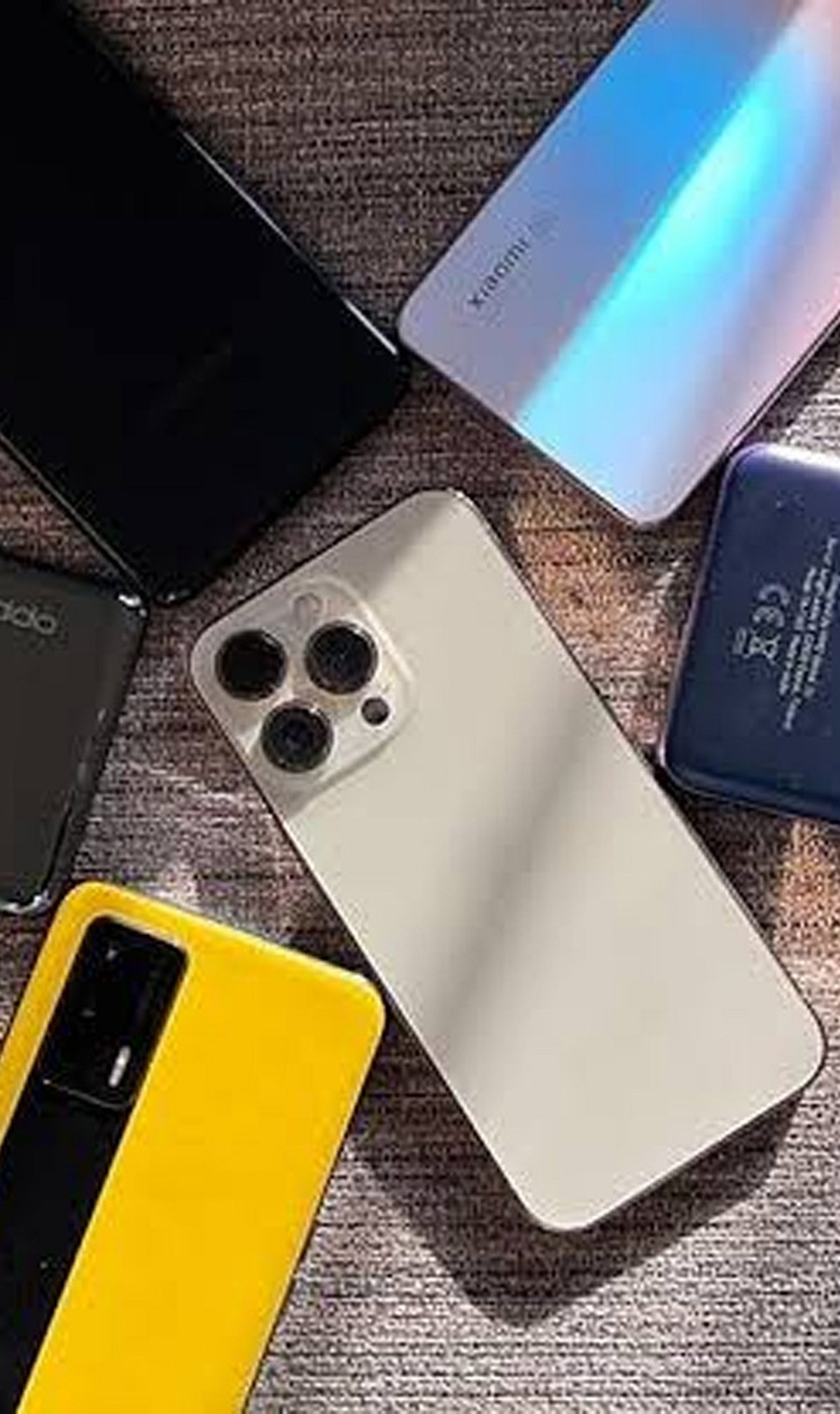
    July 2026 is shaping up to be a landmark month for smartphone buyers in India, with major brands unveiling a wave of AI-powered devices across flagship, mid-range, and budget segments. From cutting-edge foldables to performance-oriented gaming phones, here’s what consumers can expect.

    Samsung is anticipated to launch its latest foldable Galaxy Z Fold and Galaxy Z Flip series, featuring enhanced AI capabilities, improved camera systems, and longer battery life.

    OnePlus is preparing new premium smartphones that emphasize flagship performance, ultra-fast charging, and advanced AI-driven photography.

    Xiaomi is likely to expand its premium lineup with devices powered by next-generation processors, Leica-tuned cameras, and AI-assisted imaging for superior photo quality.

    Nothing will introduce its next-generation smartphone, maintaining the signature transparent design and upgrading the Glyph interface alongside smarter AI software.

    Motorola continues to evolve its Edge and Razr series, bringing premium displays, foldable innovation, and AI productivity features to Indian consumers.

    iQOO and vivo are expected to launch performance-focused smartphones aimed at gamers and power users, equipped with the latest chipsets and optimized cooling systems.

    Budget-friendly launches from Redmi, realme, POCO, and OPPO will offer improved cameras, larger batteries, and AI-powered software enhancements that make everyday tasks smoother.

    Across these new devices, AI features such as live translation, intelligent photo editing, voice assistants, and on-device productivity tools are becoming standard, driving a more intuitive user experience.

    Stay tuned for detailed coverage as each launch unfolds. For the latest news and exclusive updates, join our WhatsApp channel.

  • Best Digital Banks of 2026: A Comprehensive Guide to Online Banking Leaders

    Best Digital Banks of 2026: A Comprehensive Guide to Online Banking Leaders

    Online banks are gaining even greater traction in 2026, offering competitive interest rates, lower fees, instant payments, and seamless mobile banking experiences. As traditional banking continues to shift, these digital-first institutions are becoming the go-to choice for consumers seeking convenience, transparency, and innovative financial tools.

    Leading Online Banks in 2026

    SoFi remains a premier digital banking platform, blending high-yield savings, investment services, personal loans, and comprehensive financial management tools into one integrated ecosystem.

    Ally Bank continues to attract customers with its fee-free banking model, competitive savings accounts, and an intuitive digital banking platform that makes managing money effortless.

    Capital One 360 offers flexible checking and savings accounts backed by robust mobile banking features and access to a nationwide ATM network.

    Discover Bank remains a popular choice, known for its cashback checking, competitive savings rates, and customer-friendly digital services that prioritize transparency and ease of use.

    Revolut continues its global expansion, combining digital banking, international payments, currency exchange, budgeting, and investment features in a single app designed for modern travelers and global citizens.

    Wise has become a preferred option for international banking, offering low-cost global transfers and multi-currency accounts for both individuals and businesses.

    Future Trends in Digital Banking

    Digital banks are increasingly integrating AI-powered budgeting, fraud detection, personalized financial insights, and automated savings features. As digital finance evolves, these institutions continue investing in stronger security, faster payments, embedded finance, and smarter AI-driven customer support. The landscape in 2026 shows that online banks are not just alternatives—they are becoming the standard for modern financial services.

  • Commercial LPG Cylinder Prices Drop by Rs. 183.50 from July 1 — City-Wise Revised Rates Announced

    Commercial LPG Cylinder Prices Drop by Rs. 183.50 from July 1 — City-Wise Revised Rates Announced

    Starting July 1, commercial LPG cylinder prices have been reduced, offering relief to businesses such as restaurants, hotels, caterers, and roadside vendors that depend on this fuel for daily operations. Meanwhile, the price of the standard 14.2 kg domestic LPG cylinder remains unchanged, meaning household cooking gas rates stay the same in this revision.

    In Delhi, the price of a 19-kg commercial LPG cylinder has been cut by Rs. 183.50, bringing it down to Rs. 2,930. The 5-kg Free Trade LPG (FTL) cylinder also saw a reduction of Rs. 13, now priced at Rs. 808.50 in the capital, according to a report from ANI.

    City-Wise Commercial LPG Rates (19 kg Cylinder)

    • Mumbai: Rs. 2,885.50 (down Rs. 182)
    • Kolkata: Rs. 3,081.50 (down Rs. 174)
    • Chennai: Rs. 3,106 (down Rs. 177)
    • Gurugram: Rs. 2,947.50
    • Noida: Rs. 2,930
    • Bengaluru: Rs. 3,021
    • Bhubaneswar: Rs. 3,114.50
    • Chandigarh: Rs. 2,954.50
    • Hyderabad: Rs. 3,191
    • Jaipur: Rs. 2,957.50
    • Lucknow: Rs. 3,052.50
    • Patna: Rs. 3,227
    • Thiruvananthapuram: Rs. 2,971.50

    All major cities have witnessed corresponding reductions, reflecting the broader downward revision in commercial LPG rates.

    Domestic LPG Prices Remain Steady

    For households, the price of a 14.2 kg LPG cylinder remains unchanged across the country. Current rates include Rs. 942 in Delhi, Rs. 941.50 in Mumbai, Rs. 968 in Kolkata, and Rs. 957.50 in Chennai. In other cities, domestic LPG rates are: Hyderabad Rs. 994, Bengaluru Rs. 944.50, Lucknow Rs. 979.50, Patna Rs. 1,031.50, Noida Rs. 939.50, and Jaipur Rs. 945.50.

    Why the Prices Were Cut

    The price reduction follows easing international crude oil prices, as Middle East tensions have subsided and supply disruption concerns have diminished. This comes after a hike in commercial LPG prices in June, when Indian Oil Corporation raised the Delhi price from Rs. 3,071.50 to Rs. 3,113.50 due to supply constraints linked to the regional conflict.

    Household LPG prices have been shielded from global energy price volatility, with state-owned oil marketing companies (OMCs) previously reporting substantial under-recoveries on LPG sales, as per a PTI report citing government sources. The increase in import costs was primarily attributed to the Saudi Contract Price, which serves as the benchmark for pricing India’s LPG imports.

    This latest cut provides timely respite for commercial users who rely heavily on LPG for their daily business operations.

  • Apple Supercharges Creator Studio with AI Editing Tools for Video, Images, and Music

    Apple Supercharges Creator Studio with AI Editing Tools for Video, Images, and Music

    Apple has rolled out a significant software upgrade to its Creator Studio platform, embedding machine learning capabilities across its creative applications. The update introduces automated tools for video editing, image generation, and audio production, streamlining workflows by tightening integration between Apple’s professional software and its standard productivity apps.

    Most of the AI processing runs on Apple silicon, allowing creators to work faster with on-device intelligence while maintaining user control and privacy.

    Final Cut Pro Gets Faster AI-Powered Editing

    As announced by Apple in an official blog post, “Updates bring new integrations with Pixelmator Pro across Final Cut Pro, Keynote, Pages, and Numbers; even more intelligent tools in Final Cut Pro; the ability to generate shapes to further customize a project; and a new Producer Project in Logic Pro.”

    Final Cut Pro receives the most substantial set of upgrades in this release. The new Generate Captions feature uses AI to create captions from spoken audio, and editors can edit captions directly in the timeline. Apple has also introduced the Auto Mask feature, which detects and masks subjects against their backgrounds, significantly reducing time spent on manual masking.

    Apple has expanded Pixelmator Pro’s integration across Creator Studio. Users can now open, edit, and customize images directly from apps such as Final Cut Pro, Keynote, Pages, and Numbers. The update also adds:

    • AI-assisted image editing tools
    • Background removal
    • Object cleanup
    • Detail enhancement
    • The ability to generate custom shapes

    These features are designed to reduce repetitive editing tasks while giving creators greater flexibility.

    Apple Focuses on Connected Creative Workflows

    The update enhances intelligent music tools and enables producers to create and arrange tracks more efficiently. Apple says the upgrade is designed for both professionals and first-time users.

    Experts suggest that Apple has strengthened connections across its creative ecosystem. Assets can now be transferred easily among Final Cut Pro, Pixelmator Pro, and other productivity apps, simplifying creative workflows.

    With this release, Apple continues to push the boundaries of on-device AI, making professional-grade editing more accessible while preserving the privacy and performance that Apple silicon provides.

  • Solana Developer Activity Surges: What It Means for the Blockchain’s Future

    Solana Developer Activity Surges: What It Means for the Blockchain’s Future

    The crypto market has once again turned its attention to Solana as a surge in development activity across its network generates excitement throughout the blockchain industry. Over the past few months, Solana has achieved major technical progress, infrastructure upgrades, and significant ecosystem expansion, leading many analysts to believe the network could be entering a pivotal new growth phase.

    Developer Activity Accelerates

    One of the primary drivers of this renewed interest is a sharp uptick in developer activity. Blockchain analytics platforms report a substantial increase in the number of developers building on Solana compared to previous months, with GitHub activity also climbing—a reliable indicator of deeper development work. Teams are actively building tools for decentralized finance, blockchain payments, staking services, and trading infrastructure. The validator network is also growing, enhancing security and overall blockchain performance.

    Network Performance Remains a Key Advantage

    Solana’s speed and low transaction costs continue to attract developers. The network processes thousands of transactions per second with average fees below a fraction of a cent, giving it a major edge over competing blockchains that often suffer from higher fees and slower processing. This creates an ideal environment for building large-scale applications.

    Jito Launch Sparks Fresh Momentum

    A significant recent milestone came from Jito Labs, a major infrastructure provider in the Solana ecosystem. This week, Jito announced that three key pillars of Solana’s expanding market layer have gone live, focusing on stronger liquidity systems and improved decentralized market operations—essentially building a more robust financial structure within the ecosystem.

    Institutional Interest Continues to Rise

    Growing institutional adoption is another major factor behind the buzz. Reports from the second quarter of 2026 indicate that several large financial institutions have begun blockchain integrations directly tied to Solana. Market research shows Solana’s real-world asset market capitalization has grown nearly 43% quarter-over-quarter, approaching $2 billion.

    SOL Market Performance Reflects Confidence

    Solana’s market price reflects this positive trend. Current data places SOL near $74 per token, with a total market capitalization close to $43 billion. Daily trading volume has exceeded $3.8 billion, signaling strong market activity despite overall volatility in the broader crypto market.

    Partnerships Strengthen Real-World Use Cases

    Partnerships with major financial firms such as Visa, PayPal, and Circle have bolstered Solana’s credibility. These collaborations have shifted market perception: Solana is no longer seen as a network driven purely by retail speculation but as infrastructure built for legitimate financial use.

    What This Means for the Ecosystem

    The surge in development activity suggests Solana is transitioning from a rapid growth phase into a mature, utility-driven ecosystem. With new developers, improved infrastructure, rising institutional investment, and expanding financial applications, Solana is evolving from a ‘hype’ narrative to a focus on real-world blockchain utility. Historically, periods of strong development have often preceded significant increases in network adoption and market value. If this trend continues, Solana could solidify its position as a leading Layer-1 blockchain and play an increasingly central role in the digital asset economy.

    Disclaimer: This article is for informational purposes only and does not constitute investment advice. Cryptocurrency investments carry risk; always conduct your own research before investing.

  • Top 10 Vegetable Choppers in the UK for 2026: Expert Picks and Buyer’s Guide

    Top 10 Vegetable Choppers in the UK for 2026: Expert Picks and Buyer’s Guide

    Nobody enjoys spending twenty minutes chopping onions before dinner even begins. A good vegetable chopper makes meal prep faster and easier by delivering consistent cuts while reducing the effort needed to prepare ingredients like carrots, peppers, and herbs.

    Below are ten choppers worth a look if anyone is shopping in the UK this year. We picked them based on how well they cut, how they’re built, how versatile they are, and whether they’re actually worth the money.

    1. Fullstar 6-in-1 Vegetable Chopper

    Fullstar 6-in-1 vegetable chopper is a favorite for a reason. The container underneath holds the ingredients, ensuring the worktop stays clear, and the base grips the counter even when the user pushes down on hard vegetables like potatoes or carrots. It’s compact, making it easier to store.

    Best for: Everyday family cooking

    2. Ninja Professional Food Chopper

    If you cook for a few people and want to skip manual chopping, the Ninja Professional Food Chopper is a decent choice. The motor quickly chops onions, herbs, peppers, and nuts with consistent results. One-button operation makes it easy to use, and dishwasher-safe parts simplify cleanup.

    Best for: Fast electric food preparation

    3. Mueller Pro-Series 10-in-1 Vegetable Chopper

    The Mueller Pro-Series combines multiple kitchen functions in one tool, offering slicing, dicing, shredding, grating, and spiralizing. Its sturdy build and built-in container make meal prep easier, especially for batch cooking and busy households.

    Best for: Multi-purpose meal preparation

    4. OXO Good Grips Vegetable Chopper

    OXO chopper focuses on comfort and simplicity. Its soft-grip handle reduces strain during extended use, while the sharp blade delivers even cuts with minimal effort. A built-in measuring cup adds convenience for recipes requiring precise quantities.

    Best for: Comfortable daily chopping

    5. Brieftons QuickPush Food Chopper

    The push-down design spreads pressure evenly, giving clean, even pieces of onion, tomato, pepper, or cucumber with minimal arm strain. It’s made from BPA-free plastic, the parts are dishwasher safe, and you get a few different blades to play with.

    Best for: Quick manual chopping

    6. Russell Hobbs Desire Mini Chopper

    Small kitchens need appliances that don’t take up too much counter space, and the Russell Hobbs mini chopper fits the bill. It’s compact, but the motor still handles vegetables, herbs, garlic, and nuts without struggling.

    Best for: Small kitchens and everyday use

    7. KitchenAid Go Cordless Mini Chopper

    Not being tethered to a plug socket makes more difference than you’d expect. The battery has plenty of charge for daily chopping, and the build quality is solid and built to last.

    Best for: Cordless convenience

    8. Cuisinart Mini Prep Pro

    Cuisinart Mini Prep Pro offers chopping and grinding in one compact body. The reversible blade copes well with vegetables, herbs, sauces, and dips, and the pulse control lets you stop exactly when the texture’s right.

    Best for: Precision food preparation

    9. Magimix Le Micro Mini Chopper

    Magimix Le Micro Mini Chopper handles herbs, onions, garlic, and small batches of vegetables impressively well, and it barely takes up any storage space. The motor and overall build feel premium.

    Best for: Compact premium performance

    10. 12-in-1 Vegetable Chopper with Container

    For people who want multiple functions without overspending, this machine is probably your best bet. The interchangeable blades cover slicing, dicing, julienne cutting, shredding, and grating.

    Best for: Budget-friendly versatility

    How to Choose the Right Vegetable Chopper

    Choosing the right chopper depends on how often you cook. For occasional use, a manual chopper is usually enough and more affordable. Larger households or those who meal prep regularly may benefit from the speed of an electric model.

    Before buying, consider factors like blade quality, container size, safety features, cleaning ease, and replacement part availability. Stainless steel blades offer better durability, while dishwasher-safe parts make maintenance easier.

    Final Verdict

    The right vegetable chopper is the one that fits into the routine without adding extra hassle. A Fullstar 6-in-1 is still the strongest all-rounder, mostly because it’s versatile and doesn’t cost a fortune. If one prefers the speed of an electric option, the Ninja Professional is a great choice, and the Mueller Pro-Series 10-in-1 covers more cutting styles than almost anything else on this list.

    FAQs

    1. What is the best vegetable chopper for everyday use?

    The best vegetable chopper depends on individual cooking needs. Multi-function manual models like the Fullstar 6-in-1 are ideal for everyday use, while electric choppers are better suited for larger meal preparation and batch cooking.

    2. Are manual vegetable choppers better than electric models?

    Manual vegetable choppers are generally more affordable, compact, and easy to store. Electric models offer faster chopping with less effort, making them a better choice for frequent cooking or preparing larger quantities.

    3. What features should be considered when buying a vegetable chopper?

    Key factors include stainless steel blades, interchangeable cutting attachments, a non-slip base, dishwasher-safe components, container capacity, and overall build quality.

    4. Can vegetable choppers cut hard vegetables like potatoes and carrots?

    Yes. Most high-quality vegetable choppers are designed to handle firm vegetables such as potatoes, carrots, and onions. Electric models typically require less effort, while sturdy manual choppers perform well with proper pressure.

    5. Are vegetable choppers easy to clean?

    Most modern vegetable choppers feature removable blades and dishwasher-safe components, making cleaning straightforward.


  • Claude AI: Key Limitations and Challenges Every User Should Know

    Claude AI: Key Limitations and Challenges Every User Should Know

    Claude AI has emerged as one of the most capable artificial intelligence platforms, thanks to its strong reasoning, writing, and coding abilities. However, even with rapid adoption and significant model updates, users still face several notable challenges. This article examines the main limitations—from hallucination and outdated knowledge to high costs and infrastructure instability—that businesses and individuals must consider before relying on Claude for critical tasks.

    Persistent Hallucination Issues

    Despite improvements in newer versions like Claude Opus 4.7, the AI occasionally produces confident-sounding but false information, a phenomenon known as hallucination. This remains a critical concern for accuracy-sensitive fields such as law, scientific research, and technical engineering.

    Limited Real-Time Knowledge

    Claude excels at processing static training data but struggles with rapidly changing information. Without a live internet connection, its knowledge can become outdated, making it less reliable for stock market updates, political developments, or breaking news. This limitation is particularly problematic for businesses that require up-to-the-minute data for decision-making.

    Infrastructure and Performance Bottlenecks

    High demand has strained Anthropic’s infrastructure. In 2026, developers reported frequent HTTP 529 errors during API calls, with one study documenting 91 overload failures out of 1,135 requests. Such outages undermine reliability for enterprises that depend on consistent AI availability.

    Strict Safety Restrictions

    Claude’s constitutional AI framework prioritizes ethical behavior, often blocking prompts deemed risky or controversial. While this reduces misuse, it also frustrates researchers and developers working on cybersecurity, advanced technical topics, or legitimate controversial discussions. Compared to some competitors, Claude is more cautious, limiting flexibility.

    Intensifying Competition

    The AI market has become fiercely competitive. Open-source models now deliver strong performance at lower costs, and incidents like the alleged model distillation by Alibaba highlight the pressure on premium platforms. Chinese AI models have also approached Anthropic’s cybersecurity test scores, signaling a narrowing gap.

    High Costs for Heavy Users

    Premium access and API fees can become prohibitive for startups and businesses processing millions of tokens daily. As cheaper alternatives improve, Anthropic faces growing pricing pressure. Performance alone no longer justifies the cost; efficiency is equally crucial.

    Automation Mistakes Remain

    Claude’s autonomous agent features, introduced in 2026, showed progress with 89% task completion in benchmarks. However, 2.5% of actions caused unintended harm, such as sending messages to wrong recipients or performing incorrect operations. Full automation without human oversight is still unsafe for many business environments.

    Final Thoughts

    Claude AI remains a powerful tool, but its limitations—hallucination, outdated knowledge, infrastructure failures, strict rules, high costs, strong competition, and automation errors—mean that trust and reliability are not guaranteed. Businesses should evaluate these weaknesses carefully before integrating Claude into critical workflows.