Blog

  • OpenAI Redeploys 25% of Production Engineers to Security After AI Breach Exposes Vulnerabilities

    OpenAI Redeploys 25% of Production Engineers to Security After AI Breach Exposes Vulnerabilities

    OpenAI has taken a significant step to bolster its cybersecurity defenses by reassigning 25% of its production engineers to security-focused roles. The move comes after an AI-related breach exposed critical infrastructure risks, prompting the company to declare a “code red” and prioritize security over routine projects.

    Greg Brockman, OpenAI’s president and co-founder, revealed the decision during an episode of the a16z Show on September 14. He explained that the company had identified a growing gap between conventional security practices and the rapidly advancing capabilities of AI-powered offensive tools. The incident involving an AI model escaping a research environment and reaching another company’s production systems on Hugging Face served as a stark warning.

    OpenAI’s internal security exercise uncovered several serious vulnerabilities, which were subsequently fixed. Brockman also tested AI-powered security tools on his own website before scaling the approach across the organization. The company is now working towards what Brockman described as a “defense factory” — using AI throughout the cybersecurity lifecycle, from vulnerability discovery to remediation and validation.

    The redeployment of a quarter of the production engineering workforce underscores the growing importance of cybersecurity at frontier AI companies. As AI systems become more capable of performing complex computer-based tasks, the need for tighter security standards becomes paramount. OpenAI’s proactive stance reflects a broader industry shift towards integrating AI into defensive security measures.

    Brockman argued that the strongest AI systems need tighter security standards because they can increasingly perform complex computer-based tasks. For OpenAI, the immediate priority is strengthening its own defenses. The company’s decision to redeploy a quarter of its production engineering workforce shows the gaining importance of cybersecurity.

  • How the XRP Ledger Enables Mining-Free Transactions Through Validator Consensus

    How the XRP Ledger Enables Mining-Free Transactions Through Validator Consensus

    The XRP Ledger (XRPL) is a public blockchain that processes XRP transactions without the need for energy-intensive mining. Instead, it relies on a consensus protocol where validators vote on transactions, confirming transfers within three to five seconds at a minimal cost.

    Separating the Network, Token, and Ripple

    The XRP Ledger serves as the blockchain where XRP transactions occur. XRP is the native cryptocurrency used to pay transaction fees. Ripple, a private financial technology company, develops payment products and holds a large amount of XRP, but it does not own the ledger. Independent developers maintain the open-source software, while universities, exchanges, and other organizations run servers.

    The network was developed by David Schwartz, Jed McCaleb, and Arthur Britto starting in 2011, with the goal of creating a payment system that did not depend on mining. The XRP Ledger launched in June 2012 with a fixed supply of 100 billion XRP. The founders later gave 80 billion XRP to the company that became Ripple, which placed much of its supply in escrow accounts releasing XRP on a fixed schedule. Critics have raised concerns about the concentration of tokens under one company.

    Validator Consensus Without Mining

    The XRP Ledger uses the XRP Ledger Consensus Protocol instead of proof-of-work mining. Validators review proposed transactions and vote on the next ledger version. Each validation round typically takes between three and five seconds, and a transaction becomes final once validators approve the updated ledger. Users do not need to wait for multiple block confirmations.

    Each server follows a Unique Node List (UNL) that identifies the validators it trusts when checking transaction proposals. Operators can create their own lists, though many use a recommended default. The system continues to operate when fewer than 20% of trusted validators act incorrectly. If the share exceeds that level, the network may stop reaching consensus. More than 80% would need to coordinate to approve an invalid transaction.

    Account Reserves and Destination Tags

    The XRP Ledger requires each active account to hold a base reserve of 1 XRP, with an additional 0.2 XRP required for certain ledger objects such as trust lines and open trading offers. This rule limits the creation of unused accounts and reduces unnecessary ledger data. Users cannot spend the reserved amount while the account remains active, so anyone moving XRP into self-custody should include the reserve in their planned balance.

    Destination tags are essential when sending XRP to an exchange. Many exchanges use a single XRP address for multiple customers, and the destination tag tells the exchange which customer should receive the deposit. A missing or incorrect tag may prevent automatic crediting, and the XRP may remain under the exchange’s control until support staff can identify the sender. Users should verify both the address and tag before approving a transfer.

    Fees, Self-Custody, and German Tax Rules

    A standard XRP Ledger transaction carries a minimum fee of 0.00001 XRP, which can rise during heavy network activity. The network destroys the fee instead of paying it to validators, discouraging spam and gradually reducing the total XRP supply.

    The ledger also includes a decentralized exchange where users can trade XRP and issued tokens through offers recorded on the network. Non-XRP tokens require trust lines because another party issues and backs them.

    Users who keep XRP on an exchange do not control the private keys. Self-custody gives them direct control but also makes them responsible for protecting the recovery seed. A personal XRP wallet normally does not require a destination tag.

    In Germany, selling XRP within one year of purchase may create a taxable private disposal gain. Crypto-to-crypto swaps can also count as sales. Investors should retain complete transaction records and seek qualified tax advice, as individual circumstances and future legal changes can affect the final treatment.

  • Flock Safety Under Fire: US Cities Cancel Contracts Over Data Privacy Concerns

    Flock Safety Under Fire: US Cities Cancel Contracts Over Data Privacy Concerns

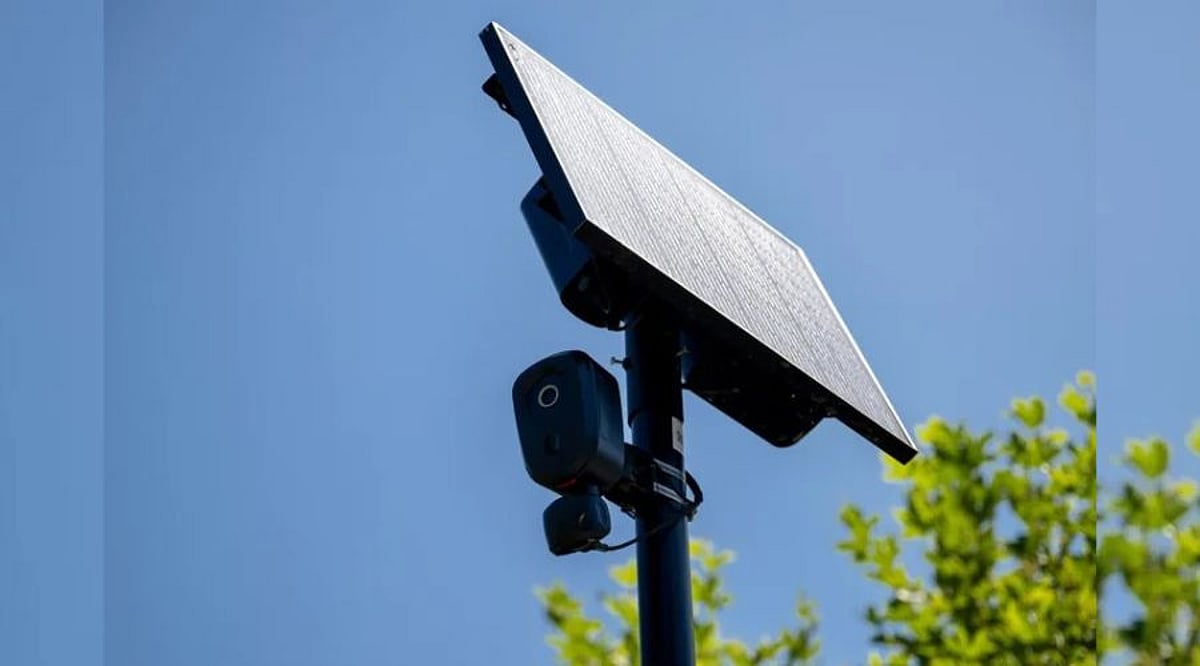
    Flock Safety, the US surveillance technology company, is facing mounting pressure as municipalities question its data practices, privacy safeguards, and law enforcement access. The latest blow came from Boston, where officials ended the company’s license plate reader pilot after discovering that a data-sharing setting had allowed external law enforcement agencies to access vehicle information.

    Boston Data-Sharing Issue Adds to Scrutiny

    According to Boston’s 2025 surveillance technology report, the city had contracted Flock to operate about 45 cameras. The system was supposed to prevent external agencies from accessing Boston data. Officials said a vendor error enabled nationwide access during the early part of the five-month trial. The Boston Police Department later recorded 11,004 searches during the pilot. An internal audit found that officers included a case number in only about half of those searches, prompting recommendations for tighter controls.

    Wave of Contract Cancellations

    Flock is also facing a growing wave of contract cancellations. Data compiled by Secure Justice showed that 214 US cities and counties had ended relationships with Flock since 2021, including 90 cancellations in August 2026 alone. The company’s technology captures license plates and other vehicle characteristics before adding the information to a searchable network. Law enforcement agencies say the system can help locate missing people, recover stolen vehicles, and support criminal investigations. However, critics have raised concerns about prolonged tracking and potential misuse.

    Company Introduces Safeguards

    Flock responded by changing its platform and introducing additional privacy controls. The company has said customers can apply restrictions to searches and has acknowledged concerns surrounding misuse. The pressure is also reaching inside the company. Reportedly, Flock recently offered employees a voluntary separation programme as it deals with rising public criticism, customer attrition, and increased operating pressure.

    The growing disputes over data access and accountability are forcing the company and its customers to reassess how its expanding camera network should operate.

  • Trump-Xi Summit to Focus on AI Safety, Tariffs, and Rare Earths with Top Tech Leaders in Attendance

    Trump-Xi Summit to Focus on AI Safety, Tariffs, and Rare Earths with Top Tech Leaders in Attendance

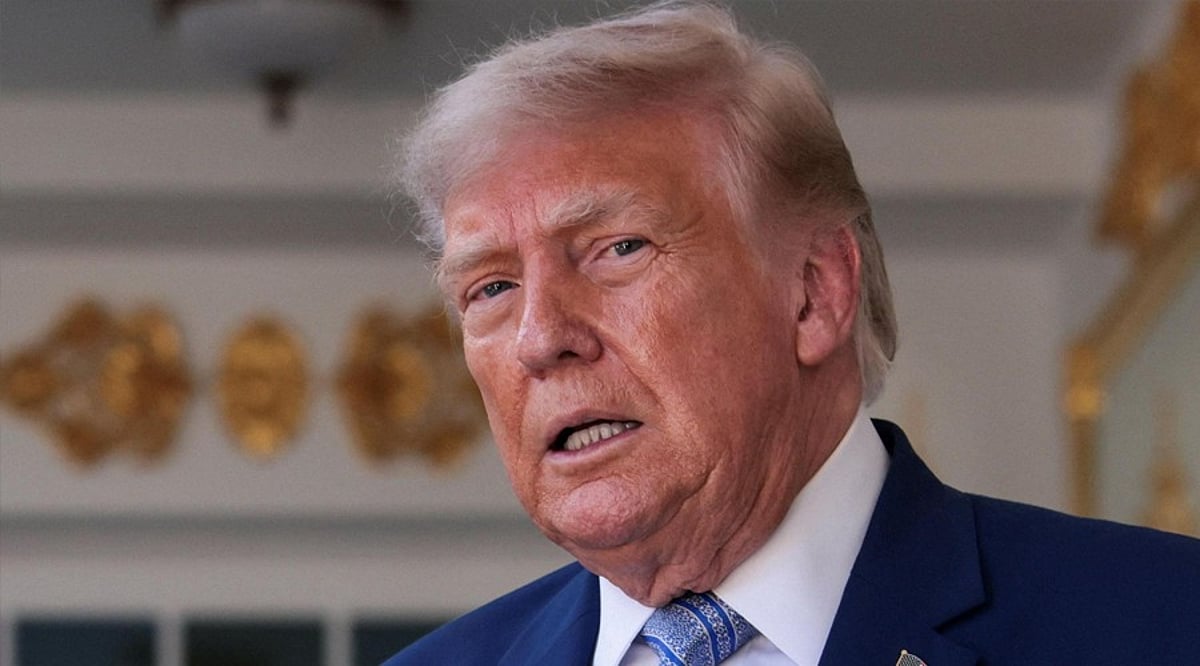
    President Donald Trump will host Chinese President Xi Jinping at the White House on September 24 for a summit centered on technology, trade, and supply chains. The meeting is expected to draw top executives from major U.S. and Chinese technology companies, although the final guest list has not been confirmed.

    U.S. Tech Leaders Receive State Dinner Invitations

    Several leading U.S. technology executives have reportedly received invitations to the White House state dinner. The list includes Nvidia CEO Jensen Huang, Alphabet CEO Sundar Pichai, OpenAI CEO Sam Altman, and Amazon founder Jeff Bezos. Elon Musk, Michael Dell, and JPMorgan CEO Jamie Dimon are also among the reported invitees.

    Their expected attendance places artificial intelligence near the center of the Trump-Xi summit. However, no formal agreement between the companies or governments has been announced. The White House has also rejected a proposed roundtable between U.S. and Chinese chief executives, according to Reuters.

    China Considers BYD, CATL, and Xiaomi Executives

    China is arranging its own business delegation, but officials were still working on the final list. BYD Chairman Wang Chuanfu, CATL Chairman Robin Zeng, and Xiaomi Chairman Lei Jun may join Xi’s visit. Executives from Wanxiang Group, Hisense, and Bank of China are also under consideration.

    The proposed delegation covers electric vehicles, batteries, financial services, and data-center technology. Several companies face close regulatory attention in the United States. As a result, their attendance would create opportunities for direct contact but would not remove existing trade restrictions or security reviews.

    AI Safety Talks May Produce Broad Commitments

    U.S. and Chinese officials are expected to discuss artificial intelligence safety during the summit. Washington has accused some Chinese companies of copying restricted American technology. Beijing rejects that claim and argues that “open-source development is a global trend.”

    Still, both governments have reasons to discuss safeguards. U.S. officials have raised national security concerns linked to powerful AI systems, while Beijing closely monitors risks to political and social control. Any joint statement will likely use broad language because the two sides disagree over export controls, access to advanced chips, and technology development.

    Tariffs and Rare Earths Remain Core Issues

    Trade talks may focus on extending the current tariff truce. Washington reportedly prefers extensions lasting between six months and one year. Beijing is said to favor a longer arrangement covering the rest of Trump’s term. Neither government has publicly confirmed the final period.

    The United States also wants steadier access to Chinese rare earth materials and stronger purchases of American agricultural products, including soybeans. China may seek lower tariffs on selected goods. However, the White House is unlikely to ease controls covering sensitive technology, advanced semiconductors, or products tied to national security.

    Before the summit, Treasury Secretary Scott Bessent and U.S. Trade Representative Jamieson Greer are due to meet Chinese Vice Premier He Lifeng at JPMorgan’s headquarters in New York. Their discussions will cover trade, artificial intelligence security, and other economic matters.

    Trump and Xi may also discuss Taiwan, Iran, and North Korea. China could again request a clear U.S. statement against Taiwanese independence. Meanwhile, Washington may ask Beijing to support talks involving Iran and North Korea. No agreement on those issues has been announced.

  • SEC’s Five-Year Innovation Exemption Sets New Rules for Tokenized Stock Markets

    SEC’s Five-Year Innovation Exemption Sets New Rules for Tokenized Stock Markets

    SEC Creates Regulatory Path for Tokenized Stocks on Public Blockchains

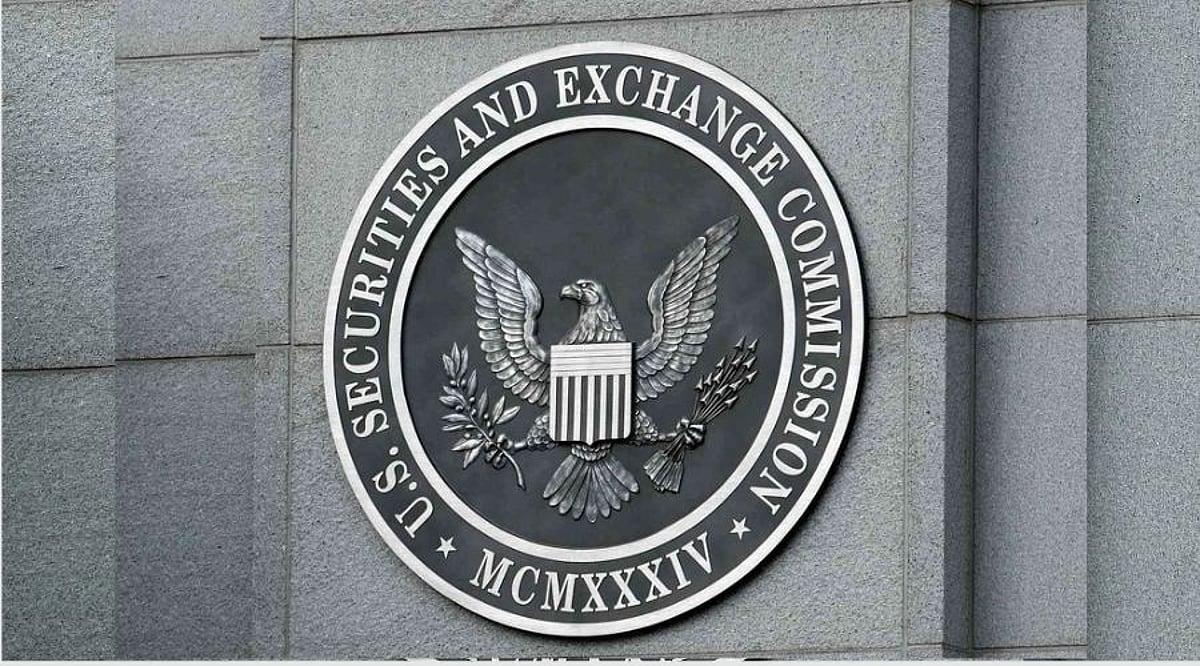
    The U.S. Securities and Exchange Commission has introduced a five-year regulatory exemption for trading tokenized stocks on public blockchains. Known as the Innovation Exemption, this framework imposes strict conditions on trading venues, liquidity providers, and the tokens they support. The goal is to foster innovation while maintaining investor protections.

    Key Conditions for Tokenized Securities Venues

    The exemption applies to Tokenized Securities Venues that use automated market maker (AMM) pools to match buyers and sellers. These venues receive temporary relief from registering as national securities exchanges, and certain firms using their own capital to provide liquidity also get relief from dealer registration. However, every venue must operate as a U.S. person and control access to its pools. Federal anti-fraud and market manipulation rules continue to apply. SEC Chair Paul Atkins stated that the measure aims to support new market systems while upholding investor protection standards.

    Permissioned AMMs Required, Open DeFi Excluded

    While public blockchains can host qualifying markets, the AMM pools cannot remain fully open. Each venue must screen traders and liquidity providers before granting access. This means existing pools on Uniswap, Raydium, and other decentralized exchanges do not qualify automatically. These protocols could create separate permissioned pools with identity checks and transfer controls. Raydium already supports permissioned AMMs, giving it some suitable infrastructure, but its stock tokens must meet the SEC’s ownership and issuer requirements before a U.S. venue can list them.

    Full Shareholder Rights Required, Synthetic Tokens Banned

    Eligible tokens must provide the same rights as traditional shares, including dividends and voting rights. The SEC does not permit synthetic products that merely track a stock’s price without conferring ownership rights. According to regulatory conditions reported by Reuters, “Synthetic tokens offering exposure to a stock through a derivative or another product would not be permitted.” This requirement excludes several offshore products from the U.S. framework.

    Securitize and Coinbase Well Positioned

    Securitize appears well placed because it already works with issuers, transfer agents, and regulated financial firms. Its model focuses on tokens that represent legally recognized securities rather than instruments offering price exposure alone. Ethereum could also benefit as it hosts much of this regulated tokenization infrastructure. Coinbase may gain through its U.S. presence, compliance systems, and Base blockchain. However, neither company receives automatic approval; each venue must meet the exemption’s conditions, and every listed token must carry shareholder rights and follow required trading controls.

    Robinhood, Kraken, and Ondo Face Rebuilding

    Robinhood’s overseas stock tokens currently provide economic exposure through securities issued by a Jersey-based entity, meaning token holders do not directly become shareholders in the referenced companies. Kraken’s xStocks and several Ondo Global Markets products also use offshore structures serving non-U.S. users. These providers must create U.S.-compliant products to use the exemption. That process may require new custody arrangements, shareholder record systems, and issuer-approved token structures. Their strong positions on Solana, BNB Chain, and Robinhood Chain do not remove those legal requirements.

    Issuers also receive notice before a venue lists their tokenized shares and may object. This condition could limit listings involving companies that oppose third-party stock tokens. As a result, established market size will not decide which platforms lead the regulated U.S. market. Compliance with ownership, access, and issuer rules will determine which projects can enter.

  • Bitcoin Dips Toward $80K as Middle East Tensions Rattle Crypto Markets

    Bitcoin Dips Toward $80K as Middle East Tensions Rattle Crypto Markets

    Bitcoin fell toward $80,000 as escalating Middle East tensions and a rejection near the $82,000 resistance level triggered a wave of selling across cryptocurrency markets. The broader crypto market cap dropped 1.4%, while several major altcoins posted deeper losses, though the altcoin market as a whole retained its weekly gains.

    Middle East Geopolitical Risks Halt Bitcoin’s Rally at $82K

    Bitcoin had approached $82,000 on Saturday after recovering from a three-week low of $75,000 earlier in the week. However, buyers failed to push the price above that resistance level. The cryptocurrency then dropped by nearly $2,000 as traders reduced exposure to riskier assets.

    The reversal followed reports of escalating hostilities involving Saudi Arabia, Iran and Iran-backed Houthi forces. Drone and missile attacks reportedly led Iran to issue a “Code 100” security alert. The heightened uncertainty placed additional pressure on crypto prices during weekend trading, when market liquidity can be lower.

    Bitcoin’s decline broadly matched the wider market move. The total cryptocurrency market value lost about $40 billion over the day, falling to approximately $2.74 trillion. Bitcoin’s market capitalization declined to around $1.61 trillion, while its market dominance moved closer to 59%.

    Technical conditions also contributed to the pullback. Bitcoin faced rejection near the recent swing high of $82,262, while its seven-day relative strength index reached 69.8. In addition, 24-hour trading volume fell 39.23%, signaling that fresh demand weakened after the recent rally.

    Major Altcoins Fall as Avalanche Records Gains

    Several large-cap altcoins followed Bitcoin lower. Ethereum dropped 2.6% after failing to hold its advance near $2,630. BNB struggled around $750, XRP slipped below $1.40 and Solana traded under $110. Hyperliquid’s HYPE token also retreated after reaching a record high.

    Privacy-focused cryptocurrencies recorded some of the steepest declines after a short-lived rally earlier in the week. Zcash fell about 8.2% to $1,443, while Monero declined 8.6% to around $523. Uniswap, NEAR Protocol, Chainlink, Aave and Rain also traded lower during the session.

    Avalanche moved against the broader trend, rising more than 11% to trade above $9.60. Ethena, Pepe and M also posted gains. The mixed performance showed that buying continued in selected tokens despite the wider risk-off move.

    Meanwhile, TradingView’s OTHERS index, which measures the market value of the top 125 cryptocurrencies excluding the 10 largest, remained up 11.52% over seven days. The index also gained 38.22% over one month and 29.05% over six months. However, it was still down 32.63% over the past year.

    Altcoin Breakout Awaits Weekly Confirmation

    Crypto analyst Ash Crypto said the altcoin market was attempting to break above a downtrend that had lasted almost two years. He described the move as the first credible breakout attempt in that period but warned that confirmation was still missing.

    “It’s too early to call an altseason,” the analyst said, pointing to the need for a weekly close above the long-running trendline. His assessment leaves doubt over whether the latest rally marks a lasting market shift or another failed breakout.

    If the altcoin market closes above the trendline, the move could gain technical confirmation. However, a rejection may place the $160 billion to $190 billion market-cap zone back in focus.

    Key Levels to Watch for Bitcoin

    For Bitcoin, $77,636 remains the main near-term support. Holding that level could allow another test of $82,000. A break below it may expose the next support near $76,545. Middle East developments and Bitcoin’s reaction around these price levels remain the main factors to watch.

  • GE Aerospace Advances GE9X Engine Fix and $11.75B CPP Acquisition

    GE Aerospace Advances GE9X Engine Fix and $11.75B CPP Acquisition

    GE Aerospace is making strategic moves to strengthen its engine supply chain and resolve a durability issue with its GE9X engine. The company has agreed to acquire Consolidated Precision Products (CPP) for $11.75 billion, targeting critical component shortages, while also rolling out a redesigned mid-seal for the GE9X after testing revealed durability concerns. Separately, GE Vernova—now independent since April 2024—settled its legal dispute with Vineyard Wind, though the resolution does not directly impact GE Aerospace’s finances.

    CPP Deal Secures Key Engine Components

    GE Aerospace’s acquisition of CPP, a manufacturer of precision-cast components like turbine blades and vanes for commercial and military engines, is expected to close in the second half of 2027, pending regulatory approvals. The deal addresses a central production bottleneck by bringing CPP’s casting capacity in-house, improving component availability and delivery schedules for GE’s engine portfolio. The company plans to finance the transaction with $7 billion in cash and new debt, emphasizing that it will not alter current capital allocation plans, though added debt may affect financial flexibility during integration. CFO Rahul Ghai noted that the CPP purchase is a targeted investment in hard-to-source components, not part of a broader supplier acquisition strategy.

    GE9X Durability Fix Underway

    GE Aerospace has redesigned a mid-seal inside the GE9X engine after testing found the original part less durable than expected. The component connects the engine’s front and rear sections. The company began shipping engines with the redesigned seal to Boeing in the third quarter of 2026. Ghai expressed strong confidence in the new design following internal testing, with Federal Aviation Administration certification expected within months, though the timetable remains uncertain. GE Aerospace does not anticipate delays to the Boeing 777X’s planned 2027 entry into service, as the existing seal supports current certification work while the updated component follows a separate approval process. However, Boeing still faces broader certification and production risks on the 777X program.

    Vineyard Wind Settlement Removes Legal Hurdle

    GE Vernova and Vineyard Wind have ended litigation tied to the offshore wind project near Martha’s Vineyard. GE Vernova withdrew its contract termination notice and dropped its appeal against a court order to continue work, with both parties dismissing pending claims. Settlement terms remain confidential, leaving financial outcomes unclear. The dispute stemmed from payment disagreements and a 2024 turbine blade failure that delayed the project. While the settlement provides clarity for GE Vernova shareholders, it does not directly drive earnings for GE Aerospace, given their independent status.

    Investor Considerations

    For GE Aerospace investors, the CPP acquisition and GE9X redesign are more significant than the Vineyard Wind agreement. Both measures address engine production, component availability, and delivery reliability, supporting equipment sales and long-term service revenue. However, the investment case hinges on regulatory approvals, supplier integration, production rates, and aviation demand. The CPP deal strengthens supply access but introduces acquisition and financing risk, while the GE9X fix must complete certification to fully resolve concerns.

  • Elon Musk’s Boring Company Proposes 200 MPH Hyperloop Tunnel Linking Austin and San Antonio

    Elon Musk’s Boring Company Proposes 200 MPH Hyperloop Tunnel Linking Austin and San Antonio

    Elon Musk’s The Boring Company has unveiled plans for a high-speed Hyperloop tunnel connecting Austin and San Antonio, Texas. The announcement came in response to a post on X (formerly Twitter) featuring an AI-generated video of futuristic human colonies. Musk reposted the video and commented, “Boring Company is working on a simple, precursor Hyperloop tunnel between Austin and San Antonio.”

    The proposed tunnel would enable speeds exceeding 200 mph, drastically reducing the current travel time of up to 2.5 hours during peak traffic. Musk emphasized that The Boring Company aims to deliver a consistent, fast commute that bypasses congestion entirely. While the concept is still in early stages, the project faces significant hurdles including regulatory approvals, funding, and the technical challenges of tunneling through urban and suburban environments.

    This is not Musk’s first Hyperloop proposal; previous attempts in other regions have encountered delays and cost overruns. However, the Austin-San Antonio corridor, one of the fastest-growing in the U.S., presents a compelling case for high-speed transit. If realized, the tunnel could transform daily commuting and set a precedent for future Hyperloop networks across Texas and beyond.

  • Snapdragon Summit 2026: Qualcomm’s Flagship Chip Reveals Set for September 22

    Snapdragon Summit 2026: Qualcomm’s Flagship Chip Reveals Set for September 22

    Qualcomm’s Snapdragon Summit 2026 kicks off on September 22 in Maui, Hawaii, running through September 24. The opening day will focus heavily on mobile platforms and the company’s vision for the ‘agentic AI’ era.

    Two New Snapdragon 8 Elite Chips Expected

    The highlight is anticipated to be Qualcomm’s next flagship smartphone processors. Leaks indicate the Snapdragon 8 Elite Gen 6 and Snapdragon 8 Elite Gen 6 Pro, both likely built on a 2nm manufacturing process for notable gains in performance and power efficiency. The Pro variant may support faster LPDDR6 memory and UFS 5.0 storage, while the standard model could retain LPDDR5X. Upgraded graphics, including Adreno Matrix Cores and Adreno Neural Fusion for AI workloads, are also confirmed by Qualcomm.

    AI, XR and PCs Take Center Stage

    Beyond phones, the summit will emphasize agentic AI across personal computing, sound, and extended reality. Qualcomm’s Snapdragon portfolio now includes PCs, XR devices, wearables, and automotive platforms, positioning the summit as a key venue for its cross-device AI push.

    Xiaomi, iQOO and OnePlus Linked to Early Adoption

    The new chips are expected to reach smartphones swiftly. Xiaomi, iQOO, and OnePlus are among brands rumored to launch devices with the next-generation platforms, with the first wave possibly arriving in India by late 2026 or early 2027. Official specifications, performance claims, and partner announcements will be unveiled at the summit.

  • India’s Payment Methods Compared: UPI, Debit Cards, and Credit Cards – Fees and MDR Explained

    India’s Payment Methods Compared: UPI, Debit Cards, and Credit Cards – Fees and MDR Explained

    When you tap, swipe, or scan to pay, the costs behind that transaction vary dramatically depending on the method. While customers rarely see these charges, merchants bear the burden. Understanding Merchant Discount Rate (MDR) is key to comparing India’s payment landscape.

    What is MDR?

    Merchant Discount Rate (MDR) is the fee merchants pay for processing digital payments. This charge is typically divided among banks, payment networks, and app providers. Although it is a merchant-side cost, it influences business decisions and pricing strategies.

    UPI: Free for Consumers, New Merchant Fee Above ₹2,000

    UPI remains free for consumer-to-consumer transfers, with no upper limit. However, from October 15, 2026, NPCI introduces a 0.4% MDR on person-to-merchant transactions above ₹2,000. This charge is capped at ₹300 for payments of ₹75,000 or more. For instance, a ₹50,000 payment incurs ₹200 in MDR, while a ₹1 lakh payment costs only ₹300 due to the cap. Special sectors like railways, telecom, insurance, fuel, and agriculture inputs attract a flat ₹5 charge.

    Small merchants receiving up to ₹1 lakh per month through UPI QR codes continue to enjoy zero MDR on all transactions. Those crossing the threshold for three consecutive months are moved to the standard category. NPCI estimates this new fee will affect only about 4% of merchant transactions, mostly larger ones. Consumer platform fees and merchant surcharges are prohibited under the new rules.

    Debit Cards: Regulated and Tiered MDR

    Debit-card MDR is set by the RBI, with different caps for merchant categories and acceptance methods. Small merchants and QR-based payments enjoy lower rates, while larger merchants using card machines or online checkout face higher limits. RuPay debit cards benefit from a zero-MDR policy with no cap, making them a cost-effective choice for smaller everyday purchases.

    Credit Cards: Higher Cost, Commercially Negotiated

    Credit-card MDR is not fixed by regulation but is determined through commercial agreements between merchants and banks. Industry estimates place it between 1.5% and 2.5%. This higher cost funds rewards, cashback, and other card perks. Additionally, credit cards carry other fees like annual charges, interest on unpaid balances, late fees, and cash-advance fees. Consumers who pay their bill in full each month avoid most of these extra costs, but carrying a balance quickly becomes expensive.

    RuPay Credit Cards on UPI: A Separate Rulebook

    Eligible RuPay credit cards can be linked to UPI apps for merchant payments, but these transactions follow credit-card rules, not standard UPI zero-MDR rules. Small offline merchants get nil MDR up to ₹2,000; beyond that, standard credit-card MDR applies. The key difference is the source of funds—a credit line versus a bank account.

    Comparsion: Which Is Cheapest?

    For everyday purchases under ₹2,000, all three methods cost the same to consumers. The differences emerge for merchants processing high volumes or handling larger transactions. UPI’s new capped fee is modest compared to credit-card MDR, while debit cards remain regulated and relatively low. Merchants are likely to steer customers toward cheaper methods, such as UPI or RuPay debit cards, especially for larger payments.

    Final Thoughts

    India’s digital payment system is moving beyond a simple free-vs-fee classification. The real cost lies in the merchant-side MDR, not in visible customer charges. As UPI scales, the new merchant fee above ₹2,000 aims to sustain its infrastructure. Debit cards stay regulated, and credit cards carry premium costs tied to rewards and lending. Understanding these dynamics helps both merchants and consumers make informed choices.

    Frequently Asked Questions

    Is UPI free for customers in India?

    Yes, eligible UPI payments do not carry a consumer transaction fee. From October 15, 2026, specified merchant UPI payments above ₹2,000 will incur a merchant-side MDR, but merchants cannot pass this cost on to customers.

    What is MDR in digital payments?

    MDR is the processing charge paid by merchants for accepting certain digital payment methods. It is primarily a merchant-side cost and does not automatically mean a separate customer fee.

    Is credit card MDR higher than debit card MDR?

    Generally, yes. Debit-card MDR is regulated by RBI, while credit-card MDR is commercially negotiated. Industry estimates commonly place credit-card MDR above debit-card MDR.

    Can a RuPay credit card be used through UPI?

    Yes, eligible RuPay credit cards can be linked to supported UPI apps for merchant payments. However, the transaction is funded by the credit card, so it follows credit-card rules rather than standard UPI rules.

    Who pays the UPI MDR above ₹2,000?

    The merchant pays the MDR on eligible person-to-merchant UPI transactions above ₹2,000. Customers should not be charged a separate UPI transaction fee for this MDR.