Blog

  • Anthropic Unifies Claude Chat and Cowork Into a Single AI Interface

    Anthropic Unifies Claude Chat and Cowork Into a Single AI Interface

    Anthropic has merged its Claude Chat and Cowork features into a single, unified interface, streamlining how users interact with the AI assistant. The update allows users to handle quick questions and complex, multi-step tasks within the same conversation, eliminating the need to switch between separate tools.

    According to Anthropic, the new interface lets Claude automatically determine the capabilities required for a task, removing the burden on users to decide whether to use Chat, Cowork, or Claude Design. The company has also introduced Claude Docs and Claude Slides, while Claude Design is now integrated directly into conversations.

    Claude Chat and Cowork Now Work Together

    Previously, Claude Chat and Cowork served distinct purposes: Chat was designed for questions and work within a conversation, while Cowork focused on delegating larger, multi-step tasks involving files and connected tools. With the unified approach, Claude can select the appropriate capabilities for a task, keeping context, connectors, and skills available throughout the entire process.

    This update builds on Anthropic’s broader effort to make Claude a more continuous assistant across different types of work, reducing friction and improving user experience.

    New Claude Docs and Claude Slides Tools

    The unified interface also introduces new tools for creating documents and presentations. Anthropic is rolling out Claude Docs and Claude Slides as part of this update. Meanwhile, Claude Design is being integrated into conversations rather than remaining a separate experience, allowing users to move between different types of work without leaving the same interaction.

    Rollout Begins for Pro and Max Subscribers

    Anthropic confirmed that the new features are rolling out to Pro and Max subscribers over the coming weeks across web, desktop, and mobile platforms. The company states that the changes are designed to simplify the Claude experience by bringing different capabilities into one place. Users no longer need to decide at the start of a task which Claude tool is appropriate; the system can now determine what the work requires.

    The move comes as Claude increasingly supports longer-running, multi-step tasks alongside traditional conversational interactions. Anthropic’s own research indicates that Chat and Cowork conversations are already being used for different forms of work, reflecting the expanding role of AI assistants beyond simple question-and-answer interactions.

  • NSE IPO Opens September 17 Alongside Six Stock Debuts: Key Details for Investors

    NSE IPO Opens September 17 Alongside Six Stock Debuts: Key Details for Investors

    NSE IPO Opens for Subscription

    Dalal Street is bracing for a busy session on Thursday, September 17, as the National Stock Exchange’s long-awaited initial public offering opens for subscription. The same day, six companies that completed their IPOs last week are scheduled to begin trading on the NSE and BSE.

    The NSE IPO is an offer for sale, meaning existing shareholders are selling their shares and the exchange itself will not receive any proceeds from the offering. The issue is valued at around Rs. 22,568 crore, making it one of India’s largest public offerings, with a price band fixed at Rs. 1,700 to Rs. 1,785 per share. The subscription window remains open from September 17 to September 21.

    Ahead of the public issue, 189 institutional investors participated in the anchor allocation, buying shares worth approximately Rs. 6,746 crore at Rs. 1,785 per share.

    Six Companies Ready for Listing Day

    Investors will also track the stock-market debut of six companies that wrapped up their IPOs last week:

    • RentoMojo
    • LCC Projects
    • Manipal Payment & Identity Solutions
    • Asset Reconstruction Company (India)
    • Karamtara Engineering
    • Steamhouse India

    Collectively, these six issues generated strong demand. According to the Times of India, the offerings drew total bids of around Rs. 1.4 lakh crore, against a combined mobilisation target of about Rs. 7,100 crore.

    Among the debutants, RentoMojo raised about Rs. 1,255.6 crore, Karamtara Engineering Rs. 875 crore, Manipal Payment & Identity Solutions Rs. 805 crore, Asset Reconstruction Company (India) Rs. 733 crore, LCC Projects Rs. 427 crore and Steamhouse India Rs. 414 crore.

    Derivatives Market in Focus

    The NSE listing also comes at a time of change in the derivatives segment, a key revenue source for the exchange. Reuters reported that investors are weighing recent regulatory changes and softer derivatives volumes while assessing the offer.

    With the primary market buzzing, Thursday’s session is expected to keep Dalal Street active as both the exchange’s IPO and the new listings take centre stage.

    This article is for informational purposes only and does not constitute investment advice. Readers should conduct their own research before making investment decisions.

  • Apple’s iOS 27 Introduces Impersonation Risk Detection to Combat iPhone Scams

    Apple’s iOS 27 Introduces Impersonation Risk Detection to Combat iPhone Scams

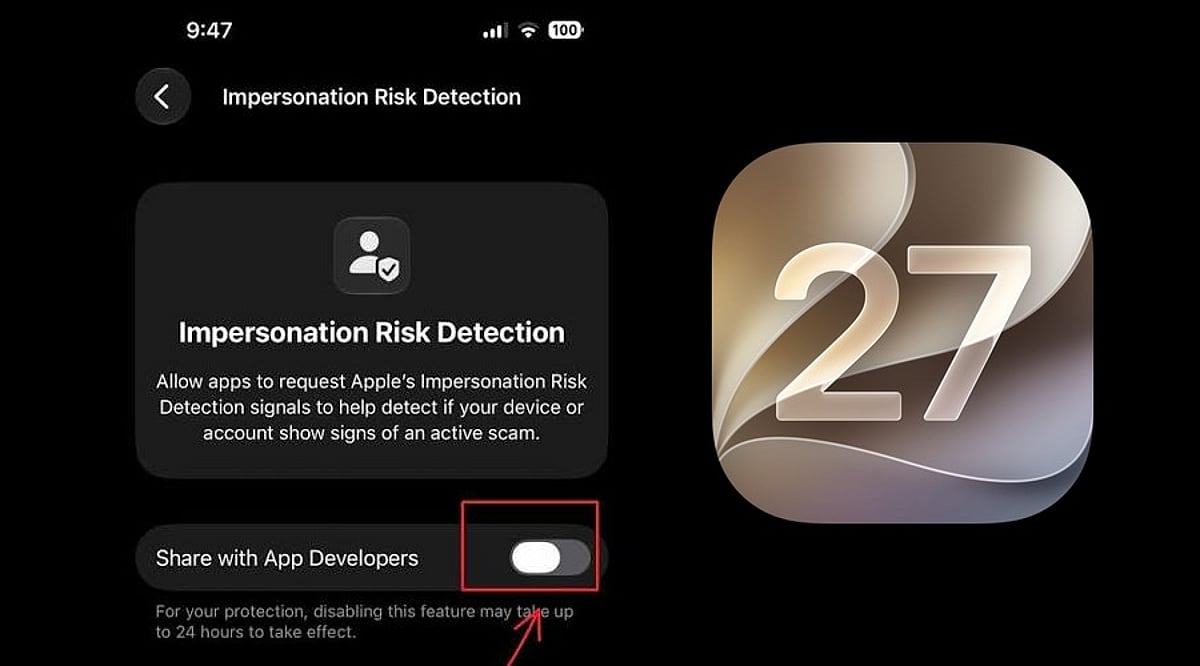
    Apple has unveiled a new security feature in iOS 27 designed to shield iPhone users from impersonation-based scams. Dubbed Impersonation Risk Detection, the tool identifies signs that a user may be caught in an active social engineering attack, particularly when they are about to make a payment or modify sensitive account information.

    Scams involving fake banks, government agencies, delivery services, and even impersonation of known contacts have become increasingly prevalent. Apple says the feature is engineered to detect suspicious activity and alert users before they complete potentially harmful actions.

    How Apple’s Impersonation Risk Detection Works

    According to Apple, the feature protects users from active social engineering scams where an attacker impersonates a trusted entity—such as a bank, government agency, or a familiar person—and pressures the victim into making a payment or altering account details.

    Impersonation Risk Detection analyzes information about the iPhone or iPad and the user’s Apple Account to identify signs of suspicious activity. When a supported app requests an assessment during a potentially risky action, the system generates a risk level that the app can use to determine subsequent steps.

    There are three risk levels: Unknown, Medium, and High. Unknown means no evidence of suspicious activity was detected, though Apple notes this does not confirm an action is safe. Medium indicates some signs of suspicious activity, while High means significant signs were detected.

    Importantly, the app does not receive the underlying information used to generate the assessment. It only receives the resulting risk level and can decide how to respond.

    How to Enable the Feature

    Users can turn on Impersonation Risk Detection by opening Settings, tapping Privacy & Security, scrolling down, and selecting Impersonation Risk Detection. They then need to toggle on Share with App Developers. Users may also need to sign in to the App Store with their Apple Account.

    The feature can be controlled on an app-by-app basis. However, Apple warns that it depends on supported apps and that its risk assessment does not guarantee an action is safe. The company emphasizes that this feature is not designed to replace other security measures or user caution.

  • ViewSonic Unveils Google TV Series and Pro AV Displays in India

    ViewSonic Unveils Google TV Series and Pro AV Displays in India

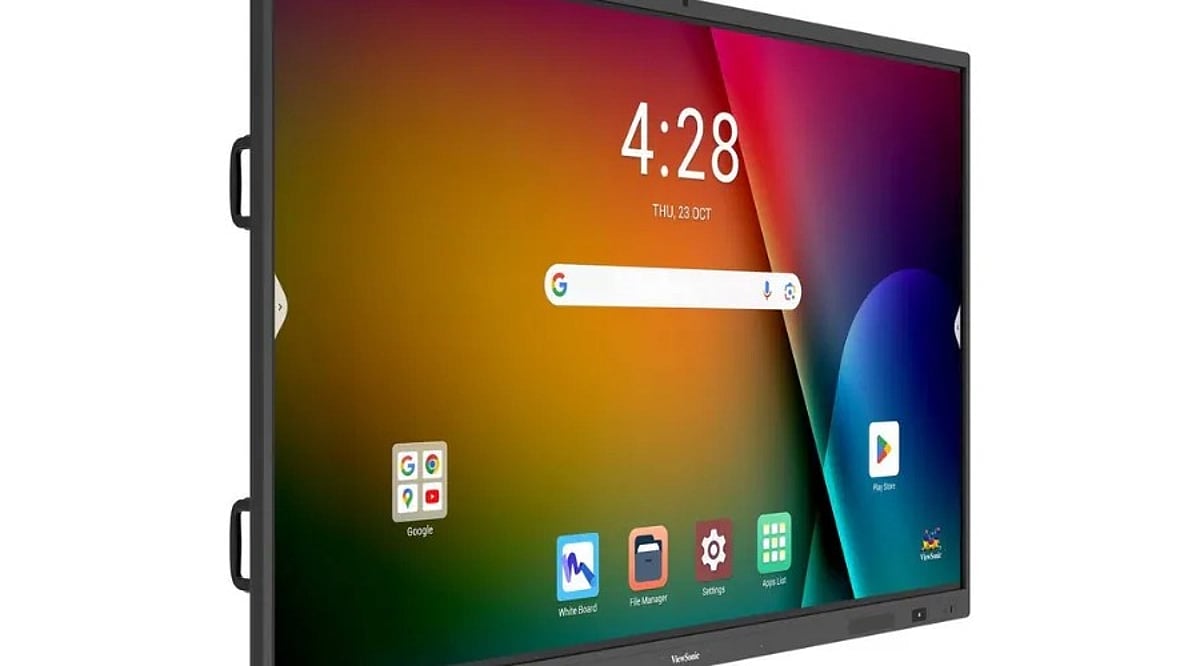
    ViewSonic has officially launched its Google TV Series in India, alongside a comprehensive range of professional AV displays and projection solutions. The company unveiled the new portfolio at InfoComm India 2026 in Mumbai on September 16, targeting businesses, hospitality, retail, education, and smart city deployments across the country.

    The ViewSonic Google TV Series is available in five screen sizes, from 32 inches to 65 inches. It runs Google TV Ref+ 5.0 on Android 14, optimized for commercial use. The smart TVs support business applications, cloud content streaming, Chromecast, HDR, Dolby Audio, and Google Assistant for voice control. ViewSonic positions these televisions for meeting rooms, reception areas, training centers, and hospitality spaces, as well as digital signage and other managed commercial environments. Pricing for the Google TV models starts at Rs. 20,000 (plus taxes), according to reports.

    Beyond the Google TV lineup, ViewSonic introduced two Direct View LED displays: the LDC027-182 for command centers (ideal for dashboards, maps, surveillance feeds, and operational data) and the LDC027G-091C for premium installations, featuring Flip Chip COB technology, a 0.94mm pixel pitch, 600 nits brightness, and a 3,840Hz refresh rate. The company also launched a foldable All-in-One LED display in the LDE Series, available in 108-inch, 136-inch, and 163-inch configurations for portable professional installations with integrated power, control, and image-stitching functions.

    Other new additions include the ViewBoard IFP105UW-N, a 105-inch interactive display with 5K resolution and a 21:9 aspect ratio that supports split-screen collaboration; the VG1457 dual-screen portable monitor; the VP3456A ultrawide professional monitor; and the CN5501-1N commercial display for continuous landscape or portrait playback with content scheduling and wireless casting via AirPlay, Miracast, and Chromecast. Open-frame displays were also announced for kiosks, retail, hospitality, and industrial integration.

    Completing the Pro AV expansion is the LSC600WU-ST short-throw laser projector, delivering 6,000 ANSI lumens with WUXGA resolution, 360-degree projection, image warping, and LAN-based control for large professional installations.

    Muneer Ahmad, Managing Director of ViewSonic India, commented, “ViewSonic has grown significantly in India,” highlighting the company’s wider portfolio across LED, collaboration, commercial displays, monitors, and projection solutions. The expanded range signals a broader focus on integrated Pro AV deployments, addressing command centers, boardrooms, retail spaces, training rooms, and large venues. ViewSonic also reported more than two-fold year-on-year growth in its Indian LED display business.

  • Ripple CEO Says Crypto Adoption Can Thrive Even as CLARITY Act Stalls in Senate

    Ripple CEO Says Crypto Adoption Can Thrive Even as CLARITY Act Stalls in Senate

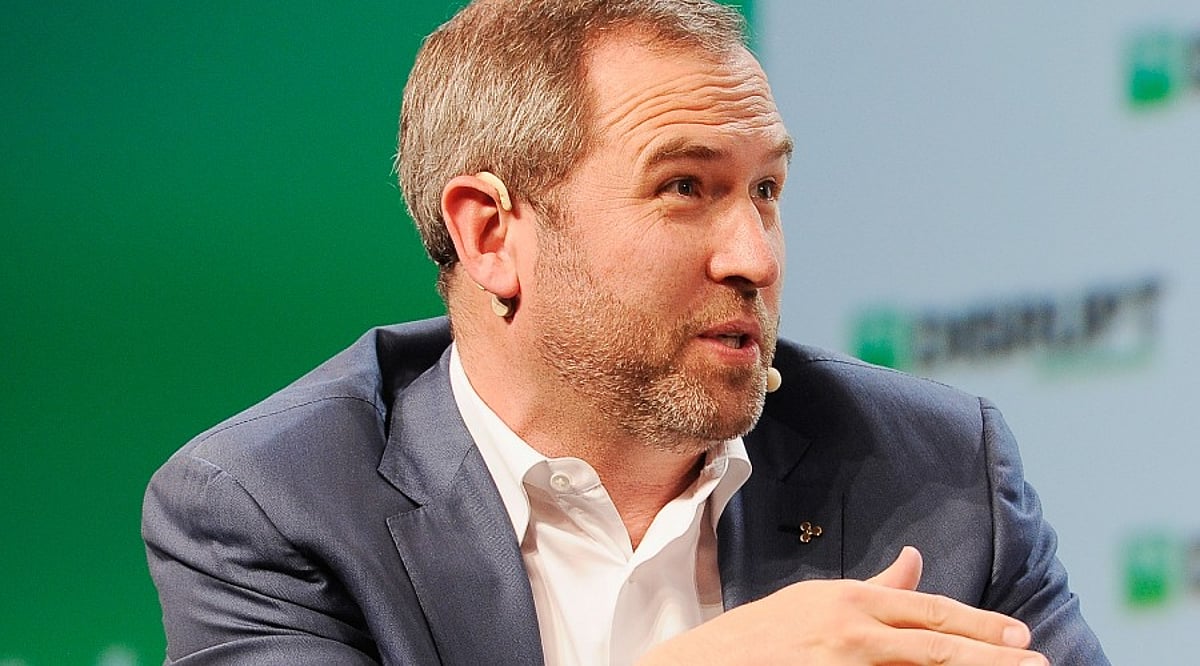
    Ripple CEO Brad Garlinghouse says the crypto industry has more than one path to growth, even as the U.S. CLARITY Act remains stuck in Congress. The bill, designed to provide clearer federal rules for digital assets, failed to advance in the Senate last week.

    What Happened With the CLARITY Act?

    The Senate voted 49–50 against moving the CLARITY Act forward, well short of the 60 votes needed to proceed. The legislation would have clarified which federal agencies oversee different segments of the crypto market and given companies a more defined compliance roadmap.

    Garlinghouse: Technology and Adoption Matter More Than Legislation

    Speaking at a digital asset conference in Kansas City on September 15, Garlinghouse said crypto growth doesn’t depend on any single bill. He pointed to faster, more efficient blockchain technology as a key adoption driver.

    “The industry can keep building, and users can keep adopting the technology while lawmakers debate new rules,” Garlinghouse emphasized.

    Market Impact and Ripple’s Legal Battle

    The Senate setback added fresh uncertainty to U.S. crypto policy, and the market reacted sharply. Roughly $571 million in crypto long positions were liquidated across exchanges following the vote.

    Separately, Ripple has spent more than $150 million defending itself in an ongoing legal battle with the U.S. Securities and Exchange Commission. The company remains focused on expanding its cross-border payment solutions despite regulatory headwinds.

    Why This Matters for Crypto Companies

    Clearer rules would make it easier for companies to launch new products and services, but innovation isn’t on hold. Real-world use cases, lower costs, and faster settlement times continue to attract users regardless of legislative progress.

    Garlinghouse’s remarks underscore a broader industry sentiment: while clear regulation is welcome, the long-term growth of crypto isn’t dependent on any one piece of legislation.

  • NSE IPO Subscription Begins: Price Band, GMP, Brokerage Insights, and Key Dates

    NSE IPO Subscription Begins: Price Band, GMP, Brokerage Insights, and Key Dates

    The much-anticipated initial public offering (IPO) of the National Stock Exchange (NSE) opens for public subscription on September 17, giving investors a chance to participate in one of India’s largest public issues. The subscription window remains open through September 21, with trading on the BSE scheduled to begin on September 24.

    IPO Price Band and Offer Details

    The NSE IPO is priced between Rs. 1,700 and Rs. 1,785 per share. The issue, which totals approximately Rs. 22,569 crore at the upper price band, is entirely an offer for sale (OFS). This means all proceeds will go to existing shareholders, not to the exchange itself.

    Lot Size and Retail Subscription

    Retail investors can bid for a minimum of eight shares, requiring an outlay of Rs. 14,280 at the upper end of the price band. The net offer reserves 50% for qualified institutional buyers, 15% for non-institutional investors, and 35% for retail investors.

    The exchange has trimmed the number of shares on offer compared with earlier plans, with the final offer comprising up to 12.64 crore shares through the OFS route. On September 16, anchor investors were allocated shares worth roughly Rs. 6,746 crore at Rs. 1,785 per share. LIC was among the largest anchor investors, joined by Norway’s Government Pension Fund, Abu Dhabi Investment Authority, and Fidelity.

    NSE IPO GMP Today

    The grey market is signaling a premium over the upper price band. Business Standard reported a grey market premium (GMP) of up to 9%, placing NSE shares around Rs. 1,945 — a Rs. 160 premium over the issue price of Rs. 1,785.

    Important note: GMP is an unofficial, speculative indicator that can change before listing. It should not be viewed as a guaranteed listing gain or as a substitute for evaluating the company’s fundamentals and valuation.

    What Brokerages Recommend

    Brokerage views are mixed. Choice Broking, Ventura, and Swastika have issued “Subscribe” recommendations, citing NSE’s dominant position in cash equities and equity derivatives, along with its clearing, indices, market data, and analytics businesses.

    Religare Broking has taken a “Neutral” stance, pointing to NSE’s dependence on trading activity, transaction charges, and regulatory changes. The brokerage also cautioned that a slowdown in market volumes could pressure earnings.

    “There is no other way to own Indian market infrastructure at this scale, and a first listing rarely comes cheap. Accordingly, we assign a rating of SUBSCRIBE.” — Choice Broking

    Allotment and Listing Timeline

    Share allotment is expected to be finalized on September 22, with shares likely to be credited to investors’ demat accounts on September 23. NSE’s shares are scheduled to debut on the BSE on September 24.

    Investors evaluating the IPO should weigh NSE’s market position, valuation, reliance on trading volumes, regulatory environment, and the fact that the issue is entirely an offer for sale.

  • India Declines Separate Crypto Law, Will Instead Regulate Under Existing Rules and Promote e-Rupee

    India Declines Separate Crypto Law, Will Instead Regulate Under Existing Rules and Promote e-Rupee

    The Indian government has confirmed it will not draft a standalone law to regulate cryptocurrency, opting instead to apply existing statutes on taxation, anti-money laundering, and financial stability. Officials worry that a dedicated crypto law could misleadingly imply government endorsement or safety, especially for novice investors.

    The Finance Ministry shared this position with the Standing Committee on Finance, emphasizing a strategy to promote the Reserve Bank of India’s digital currency, the e-Rupee, as a safer alternative. The government is also exploring the use of e-Rupee for direct benefit transfers to citizens.

    Why Is the Government Holding Back?

    The ministry’s Economic Affairs Division noted that cryptocurrency’s decentralized nature makes it difficult to regulate. Transactions often occur on platforms without intermediaries, and stricter rules on regulated exchanges could push activity to unregulated systems that are even harder to monitor.

    Officials also cautioned that formal regulations might give first-time investors a false sense of security, equating “regulated” with “safe,” despite the high volatility of crypto markets. They pointed out that global crypto regulations remain fragmented and incomplete.

    Instead of creating new legislation, India will leverage existing laws covering money laundering, taxation, consumer rights, and financial stability to monitor the sector. The government also plans to track international developments in crypto regulation.

    Tax Rules Stay Same

    Crypto remains illegal tender in India. Profits from digital asset transactions are subject to a 30% tax plus a 4% cess, and losses from one crypto trade cannot offset gains from another.

    The Financial Intelligence Unit already oversees crypto firms operating in India. More than 50 platforms, including CoinDCX and Binance, are registered with authorities.

    For now, the government’s approach is one of caution: manage crypto risks through existing laws while quietly building the e-Rupee as a trusted digital alternative.

  • iPhone 17e Price Drop on Flipkart: Effective Rs 15,000 Off Before iPhone 18 Pro Sale

    iPhone 17e Price Drop on Flipkart: Effective Rs 15,000 Off Before iPhone 18 Pro Sale

    Flipkart Listing Brings iPhone 17e Closer to Rs 62,000

    Apple’s revised pricing for the iPhone 17e in India now starts at Rs 79,900, but Flipkart is still selling the device at its older price of Rs 64,990. That works out to an effective Rs 15,000 saving for buyers.

    The deal arrives just ahead of the iPhone 18 Pro and iPhone 18 Pro Max sale, which begins tomorrow. Flipkart notes that only a limited number of units are left and delivery is available at select locations.

    iPhone 17e Offers on Flipkart

    • Base price: Rs 64,990
    • Additional Rs 3,245 discount with Flipkart Axis Bank credit card, bringing the effective price below Rs 62,000
    • Exchange bonus: up to Rs 49,650 based on the device, variant, and condition
    • EMI options start at Rs 22,212 per month

    iPhone 17e Specifications

    The phone features a 6.1-inch Super Retina XDR OLED display with a 60Hz refresh rate, 2532×1170 resolution, up to 1,200 nits HDR brightness, and an anti-reflective layer.

    Under the hood, the Apple A19 chip powers the device with 8GB RAM and 256GB or 512GB of storage. The chip includes a six-core CPU, four-core GPU, and a 16-core Neural Engine designed to support Apple Intelligence features.

    For photography, the iPhone 17e has a 48MP Fusion rear camera with an f/1.6 aperture and optical image stabilization. It offers 2x optical-quality zoom via an in-sensor crop and up to 10x digital zoom. The front-facing 12MP TrueDepth camera supports autofocus. Both cameras can record 4K Dolby Vision video at 60fps.

    The handset weighs 169 grams and features an aluminum frame, glass back, and Ceramic Shield 2 on the front. It also carries an IP68 rating for water and dust resistance. Color options are Black, White, and Soft Pink.

  • Stop Your Apple Watch From Listening: A Simple Guide to Disabling Siri Recap

    Stop Your Apple Watch From Listening: A Simple Guide to Disabling Siri Recap

    Apple’s latest Apple Watch models introduce Audio Intelligence features, including Siri Recap, which can listen to conversations in the background and generate AI-powered summaries. While Apple emphasizes that Siri Recap is opt-in and does not store raw audio recordings, many users may prefer to disable it for privacy. Here’s how to turn off Siri Recap on your Apple Watch while keeping standard Siri features fully functional.

    What Is Siri Recap on Apple Watch?

    Siri Recap is part of Apple’s Audio Intelligence suite for Apple Watch. Unlike traditional Siri, which waits for an explicit activation command, Siri Recap works in the background. When enabled, it can listen to conversations throughout the day and create high-level summaries so you can recall important points later.

    Apple states that Siri Recap does not generate conventional audio recordings. Instead, audio is processed in a protected hardware environment that is inaccessible to the operating system, third-party apps, or Apple itself. The resulting recaps are summarized overviews, not full transcripts of your conversations.

    How to Turn Off Siri Recap

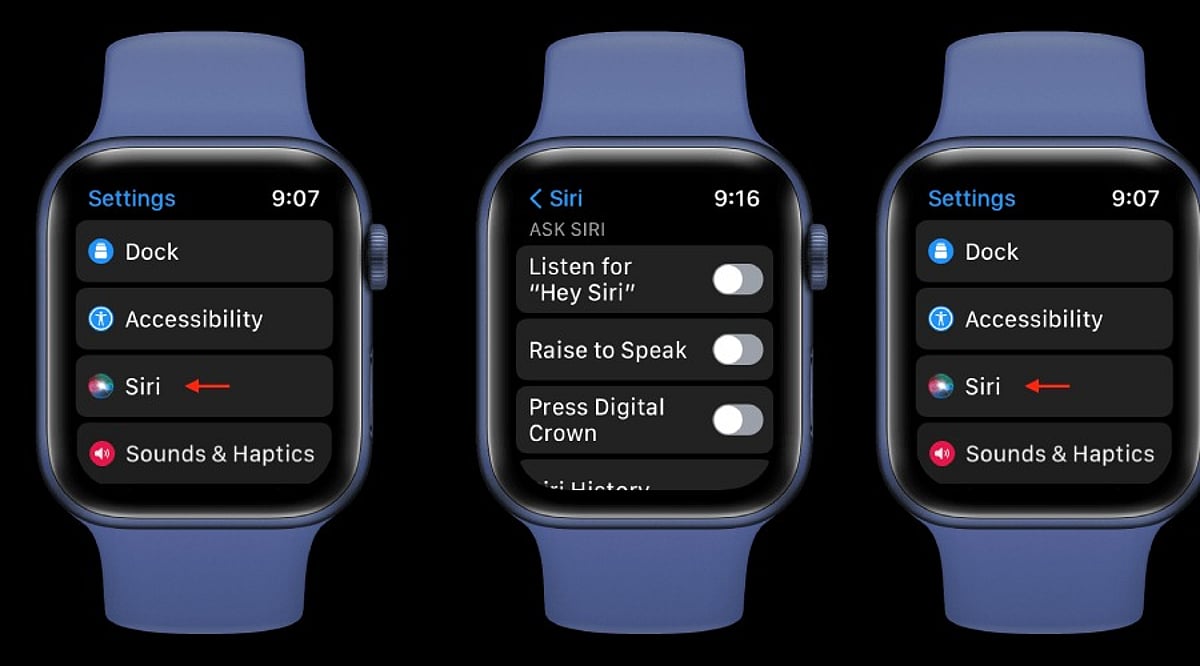
    Disabling Siri Recap takes just a few seconds. Use the Watch app on your paired iPhone:

    • Open the Watch app on your iPhone.
    • Tap the Siri section.
    • Locate Siri Recap.
    • Toggle the switch to turn it off.

    Once disabled, your Apple Watch will stop using the feature to take ambient notes or generate conversation summaries. You can also enable or disable Siri Recap directly from Control Center on the watch itself.

    Schedule Siri Recap Instead of Turning It Off Completely

    If you find Siri Recap useful in certain situations but want more control over when it listens, you don’t have to disable it entirely. Apple lets you set Siri Recap to operate on a schedule based on time of day, location, or specific scenarios. For example, you can keep it active during work hours and turn it off automatically at home or overnight.

    Siri Recap vs. Live Rewind

    It’s important not to confuse Siri Recap with Live Rewind, a separate feature. Live Rewind lets you retrieve a text snippet of what was said in the previous 15 seconds after double-pressing the Digital Crown. It does not continuously create a running transcript in the background like Siri Recap can.

    Both features come with the Apple Watch Series 12 and Apple Watch Ultra 4, subject to software and compatibility requirements.

    Disabling Siri Recap Doesn’t Disable Siri

    Turning off Siri Recap has no effect on regular Siri functionality. You can still use Siri for reminders, weather, timers, messages, smart-home controls, and other supported actions. This makes it easy to enjoy the convenience of Apple’s assistant without the concern of background listening.

    By following the steps above, you can take control of your Apple Watch’s privacy features and decide exactly when Audio Intelligence is allowed to listen.

  • Gold Hallmarking Fee Hikes to Rs 75: How India’s Jewelry Market Is Reacting

    Gold Hallmarking Fee Hikes to Rs 75: How India’s Jewelry Market Is Reacting

    The Bureau of Indian Standards (BIS) has raised the gold hallmarking fee from Rs. 45 to Rs. 75 per article — a sharp increase of nearly 67% just ahead of India’s festive season. Silver hallmarking fees remain unchanged at Rs. 35.

    What Is Hallmarking and Why Does It Matter?

    Hallmarking is a purity check for precious metals. A hallmarked gold item carries the BIS mark, purity details, and a six-digit Hallmark Unique Identification (HUID) number. This helps buyers verify the purity of the gold they purchase.

    Market Impact: Jewelry Stocks Feel the Pressure

    The announcement rippled beyond consumers. Jewelry stocks declined after the fee hike, with Kalyan Jewellers and PC Jeweller shares falling by up to 4%. Lalithaa Jewelry Mart, which recently listed, touched its 5% lower circuit.

    The Rs. 75 fee applies to every gold article, regardless of weight. That means a small gold item and a heavy ornament carry the same basic hallmarking charge.

    Concerns From the Jewelry Trade

    Jewelers send gold articles to BIS-approved testing centers, where pieces are checked before receiving the hallmark and HUID number. The increase has drawn concern from the trade. The All India Gem and Jewelry Domestic Council has asked BIS to review the hike and consult industry members.

    The fixed fee could affect small and lightweight pieces most, since the charge represents a larger share of the item’s value. Businesses may need to decide whether to absorb the cost or pass part of it on to customers.