Blog

  • Top Webcam Upgrades for Remote Work and Streaming in 2026

    Top Webcam Upgrades for Remote Work and Streaming in 2026

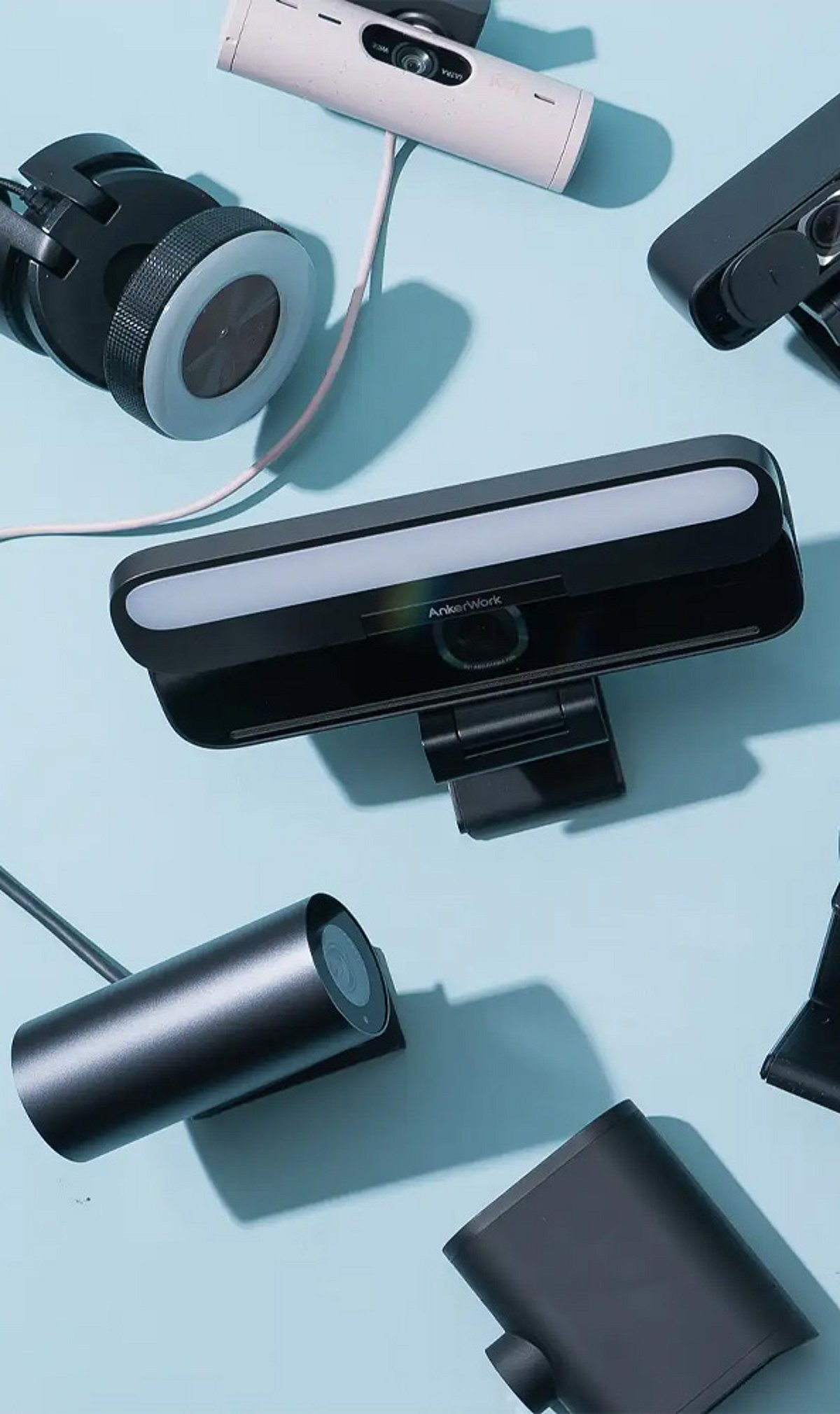
    The best webcam upgrades in 2026 focus on 4K video, improved low-light sensors, AI framing and tracking, and enhanced microphone quality. Whether you’re a remote worker, streamer, or content creator, these models deliver professional-grade performance.

    Leading Webcam Models

    Logitech MX Brio offers 4K video, 1080p at 60fps, HDR support, a privacy shutter, and dual beamforming microphones — ideal for professional calls.

    Insta360 Link 2C Pro stands out with sharp 4K video, strong low-light performance, AI features, and a compact design suitable for both work and content creation.

    Elgato Facecam Pro targets streamers and creators with 4K video at up to 60fps, detailed manual controls, and support for professional streaming setups.

    Razer Kiyo Pro Ultra is built for difficult lighting conditions, featuring a large Sony STARVIS 2 sensor, f/1.7 aperture, HDR, and 4K video at 30fps.

    AI Tracking and Use Cases

    AI tracking webcams such as the Insta360 Link and OBSBOT models can follow movement, making them valuable for presentations, teaching, fitness, and dynamic streams.

    Important Considerations

    For everyday video calls, 4K may not be essential. Platforms like Zoom, Google Meet, and Microsoft Teams commonly limit webcam video to 1080p, so image quality and lighting remain equally important.

    Before purchasing, check USB-C connectivity, autofocus, microphone quality, privacy shutters, Mac and Windows support, and compatibility with apps such as Zoom, Teams, and OBS.

    Recommendations

    Choose based on your setup: Logitech MX Brio for professional calls, Insta360 for AI features, Elgato Facecam Pro for streaming, and Razer Kiyo Pro Ultra for strong low-light performance.

  • Valve Steam Frame VR Headset Arrives at $1,059 With Wireless PC Streaming and Eye Tracking

    Valve Steam Frame VR Headset Arrives at $1,059 With Wireless PC Streaming and Eye Tracking

    Valve has officially entered the premium VR space with the launch of the Steam Frame headset. Priced at $1,059 in the United States for the 256GB model, the device debuted on September 14, 2026, with reservations opening before retail purchases begin.

    Steam Frame Price and Storage Options

    Valve is offering two configurations: a 256GB edition at $1,059 and a 1TB edition at $1,299. The higher price point places Steam Frame well above mainstream options such as the Meta Quest 3, reflecting the premium hardware and wireless PC streaming capabilities packed into the device.

    Hardware and Display

    Steam Frame runs on a Snapdragon 8 Gen 3 processor with 16GB of LPDDR5X memory and is powered by SteamOS. The headset features dual LCDs with 2160×2160 resolution per eye and a refresh rate of up to 144Hz.

    Eye tracking enables foveated rendering, which focuses processing power where the player is looking. Inside-out tracking removes the need for external base stations, while pancake lenses contribute to a balanced, lightweight design. The full headset weighs roughly 440 grams with its strap and ships with wireless VR controllers.

    Built for Standalone and PC Gaming

    Unlike typical standalone VR headsets, Steam Frame is designed for both wireless streaming and native play. Gamers can stream demanding PC titles from a gaming PC without cables, or run compatible games directly on the headset. Valve also supports flat-screen gaming through a virtual display with standard gamepads, giving Steam Frame a broader role in the Steam ecosystem.

    Half-Life: Alyx Standalone Version Coming Soon

    The launch includes an unusual twist: Valve has confirmed a standalone version of Half-Life: Alyx for Steam Frame. The game won’t be available on day one but is expected to arrive soon after launch. The native version will use eye tracking and foveated rendering to run directly on the Snapdragon chip.

    Valve will include a Half-Life: Alyx voucher with Steam Frame, although the voucher will be delivered after the game is ready. The headset package includes controllers, while the power supply costs an additional $29. Optional ergonomic and replacement kits add $59 and $49, respectively.

    Reservation and Availability

    Reservations remain open until September 17, with randomized purchase invitations beginning September 18. Valve says the Steam Frame represents a broader push toward a connected Steam gaming ecosystem;

    the strategy could strengthen Valve’s hardware presence, even if the premium entry point makes this more of an enthusiast product than a mainstream VR breakthrough.

  • Xiaomi 17 Amazon Deal: Save Up to Rs. 12,249 With Axis Bank EMI Offer

    Xiaomi 17 Amazon Deal: Save Up to Rs. 12,249 With Axis Bank EMI Offer

    Xiaomi 17 Amazon Discount: What You Need to Know

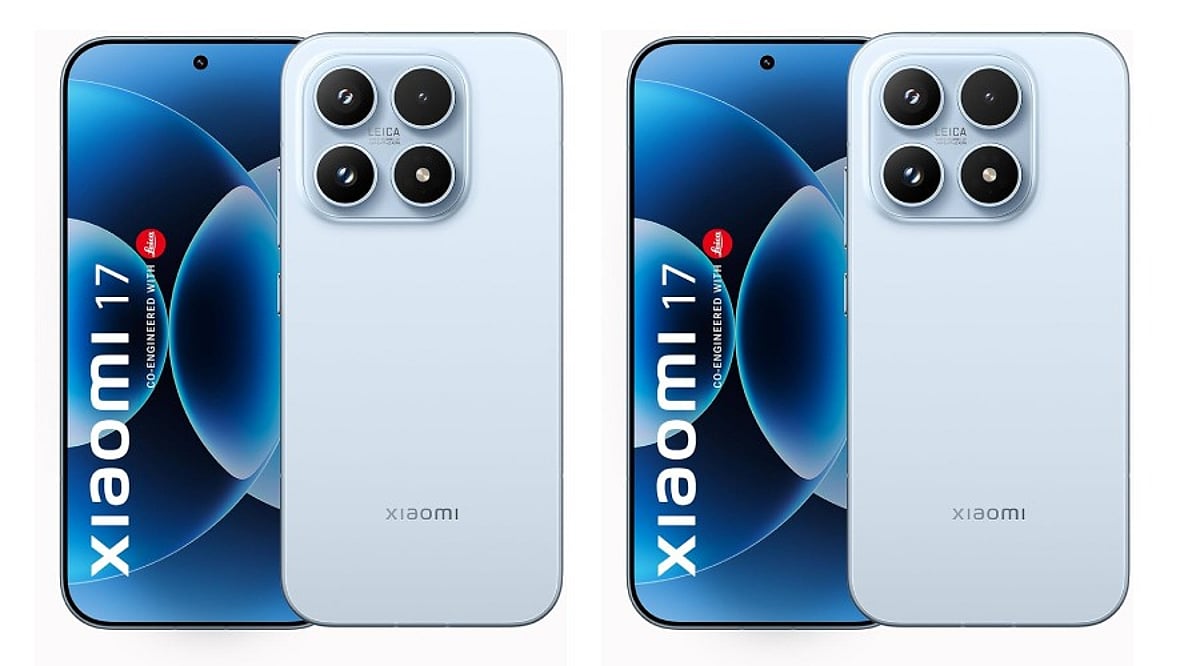
    The Xiaomi 17 is now available at a significant discount on Amazon India. The 12GB RAM + 512GB storage model is priced at Rs. 89,999, but eligible buyers can use bank offers to bring the effective cost down to around Rs. 77,750 or less. The discount depends on the payment method selected at checkout.

    How to Get the Discount

    Shoppers paying with an eligible Axis Bank credit card on EMI can save Rs. 12,249 on the Xiaomi 17. Kotak Bank credit card EMI users can claim Rs. 10,400 off. Customers can also trade in an older smartphone to lower the final price further.

    Xiaomi’s own platform also has promotions for the handset. The company’s September offer lists up to Rs. 10,000 off on EMI transactions for the Xiaomi 17. Since bank offers and exchange values change frequently, buyers should verify the current terms before completing their order.

    Xiaomi 17 Specifications

    • Display: 6.3-inch LTPO AMOLED, 1Hz-120Hz adaptive refresh rate, up to 3,500 nits peak brightness, HDR10+, Dolby Vision
    • Processor: Qualcomm Snapdragon 8 Elite Gen 5
    • Battery: 6,330mAh with 100W wired and 50W wireless charging
    • Rear cameras: Leica-branded triple setup with 50MP primary, 50MP telephoto, and 50MP ultra-wide lenses
    • Front camera: 50MP autofocus sensor
    • Durability: IP68 dust and water resistance

    Is the Xiaomi 17 Deal Worth It?

    The Xiaomi 17 combines a compact design with flagship-level hardware, including a large battery, fast charging, and Leica-tuned cameras. At the current Amazon discount, it becomes a stronger option in the premium segment, especially for buyers who can use the Axis Bank EMI offer. Before purchasing, check the final checkout price, bank eligibility, and exchange value to make sure the deal applies to your order.

  • Solana’s Transaction V1 Upgrade Boosts Maximum Transaction Size to 4,096 Bytes

    Solana’s Transaction V1 Upgrade Boosts Maximum Transaction Size to 4,096 Bytes

    Solana has activated Transaction V1 on its mainnet, increasing the maximum transaction size from 1,232 bytes to 4,096 bytes — a more than threefold expansion. The upgrade, which went live at the start of epoch 1,035 on September 15, 2026, around 01:20 UTC, gives developers significantly more space to include instructions, signatures, and other data within a single transaction.

    This change does not increase Solana’s transactions per second; instead, it expands the amount of information each transaction can carry. The Solana Foundation says the larger format can support workloads such as zero-knowledge proofs, large multisignature setups, and on-chain signature schemes that were previously difficult to fit under the old 1,232-byte limit.

    Solana Raises Transaction Size Limit to 4,096 Bytes

    Solana’s previous byte ceiling originated from early network design choices tied to packet-size limits. This restriction persisted even after the network transitioned to QUIC for transaction traffic. With the new V1 format, transactions now reach up to 4,096 bytes — about 3.3 times the previous maximum.

    The larger space reduces the need to split complex actions across multiple transactions. Developers can place more instructions and signatures inside one atomic transaction. For example, the extra room supports company wallets requiring several approvals, privacy tools using large cryptographic proofs, and DeFi operations that need multiple steps to either succeed or fail together.

    Transaction V1 Targets Multisig, ZK Proofs, and Complex DeFi

    Before the upgrade, developers often worked around the size limit by using several transactions or other methods to fit larger operations on-chain. Solana’s SIMD-0296 proposal noted that the old cap restricted use cases with large proof sizes and multiple signatures. The proposal set the new maximum at 4,096 bytes, while SIMD-0385 introduced the V1 transaction format.

    Solana continues to support Legacy and V0 transactions, so applications do not have to switch immediately. However, developers who want the larger transaction capacity must use V1. Infrastructure services — including RPC providers, indexers, wallets, explorers, and analytics tools — need to update their systems to recognize and process V1 transactions correctly.

    Solana Narrows One Transaction Gap with Ethereum

    The upgrade narrows a technical gap between Solana and Ethereum. Solana previously imposed a fixed 1,232-byte transaction limit, while Ethereum does not use a fixed byte ceiling. Instead, Ethereum controls transaction execution and data through gas rules, and following EIP-7825, it enforces a protocol-level per-transaction gas cap of 16,777,216 gas.

    As a result, the two networks still use different approaches. Solana now allows much larger transaction payloads than before but keeps a fixed 4,096-byte cap for V1 transactions. Ethereum can support larger data-heavy operations when they remain within gas rules and the transaction gas cap. Therefore, the Solana change gives developers more room than they had before but does not remove every structural difference between the networks.

    Meanwhile, Solana has continued changing other network parameters. In August, the network reduced slot time from 400 milliseconds to 350 milliseconds, with plans for a further reduction to 200 milliseconds. Transaction V1 remains separate from those speed changes because it focuses on how much data developers can place inside a single transaction rather than how quickly the network produces slots.

    Also Read: How Does Real-World Asset Tokenization Work on Solana?

  • TRAI Investigates Airtel and Jio Complaints Over Vodafone Idea’s Porting Incentives

    TRAI Investigates Airtel and Jio Complaints Over Vodafone Idea’s Porting Incentives

    The Telecom Regulatory Authority of India (TRAI) has announced it will review formal complaints filed by Bharti Airtel and Reliance Jio against Vodafone Idea. The complaints allege that Vodafone Idea offered special tariff benefits to customers who port their mobile numbers from rival networks, a practice the complainants argue violates regulatory guidelines.

    TRAI Chairman AK Lahoti confirmed on September 14 that the regulator received representations from the telecom operators and will examine the matter before deciding on further action. The regulator has not yet made any finding of wrongdoing against Vodafone Idea.

    What Airtel and Jio Have Alleged

    The core of the dispute centers on tariff benefits that were allegedly promoted exclusively for customers moving their numbers from Airtel or Jio to Vodafone Idea. Airtel and Jio contend that such offers incentivize switching and are not permitted under current rules. One complaint, sent to TRAI on September 2, explicitly asked the regulator to direct Vodafone Idea to cease promotional communications tied to these offers and to submit a compliance report confirming that all related advertisements, campaigns, and sales practices have been withdrawn.

    The issue revolves around Mobile Number Portability (MNP), which allows users to change operators while keeping their existing numbers, making it easier for operators to target customers already on a rival network. TRAI has previously taken a stance against tariff benefits offered exclusively to porting-in customers, stating in an earlier order that such pricing could amount to discriminatory tariff treatment under Clause 10 of the Telecommunication Tariff Order, 1999.

    Vodafone Idea Responds

    Vodafone Idea has denied any violation of rules. A company spokesperson said, “The company believes in fair competition and the strength of its products and the value delivered to customers, and that it conducts its business in compliance with the law.”

    TRAI did not specify what action it may take next. Lahoti also did not indicate whether the regulator would seek additional information from Vodafone Idea or convene discussions with the three operators. The matter remains at the complaint and review stage, with no final determination made.

  • XRP Ledger Sets Transaction Record as CLARITY Act Faces Senate Vote

    XRP Ledger Sets Transaction Record as CLARITY Act Faces Senate Vote

    XRP is back in the spotlight after the XRP Ledger recorded an impressive 3,254 validated transactions in a single block on September 14. This milestone coincided with the rollout of the fixCleanup3_3_0 amendment on mainnet. At the same time, traders are weighing mixed technical indicators while the US Senate prepares for a procedural vote on the CLARITY Act, which requires 60 votes to advance.

    XRP Ledger Hits New Single-Block High

    According to reports from Finance Biggo, the XRP Ledger achieved a new all-time high of 3,254 transactions in one block after the fixCleanup3_3_0 amendment went live. This surge in throughput highlights the network’s expanding capacity, which bolsters its technical credibility and makes it more attractive for transaction-heavy use cases.

    The record comes amid renewed market attention, but price action remains constrained. XRP is caught between supportive longer-term structure and short-term resistance, leaving traders uncertain about whether demand will strengthen further.

    Technical Indicators Mixed Near Resistance

    On the hourly chart, XRP is trading below the MA-20 at $1.4224 but remains above the MA-50 at $1.3847. The daily price also stays above the MA-200 at $1.2739, indicating underlying bullish structure. The Ichimoku Kijun line sits at $1.4337, forming immediate resistance.

    Momentum indicators are split: MACD shows a strong buy signal and ADX points to buying pressure, while RSI is at 47.913 and CCI along with Bull/Bear Power lean toward selling. Stochastic RSI is oversold, and the Awesome Oscillator remains neutral. This mixed picture suggests XRP could struggle to break higher without a clear catalyst.

    Garlinghouse Pushes for CLARITY Act Support

    Ripple CEO Brad Garlinghouse has urged US senators to back the latest version of the CLARITY Act. The Senate is set to hold a procedural vote on September 15, with 60 votes needed for advancement. Garlinghouse noted that lawmakers made significant compromises during negotiations, including a revised version with 126 changes requested by Democrats, covering ethics, digital assets, decentralized finance, banking, and enforcement.

    “Perfect can’t be the enemy of good,” Garlinghouse said. He added, “The world is watching and voters are watching. Now is the time to vote yes.” Treasury Secretary Scott Bessent also voiced support, stating the bill would help the US compete in digital assets while protecting community banks from stablecoin-related deposit risks. Bessent said it would grant him more authority if stablecoins cause deposit shifts away from community banks, tying the bill to the administration’s broader digital asset agenda following the GENIUS Act.

    Roundup

    XRP enters the September 15 Senate vote with a record transaction block and mixed technical signals. The CLARITY Act could gain traction if it secures 60 votes, with strong backing from both Garlinghouse and Bessent. Traders will be watching resistance near the $1.4337 Kijun level for any breakout or reversal.

  • How Apple’s Price Hikes Are Driving Refurbished iPhone Demand in India

    How Apple’s Price Hikes Are Driving Refurbished iPhone Demand in India

    Apple’s latest iPhone price increases in India are pushing more consumers toward refurbished models, as the widening gap between new and pre-owned devices makes older iPhones a more attractive entry point into the Apple ecosystem. With the iPhone 17 starting at ₹99,900 — a 21% jump — and the 1TB iPhone Air soaring 41% to ₹2,24,900, buyers are increasingly looking for certified second-hand options.

    Higher iPhone Prices Could Lift Refurbished Demand

    Refurbished marketplace Cashify expects the latest iPhone launch to significantly boost trade-ins and demand for older devices. The company forecasts a sharp rise in buybacks during the first 30 days after launch, accelerating over 60 to 90 days as more used units enter the resale channel. Festive-season discounts, exchange offers, and broader availability could further sweeten the deal for consumers unwilling to spend nearly ₹1 lakh on a base-model iPhone. Certified refurbished phones, which come with testing, grading, and warranty support, are likely to gain particular traction.

    Counterpoint Research data underscores the trend: refurbished smartphone sales in India grew 13% year-on-year in the first half of 2026, while new smartphone sales declined about 11%. Analyst Prachir Singh noted that “rising memory costs are changing the value equation for consumers,” making refurbished devices a cheaper route to high-end features.

    iPhone 13, 14, 15, 16 May Draw More Buyers

    Cashify anticipates strong growth in buybacks for the iPhone 15 and iPhone 16 series as owners upgrade, increasing the supply of these models in the refurbished market. Older models remain key: the iPhone 13 accounted for 6.93% of smartphone buybacks on Cashify but made up 15.5% of refurbished demand, ranking as the platform’s best-selling refurbished iPhone and most frequently traded-in model. Counterpoint also highlights the iPhone 13 as a preferred refurbished choice in India.

    The iPhone 16 may initially command a higher price in the refurbished segment due to its resale value, but as more units reach the second-hand market, buyers will see a wider price range across generations.

    Certification, Battery Health May Shape Buying Decisions

    Higher demand for refurbished iPhones puts a premium on device quality. Buyers are likely to scrutinize battery health, warranty terms, repair history, physical condition, and testing records before purchasing. Organized refurbishers that test, repair, and certify devices stand to benefit, though local second-hand sellers still dominate — Counterpoint data shows specialized platforms handle only about 20% of second-hand phone sales.

    As new iPhones become more expensive, previous-generation devices offer a lower entry price for consumers who still want an iPhone. The ultimate trajectory of refurbished iPhone demand in India will hinge on availability, resale pricing, festive offers, and buyer confidence in certified devices.

  • Apple’s New Home AI Features: Pricing Tiers Up to $60/Month for iCloud+ Users

    Apple’s New Home AI Features: Pricing Tiers Up to $60/Month for iCloud+ Users

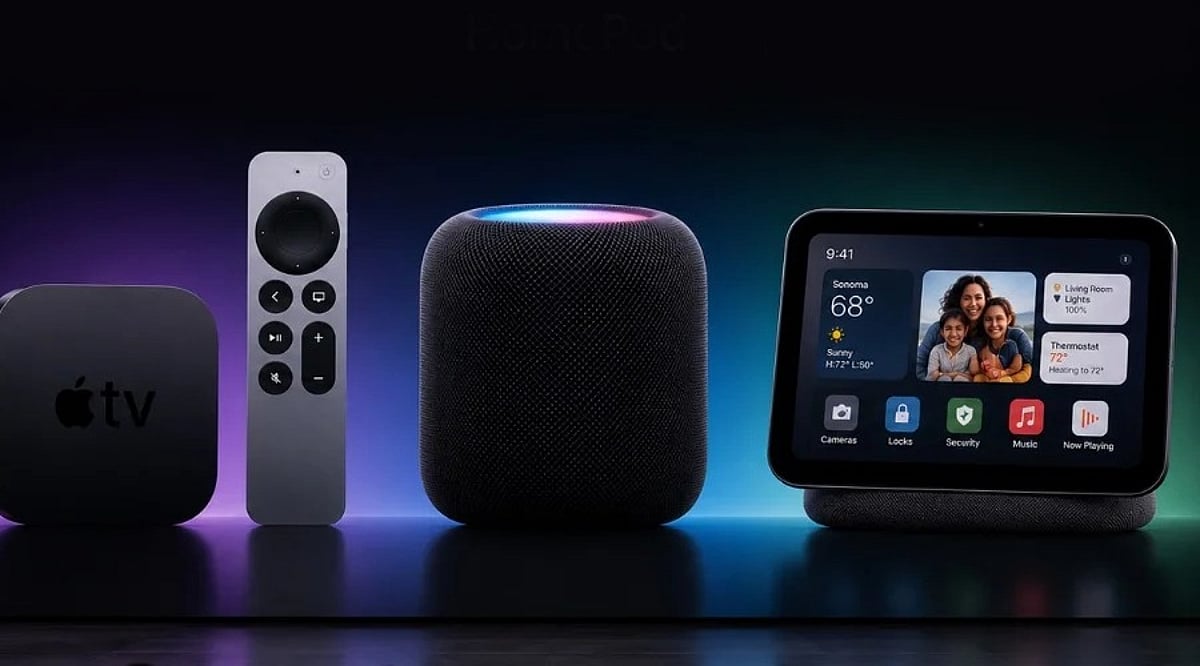
    Apple’s latest software updates—iOS 27 and tvOS 27—bring artificial intelligence capabilities to the Home app, introducing AI-generated video summaries, video search, and the ability to combine footage from multiple cameras. However, accessing these features requires an iCloud+ subscription, with costs ranging from $9.99 to $59.99 per month depending on the number of cameras.

    Apple Home AI Pricing Breakdown

    For a single camera, users need the 2TB iCloud+ plan at $9.99/month or an Apple One Premier subscription at $39.95/month. Adding a second camera jumps to the 6TB plan at $29.99/month, while up to five cameras require the 12TB plan at $59.99/month. Apple has not confirmed support for more than five cameras.

    Importantly, camera recordings from HomeKit Secure Video devices do not count toward the iCloud storage quota.

    Existing HomeKit Secure Video Unchanged

    The new pricing does not alter the standard HomeKit Secure Video service, which starts at $1/month for the 50GB plan (one camera with smart alerts and facial recognition). Previously, the 2TB plan supported up to five cameras without AI features; now the same tier enables AI for just one camera.

    Competitive Landscape

    Apple’s pricing faces stiff competition. Amazon’s Ring and Google Nest charge around $20/month for similar AI-powered camera features, often with more functionality. Apple’s iCloud+ plans also bundle storage for photos, files, and device backups, plus higher limits for Siri AI and other Apple Intelligence features—though specifics remain undisclosed.

    The updates also improve speed, reliability, and add 4K video resolution support for HomeKit Secure Video. AI features remain optional for existing users.

  • WhatsApp Malware Campaign Uses Fake Invoices to Hijack Accounts

    WhatsApp Malware Campaign Uses Fake Invoices to Hijack Accounts

    Cybersecurity firm Kaspersky has issued a warning about a rapidly spreading malware campaign on WhatsApp. Attackers are hijacking legitimate WhatsApp accounts and using them to send malicious attachments disguised as everyday business documents, such as invoices, billing statements, and payment notices.

    The campaign has already impacted users in multiple countries, including India, Brazil, Mexico, Singapore, the UK, Spain, Taiwan, Australia, Russia, Vietnam, and Malaysia. Because the malicious files appear to come from known contacts, recipients are far more likely to open them without suspicion.

    How the Scam Works

    According to Kaspersky researcher Fareed Radzi, the attackers exploit trust within messaging platforms by using compromised accounts to deliver malicious attachments that appear to originate from familiar people. The files are VBScript attachments carefully named to resemble financial reports and account notices.

    Once a victim opens the file, it triggers a staged infection chain that quietly downloads and executes additional harmful components from external servers. In many cases, this ultimately installs a remote access tool, granting attackers control over the infected device without the user’s knowledge.

    Safety Recommendations

    Kaspersky advises users to treat unexpected attachments with caution, even when they come from known contacts. Specifically, avoid opening script or executable files such as VBS, EXE, BAT, and JS unless their legitimacy is confirmed.

    India’s Cyber Crime Coordination Centre has also issued a similar alert, noting that fraudsters often name these files “View Details” or “Invoice” to appear genuine. Officials recommend verifying any unexpected document with the sender directly, preferably through a phone call, before opening it. A single click can compromise an entire WhatsApp account and its contact list.

    Stay vigilant and always double-check the unexpected, even if it comes from a trusted name.

  • Googlebook Laptop Pre-Orders Open September 21 With Gemini AI and Android Integration

    Googlebook Laptop Pre-Orders Open September 21 With Gemini AI and Android Integration

    Google has confirmed that pre-orders for its upcoming Googlebook laptops will officially open on September 21. The announcement, posted on the official Googlebook website, also gives users the option to sign up for preorder notifications if they aren’t ready to order right away. Google has not yet shared pricing, the exact models that will be available for pre-order, or shipping timelines.

    What Are Googlebook Laptops?

    The Googlebook was first teased during the Android Show I/O Edition in May. It is a new line of flagship laptops designed to combine the best of ChromeOS and Android. While current Chromebooks run on ChromeOS, Googlebook devices will be built on the Android technology stack but still include the Chrome browser and full access to Google Play Store apps.

    Several major PC makers are supporting the new category, including Acer, Asus, Dell, HP, and Lenovo. Google has not confirmed which manufacturer models will be the first to go on sale.

    Gemini AI Features

    Googlebook laptops will lean heavily on Gemini intelligence. The company’s website highlights two key features:

    • Magic Pointer: Select anything on screen and ask Gemini to analyze, compare, or create with it.
    • Create My Widget: Build custom widgets simply by asking Gemini to generate them.

    Deeper Android Phone Integration

    Googlebook is also designed to work more closely with Android smartphones. Two standout features include:

    • Cast My Apps: Use phone apps directly on the laptop without needing to install them separately.
    • Quick Access: Browse and access files stored on your phone right from the laptop’s file manager.

    These features will require a phone running Android 17 or later.

    Design and Availability

    Googlebook laptops will feature a distinctive Glowbar, described by Google as a functional design element. Since Acer, Asus, Dell, HP, and Lenovo are building the first-generation devices, customers can expect a range of shapes, sizes, and hardware configurations across the lineup.

    Google has not disclosed pricing or confirmed shipping dates, but the first devices are expected to arrive this fall.