Tag: Apple

  • S&P 500 and Nasdaq Rise on Chip Stock Rebound, Dow Slips After Record High

    S&P 500 and Nasdaq Rise on Chip Stock Rebound, Dow Slips After Record High

    U.S. stocks closed mixed on Monday as investors returned from the Independence Day holiday with renewed interest in technology and semiconductor shares. The S&P 500 and Nasdaq Composite advanced, while the Dow Jones Industrial Average slipped after briefly crossing the 53,000 threshold for the first time.

    The market’s focus remained on semiconductor stocks, Federal Reserve meeting minutes, and the start of second-quarter earnings season. Key names watched by traders included Broadcom, Apple, Microsoft, SpaceX, and SK Hynix.

    Chip Stocks Lead Nasdaq and S&P 500 Higher

    The Nasdaq Composite gained approximately 1.1%, while the S&P 500 rose 0.5% in morning trading. The Dow Jones Industrial Average fell 0.3% after briefly touching a fresh intraday record above 53,000. This divergence highlighted a split market, with technology stocks leading gains while some blue-chip names lost ground.

    Chip stocks rebounded after two weak sessions last week. The Philadelphia SE Semiconductor Index surged more than 4%, and the information technology sector led gains on the S&P 500. The recovery helped lift investor sentiment following recent pressure on AI-linked shares.

    Broadcom rose 5.7% after extending its chip supply partnership with Apple through 2031. The deal covers custom chip development and supply, giving investors another reason to return to semiconductor names. Micron Technology, Marvell Technology, Teradyne, Western Digital, and Oracle also gained as AI and data center demand remained in focus.

    Meanwhile, SK Hynix prepared to launch a U.S. listing aimed at raising approximately $28 billion. The offering added more attention to the global AI chip trade. The South Korean memory chipmaker has already drawn strong market interest this year, although its shares have also experienced sharp swings.

    Investors Watch Fed Minutes and Economic Data

    Investors also looked ahead to minutes from the Federal Reserve’s latest policy meeting. The minutes are due Wednesday and will be closely watched after the first meeting led by new Fed Chair Kevin Warsh. Traders have reduced bets on a July rate hike after last week’s cooler jobs report.

    According to CME FedWatch data, traders now see a 24% chance of a 25-basis-point rate hike at the July 29 meeting, down from about 30% a week earlier. The shift came as investors judged whether softer labor data could give the Fed more room to wait.

    The Institute for Supply Management reported that its services index slipped to 54.0 in June, close to market forecasts. The reading indicated that U.S. services activity continued to grow, though at a slightly slower pace. Prices eased but remained high, while employment moved back into growth territory.

    Trade Nation’s senior market analyst, David Morrison, expressed doubt about how much clarity the Fed minutes may offer. “Warsh wants the Fed to concentrate on the data and stick to that and not give any projections,” he said. “So it could be that the minutes don’t really give very much away.”

    Earnings Season and Stock Movers Stay in Focus

    Second-quarter earnings will become a key test for Wall Street later this week. Delta Air Lines and PepsiCo are among the companies expected to report results. Investors are watching whether corporate updates can support the market after strong gains in the major indexes last week.

    Morrison also pointed to uncertainty around the largest technology stocks. “This earnings season is important, given the fact that the Magnificent 7 have had a pretty tough time with things of late,” he said. He added that “just a little bit of good news” could help them resume their rally.

    Microsoft shares fell 1.8% after the company announced it would cut about 4,800 jobs, equal to roughly 2.1% of its workforce. The stock’s decline weighed on sentiment around large-cap technology, even as broader tech shares rose.

    SpaceX gained as investors prepared for its entry into the Nasdaq 100 on Tuesday. The move is expected to drive buying from funds that track the index. Elsewhere, O’Reilly Automotive dropped after reports indicated the company made a cash offer for Genuine Parts’ auto unit.

    Global markets were more muted. European stocks slipped slightly, while Asian markets ended mixed. Japan’s Topix rose, South Korea’s Kospi fell, and Hong Kong’s Hang Seng gained. Oil prices drifted after OPEC+ members agreed to raise output again in August, while U.S. Treasury yields edged lower.

    With the second-quarter earnings season beginning and the Federal Reserve minutes due later this week, investors are expected to look for fresh signals on corporate profitability and the future path of U.S. interest rates, which could shape the market’s next move.
  • Top Amazon Prime Day 2026 Tech Deals: Smartphones, Soundbars, and Kitchen Appliances

    Top Amazon Prime Day 2026 Tech Deals: Smartphones, Soundbars, and Kitchen Appliances

    Amazon Prime Day 2026 is here, offering massive savings on a wide range of tech products, from smartphones and soundbars to home electronics and kitchen appliances. Prime members can access exclusive discounts, bank offers, cashback, and limited-time deals from leading brands like Samsung, Apple, Sony, LG, Philips, and Dyson. Whether you’re upgrading your phone, enhancing your home entertainment, or replacing an old appliance, now is the perfect time to shop.

    Soundbars

    Soundbars have become a staple for entertainment lovers. Here are the top deals available:

    Sony HT-S20R

    Price: Rs. 14,989 | Discount: 39%
    The Sony HT-S20R delivers clear voices, strong bass, and an immersive surround sound experience for movie lovers on a budget.

    JBL Cinema SB271

    Price: Rs. 10,999 | Discount: 42%
    Balanced sound and deep bass make the JBL Cinema SB271 a great choice for everyday use, with easy setup.

    LG S40T

    Price: Rs. 12,999 | Discount: 52%
    The LG S40T offers clean audio and a sleek design with wireless support, perfect for music and TV.

    boAt Aavante Bar

    Price: Rs. 29,999 | Discount: 70%
    An affordable soundbar for smaller rooms, delivering good sound for movies and music.

    Home Electronics

    Essential smart home devices at unbeatable prices:

    Echo Show 8

    Price: Rs. 17,999 | Discount: 28%
    Manage your day with voice commands, video calls, and smart home controls.

    Fire TV Stick 4K

    Price: Rs. 4,499 | Discount: 36%
    Turn any TV into a smart TV with access to popular streaming apps.

    Blink Outdoor Camera

    Price: Rs. 2,049 | Discount: 38%
    Simple setup, clear video, and long battery life for home security.

    Kindle Paperwhite

    Price: Rs. 16,999 | Discount: 23%
    A top-tier e-reader with a sharp display, adjustable light, and long battery.

    Smartphones

    Upgrade your phone with these Prime Day deals:

    Samsung Galaxy S25 Ultra

    Price: Rs. 99,999 | Discount: 30%
    Bright display, excellent cameras, and fast performance at a reduced price.

    OnePlus 13

    Price: Rs. 54,999 | Discount: 24%
    Fast performance, clean software, and dependable battery life.

    Redmi 15 5G

    Price: Rs. 24,498 | Discount: 34%
    Large display, good battery, and 5G connectivity at an affordable price.

    iQOO 15

    Price: Rs. 74,999 | Discount: 5%
    Designed for speed, gaming, and multitasking with fast charging.

    Kitchen Appliances

    Make your kitchen smarter with these deals:

    Dyson V8 Vacuum Cleaner

    Price: Rs. 27,889 | Discount: 36%
    Cordless design with strong suction for easy home cleaning.

    Philips Air Fryer

    Price: Rs. 9,449 | Discount: 27%
    Cook tasty meals with less oil, easy to use and popular.

    Hamilton Beach Blender

    Price: Rs. 1,999 | Discount: 67%
    Perfect for smoothies, soups, and sauces.

    Nespresso Coffee Machine

    Price: Rs. 22,399 | Discount: 15%
    Fresh coffee at home in minutes.

    Why Prime Day Is a Great Time to Shop

    Beyond lower prices, Prime Day offers bank discounts, cashback, exchange bonuses, and easy EMI plans. Many high-ticket items become more affordable. Since some deals are time-limited or stock-constrained, planning ahead with a wishlist helps you secure the best bargains.

    Final Thoughts

    Amazon Prime Day 2026 is an excellent opportunity to save on products already on your wishlist. From smartphones and soundbars to smart home devices and kitchen appliances, strong offers span nearly every category. Popular items sell out fast, so add your favorites to your wishlist before the sale begins.

  • Apple Scales Up Foldable iPhone Ultra Production Targets to 10 Million Units

    Apple Scales Up Foldable iPhone Ultra Production Targets to 10 Million Units

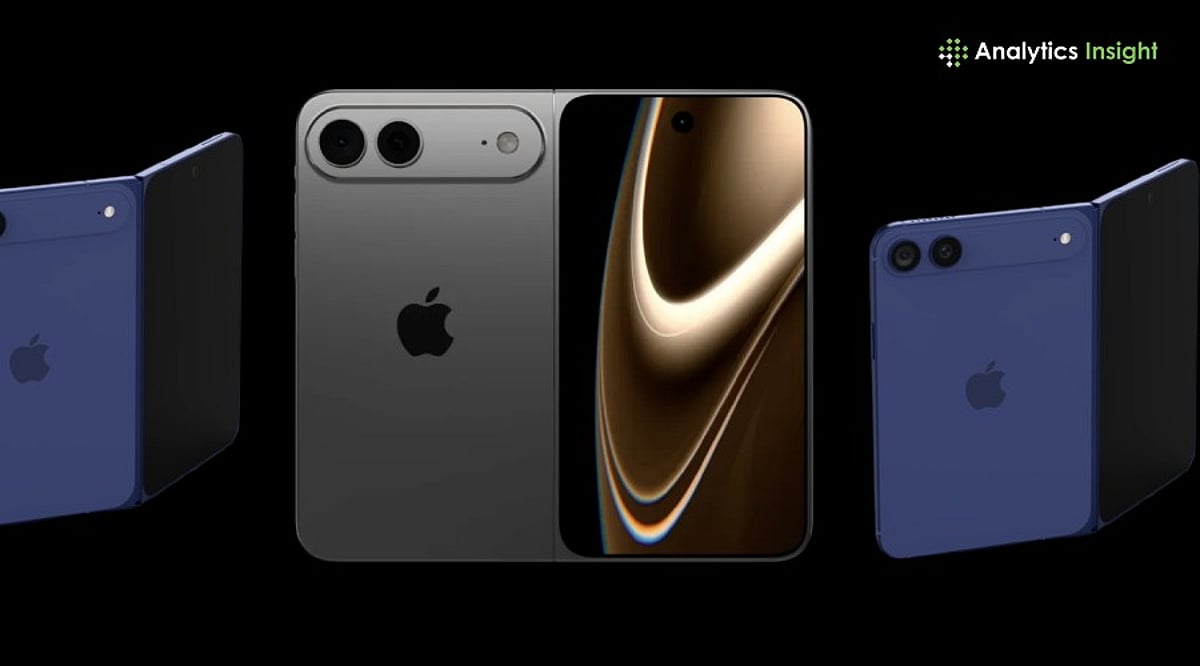
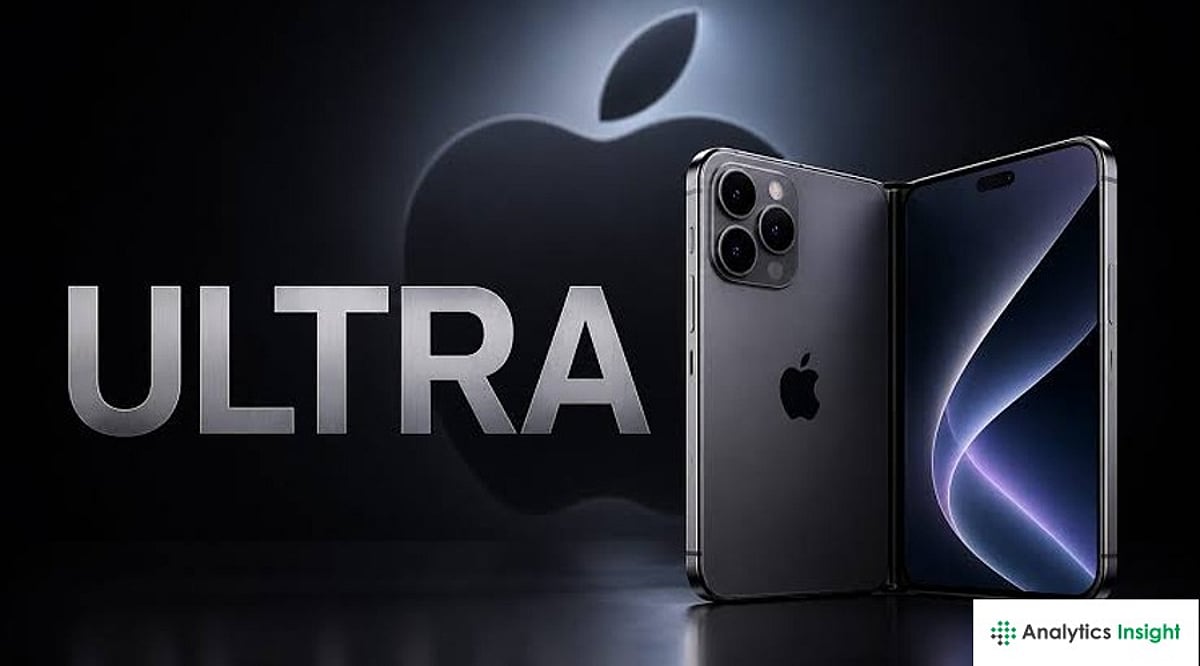
    Apple is reportedly increasing its manufacturing plans for the company’s first foldable smartphone, widely expected to launch as the iPhone Ultra. According to sources cited by Nikkei Asia and 9to5Mac, the tech giant has asked suppliers to prepare for the production of nearly 10 million units of the foldable device—up from earlier estimates of 7–8 million. This ramp-up signals stronger-than-expected confidence in demand for the premium product.

    In addition to the foldable model, Apple plans to manufacture over 70 million units of the iPhone 18 Pro and iPhone 18 Pro Max, bringing total premium iPhone production to roughly 80 million units in the second half of 2026. The company’s overall iPhone production target for the year is reportedly around 220 million units, with IDC estimating it could reach 240 million. Apple has also instructed suppliers to stockpile certain components for the iPhone 18 Pro models.

    The foldable iPhone Ultra is expected to be the most expensive iPhone ever, with IDC pegging its base price at approximately $2,500 (around ₹2.38 lakh). Versions with higher storage capacity could cost up to $3,000. Apple is expected to unveil the iPhone 18 Pro, iPhone 18 Pro Max, and the foldable iPhone Ultra at its traditional September 2026 launch event, though the foldable model may ship later due to its complex manufacturing process. Reports also suggest the standard iPhone 18 could be delayed until spring 2027.

  • Apple’s Foldable iPhone Poised to Reshape Premium Smartphone Market by 2026

    Apple’s Foldable iPhone Poised to Reshape Premium Smartphone Market by 2026

    Apple’s anticipated entry into the foldable smartphone market is expected to significantly boost competition and drive up average selling prices (ASPs) across the segment, according to new research from Counterpoint. Although Apple has yet to officially announce a foldable device, mounting anticipation is already influencing market dynamics, prompting rivals like Samsung, Huawei, Google, and Xiaomi to accelerate their own foldable launches.

    Counterpoint Research forecasts global foldable smartphone shipments will approach 28 million units this year, with Apple’s debut likely pushing the category’s ASP from $1,255 in 2025 to $1,485 in 2026—an 18% increase. The foldable segment’s total revenue could surge by 48% as a result.

    Book-Type Foldables Gain Premium Position

    Industry analysts expect Apple’s foldable to adopt a book-type, wide-screen design rather than a clamshell form factor. This approach is seen as better suited for reading and productivity, and aligns with Apple’s emphasis on consistent app display standards across its ecosystem.

    Counterpoint notes a growing divergence between foldable formats. Clamshell devices are becoming more affordable as production scales and more brands enter the space. In contrast, book-type foldables remain firmly in the luxury segment, with manufacturers enhancing displays, hinges, batteries, cameras, and productivity features.

    “Apple’s entry into the foldable market is also expected to further boost the upward ASP trend by keeping market attention on high-priced segments,” Counterpoint stated. The firm added that this will “increase interest in software continuity, app support, and productivity across foldable categories and help establish foldables as a higher-value segment within the smartphone market.”

    Premium Price Band May Expand

    According to Counterpoint, the share of foldables priced between $1,600 and $2,000 could nearly double from 30% in 2025 to 58% in 2026. Meanwhile, the portion of devices exceeding $2,000 is expected to decline slightly from 3% to 2%.

    Apple’s own foldable is likely to sit in its ultra-premium tier, with estimated ASPs around $2,500 or higher depending on configuration.

    Challenges Remain for Foldables

    Despite more than seven years of development, foldable phones still face hurdles including inner-screen flatness, protective film durability, hinge reliability, and optimal app performance across inner and outer displays.

    Manufacturers also believe foldables need compelling use cases in office workflows, AI, and photography. While Apple’s move could elevate the category’s profile, the long-term success of foldables will depend on delivering a clearly superior user experience compared to standard premium smartphones.

  • iOS 27 Beta Code Hints at Apple’s Next AI Wearable: Vision Glasses or Camera-Equipped AirPods?

    iOS 27 Beta Code Hints at Apple’s Next AI Wearable: Vision Glasses or Camera-Equipped AirPods?

    New code discovered inside Apple’s iOS 27 developer beta has reignited speculation about the company’s upcoming AI-powered wearable. Initially, the code appeared to reference the long-rumored Apple Vision Glasses, but developers now believe it may point to a pair of camera-equipped AirPods instead.

    The mystery device, carrying the internal codename B790, was uncovered by developer Sam Henri Gold in the second beta of iOS 27. The code includes system messages tied to Apple’s Visual Intelligence feature, which allows a wearable to recognize landmarks, text, and objects using onboard cameras. Examples embedded in the software—such as the Eiffel Tower and a coffee mug—suggest the wearable could deliver real-time contextual information about what users see.

    What initially fueled Vision Glasses hype has shifted after closer analysis. The code describes images captured “from cameras on either side of a user’s head,” a description that aligns more naturally with earbuds than eyewear. Developers also note that the B790 codename follows a pattern consistent with earlier AirPods identifiers, while Apple’s rumored smart glasses are believed to carry a different internal designation.

    Visual Intelligence, part of Apple’s broader Apple Intelligence initiative, already enables users to identify objects and landmarks through AI-powered image recognition on the iPhone. The latest code indicates Apple intends to extend this functionality to wearable devices. Whether the final product will be Vision Glasses or camera-equipped AirPods remains unknown, but one thing is clear: Apple is actively developing software for a new class of AI-powered wearables with integrated cameras.

  • iPhone 17 Pro Enters 250-Year Time Capsule for America’s 500th Anniversary

    iPhone 17 Pro Enters 250-Year Time Capsule for America’s 500th Anniversary

    An iPhone 17 Pro has been sealed inside a time capsule as part of the United States’ 250th anniversary celebrations. The cosmic orange device will remain unopened until 2276, when the nation marks its 500th birthday, effectively locking the smartphone away for a quarter millennium.

    Why the iPhone 17 Pro Was Chosen

    The time capsule project aims to give future generations a snapshot of everyday life and technology in 2026. Alongside items representing all 50 states, organizers selected the iPhone 17 Pro to represent modern consumer technology. This is not the first notable moment for the model; earlier this year, the same device was used during NASA’s Artemis 2 mission to relay images from space back to Earth.

    Will the iPhone Survive 250 Years?

    It is highly unlikely that the iPhone 17 Pro will function when the capsule is opened. Lithium-ion batteries typically degrade within 10 to 20 years, even under ideal storage conditions. Moreover, software, charging standards, and data formats in 2276 will likely bear little resemblance to today’s technology. The phone is thus expected to serve as a preserved historical artifact rather than a working device.

    Inside the Sealed iPhone 17 Pro’s Specs

    The specific unit placed in the capsule features a 6.3-inch OLED display with 120Hz ProMotion refresh, always-on display, and Ceramic Shield 2. It runs on Apple’s A19 Pro chipset with 12GB of RAM and up to 1TB of storage. Apple rates the 3,998 mAh battery for up to 39 hours of video playback. Camera specifications include triple 48MP rear cameras, an 18MP front camera, 8x optical zoom, and 8K video recording capability. Two and a half centuries from now, this spec sheet will likely be referenced as a benchmark for smartphone technology in 2026.

  • iOS 27 Beta 2 Leak Suggests Apple Is Developing Camera-Equipped AirPods for Spatial AI

    iOS 27 Beta 2 Leak Suggests Apple Is Developing Camera-Equipped AirPods for Spatial AI

    Apple’s rumored camera-equipped AirPods have received a fresh vote of confidence from code discovered in iOS 27 beta 2. Developer Sam Henri Gold spotted references to an unreleased product codenamed B790, arriving on the same day that a separate leaker claimed the project had been suspended—creating two conflicting signals about the product’s future.

    What the Leaked Code Actually Shows

    The code Gold found is a system prompt template designed to process ‘two images from cameras on either side of the user’s head,’ handling the left image first and the right one second. That description outlines stereo image processing, where two slightly offset views of the same scene provide Apple’s AI with extra spatial context. The template also includes worked examples, asking about the Eiffel Tower or a coffee mug, along with fallback instructions telling the system to request a new image if the original comes out blurry or poorly lit.

    Why This Points to AirPods, Not Smart Glasses

    Gold initially floated smart glasses as the likely target, but the codename tells a different story. Apple’s AirPods Pro 3 carry the internal codename B788, while the company’s rumored smart glasses are tied to the N50 codename instead. B790 fits far more naturally into Apple’s existing audio-hardware numbering than into its glasses lineup, which is why multiple outlets now treat camera-equipped AirPods as the more likely explanation. The camera placement described in the code—positioned on either side of the head—also aligns better with earbuds than with a front-facing glasses design.

    A Timeline Clouded by Conflicting Reports

    The bigger question isn’t whether the hardware exists, but when it might actually ship. Bloomberg’s Mark Gurman has previously reported that both the camera-equipped AirPods and Apple’s smart glasses are now targeting a late 2027 release, a shift from earlier hopes of a 2026 launch. Adding to the confusion, leaker Kosutami posted that the AirPods camera project had been ‘suspended’ the same week the code surfaced—a claim that sits awkwardly next to active development work showing up in a shipping beta. Whether that means a full cancellation, a temporary pause, or simply a slower internal timeline remains unclear.

    What These AirPods Would Actually Do

    If the product does arrive, its core pitch centers on Visual Intelligence, the feature that already lets iPhone users point their camera at an object and ask Siri what it is. Camera-equipped AirPods would extend that same capability to earbuds, letting users ask contextual questions about their surroundings without pulling out their phone. Early pricing chatter places the product above the existing AirPods Pro 3, possibly in the $299–$349 range under a new ‘AirPods Ultra’ branding, though none of these details have been confirmed by Apple.

  • Apple to Launch Five New iPhones by 2027, Including Foldable Model with Higher Production Target

    Apple to Launch Five New iPhones by 2027, Including Foldable Model with Higher Production Target

    Apple is reportedly preparing to launch at least five new iPhone models between the second half of 2026 and early 2027, including its first foldable device. The company has raised its foldable production target and is exploring new memory chip suppliers as AI-driven demand tightens global component supplies.

    The planned lineup includes the company’s first foldable iPhone, a standard iPhone 18, and a new iPhone Air model. Apple is also reviewing new memory chip suppliers as demand from artificial intelligence data centers limits global supplies. Apple has not confirmed the product plans or its reported discussions with Chinese chipmakers.

    Apple Raises Foldable iPhone Production Plans

    Apple has reportedly asked suppliers to prepare components for about 10 million foldable iPhones in 2026, up from an earlier target of between 7 million and 8 million units. The increase suggests Apple is allocating more production capacity to its first foldable smartphone. Still, the figures come from people familiar with the supply chain, and Apple has not publicly announced the device or confirmed its expected production volume.

    Reports have described the foldable phone as a premium model that could sit above Apple’s existing Pro lineup. Some market estimates have placed its possible price near $2,500, although Apple has not provided any official pricing information. Meanwhile, Samsung and Huawei already sell several foldable smartphone models. Apple’s entry would add another major brand to the category, which remains smaller than the standard smartphone market.

    Apple has also secured parts for about 80 million new iPhones scheduled for production in the second half of 2026. Its total smartphone output could exceed 220 million units this year, according to current supplier estimates.

    Five-Model Roadmap Extends into Early 2027

    Apple’s reported launch schedule covers at least five devices across two release periods. The company is expected to introduce several models in late 2026 before adding the standard iPhone 18 and another iPhone Air in early 2027. A spring release would mark a change from Apple’s usual approach of launching its main iPhone range in September. The move could allow the company to spread demand across the year and target different price groups at separate times.

    One supplier executive reportedly said Apple has ‘good motivation’ to release iPhones in spring and gain market share. However, the launch timetable remains unconfirmed, and production plans can change before devices enter mass manufacturing.

    Apple’s purchasing scale may also give it more access to limited memory supplies than smaller smartphone makers. Reports say Xiaomi, Oppo, and Vivo have reduced annual production targets to below 100 million units amid higher component prices. Additionally, Apple recently raised prices for some MacBook and iPad products as memory and storage costs increased, showing how supply pressure has reached several parts of the consumer electronics market.

    Apple Considers Chinese Memory Chip Suppliers

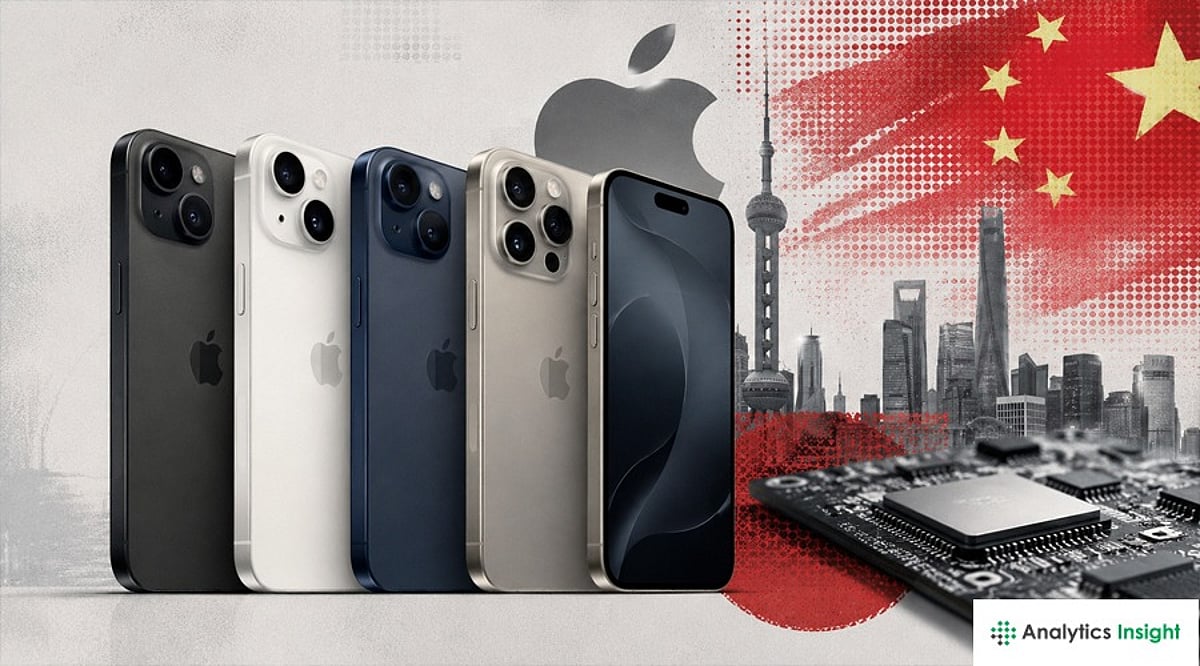
    Apple is reportedly holding discussions with ChangXin Memory Technologies and Yangtze Memory Technologies about supplying chips for devices sold in China. The talks are said to be ongoing, and no agreement has been announced. Both Chinese companies appear on a Pentagon list of businesses accused of links to China’s military, so any supply agreement could face political and regulatory review in the United States.

    Apple is seeking more supply options as AI data centers consume a growing share of global memory production. Strong demand for DRAM and NAND chips has raised prices for smartphone, computer, and data-center manufacturers. Using more suppliers could help Apple secure enough parts and negotiate better purchasing terms. Nevertheless, the company must consider product quality, production capacity, trade rules, and restrictions linked to Chinese technology companies.

    Apple has not commented on the reported supplier talks. The company has also not confirmed the foldable iPhone, its five-model launch schedule, or its production targets through early 2027.

  • Apple Ushers in a New Innovation Wave: Foldables, AI, and Beyond

    Apple Ushers in a New Innovation Wave: Foldables, AI, and Beyond

    Apple is gearing up for its most significant product overhaul in years, with a wave of innovations spanning foldable devices, advanced artificial intelligence, and smarter wearables. Here’s a closer look at what’s coming next from the tech giant.

    Foldable iPhone

    Apple’s first foldable iPhone is expected to debut with a premium design, a larger display, and seamless multitasking capabilities, positioning it to compete directly in the growing foldable market.

    AI-Powered Siri

    The company is rebuilding Siri with advanced AI, enabling more natural conversations and boosting productivity across the entire Apple ecosystem.

    Apple Intelligence

    Apple Intelligence will power writing, image editing, notification management, and daily tasks — all while keeping user privacy at the core.

    Custom AI Chips

    Next-generation Apple chips are designed to deliver faster on-device AI performance with greater efficiency and lower power consumption.

    Smart Wearables

    Rumors suggest Apple is expanding beyond the Apple Watch with devices like the iRing and more health-focused wearables.

    Home Robotics

    Apple is reportedly exploring AI-powered home robots that can assist with everyday tasks and smart home management.

    Mixed Reality Expansion

    Following the Vision Pro, Apple is expected to introduce lighter and more affordable spatial computing devices.

    Ecosystem Integration

    Future Apple products will work more closely together, offering seamless experiences across iPhone, iPad, Mac, Watch, and Vision devices.

  • Apple Seeks Dismissal of AI Lawsuit Over YouTube Video Training – Here’s Why It Matters

    Apple Seeks Dismissal of AI Lawsuit Over YouTube Video Training – Here’s Why It Matters

    Apple has asked a US court to dismiss a lawsuit filed by three YouTube creators who accuse the company of using millions of copyrighted YouTube videos to train its artificial intelligence systems without permission. The case centers on whether publicly available online content can be legally used for AI development.

    The lawsuit, filed in April in the US District Court for the Northern District of California, was brought by the channels h3h3Productions, MrShortGame Golf, and Golfholics. They claim Apple bypassed YouTube’s download restrictions and violated the Digital Millennium Copyright Act (DMCA) by scraping their videos. The creators also argue that technology companies should not profit from creators’ work without sharing benefits or seeking consent.

    Apple’s Defense: Public Is Public

    Apple’s response emphasizes that the videos were accessible to anyone without a password, payment, or special permission. The company contends that public videos are fundamentally different from private or protected content, and that YouTube’s Terms of Service do not prohibit accessing public videos. Apple therefore argues the lawsuit lacks legal grounding and should be dismissed before proceeding to discovery.

    Legal observers note that the case could become a landmark test for copyright law in the age of artificial intelligence. A ruling could help define how companies may use public online material when training AI models, and what responsibilities they have toward content creators.

    Broader Implications for AI and Copyright

    The same trio of creators has also filed similar lawsuits against Meta, Nvidia, ByteDance, and Snap. All raise the same fundamental questions about the legality of using YouTube content for AI training. As AI companies increasingly rely on publicly available data, creators, publishers, and artists continue to push for stronger protections and fair compensation.

    The court will now decide whether to dismiss Apple’s case or allow it to proceed. Its decision could shape future rules for AI training and copyrighted content, influencing both industry practices and legislative efforts.