Tag: blockchain

  • How Ripple’s XRP Escrow Works: The Truth Behind 1 Billion Monthly Unlocks

    How Ripple’s XRP Escrow Works: The Truth Behind 1 Billion Monthly Unlocks

    XRP escrow is one of the most misunderstood aspects of XRP’s supply structure. Ripple can unlock up to 1 billion XRP through its monthly escrow schedule, but that does not mean 1 billion tokens automatically enter circulation or reach exchanges every month. The mechanism was created to make Ripple-controlled XRP supply more transparent and predictable.

    Why Ripple Created XRP Escrow

    In December 2017, Ripple placed 55 billion XRP, representing 55% of XRP’s maximum 100 billion-token supply, into a series of cryptographically secured escrow contracts. According to Ripple, 55 separate contracts were originally created, each releasing 1 billion XRP monthly. The XRP Ledger’s consensus rules enforce these conditions, meaning Ripple cannot access escrowed tokens before their scheduled release. The system established a maximum amount that could become available each month rather than guaranteeing that all unlocked XRP would enter circulation.

    What Happens During the Monthly Unlock?

    When an escrow expires, the XRP becomes available to Ripple. The company may use a portion for institutional sales, liquidity initiatives, investments, or other ecosystem purposes. Unused XRP can then be placed into new escrow contracts at the end of the existing release schedule. Ripple explained when establishing the program that if, for example, 500 million XRP remained unused from a monthly release, those tokens could be locked again in a later escrow. This recycling mechanism explains why the monthly escrow cycle has continued long after the original 55-month schedule.

    How Much XRP Remains in Escrow?

    Ripple’s latest official holdings disclosure provides a clearer picture of the remaining supply. As of June 30, 2026, 32.6 billion XRP remained in on-ledger escrow, while Ripple reported 37.66 billion XRP in total holdings, including both escrowed XRP and tokens available in its wallets. Approximately 62.33 billion XRP had been distributed. For comparison, Ripple reported 37.13 billion XRP in escrow on March 31, 2025. The decline demonstrates that XRP is gradually being released from escrow, although the amount entering the broader market differs from the headline monthly unlock.

    Does an Unlock Increase Circulating Supply?

    Potentially, but not by 1 billion XRP automatically. Investors should distinguish between XRP unlocked from escrow, XRP retained by Ripple, XRP distributed to third parties, and XRP returned to escrow. Ripple has also said that certain transfers to exchange-traded products, trusts, and investments may remain classified as company holdings until it expects those XRP to enter the broader market. Therefore, an escrow transaction alone does not reveal the amount of immediate selling pressure.

    Why This Matters

    Ripple’s escrow system makes XRP supply releases more predictable, but monthly unlocks do not equal immediate market sales. Investors should focus on how much XRP is retained, distributed, or returned to escrow when assessing potential supply pressure.

    Final Thoughts

    With 32.6 billion XRP still locked in escrow, Ripple’s monthly releases remain an important supply factor. However, investors should look beyond the 1 billion-XRP headline and track actual distributions, re-escrow activity, and market demand to assess the potential impact on XRP.
  • How Ethereum Layer-2 Networks Are Transforming Scalability and DeFi

    How Ethereum Layer-2 Networks Are Transforming Scalability and DeFi

    Ethereum’s Layer-2 networks are reshaping the blockchain landscape by addressing long-standing challenges related to transaction costs, speed, and scalability. These secondary protocols operate on top of Ethereum’s mainnet, processing transactions off-chain while leveraging the security of the underlying blockchain. Below are the key ways Layer-2 solutions are changing Ethereum and expanding its ecosystem.

    Lower Transaction Costs

    Layer-2 networks reduce congestion on Ethereum’s mainnet by handling transactions separately. By batching multiple transactions and settling the results on Ethereum, these solutions significantly lower fees. This makes everyday blockchain activities such as payments, trading, and gaming more accessible and cost-effective.

    Faster Transaction Processing

    When Ethereum’s mainnet faces high demand, transaction speeds can slow and costs spike. Layer-2 networks process transactions off-chain and submit compressed data or proofs to Ethereum. This approach boosts throughput, enabling applications to handle more activity while users experience faster confirmations and smoother interactions.

    Greater Scalability

    Scalability has been a major hurdle for Ethereum as adoption grows. Layer-2 networks provide additional execution capacity without requiring every transaction to be processed directly on the mainnet. This creates room for significantly more activity across decentralized applications, helping Ethereum support growing demand from users, developers, and financial platforms.

    Growth of DeFi

    Decentralized finance (DeFi) applications benefit greatly from cheaper and faster transactions. Layer-2 networks allow users to trade, lend, borrow, and provide liquidity while paying substantially lower fees. This improved economics encourages broader participation and enables developers to create financial products that would be impractical on Ethereum’s mainnet alone.

    Expansion of Web3 Gaming

    Blockchain gaming requires frequent transactions, making mainnet fees and throughput challenging. Layer-2 networks offer the speed and lower costs needed for in-game transactions, digital assets, and other activities. This infrastructure helps blockchain games become more practical by reducing costs and friction for players.

    More Developer Innovation

    Layer-2 networks provide developers with additional environments to build applications with different performance, cost, and execution characteristics. This flexibility encourages experimentation across finance, gaming, social platforms, and other Web3 applications. As infrastructure improves, developers can focus on creating useful products rather than working around Ethereum’s mainnet limitations.

    A Stronger Ethereum Ecosystem

    Rather than replacing Ethereum, Layer-2 networks function as complementary infrastructure. Transactions occur on specialized networks before ultimately settling on Ethereum. This creates a broader ecosystem where multiple Layer-2 platforms compete and innovate, while Ethereum remains the core settlement and security layer.

  • Watt2Trade’s $WATTOIN Token Debuts on Fjord Foundry at a Discount; Community Presale Still Active

    Watt2Trade’s $WATTOIN Token Debuts on Fjord Foundry at a Discount; Community Presale Still Active

    Watt2Trade, a blockchain-based platform for electricity markets, has announced that its native utility token, $WATTOIN, is now available for a limited time on Fjord Foundry at a reduced price. The company’s community presale, already running at presale.watt2trade.com, will continue once the Fjord Foundry window closes.

    The firm secured $1.55 million in earlier equity financing. Its platform currently boasts over 257,000 unique wallets, and decentralized exchange liquidity stands at $850,000.

    Platform & Token Utility

    Watt2Trade applies blockchain infrastructure to electricity markets that operate 24/7 globally. Its marketplace aims to broaden participation and improve market efficiency. $WATTOIN unlocks benefits including discounted trading fees, staking rewards, and governance rights. Community presale purchases will be delivered after the token generation event via a vesting contract.

    Leadership & Recognition

    Founder and CEO Carlos Aurelio Hernández González also serves as President of COPARMEX’s National Energy Commission in Mexico. He has been recognized among the Top 100 leaders in Mexico’s energy sector for two consecutive years. The project was named among the Top 100 in Paris Blockchain Week’s Start in Block program and was listed among the event’s real-world asset (RWA) initiatives.

    Fjord Foundry Round & Presale Details

    Participants in the community presale can buy $WATTOIN with POL, USDC, or USDT on Ethereum, Polygon, BNB Chain, Arbitrum, and Base. The Fjord Foundry sale is time-limited and priced below the current website stages. After it ends, the offering will revert exclusively to Watt2Trade’s website, with prices increasing as milestones are reached. Access the limited Fjord Foundry sale here (link placeholder).

    About Watt2Trade

    Watt2Trade DAO LLC is developing a decentralized exchange for electricity prices, enabling users to access market data and trading via blockchain and smart contracts. $WATTOIN is the platform’s native utility token. Founded in 2023 by a Mexican team, Watt2Trade publishes further details at watt2trade.com, with the community presale at presale.watt2trade.com.

    Media Contact:
    Watt2Trade Communications
    Email: malu@watt2trade.com

    Disclaimer: This release is for informational purposes. It does not constitute an offer to sell, or a solicitation of an offer to buy, any securities or tokens. Token sales may be restricted in certain jurisdictions. Digital assets involve risk, including the possible loss of principal.

  • SEC Proposal Mandates Detailed Disclosures for Stock Tokens: Issuers, Custodians, and Blockchains

    SEC Proposal Mandates Detailed Disclosures for Stock Tokens: Issuers, Custodians, and Blockchains

    The U.S. Securities and Exchange Commission (SEC) is advancing a proposal that would require clearer disclosures for stock tokens, specifically detailing the roles of issuers, brokers, custodians, and the underlying blockchain. The formal comment period opened on September 4, 2026, with public submissions accepted until November 3, 2026. This initiative responds to the growing trading activity of tokenized equities, whose legal frameworks remain fragmented across various product documents.

    Understanding the Four Core Parties in Stock Tokens

    Most stock tokens involve four essential participants: the issuer, broker, custodian, and blockchain. These parties collectively define who creates the instrument, sells it, holds the underlying shares, and records investor positions. Notably, the issuer is often a separate entity from the public company whose stock price the token tracks. This issuer creates the token and provides economic exposure to the share price without transferring direct ownership, making the issuer the investor’s counterparty rather than the listed company. Should the issuer fail, the value of the underlying share does not mitigate the investor’s exposure to that issuer.

    Broker and Custodian Roles in Investor Protection

    Brokers provide the account through which investors buy and hold the product, and their regulatory authorization is critical—investors can verify this status via public registers of relevant supervisors. Custody arrangements add another layer of protection: in the event of broker insolvency, the treatment of the product depends on how underlying assets and customer positions are held within the custody structure. The blockchain also influences operational aspects, such as transfer availability and network uptime, which can affect the practicality of holding these tokens.

    Market Growth and Regulatory Scrutiny

    Weekly spot trading volume for tokenized stocks approached $3 billion in early August, driven largely by Robinhood Chain, BNB Chain, and Solana, according to Grayscale Investments. The tokenized-stock market capitalization now stands near $3 billion, compared to about $34.3 billion for tokenized funds. However, only around 5% of tokenized equities are used in on-chain financial applications like lending and collateral, with total value locked exceeding $110 million. Legal structures vary by provider; for instance, Robinhood’s Stock Tokens use debt securities to deliver economic exposure without legal ownership of the underlying shares.

    The SEC’s proposal aims to enhance transparency and investor protection by mandating that official filings disclose all relevant parties and the blockchain supporting each product. If enacted as written, investors would gain clearer insight into the operational and legal nuances of tokenized equities, a step toward integrating these innovative instruments into the broader regulatory framework.

  • XRP Price Dips as XRPL Tokenized Assets Skyrocket 43x in Q2 2026

    XRP Price Dips as XRPL Tokenized Assets Skyrocket 43x in Q2 2026

    XRP is trading at $1.4085 after a recent decline, while short-term technical indicators remain bearish. Meanwhile, the XRP Ledger (XRPL) is experiencing explosive growth in tokenized assets, which surged to $4.26 billion in Q2 2026—a 43x increase from $99 million in Q1 2025.

    XRP Holds Long-Term Support Amid Short-Term Weakness

    XRP remains below its hourly SMA-20 and SMA-50, signaling continued short-term weakness. However, the token is trading above its daily SMA-200, preserving a key long-term support level.

    Immediate resistance sits near the Ichimoku Kijun at $1.4148. Multiple indicators—including MACD, RSI, CCI, Bull/Bear Power, and the Awesome Oscillator—all point to sell-side pressure. The ADX remains neutral, while the Stoch RSI has entered oversold territory, hinting that downside momentum may be fading. XRP is trading near its session low with low volatility and a small negative gap.

    September 11 XRPL Amendment Nears Mainnet Activation

    The XRP Ledger is set to activate the fixCleanup3_3_0 amendment on September 11, 2026, provided validator support stays above the required threshold. This bundled upgrade introduces several protocol fixes through community consensus, reflecting XRPL’s validator-led governance model aimed at improving network stability.

    So far, the planned activation has not triggered an immediate shift in XRP price action. For the next trading day, XRP’s projected range is $1.3697 to $1.4473, with a 76% probability of a downside move and a 24% chance of an upside breakout.

    XRPL Tokenized Asset Value Expands 43x in Six Quarters

    According to Evernorth data, stablecoins and tokenized assets on XRPL grew from $99 million in Q1 2025 to $4.26 billion in Q2 2026, with value increasing every quarter. Tokenized assets drove the majority of this expansion, with their average value reaching $3.72 billion in Q2 2026—more than 3,000% above the level recorded one year earlier.

    RLUSD also grew rapidly. Its average balance reached $539 million in Q2 2026, up 642% from $73 million a year earlier, while its share of XRPL stablecoins rose to 34%. RLUSD transaction value increased 925% year over year.

    Despite the asset growth, daily active accounts on XRPL fell to 16,587 from a prior peak of 33,145, and new wallet creation dropped to 2,783. However, XRP traded per active account remained 2.7 times above its starting level, despite a 15% quarterly decline in Q2.

    The September 11 amendment adds a key network event for traders to monitor as they track support, resistance, validator backing, and changing transaction activity.

  • Former RBI Governor Raghuram Rajan to Speak at Ripple Swell 2026 in New York

    Former RBI Governor Raghuram Rajan to Speak at Ripple Swell 2026 in New York

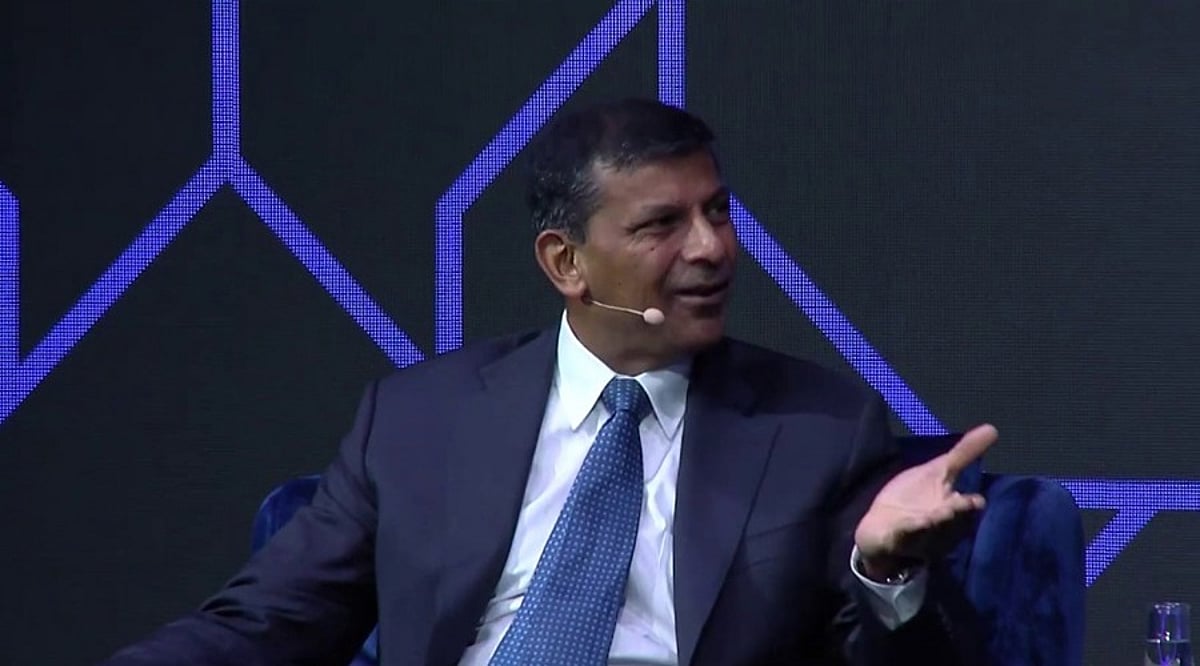
    Ripple’s annual conference, Swell 2026, is set to feature a notable addition to its speaker lineup: Raghuram Rajan, the former Governor of the Reserve Bank of India (RBI). Rajan will participate in the invitation-only Institutional Summit scheduled for October 27 in New York City, as announced by Ripple in a press release on September 4.

    The Institutional Summit is designed for leaders from banks, investment firms, payment providers, and other financial institutions. This year, Ripple is also integrating its developer-focused XRPL Apex conference with Swell, creating a combined program that bridges institutional finance and blockchain development. The events will take place at The Shed in Manhattan’s Hudson Yards, running through October 29.

    While Ripple has confirmed Rajan’s participation, the company has not yet disclosed the specific topic, session time, or format of his appearance. The conference website lists him as a speaker, but it remains unclear whether he will deliver a keynote or join a panel discussion.

    Rajan’s background is distinguished: he served as RBI Governor from September 2013 to September 2016, and prior to that, he was the Chief Economist at the International Monetary Fund (IMF). Currently, he holds the Katherine Dusak Miller Distinguished Service Professorship in Finance at the University of Chicago’s Booth School of Business and co-chairs the Federal Reserve’s task force on balance sheet policy.

    This is not Rajan’s first association with Ripple. In 2024, he became a member of Ripple’s advisory board for its RLUSD ecosystem, which provides strategic and regulatory guidance. He has also spoken about the future of stablecoins, which could soon be integrated into private payment systems.

    The full schedule for Swell 2026 is yet to be released, with Ripple expected to announce more details about Rajan’s session and other speakers. For now, his presence underscores the conference’s focus on bringing together central banking expertise and digital asset innovation.

  • Pi Network Protocol 27 Upgrade Nears as PI Faces Ongoing Supply Pressure

    Pi Network Protocol 27 Upgrade Nears as PI Faces Ongoing Supply Pressure

    Pi Network is gearing up for its Protocol 27 mainnet activation on September 15, while PI continues to trade well below its 2025 peak amid daily token unlocks. The upcoming upgrade introduces smart-contract authentication, automated market maker (AMM) tools, RPC infrastructure, and decentralized exchange (DEX) features. At the same time, the project is shifting its focus from mobile mining toward utility, developer activity, and broader Open Network usage.

    Protocol 27 Brings New Infrastructure to Mainnet

    Pi Network started in 2019 as a phone-based mining app, years before PI became tradable through Open Network. Since then, 14 million users have migrated to the network, according to provided figures.

    Protocol 27 is the final planned protocol change in the project’s current development sequence. The upgrade will introduce smart-contract authentication, automated market maker liquidity pools, RPC server infrastructure, and decentralized exchange functionality.

    The decentralized exchange attracted 242,000 testers on testnet before the planned mainnet activation. Can Protocol 27 turn Pi Network’s large migrated user base into sustained on-chain activity?

    PI Price Faces Supply Pressure Without Token Burns

    PI closed August at USD 0.0909, more than 97% below the USD 2.99 high reached when Open Network enabled external trading in February 2025. As a result, price performance remains a major part of the current Pi Network discussion.

    Meanwhile, roughly 6.5 million PI unlock each day. Pi Network has never burned tokens, meaning its current supply structure does not include a mechanism that permanently removes tokens from circulation.

    A recent Pi Update post raised the possibility of a transparent token burn in the future. Still, Pi Network has not introduced such a system, so any potential effect on scarcity remains hypothetical.

    Developer Updates Shift Focus Toward Pi Network Utility

    Pi Network presented utility as the project’s next phase now that Open Network is live. The network’s focus has therefore moved beyond collecting tokens through mobile mining toward using PI across applications.

    The additions include local storage support, staking data linked to specific applications, file sharing, video sharing, and updated documentation for developers.

    These developer changes do not alter PI supply, nor do they include a new exchange listing or partnership. Meanwhile, PI already trades on OKX, Bitget, Gate.io, and MEXC.

    Binance has not listed PI despite an 86.8% community vote supporting a listing. Protocol 27 instead centers on network infrastructure as Pi Network prepares for its scheduled September 15 mainnet activation.

  • Top 7 Altcoins to Watch This Month: ETH, SOL, XRP, BNB, LINK, AVAX, SUI, and More

    Top 7 Altcoins to Watch This Month: ETH, SOL, XRP, BNB, LINK, AVAX, SUI, and More

    Top 7 Altcoins to Watch This Month

    As the cryptocurrency market continues to evolve, investors are closely monitoring a select group of altcoins that show strong potential for growth and innovation. Here are seven altcoins that are capturing attention this month, along with a bonus pick that merges blockchain with artificial intelligence.

    1. Ethereum (ETH)

    Ethereum remains the largest smart contract platform, and it continues to attract developers thanks to its robust DeFi ecosystem, NFT marketplaces, and enterprise adoption. Despite increasing competition from other blockchains, Ethereum’s network effects and ongoing upgrades keep it at the forefront of the industry.

    2. Solana (SOL)

    Solana is renowned for its high transaction speeds and low fees, making it a favorite for decentralized applications, gaming, and meme coin ecosystems. Its performance advantages continue to draw developers and users alike, solidifying its position as a top altcoin to watch.

    3. XRP

    XRP remains under the spotlight due to ongoing regulatory developments and its partnerships in cross-border payments. Its growing role in institutional financial services makes it a key asset for investors monitoring the intersection of crypto and traditional finance.

    4. BNB

    Binance Coin (BNB) powers one of the world’s largest cryptocurrency ecosystems. It offers trading discounts on the Binance exchange, supports DeFi applications, and underpins blockchain infrastructure. BNB’s utility and widespread adoption make it a staple in many portfolios.

    5. Chainlink (LINK)

    Chainlink provides decentralized oracle services that enable smart contracts to securely access real-world data across multiple blockchain networks. As the demand for reliable data feeds grows, Chainlink’s role becomes increasingly critical, making LINK a notable altcoin for investors.

    6. Avalanche (AVAX)

    Avalanche continues to expand through enterprise partnerships and scalable blockchain infrastructure. Its growing decentralized finance applications and focus on interoperability position it as a strong contender in the smart contract platform race.

    7. Sui (SUI)

    Sui is gaining attention for its high-speed blockchain architecture and developer-friendly tools. With increasing adoption among decentralized application builders, Sui is emerging as a promising platform for next-generation dApps.

    Bonus: Render (RENDER) and Artificial Superintelligence Alliance (FET)

    Render combines blockchain with decentralized GPU computing, allowing creators and AI developers to access distributed rendering power efficiently. Meanwhile, the Artificial Superintelligence Alliance (FET) focuses on AI-focused blockchain solutions, drawing attention as artificial intelligence and decentralized technologies become increasingly interconnected investment themes.

    These altcoins represent a mix of established players and emerging projects, each offering unique value propositions. As always, investors should conduct thorough research and consider their risk tolerance before diving into the volatile crypto market.

  • Top 6 Decentralized Prediction Markets to Watch in 2026

    Top 6 Decentralized Prediction Markets to Watch in 2026

    Top 6 Decentralized Prediction Markets to Watch in 2026

    Prediction markets have emerged as one of the fastest-growing segments in Web3, enabling users to bet on the probability of real-world events—from elections and sports to cryptocurrency prices and macroeconomic trends. By 2026, institutional participation and surging trading volumes are driving monthly activity into the tens of billions of dollars. Here are the top six decentralized prediction platforms to keep an eye on this year.

    1. Polymarket

    Polymarket remains the largest decentralized prediction market, operating on Polygon and settling in USDC. It hosts thousands of markets spanning politics, crypto, sports, economics, and global events. With deep liquidity and a strong user base, Polymarket continues to be the go-to choice for crypto-native traders seeking high-volume event trading.

    Best for: High liquidity and broad market coverage.

    2. Azuro

    Azuro is an open prediction market protocol that provides blockchain infrastructure for building decentralized prediction applications. Unlike a simple front-end, Azuro powers multiple prediction and sports forecasting platforms through smart contracts, emphasizing transparency and composability within the DeFi ecosystem.

    Best for: Developers and sports prediction markets.

    3. Predict.fun

    Built on BNB Chain, Predict.fun offers markets for crypto, politics, and sports, with integrated yield-generating mechanisms for open positions. The platform aims to merge prediction trading with DeFi incentives, allowing users to earn passive income while participating in event forecasting.

    Best for: DeFi users seeking yield and prediction opportunities.

    4. Gnosis Protocol Ecosystem

    Gnosis remains a key infrastructure player in decentralized prediction markets. While its original prediction market products have matured, its blockchain capabilities, oracle connections, and smart-contract development tools continue to power a variety of Web3 prediction platforms.

    Best for: Developers building custom prediction market solutions.

    5. Zeitgeist

    Zeitgeist is a decentralized prediction market built on the Polkadot ecosystem, allowing anyone to create markets on politics, finance, sports, and social events. It combines automated market makers with community governance, enabling permissionless market creation and decentralized dispute resolution.

    Best for: Permissionless market creation and Polkadot users.

    6. SX Bet

    SX Bet initially focused on decentralized sports betting but has expanded to predict outcomes across a range of events. It uses blockchain settlement, reduced fees, and self-custody to offer transparent event trading across many categories.

    Best for: Sports-focused decentralized prediction markets.

    Why This Matters

    Prediction markets have evolved from niche Web3 tools into multi-billion-dollar financial platforms. Understanding the leading protocols enables traders and developers to capitalize on growing institutional liquidity, permissionless event trading, and yield-generating Web3 infrastructure.

    Final Thoughts

    As blockchain infrastructure continues to advance and institutional interest grows, prediction markets are maturing rapidly. While Polymarket dominates with its liquidity and market selection, other protocols like Azuro, Zeitgeist, and Predict.fun are carving out niche use cases and providing developer-friendly infrastructure. The Web3 finance space is expanding, and decentralized prediction markets are playing a major role alongside other innovations.

    FAQs

    What is a decentralized prediction market?

    A decentralized prediction market is a blockchain-based platform where users trade on the outcome of future events. Smart contracts automatically settle payouts without relying on a central authority.

    Which is the largest prediction market platform in 2026?

    Polymarket remains the largest decentralized prediction market by liquidity and trading activity, offering thousands of markets covering crypto, politics, sports, and macroeconomic events.

    Are decentralized prediction markets legal?

    Legality depends on the country and local regulations. Some jurisdictions permit prediction markets, while others restrict or regulate them similarly to betting or derivatives platforms.

    How do prediction markets make money?

    Most platforms generate revenue by charging small trading or settlement fees. Some protocols also earn through liquidity pools, token incentives, or ecosystem services.

    What are the risks of using decentralized prediction markets?

    Users face risks including smart contract vulnerabilities, regulatory uncertainty, market volatility, oracle failures, and liquidity constraints. Conducting thorough research before participating is essential.

  • Highest-Earning Roles in Crypto: Top Careers and Salaries for 2026

    Highest-Earning Roles in Crypto: Top Careers and Salaries for 2026

    The cryptocurrency industry continues to offer some of the most lucrative career opportunities in technology and finance. As blockchain adoption accelerates, companies are competing for skilled professionals who can build, secure, and scale decentralized systems. Below are the highest-paying jobs in the crypto space, along with the skills and responsibilities that make them so valuable.

    Blockchain Developer

    Blockchain Developers remain among the highest-paid professionals in crypto. They build decentralized networks, create blockchain infrastructure, and improve scalability for Web3 applications. Strong skills in Solidity, Rust, Go, and distributed systems are highly valued. Experienced developers often receive six-figure salaries, token incentives, and generous remote work opportunities worldwide.

    Smart Contract Engineer

    Smart Contract Engineers develop and audit self-executing contracts that power decentralized finance, NFT platforms, and blockchain games. Their work directly impacts security and reliability, making them highly sought after. Companies reward experienced engineers with attractive salaries, equity, and token-based compensation due to the critical nature of their responsibilities.

    Crypto Security Engineer

    Crypto Security Engineers protect exchanges, wallets, and decentralized applications from hacks and exploits. They perform penetration testing, identify vulnerabilities, and strengthen blockchain infrastructure against cyber threats. As crypto attacks continue to rise, skilled security professionals command premium salaries and are among the industry’s most valuable technical experts.

    Web3 Product Manager

    Web3 Product Managers connect technical teams with business goals by planning blockchain products that meet user needs. They oversee product roadmaps, coordinate development, and ensure successful launches. Their ability to balance innovation, compliance, and user experience makes them one of the highest-paid non-coding professionals in the crypto ecosystem.

    Blockchain Solutions Architect

    Blockchain Solutions Architects design enterprise-grade blockchain systems for businesses, governments, and financial institutions. They choose suitable blockchain platforms, define technical architecture, and guide implementation strategies. Their deep understanding of blockchain technology and business requirements makes them essential for large-scale Web3 projects with substantial budgets.

    Crypto Lawyer

    Crypto Lawyers help blockchain companies navigate evolving regulations, licensing requirements, intellectual property, and compliance challenges. They advise exchanges, startups, and token issuers on legal risks across different jurisdictions. As governments introduce new crypto rules, experienced legal experts continue to enjoy strong demand and highly competitive compensation packages.

    Quantitative Analyst (Crypto Quant)

    Crypto Quantitative Analysts use mathematics, programming, and market data to build trading models and automated investment strategies. Hedge funds, trading firms, and exchanges hire them to identify profitable opportunities in volatile markets. Their combination of financial expertise and technical skills often results in some of crypto’s highest overall compensation packages.