Tag: buying guide

  • Essential Checklist: What to Evaluate Before Purchasing an Air Purifier

    Essential Checklist: What to Evaluate Before Purchasing an Air Purifier

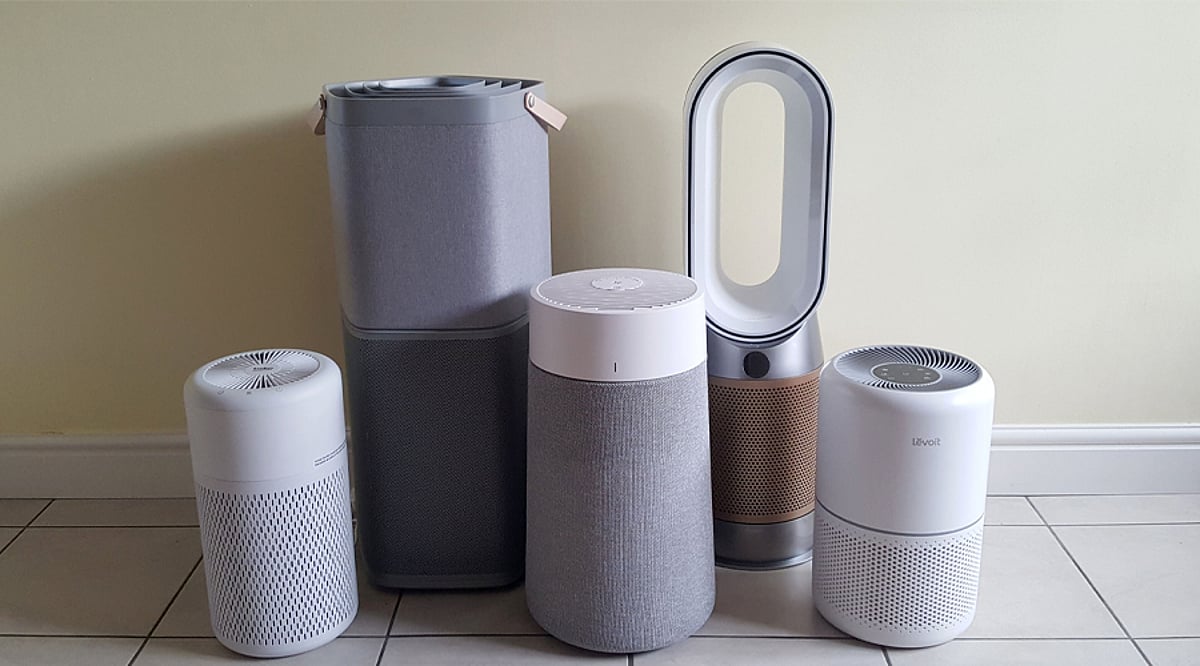
    Before investing in an air purifier, it’s crucial to look beyond the marketing claims and examine the features that genuinely affect performance and long-term value. The following factors will help you select a model that suits your space and needs.

    Match the Purifier to Your Room Size

    Always verify that the purifier’s coverage area aligns with the dimensions of the room where it will be used. A unit designed for a compact bedroom cannot effectively clean a large living area. Compare the manufacturer’s recommended square footage with your room’s measurements to ensure optimal air circulation and purification efficiency.

    Prioritize a True HEPA Filter

    A True HEPA filter is essential for capturing microscopic particles such as dust, pollen, and PM2.5. Look for a model that also includes a pre-filter to trap larger debris. Multi-stage filtration systems deliver more thorough indoor air cleaning by addressing different particle sizes.

    Check the CADR Rating

    The Clean Air Delivery Rate (CADR) measures how quickly an air purifier can remove airborne pollutants. A higher CADR generally indicates faster cleaning. When comparing models, consider the CADR in relation to your room size rather than relying solely on aesthetics or advertised features.

    Activated Carbon Filtration for Odors and Gases

    While HEPA filters target particles, an activated carbon filter is necessary for reducing unpleasant odors, smoke, and certain gaseous pollutants. The quality and quantity of activated carbon influence how effectively the purifier handles these contaminants. If you live in an area with smoke or strong odors, this feature is especially important.

    Evaluate Noise Levels

    Noise can be a significant factor if you plan to use the purifier in a bedroom, office, or study. Check the decibel rating and look for a sleep mode or quiet operation setting. A quieter unit is more comfortable for continuous use, especially during nighttime or focused work sessions.

    Consider Long-Term Maintenance Costs

    Don’t base your decision solely on the purchase price. Find out how often filters need to be replaced and the cost of replacements. Also confirm that replacement filters are readily available in your region. A less expensive purifier can become costly over time if filters are expensive or hard to find.

    Making the Right Choice

    The best air purifier isn’t necessarily the most expensive one. By comparing room coverage, True HEPA filtration, CADR, activated carbon capability, noise levels, and ongoing maintenance costs, you can select a model that delivers effective performance and better long-term value.

  • Top Smartwatches Under Rs. 25,000: Style, Performance, and Battery Life Compared

    Top Smartwatches Under Rs. 25,000: Style, Performance, and Battery Life Compared

    Finding a good smartwatch under Rs. 25,000 is easier than ever. Whether you want Google apps, advanced fitness tracking, or long battery life, this price range has strong options across multiple platforms. Here are the models that stand out for different types of users.

    Smartwatches under Rs. 25,000 now offer a wide range of choices, from full Wear OS devices with Google apps to fitness-focused platforms that prioritize battery life and health tracking. Buyers can choose between productivity features, advanced sports tracking, premium AMOLED displays, long battery life, or stylish everyday designs based on their needs instead of settling for one-size-fits-all devices. Models from Samsung, OnePlus, Garmin, Amazfit, Titan, and Noise each balance software, performance, battery life, and design differently, making the platform and intended use more important than specifications alone.

    Before You Buy

    Start with what matters most. Anyone who wants Google apps, Play Store access, and full notifications should go with Wear OS, though it means charging more often. Garmin and Zepp OS trade a smaller app selection for longer battery life and stronger fitness tracking. Titan and Noise keep prices low by skipping built-in GPS and app stores, which makes them a better fit for everyday use than for serious training. iPhone owners should note that most Wear OS watches work best on Android, and some features may not work as well on iOS.

    Samsung Galaxy Watch FE

    The Galaxy Watch FE is the easiest way into Wear OS at this price. It runs the full platform with a 1.2-inch Super AMOLED screen, NFC for tap-to-pay, and regular Wi-Fi and Bluetooth. The catch is battery life — expect about a day of use, not the multi-day numbers that cheaper watches claim. It sells for around Rs. 12,999, roughly half its launch price.

    Best for: Samsung phone owners who want the full software experience without paying flagship prices.

    OnePlus Watch 2R

    The Watch 2R addresses Wear OS’s battery issue with smarter hardware. A Snapdragon W5 chip runs the main system, while a second, smaller chip handles step counts and heart rate in the background, only waking the full system when needed. This is how it reaches up to 100 hours in Smart Mode and 12 days in Power Saver Mode. It has a 1.43-inch AMOLED display, GPS built for sharper outdoor tracking, and fast charging that fills the battery in about an hour. It’s priced near Rs. 17,999, often lower during sales.

    Best for: Android users who want Wear OS without charging it every single night.

    Garmin Vivoactive 5

    The Vivoactive 5 skips Wear OS altogether, and that’s exactly why it lasts 11 days on a charge while still having a decent AMOLED screen. Its sensor feeds Garmin’s health tools: energy tracking, sleep stages, stress scores, and over 30 sports apps with real GPS, not phone guesswork. It also supports Garmin Pay, though not many Indian banks are on board yet. Price ranges from Rs. 18,999 to Rs. 24,990 depending on the color.

    Best for: Runners and swimmers who want real training data and don’t need a big app store.

    Amazfit Balance 2

    The Balance 2 skips Wear OS too, running its own software built for the outdoors. It has a bright sapphire display, water resistance rated for diving down to 45 meters, and offline maps for over 40,000 golf courses. Battery life reaches 21 days. Next to the Vivoactive 5, it leans more into outdoor and adventure use, while Garmin still wins on training detail. Price sits close to Rs. 24,999.

    Best for: Divers, golfers, and anyone who wants a rugged outdoor watch, not just a notification screen.

    Titan Smart 3

    The Smart 3 drops GPS and app support to keep the price low, and it still feels solid. It has an always-on AMOLED screen, calling support, over 110 sports modes tracked through your phone, and fast charging that adds a day of battery in ten minutes. The price runs from Rs. 5,000 to Rs. 12,000.

    Best for: First-time buyers who want AMOLED and calling without the Wear OS price tag.

    NoiseFit Halo 3

    The Halo 3 goes for looks over specs, shaped like a classic dress watch with metal, leather, and silicone strap options. Its best feature is Noise AI Pro, which handles voice notes, daily briefings, and QR tickets. Like the Titan, it skips GPS and apps. Price ranges from Rs. 4,499 to Rs. 7,999.

    Best for: Buyers who want a watch that looks traditional first, smart second.

    How They Compare

    Matching the Watch to the Buyer: Anyone on Android who wants Google apps and full notifications gets the most out of Samsung. If daily charging is a dealbreaker but Wear OS still matters, OnePlus is the better pick. Runners and swimmers who care about training data more than apps will find Garmin’s battery and sensor accuracy hard to beat. Divers, golfers, and anyone who spends time outdoors get more from Amazfit’s offline maps and dive certification. Budget-conscious first-time buyers get AMOLED and calling from Titan without paying Wear OS prices, and anyone who cares about looks over specs will find Noise’s dress watch design and AI features a rare combination at this price.

    Software support tends to follow the same lines. Samsung and OnePlus, running Wear OS, usually get clearer update commitments over time. Titan and Noise, on the other hand, typically ship with a fixed set of features and get maintenance updates rather than real upgrades. This gap matters more the longer someone plans to keep the watch.

    Final Thought

    Three years ago, a smartwatch under Rs. 25,000 meant picking one flaw to live with: bad battery, weak software, or a design that looked like every other watch on the shelf. Now it means choosing which trade-off works for you. This shift says more about how far this market has come than any single watch on this list.

    FAQs

    1. Which is the best smartwatch under Rs. 25,000 in India? The best smartwatch depends on your needs. Samsung Galaxy Watch FE is ideal for Wear OS users. OnePlus Watch 2R offers excellent battery life with Wear OS, while the Garmin Vivoactive 5 is better for fitness tracking.
    2. Is Wear OS better than Garmin OS or Zepp OS? Wear OS offers Google apps, Play Store access, and richer smartwatch features. Garmin OS and Zepp OS focus more on battery life, health tracking, and sports performance than third-party apps.
    3. Which smartwatch under Rs. 25,000 offers the longest battery life? Among these options, the Amazfit Balance 2 offers up to 21 days of battery life. The Garmin Vivoactive 5 lasts up to 11 days, while the OnePlus Watch 2R can deliver up to 12 days in Power Saver Mode.
    4. Are smartwatches under Rs. 25,000 compatible with iPhones? Most smartwatches support iPhones, but Wear OS models typically provide the best experience with Android devices. Some features, such as replies to notifications and certain apps, may be limited on iOS.
    5. What should I consider before buying a smartwatch under Rs. 25,000? Choose based on your priorities. Wear OS is best for productivity and Google apps. Garmin and Amazfit suit fitness enthusiasts with longer battery life, while Titan and Noise are ideal for everyday use with essential smartwatch features at lower prices.

  • 10 Best Non-Stick Sandwich Makers for 2026: Reviews and Buying Guide

    10 Best Non-Stick Sandwich Makers for 2026: Reviews and Buying Guide

    A sandwich maker is one of those kitchen appliances you don’t think much about until you need one. Whether it’s a quick breakfast before work, a late-night grilled cheese, or an evening snack for the family, a good machine should heat evenly, clean up easily, and last for years.

    The latest models do more than just toast bread. Many now come with larger grill plates, ceramic or PTFE-free coatings, floating hinges for thicker sandwiches, and auto cut-off for safer cooking.

    Here’s a look at 10 sandwich makers that stand out in 2026 for their performance, features, and value:

    MILTON Express 800W Grill Sandwich Maker

    The MILTON Express remains one of the strongest value picks in its segment. Its 800W heating element grills sandwiches quickly, while the non-stick plates make cleaning simple. Auto cut-off, indicator lights, and a compact design make it a practical choice for everyday use.

    Philips HD3000/80 XL Sandwich Maker

    Philips has focused on convenience with this XL model. The larger cooking plates fit oversized bread slices without trimming the edges, while the non-stick surface ensures easy food release. Even heating and a sturdy locking system make it suitable for daily use.

    KENT Sandwich Grill

    The KENT Sandwich Grill is designed for more than basic toasties. Its ceramic-coated grill plates, adjustable height, and 180-degree opening make it suitable for stuffed sandwiches, paninis, and light grilling. The auto cut-off feature adds an extra layer of safety.

    Prestige PGMFB 800W Grill Sandwich Toaster

    Prestige keeps things simple with this model. It features fixed non-stick grill plates, quick heating, and a cool-touch handle. The compact build also makes it easy to store, especially in smaller kitchens.

    iBELL SM1301 3-in-1 Sandwich Maker

    If versatility matters, the iBELL SM1301 is worth considering. It comes with interchangeable plates for sandwiches, waffles, and grilling, allowing one appliance to handle different cooking tasks without taking up extra counter space.

    Milton Royal Express 800W Griller Sandwich Maker

    The Royal Express builds on Milton’s proven design with non-stick grill plates, auto cut-off, and quick heating. It is built for regular household use and delivers consistent results without unnecessary extras.

    AGARO Galaxy 1000W Sandwich Maker

    AGARO Galaxy provides quick cooking due to the 1000W heat system. The flexible hinge system adjusts depending on the thickness of the fillings used, ensuring even cooking without flattening the sandwich.

    Hafele Grilla 2000W Sandwich Maker

    Grilla by Hafele is specifically designed for consumers who require advanced qualities. It provides 2000 watts of power, huge grill plates, a 180-degree swing door, automatic temperature control system, and a BPA- and PTFE-free non-stick coating. It also facilitates the grilling of vegetables and other meals.

    Lifelong LLSM120G Sandwich Griller

    The Lifelong LLSM120G offers affordability without sacrificing utility. It features non-stick plates, fast heating, indicator lights, and a compact body for easy storage.

    Cello Non-Stick Gas Sandwich Toaster

    Constructed of non-stick aluminum with heat-resistant handles, this device produces uniformly toasted sandwiches without any need for electricity.

    Final Verdict

    Depending on personal needs and affordability, there are several machines to choose from. The MILTON Express 800W represents the best balanced choice for daily use, delivering great performance and quality at moderate prices. The Philips HD3000/80 XL is a great choice for bigger sandwiches, whereas the Hafele Grilla 2000W is for those who prefer a machine with more options and high-quality features. If you’re looking for a multifunctional device, the iBELL SM1301 is the right choice due to its ability to perform several functions using various plates.

    FAQs

    Which sandwich maker is best for everyday home use?
    The MILTON Express 800W is a reliable everyday option with quick heating, non-stick grill plates, auto cut-off, and a compact design. It offers a good balance of performance, ease of use, and affordability.

    What features should I look for in a sandwich maker?
    Look for non-stick plates, sufficient wattage, auto cut-off, cool-touch handles, indicator lights, and easy cleaning. Features like floating hinges or interchangeable plates add flexibility for different recipes.

    Are non-stick sandwich makers safe to use?
    Yes, quality non-stick sandwich makers are safe when used as directed. Many newer models also feature BPA- and PTFE-free coatings, along with auto shut-off systems to improve safety during cooking.

    Can a sandwich maker be used for foods other than sandwiches?
    Yes, many grill sandwich makers can cook paninis, wraps, vegetables, burgers, and even waffles if they include interchangeable plates. Premium models offer greater versatility beyond making toasted sandwiches.

    Which sandwich maker offers the best value for money?
    The Prestige PGMFB 800W and MILTON Express 800W are excellent value-for-money choices. They combine reliable performance, useful safety features, durable non-stick plates, and affordable pricing for everyday household use.

  • Complete Bookshelf Speakers Buying Guide: Size, Type, and Placement Tips

    Complete Bookshelf Speakers Buying Guide: Size, Type, and Placement Tips

    Bookshelf speakers deliver high-quality sound in a compact form, making them a popular choice for music lovers who lack space for floor-standing systems. Selecting the right pair depends on several factors, including room dimensions, speaker type, amplifier compatibility, and listening habits. This guide covers everything you need to know before making a purchase.

    Choose Speaker Size Based on Your Room

    Larger speakers typically produce deeper bass and fill bigger rooms with sound, while smaller models excel in tighter spaces by delivering clear vocals and crisp highs without overwhelming the area. For rooms under 150 square feet, speakers with 4–5 inch drivers work well. Larger rooms of 200 square feet or more benefit from 6–8 inch drivers or the addition of a subwoofer.

    Active vs. Passive Speakers: Which Is Right for You?

    Active bookshelf speakers have a built-in amplifier, making setup quick and simple with minimal wiring. They are ideal for users who want convenience and an all-in-one solution. Passive speakers require an external amplifier or receiver, offering more flexibility for customization and future upgrades. Audiophiles often prefer passive setups, while casual listeners may favor active models for ease of use.

    Key Amplifier Features to Consider

    Modern amplifiers often include Bluetooth or Wi-Fi for wireless streaming from smartphones and computers. Bass boost, app control for volume and EQ adjustments, and compatibility with streaming services such as Spotify, Apple Music, and Tidal are valuable features that enhance the listening experience. Ensure the amplifier matches the power handling and impedance of your speakers for optimal performance.

    Top Bookshelf Speaker Brands

    Reliable brands known for high-performing bookshelf speakers include ELAC, KEF, Bowers & Wilkins, DALI, Polk Audio, and Definitive Technology. Each offers models suited to different budgets and room sizes, with consistent sound quality and durable build.

    Placement Tips for Best Sound

    Position speakers at ear level, equidistant from your listening spot, and angle them slightly inward (toe-in). Avoid placing them flush against walls to reduce unwanted reflections. Soft furnishings like carpets and curtains help tame echoes, while hard surfaces can brighten the sound. Use lossless or high-resolution audio sources to get the most from your speakers.

    Frequently Asked Questions

    1. How do I choose the right bookshelf speaker size for my room?
    Smaller rooms perform well with 4–5 inch speakers; larger spaces benefit from 6–8 inch models or a subwoofer. Matching driver size to room dimensions improves clarity and bass response.

    2. Are active or passive bookshelf speakers better?
    Active models simplify setup and reduce equipment needs. Passive speakers offer greater customization and upgrade potential, making them popular among audio enthusiasts.

    3. Do bookshelf speakers need an amplifier?
    Passive speakers always require an external amplifier. Active speakers have a built-in amplifier and can connect directly to audio sources.

    4. Where should bookshelf speakers be placed for the best sound?
    Place them at ear level, angled slightly inward, and away from walls. Keep equal distance from the listening position for a balanced soundstage.

    5. Which bookshelf speaker brands are worth considering?
    ELAC, KEF, Bowers & Wilkins, DALI, Polk Audio, and Definitive Technology are consistently recommended for their quality and performance across various budgets.

  • 2026 XR Headset Buyer’s Guide: How to Pick the Perfect VR or AR Device

    2026 XR Headset Buyer’s Guide: How to Pick the Perfect VR or AR Device

    Choosing an XR headset in 2026 involves more than comparing specs. With budget standalone devices, premium spatial computers, console headsets, and lightweight AR glasses now available, the decision depends on your budget, purpose, comfort, and compatibility. This guide breaks down the key factors to help you make a smart purchase without getting lost in technical jargon.

    Checklist for Choosing a VR Headset in 2026

    Start by defining your primary use case. Gaming, fitness, design work, and remote meetings each require different hardware. List your top three planned activities to narrow your options.

    Check compatibility carefully. Some headsets require a console, a powerful PC, or a specific phone. Many buyers assume cross-platform support exists, which can lead to early disappointment.

    Explore app availability in each platform’s store, as libraries vary widely. Comfort matters more than expected—proper weight distribution prevents fatigue during long sessions. Beware of marketing gimmicks; don’t choose based on resolution numbers alone. An ‘AR-ready’ label does not guarantee full VR support, and battery life is crucial in multi-user modes.

    Insights & Cost Analysis

    Price remains the clearest dividing line. Total cost of ownership tells a better story than the sticker price.

    • Entry-level standalone headsets: Meta Quest 3S at $299, Meta Quest 3 at $499. No subscription needed; accessories are affordable.
    • Mid-range devices: Samsung Galaxy XR around $599. Offers on-device AI but has a smaller software library.
    • Premium spatial computers: Apple Vision Pro at $3,499, plus AppleCare and software pushing first-year cost near $3,900.

    For most shoppers, a standalone headset delivers great value. A premium pick makes sense only when spatial anchoring is essential for your work.

    Better Solutions & Competitor Analysis

    No single headset suits everyone. Developers building spatial apps often prefer Apple Vision Pro for its mature platform. Enterprise buyers needing industrial precision choose Varjo XR-4 or Magic Leap 2. Educators running large VR labs favor Meta Quest 3S for easy management. Remote teams can use Android XR devices for smoother workplace tool integration.

    Customer Feedback Synthesis

    Standalone headsets earn praise for easy setup and reliable tracking. Premium devices excel in eye-tracking accuracy and audio quality, but battery drain during long sessions remains a complaint. Passthrough camera quality is a common drawback across budget and mid-range models—users describe it as soft or low contrast. On the positive side, motion sickness complaints have dropped sharply due to higher refresh rates and smarter rendering in 2026 models.

    Maintenance, Safety & Legal Considerations

    Extend your headset’s life by cleaning lenses with a microfiber cloth only—avoid alcohol or rough materials. Store in a cool, dry place (below 30°C). Keep firmware updated to prevent tracking drift. No government currently regulates headset use at work, but general safety guidelines recommend a 20-minute break per hour of near-eye display use.

    Conclusion

    First-time buyers wanting gaming or fitness will do well with a standalone headset like Quest 3S. Professionals needing precise spatial anchoring should consider a premium spatial computer. Those tied to a specific phone ecosystem may find hybrid AR devices the smoothest fit, accepting a smaller app library. For personal screens during travel or media consumption, light AR glasses are often better than a full headset. Match the device to your real use case for the best purchase.

    FAQs

    1. What is the difference between VR and AR headsets? VR creates a fully virtual environment; AR overlays digital content onto the real world. Mixed reality combines both.
    2. Which XR headset is best for beginners in 2026? Standalone headsets like Meta Quest 3S are affordable, easy to set up, and require no PC or console.
    3. Is Apple Vision Pro worth buying in 2026? It’s best for professionals, developers, and enterprise users needing advanced spatial computing. Casual users may find better value in standalone headsets.
    4. What should I check before buying? Primary use case, compatibility, app availability, comfort, battery life, and total ownership cost.
    5. How to maintain my headset? Clean lenses with microfiber cloth, store in a cool dry place, update firmware, avoid heat and direct sunlight.
  • French Door vs. Side-by-Side Refrigerators: A Detailed Comparison for Smart Buyers

    French Door vs. Side-by-Side Refrigerators: A Detailed Comparison for Smart Buyers

    Overview

    Choosing between a French door and a side-by-side refrigerator is about more than door style. It affects how you store food, access your freezer, and even how much food you waste. Research shows that drawer-style freezers can hide items more easily than shelf-style ones, influencing shopping and cooking habits. In one matched retail comparison, a French door model cost $600 more than a similar side-by-side, despite offering less capacity. The right choice depends less on kitchen size and more on how often frozen food gets forgotten and wasted.

    Why Freezer Drawers Hide Food

    Side-by-side freezers use vertical shelves, viewed straight on, like a pantry shelf. French door freezers are pull-out drawers, viewed from above, making depth a visibility challenge. A peer-reviewed study on refrigeration and food waste found that drawer storage, meant to protect food, often conceals it instead. Owners of French door models frequently report digging through a drawer, unsure what lies beneath stacked vegetables and old meal-prep containers. Side-by-side owners rarely mention this problem because the freezer is at eye level and doesn’t require excavation.

    This is a documented tendency, not proof that French door households waste more food overall. However, it has real consequences for anyone who freezes meals in batches or buys frozen staples in bulk.

    When the Price Gap Isn’t About Features

    While French doors often come with added features like humidity control and in-door dispensers, a same-brand, same-width, same-finish comparison reveals a different story. One retailer listed a 36-inch Whirlpool side-by-side in black stainless steel, 28 cubic feet, at $2,199. The French door version, same brand, same width, same finish, offered only 25 cubic feet and cost $2,799. The only real difference was the door and drawer configuration. This pattern is common across the market, showing that the premium is often driven by the door style itself, not by extra storage capacity.

    Where Each Style Actually Wins

    French doors shine in fresh-food storage: full-width shelves accommodate platters, sheet pans, and bulky produce that side-by-side’s narrower columns cannot. Fresh food is at eye level, a real advantage for households that cook in volume or host often.

    Side-by-side refrigerators offer not only a lower price tag but also better freezer organization. The full-height, shelf-based structure solves the visibility problem that French doors struggle with. Narrower compartments are a limitation for wide items, but they come with an organizational upside: nothing sits more than one shelf-depth from view.

    The decision ultimately comes down to habit: how often food goes into the freezer and gets forgotten. Households that batch-cook or buy frozen staples in bulk should weigh the drawer-visibility research seriously. Households that entertain often or need wide-shelf capacity have a legitimate case for French doors, price gap and all.

    Final Thoughts

    The real difference between these two layouts is not measured in cubic feet. It shows up in daily decisions: how easily ingredients are found and how often frozen food actually gets eaten instead of forgotten at the bottom of a drawer. Once that connection between layout and daily habit is clear, the right choice stops feeling like a coin flip and starts feeling obvious.

    FAQs

    1. Which is better, a French door or a side-by-side refrigerator? Neither is universally better. French door models offer wider fresh-food storage and a modern design, while side-by-side models provide easier freezer access, better organization, and are often more affordable.
    2. Are French door refrigerators more energy efficient than side-by-side models? Energy efficiency depends on the model and rating. Compare energy labels before buying.
    3. Which refrigerator is better for a small kitchen? French door models typically require less door swing space, but the best choice depends on your kitchen layout and clearance.
    4. Is a side-by-side refrigerator better for storing frozen food? Yes, side-by-side models make it easier to organize and access frozen foods with full-height shelves.
    5. What should I consider before choosing? Consider your food storage habits, kitchen space, budget, energy efficiency, freezer usage, and preferred layout.

    For more insights, check out related articles: Bottom Freezer vs Top Freezer Refrigerators and Best Samsung Refrigerators with Digital Inverter Technology.

  • Top Livpure Water Purifiers for Indian Homes: A Complete Buying Guide

    Top Livpure Water Purifiers for Indian Homes: A Complete Buying Guide

    Safe drinking water is a priority for every Indian household, and choosing the right water purifier can make a significant difference. Livpure offers a diverse range of water purifiers designed to handle different water sources, including municipal supply, borewell, and tanker water. This guide explores the most popular Livpure models, their purification technologies, key features, maintenance considerations, and how to select the best one for your needs.

    Overview of Livpure Water Purifiers

    Livpure water purifiers incorporate multiple purification technologies such as RO (Reverse Osmosis), UV (Ultraviolet), UF (Ultrafiltration), copper infusion, alkaline enhancement, and mineralizers. These technologies work together to deliver multi-stage purification suitable for varying water qualities. When selecting a purifier, it is important to consider factors like water source, TDS level, storage capacity, and maintenance requirements.

    Best Livpure Water Purifiers at a Glance

    Livpure Allura Premia

    Allura Premia is Livpure’s premium model, featuring a 10-stage purification system that combines RO, UV, UF, copper infusion, alkaline enhancement, and mineralizer technology. It also includes in-tank UV sterilization to maintain water purity inside the storage tank. The company offers a filter plan that covers up to 2.5 years on eligible purchases. This model is ideal for households that rely on borewell or tanker water with higher TDS levels.

    Livpure Allura Prime

    Allura Prime offers many premium features at a more accessible price point. It uses a 10-stage purification process with RO, UV, UF, and copper technology, plus in-tank UV sterilization. It also includes up to two years of filter coverage. This purifier is well-suited for medium-sized families seeking advanced purification without the highest price tag.

    Livpure GLO PRO++

    GLO PRO++ focuses on long-term maintenance savings. It features RO, UV, and UF purification combined with Livpure’s 2X Power Filter technology, which the company claims can last up to two years under standard usage. This model works with municipal, tanker, and borewell water supplies.

    Livpure Glo Star

    Glo Star is one of Livpure’s most popular models. It combines RO, UV, UF, and a mineralizer in a compact wall-mounted design. It has a 7-litre storage tank and a purification capacity suitable for everyday family use. This model is a balanced choice for buyers looking for reliable features at a competitive price.

    Livpure Bolt+

    Bolt+ targets buyers who want efficient purification with lower water wastage. It includes RO, UF, and mineralizer technology along with water-saving features. Designed for municipal, tanker, and borewell water, this purifier offers a practical mix of performance and affordability.

    How to Choose the Right Livpure Water Purifier

    Selecting the right purifier begins with understanding your water source:

    • RO purification is generally suitable for borewell and high-TDS water.
    • UV and UF technologies work well with treated municipal water.
    • A storage capacity of 7 litres is appropriate for most small and medium-sized families.
    • Models with extended filter life can reduce maintenance frequency.

    Testing your home’s water quality before purchase helps you choose the most effective purification technology.

    Things to Consider Before Buying

    Before placing an order, keep these factors in mind:

    • Verify that installation is available in your city.
    • Compare warranty and filter replacement plans.
    • Check annual maintenance costs after the free service period.
    • Review ratings and verified customer feedback.
    • Confirm compatibility with your household water source.

    Final Verdict

    Livpure has expanded its portfolio to address different household needs. The Allura Premia stands out for buyers seeking premium purification and longer filter life. The Allura Prime delivers advanced features at a competitive price. The GLO PRO++ appeals to users looking for lower maintenance, while the Glo Star and Bolt+ offer practical options for everyday use.

    The best water purifier matches your water quality rather than simply offering the highest number of features. Compare purification technology, service support, filter life, and maintenance cost to make a well-informed long-term purchase.

    Frequently Asked Questions

    Which Livpure water purifier is best for home use?

    Livpure Allura Premia, Allura Prime, GLO PRO++, Glo Star, and Bolt+ are all popular choices. The best model depends on your water quality, family size, required features, and maintenance preferences.

    Is the Livpure RO water purifier suitable for borewell water?

    Yes, Livpure RO water purifiers are designed for water sources with higher TDS levels, including borewell and tanker water. RO technology helps reduce dissolved impurities and improves overall water quality.

    How do I choose the right Livpure water purifier?

    Check your water source, TDS level, storage requirements, purification technology, and available service support. These factors will help you identify the most suitable model for your home.

    How much storage capacity is available in Livpure water purifiers?

    Many Livpure models come with a 7-litre storage tank, which is generally sufficient for small and medium-sized families.

    Does Livpure provide filter replacement plans with water purifiers?

    Selected Livpure models include filter replacement plans on eligible purchases. These plans help manage maintenance and reduce the effort involved in arranging regular filter changes.

  • GPS vs RTK Robot Mowers in 2026: Which Precision Lawn Mower Is Right for You?

    GPS vs RTK Robot Mowers in 2026: Which Precision Lawn Mower Is Right for You?

    Robot lawn mowers have transformed yard maintenance, letting homeowners automate grass cutting without manual effort. Two leading technologies dominate the market: GPS-based mowers and RTK (Real-Time Kinematic) mowers. While both offer hands-free operation, they differ significantly in accuracy, cost, and ideal use cases. This guide breaks down their differences and helps you choose the best mower for your lawn in 2026.

    GPS vs RTK: Core Differences

    A GPS robot mower relies on standard satellite positioning to navigate your yard. Many models create a digital map and operate without boundary wires. In contrast, an RTK mower uses satellite signals plus a correction station (base station or network) to achieve centimeter-level accuracy.

    Pros of GPS Mowers

    • More affordable than RTK models
    • Easy setup and minimal technical knowledge required
    • Works well on small to medium lawns
    • Good for homeowners seeking a budget-friendly automation solution

    Cons of GPS Mowers

    • Less precise navigation; mowing paths may appear uneven
    • Can struggle near tall trees, buildings, or other obstructions
    • May overlap or miss areas
    • Not ideal for complex or large lawns

    Pros of RTK Mowers

    • Extremely accurate positioning — down to a few centimeters
    • Creates straight, organized mowing lines for a professional look
    • Efficiently covers large lawns and multiple zones
    • Fewer missed spots and less unnecessary overlap

    Cons of RTK Mowers

    • Higher upfront cost
    • Setup can be more involved (may require a base station or network connection)
    • Performance depends on good satellite reception

    How to Choose the Right Robot Mower in 2026

    Your choice should align with your lawn size, layout, and budget. Here are key considerations:

    • Small yards: A GPS mower is usually sufficient. It keeps grass short without the extra expense of RTK.
    • Medium lawns: If the yard has many paths, trees, or flower beds, an RTK mower can save time and deliver cleaner results. For simple layouts, GPS still works well.
    • Large properties: RTK is the better option. Its high accuracy reduces overlap and covers large areas efficiently.
    • Battery life: Ensure the mower can finish most of your lawn on a single charge. Larger lawns need larger batteries.
    • App features: Look for a mobile app that allows scheduling, zone creation, and tracking.
    • Future needs: If you plan to move or redesign your yard, investing in RTK now may be worthwhile.
    • Support and updates: Choose a brand with reliable customer support and regular software updates.

    Final Verdict

    Both GPS and RTK robot mowers save time and reduce effort. GPS mowers are ideal for homeowners who want a simple, affordable solution for small to medium lawns. RTK mowers suit those who demand high accuracy, clean mowing patterns, and strong performance on larger or more complex properties. There is no universal best — measure your lawn, set a budget, and decide how much precision you truly need. With the right choice, you can enjoy a well-maintained lawn with minimal effort for years to come.

  • Best Surround Sound Systems of 2026: Expert Buying Guide for Every Home

    Best Surround Sound Systems of 2026: Expert Buying Guide for Every Home

    Choosing the right surround sound system depends on your room, budget, and entertainment needs. From premium wireless setups to affordable speaker systems, these top picks deliver immersive sound for movies, music, gaming, and everyday home entertainment.

    What to Consider Before Buying

    Before investing, evaluate room size, budget, and essential features like Dolby Atmos, DTS:X, HDMI eARC, Wi-Fi, and Bluetooth. These ensure top sound quality and smart connectivity.

    Top Surround Sound Systems in 2026

    Sony Bravia Theatre Quad

    A premium wireless system with four speakers that create wide, natural audio. Supports Dolby Atmos, DTS:X, 360 Spatial Sound Mapping, HDMI eARC, Wi-Fi, and Bluetooth. Ideal for cable-free setups.

    Samsung HW-Q990F

    An all-in-one home theater solution with a soundbar, rear speakers, and wireless subwoofer. Features 11.1.4-channel audio, Dolby Atmos, DTS:X, HDMI eARC, Wi-Fi, Bluetooth, and Q-Symphony. Easy setup and powerful sound for families.

    Sonos Ultimate Immersive Set

    Includes Arc Ultra soundbar, Sub, and Era rear speakers. Supports Dolby Atmos, HDMI eARC, Apple AirPlay 2, Wi-Fi, Bluetooth, and Amazon Alexa. Fully wireless, expandable, and great for music lovers.

    Klipsch Reference Theater Pack

    Traditional 5.1-channel system with five compact speakers and a wireless subwoofer. Requires an AV receiver. Delivers clear, balanced sound for medium-sized rooms.

    Logitech Z906

    Budget-friendly 5.1-channel system with 500W RMS output and THX certification. Supports Dolby Digital and DTS, with optical, coaxial, and 3.5mm inputs. Lacks Dolby Atmos but offers rich audio for movies and games.

    Which System Is Best for You?

    • Sony Bravia Theatre Quad: Best for premium wireless audio.
    • Samsung HW-Q990F: Ideal for families wanting easy setup and strong performance.
    • Sonos Ultimate Immersive Set: Perfect for smart connectivity and music enthusiasts.
    • Klipsch Reference Theater Pack: Great for traditional speaker lovers with limited space.
    • Logitech Z906: Best for budget-conscious buyers.

    Final Thoughts

    There’s no one-size-fits-all system. Consider room size, features, budget, and sound quality. Visit stores to hear systems firsthand. The right choice will transform your home entertainment experience.

    Frequently Asked Questions

    What is the best surround sound system for home use in 2026?

    The best system depends on your needs. Sony Bravia Theatre Quad for premium wireless, Samsung HW-Q990F for easy setup, or Logitech Z906 for budget.

    Is Dolby Atmos worth it?

    Yes, it adds height channels for a more immersive experience. Many premium systems now support it.

    Do I need an AV receiver?

    Not with soundbar-based systems like Samsung HW-Q990F or Sonos. Traditional speaker packs like Klipsch require one.

    Which system is best for a small living room?

    Compact wireless systems like Sonos Ultimate Immersive Set or Sony Bravia Theatre Quad work well.

    What should I consider before buying?

    Room size, budget, content type, audio formats (Dolby Atmos, DTS:X), connectivity (HDMI eARC, Wi-Fi, Bluetooth), and wireless vs. traditional setup.

  • 2026 Surround Sound System Buyer’s Guide: Top Picks for Every Budget

    2026 Surround Sound System Buyer’s Guide: Top Picks for Every Budget

    A good surround sound system can transform your home entertainment experience. Whether you’re watching movies, playing games, or listening to music, immersive audio makes everything feel more real. While modern TVs deliver stunning visuals, their built-in speakers often fall short. That’s why more people are adding dedicated surround sound systems to their setups.

    The market now offers a wide range of options, from premium wireless setups to affordable traditional speakers. The key is to choose a system that matches your room size, budget, and listening habits — not just the one with the highest price tag. Below, we break down the top contenders for 2026 and help you find the perfect match.

    What to Consider Before Buying

    Before diving into specific models, keep these factors in mind:

    • Room size: Larger rooms need more powerful systems; compact setups work well in smaller spaces.
    • Budget: Determine how much you’re willing to spend and look for the best value within that range.
    • Key features: Look for Dolby Atmos, DTS:X, HDMI eARC, Wi-Fi, and Bluetooth for modern connectivity and sound quality.
    • Smart compatibility: Integration with voice assistants (Alexa, Google Assistant) and multi-room audio can enhance convenience.

    Top Surround Sound Systems of 2026

    Sony Bravia Theatre Quad

    The Sony Bravia Theatre Quad is a premium wireless system designed for those who want exceptional sound without messy cables. It uses four wireless speakers to create a wide, natural soundstage. Key features include Dolby Atmos, DTS:X, 360 Spatial Sound Mapping, HDMI eARC, Wi-Fi, and Bluetooth. The audio is detailed and clear, with crisp dialogue that enhances movies and music.

    Samsung HW-Q990F

    For an easy all-in-one home theater solution, the Samsung HW-Q990F is hard to beat. It comes with a soundbar, rear speakers, and a wireless subwoofer. The 11.1.4-channel configuration supports Dolby Atmos, DTS:X, HDMI eARC, Wi-Fi, Bluetooth, and Q-Symphony. Setup is straightforward, and the sound is powerful and spatial — ideal for families wanting theater-like audio at a reasonable price.

    Sonos Ultimate Immersive Set

    The Sonos Ultimate Immersive Set includes the Arc Ultra soundbar, Sub, and Era rear speakers. It supports Dolby Atmos, HDMI eARC, Apple AirPlay 2, Wi-Fi, Bluetooth, and Amazon Alexa. Everything connects wirelessly for quick, hassle-free installation. This system is perfect for music lovers and those who already own Sonos products, as it expands easily over time.

    Klipsch Reference Theater Pack

    For traditionalists who prefer a classic speaker setup, the Klipsch Reference Theater Pack delivers. It includes five compact speakers and a wireless subwoofer, providing 5.1-channel surround sound when connected to an AV receiver. The speakers produce clear, balanced audio and take up minimal space. It’s an excellent choice for medium-sized rooms on a modest budget.

    Logitech Z906

    Budget-conscious buyers will appreciate the Logitech Z906. This 5.1-channel system boasts 500W RMS output, THX certification, and supports Dolby Digital and DTS decoding. It offers optical, coaxial, and 3.5mm inputs. While it lacks Dolby Atmos, it still delivers a much richer experience than standard TV speakers, making it great for movies, games, and music.

    Which System Is Best for You?

    • Sony Bravia Theatre Quad: Best for users who want a premium wireless setup with exceptional sound quality.
    • Samsung HW-Q990F: Ideal for families seeking a hassle-free, powerful home theater system.
    • Sonos Ultimate Immersive Set: Perfect for smart connectivity and dedicated music listeners.
    • Klipsch Reference Theater Pack: Great for those who prefer traditional speakers with solid performance.
    • Logitech Z906: Best for budget-minded buyers who want decent surround sound without breaking the bank.

    Final Thoughts

    Choosing the right surround sound system is a personal decision. There’s no one-size-fits-all solution, but the market offers something for everyone — from budget-friendly options to premium, feature-rich setups. Always consider your room size, budget, and the features that matter most to you. If possible, visit a store to hear the systems in person before buying. The right system will elevate your movie nights, music sessions, and gaming experiences for years to come.

    Frequently Asked Questions

    1. What is the best surround sound system for home use in 2026? The best system depends on your needs. The Sony Bravia Theatre Quad is ideal for premium wireless audio, while the Samsung HW-Q990F offers an easy setup with powerful sound. Budget-conscious buyers can consider the Logitech Z906.
    2. Is Dolby Atmos worth it? Yes. Dolby Atmos adds height channels for a more immersive audio experience, making movies, games, and music feel more realistic. Many premium systems now support it.
    3. Do I need an AV receiver? Not always. Soundbar-based systems like the Samsung HW-Q990F and Sonos Ultimate Immersive Set don’t require one. Traditional speaker packages like the Klipsch Reference Theater Pack do need an AV receiver.
    4. Which system is best for a small living room? Compact wireless systems like the Sonos Ultimate Immersive Set or Sony Bravia Theatre Quad work well in smaller spaces because they’re easy to install and take up less room.
    5. What should I consider before buying? Room size, budget, preferred content (movies, music, gaming), supported audio formats (Dolby Atmos, DTS:X), connectivity options (HDMI eARC, Wi-Fi, Bluetooth), and whether you prefer wireless or traditional wired speakers.