Tag: Ethereum

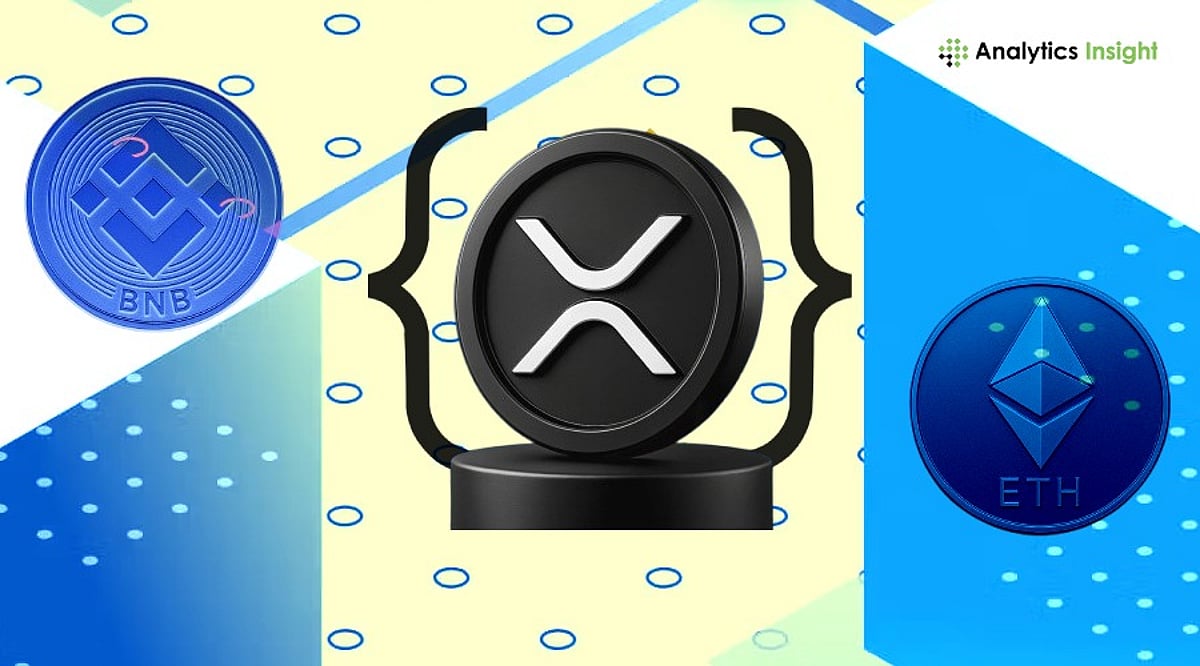
  • XRP Ledger Hits $4B in Tokenized Assets: How It Challenges Ethereum and BNB Chain

    XRP Ledger Hits $4B in Tokenized Assets: How It Challenges Ethereum and BNB Chain

    The XRP Ledger (XRPL) has achieved a remarkable milestone, with the value of tokenized assets on its network surpassing $4 billion. This represents a dramatic increase from approximately $150 million just one year ago, placing XRPL among the top blockchain networks for real-world asset tokenization and intensifying competition with established platforms like Ethereum and BNB Chain.

    Tokenized assets are blockchain-based digital representations of real-world financial instruments, such as bonds, stocks, real estate, and investment funds. The rapid growth on XRPL underscores rising institutional confidence in blockchain technology for faster, cheaper, and more transparent financial transactions.

    Explosive Growth in One Year

    The leap from $150 million to over $4 billion within twelve months highlights the accelerating adoption of XRPL for tokenization. This growth is driven by a combination of institutional interest, network upgrades, and enterprise demand. Financial institutions are increasingly turning to XRPL for its low transaction costs, high-speed settlement, and robust infrastructure.

    Institutional Adoption Fuels Expansion

    Major financial organizations are leveraging XRPL to tokenize government bonds, treasury products, and investment funds. The network’s established reputation in digital payments, combined with its efficient design, makes it an attractive choice for institutions seeking modern financial solutions. This institutional push has been a key catalyst for the surge in tokenized asset value.

    Network Improvements Support Growth

    Recent upgrades, including the introduction of Multi-Purpose Tokens (MPTs), have enhanced XRPL’s ability to support regulated financial assets and enterprise requirements. These features simplify the issuance and management of digital versions of traditional financial products. Stronger stablecoin activity and broader ecosystem participation further bolster the network’s appeal.

    Implications for Ethereum

    Ethereum remains the dominant force in asset tokenization, thanks to its extensive developer community, smart contract capabilities, and mature DeFi ecosystem. However, the rise of XRPL introduces new competition. Some enterprises may prefer XRPL for its lower fees and faster settlement, especially for regulated financial products. Despite this, Ethereum’s rich ecosystem of interconnected applications, such as lending platforms and decentralized exchanges, gives it a significant advantage.

    Implications for BNB Chain

    BNB Chain has built its reputation on low fees, fast speeds, and a strong retail user base, making it a hub for DeFi and trading. The growth of XRPL is likely to increase competition in institutional tokenization rather than retail finance. BNB Chain remains well-positioned for consumer-focused blockchain services, while XRPL attracts enterprise-level, regulated asset tokenization. Both networks may serve distinct niches in a multi-chain future.

    A Multi-Chain Future

    This milestone does not signal the end of Ethereum’s leadership. Instead, the blockchain industry is moving toward a multi-chain landscape where different networks excel in different areas. Ethereum leads in smart contracts and DeFi, XRPL strengthens in enterprise payments and regulated tokenization, and BNB Chain continues to serve retail users. This specialization allows each network to thrive without displacing others.

    Why This Matters

    XRPL reaching $4 billion in tokenized assets is a clear signal that Wall Street seeks specialized, high-performance infrastructure for digital finance. The rapid growth demonstrates that the market is ready for a multi-chain ecosystem where each network dominates specific use cases, rather than a single platform ruling everything.

    FAQs

    1. What are tokenized assets?
    Tokenized assets are blockchain-based digital certificates representing real-world financial products like bonds, stocks, and real estate, enabling seamless digital trading.

    2. Why has XRP Ledger grown so quickly?
    Rapid growth is driven by institutional adoption, ultra-low transaction costs, high-speed settlements, and network upgrades tailored for enterprise compliance.

    3. Will XRP Ledger replace Ethereum?
    No. Ethereum remains dominant in DApps and smart contracts, while XRPL carves out a specialized niche in regulated institutional finance.

    4. How is BNB Chain affected?
    BNB Chain stays strong in retail finance and community apps, while XRPL attracts the enterprise side of tokenized asset markets.

    5. Why is real-world tokenization important?
    Tokenization modernizes finance with 24/7 market access, fractional ownership, lower costs, instant settlements, and full transparency on a public ledger.
  • Ethereum Phishing Scam Drains Nearly $1M as BitMine Nears 5% of Total Supply

    Ethereum Phishing Scam Drains Nearly $1M as BitMine Nears 5% of Total Supply

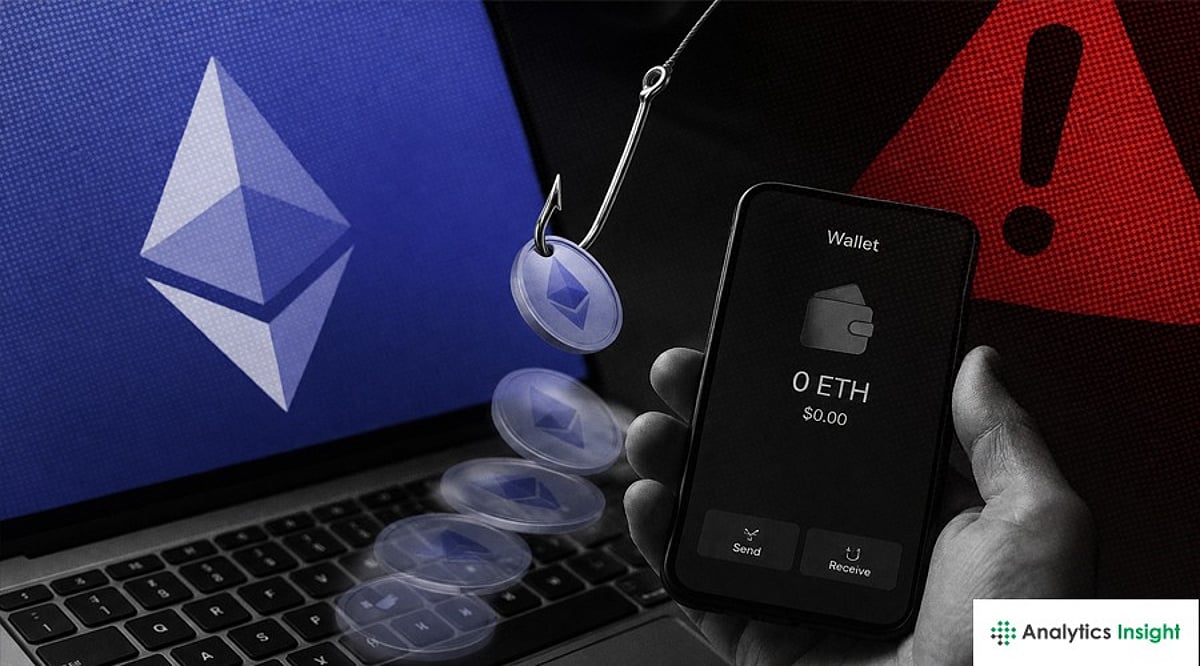
    A cryptocurrency user lost nearly $1 million after unknowingly approving a malicious Ethereum transaction that allowed attackers to drain almost the entire wallet balance. Blockchain security platform Scam Sniffer reported that the victim lost 999,999 Tether (USDT) after signing a fraudulent token approval request on Wednesday.

    On-chain records show the attackers first attempted to transfer a rounded $1 million, but the transaction failed since the wallet held slightly less. Moments later, the attackers recalculated the available balance and successfully withdrew every remaining token. Meanwhile, Ethereum treasury company BitMine disclosed that it now controls more than 5.74 million ETH, placing it close to its stated goal of owning 5% of Ethereum’s total token supply.

    Phishing Attack Exploits Token Approval

    Scam Sniffer said the attackers relied on a phishing approval request rather than stealing private keys. The malicious approval granted permission to move the victim’s tokens without requiring another signature. According to the platform, the attackers initially failed when they tried withdrawing as much as $1 million through multicall transactions. Soon afterward, their script recalculated the balance and transferred the exact amount left in the wallet.

    Security researchers continue to identify approval phishing as one of the most common social engineering threats in crypto. Victims often believe they are confirming routine transactions while unknowingly granting unlimited spending permissions.

    According to blockchain security firm CertiK, phishing scams caused $723 million in losses across 248 incidents during 2025. In those cases, attackers convinced users to approve malicious token permissions that later enabled unauthorized transfers.

    Earlier this month, another crypto holder reportedly lost about $1.65 million after connecting to a fake exchange and signing a malicious smart contract. Researcher Ryan Coleman said the approval gave attackers unlimited wallet access, allowing an automated sweeper to drain the assets.

    Separate On-Chain Loss Shows Different Threat

    Besides phishing attacks, researchers recently reported another major on-chain loss involving transaction routing. A trader lost nearly $2 million after a decentralized exchange routed an Ether swap through a low-liquidity pool.

    GoPlus Security said the incident resulted from transaction routing instead of phishing. The routing allowed a same-block arbitrage trade to capture most of the transaction’s value.

    Following the incident, Scam Sniffer advised users to review every signature request carefully. The platform also recommended avoiding rushed approvals and using scam detection tools or browser extensions before signing wallet transactions.

    BitMine Nears Five Percent Ethereum Ownership

    At the same time, BitMine disclosed that it holds 5,742,237 ETH, representing about 4.8% of Ethereum’s 120.7 million token supply. The company now sits only 0.2 percentage points below its stated ownership target.

    The company reported total crypto assets, cash, marketable securities, and strategic holdings worth $11.1 billion as of June 28. It also said 4,879,157 ETH remained staked as of July 5, representing about 85% of its Ethereum holdings.

    Based on an ETH price of $1,800, BitMine valued its staked assets at approximately $8.8 billion. Furthermore, the company projected current annualized staking revenue of $235 million and estimated annual rewards of $277 million if all holdings remain fully staked through MAVAN and its staking partners.

    CryptoSlate’s Ethereum market data listed Ethereum’s total supply at about 120.68 million ETH and its market capitalization near $209 billion on July 6. Consequently, BitMine’s growing treasury has entered the broader discussion surrounding exchange liquidity, institutional treasury demand, staking participation, and large-holder activity.

    What’s Next?

    An Ethereum phishing scam drained nearly $1 million after a victim approved a malicious transaction, while separate on-chain losses exposed transaction routing risks. Meanwhile, BitMine expanded its Ethereum treasury to 5.74 million ETH, bringing its holdings close to 5% of the network’s total supply. Users should carefully verify every wallet approval before signing.

  • Ethereum Price Analysis: Can ETH Break Through the Critical $1,800 Resistance?

    Ethereum Price Analysis: Can ETH Break Through the Critical $1,800 Resistance?

    Key Takeaways

    • $1,800 remains Ethereum’s most important resistance level for confirming bullish momentum.
    • Lower exchange outflows and stronger market participation support a positive outlook.
    • Failure to break resistance could keep ETH trading between $1,500 and $1,800.

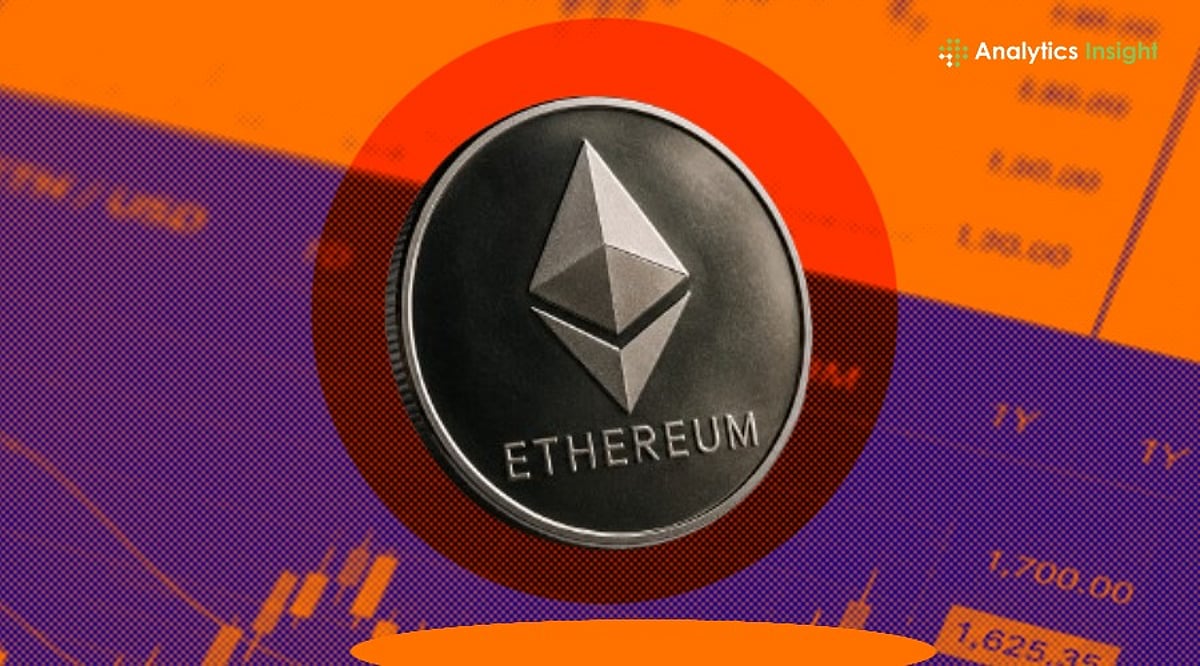
    Ethereum has shown fresh strength after a difficult period, with $1,800 resistance standing between here and a bigger move. Right now, Ethereum trades near $1,625, and many traders keep a close watch on the $1,800 resistance level. That level has capped several previous rallies. A clean break above $1,800 changes the picture. Another rejection keeps the pressure on.

    Ethereum Stays Below a Key Level

    The current Ethereum price stands near $1,625, which keeps the digital asset below the major resistance zone between $1,800 and $1,850. This gap may not look very large, but it has a big effect on market sentiment. Many traders wait for Ethereum to cross this level before they expect a stronger upward move.

    The market has already seen several attempts near this resistance area. Each time, selling pressure became stronger and pushed the price lower. Given this history, many experts believe that a clear break above $1,800 would send a positive signal across the crypto market. Such a move would also show that buyers have more control than sellers.

    Why the $1,800 Level Matters

    The $1,800 price level is important as it has acted as a strong barrier in recent months. A large number of buy and sell orders sit around this area. When Ethereum reaches this zone, many traders decide to book profits, while others wait before they enter fresh positions. This creates extra pressure on the price.

    Market experts also view this level as an important technical point. A daily or weekly close above $1,800 would show that demand has become stronger. Such a result could open the door for another rally and improve confidence across the wider crypto market.

    Positive Signs Support Ethereum

    Several market signals have started to improve after the recent recovery. Ethereum has moved higher from its June lows, which has helped market confidence. The price has also moved above a short-term downward trend, a sign that buyers have returned after weeks of weakness.

    Another positive signal comes from exchange activity. Large amounts of Ethereum have left crypto exchanges during the past few weeks. Many investors usually move coins into private wallets or staking platforms when they plan to hold them for a longer time instead of selling them. This trend often reduces selling pressure and supports price stability.

    Risks Still Remain

    Despite the recent improvement, Ethereum still faces several challenges. The biggest concern remains the failure to move above $1,800. If sellers once again stop the rally, the market could lose confidence.

    Ethereum also trades below several important long-term moving averages. Many traders use these indicators to judge the overall market trend. Until the price moves above these levels, some investors may stay careful.

    Another concern comes from exchange reserves. Recent data shows that exchange balances have increased in some cases. A larger supply of coins on exchanges may raise the chance of selling if market conditions become weaker. This could place fresh pressure on the price.

    Important Price Levels Ahead

    Support and resistance levels continue to guide market expectations. The strongest support area currently sits between $1,500 and $1,600. This zone has helped Ethereum recover during recent price declines.

    The next resistance appears between $1,700 and $1,750, while the biggest challenge remains the $1,800 to $1,850 range. A successful move above this area could change the market outlook and create fresh buying interest.

    Outlook for Ethereum

    Ethereum has shown better strength after the recent recovery, but the market still waits for clear confirmation before it expects a larger rally. The price has improved from earlier lows, and several market signals now support a more positive outlook. Lower selling pressure, stronger market participation, and better price action all add hope for future gains.

    However, the biggest test still stands at $1,800. A successful break above this level would strengthen bullish sentiment and could push Ethereum closer to the $2,000 mark. On the other hand, another rejection could keep the price inside the current range between $1,500 and $1,800 for some time.

    FAQs

    1. Why is the $1,800 level such a critical resistance point for Ethereum right now?

    The $1,800 mark represents a major psychological and historical liquidity cluster. Heavy sell walls sit at this level, meaning a high volume of limit orders must be absorbed before ETH can establish a cleaner upward trend.

    2. What bullish signals could trigger an ETH breakout past $1,800?

    Key catalysts include a sustained increase in Layer-2 network transaction volumes, growing institutional net inflows into spot Ethereum ETFs, and a broader market lift led by stability in Bitcoin’s price dynamics.

    3. What happens to the price of ETH if it gets rejected at $1,800 again?

    If selling pressure overpowers buyers at $1,800, Ethereum is highly likely to retreat and retest local support levels around $1,625 and $1,550, extending its current range-bound accumulation phase.

    4. How do current network fundamentals compare to ETH’s price action?

    While the spot price faces near-term headwinds, underlying network fundamentals remain robust. Total value locked (TVL) in decentralized finance and overall daily transaction counts sit near healthy levels, signaling high organic utility despite price stagnation.

    5. How does Ethereum’s price trend typically impact alternative layer-one networks?

    Ethereum serves as the primary benchmark for the altcoin market. A confirmed breakout and daily close above $1,800 by ETH often signals renewed capital rotation into high-performance alternative layer-one protocols and ecosystem tokens.

    Disclaimer: This article is provided for informational purposes and does not constitute financial or investment advice. Cryptocurrencies are volatile assets; always do your own research (DYOR) before investing.

  • Bitcoin ETFs See $84M Outflows, XLM Volume Surges 303%, SHIB Drops 5%: Crypto News Roundup

    Bitcoin ETFs See $84M Outflows, XLM Volume Surges 303%, SHIB Drops 5%: Crypto News Roundup

    The cryptocurrency market experienced a series of significant developments, with Bitcoin spot ETFs recording substantial outflows, Stellar’s XLM seeing a massive volume surge, and Shiba Inu declining despite increased token burns. Meanwhile, Malaysia intensified its crackdown on illegal crypto mining, and JPMorgan’s tokenized Ethereum fund expanded sharply.

    Bitcoin ETFs See $84 Million in Outflows

    According to SoSoValue, Bitcoin spot ETFs recorded a total net outflow of $84.86 million yesterday. The Grayscale Bitcoin Mini Trust ETF (BTC) was the only fund to see net inflows, attracting $52.83 million, bringing its total historical net inflow to $2.49 billion. In contrast, Grayscale’s GBTC experienced the highest daily net outflow at $63.69 million, with its total historical net outflow now standing at $27.28 billion. The total net asset value of Bitcoin spot ETFs is $75.34 billion, with an ETF net asset ratio of 6.05% and a historical cumulative net inflow of $51.28 billion.

    Stellar (XLM) Volume Surges 303%

    XLM’s trading volume surged more than 303% in the last 24 hours to $873 million, according to CoinMarketCap. This spike is particularly notable as most major cryptocurrencies, including Bitcoin and Ethereum, saw volume declines of 20% and 15% respectively. The primary catalyst appears to be Stellar’s deployment of the Zipper (Protocol 27) upgrade on mainnet, which introduces authentication delegation for custom accounts and address-bound smart contract credentials. This marks the third major protocol upgrade for Stellar in 2026.

    Malaysia Seizes 75,000 Crypto Mining Rigs

    The Malaysian government has intensified its crackdown on illegal crypto mining, seizing more than 75,000 machines used for cryptocurrency mining. Deputy Home Minister Datuk Seri Dr. Shamsul Anuar disclosed that law enforcement agencies conducted 3,049 raids between 2022 and May 2026, resulting in the detention of 629 individuals linked to illegal mining infrastructure. The operations were coordinated between the Royal Malaysia Police and the state utility company Tenaga Nasional Berhad, targeting electricity theft associated with mining operations.

    JPMorgan’s Tokenized Ethereum Fund Grows 250%

    JPMorgan Asset Management has deployed approximately $800 million across two tokenized funds on the public Ethereum blockchain. The funds, MONY and JLTXX, operate on the bank’s Kinexys digital-asset platform. The newer fund, JLTXX, launched on May 13, 2026, with a $100 million seed investment and grew 250% in its first month, reaching about $695 million by early July 2026. This represents one of the largest tokenized fund deployments by a major US bank.

    Shiba Inu Drops 5% Despite Token Burn

    Shiba Inu fell more than 5% over the past week, indicating that reduced supply alone has not been sufficient to shift market sentiment. According to Shibburn data, the SHIB community burned over 152 million tokens in the past week, lifting the weekly burn rate by 55.77%. A significant portion came from a single-day burn of 110 million SHIB, the network’s largest in six months. Since launch, the community has burned more than 410 trillion SHIB, leaving approximately 585.6 trillion tokens in circulation.

    Key Takeaways

    • Bitcoin ETFs: Total net outflows of $84.86 million, with Grayscale’s GBTC leading outflows at $63.69 million.
    • Stellar (XLM): Volume surged 303% to $873 million following the Zipper Protocol 27 upgrade.
    • Malaysia crackdown: Over 75,000 mining rigs seized and 629 individuals detained in 3,049 raids.
    • JPMorgan tokenized funds: $800 million deployed across two Ethereum-based funds, with JLTXX growing 250% in its first month.
    • Shiba Inu: Fell 5% despite burning over 152 million SHIB in a week, highlighting weak market sentiment.
  • Bitcoin Holds Near $62.4K as Iran Ceasefire Collapse and Japan Bond Yields Rattle Markets

    Bitcoin Holds Near $62.4K as Iran Ceasefire Collapse and Japan Bond Yields Rattle Markets

    Bitcoin is trading near $62,391 as geopolitical tensions and rising global bond yields keep markets cautious, while $143 million in spot ETF inflows provide support above the critical $60,000 level. Japan’s 10-year government bond yield climbed to 2.88%, its highest since 1996, deepening a global rotation away from risk assets. Spot Bitcoin ETFs recorded $143 million in net inflows, a small but notable signal even as geopolitical tension dominates headlines. Ripple’s MiCA license, Paradigm’s $1.2 billion AI fund, and upcoming US jobless claims plus Japan’s bond auction are key catalysts likely to shape crypto market sentiment.

    Bitcoin Price Today

    Bitcoin trades near $62,391 today, up 0.63% on the day and up 2.64% over the past week. The token remains sensitive to every fresh headline out of the Middle East. Support holds near $60,000, with a firmer floor around $57,700. A daily close below $60,000 would open a path toward that lower zone. Resistance sits at $62,800 to $63,000, then $64,200, a level sellers have defended repeatedly this week.

    Giving the market overview, Akshat Siddhant, Lead Quant Analyst at Mudrex, stated, “Bitcoin is trading around the $62,000 level as renewed geopolitical tensions, following President Trump’s announcement ending the ceasefire, have pushed investors toward a risk-off stance. At the same time, Japan’s 10-year government bond yield has climbed to a 30-year high, prompting a broader rotation of capital across global markets.” He further said, “Despite these headwinds and persistent inflation concerns, spot Bitcoin ETFs recorded $143 million in net inflows, providing support to prices. The $60,000 level now remains a critical support zone. A break below it could see Bitcoin retest its monthly low near $57,700.”

    Giving a clear picture of the market situation, the CoinSwitch Markets Desk noted, “BTC slipped to around $61.5K after Trump declared the US-Iran ceasefire over. Both sides threatened to close the Strait of Hormuz oil route, pushing WTI crude above $75 and sending traders toward safer assets. The turmoil raised odds of a September Fed rate hike, adding pressure on risk assets like crypto. $61K remains a crucial level, with traders expecting a reversal once talks resume.”

    Meanwhile, Riya Sehgal, Research Analyst at Delta Exchange, said, “Bitcoin’s fall toward the $61,500 to $62,000 zone reflects pressure from US-Iran escalation, rising crude oil, higher bond yields, and Japan’s bond-market stress. The key concern is Bitcoin’s underperformance versus the Nasdaq, since equities attempted a recovery while BTC failed to reclaim $62,000 to $64,500, showing crypto-specific selling pressure.”

    Nischal Shetty, founder of WazirX, explained, “Bitcoin trades near $62,014, with the daily technical outlook remaining cautious as the market consolidates. Moving averages indicate near-term weakness, while balanced momentum signals suggest traders are awaiting the next major catalyst.”

    Crypto Prices Today: Top 10 Coins at a Glance

    Let’s take a look at the top crypto prices today, based on CoinMarketCap data as of July 9.

    Biggest Gainers: Solana, Ethereum, Hyperliquid

    Solana leads the top-ten gainers today, adding 0.98% as buyers rebuild positions after last week’s pullback. Ethereum follows at 0.95%, extending a strong 6.59% weekly gain. Hyperliquid rounds out the leaders at 0.97%, supported by steady derivatives interest.

    Biggest Laggards: Dogecoin, BNB, Stablecoins

    No top-ten token turned negative today, but gains were uneven. Dogecoin added just 0.07%, BNB rose 0.08%, and stablecoins Tether and USDC stayed flat, underscoring cautious, low-conviction trading across the board.

    Crypto News Today Driving Market Sentiment

    Trump Declares Iran Ceasefire Over, Oil and Yields Surge

    Speaking to NATO leaders, President Trump said the tentative ceasefire with Iran was over and called further talks a waste of time. The remarks followed fresh US airstrikes on Iranian targets near the Strait of Hormuz. Crude oil jumped sharply on the news, reviving inflation concerns across global markets. More than $400 million in leveraged crypto positions were liquidated within 24 hours, with altcoins absorbing most of the damage.

    Japan’s 10-Year Bond Yield Hits Highest Level Since 1996

    Japan’s benchmark 10-year government bond yield climbed to 2.88%, its highest level in nearly three decades. The move came after oil prices surged overnight, lifting US Treasury yields to multi-week highs. Persistent concerns over Japan’s fiscal spending plans and a weakening yen have kept the country’s bond market under sustained pressure.

    Ripple Secures Full MiCA License for RLUSD in Luxembourg

    Ripple has expanded its regulated footprint in Europe after securing a full MiCA license for its RLUSD stablecoin in Luxembourg. The approval gives RLUSD access to one of the region’s most closely watched frameworks. Analysts view the move as a concrete adoption anchor for XRP at a time when the token remains under macro pressure.

    Paradigm Launches $1.2 Billion Fund for AI and Frontier Technology

    Crypto venture firm Paradigm has launched a $1.2 billion investment fund targeting artificial intelligence and other frontier technologies. The fund signals growing overlap between crypto-native capital and the broader AI boom. Competition for capital between crypto and AI startups is intensifying as both sectors chase the same investor base.

    Investor and Market Outlook

    Bitcoin is holding near $62,391 in a market pulled between two forces. Renewed Middle East tension and surging Japanese bond yields are pushing capital toward safety. At the same time, spot Bitcoin ETF inflows suggest institutional buyers still see value at current levels. That tug of war is keeping price action range-bound rather than trending.

    The $60,000 zone remains the session’s most important line. A confirmed close below it would put the $57,700 monthly low back in focus. On the upside, $62,800 to $63,000 is the first resistance band, with $64,200 the next test for bulls.

    Ethereum’s weekly gain of 6.59% and Solana’s steady climb suggest altcoins are finding buyers despite the macro backdrop. That appetite could reverse quickly if oil keeps climbing or talks fail to resume. Traders should track US jobless claims data, Japan’s bond auction results, and any sign of de-escalation between Washington and Tehran this week.

    FAQs

    What is the Bitcoin price today? Bitcoin is trading near $62,391 today, up 0.63% over the past 24 hours and 2.64% higher on the week. Support holds near $60,000, with resistance building at $62,800 to $63,000, then $64,200 further up.

    Why did crypto markets react today? President Trump declared the Iran ceasefire over during remarks to NATO leaders, sending oil and global bond yields higher. That risk-off shift pressured crypto and equities alike, though Bitcoin has held above $60,000 support so far.

    What is the biggest crypto news today? Japan’s 10-year bond yield hitting a near three-decade high, Ripple’s MiCA license approval in Luxembourg, and Paradigm’s new $1.2 billion AI fund are the top stories moving crypto sentiment alongside the Iran ceasefire collapse.

    Which coins are performing best today? Solana leads gainers at 0.98%, followed by Ethereum at 0.95% and Hyperliquid at 0.97%. All top-ten coins traded flat to higher over the past 24 hours.

    What should crypto investors watch this week? Track US jobless claims data, Japan’s bond auction results, and any signal of de-escalation in the US-Iran standoff. The $60,000 Bitcoin support level remains the most critical price point for the days ahead.

    Disclaimer: This article is provided for informational purposes only and does not constitute investment advice. Cryptocurrencies are highly volatile and involve significant risk. Always do your own research before investing.

  • Bitcoin Steady at $62K as Strategy’s $216M Sale Tests Market; Solana Leads Top Ten Gains

    Bitcoin Steady at $62K as Strategy’s $216M Sale Tests Market; Solana Leads Top Ten Gains

    Bitcoin weathered nearly $500 million in liquidations as long-term holder selling eased and US Treasury yields weakened, while improving ETF inflows and balanced futures positioning offered early signs of stabilizing market sentiment.

    Bitcoin Price Today: $62,048

    Bitcoin is trading near $62,048, down modestly over the past 24 hours after a choppy overnight session. The token remains capped below its 50-day and 200-day moving averages, keeping the medium-term trend cautious. Market cap sits around $1.24 trillion, with 24-hour volume near $21.3 billion. Support holds at $60,500, while resistance stands at $64,300, the level bulls need to reclaim.

    Speaking on the market, Akshat Siddhant, Lead Quant Analyst at Mudrex, said, “Bitcoin is trading above the $64,000 level, showing resilience despite Strategy’s sale of 3,588 BTC.” He added that the announcement briefly pushed Bitcoin toward $61,000 before buyers stepped back in. The volatility triggered nearly $500 million in liquidations within 24 hours.

    He further noted that falling US Treasury yields and a weaker dollar are improving the appeal of risk assets like Bitcoin. On-chain data also points to easing selling pressure, with long-term holder transfers to exchanges falling from 8,040 BTC to 4,130 BTC per day this week.

    According to the CoinSwitch Markets Desk, BTC rebounded to $64,000 from a low near $61,300, with the market shrugging off Strategy’s sale fairly quickly. The desk pointed to a 9% funding rate as a sign of balanced positioning rather than overheated leverage. It also flagged $265 million in ETF inflows in over two days as a shift after weeks of outflows, with support firming near $60,000.

    Riya Sehgal, Research Analyst at Delta Exchange, said, “Crypto markets are in a range recovery after Bitcoin’s drop toward the low-$61,000 area.” She noted the move followed Strategy’s disclosure of its sale, showing treasury flows can still shake spot sentiment. A four-hour close above $64,000 to $64,300 would strengthen the setup, she said, while a break below $62,000 could bring $61,000 back into focus.

    Meanwhile, Nischal Shetty, founder of WazirX, said Bitcoin is trading near $64,300, up 1.3%, with buying interest returning after recent volatility. He pointed to Bitcoin’s realized profit-to-loss ratio falling to a 43-month low, a level historically tied to market stabilization. Ethereum, he added, is supported by almost $153 billion in stablecoin supply sitting on its network.

    Crypto Prices Today: Top 10 Coins at a Glance

    Biggest Gainers: Solana, Ethereum — Solana leads the top ten today with a 1.40% gain, supported by rising network activity ahead of its planned Alpenglow upgrade. Ethereum follows with a 1.15% advance, holding above its short-term breakout zone near $1,780.

    Biggest Losers: Dogecoin, Hyperliquid — Dogecoin trails the group at -2.77%, remaining one of the more fragile tokens in any risk-off stretch. Hyperliquid also underperforms at -1.88%, cooling off after weeks of steady outperformance in derivatives trading.

    Crypto News Today Driving Market Sentiments

    Strategy’s Record Bitcoin Sale Raises Questions

    Strategy sold 3,588 BTC worth $216 million roughly, its largest single disposal since the company began its buy-and-hold strategy. The move is notable for a firm long associated with aggressive accumulation. Markets are now watching whether buyer demand can absorb the added supply without breaking support at $60,500.

    CLARITY Act Still Stuck in Senate

    The CLARITY Act has missed its symbolic July deadline after failing to secure the votes needed for cloture. The bill is meant to give institutions clearer rules for buying and holding crypto. Prediction markets have trimmed passage odds for the rest of the year.

    Spot ETF Flows Turn Mixed

    US spot Bitcoin ETFs logged $265 million in inflows over two sessions this week, snapping a stretch of outflows. Spot Ethereum ETFs also posted a second straight day of positive flows. Analysts caution the recovery remains fragile after June’s record redemptions.

    Satoshi Wallet Freeze Debate Resurfaces

    The proposal to freeze Satoshi Nakamoto’s dormant BTC holdings ahead of future quantum computing risks continues to divide the community. Critics argue the idea conflicts with Bitcoin’s core neutrality principle. Supporters say it protects the network from a future security threat.

    Investor and Market Outlook

    Bitcoin enters the week in a fragile but improving position. Strategy’s record sale tested buyer conviction directly, and price held its ground near $62,000 rather than breaking down. That resilience is a modestly encouraging signal, though the broader trend stays capped below key moving averages.

    The macro calendar remains active, with the CLARITY Act’s Senate path still unresolved and ETF flows only beginning to stabilize. Investors should track daily flow data, Bitcoin’s ability to hold above $60,500, and any fresh signal from Washington on crypto legislation. Avoiding excess leverage remains the practical priority until $64,300 is reclaimed with real volume.

    FAQs

    What is the Bitcoin price today? Bitcoin is trading near $62,048 today, down slightly over the past 24 hours. Support holds at $60,500, while resistance sits at $64,300.

    Why did Bitcoin dip this week? Strategy sold 3,588 BTC worth about $216 million, briefly pressuring price toward $61,000. Around $500 million in liquidations hit leveraged positions.

    What is the biggest crypto news today? Strategy’s record Bitcoin sale, the CLARITY Act missing its Senate deadline, and returning spot ETF inflows are the top stories.

    Which coins are gaining the most today? Solana leads with a 1.40% gain, followed by Ethereum at 1.15%. Dogecoin and Hyperliquid are the biggest laggards.

    What should crypto investors watch this week? Track daily ETF flow data, Bitcoin’s ability to hold above $60,500, and any Senate movement on the CLARITY Act.

    Disclaimer: Analytics Insight does not provide financial advice or guidance on cryptocurrencies and stocks. This article is for informational purposes only.

  • Ethereum Faces Continued Downside Risk After 22% Monthly Plunge

    Ethereum Faces Continued Downside Risk After 22% Monthly Plunge

    Ethereum has fallen 22% over the past month as weak technical signals, cautious investor sentiment, economic uncertainty, and rising competition continue to weigh on the cryptocurrency’s short-term outlook. While long-term fundamentals remain strong, several factors suggest the price could remain under pressure in the near term.

    Key Takeaways

    • Ethereum remains under pressure after a 22% monthly decline.
    • Weak technical indicators and global economic uncertainty continue to affect price.
    • Strong long-term fundamentals remain, but short-term risks persist.

    Current Market Snapshot

    At the time of writing, Ethereum trades near $1,800 with a market capitalization of approximately $214 billion and a 24-hour trading volume of about $16.5 billion. The circulating supply stands near 120.7 million ETH. Despite the correction, Ethereum remains one of the world’s largest digital assets.

    Weak Price Trend Raises Concerns

    Ethereum’s recent decline has damaged its price structure, slipping below several important support levels. Every recovery attempt has faced selling pressure. The $1,800 level has become a critical zone; if Ethereum fails to hold above it, further selling could push the price lower. The asset still trades below its 50-day moving average, signaling weak market momentum.

    Investors Prefer Bitcoin

    Capital flows have not been evenly distributed across the crypto market. While Bitcoin has attracted fresh institutional interest, Ethereum has not received the same level of support. Many investors view Bitcoin as a safer choice during uncertain times, leading to capital rotation away from major altcoins like Ethereum.

    Global Economy Adds Pressure

    Uncertainty in global financial markets persists, with investors monitoring inflation, interest rates, and central bank actions. High interest rates may discourage appetite for high-risk assets like cryptocurrencies, prompting many to favor traditional investments.

    Strong Network Use Has Not Lifted Price

    Ethereum remains the largest blockchain for decentralized finance, smart contracts, and tokenized assets. Developer activity remains healthy. However, strong network usage has not translated into a higher price. Lower transaction fees have reduced the amount of ETH burned through the network’s token-burning mechanism.

    Competition Continues to Grow

    Ethereum faces stiff competition from newer blockchain networks offering cheaper and faster transactions. Some developers and users have migrated to these alternatives. Ethereum’s Layer-2 scaling solutions have improved speed and cost, but they also fragment users across multiple networks, increasing complexity.

    Large Investors Can Increase Volatility

    Institutional activity plays a significant role in Ethereum’s price movements. While several companies have increased their ETH holdings, questions remain about whether corporate treasury strategies and staking rewards can sustain long-term growth. This uncertainty keeps volatility high.

    Future Upgrades Need Time

    Ethereum developers continue to work on major improvements, including the “Lean Ethereum” roadmap shared by co-founder Vitalik Buterin, which aims to enhance speed, efficiency, privacy, and scalability. Experts estimate the full development process may take three to four years.

    Market Sentiment Remains Weak

    Investor confidence has weakened after the sharp monthly decline. Many short-term traders are selling rather than buying, expecting further price weakness. Fear in the market typically increases selling pressure, making recovery more difficult.

    Why This Matters

    Ethereum’s 22% plunge highlights growing friction between its long-term upgrades and near-term market performance. As capital flows heavily into Bitcoin, ETH’s struggling price structure tests investor patience regarding Layer-2 complexity and network fee destruction.

    Outlook

    Ethereum remains one of the most solid blockchain technologies, with a large developer community, institutional interest, and leadership in decentralized finance and smart contracts. However, the medium-term outlook is uncertain. A monthly decline of 22%, weak technical indicators, low investor sentiment, global uncertainty, and increasing competition point to further downside risks. Recovery will depend on strong institutional demand, improved market confidence, growth in network activity, and the ability to hold above key support levels.

    Frequently Asked Questions

    1. Why has Ethereum fallen so much recently?

    A combination of macroeconomic pressures, lower institutional interest relative to Bitcoin, and increased competition from faster altcoin blockchains have weighed heavily on Ethereum’s short-term price momentum.

    2. What is Ethereum’s current price?

    Ethereum is currently trading at approximately $1,800, with a market capitalization of roughly $214 billion and a 24-hour trading volume near $16.5 billion.

    3. Could Ethereum fall further?

    Yes. If Ethereum fails to hold above the critical $1,800 support zone, technical analysts warn that intensified selling pressure could drive the asset lower.

    4. Does Ethereum still have strong long-term potential?

    Absolutely. Despite short-term corrections, Ethereum leads in decentralized finance, smart contract development, Layer-2 scalability, and global developer ecosystem activity.

    5. What could help Ethereum recover?

    A sustained recovery depends on returning institutional inflows, macro-driven market confidence, successful defense of core support levels, and clearer adoption of Vitalik Buterin’s proposed “Lean Ethereum” protocol roadmap.

  • Bitcoin, Ethereum, and XRP Lead Crypto Market Rally as Investor Confidence Returns

    Bitcoin, Ethereum, and XRP Lead Crypto Market Rally as Investor Confidence Returns

    Bitcoin, Ethereum, and XRP posted solid gains on July 7, 2026, as stronger investor confidence, fresh ETF inflows, better economic conditions, and healthy blockchain activity lifted the cryptocurrency market.

    Overview

    • Bitcoin crossed $63,000 after strong ETF inflows boosted market confidence.
    • Ethereum remained near $1,800 as network growth and DeFi demand stayed strong.
    • XRP climbed to around $1.13 on higher trading activity and optimism over future regulations.

    The cryptocurrency market has made a strong comeback in early July 2026. After several weeks of price swings, major digital coins have moved higher once again. Bitcoin, Ethereum, and XRP have all recorded healthy gains as investor confidence has improved. Better market conditions, fresh institutional money, and positive blockchain activity have helped lift prices across the crypto market.

    As of July 7, 2026, Bitcoin (BTC) trades at around $63,160, Ethereum (ETH) stands near $1,800, and XRP changes hands at about $1.13. The total value of the crypto market has also increased as buyers have returned after the recent correction.

    Bitcoin Stays at the Front of the Rally

    Bitcoin has once again become the biggest driver of the crypto market. The largest cryptocurrency crossed the $63,000 level after fresh demand entered the market. This move has created positive sentiment across the entire digital asset space.

    A major reason behind this rise comes from Bitcoin exchange-traded funds (ETFs). These investment products recorded nearly $224 million in net inflows, which ended six straight days of money leaving the funds. Fresh investment from large financial firms has helped improve confidence. Many investors now believe Bitcoin still has room to move higher if buying continues.

    Market experts have also noticed stronger blockchain data. More long-term holders have decided to keep their Bitcoin instead of selling. Wallet activity has become healthier, and trading volumes have improved. These signs often show that confidence has returned after a period of weakness.

    Ethereum Gains Support from Strong Network Growth

    Ethereum is actively trading near $1,800. It has managed to rise from its previous lows and move into a stable price level. The coin leads in blockchain technology for smart contracts and decentralized applications and has attracted many developers to launch their projects over this network. Employing layer-2 solutions has helped boost the network speed and provided Ethereum with the edge to keep off stiff competition from other companies.

    Why This Matters

    The decentralized finance industry has remained a major support for Ethereum. Many financial services still rely on the Ethereum blockchain. Liquid staking remains a favorable decision by investors in search of returns on their investment. Although some Ethereum funds experienced outflows earlier, the positive trend looks inevitable in the future considering the prevailing market conditions.

    XRP Shows Fresh Strength

    XRP has also enjoyed a healthy price recovery. As of July 7, 2026, the digital coin trades near $1.13, up from June levels. The recent move has placed XRP among the better-performing large cryptocurrencies during this recovery.

    Several reasons have helped support XRP. Market confidence has improved after the earlier correction. Many investors also expect better regulatory clarity for digital assets in the United States during the second half of the year. This expectation has created fresh demand for XRP.

    Trading activity has also increased across the XRP network. Higher trading volumes usually show that more buyers and sellers have entered the market. This stronger activity has added support to the latest price rise.

    Better Economic Conditions Help Crypto

    The crypto market has also received support from the wider economy. Inflation has started to cool in several major economies. Many investors expect central banks to become less aggressive with interest rates later this year.

    Lower interest rates often make risk assets more attractive. Cryptocurrencies usually benefit when investors feel more comfortable investing in higher-risk investments. Strong performance in stock markets has also helped improve confidence across financial markets. This positive mood has supported demand for digital assets.

    Institutional Money Returns

    Large financial institutions continue to play a bigger role in the cryptocurrency market. Asset managers, investment firms, and hedge funds have increased their exposure to digital assets through regulated investment products.

    The recent return of money into Bitcoin ETFs shows that institutional investors still see long-term value in cryptocurrencies. Their participation has helped improve market stability and liquidity. Many analysts believe this type of investment could support prices over the coming months if demand remains steady.

    Technical Signals Support Higher Prices

    Price charts have also helped fuel the latest rally. Bitcoin moved above the important $63,000 level, which many traders consider a key resistance point. After this level broke, more buyers entered the market, which pushed prices even higher.

    Ethereum and XRP also crossed important short-term resistance levels. This move attracted additional traders and increased buying activity. If demand stays strong, these cryptocurrencies could test higher price levels during the rest of July.

    Some Risks Still Remain

    Despite the recent rally, the cryptocurrency market remains unpredictable. Prices can change quickly, and sudden events may create sharp moves in either direction.

    New government regulations, changes in interest rate policy, or global political tensions could affect investor confidence. Many traders may also decide to take profits after the recent gains. These factors could create short-term pressure on prices.

    Outlook for the Crypto Market

    The latest crypto rally has come from several positive factors at the same time. Fresh institutional investment, stronger blockchain activity, better economic conditions, and improved market confidence have all supported higher prices.

    As of July 7, 2026, Bitcoin trades around $63,160, Ethereum remains near $1,800, and XRP stands close to $1.13. If ETF inflows continue and market conditions remain favorable, the crypto market could extend this recovery during the rest of July 2026. At the same time, investors will closely watch economic data and future regulatory decisions, as both can influence the next move in cryptocurrency markets.

    FAQs

    1. Why is the crypto market rising today? The market has moved higher amid stronger investor confidence, fresh institutional investment, ETF inflows, and improving economic conditions.
    2. What is Bitcoin’s price on July 7, 2026? Bitcoin trades at around $63,160.
    3. What is Ethereum’s current price? Ethereum trades near $1,800 as of July 7, 2026.
    4. Why has XRP gained value? XRP has benefited from higher trading activity, improved market sentiment, and hopes for better regulatory clarity.
    5. Can the crypto rally continue? The rally could continue if ETF inflows remain strong and economic conditions stay favorable, although market volatility and regulatory developments remain important factors.

    Disclaimer: This article is provided for informational purposes only and does not constitute financial or investment advice. Cryptocurrency investments are volatile and risky. Always conduct your own research (DYOR) before making any investment decisions.

  • Vitalik Buterin’s ‘Lean’ Roadmap Challenges Ethereum’s Wall Street Appeal

    Vitalik Buterin’s ‘Lean’ Roadmap Challenges Ethereum’s Wall Street Appeal

    Vitalik Buterin’s Lean Ethereum roadmap gives ETH a major institutional test. The plan targets faster finality, stronger privacy, scalable state, and post-quantum security. Institutions will watch execution risk closely during its public transition over time.

    Written By: Yusuf Islam | Reviewed By: Achu Krishnan | Published on: 06 Jul 2026, 6:30 pm

    Lean Ethereum Frames: A New Institutional Roadmap

    Buterin described Lean Ethereum as a three- or four-year set of upgrades. He also called it Ethereum’s third major iteration after the Merge. The Ethereum Foundation Architecture roadmap presents the plan as a coordination tool. It does not frame itself as a final prediction for Ethereum’s future.

    Still, the targets remain large. The roadmap lists second-level finality, 1 gigabit per second on L1, terabyte-scale L2 capacity, post-quantum security, and private L1 design. That framing places ETH’s institutional case under a clearer test. Ethereum now has to show that it can evolve while keeping settlement assurances intact.

    Upgrade Stack Raises Execution Questions

    Buterin’s post grouped Lean Ethereum around several major technical changes. These include recursive STARKs, quantum-safe cryptography, faster finality, higher gas limits, larger blobs, shorter slots, and new state designs. Recursive STARKs would move verification toward proofs rather than direct re-execution. That change could make chain checking cheaper and more scalable.

    Quantum-safe cryptography addresses long-term asset security. The strawman treats post-quantum readiness as a protocol-level goal for Ethereum’s base layer. Faster finality also carries direct market relevance. It affects how quickly a transaction can be counted as settled for users, applications, and institutions.

    The state plan may create the most disruption. Buterin described a model where the current dynamic state remains while new state types scale further under tighter design limits. Could Ethereum lower costs for common assets without fragmenting liquidity, composability, or developer expectations? That question sits at the center of Lean Ethereum’s institutional test. If new state models reduce fees for ERC-20s, NFTs, and DeFi use cases, developers gain a migration reason.

    Wall Street Push Meets Protocol Risk

    Ethereum’s institutional push already extends beyond spot-market access. It now reaches banks, asset managers, stablecoin issuers, tokenization desks, and public companies. The Ethereum Foundation’s 2025 Trillion Dollar Security initiative set that ambition directly. Ethereum wants infrastructure secure enough for individuals, companies, institutions, and governments to hold large on-chain value.

    At the same time, Ethereum Institutional launched as a corporate entry point. It targets banks, asset managers, public companies, tokenization, and stablecoins. Ethlabs also emerged as a treasury-backed research layer tied to ETH’s monetary case. Bitmine, Sharplink, and Joe Lubin sit behind both efforts.

    This external stack gives Ethereum’s institutional campaign a broader market front. Meanwhile, the Foundation continues to preserve a neutral protocol role. CryptoSlate market data on July 5 showed ETH near $1,763. Its market value stood around $213 billion. That size makes Ethereum’s protocol direction important. It also leaves institutions focused on execution risk during a long upgrade cycle.

    Shipped Upgrades Become the Next Signal

    Lean Ethereum now creates a clear delivery checklist. Market observers can track Glamsterdam, Hegota, I-star, later forks, gas increases, blob expansion, finality work, and developer migration.

    The roadmap also brings transition risks. Application developers, wallets, infrastructure teams, clients, L2s, and privacy tools all need to adjust around protocol changes. For institutional workflows, privacy remains a core requirement. Banks and asset managers need confidentiality, compliance controls, and predictable settlement.

    Ethereum also has to preserve public verifiability and credible neutrality. That balance shapes the value of private L1 work. If the process advances, Lean Ethereum gives ETH a stronger settlement narrative. Faster finality, cheaper verification, scalable state, privacy, and quantum planning would support that case. If progress slows, institutions may route stablecoins, tokenization systems, and treasury workflows toward platforms with more predictable near-term deployment.

    What’s Next?

    Lean Ethereum places ETH’s institutional future on a clear execution timeline. Vitalik Buterin’s roadmap targets faster finality, stronger privacy, scalable state, and post-quantum security. The main takeaway is simple: Ethereum must turn its upgrade plan into reliable infrastructure to keep institutional confidence.

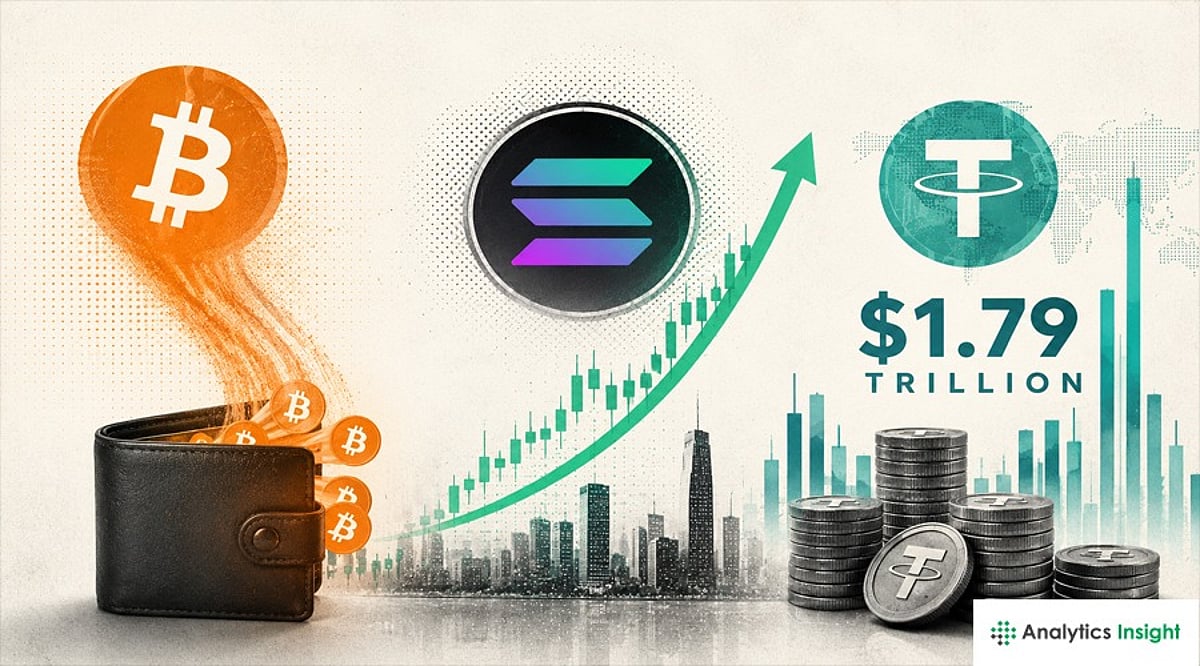
  • Bitcoin ETFs See $527M Weekly Outflow, Solana Rallies 14%, Stablecoin Volume Hits $1.79T – Crypto News Roundup

    Bitcoin ETFs See $527M Weekly Outflow, Solana Rallies 14%, Stablecoin Volume Hits $1.79T – Crypto News Roundup

    Bitcoin ETF Outflows Continue

    Bitcoin spot ETFs recorded a net outflow of $527 million last week, marking the eighth consecutive week of withdrawals. BlackRock’s IBIT saw $773 million exit, while Grayscale Bitcoin Trust (GBTC) reported $27.69 million in outflows. However, the Ark & 21 Shares ETF (ARKB) bucked the trend with $102 million in net inflows. Cumulative net inflows for IBIT remain strong at $59.99 billion, and the total net asset value of spot Bitcoin ETFs stands at $74.37 billion.

    Solana Maintains Momentum After 14% Rally

    Solana (SOL) surged over 14% last week and is currently trading around $80.89. While it has stalled below a key resistance level, indicators point to growing bullish momentum. Spot Solana ETFs attracted $5.75 million in net inflows, reversing the previous week’s outflows. Additionally, tokenized asset spot trading volume on the Solana network reached $5.7 billion in Q2, more than doubling from Q1’s $2.69 billion.

    Stablecoin Transaction Volume Reaches Record $1.79 Trillion

    According to Visa, stablecoin transaction volume hit an all-time high of $1.79 trillion in June, up 63% from May’s $1.1 trillion. USDC led with $1.21 trillion (67% of the total), while USDT accounted for $576 billion (32%). PayPal’s PYUSD ranked third with $2.42 billion.

    CLARITY Act Faces Key Senate Deadline

    The CLARITY Act, a major US crypto market structure bill, missed its July 4 target but still has a chance before the Senate’s summer break on August 7. The bill has passed the House and cleared the Senate Banking Committee. Senator Cynthia Lummis urged lawmakers to advance it, calling it “the foundation for the financial services of the 21st century.”

    Ethereum Plans Its ‘Biggest Rebuild’

    Ethereum co-founder Vitalik Buterin outlined “Lean Ethereum,” a multi-year plan to replace almost every major protocol component over three to four years while minimizing disruption to existing applications. This third major iteration follows the 2022 Merge. Quantum safety has been elevated as a top priority.

    Disclaimer: This article is for informational purposes only and does not constitute financial advice. Always conduct your own research before investing in cryptocurrencies.