Tag: India

  • How GeoAI and GIS Are Transforming India’s Smart Governance and Sustainability Efforts

    How GeoAI and GIS Are Transforming India’s Smart Governance and Sustainability Efforts

    Geographic Information Systems (GIS) are evolving rapidly with the integration of Artificial Intelligence. GeoAI enables organizations to analyze complex geospatial data faster, generate predictive insights, and improve decision-making across sustainability, infrastructure, disaster management, and governance. As governments and enterprises increasingly rely on location intelligence, GeoAI is becoming a critical technology for solving environmental and societal challenges.

    In a recent episode of the Analytics Insight Podcast, Priya Diyalani spoke with Agendra Kumar, Managing Director of ESRI India Technologies, about the growing role of GeoAI in sustainability, renewable energy, public services, and India’s digital transformation. Here are the key excerpts from that conversation.

    Driving GIS Adoption Across India

    ESRI India has been a leader in GIS software, location intelligence, and mapping solutions since 1996. Today, their technology is used by more than 6,500 organizations across government, private enterprises, academia, and the non-profit sector. Nearly 1.5 million individuals use applications built on ESRI’s technology, supported by a team of around 800 professionals across ten offices.

    Beyond software, the company focuses on customer success and experience, helping organizations maximize the value of GIS through continuous education, deployment support, and adoption programs. ESRI also created the Indo ArcGIS Living Atlas, a cloud-based repository of more than 800 geospatial datasets hosted in India. By converting publicly available government data into ready-to-use spatial layers, they have significantly reduced the challenges organizations face in adopting GIS.

    GeoAI for Renewable Energy and Sustainability

    Climate change, resource scarcity, and environmental degradation require faster and more informed decision-making. GeoAI strengthens GIS by combining multiple datasets and generating insights much more efficiently than traditional approaches. For renewable energy projects, GeoAI analyzes terrain, soil conditions, sunlight availability, wind patterns, and other environmental factors to identify optimal locations for solar and wind installations. Whether it is water conservation, forest management, or renewable energy planning, GeoAI enables more accurate and data-driven decisions at scale.

    Water Resource Management and Environmental Monitoring

    Water is becoming one of the country’s most critical resources, and GIS combined with GeoAI offers powerful tools to address this challenge. Satellite imagery, drone mapping, IoT sensors, and geospatial analytics work together to monitor water availability, rainfall, catchment areas, and water quality. GeoAI also supports forest monitoring by detecting changes in forest cover and predicting the spread of forest fires using satellite imagery, vegetation data, and wind patterns. Faster analysis enables authorities to respond more effectively to environmental risks before they escalate.

    Government Use of AI-Powered GIS in National Programs

    Government adoption of GIS has expanded significantly over the past two decades through programs such as Digital India, PM GatiShakti, Smart Cities Mission, Swamitva, and Jal Jeevan Mission. AI has strengthened these initiatives by enabling large-scale analysis of geospatial data. In the Swamitva program, GeoAI helped identify land parcels for issuing property cards across more than six lakh villages. PM GatiShakti integrates geospatial information from multiple ministries to improve infrastructure planning, while GIS continues to support better governance through direct benefit transfer programs and data-driven policymaking.

    Improving Governance and Urban Planning

    GeoAI is transforming governance by enabling proactive monitoring and faster policy implementation. Governments are increasingly using drone imagery and AI-powered GIS to detect encroachments on public land, identify unauthorized construction, and monitor violations of building regulations. Urban planning has also become more efficient through GIS-based analysis of transportation, drainage systems, road expansion, and public infrastructure. Combined with census data and other spatial datasets, governments can now predict issues and act much earlier instead of reacting to problems after they occur.

    The Future of India’s GeoAI Ecosystem

    India’s geospatial ecosystem is expanding rapidly as government policies encourage wider access to mapping technologies and geospatial data. The 2022 geospatial policy has made data collection, map creation, and data sharing much more accessible, accelerating GIS adoption across sectors. As AI capabilities continue to mature, GeoAI will make geospatial analysis faster, more accurate, and more scalable. GeoAI aims to become an essential part of digital governance and enterprise decision-making. The future of India’s geospatial economy lies in combining GIS, AI, satellite imagery, drones, IoT, and real-time analytics into an integrated intelligence platform.

    Listen to the full discussion on the Analytics Insight Podcast.
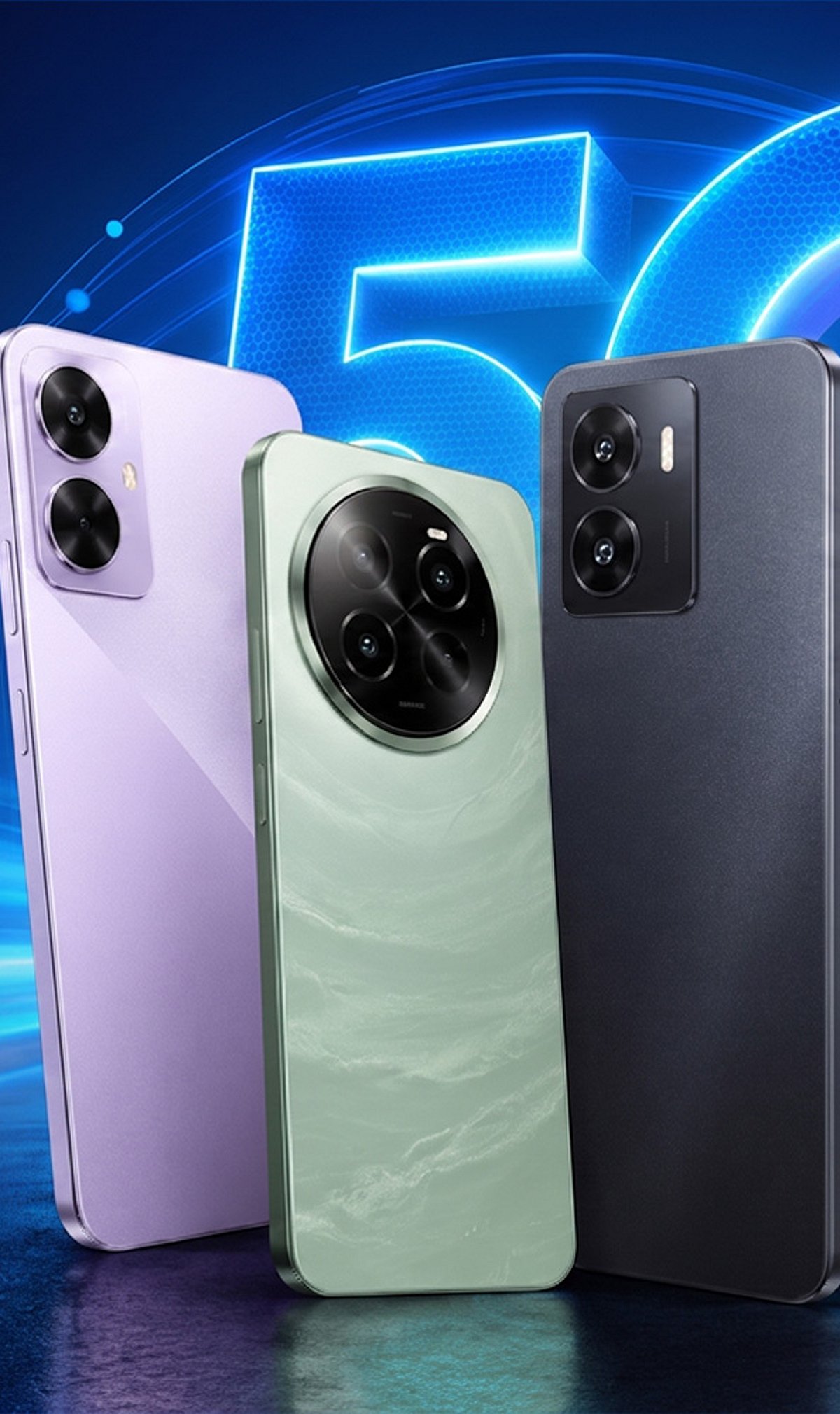
  • Best Affordable 5G Smartphones in India: August 2026 Edition

    Best Affordable 5G Smartphones in India: August 2026 Edition

    Looking for a budget-friendly 5G smartphone in India this August 2026? The market is packed with impressive options that deliver excellent performance without breaking the bank. Here’s a curated list of the top budget 5G phones available this month, each offering a compelling mix of features, battery life, and value.

    CMF Phone 2 Pro

    This model stands out with a bright AMOLED display, a capable Dimensity processor, and a clean software experience. Its reliable cameras and all-day battery life make it a solid all-rounder for everyday use.

    iQOO Z11x 5G

    Featuring a high refresh rate display and an efficient Snapdragon chipset, the iQOO Z11x delivers smooth performance, dependable battery backup, and fast charging support.

    Redmi Note 15 5G

    The Redmi Note 15 5G combines an immersive AMOLED screen with balanced performance, capable cameras, strong battery endurance, and regular software updates — all at an affordable price.

    realme Narzo 90 5G

    With a stylish design, smooth display, and an efficient MediaTek processor, the Narzo 90 offers dependable gaming performance and fast charging, ideal for daily smartphone users.

    POCO M8 Pro 5G

    Gamers on a budget will appreciate the POCO M8 Pro’s powerful chipset, vibrant display, long battery life, and capable cameras for everyday photography.

    Motorola G96 5G

    This device provides a near-stock Android experience, a smooth OLED display, dependable Snapdragon performance, stereo speakers, and minimal bloatware, ensuring a clean software journey.

    Samsung Galaxy M17 5G

    Samsung’s trusted software support, vibrant display, reliable Exynos performance, large battery capacity, and dependable cameras make the Galaxy M17 a strong contender for daily usage.

    Lava Blaze Duo 5G

    An Indian brand making waves, the Lava Blaze Duo brings premium styling with a dual-display feature, smooth performance, and clean Android software at an impressive value.

    Infinix Note 60 5G

    Finally, the Infinix Note 60 5G offers a large high-refresh display, a capable processor, generous storage, fast charging, and strong multimedia performance at a very attractive budget price.

    Each of these smartphones proves that you don’t need to spend a fortune to enjoy fast 5G connectivity and a rich feature set. Evaluate your priorities — whether it’s display, battery, camera, or gaming — and pick the one that best fits your needs this August.

  • 9 Visionary Entrepreneurs Driving India’s Fastest-Growing Startup Ecosystem

    9 Visionary Entrepreneurs Driving India’s Fastest-Growing Startup Ecosystem

    India’s startup ecosystem continues to thrive, powered by visionary founders who are disrupting industries and redefining business norms. From beauty and fintech to quick-commerce and wireless communication, these nine entrepreneurs have built some of the country’s fastest-growing companies, each bringing a unique blend of innovation, strategy, and execution.

    Falguni Nayar – Nykaa

    Falguni Nayar transformed Nykaa into India’s leading beauty platform by executing a strong omnichannel strategy and curating premium brands. Her vision reshaped online cosmetics retail, making Nykaa a household name.

    Vineeta Singh – SUGAR Cosmetics

    Vineeta Singh scaled SUGAR Cosmetics into a top beauty brand by targeting young, style-conscious consumers with innovative products and a digital-first marketing approach. Her brand resonates with the modern Indian woman.

    Neha Satak – Astrome

    Neha Satak founded Astrome to develop advanced wireless communication technologies that improve broadband connectivity in underserved regions of India. Her work bridges the digital divide, bringing high-speed internet to remote areas.

    Roshni Mahatani – Greylabs AI

    Roshni Mahatani created AI-powered fintech solutions at Greylabs AI, enabling financial institutions to enhance decision-making, automate processes, and deepen customer engagement through intelligent analytics.

    Shashank Kumar – Razorpay

    Shashank Kumar co-founded Razorpay, a platform that simplified digital payments for businesses across India. With secure, scalable fintech solutions, Razorpay now serves millions of merchants nationwide.

    Nithin Kamath – Zerodha

    Nithin Kamath revolutionized stock investing in India by introducing low-cost brokerage services and technology-driven trading platforms. Zerodha empowered retail investors with accessible, affordable investment tools.

    Nikhil Gupta – Neo Group

    Nikhil Gupta built Neo Group into a rapidly expanding wealth management platform catering to high-net-worth clients. His focus on modern investment solutions and personalized service has driven impressive growth.

    Nitin Gupta – Uni Cards

    Nitin Gupta launched Uni Cards to redefine credit experiences in India. The platform offers flexible payment options, digital-first services, and simplified financial management tools for a new generation of users.

    Aadit Palicha – Zepto

    Aadit Palicha scaled Zepto into a leading quick-commerce platform by pioneering ultra-fast grocery deliveries. Through efficient logistics and technology innovation, Zepto has set new standards for convenience in e-commerce.

  • Top Smartwatches in India 2026: A Comprehensive Guide

    Top Smartwatches in India 2026: A Comprehensive Guide

    Smartwatches have become essential companions for fitness enthusiasts, tech lovers, and everyday users alike. As we look ahead to 2026, the Indian market offers a diverse range of options, from premium flagships to budget-friendly models. Below is a curated list of the best smartwatches available in India in 2026, covering top-tier features, health tracking, and value for money.

    • Apple Watch Ultra 3: Premium titanium design, advanced health tracking, precise GPS, satellite connectivity, exceptional performance, and seamless integration with the Apple ecosystem.
    • Samsung Galaxy Watch 8: Excellent Wear OS experience, accurate sleep tracking, AI-powered health insights, smooth performance, and a premium AMOLED display for Android users.
    • OnePlus Watch 3: Flagship performance, long battery life, dual-chip architecture, accurate fitness tracking, and a premium design suitable for everyday use and fitness enthusiasts.
    • Google Pixel Watch 4: Refined Wear OS software, beautiful circular design, advanced Fitbit health features, reliable performance, and seamless integration with Pixel smartphones.
    • Garmin Forerunner 970: Built for serious athletes with advanced training metrics, multi-band GPS, endurance analytics, long battery life, and premium fitness capabilities.
    • Amazfit Active 3: Impressive battery life, comprehensive health monitoring, built-in GPS, lightweight design, and excellent value for fitness-focused buyers.
    • CMF Watch Pro 2: Stylish design, AMOLED display, accurate health tracking, Bluetooth calling, and outstanding value for budget-conscious buyers.
    • Noise ColorFit Pro 5: AMOLED display, Bluetooth calling, health monitoring, dependable battery backup, and affordable pricing for everyday users.
    • Redmi Watch 5 Active: Large display, essential fitness tracking, Bluetooth calling, dependable battery life, and exceptional affordability for first-time smartwatch buyers.

    Whether you prioritize advanced health metrics, long battery life, or a sleek design, there is a smartwatch on this list to meet your needs. Stay tuned for more updates on the latest gadgets and wearable technology.

  • Tata Sons IPO Hinges on RBI Decision on NBFC Licence Surrender

    Tata Sons IPO Hinges on RBI Decision on NBFC Licence Surrender

    The Reserve Bank of India (RBI) has retained Tata Sons on its Upper Layer non-banking financial company (NBFC) list for 2026–27, intensifying regulatory scrutiny and keeping the prospect of a mandatory public listing alive. However, the central bank is still reviewing the company’s application to surrender its NBFC registration, a decision that will determine whether the Tata Group holding company must proceed with an initial public offering (IPO).

    Under the RBI’s Scale Based Regulation framework, Tata Sons has been classified as an Upper Layer NBFC since 2022. This categorization subjects large NBFCs to enhanced governance, capital planning, disclosure, and risk management rules similar to those imposed on commercial banks. Upper Layer entities are also required to list their shares on stock exchanges within three years of classification, a deadline that Tata Sons has already passed.

    The RBI has clarified that its retention of Tata Sons on the list does not prejudge the outcome of the deregistration application, which remains under examination. Governor Sanjay Malhotra described the framework as “principle-based,” while the company, a core investment firm controlling businesses in technology, aviation, steel, electronics, and financial services, continues to operate under stricter oversight.

    Tata Sons repaid its debt before applying to surrender its NBFC licence roughly two years ago. The RBI has not provided a timeline for its decision. A source familiar with the regulator’s stance indicated that the central bank is unlikely to enforce the listing rule while the application is pending. Nonetheless, until approval is granted, Tata Sons must comply with all Upper Layer requirements, which apply for at least five years after classification.

    The outcome holds significant implications for shareholders. Tata Trusts, which owns about 66% of Tata Sons, could face changes in ownership structure that affect charitable funding and private investments. The Shapoorji Pallonji Group, holding roughly 18%, is seeking ways to monetize its stake to reduce debt, and a Tata Sons IPO could provide a market route for that exit.

    Tata Sons holds stakes in major listed firms such as Tata Consultancy Services, Tata Steel, and Tata Motors, and wholly owns private entities including Air India, Tata Digital, and Tata Electronics. Of the 17 companies on the RBI’s Upper Layer list for 2026–27, Tata Sons is the only unlisted one, underscoring the high stakes of the regulator’s decision.

  • Xiaomi Enters India’s Smart Home Arena with Mijia Brand Launch

    Xiaomi Enters India’s Smart Home Arena with Mijia Brand Launch

    Xiaomi has officially introduced its Mijia smart home brand in India, marking a strategic move beyond its smartphone roots. The launch coincides with the company’s 12th anniversary in the market and positions Mijia as the fourth sub-brand under the Xiaomi Group umbrella, joining Xiaomi (premium), Redmi (mid-range smartphones), and Poco (digital-native products).

    Mijia, which translates to “Xiaomi home,” will serve as the dedicated brand for connected home and lifestyle products. According to Sudhin Mathur, COO of Xiaomi India, the brand will cover a range of devices including smart air purifiers, security cameras, robot vacuum cleaners, and other appliances designed to simplify everyday life. Xiaomi already sells many of these products in India, but consolidating them under the Mijia name aims to create a stronger identity in the smart home space and make it easier for consumers to recognize compatible devices within Xiaomi’s ecosystem.

    India’s smart home market is growing increasingly competitive, with established players like Samsung, LG, Amazon, and Google already offering connected home devices. By introducing Mijia, Xiaomi seeks to capture a larger share of this market through competitive pricing and a comprehensive ecosystem of interoperable products. For consumers, the move promises more choices and better value, as smart home technology transitions from premium gadgets to mainstream household essentials.

  • India Presses Meta for Answers on Instagram Algorithm and Legal Compliance

    India Presses Meta for Answers on Instagram Algorithm and Legal Compliance

    The Indian government has formally requested Meta to explain how its Instagram and Facebook algorithms determine content reach and visibility. Officials are also demanding stronger cooperation on child sexual abuse material (CSAM), online fraud, deepfakes, and automated bot accounts.

    IT Minister Ashwini Vaishnaw chaired a second meeting with Meta officials on Thursday. Meta’s delegation included global affairs chief Joel Kaplan and public policy vice president Neil Potts. Discussions covered technical systems, legal duties, and content distribution practices.

    Scrutiny Over Algorithmic Bias

    Government officials focused on how Instagram recommends, reduces, or promotes posts. They also examined allegations that the platform’s systems favored anti-government material and handled comparable content differently.

    The scrutiny is linked to concerns about political and public-interest content. During the CJP-led Gen Z protests, users relied on Instagram to share videos, personal accounts, and protest updates. Recommendation systems influenced which posts reached larger audiences.

    Meta controls the rules and data behind those decisions. Users can appeal when the company removes a post, but they may receive little information when Instagram limits a post’s reach or excludes it from recommendation sections.

    The government wants Meta to explain the signals its systems use when ranking content. Officials also seek details about reduced distribution and the treatment of Indian-language posts compared with English-language material.

    Indian Law Guides Platform Operations

    Government sources said every social media company operating in India must follow Indian law. The requirement covers Meta, X, and other online platforms serving users across the country.

    “We are a constitutional democracy. The rule of law is paramount,” a government source said. “Platforms operating in India cannot function according to the US Constitution or the Constitution of Europe.”

    The source added that platforms must operate under India’s Constitution and national laws. Officials also cited Article 19, which protects freedom of speech, and Article 19(2), which permits reasonable restrictions under defined grounds.

    Authorities summoned Meta after Facebook briefly restricted a video post from Prime Minister Narendra Modi. Kaplan later apologized for the error. Government sources said Meta CEO Mark Zuckerberg also apologized over the incident and other platform concerns.

    Officials said any legal proceedings would follow the required legal process. For now, authorities are assessing Meta’s conduct under Indian rules. They also seek answers across technical, policy, and legal areas.

    Meta’s Technical Team Continues Talks

    Meta’s technical team will continue discussions with government technology officials after Kaplan leaves India. The talks will cover recommendation systems, alleged bias, CSAM, fraudulent posts, deepfakes, and bot activity.

    Meta told officials that it was working to address harmful content and automated accounts. However, the meetings also covered how its systems rank lawful posts before any removal decision occurs.

    Government officials want clearer information on how automated tools separate harmful mobilization from legitimate reporting and political criticism. They also seek stronger cooperation when Indian law enforcement agencies investigate CSAM and fraud.

    Available reports do not confirm that Meta shared internal distribution data or a formal audit of protest-related recommendations. Discussions will continue between the company’s specialists and government teams.

    “The first question is whether they are functioning in accordance with the law of the land,” an official said. The government’s primary demand is compliance with Indian law, along with clearer answers about the automated systems that determine content visibility for Instagram and Facebook users.

  • Top Gold-Holding Nations in 2026: US Dominates as China and India Expand Reserves

    Top Gold-Holding Nations in 2026: US Dominates as China and India Expand Reserves

    Central banks worldwide continue to rely on gold as a cornerstone of financial stability, reserve diversification, and economic confidence. As of 2026, the United States maintains its commanding lead in official gold reserves, while China and India steadily build their holdings. Despite a slowdown in central bank purchases during the first half of the year, gold remains a trusted asset in global finance.

    United States Far Ahead

    The United States holds the largest official gold reserve in the world with 8,133.5 metric tons, representing about 83% of the country’s total foreign exchange reserves. No other nation comes close; the U.S. stock alone exceeds the combined holdings of Germany and Italy, the second and third largest holders. This position has remained virtually unchanged for decades.

    European Nations Hold Strong Positions

    Germany ranks second with 3,350.3 metric tons of gold, followed by Italy (2,451.8 metric tons) and France (2,437 metric tons). Gold forms more than 80% of the official reserves in all three countries. Combined, euro area reserves exceed 10,800 metric tons, surpassing any single nation’s holdings.

    Russia and China Build Strategic Strength

    Russia holds 2,313.4 metric tons (fifth place), while China follows closely with 2,304.7 metric tons according to the World Gold Council. The People’s Bank of China added about 15 metric tons in June 2026—the largest monthly increase since 2023—marking 20 consecutive months of purchases. This reflects a clear long-term strategy to diversify reserves and strengthen financial security.

    India Moves Higher

    India holds 880.5 metric tons of official gold, ranking eighth in the world. Gold accounts for roughly 18% of the country’s foreign exchange reserves. The Reserve Bank of India has steadily expanded its holdings in recent years. Indian households own far more gold than the central bank, making the country a major overall owner of the precious metal.

    Other Notable Holders

    Switzerland ranks seventh with 1,039.9 metric tons, Japan holds about 845.9 metric tons, and the Netherlands completes the top ten with approximately 634.7 metric tons. Reserve strategies vary: Switzerland uses gold as part of a balanced portfolio, while Japan keeps only a small share of its reserves in gold.

    Central Bank Confidence Remains Strong

    The World Gold Council reports that central bank purchases slowed sharply in the first half of 2026—only 57 metric tons in Q1 (the lowest in 15 years) and about 345 metric tons total in H1. Even so, central banks still account for nearly one-third of global gold demand. A 2026 survey found that 89% of reserve managers expect global gold reserves to rise in the next 12 months, and a record 45% expect their own institutions to increase holdings. Gold continues to offer stability, liquidity, and protection against financial and geopolitical risks.

    Frequently Asked Questions

    1. Which country has the largest gold reserves in 2026?

    The United States leads with 8,133.5 metric tons.

    2. Why do central banks hold gold?

    Gold provides financial stability, diversifies reserves, protects against economic uncertainty, and strengthens confidence in a country’s financial system.

    3. Which countries are in the global top five for gold reserves?

    The United States, Germany, Italy, France, and Russia hold the five largest official gold reserves.

    4. Has China increased its gold reserves in 2026?

    Yes, China continued adding gold during 2026 as part of its long-term reserve diversification strategy.

    5. Why is gold still important despite slower central bank purchases?

    Gold remains a trusted store of value, offering liquidity, stability, and protection during financial and geopolitical uncertainty.

  • Best Electric Two-Wheelers in India: Top Scooters and Performance Motorcycles for 2025

    Best Electric Two-Wheelers in India: Top Scooters and Performance Motorcycles for 2025

    India’s electric two-wheeler market is booming, with a growing lineup of scooters and motorcycles that combine style, range, and smart features. From daily commuters to high-performance machines, here are the leading electric two-wheelers available today.

    Electric Scooters

    • Ola S1 Pro Gen 3 – Premium electric scooter offering strong performance, a long riding range, touchscreen features, fast charging, and a connected smart riding experience for daily use.
    • Ather 450X – Popular smart scooter delivering smooth acceleration, excellent handling, reliable battery performance, over-the-air updates, and advanced navigation for commuters.
    • TVS iQube ST – Family-friendly electric scooter combining comfortable seating, practical storage, connected technology, dependable performance, and strong after-sales service across India.
    • Bajaj Chetak 35 Series – Stylish electric scooter blending classic design with modern technology, refined ride quality, durable build, and dependable city commuting capabilities.
    • Hero Vida V2 Pro – Feature-rich electric scooter offering removable batteries, comfortable ergonomics, connected technology, practical range, and convenient charging options for urban riders.
    • River Indie – Practical electric scooter featuring large storage capacity, sturdy construction, comfortable seating, and everyday usability designed for families and working professionals alike.
    • Simple One – Long-range electric scooter offering powerful performance, modern design, connected features, fast charging support, and excellent battery efficiency for extended commuting.

    Electric Motorcycles

    • Ultraviolette F77 – High-performance electric motorcycle delivering sporty styling, rapid acceleration, premium features, advanced safety technology, and impressive highway riding capabilities throughout India.
    • Revolt RV400 – Affordable electric motorcycle providing swappable battery options, comfortable riding position, smart connectivity, and low operating costs for daily urban transportation.

    Whether you’re a daily commuter or an enthusiast, India’s electric two-wheeler lineup offers something for everyone. Stay tuned for more updates and reviews.

  • India’s 2026 Crypto Tax Guide: Flat 30% Tax, 1% TDS, and No Loss Offsets

    India’s 2026 Crypto Tax Guide: Flat 30% Tax, 1% TDS, and No Loss Offsets

    India’s cryptocurrency tax framework for 2026 introduces several key provisions that every investor must understand. The rules apply to all virtual digital assets (VDAs) and are designed to ensure compliance while limiting tax-planning opportunities.

    Key Tax Rules for 2026

    • 30% Tax on Profits: Any profit from selling or transferring cryptocurrencies is taxed at a flat 30%, regardless of your income tax slab or how long you held the asset.
    • 1% TDS Rule: Buyers must deduct 1% Tax Deducted at Source (TDS) on qualifying crypto transactions. This helps authorities track VDA transactions across regulated platforms nationwide.
    • No Loss Set-Off: Losses from cryptocurrency transactions cannot be used to offset gains from other crypto assets or any other income source.
    • No Carry Forward: Unused crypto trading losses cannot be carried forward to future financial years, limiting tax planning through loss adjustments.
    • Gift Tax Rules: Cryptocurrency received as a gift may be taxable for the recipient, depending on the relationship, exemption limits, and applicable Income Tax Act provisions.
    • Mining and Staking: Income from crypto mining or staking may be taxed when rewards are received or later sold, based on applicable rules.
    • Mandatory Reporting: Taxpayers must accurately disclose all crypto income and transactions when filing annual income tax returns to remain compliant with Indian regulations.
    • Maintain Transaction Records: Keep exchange statements, wallet records, purchase invoices, and transfer details to simplify tax calculations and respond to any regulatory inquiries efficiently.
    • Stay Updated on Rules: India’s crypto regulations continue to evolve. Investors should monitor official tax notifications and compliance requirements regularly.

    By understanding these rules and maintaining thorough records, you can navigate India’s 2026 crypto tax landscape with confidence.