Tag: India

  • Google Maps Debuts Gemini-Powered ‘Ask Maps’ Feature in India for Conversational Search

    Google Maps Debuts Gemini-Powered ‘Ask Maps’ Feature in India for Conversational Search

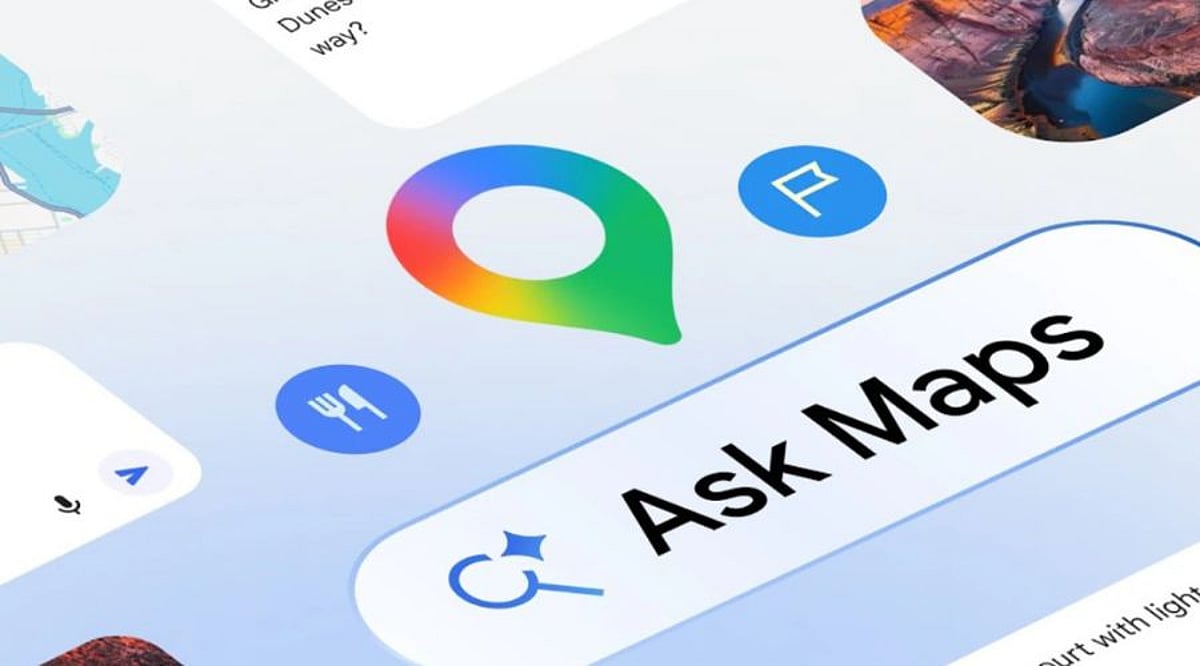
    Google has launched an enhanced version of its Ask Maps feature in India, introducing a conversational search experience powered by the company’s Gemini AI models. The update allows users to search for places using natural, everyday language instead of traditional keyword queries.

    With the new feature, users can ask detailed questions such as “Where can I find a family-friendly restaurant?” or “Suggest a café suitable for working.” Google Maps then provides personalized recommendations based on the context of the query. India is among the first markets to receive this upgraded Ask Maps experience.

    Search That Understands Context

    The system is designed to interpret user needs even when expressed in a conversational format. Instead of entering multiple search terms, users can describe their requirements and ask follow-up questions to refine results without starting a new search session. Google states this aims to make location discovery more intuitive.

    Key Features of Ask Maps

    • Natural Language Search: Ask questions in everyday language instead of using keywords.
    • Conversational Search: Continue the conversation with follow-up questions to refine results.
    • Personalized Recommendations: Discover tailored suggestions for restaurants, cafés, and other places based on preferences.
    • Contextual Responses: Understands the context of the query rather than just matching keywords.
    • Gemini AI Integration: Leverages Google’s Gemini AI for generating suggestions.
    • In-App Recommendations: Results appear directly on Google Maps.
    • Itinerary Planning: Create a day’s itinerary with a single search.
    • Available on Android and iOS: For Google Maps users in India.
    • Discovery Within a Chat: Find relevant places through a single conversational thread.

    Part of Google’s Broader Maps Update

    The Ask Maps rollout is part of Google’s larger effort to integrate AI-powered features into Maps. Alongside conversational search, Google has added improved navigation assistance and route context to help users understand and follow directions more easily. The company says these changes aim to make Maps more useful before, during, and after every journey by combining mapping technology with Gemini’s capabilities.

    With this latest release in India, users can navigate cities more simply without needing to perform multiple searches.

  • Google Maps Brings Hindi Support and Live Transit Updates to Ask Maps in India

    Google Maps Brings Hindi Support and Live Transit Updates to Ask Maps in India

    Google has expanded its Ask Maps feature in India with Hindi language support, live transit updates, and a new Personal Intelligence layer powered by Gemini. The updates, announced on the company’s India blog, aim to transform Google Maps into a smarter daily assistant for commuting, local discovery, and travel planning.

    Hindi Support and Natural Language Queries

    With Hindi support, users can ask travel questions in a more familiar language, search for places, compare routes, and request local recommendations. Ask Maps uses Gemini to handle detailed natural language queries and can even remember earlier conversations when history settings are enabled, allowing travel plans to continue seamlessly.

    Real-Time Transit Information

    The update brings live bus, metro, and train schedules, including delay information, through a new widget. For example, searches around ISBT Kashmere Gate can show departure times, connecting routes, and changing wait times. This real-time data helps commuters make better decisions on the go.

    Personal Intelligence via Gmail Integration

    Personal Intelligence adds another layer of trip planning by optionally connecting to Gmail. With user permission, Ask Maps can access flight, hotel, or restaurant reservations to suggest nearby activities and suitable departure times. Google keeps Gmail access off by default, giving users full control over the connection.

    Beyond Navigation: Traffic, Weather, and Crowd Data

    Ask Maps also provides live traffic, weather, and crowd level information at restaurants or shops. These details help users choose better travel times and avoid crowded locations, making Maps more practical for everyday Indian commutes and short trips.

    Google first launched Ask Maps in India and the United States, positioning it as a conversational layer for Maps. The latest India updates combine language support, live mobility data, and personalized planning in one place, strengthening Maps as an everyday assistant beyond basic navigation.

  • Mark Zuckerberg’s Apology to India: 7 Key Facts Behind the Controversy

    Mark Zuckerberg’s Apology to India: 7 Key Facts Behind the Controversy

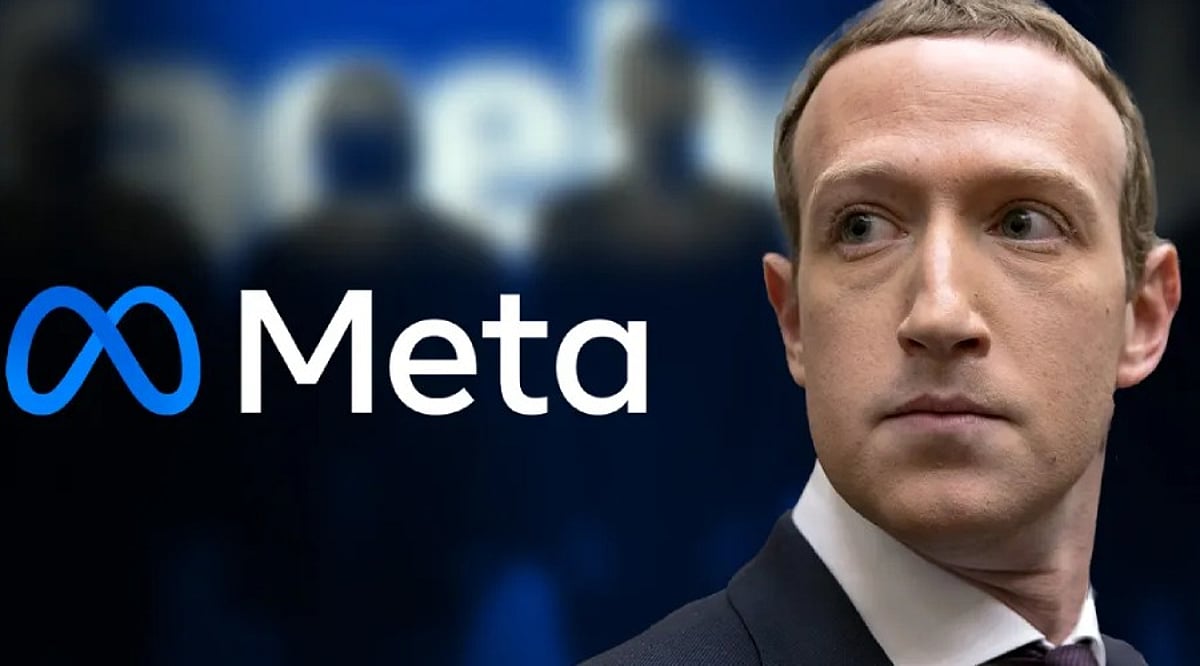
    Mark Zuckerberg, CEO of Meta, recently issued an apology to India after making an incorrect statement about the country’s 2024 general election results. Here are seven essential points to understand the incident and its aftermath.

    1. Incorrect Election Statement

    During a podcast, Zuckerberg mistakenly claimed that most incumbent governments—including India’s—had lost power in the 2024 elections due to voter dissatisfaction following the pandemic. This was factually wrong: Prime Minister Narendra Modi’s BJP-led National Democratic Alliance secured a third consecutive term in the Lok Sabha elections.

    2. Political Backlash in India

    Indian political leaders and government representatives sharply criticized the statement, calling it misleading. They argued that inaccurate comments from a globally influential tech executive could create confusion and undermine confidence in India’s democratic electoral process.

    3. Government Sought Clarification

    Indian officials publicly highlighted the factual error and urged Meta to acknowledge the mistake. The issue gained widespread traction across news platforms and social media, increasing pressure on the company to respond quickly and clarify its position.

    4. Meta Issued an Apology

    Meta’s India leadership apologized for the inaccurate statement, calling it an inadvertent error. The company clarified that Zuckerberg’s remarks did not reflect the actual outcome of India’s general elections and expressed regret for the confusion caused.

    5. India’s Election Outcome

    Contrary to Zuckerberg’s claim, the BJP-led National Democratic Alliance secured enough seats to form the government. Prime Minister Modi was sworn in for a third term, making India one of the major democracies where the incumbent coalition retained power.

    6. Why the Issue Became Significant

    Because Meta operates Facebook, Instagram, and WhatsApp, its leadership’s public comments carry significant influence. Any factual mistake involving national elections can quickly escalate into a diplomatic and political issue, particularly in countries with hundreds of millions of platform users.

    7. Lessons for Global Tech Leaders

    The controversy underscores the importance of verifying politically sensitive information before making public statements. It also highlights the growing expectation that technology companies and their executives maintain accuracy when discussing elections, governance, and other matters of international public importance.

    This incident serves as a reminder of the responsibility that comes with global influence, especially in the digital age where misinformation can spread rapidly.

  • CMF Clip Pro Open-Ear Earbuds Launch at $99: Features, Specs, and India Availability

    CMF Clip Pro Open-Ear Earbuds Launch at $99: Features, Specs, and India Availability

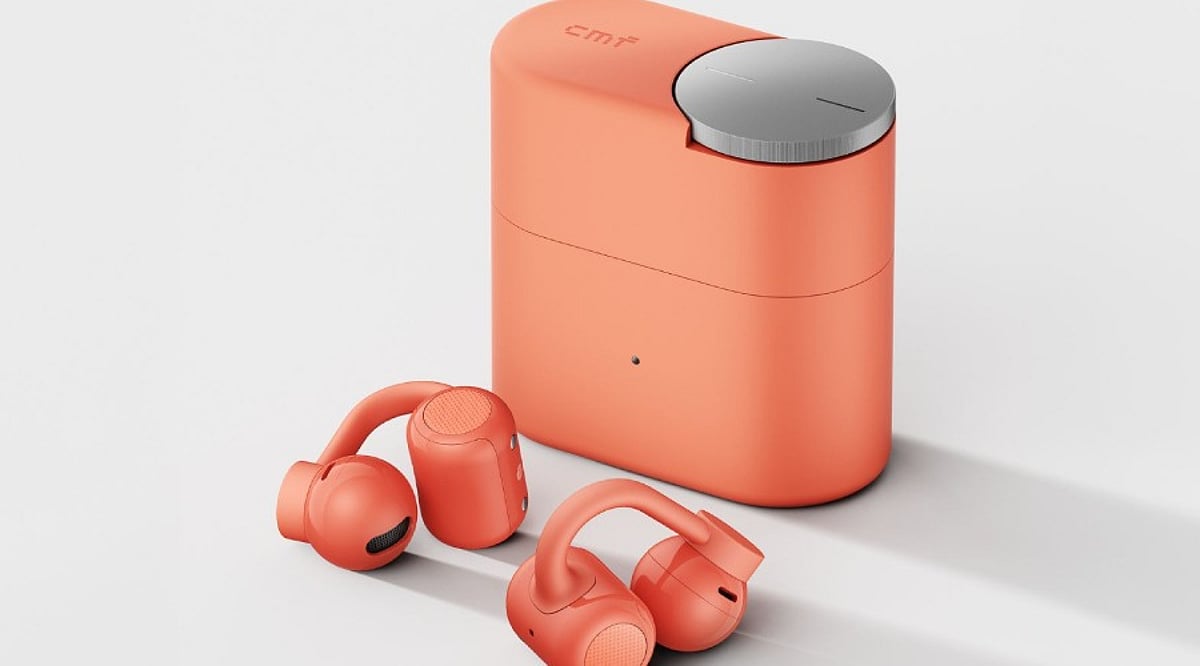
    Nothing’s budget brand CMF has launched the Clip Pro open-ear earbuds for $99. The earbuds will go on sale August 15 in the US, UK, and Japan. Europe and other markets will get them from September 15. CMF designed the earbuds for people who want music and calls while staying aware of their surroundings.

    CMF calls the Clip Pro its first clip-style open-ear earbuds, designed for daily comfort. The company says the earbuds offer a listening experience ‘that feels as natural as it sounds.’

    Each earbud weighs about 5.9 grams and sits around the outer ear instead of inside the ear canal. A flexible support system helps spread pressure, making the earbuds suitable for work, travel, and exercise.

    The open-ear earbuds use 10.8mm drivers with ultra bass technology. LDAC audio support provides high-quality sound on compatible phones and devices. The earbuds also provide AAC and SBC support for smooth wireless transmission.

    Four microphones and clear voice technology help improve calls in noisy places. The Sound Seal feature can also reduce sound leakage through controls in the Nothing X app.

    A Smart Dial on the charging case controls volume, music, calls, and pairing. Physical controls on the earbuds offer another way to manage playback.

    The earbuds provide up to 10 hours of playback, while the case extends total battery life to 32.5 hours. A 10-minute charge can provide up to four hours of listening.

    The CMF Clip Pro is available in Dark Grey, Light Grey, and Coral. The earbuds carry an IP54 rating for dust and water resistance.

    CMF has confirmed that the Clip Pro will not launch in India for now. The decision limits access for Indian buyers despite the brand’s presence in the country.

  • itel Ace 3 Heera Brings Type-C Charging to Budget Feature Phones at Just ₹949

    itel Ace 3 Heera Brings Type-C Charging to Budget Feature Phones at Just ₹949

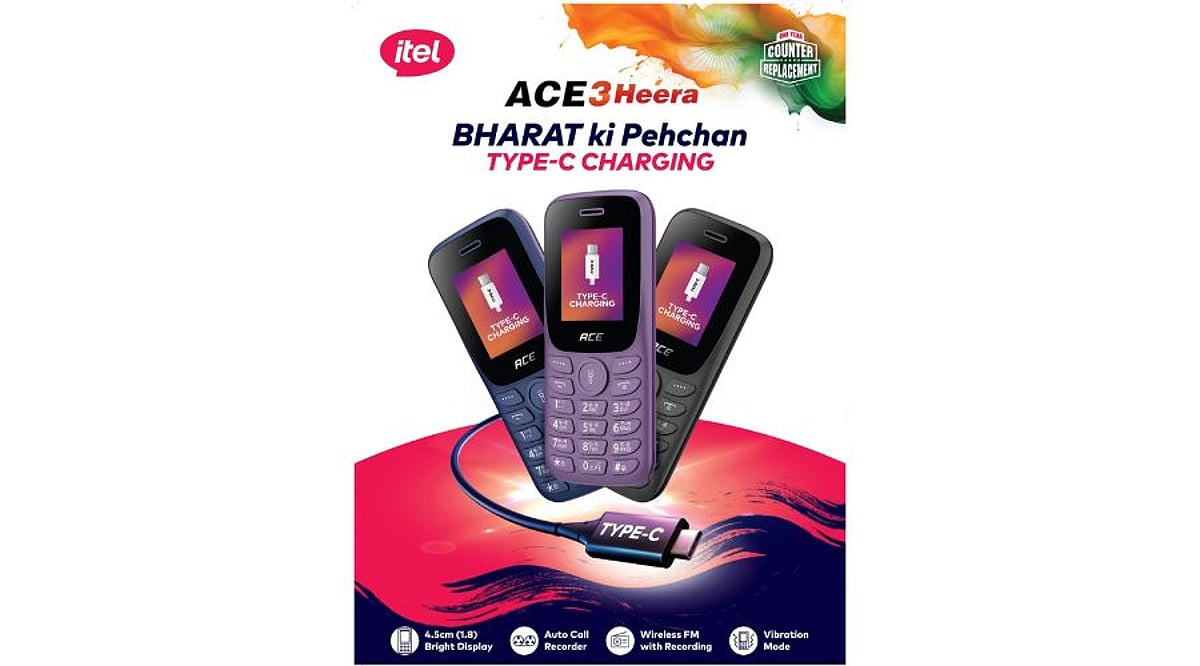
    itel, a leading tech brand focused on democratizing technology for India’s mass market (Bharat), has launched its latest feature phone, the Ace 3 Heera, priced at just ₹949. This launch marks the end of the Type-B (Micro-USB) era for itel’s entire feature phone lineup, as the brand becomes the first in India to offer Type-C charging across all its feature phones.

    The itel Ace 3 Heera is designed to simplify everyday life for millions of users who previously had to manage separate charging cables for their smartphones and feature phones. With Type-C charging, users can now charge both devices with a single cable, reducing clutter and hassle. The phone is available in Blue, Purple, and Black colors at retail stores nationwide.

    Commenting on the launch, Arijeet Talapatra, CEO of itel India, said, “Technology should simplify life, not complicate it. We are a brand that has democratized technology for Bharat with our extensive range of reliable and affordable products. For millions of Indians, carrying different chargers for different phones has been an everyday inconvenience. With Ace 3 Heera, we’re not just launching another feature phone – we’re leading India’s transition to universal Type-C charging across our feature phone portfolio.”

    According to the latest Cyber Media Research (CMR) report, itel demonstrated strong all-round performance, securing scores of 0.65 in feature phones and 0.86 in smartphones – the highest in the segment. The report highlights that 85% of consumers feel they get great value for money, 81% associate itel with strength and durability, 79% appreciate its design, and 74% consider it a trustworthy and reliable brand.

    Powered by a 1000mAh battery with AI Battery Optimization, the Ace 3 Heera intelligently manages power consumption for all-day performance. The Super Battery Mode ensures users stay connected even when the battery is low. Additional features include Bluetooth support for wireless pairing, Auto Call Recording, Wireless FM Radio with recording functionality (no earphones needed), expandable storage up to 32GB via microSD card, and the King Talker voice assistant with English and Hindi support. The phone can store up to 200 contacts and allows personalization via ringtones and contact photos from the memory card.

    itel offers a 1-year Counter Replacement offer for any manufacturing defect on the Ace 3 Heera. This launch reinforces itel’s commitment to delivering affordable, reliable, and user-friendly technology to the masses.

    About itel India

    Established over 16 years ago, itel is a reliable smart life brand for everyone. With the brand philosophy “Enjoy Better Life,” itel aims to provide budget-friendly consumer electronics to everyone. Present in more than 80 emerging markets globally, itel’s portfolio includes smartphones, feature phones, TVs, accessories, speakers, home appliances, and laptops.

  • Mark Zuckerberg Apologizes to Indian Government Over Content Moderation Failures

    Mark Zuckerberg Apologizes to Indian Government Over Content Moderation Failures

    Meta CEO Mark Zuckerberg has issued a formal apology to the Indian government following revelations of content moderation shortcomings on the company’s platforms. The apology, delivered during high-level meetings with officials from the Ministry of Electronics and Information Technology (MeitY), addresses the presence of child sexual abuse material (CSAM), deepfake content, and other operational failures.

    Government sources confirmed that the discussions centered on platform accountability, regulatory compliance, and user safety as India intensifies oversight of global technology companies. Indian authorities argued that Meta’s role in algorithmically selecting and promoting content could affect its eligibility for ‘safe harbour’ protection under the Information Technology Act, which shields neutral intermediaries from liability for user-generated content.

    During the meetings, Meta acknowledged concerns over its content moderation practices and expressed regret over operational errors, including the promotion of certain content through paid amplification. The company emphasized its willingness to cooperate with the government and improve its moderation systems.

    Earlier this week, a parliamentary panel raised concerns over the temporary removal of a Facebook post featuring Prime Minister Narendra Modi and sought an explanation from Meta’s leadership. Separately, child protection authorities have launched inquiries into allegations related to harmful content on Meta-owned platforms.

    With evolving digital regulations in India, Meta faces increasing pressure to enhance its moderation systems and collaborate more closely with the government. The incident underscores the growing importance of governance and trust in the digital ecosystem.

  • boAt and Spotify Collaboration Offers 4 Months of Premium Music Streaming with Select Audio Devices

    boAt and Spotify Collaboration Offers 4 Months of Premium Music Streaming with Select Audio Devices

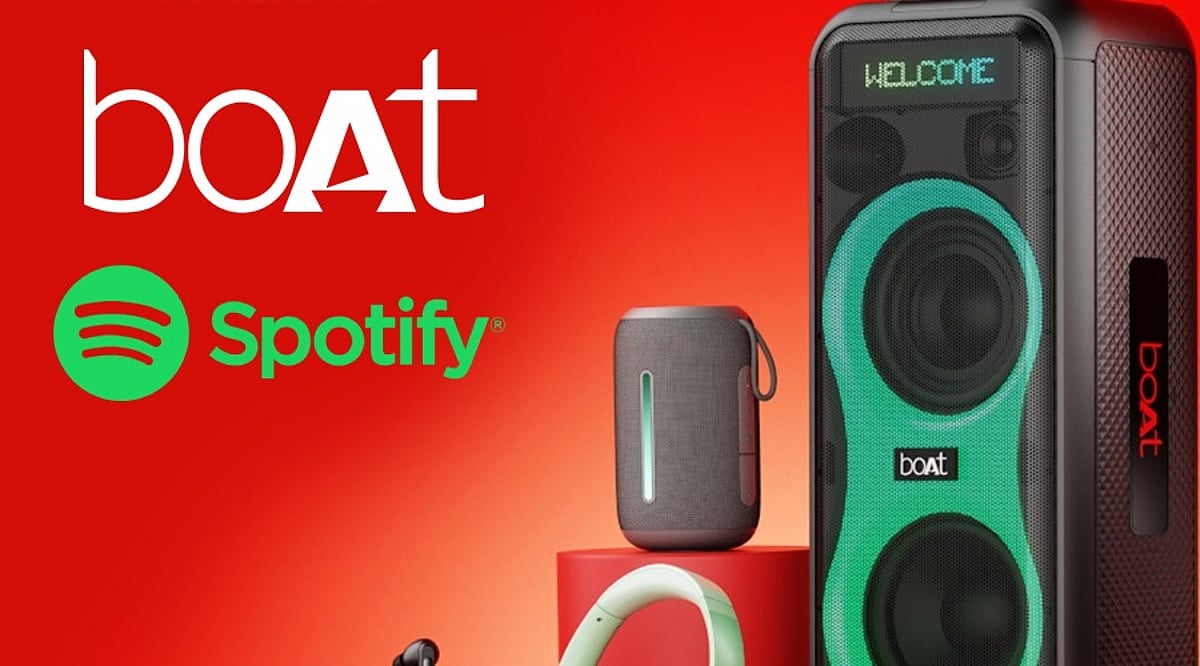
    boAt has announced a new partnership with Spotify Premium in India, offering customers a four-month subscription to the streaming service when they purchase select boAt audio products. The promotion includes ad-free music, offline playback, and enhanced audio quality.

    The deal, revealed on August 4, gives buyers access to Spotify Premium for the first 12 weeks at no extra cost. This offer applies to eligible boAt headphones and other audio devices, though the full list of qualifying products and the promotion’s end date have not been detailed by either company.

    A boAt spokesperson explained, ‘Our partnership with Spotify Premium brings together two essential parts of that experience: immersive sound and uninterrupted music.’ The spokesperson added that the campaign reflects the listening habits of young Indians today.

    To promote the partnership, boAt and Spotify have launched a campaign titled ‘HALF the Experience,’ featuring musician Chaar Diwari. The campaign visually represents an incomplete concert before the full music experience begins, highlighting the value of Spotify Premium.

    Spotify Premium removes advertisements, allows users to download songs for offline listening, and provides higher-quality audio for compatible content and devices.

    This announcement follows several recent product launches from boAt in India, including the Nirvana Eutopia 2 ANC headphones, priced at Rs. 5,999. Those headphones feature noise cancellation, 3D Spatial Audio, Bluetooth 5.4 support, and a claimed battery life of up to 80 hours.

    The partnership enables boAt to add more value to its audio products while giving Spotify a direct channel to reach potential Premium subscribers through device purchases.

  • RBI Holds Repo Rate at 5.25% in August: Key Takeaways for Borrowers and Investors

    RBI Holds Repo Rate at 5.25% in August: Key Takeaways for Borrowers and Investors

    The Reserve Bank of India (RBI) kept the repo rate unchanged at 5.25% during its August Monetary Policy Committee (MPC) meeting, signaling a cautious approach as inflation eases and global economic uncertainties persist. The central bank also maintained a neutral stance, indicating that future policy moves will depend on incoming data rather than a predetermined path.

    Governor Sanjay Malhotra noted that inflation remains within the RBI’s target range, while domestic growth continues to show resilience despite external risks. The policy aims to balance price stability with sustained economic growth amid ongoing global trade and geopolitical tensions.

    Inflation Forecast Lowered, Growth Outlook Maintained

    A key announcement was the RBI’s revised inflation outlook. The MPC lowered its FY27 CPI inflation forecast by 10 basis points to 5%, while retaining its view that inflation will peak in the third quarter before gradually easing. The central bank projects CPI inflation at 4.7% in Q2, 5.9% in Q3, 5.5% in Q4, and 5.3% in the first quarter of FY28. Core inflation for FY27 is estimated at 4.3%, and core inflation excluding precious metals is expected to remain below 4.3% during the fiscal year.

    At the same time, the RBI retained its GDP growth projection at 6.7%, reflecting confidence in India’s economic momentum. Strong domestic demand, government capital expenditure, and improving rural consumption were highlighted as key growth drivers despite a mixed global environment.

    Liquidity Measures Continue to Support the Banking System

    The RBI reiterated its commitment to ensuring sufficient liquidity in the financial system while maintaining an orderly money market environment. The central bank stated it would use liquidity management measures as needed to keep short-term interest rates consistent with the policy rate. Credit growth remains steady, supported by robust demand from retail and business customers. Banking system strength and ample liquidity levels will help sustain borrowing in key sectors of the economy.

    Global Risks Remain a Key Concern

    While domestic factors appear positive, the RBI warned that global uncertainties continue to pose risks to India’s economy. Key risk factors identified include geopolitical uncertainty, commodity price fluctuations, and changing trade policies of major economies. Capital flow and exchange rate dynamics in light of the evolving global interest rate scenario are also being closely monitored.

    “There is a need for greater clarity to emerge, especially regarding inflation, its path and composition before taking any policy action. Any such action would also have to consider the need for recalibration of policy rates in line with the evolving growth-inflation dynamics, especially the normalisation of the underlying inflation from its benign levels seen hitherto,” Governor Malhotra stated.

    Deficient and uneven Southwest monsoon across the subcontinent was highlighted as a major risk to India’s economy.

    What It Means for Borrowers and Investors

    With the RBI’s decision to keep interest rates unchanged, there will be no immediate changes in rates for mortgages, auto loans, and business credit. For investors, the policy reinforces expectations of rate stability, though future actions will depend on inflation and economic data.

    Analysts believe equity markets may welcome the RBI’s balanced approach, while bond markets could remain sensitive to upcoming inflation readings and global central bank actions. Market participants will closely track inflation trends, festive-season demand, and external developments to gauge the timing of any future policy changes.

  • Visa Layoffs 2026: 2,600 Jobs Cut Globally as Company Shifts Focus to AI

    Visa Layoffs 2026: 2,600 Jobs Cut Globally as Company Shifts Focus to AI

    Visa has announced the elimination of 2,600 positions worldwide, representing approximately 7% of its global workforce, as part of a strategic pivot toward artificial intelligence. The layoffs, which began on July 29, primarily affect technology and product teams, with India—home to over 3,500 Visa employees across Bengaluru, Mumbai, Chennai, and Hyderabad—experiencing significant cuts.

    Employees in India reported receiving sudden layoff emails between 4 a.m. and 5 a.m., with one team losing 10 of its 28 members. Senior staff and managers were not spared. The company has not disclosed the exact number of Indian employees affected in this round, but the move underscores a broader trend of multinational corporations reallocating resources from traditional tech roles to AI-driven initiatives.

    CEO Ryan McInerney has emphasized the role of agentic AI systems that can perform tasks with minimal human intervention, signaling a shift in how Visa’s technology teams will operate. The company aims to reduce costs and redirect investments toward higher-growth areas, with AI at the center of its strategy.

    Former Visa employee Arnab Das shared his experience on X, stating, “My entire team at Visa just got laid off, including my manager.” He noted that his former manager had strong performance reviews and had owned a product from start to finish. The incident highlights growing anxiety among tech workers about AI’s impact on job security.

    The Visa India layoffs add to mounting concerns in the country’s technology sector, where companies like Oracle, Volkswagen, and others have also trimmed staff while increasing AI investments. The trend suggests that technology workers may need to acquire new skills as organizations reshape their workforces around automation and machine learning.

  • World Bank Report: India Faces Lower AI Job Disruption Risk Compared to Wealthier Nations

    World Bank Report: India Faces Lower AI Job Disruption Risk Compared to Wealthier Nations

    India has less to fear from artificial intelligence than richer countries, according to a new World Bank report released in 2026. The report examines how AI could affect jobs worldwide and finds that developing nations face lower automation risks while potentially reaping productivity gains.

    The World Bank estimates that only 4.5% of jobs in low- and middle-income countries are at high risk of being automated by AI. In contrast, that figure rises to 14.2% in high-income countries, indicating greater job pressure in wealthier economies. The report also notes that AI could improve productivity in 16.2% of jobs across developing economies.

    “AI has thrown developing economies a lifeline, and they should seize it,” said Indermit Gill, the World Bank’s chief economist. Gill emphasized that smaller, locally adapted AI tools could enhance healthcare, education, agriculture, and public services.

    In India, AI could help farmers with crop advice and weather information. Healthcare workers could use AI tools to support medical checks in rural areas. Schools and government offices could leverage AI for learning and public service delivery.

    However, the report warns that India still faces risks in call centers, outsourcing, and entry-level technology jobs where AI could replace routine tasks.

    The World Bank recommends that countries first deploy existing AI tools and customize them for local needs. Advanced AI development can follow once basic digital infrastructure and skills are strengthened.

    To fully benefit from AI, India needs better electricity, internet access, skilled workers, useful data, and strong institutions. Building these foundations could help AI create widespread benefits without increasing inequality.