Cryptocurrency adoption continues to expand globally, and selecting the right exchange is more critical than ever. Despite ongoing regulatory uncertainty and market fluctuations, India remains one of the fastest-growing markets for crypto trading. According to CoinMarketCap Research, centralized exchanges recorded approximately $4.74 trillion in trading volume in June 2026, highlighting the sector’s immense scale.
Choosing an ideal cryptocurrency exchange involves more than just comparing trading fees. Key factors include security, regulatory compliance, liquidity, and the ability to safely store and transfer digital assets.
Prioritize Regulation and Compliance
The first checkpoint should always be regulatory compliance. Investors must opt for exchanges that adhere to Know Your Customer (KYC) and Anti-Money Laundering (AML) guidelines. In India, exchanges registered with the Financial Intelligence Unit (FIU-IND) offer an extra layer of compliance under local anti-money laundering laws. Leading global exchanges are also obtaining licenses to enhance investor protection through frameworks like Europe’s Markets in Crypto-Assets (MiCA) regulation.
Evaluate Security Infrastructure
Security is the most significant differentiator among exchanges. When opening an account, check whether the platform provides:
- Two-factor authentication (2FA)
- Cold storage for customer assets
- Withdrawal whitelist protection
- Proof of Reserves (PoR)
- Independent security audits
- Insurance mechanisms for certain digital assets
After major exchange failures, Proof of Reserves has become essential, as it allows users to verify that customer assets are fully backed.
Compare Liquidity and Trading Costs
High liquidity enables investors to execute trades with minimal price slippage, especially during volatile market conditions. Larger exchanges typically offer tighter spreads, deeper order books, and faster execution. Investors should compare:
- Spot trading fees
- Deposit and withdrawal charges
- Futures funding costs
- INR or fiat deposit availability
- Supported payment methods
While low fees are appealing, they should not be the sole criterion—security and liquidity are equally important.
Asset Selection and Features
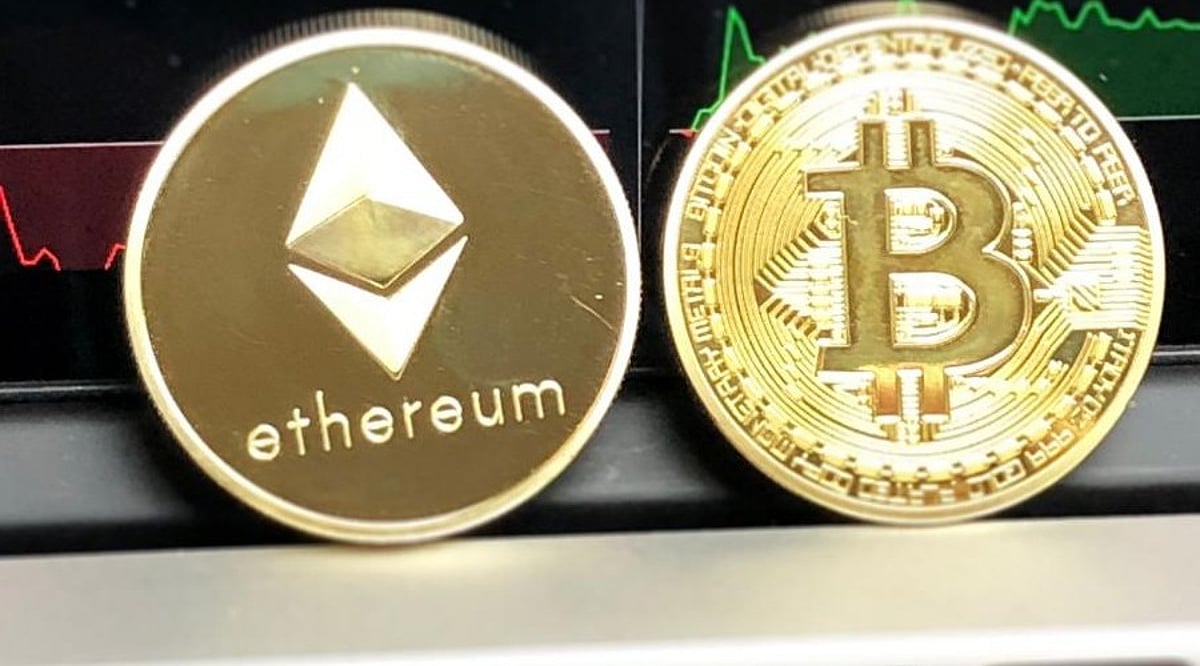
Investors have varying needs. Beginners may only require Bitcoin and Ethereum, while advanced traders seek features like staking, perpetual futures, margin trading, recurring buys, or institutional custody. Choose an exchange that aligns with your investment strategy rather than one with the largest token list.
Also Read: BitMart Announces Crypto Exchange Shutdown as BMX Crashes 81%
Customer Support and Transparency
Customer support is crucial, particularly during market volatility. Select exchanges that regularly share system status updates, publish clear reserve reports, disclose regulatory licenses, and respond promptly to user complaints. Review uptime history, incident reports, and community feedback to gauge reliability.
Why This Matters
With global trading volumes hitting trillions and adoption surging across India, choosing a regulated and secure exchange safeguards your capital against market volatility, cyber threats, and sudden exchange failures in an evolving regulatory environment.
Final Thoughts
When selecting the best cryptocurrency exchange in 2026, consider security, compliance, liquidity, and user-friendliness. Despite a strict tax regime, India remains a top country for grassroots crypto adoption. While low trading fees may seem attractive, they should not be the deciding factor. Prioritize platforms with strong reputations, robust regulation, solid security measures, and transparency for long-term success.
FAQs
1. What is the most important factor when choosing a cryptocurrency exchange?
Security should be the top priority. Choose an exchange with two-factor authentication (2FA), cold storage, Proof of Reserves, and a strong history of protecting customer assets.
2. Are FIU-registered crypto exchanges safer in India?
FIU-registered exchanges comply with India’s anti-money laundering regulations and KYC requirements. While registration doesn’t eliminate risk, it adds an extra layer of regulatory oversight.
3. Why does liquidity matter on a crypto exchange?
High liquidity allows trades to be executed faster with lower price slippage, especially during high market volatility or when placing large orders.
4. Should beginners use exchanges with hundreds of cryptocurrencies?
Not necessarily. Beginners often benefit more from exchanges offering major cryptocurrencies like Bitcoin and Ethereum, along with an easy-to-use interface and strong educational resources.
5. Is the lowest trading fee always the best option?
No. Low fees are beneficial, but security, regulatory compliance, transparency, liquidity, and reliable customer support are often more important for long-term investing success.