Tag: India

  • IITs Blacklist 22 Firms for Two Years After 150+ Job Offers Rescinded

    IITs Blacklist 22 Firms for Two Years After 150+ Job Offers Rescinded

    The Indian Institutes of Technology (IITs) have taken a strong stance against 22 companies that failed to honour job offers made to students graduating in 2026. The All IITs Placement Committee (AIPC) has decided to stop cooperating with these recruiters for the next two placement seasons, effectively imposing a temporary ban.

    The decision was made at a meeting held at IIT Guwahati earlier this month, and the affected companies will be formally notified by September 30. The move comes after more than 150 job offers across 23 IITs were withdrawn, with some companies pulling between 10 and 15 offers each. The AIPC described the action as “non-cooperation” rather than blacklisting, though the impact is similar.

    Oracle is reportedly among the companies affected, with campus sources claiming the firm withdrew around 40 offers. Several startups are also said to be on the list. The AIPC had given companies until September 15 to onboard students who had received offers, and this year’s figure is higher than last year’s reported 10–11 companies that failed to honour offers.

    To mitigate the impact on students, placement offices have circulated the CVs of affected candidates among companies currently recruiting on campus. The IITs are working to ensure that as many students as possible find alternative placements.

  • Samsung Wallet Adds On-Device Fingerprint Authentication for UPI Payments in India

    Samsung Wallet Adds On-Device Fingerprint Authentication for UPI Payments in India

    Samsung India has announced a significant update to its Samsung Wallet service, enabling users to make UPI payments using their Galaxy device’s fingerprint sensor. The new on-device biometric authentication eliminates the need to enter a UPI PIN for transactions up to ₹10,000, making digital payments as simple as unlocking a phone.

    This feature enhances user privacy by keeping biometric data on the device and reduces transaction failures caused by mistyped PINs. By combining convenience, speed, and robust security, Samsung Wallet aims to simplify everyday UPI payments for Indian consumers.

    The update is part of Samsung’s ongoing efforts to improve digital payment experiences in India, where UPI has become the dominant payment method. Users with compatible Galaxy devices can now enjoy a frictionless payment process without compromising security.

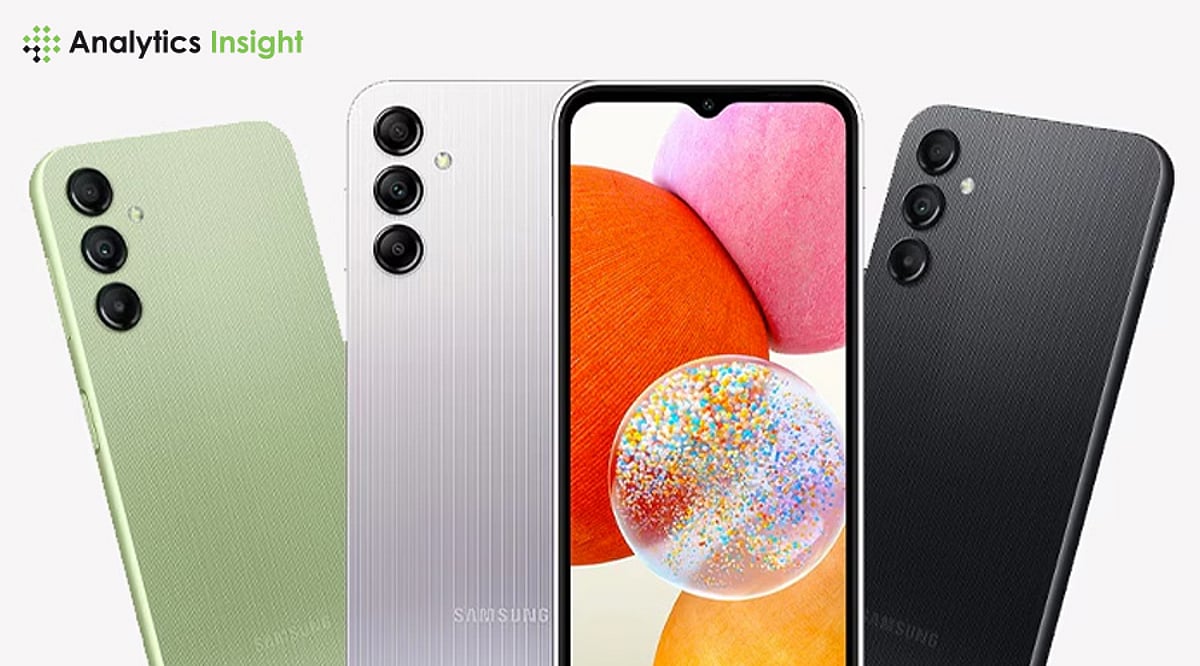
  • Top Samsung Smartphones Under ₹15,000 in 2026: Budget Picks with Long-Term Support

    Top Samsung Smartphones Under ₹15,000 in 2026: Budget Picks with Long-Term Support

    Samsung continues to dominate India’s budget smartphone segment, offering feature-packed devices under ₹15,000 as of late 2026. These phones combine smooth performance, attractive designs, and extended software updates—key factors for value-conscious buyers. Note that a global RAM shortage has nudged prices slightly above launch levels. Below are the top Samsung models in this price range, with detailed specs to help you choose.

    Samsung Galaxy M17 5G: The New All-Rounder Champion

    Launched in October 2025, the Galaxy M17 5G is Samsung’s standout pick in this segment. It features a 6.7-inch Full HD+ Super AMOLED display with a 90Hz refresh rate, up to 1,100 nits peak brightness, and Gorilla Glass Victus protection—a rare level of screen durability at this price. Powered by the Exynos 1330 chipset, it comes in 4GB, 6GB, and 8GB RAM variants, all with 128GB storage.

    The camera system includes a 50MP main sensor with OIS, a 5MP ultra-wide lens, and a 2MP macro camera, plus a 13MP front camera. It runs One UI 7 on Android 15, backed by six years of OS and security updates, and supports Gemini Live AI features. A 5,000mAh battery with 25W fast charging and an IP54 rating round out the package. Pricing starts at ₹12,499 (4GB/128GB) and goes up to ₹15,499 (8GB/128GB).

    Samsung Galaxy F16 5G: Reliable Mid-Range Value

    The Galaxy F16 5G remains a strong option, with prices now between ₹12,499 (4GB/128GB) and ₹15,499 (8GB/128GB) after segment-wide adjustments. It keeps the 6.7-inch Full HD+ Super AMOLED 90Hz display and runs on the MediaTek Dimensity 6300 chipset. The 50MP main + 5MP ultra-wide + 2MP macro rear camera and 13MP front camera are unchanged. It ships with One UI 7 on Android 15 with six years of updates, and packs a 5,000mAh battery with 25W charging. A dependable all-rounder for those who want AMOLED quality without stretching to the M17.

    Samsung Galaxy M07: Best Budget Pick Under ₹11,000

    Launched quietly in October 2025, the Galaxy M07 is one of Samsung’s most affordable current models, priced around ₹10,999–₹11,999. It features a 6.7-inch HD+ display with 90Hz refresh rate, MediaTek Helio G99 chipset, 4GB RAM, and 64GB storage (expandable via microSD). The camera setup includes a 50MP main sensor and a 2MP depth sensor, with an 8MP front camera. It runs Android 15 with One UI 7 and six years of updates, plus a 5,000mAh battery with 25W fast charging and IP54 rating. Ideal if battery life and software support matter more than display resolution.

    Samsung Galaxy M16 5G: Still a Solid Value Pick

    The Galaxy M16 5G remains available and has become more affordable, now retailing around ₹10,999–₹13,999. It retains the Dimensity 6300 chipset, 6.7-inch Super AMOLED 90Hz display, 5,000mAh battery with 25W charging, and the 50MP+5MP+2MP rear camera with 13MP front camera. Six years of OS updates on One UI 7 / Android 15 are still promised. A great choice for budget-minded shoppers who want AMOLED quality.

    Samsung Galaxy A06 5G: Budget 5G Entry

    The Galaxy A06 5G is Samsung’s entry point for 5G connectivity under ₹13,000, priced at roughly ₹12,499. It runs on the MediaTek Dimensity 6300 chipset, features a 6.7-inch display, and includes a 50MP + 2MP dual rear camera with an 8MP front camera. The 5,000mAh battery supports fast charging. This is a practical no-frills option for first-time 5G buyers on a tight budget.

    Main Considerations for Purchasers

    Each model excels in specific areas: the M17 5G and F16 5G prioritize display and camera quality, the M07 emphasizes battery life and affordability, while the M16 5G and A06 5G focus on cost efficiency. Camera performance is consistent across the range with 50MP sensors, though low-light capability trails higher tiers. Nearly all models here now support 5G, and Samsung’s six-year OS and security update commitment has become a standard differentiator for its budget lineup.

    Conclusion: Samsung’s Budget Dominance Continues

    Samsung’s offerings under ₹15,000 in late 2026 represent a blend of endurance, performance, and value. The Galaxy M17 5G leads for the best display and camera, while the F16 5G and M16 5G offer similar experiences at lower costs. The M07 and A06 5G round out the list for the most budget-conscious buyers. Long software support across the range keeps these devices competitive, cementing Samsung’s position in India’s budget smartphone market.

  • 10 TravelTech Startups Shaping India’s Travel Industry in 2026

    10 TravelTech Startups Shaping India’s Travel Industry in 2026

    Key Takeaways

    • India’s TravelTech ecosystem now extends far beyond traditional flight and hotel bookings.
    • AI, fintech, visas, mobility, and personalized experiences are creating new opportunities across travel.
    • Major companies such as OYO, MakeMyTrip, ixigo, Rapido, Atlys, and Scapia continue to expand their market presence.

    India’s TravelTech market now reaches far beyond flight and hotel bookings. Online travel, hotels, mobility, travel finance, visa services, travel software, and holiday experiences now form a much larger digital ecosystem. Inc42 tracks about 1,562 TravelTech startups in India, including 261 funded companies and more than USD 19.2 billion in cumulative funding. The online travel market reached about USD 23.1 billion in 2025 and could rise to USD 33.9 billion by 2030.

    The market also shows a clear shift toward specialized travel products. Large platforms focus on scale, while newer companies target visas, travel credit, group holidays, and AI-based trip planning. Here are 10 major names that stand out in the Indian TravelTech sector in 2026.

    OYO Takes Hospitality Tech Beyond Hotel Bookings

    OYO remains one of India’s largest hospitality technology companies. Its business covers hotel aggregation, franchising, hotel management, and technology services. Inc42 places OYO’s cumulative funding at about USD 3.71 billion, which puts the company among the most funded names in India’s TravelTech sector. OYO’s role now goes beyond a simple hotel reservation platform. Its technology supports hotel owners and helps OYO manage a large hospitality network across several markets.

    MakeMyTrip Builds Scale Across Travel Categories

    MakeMyTrip remains a major online travel platform with services across flights, hotels, buses, and holiday packages. Its Q1 FY27 results show USD 2.9 billion in gross bookings, a 19.9% year-over-year rise in constant currency, and 16.1% revenue growth in constant currency. Hotels and packages rose 21.3%, while bus ticketing rose 32.4%. These figures show a wider travel mix rather than a business that depends only on air tickets. Hotels, buses, and other travel services now hold a larger place within the platform.

    Rapido Pushes Mobility into the TravelTech Mix

    Rapido sits at the intersection of mobility and TravelTech. The company raised USD 240 million in 2026 at a reported USD 3 billion valuation. Inc42 places its cumulative funding at about USD 1.53 billion. The company has focused on a broad mobility network and stronger technology. Its position matters for TravelTech since transport often forms a key part of a trip, especially within cities and across short distances.

    ixigo Targets the Mass Travel Market

    ixigo covers trains, flights, buses, and hotels through one digital platform. The company reported 544 million annual active users in FY25. Its strategy also places a strong focus on artificial intelligence and digital travel decisions. The company’s large user base gives it a strong position across several parts of the Indian travel journey. Its product can serve travelers who need rail, bus, air, or hotel options from one platform.

    RateGain Powers Travel Businesses from the B2B Side

    RateGain represents a different side of TravelTech. Its software serves hotels, airlines, car rental companies, and other travel businesses through revenue management, distribution, and data solutions. RateGain reported Rs. 785.01 crore in Q1 FY27 revenue, along with Rs. 171.53 crore in operating profit and Rs. 94.91 crore in net profit. Inc42 places its cumulative funding at about USD 236.7 million. Its business shows how Indian TravelTech can serve companies rather than travelers alone.

    EaseMyTrip Expands Beyond Air Tickets

    EaseMyTrip declared gross booking revenue of Rs. 8,376 crore for FY26, and the gross booking revenue of the company amounted to Rs. 2,138 crore in Q4 FY26. Revenue from operations of the company in Q4 reached Rs. 152 crore, which increased by 8.9% on a year-over-year basis. The company has also announced a Vision 2030 plan based on areas such as AI, international travel, and non-air travel segments. To execute the plan, EaseMyTrip is looking to raise up to Rs. 500 crore.

    Atlys Digitizes the Visa Process

    Atlys focuses on one of the hardest parts of international travel: visa applications. The company raised USD 36 million in Series C funding in 2026, which took its total funding to about USD 84.25 million across five rounds. Atlys offers a clear example of how TravelTech can solve a problem before the flight or hotel booking even starts. Its model connects travel demand with visa services through a digital process.

    Scapia Connects Travel with Fintech

    Scapia combines travel with financial services through credit cards, travel bookings, rewards, and payments. In 2026, the company raised USD 63 million in a round led by General Catalyst. The deal valued Scapia at more than USD 500 million and took total funding to about USD 126 million. The company shows a clear shift toward travel products that combine booking with payment and financial benefits.

    WanderOn Focuses on Experience-Led Holidays

    WanderOn targets group trips, road trips, treks, adventure travel, and curated experiences. The company raised Rs. 54 crore in Series A funding in January 2026, with DSG Consumer Partners and Client Associates Alternate Fund among the investors. Before that round, WanderOn said it had crossed Rs. 100 crore in business. The new capital supports destination growth, adventure travel, sports travel, wellness travel, technology, and international expansion.

    30 Sundays Brings AI into Holiday Planning

    30 Sundays focuses on personalized holiday planning and combines trip discovery, planning, booking, and concierge services. The company raised Rs. 61 crore in Series A funding from Bessemer Venture Partners and existing investors in 2026. The company reported an annualized gross booking value run rate of about Rs. 200 crore. Its model points to a new type of travel platform where artificial intelligence can help turn a broad travel idea into a complete holiday plan.

    A Broader TravelTech Market Takes Shape

    These 10 companies show how wide India’s TravelTech sector has become. OYO and MakeMyTrip operate at large consumer scale, while RateGain serves travel businesses. Atlys tackles visas, Scapia connects travel with fintech, WanderOn focuses on experiences, and 30 Sundays brings AI into holiday planning. The strongest shift lies in the scope of the travel journey. A modern TravelTech company does not need to sell only a flight or hotel room. It can handle transport, finance, visas, experiences, business software, or the full holiday plan. That wider market gives Indian TravelTech a much larger field for new products and business models.

    FAQs

    1. What is TravelTech? TravelTech refers to technology-based products and services that support travel, including bookings, mobility, hotels, visas, payments, software, and trip planning.
    2. Which TravelTech companies are prominent in India in 2026? The article covers OYO, MakeMyTrip, Rapido, ixigo, RateGain, EaseMyTrip, Atlys, Scapia, WanderOn, and 30 Sundays.
    3. How is AI affecting India’s TravelTech sector? AI now supports areas such as personalized trip planning, travel recommendations, customer service, and travel-related decision making.
    4. Is TravelTech limited to online travel booking? No. The sector now includes hospitality, mobility, travel software, visa services, fintech, group travel, experiences, and AI-powered planning.
    5. Why is India’s TravelTech market important? Its growth reflects rising digital adoption across travel and creates opportunities for companies that solve specific problems throughout the traveler’s journey.

  • NSE Shares Climb 5% on Debut, Boosting Market Value by Rs 22,000 Crore

    NSE Shares Climb 5% on Debut, Boosting Market Value by Rs 22,000 Crore

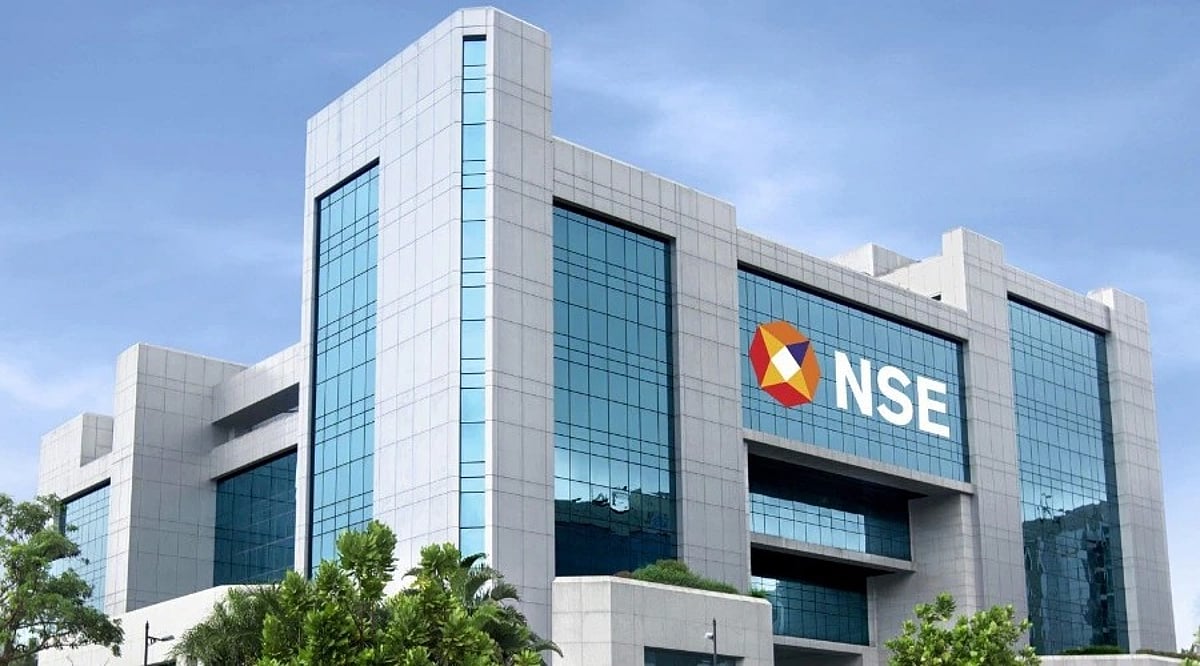
    The National Stock Exchange of India (NSE) made a strong entrance into the public market on Thursday, September 24, with shares rising 5.21% above their initial public offering (IPO) price on the first day of trading. The stock opened at Rs 1,800 on the BSE, surpassing the IPO price of Rs 1,785, and later peaked at Rs 1,878. This performance added approximately Rs 22,000 crore to the exchange’s market capitalization, pushing it to about Rs 4.64 lakh crore.

    NSE Stock Climbs Above IPO Price

    NSE shares started trading 0.84% above the issue price and quickly gained momentum, reaching a high of Rs 1,878. At this level, the exchange’s market value stood at roughly Rs 4.64 lakh crore, nearly Rs 22,000 crore above its valuation at the issue price. By 11:04 a.m., the stock traded at Rs 1,839, giving NSE a market cap of about Rs 4.56 lakh crore—placing it among the world’s 10 largest listed exchanges and India’s 10 most valuable listed companies at that moment. In comparison, rival exchange BSE, which listed in 2017, had a market value of approximately Rs 1.32 lakh crore.

    NSE’s debut contrasted sharply with other major Indian IPOs. Hyundai Motor India fell more than 7% on its first trading day in 2024, Life Insurance Corporation of India dropped nearly 8% in 2022, and Paytm shares lost over 27% on their 2021 debut.

    IPO Attracts Nearly Six Times the Shares on Offer

    NSE’s Rs 22,560-crore IPO (about USD 2.4 billion) was the country’s second-largest, after Hyundai Motor India’s offering. The public portion drew bids for 505.81 million shares against 88.64 million available, resulting in overall demand of about 5.7 times the shares offered. Institutional and large investors led the charge. Before the public offer, NSE allotted 37.79 million shares to anchor investors at Rs 1,785 each, raising Rs 6,746 crore. Existing shareholders sold shares through the IPO, with NSE receiving no new capital from the sale. Retail investors bid for only slightly more shares than their reserved portion.

    NSE first filed for an IPO in 2016, but regulatory disputes and legal proceedings delayed the listing for years. Recent tighter rules for derivatives trading and lower trading volumes prompted the exchange to reduce the offer size and lower its IPO price.

    Analysts Comment on NSE’s Longer-Term Prospects

    Deven Choksey, managing director of DRChoksey Finserv, described NSE as a ‘deep value’ investment, highlighting the exclusive nature of the exchange business, the trading activity on established platforms, and the potential for new products. ‘The exchange business is exclusive. It’s not a common business,’ he said. Choksey advised investors who missed an IPO allotment to buy shares gradually and hold them for three to five years. He also projected that NSE could benefit if India’s total stock market value rises over the next decade.

    VK Vijayakumar, chief investment strategist at Geojit Investments, noted that NSE could offer a long-term opportunity ‘if the NSE stock becomes available in today’s trade at a fair price.’

  • PayGlocal Receives IFSCA In-Principle Approval for GIFT City Payment Services Subsidiary

    PayGlocal Receives IFSCA In-Principle Approval for GIFT City Payment Services Subsidiary

    PayGlocal, a Bengaluru-based fintech company, has secured in-principle approval from the International Financial Services Centres Authority (IFSCA) to establish a wholly owned subsidiary as a Payment Service Provider (PSP) in GIFT City. The proposed entity is designed to serve businesses operating in international markets, with plans to offer cross-border money transfers, account services, and merchant payment solutions.

    Scope of the IFSCA Approval

    The IFSCA approval enables PayGlocal to issue e-money accounts, facilitate cross-border transfers, and provide merchant acquisition services—allowing businesses to accept payments seamlessly. The company has not yet announced when operations will commence or whether final authorization has been obtained.

    PayGlocal intends to develop international payment services through its GIFT-IFSC entity while continuing its technology and operational work from India. The subsidiary will serve as a base for these services once all required approvals are in place.

    Existing Regulatory Permissions

    The GIFT City approval adds to PayGlocal’s existing regulatory footprint. Last year, the company received final authorization from the Reserve Bank of India (RBI) to operate as a Payment Aggregator-Cross Border, covering both inward and outward payments. Additionally, PayGlocal has registered as a Money Services Business with the U.S. Financial Crimes Enforcement Network (FinCEN), supporting its expansion into the American market.

    CEO’s Vision and Future Plans

    Prachi Dharani, co-founder and CEO of PayGlocal, emphasized the company’s mission to simplify cross-border money movement for businesses. “PayGlocal is building something from India that can become a trusted part of how businesses transact with the world,” she said. Dharani added that the company aims to make cross-border payments feel as straightforward as domestic transactions.

    Looking ahead, PayGlocal plans to help Indian merchants reach overseas customers, enter new markets, and develop localized options for collecting and making payments. The company did not disclose specific markets or a launch timeline.

    Company Background

    Founded in 2021, PayGlocal serves businesses in exports, retail, travel, education, and software services. Its product suite includes multi-currency accounts, payment gateways, and solutions for international merchants to accept payments from Indian customers via UPI, cards, and netbanking. The platform supports over 130 currencies and more than 40 global and local payment methods. PayGlocal has not specified which of these services the GIFT City entity will offer initially.

  • Credit Card Spending Surges: HDFC, SBI Card, ICICI, and Axis Drive Rs 1.58 Lakh Crore in July 2026

    Credit Card Spending Surges: HDFC, SBI Card, ICICI, and Axis Drive Rs 1.58 Lakh Crore in July 2026

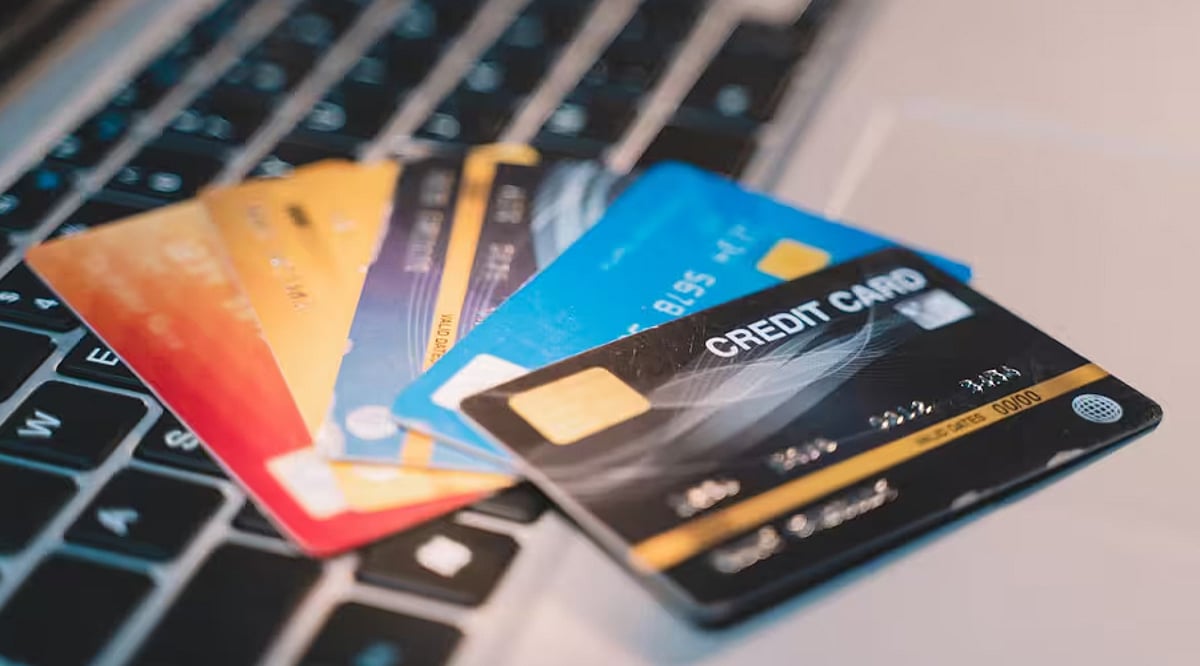
    India’s top four credit card issuers recorded a combined spending of nearly Rs 1.58 lakh crore in July 2026, underscoring the dominance of major banks in the country’s expanding card payments market. HDFC Bank, SBI Card, ICICI Bank, and Axis Bank continued to account for the bulk of transactions as overall card usage stayed above the Rs 2 lakh crore mark for the third straight month.

    HDFC Bank Leads the Pack

    HDFC Bank remained India’s largest credit card issuer by spending in July 2026, with transactions worth approximately Rs 60,218 crore. The bank captured nearly 28.9% of the country’s total credit card spending, recording a 1.3% increase from June and an 11.9% rise year-on-year.

    SBI Card Holds Strong Despite Monthly Dip

    SBI Card reported around Rs 39,592 crore in credit card spending during July 2026. While spending slipped 3.6% from June, the issuer still logged robust annual growth of roughly 21.6%. SBI Card held about 19% of the overall credit card spending market, according to industry data.

    ICICI Bank Shows Strong Monthly Recovery

    ICICI Bank’s credit card spending reached approximately Rs 34,025 crore in July 2026. The lender posted one of the strongest monthly recoveries among the leading issuers, with spending climbing 8.3% from June. However, July spending remained below the year-ago level, based on RBI data.

    Axis Bank Posts Solid Monthly Growth

    Axis Bank recorded around Rs 23,825 crore in credit card spending during July. Its spending rose 7.4% month-on-month, a stronger monthly performance than HDFC Bank and SBI Card. Axis accounted for about 11.4% of total industry spending, and its credit card base remained among India’s largest.

    India’s Total Credit Card Spending Remains Above Rs 2 Lakh Crore

    Overall credit card spending in India reached roughly Rs 2.08 lakh crore in July 2026, up 3.4% from June and 7.4% from July 2025. The total stayed above the Rs 2 lakh crore threshold for the third consecutive month, signaling continued momentum in card-based payments.

    Credit Card Base Continues to Expand

    India had around 12.29 crore credit cards outstanding by July 2026. Banks added a net 1.26 million cards during the month, an 11.5% increase over June additions. Transaction volumes climbed 24.5% year-on-year to about 60.5 crore, while the average transaction value declined to nearly Rs 3,440.

  • 2026 QLED TV Buying Guide: Top Models for India and Expert Tips

    2026 QLED TV Buying Guide: Top Models for India and Expert Tips

    Introduction

    A QLED TV offers more than just a large screen and high resolution. Its quantum dot technology delivers deeper contrasts, more vibrant colors, and superior brightness, transforming your home entertainment experience. Since early 2025, the Indian QLED market has evolved significantly. Mini-LED backlighting is now standard on mid-range models, and native 144Hz panels are available under ₹60,000. New brands like Lumio have raised the bar for budget QLED performance, making 2026 an exciting year for buyers.

    Key Features to Consider

    • Refresh Rate (Hz): Standard TVs run at 60Hz, but 120Hz is common in mid-range sets, and 144Hz panels are now widely available in India. Higher refresh rates reduce motion blur for sports and gaming.
    • Local Dimming: This feature allows different parts of the screen to adjust brightness independently, boosting contrast by making dark areas blacker and bright areas whiter within the same scene.
    • HDR (High Dynamic Range): HDR displays a wider range of brightness levels, preserving details in both very bright and very dark areas for a more realistic image with greater depth.
    • Gaming Features: Auto Low Latency Mode (ALLM) reduces input lag, while Variable Refresh Rate (VRR) eliminates screen tearing. Premium 2026 models often include sub-6ms input lag and full HDMI 2.1 support.

    Top QLED TVs in India for 2026

    1. Acer 139 cm (55 inches) Super Series 4K Ultra HD Smart QLED Google TV

    The Acer Super Series stands out with its powerful 80W PRO speakers and GIGA Bass, delivering room-filling sound without external audio. MEMC technology reduces motion blur in fast scenes, and AI picture optimization automatically adjusts settings. Dolby Vision enhances contrast and color accuracy, while Google TV provides easy access to streaming services.

    Pros: Exceptional color accuracy; powerful 80W speakers with rich bass. Cons: No Dolby Vision IQ support; limited premium app availability.

    2. TCL 139 cm (55 inches) 4K Ultra HD Smart QLED Google TV 55C61B

    The TCL 55C61B excels in motion handling with a 120Hz refresh rate, making it ideal for sports and action content. The ONKYO 2.1 channel speakers provide balanced sound, often eliminating the need for a soundbar. Dolby Vision and AI-enhanced picture quality ensure optimal viewing across different content types.

    Pros: Excellent motion clarity for sports and gaming; quality ONKYO speakers. Cons: Limited HDMI ports; slightly lower brightness than premium models.

    3. Lumio Vision 9 (2026) [NEW]

    Marketed as a flagship killer, the Lumio Vision 9 brings 144Hz refresh rates to the budget segment across 55-inch and 65-inch sizes. It targets buyers who want high-speed performance without the flagship price tag.

    Pros: 144Hz at a budget price; strong value for gamers. Cons: Newer brand with a shorter service track record.

    4. LG QNED evo QNED85B

    Built for sunlit Indian living rooms, this model holds saturation and clarity against heavy ambient light. Full HDMI 2.1 gaming support pairs with LG’s Magic Remote for easy navigation. It’s a solid choice for bright-room daytime viewing.

    Pros: Excellent bright-room performance; full HDMI 2.1 gaming support. Cons: Colors can look less punchy in dark rooms.

    5. Hisense 139 cm (55 inches) E68N Series 4K Ultra HD Smart Google QLED TV

    The Hisense E68N Series offers vibrant colors and sharp contrast at an affordable price. Quantum Dot display and Dolby Vision support enhance content, while Google TV integration provides voice control and easy access to streaming services.

    Pros: Vibrant colors at an affordable price point; user-friendly interface. Cons: 24W speakers insufficient for larger rooms; standard 60Hz refresh rate.

    6. TOSHIBA 164 cm (65 inches) C450NP Series 4K Ultra HD Smart QLED TV

    The Toshiba C450NP Series provides a large 65-inch screen for an immersive experience. Quantum Dot technology delivers good contrast and rich colors on the large display, and the VIDAA TV platform offers easy navigation and access to streaming apps.

    Pros: Immersive large-screen experience; straightforward user interface. Cons: Basic 24W speakers; 60Hz refresh rate limits gaming performance.

    Finding Your Perfect QLED TV

    When selecting a QLED, consider your room size and viewing distance. For an average living room, a 55-inch screen is ideal; larger rooms benefit from 65 inches or more. Brightness is key for well-lit rooms—look for models with at least 1000 nits for the best daytime viewing. Gamers should prioritize higher refresh rates, ALLM, VRR, and HDMI 2.1 support. Movie lovers should focus on color accuracy and HDR quality. Budget shoppers should rank their must-have features before comparing prices.

    Conclusion

    QLED technology continues to improve picture quality through better color reproduction, contrast, and brightness. The models on this updated list reflect where the Indian market stands in September 2026, with 144Hz panels and HDMI 2.1 support now reaching budget tiers that lacked them a year ago. Each pick suits a different need, from premium gaming to bright-room daytime viewing. These aren’t just better specs on paper—they translate into daily viewing that feels sharper, smoother, and more lifelike than ever before.

  • NSE IPO Set for BSE Debut on September 24: Grey Market Premium Drops to Rs 45.5

    NSE IPO Set for BSE Debut on September 24: Grey Market Premium Drops to Rs 45.5

    NSE’s Long-Awaited Public Debut

    The National Stock Exchange of India (NSE) is set to begin trading on the BSE on September 24, after its Rs 22,562 crore initial public offering attracted solid demand from both retail and institutional investors. The IPO closed on September 21, and the listing marks NSE’s first appearance as a publicly traded company.

    Because the offering is structured as an offer for sale (OFS), the proceeds will go to existing shareholders rather than to the exchange itself. The issue carried a price band of Rs 1,700 to Rs 1,785, with eight shares per lot.

    GMP Cools Ahead of Listing

    Heading into the debut, the grey market premium (GMP) has cooled sharply, signaling more measured expectations among unofficial market participants. Moneycontrol reported a GMP of around Rs 45.5 on September 22, implying a listing price of roughly Rs 1,830 — about 2.55% above the upper end of the IPO price band.

    Earlier estimates had been stronger, with Business Standard reporting a Rs 68 GMP and Mint later citing Rs 81. These unofficial premiums can change quickly before shares begin trading, and the actual listing price may differ from grey market expectations.

    Subscription Highlights

    According to exchange data, the NSE IPO was subscribed 5.71 times by the final bidding day. Institutional demand led the way:

    • Qualified institutional buyers: 12.68 times
    • Non-institutional investors: 6.55 times
    • Retail investors: 1.39 times

    What to Watch on Listing Day

    Trading is expected to begin around 10 AM IST on Thursday, September 24, with the BSE hosting the debut. Market observers have highlighted NSE’s strong position across Indian capital markets and its diversified financial infrastructure.

    Shivani Nyati of Swastika Investmart said the IPO could deliver “minor listing gains,” while also emphasizing the company’s long-term investment case. The opening price will show whether strong institutional participation can overcome the recent cooling in grey market sentiment.

  • NSE IPO Shares Debut at Rs 1,809 on BSE, Marking a 1.35% Premium Over Issue Price

    NSE IPO Shares Debut at Rs 1,809 on BSE, Marking a 1.35% Premium Over Issue Price

    The National Stock Exchange of India (NSE) made its public-market debut on Thursday, September 24, with shares listing on the BSE at Rs 1,809.10, a modest 1.35% premium over the IPO issue price of Rs 1,785. This milestone marks the first time India’s largest stock exchange has traded publicly, following a massive Rs 22,561.57-crore initial public offering.

    The IPO, which opened for subscription on September 17 and closed on September 21, saw strong demand across investor categories. The overall subscription stood at 5.71 times, with bids for 50.58 crore shares against 8.86 crore shares on offer. Qualified institutional buyers led the charge with a 12.68 times subscription, while non-institutional investors subscribed 6.55 times and retail investors 1.39 times. The allotment was finalized on September 22.

    Since the IPO was entirely an offer for sale (OFS), NSE itself will not receive the proceeds. Instead, the funds will go to existing selling shareholders after applicable expenses and taxes.

    Grey-market premiums had signaled a relatively subdued opening, with unofficial estimates suggesting an indicative price of around Rs 1,825. However, the actual listing at Rs 1,809.10 fell slightly below that mark. The stock later touched Rs 1,844 in early trading, pushing the gain over the issue price to about 3.31%.

    The listing gives investors direct exposure to one of India’s most critical market infrastructure institutions and is seen as a landmark event for the country’s capital markets.