Tag: NVIDIA

  • NVIDIA CEO Jensen Huang: OpenAI GPT-6 Astra Marks the Arrival of AGI

    NVIDIA CEO Jensen Huang: OpenAI GPT-6 Astra Marks the Arrival of AGI

    NVIDIA CEO Jensen Huang has declared that artificial general intelligence (AGI) has officially arrived, attributing the milestone to OpenAI’s newly launched GPT-6 Astra model. In a post on X (formerly Twitter) on September 6, Huang congratulated OpenAI and noted that the journey from ChatGPT to o1 to Astra took just four years. He emphasized that Astra was trained using more than 100,000 NVIDIA Grace Blackwell NVLink72 systems, with an additional 400,000 GPUs expected to come online soon. Huang initially posted a figure of 300,000 systems before deleting and correcting it to the smaller number.

    OpenAI launched GPT-6 Astra on September 3, describing it as its most capable and aligned model to date. The company claims Astra achieves state-of-the-art performance on benchmarks such as FrontierMath Tier 4, ARC-AGI-3, and TerminalBench-4.0, and scored 100 percent on ExploitBench. The model is designed to handle a wide range of tasks, including computer use, software engineering, cybersecurity, and scientific research. OpenAI President Greg Brockman had already framed the launch as the beginning of the AGI era, and Huang’s endorsement added external weight to that claim.

    However, the AGI label remains contentious. There is no universally accepted definition of AGI across the industry. OpenAI itself defines it as a highly autonomous system that outperforms humans at most economically valuable work. Many researchers argue that Astra still requires task-specific guidance in several areas and has not been independently verified to match human-level reasoning across all domains. Huang’s declaration has drawn pushback from AI researchers who view it as more of a marketing statement than a technical milestone, especially given NVIDIA’s financial stake in large-scale AI training runs. The debate over what truly constitutes AGI is likely to intensify as more labs release models with similar claims.

  • NVIDIA DLSS 5 Confirmed for RTX 40 Series: Key Details for Gamers

    NVIDIA DLSS 5 Confirmed for RTX 40 Series: Key Details for Gamers

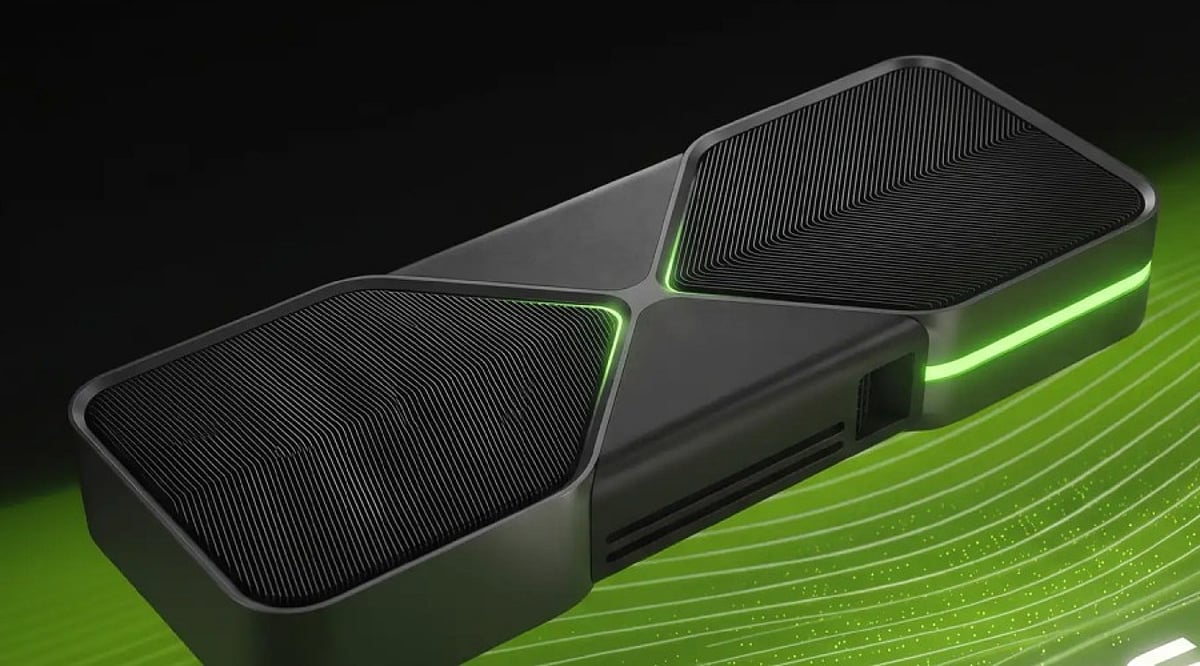
    NVIDIA has officially confirmed that DLSS 5, the latest iteration of its AI-powered upscaling technology, will not be exclusive to the RTX 50 series. The company plans to bring DLSS 5 to GeForce RTX 40 series graphics cards as well, offering a significant performance and visual boost to a wider audience.

    DLSS 5 introduces 3D-Guided Neural Rendering, which enhances lighting, shadows, skin, hair, and foliage in real time. The technology goes beyond previous versions by delivering more natural light behavior, improved global illumination, and richer material details—all without sacrificing performance. NBA 2K27 is the first game to support DLSS 5, giving players an early look at what neural rendering can achieve.

    While RTX 50 series cards will have an initial advantage, NVIDIA is actively working to optimize DLSS 5 for the fourth-generation Tensor cores in RTX 40 GPUs. A specific launch date for RTX 40 support has not been announced, but the company suggests it could arrive within a few months. This means gamers who already own an RTX 40 card may not need to upgrade immediately to enjoy the new features.

    For those considering a switch to an RTX 50 card solely for DLSS 5, patience is advised. The RTX 40 version is in development, and once released, it will bring the technology to a much larger PC gaming audience. This move by NVIDIA ensures that more gamers can experience cutting-edge AI enhancements without replacing their current hardware.

  • AMD Stock Drops 7% Despite Record Q2 Revenue as AI Expectations and SpaceX’s NVIDIA Deal Weigh

    AMD Stock Drops 7% Despite Record Q2 Revenue as AI Expectations and SpaceX’s NVIDIA Deal Weigh

    Advanced Micro Devices (AMD) shares closed 7% lower on Wednesday, even as the company reported record second-quarter revenue of $11.54 billion and a 107% surge in data-center sales. The decline highlights how elevated market expectations and external pressures, including SpaceX’s decision to exclusively use NVIDIA chips, overshadowed strong financial results.

    AMD Q2 Revenue Up 50%

    AMD posted revenue of $11.54 billion, up 50% from $7.69 billion a year earlier, and above the $11.28 billion analyst consensus cited by Reuters. Non-GAAP earnings reached $1.66 per share, while GAAP earnings were $1.38 per share. Data-center revenue rose 107% to $6.72 billion, accounting for 58% of quarterly sales, driven by demand for EPYC server processors and Instinct graphics processors.

    The company forecast third-quarter revenue near $13 billion, with a possible $300 million swing, exceeding the $12.52 billion analyst estimate. However, analysts noted that investors had set a higher bar after recent customer deals. Gross margin improved to 54% under standard accounting, up from 40% a year earlier. Operating income hit $1.99 billion, compared with a $134 million loss, and net income jumped 163% to $2.30 billion.

    SpaceX Chooses NVIDIA for AI Systems

    SpaceX CEO Elon Musk announced that the company would build its AI computing systems exclusively with NVIDIA hardware, calling NVIDIA’s architecture “the best” during SpaceX’s earnings call. NVIDIA shares rose 3.4% while AMD stock fell. Musk’s statement shifted from his earlier position that his companies could source processors from AMD, NVIDIA, and others. AMD CEO Lisa Su expressed “tremendous respect” for Musk and said AMD expects to work with SpaceX over time.

    AMD continues to serve large technology companies and expand its AI product line. Its Helios rack-scale systems, using MI450 accelerators, support AI training and inference, with shipments expected to rise in the second half of 2026.

    Wells Fargo Raises AMD Price Target to $700

    Wells Fargo analyst Aaron Rakers raised AMD’s price target from $615 to $700 while maintaining an Overweight rating, even as the market focused on valuation and near-term growth. Other analysts described the results as solid but noted a “very high bar” (TD Cowen) and that the quarter beat consensus but missed more optimistic forecasts (Deutsche Bank). Supply constraints, including TSMC’s N3 process and CoWoS packaging through 2027, remain on investors’ watchlists.

    CEO Lisa Su expects data-center revenue to more than double by 2027, with server revenue growth of 80% in the second half of 2026 and over 70% year-over-year in 2027. AMD stock closed at $482.53, down 6.6%, erasing nearly $59 billion in market value.

  • NEO Semiconductor Launches AI Memory Platform, Moove Secures $250M for Robotaxi Expansion

    NEO Semiconductor Launches AI Memory Platform, Moove Secures $250M for Robotaxi Expansion

    Good morning, tech enthusiasts! Here are the top tech updates you need to know today, from groundbreaking AI memory innovations to major funding in autonomous mobility.

    NEO Semiconductor Unveils NEO.AI Memory Platform

    NEO Semiconductor has launched its NEO.AI memory platform, designed to address AI memory bottlenecks by enhancing High Bandwidth Memory (HBM) and on-chip SRAM capacity. The platform integrates advanced memory technologies, including 3D X-DRAM innovations, to boost AI performance, efficiency, and scalability. This development supports next-generation AI infrastructure and data-intensive computing workloads, marking a significant step forward in AI hardware.

    Moove Raises $250 Million for Robotaxis

    Moove, a mobility startup, has raised $250 million to expand its robotaxi business and autonomous vehicle fleet globally. The company specializes in vehicle financing and fleet management for self-driving taxi services. The new funding will enable Moove to scale operations, add more autonomous vehicles, and meet the rising demand for driverless transportation across various markets.

    Skills Over Degrees: A Shift in Employability

    According to educator Prashant Kirad, only 42.6% of Indian graduates are considered employable. He emphasizes that while a college degree may help secure interviews, employers now prioritize practical skills, communication, AI knowledge, real-world projects, and specialization. Kirad encourages students to develop these competencies early to enhance their job prospects.

    Anthropic in $10B Norway AI Deal

    Anthropic has reportedly signed a $10 billion, six-year agreement with Volta Infra to secure NVIDIA AI computing capacity in Norway. The project will utilize 121 megawatts of computing power from Bitdeer’s data center, enabling Anthropic to expand its AI services and meet the growing demand for advanced AI computing.

    Marex Expands Crypto Lending Services

    Marex has partnered with Digital Prime Technologies and Tokenet to offer crypto-backed lending for institutional investors. This new service allows businesses to use digital assets as collateral for loans without selling their cryptocurrency. It aims to provide safer, more flexible financing options for large investors in the crypto market.

  • Top US Stocks Driving Strong Market Momentum in 2025

    Top US Stocks Driving Strong Market Momentum in 2025

    Several U.S. equities have consistently outperformed in recent months, buoyed by advancements in artificial intelligence, cloud computing, and digital advertising. Below is an overview of the top-performing stocks that continue to deliver robust market momentum.

    Nvidia (NVDA)

    Nvidia dominates AI chip manufacturing, benefiting from surging demand for data centers, enterprise computing, and artificial intelligence infrastructure worldwide.

    Microsoft (MSFT)

    Microsoft’s cloud services and AI-powered software continue driving revenue growth, making it a consistent performer among technology industry leaders globally.

    Apple (AAPL)

    Apple’s ecosystem, premium devices, and expanding services business generate resilient revenue, supporting long-term investor confidence despite competitive technology markets.

    Amazon (AMZN)

    Amazon combines cloud computing leadership with advertising, logistics, and artificial intelligence investments, creating multiple high-growth revenue opportunities for shareholders.

    Meta Platforms (META)

    Meta’s AI investments and digital advertising business continue improving profitability while expanding virtual reality and social media platform capabilities globally.

    Broadcom (AVGO)

    Broadcom benefits from rising semiconductor demand, enterprise software growth, and AI infrastructure expansion, supporting consistent financial performance and shareholder returns.

    Tesla (TSLA)

    Tesla continues innovating in electric vehicles, autonomous driving technology, and energy storage, maintaining significant influence within global automotive markets.

    Alphabet (GOOGL)

    Alphabet strengthens revenue through search, cloud computing, YouTube, and artificial intelligence innovations across consumer and enterprise technology services worldwide.

    Palantir Technologies (PLTR)

    Palantir’s AI-powered analytics platforms drive enterprise and government adoption, supporting impressive revenue growth and expanding commercial customer relationships.

  • World’s Most Valuable Tech Companies: Microsoft, NVIDIA, Apple, and More

    World’s Most Valuable Tech Companies: Microsoft, NVIDIA, Apple, and More

    Microsoft: Leading in cloud computing, artificial intelligence, productivity software, and enterprise services, Microsoft consistently ranks among the world’s highest-valued technology companies.

    NVIDIA: Dominating AI chip development and accelerated computing, NVIDIA powers data centers, gaming, autonomous systems, and advanced artificial intelligence worldwide today.

    Apple: Known for premium devices, software, and services, Apple maintains exceptional brand loyalty while generating massive revenue across global consumer markets.

    Amazon: E-commerce leadership combined with Amazon Web Services strengthens its valuation through cloud infrastructure, digital advertising, logistics, and subscription-based business growth.

    Alphabet: Google’s parent company generates substantial revenue through search, advertising, cloud computing, YouTube, artificial intelligence, and innovative technology investments globally.

    Meta Platforms: Owner of Facebook, Instagram, WhatsApp, and Threads, Meta expands artificial intelligence capabilities while investing heavily in virtual and augmented reality technologies.

    Saudi Aramco: Though primarily an energy company, Saudi Aramco invests significantly in digital transformation, artificial intelligence, and advanced technology infrastructure supporting global operations.

    Broadcom: Broadcom develops semiconductor solutions and enterprise software, benefiting from growing demand for networking hardware, cloud infrastructure, and AI-focused technology markets.

    Taiwan Semiconductor Manufacturing Company (TSMC): The world’s leading chip manufacturer produces advanced semiconductors powering smartphones, AI processors, automotive systems, and next-generation computing technologies globally.

  • Wall Street Hits Fresh Records as Strong Earnings and Easing Geopolitical Tensions Fuel Five-Day Rally

    Wall Street Hits Fresh Records as Strong Earnings and Easing Geopolitical Tensions Fuel Five-Day Rally

    Wall Street opened higher on Wednesday, reaching record highs as strong corporate earnings and easing geopolitical concerns in the Middle East buoyed investor sentiment. The S&P 500 and Dow Jones Industrial Average both hit fresh intraday highs, extending a five-day rally.

    The S&P 500 rose 0.61% to 7,783.50 shortly after the opening bell. Meanwhile, the Dow advanced 450 points to 54,536.68, and the Nasdaq Composite added 0.41% to 26,694.42.

    US Stocks Extend Five-Day Rally

    US stocks continued their five-session winning streak, which began with renewed demand for technology and consumer shares. All three major indexes are on track for their strongest five-day performance since April 2025. Over the past week, the S&P 500 has gained more than 6%, the Dow has risen over 5%, and the Nasdaq has climbed more than 9%. In the previous session, the S&P 500 closed above 7,700 for the first time, while the Dow gained more than 900 points and secured another record close.

    Market breadth remained positive during early trading. On the New York Stock Exchange, advancing stocks outnumbered declining ones by 1.26 to one, and the ratio on the Nasdaq was 1.13 to one.

    Disney and Eli Lilly Lead Major Stock Moves

    Disney shares rose 2.9% after the company reported better-than-expected fiscal third-quarter profit, helping lift the Dow. Eli Lilly climbed 7.3% after beating second-quarter revenue and earnings estimates and raising its full-year revenue forecast. Healthcare led the S&P 500 sectors with a 1.9% gain.

    Arista Networks jumped 7.3% after forecasting third-quarter revenue above market estimates. Microsoft and Alphabet each gained about 1%, supporting the broader technology sector. However, Uber fell 5.5% after forecasting current-quarter adjusted earnings below estimates, and utilities lagged the broader market, losing nearly 1%.

    According to FactSet, more than 84% of S&P 500 companies have beaten earnings estimates this season, helping investors look past weaker economic data.

    SpaceX and AMD Fall as NVIDIA Rallies

    SpaceX shares dropped 12.5% following its first quarterly report since its June public listing. While the company nearly doubled revenue and narrowed operating losses, a sixfold increase in capital spending to $18.4 billion, largely for AI projects and infrastructure, raised concerns. Nic Puckrin, founder of Coin Bureau, described AI spending as “getting out of hand,” adding that companies showed “no signs of slowing down anytime soon.” AMD shares fell 6.5%, despite forecasting quarterly revenue above analyst estimates, as investors expected a stronger outlook after the stock had gained 142% this year.

    In contrast, NVIDIA rose 3.4% after Elon Musk confirmed that SpaceX would use its processors for AI infrastructure. Musk called NVIDIA’s product “the best AI computer” during the earnings call.

    Hormuz Hopes Support Wall Street

    Oil prices held near recent levels as investors monitored talks involving Iran, Oman, and the Strait of Hormuz. Brent crude rose 1% to $80.22 per barrel, while West Texas Intermediate futures gained 0.46% to $76.12. Prices rose after Houthi militants claimed an attack on a Saudi tanker in the Red Sea.

    Reuters reported that Iran and Oman were discussing a framework covering inbound ship traffic through Hormuz. However, regional sources questioned claims that an agreement was close. One source noted that “the concession has already been made regarding some form of control over Hormuz,” but other details still required negotiation.

    Jobs and Services Data Enter Focus

    US private employers added 44,000 jobs in July, according to ADP, below June’s 95,000 increase and the 75,000 forecast. Investors now await Friday’s official nonfarm payrolls report, which could affect expectations for Federal Reserve interest-rate policy in the coming months.

    Meanwhile, the ISM Services PMI reached 54.1 in July, compared with 54.0 in June, with a reading above 50 signaling expansion. The employment component fell to 47.4, its lowest level since March, while the prices index rose to 70.3, pointing to persistent service-sector inflation.

    Strong corporate earnings and easing geopolitical concerns have kept Wall Street’s record-breaking rally intact despite weak hiring data. Investors now look to Friday’s nonfarm payrolls report for fresh clues on the Federal Reserve’s next policy moves, with earnings momentum and AI-driven growth remaining key drivers of market sentiment.


  • Anthropic’s $10B Norway Compute Deal Taps 121MW of NVIDIA Vera Rubin Capacity

    Anthropic’s $10B Norway Compute Deal Taps 121MW of NVIDIA Vera Rubin Capacity

    Anthropic has reportedly signed a six-year, $10 billion compute agreement with Volta Infra Holdings for 121 megawatts of NVIDIA Vera Rubin capacity in Norway. Bloomberg identified Anthropic as the unnamed AI laboratory behind the contract, citing people familiar with the matter.

    Key Details at a Glance

    • Parties: Anthropic (reported), Volta Infra Holdings, and Bitdeer
    • Capacity: 121 critical IT megawatts of NVIDIA Vera Rubin compute
    • Location: Bitdeer’s hydro-powered Tydal campus in Norway
    • Timeline: First capacity by December 31, 2026; second phase by March 31, 2027

    A Major Early Win for Volta Infra

    Volta, which began operations in January 2026, will supply the NVIDIA-based infrastructure from Bitdeer’s Tydal site. The company describes itself as an integrated compute platform that combines infrastructure capital, secured power, and industrial-scale development. Co-founders Boada and Sofia Gumuzio previously worked at Brookfield Asset Management.

    Volta operates within NVIDIA’s Cloud Partner program, a network of providers that deploy NVIDIA GPUs while arranging physical data center sites through landlords and infrastructure owners.

    Lease Terms Give Bitdeer Long-Term Revenue Visibility

    Bitdeer’s Tydal subsidiary signed a 16-year lease with a Volta unit covering 121 critical IT megawatts and roughly 133 gross megawatts. Scheduled payments total approximately $4.7 billion during the base term. An optional eight-year extension could lift the total contract value to about $8 billion over 24 years.

    • Lease pricing begins near $202 per kilowatt-month, with 3% annual increases.
    • Bitdeer expects net operating income margins near 90% from contracted revenue.
    • Volta’s obligations carry about $1.3 billion in standby letters of credit, supported by affiliates of JPMorgan and another unnamed global institution.
    • The structure resembles Alphabet’s $43.8 billion in lease guarantees across its TPU ecosystem.

    Bitdeer shares rose as much as 23% on the news before settling about 10% above the previous close.

    Hydropower and Liquid Cooling Shape the Buildout

    Dell Technologies will provide NVIDIA’s Vera Rubin platform. Each Vera Rubin NVL72 rack combines 72 Rubin GPUs and 36 Vera CPUs inside a liquid-cooled chassis. Liquid cooling is required because chip-level heat density exceeds the limits of standard air cooling, and this shapes the design of the four planned data halls. Bitdeer has operated in Norway since 2018 and acquired the Tydal site in 2024, with delivery planned in two phases across those four halls.

    Norway produces more than 90% of its electricity from hydroelectric sources. Its cold climate helps Nordic facilities reach power usage effectiveness ratios near 1.1, versus about 1.58 for the average U.S. facility. At 121 megawatts of IT load, that efficiency advantage can free about 48 megawatts that would otherwise go to cooling and overhead.

    Anthropic’s Expanding Compute Footprint

    Anthropic previously signed a 300-megawatt agreement for SpaceX’s Colossus 1 facility in Memphis and has arranged computing deals with Amazon, Google, and Fluidstack. In November 2025, NVIDIA and Microsoft agreed to invest a combined $15 billion in Anthropic, alongside a $30 billion Azure compute purchase at a valuation near $350 billion.

    The reported Norway deal secures six years of Vera Rubin capacity for Anthropic, gives Volta a major launch customer, and locks in long-term lease income for Bitdeer. Delivery depends on two construction phases scheduled between late 2026 and March 2027 at Tydal. The disclosures do not state whether Anthropic will own the campus or the chips, nor do they divide capacity between model training and inference.

  • AI Tech Roundup: AMD’s Disappointing Forecast, NVIDIA’s India Bet, Apple Intelligence, and Crypto Insights

    AI Tech Roundup: AMD’s Disappointing Forecast, NVIDIA’s India Bet, Apple Intelligence, and Crypto Insights

    Welcome to today’s tech roundup, where AI continues to dominate the headlines. From chipmaker earnings and startup funding to smartphone AI features and career trends, here are the top stories shaping the technology world.

    AMD’s AI Forecast Disappoints Despite Strong Quarterly Growth

    AMD posted another strong quarter, driven by surging demand for its AI chips, and expects revenue to reach about $13 billion this quarter. However, the forecast fell short of Wall Street’s lofty expectations, leaving investors underwhelmed and pushing the stock lower after earnings.

    NVIDIA Makes Its First Investment in Indian AI Startup Sarvam AI

    NVIDIA has placed its first bet on an Indian AI startup by investing in Sarvam AI, signaling growing confidence in the country’s AI ecosystem. In another boost for startups, SIDBI has relaxed venture capital funding rules, making it easier for VC firms to raise and deploy capital.

    Fidelity’s 2026 Crypto Outlook: Regulation, Institutional Money, and Stablecoins

    Fidelity says the crypto market is entering a new phase where regulation, institutional investment, and stablecoins could play a bigger role than hype. Its 2026 outlook highlights the key trends and questions investors should watch as digital assets continue to evolve.

    Degrees With the Strongest Job Prospects After Graduation

    Choosing the right degree can make a big difference in the job market. According to Investopedia, business administration, nursing, computer science, and accounting are among the bachelor’s programs expected to deliver the strongest employment opportunities and long-term career growth over the coming years.

    A Beginner’s Guide to Apple’s Built-in AI Tools

    Apple Intelligence brings AI directly into the iPhone experience, helping users write, edit photos, create images, and interact with a smarter Siri. The system combines on-device processing with cloud computing to deliver AI features while placing a strong emphasis on protecting user privacy.

    That wraps up today’s tech news. From AI chips and startup funding to crypto trends and career choices, artificial intelligence is quietly reshaping how we work, invest, and use our devices every day.

  • Cathie Wood Doubles Down on Nvidia: What It Signals for Investors

    Cathie Wood Doubles Down on Nvidia: What It Signals for Investors

    Cathie Wood, the CEO of ARK Invest, has once again demonstrated her contrarian investment style by increasing her firm’s stake in Nvidia following a recent stock price decline. The move, which involved the purchase of 78,965 shares worth nearly $15.5 million, underscores her unwavering confidence in the company’s long-term prospects within the artificial intelligence sector.

    Despite short-term market volatility and a pullback in Nvidia’s share price, Wood’s decision reflects a belief that the company’s fundamental strengths remain intact. Nvidia continues to be a dominant player in the AI chip market, supplying critical hardware for data centers, cloud computing, and advanced AI applications. The company’s technology is integral to the development of large language models, autonomous vehicles, and other cutting-edge innovations.

    Wood’s investment approach often involves buying during periods of market pessimism, a strategy that has both yielded significant gains and faced criticism in the past. In this case, she is betting that Nvidia’s market leadership and the ongoing expansion of AI infrastructure will drive long-term value, even if near-term price movements are uncertain.

    For investors, the key takeaway is not necessarily to mimic Wood’s trade, but to consider the broader implications. Nvidia’s role in the AI ecosystem is unlikely to diminish quickly, but the stock’s valuation remains elevated compared to historical norms. Factors such as competition from AMD and custom chips developed by major cloud providers, as well as geopolitical risks related to export controls, could introduce additional volatility.

    As always, individual investors should conduct their own research and assess their risk tolerance before making any investment decisions. Wood’s move serves as a reminder that long-term investing often requires patience and a willingness to look beyond short-term market fluctuations.