Tag: privacy

  • Understanding Ambient Intelligence: How It Works and Why It Matters

    Understanding Ambient Intelligence: How It Works and Why It Matters

    What Is Ambient Intelligence?

    Ambient Intelligence (AmI) refers to environments embedded with artificial intelligence, sensors, connected devices, and automation that can understand people’s needs and respond proactively. Instead of requiring constant manual input, these systems quietly adapt lighting, temperature, security, entertainment, and digital services, creating seamless, personalized experiences in homes, offices, hospitals, and public spaces.

    The Technologies Behind Ambient Intelligence

    Ambient Intelligence combines AI, the Internet of Things (IoT), edge computing, cloud services, computer vision, and voice recognition. Smart sensors continuously collect environmental data, while AI analyzes patterns to make real-time decisions. Together, these technologies allow devices to communicate with one another, automate routine tasks, and provide intelligent assistance with minimal human intervention.

    How Smart Homes Use Ambient Intelligence

    Modern smart homes showcase Ambient Intelligence through connected lighting, climate control, appliances, and security systems. AI can learn daily routines, automatically adjust room temperatures, optimize energy consumption, recognize household members, and even detect unusual activity. The goal is to improve comfort, convenience, safety, and efficiency without requiring users to constantly manage individual devices.

    Ambient Intelligence in Healthcare

    Healthcare is rapidly adopting Ambient Intelligence to improve patient care and operational efficiency. AI-powered monitoring systems can track vital signs, detect falls, remind patients to take medications, and alert caregivers during emergencies. Hospitals also use intelligent environments to optimize workflows, reduce response times, and support healthcare professionals with real-time insights and predictive analytics.

    Transforming Workplaces and Cities

    Businesses and smart cities are integrating Ambient Intelligence to enhance productivity and sustainability. Intelligent offices automatically manage lighting, meeting rooms, and air quality based on occupancy. In urban environments, AI-powered traffic systems, connected infrastructure, and smart public services help reduce congestion, improve energy efficiency, and deliver more responsive experiences for residents and visitors alike.

    Privacy and Security Challenges

    As Ambient Intelligence relies heavily on continuous data collection, privacy and cybersecurity remain major concerns. Organizations must protect sensitive personal information, secure connected devices from cyberattacks, and ensure transparent data practices. Responsible AI development, strong encryption, user consent, and regulatory compliance will be essential for building public trust in intelligent environments.

    The Future of Ambient Intelligence

    With advances in generative AI, edge AI, and increasingly capable sensors, Ambient Intelligence is expected to become even more intuitive over the coming years. Future systems will better anticipate user needs, reduce energy consumption, support aging populations, and create highly personalized experiences, making intelligent environments an increasingly important part of everyday life.


  • Meta Suspends Instagram AI Tool Amid User Privacy Backlash

    Meta Suspends Instagram AI Tool Amid User Privacy Backlash

    Meta has paused the rollout of a new AI-powered image feature on Instagram just days after its launch, following a wave of privacy complaints from users. The company stated it is reviewing the feedback and plans to make improvements before reintroducing the tool.

    Privacy Concerns Spark Rapid Suspension

    The feature allowed users to generate AI-created images by referencing photos from their Instagram accounts. While some users found it engaging, many demanded clearer explanations about data usage and image handling. Concerns spread quickly across social media, prompting Meta to halt the feature.

    “Our intent was to provide a useful creative tool and to give people control over whether their public content could be referenced in this way,” a Meta spokesperson said. The company has not announced a timeline for the feature’s return.

    AI Rollbacks Becoming Common Industry Pattern

    Meta’s suspension follows similar incidents at other tech giants. Google faced criticism after AI Overviews returned inaccurate search answers, and Microsoft delayed its Recall feature due to privacy and security concerns. These examples illustrate the pressure companies face to release AI tools quickly, sometimes at the cost of user trust.

    Launching AI features prematurely can lead to expensive fixes and reputational damage. Regulators are also taking closer interest in how such products are developed. Slowing down the release process may ultimately save companies from larger problems.

  • GTA 6 in Australia May Require Age Verification or Face $50 Million Fine

    GTA 6 in Australia May Require Age Verification or Face $50 Million Fine

    Grand Theft Auto VI could face strict new age-verification requirements in Australia, with Rockstar Games potentially facing fines of up to A$50 million if it fails to comply. The Australian government is considering stronger age checks for online services that offer adult content, and if the rules become law, Rockstar would need to confirm a player’s age before granting access to GTA 6.

    The proposal has sparked debate across the gaming community. Supporters argue that stronger checks will help protect younger players from mature content. Critics, however, worry that the process could force companies to collect sensitive personal information from millions of users, raising privacy and data security concerns.

    Australia’s New Rules Could Affect GTA 6

    The entire gaming world is eagerly awaiting the chance to explore Vice City, but the game’s content is not suitable for all ages. Following the lead of countries like China and Russia, Australia is moving toward stricter protections for minors. The proposed system would require developers to verify that a customer is old enough to access adult content—potentially by checking an official ID or using another approved method before a purchase or download is completed.

    If implemented, Rockstar Games must comply before launching GTA 6 in Australia. Each breach could result in a fine of up to A$50 million. Rockstar already enforces age-verification rules for GTA Online and is expected to apply similar measures for the upcoming installment, though no official announcement has been made.

    Privacy vs. Protection

    This debate extends beyond a single game. Supporters of the proposal argue that children should not have easy access to adult content and that stronger checks are a straightforward way to enhance online protection. Critics, however, point out that age verification may require companies to collect ID details, photos, or other personal information, raising concerns about data leaks, hacking, and how that information is stored or used.

    The issue has become highly controversial: one side wants better protection for minors, while the other demands stronger privacy safeguards for everyone.

    Why GTA 6 Is the Perfect Target

    GTA 6 is one of the most anticipated games ever announced. The series is known for crime, violence, strong language, and other mature themes, and it reaches millions of players worldwide. That makes it a natural focus for lawmakers and the public. A smaller game might not attract the same level of scrutiny, but GTA’s popularity turns it into a symbol in broader debates about video games, age limits, and online safety.

    Whether the new rules will change how Australians buy or play GTA 6 remains uncertain. What is clear is that one of the world’s biggest games has become part of an even larger discussion about privacy, protection, and the future of digital content regulation.

  • How AI Is Transforming Phone Calls: Real-Time Transcription, Translation, and Beyond

    How AI Is Transforming Phone Calls: Real-Time Transcription, Translation, and Beyond

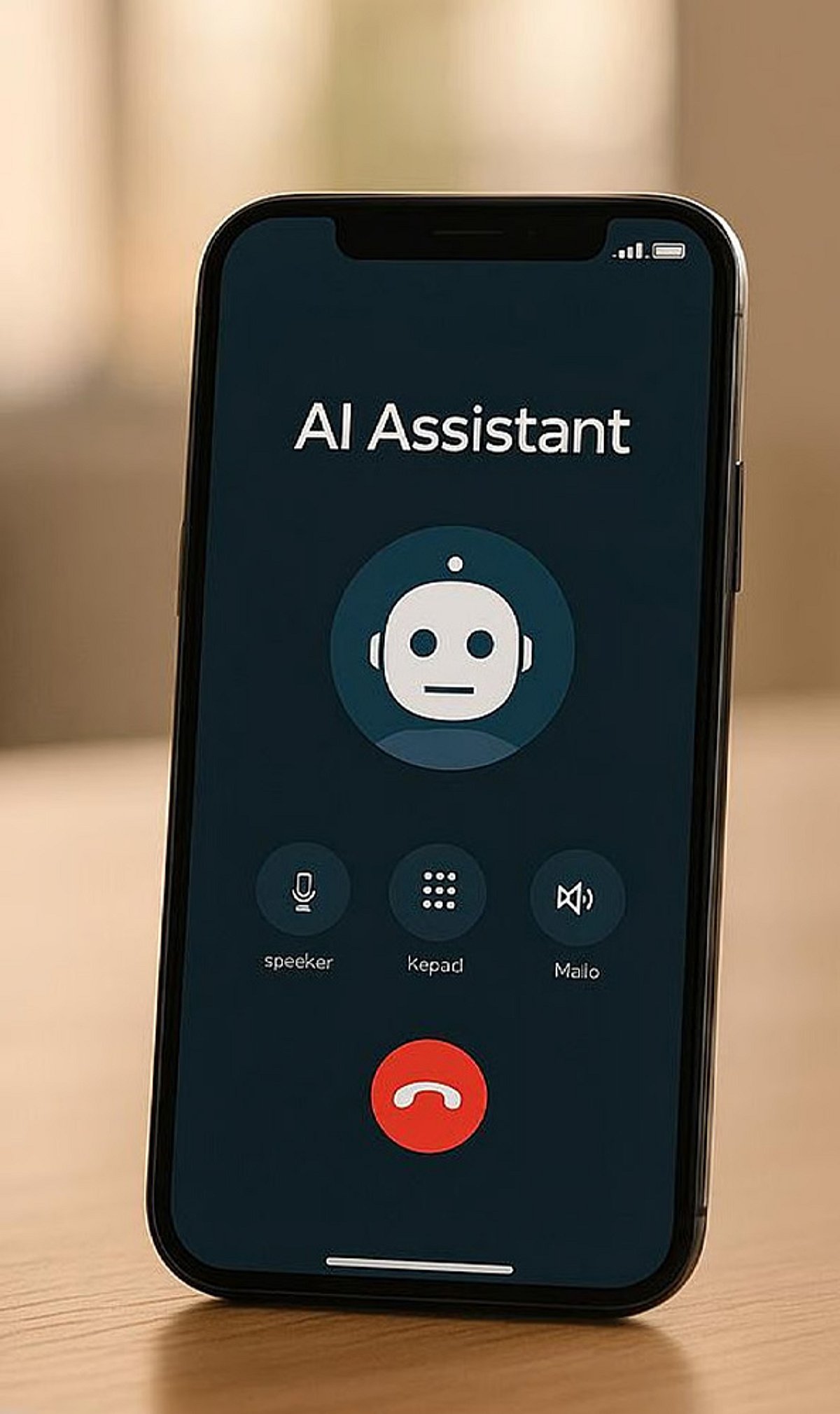
    Artificial intelligence is rapidly changing the way we communicate over the phone. From live transcription to instant summaries and real-time language translation, AI is making phone calls more efficient, accessible, and secure. Here’s an overview of the key capabilities and what they mean for users and businesses.

    Live Call Transcription

    AI converts spoken conversations into real-time text, making it easier to review discussions, capture details, and improve accessibility for everyone.

    Instant Call Summaries

    AI automatically creates concise summaries after conversations, highlighting key decisions, action items, and important points without manual note-taking effort.

    Real-Time Language Translation

    AI translates conversations instantly between different languages, helping people communicate naturally without requiring professional interpreters during phone calls.

    Spam Call Detection

    AI identifies suspicious callers using behavioral patterns and known databases, reducing unwanted interruptions and protecting users from scam attempts effectively.

    Smart Voice Assistance

    AI assistants answer questions, retrieve information, schedule appointments, and complete simple tasks without interrupting the natural flow of conversations.

    Sentiment Analysis

    AI analyzes tone, emotion, and speech patterns to identify customer satisfaction, frustration, or urgency, helping businesses improve communication quality consistently.

    Automatic Action Items

    AI recognizes commitments made during calls and generates reminders, follow-up tasks, and calendar events, improving productivity after every conversation.

    Privacy and Security Challenges

    AI processing requires sensitive voice data, making strong encryption, transparent consent, and responsible data handling essential for user trust.

    The Future of AI-Powered Calling

    AI-powered conversations will become more personalized, context-aware, and proactive, offering seamless assistance while balancing convenience with responsible privacy practices.

  • WhatsApp and Telegram Address Government Queries on Username Security and Impersonation Risks

    WhatsApp and Telegram Address Government Queries on Username Security and Impersonation Risks

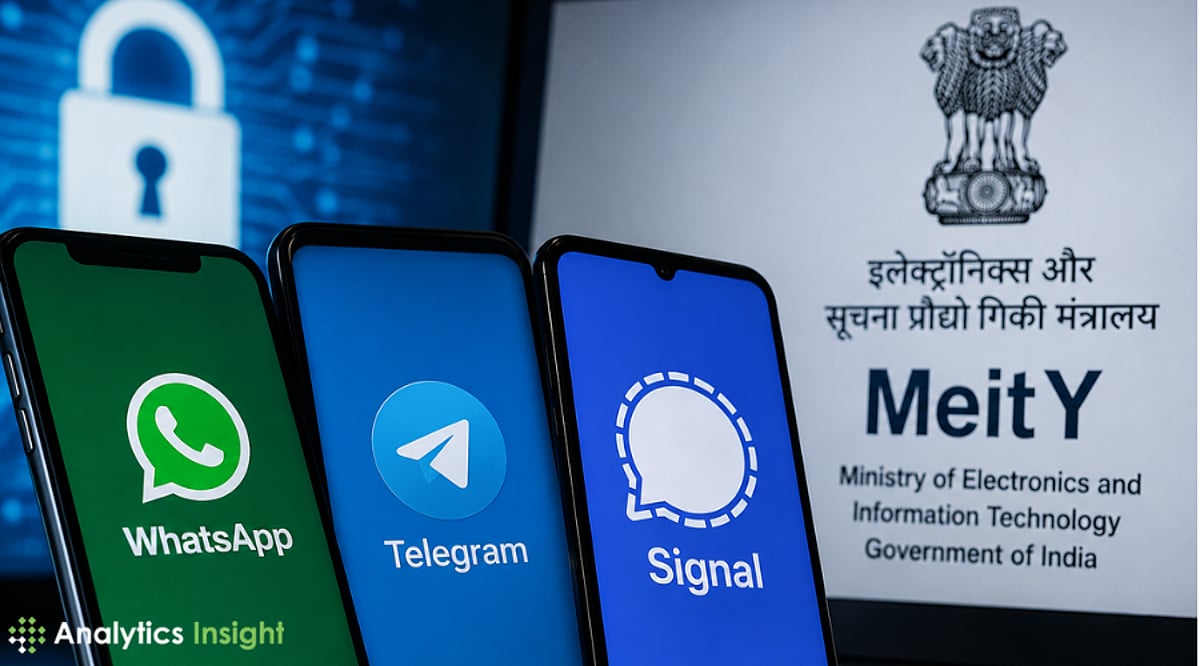
    WhatsApp and Telegram have officially responded to the Indian government’s concerns regarding the safety of their username-based messaging features. The Ministry of Electronics and Information Technology (MeitY) had issued notices to the platforms, seeking details on how they plan to prevent identity impersonation and online fraud facilitated by the new username system. Signal, another messaging app, had not yet submitted its response by the deadline.

    Government Scrutiny Intensifies on Username Features

    MeitY sent notices to WhatsApp, Telegram, and Signal, asking them to explain the safety mechanisms integrated into their username systems. The government is particularly worried that allowing users to communicate via usernames instead of phone numbers could make it easier for fraudsters to impersonate individuals, launch phishing attacks, and carry out digital scams. WhatsApp received the notice on July 1, while Telegram and Signal were issued notices two days later. After discussions with officials, WhatsApp was granted a four-day extension and submitted its response. Telegram also met the deadline.

    Meta Outlines Anti-Impersonation Measures

    Meta, the parent company of WhatsApp, detailed its approach in the response. The company stated that the upcoming username feature includes multiple layers of protection to curb misuse. Accounts will be suspended or usernames revoked if there is evidence of impersonation or fraudulent activity. Additionally, usernames already associated with Facebook and Instagram accounts will be reserved for their rightful owners during the rollout. Usernames linked to verified accounts, public figures, celebrities, and government entities—along with look-alike variations—will remain exclusive to legitimate users to reduce the risk of identity fraud.

    Privacy vs. Security: A Delicate Balance

    While the username feature is designed to enhance user privacy by allowing people to communicate without sharing their phone numbers, the government believes that anonymity could create new challenges for law enforcement and cybercrime investigations if proper safeguards are not in place. This exchange represents the latest step in the government’s ongoing efforts to strengthen protections against online impersonation while balancing user privacy and platform innovation. MeitY is expected to review the submissions before deciding on the next course of action.

  • WhatsApp Username Feature Delayed in India as Meta Fails to Meet Government Deadline

    WhatsApp Username Feature Delayed in India as Meta Fails to Meet Government Deadline

    The Ministry of Electronics and Information Technology (MeitY) has not yet received Meta’s formal response regarding WhatsApp’s proposed username feature, even after the extended deadline passed on Wednesday, according to government sources.

    The Centre had granted Meta an additional three days to respond to the notice issued over privacy and security concerns. During earlier discussions, Meta assured that the username feature would not launch in India until consultations with the ministry concluded.

    Government Raises Cybersecurity Concerns

    MeitY’s notice sought clarity on safeguards accompanying WhatsApp usernames, which allow users to connect without sharing phone numbers. Officials fear the change could enable fraudsters to impersonate users, create fake identities, and conduct phishing attacks while hiding their real identities.

    The ministry asked Meta to explain user verification, misuse prevention, and grievance redressal plans. The feature is expected to work like usernames on other platforms.

    Meta Assures No India Rollout for Now

    Meta representatives met MeitY officials and reportedly assured that the feature would not launch in India until regulatory consultations are complete. The extension was meant to give Meta time to detail its user safety measures.

    As of the deadline, the ministry had not received the company’s formal reply.

    Wider Review of Messaging Platforms

    MeitY has also sought explanations from Telegram and Signal, which already support username-based communication. The government is examining whether such features could complicate cybercrime investigations. The review is part of India’s broader push to strengthen digital safety while balancing user privacy and innovation.

  • WhatsApp Usernames: Connect Without Sharing Your Phone Number

    WhatsApp Usernames: Connect Without Sharing Your Phone Number

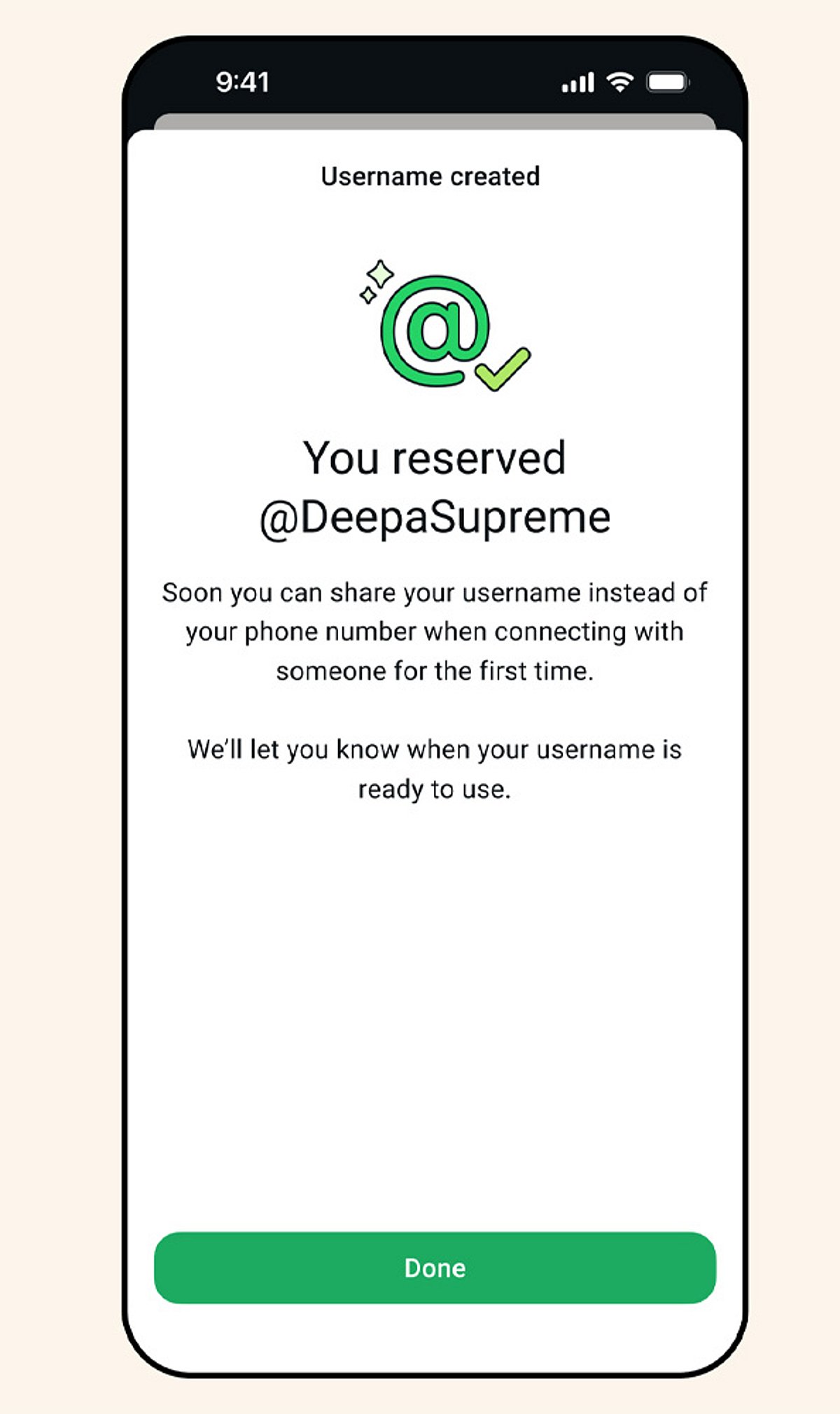
    WhatsApp is rolling out a new feature that allows users to connect using unique usernames, eliminating the need to share personal phone numbers. This update is designed to enhance privacy and simplify communication for individuals and businesses alike.

    Instead of giving out your mobile number, you can now create a memorable username that follows WhatsApp’s guidelines and is easy for friends, customers, or clients to find. Once your username is set, people can search for it and send messages without ever seeing your phone number, wherever the feature is supported.

    Usernames are particularly valuable for creators, freelancers, businesses, and community administrators who frequently interact with many people. Privacy settings allow users to control who can discover them or initiate contact, adding an extra layer of account protection.

    WhatsApp continues to bolster security with end-to-end encryption, passkeys, and advanced scam protection alongside the username feature. As the feature rolls out, availability may vary by region and app version, so users should keep WhatsApp updated to access the latest tools.

    Usernames are expected to make connecting easier while giving users greater control over their personal contact information. For more updates, join our WhatsApp Channel to get the latest news, exclusives, and videos on WhatsApp.

  • 7 Essential Privacy Settings to Configure on Your New Smartphone

    7 Essential Privacy Settings to Configure on Your New Smartphone

    When you unbox a new phone, protecting your privacy should be a top priority. By adjusting a few key settings, you can significantly reduce the risk of unauthorized access and data leaks. Here are seven essential steps to secure your device right away.

    1. Enable Screen Lock: Use a strong PIN, password, fingerprint, or facial recognition to prevent unauthorized access if your phone is lost or stolen.
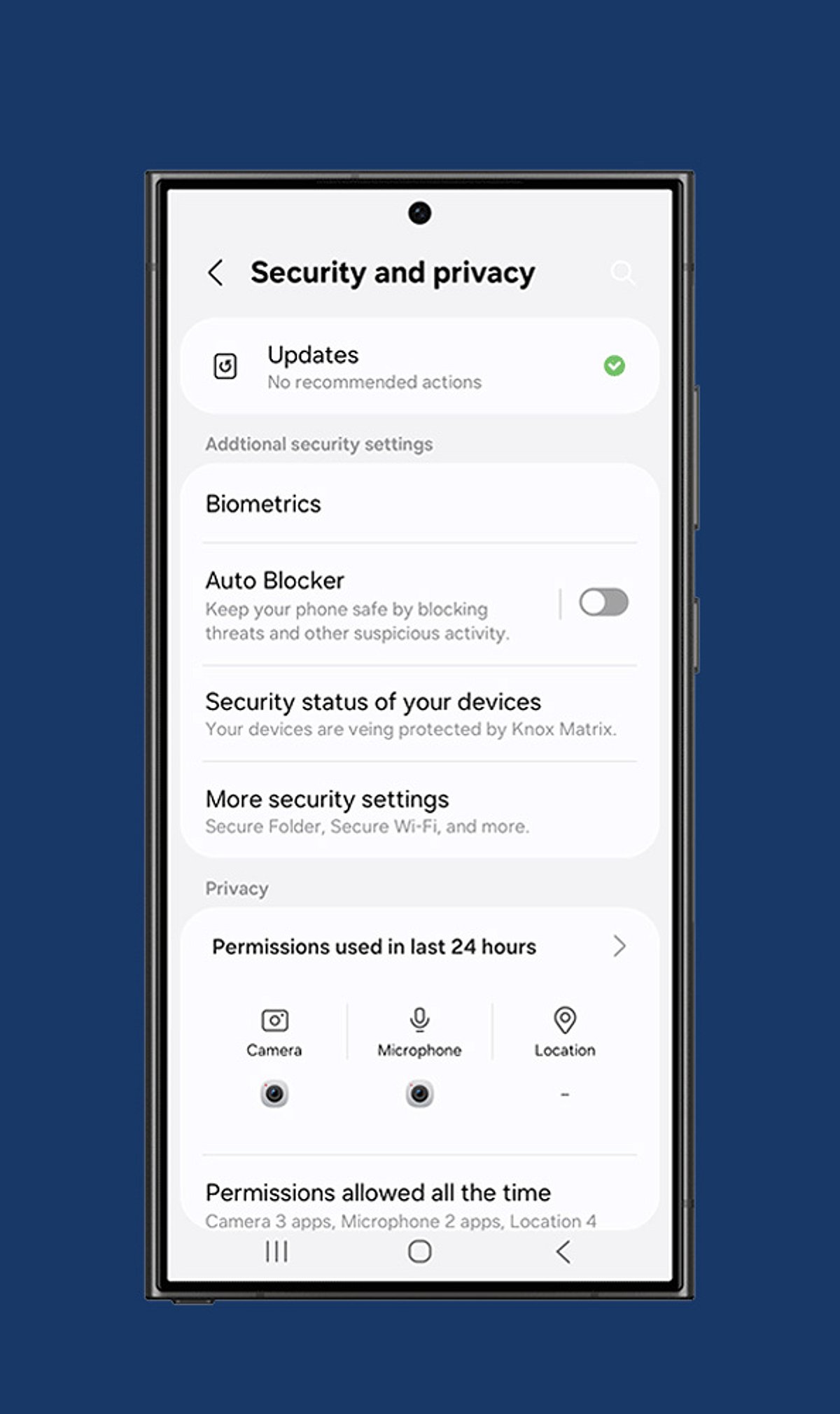
    2. Review App Permissions: Only grant apps access to camera, microphone, contacts, and location when absolutely necessary. Revoke permissions for any app that doesn’t need them.
    3. Turn On Two-Factor Authentication: Add an extra layer of security to your important accounts by requiring a second verification step beyond your password.
    4. Disable Ad Personalization: Limit targeted advertising and reduce tracking by restricting your phone’s advertising identifier.
    5. Manage Location Sharing: Set location access to “While Using the App” instead of “Always” to prevent apps from tracking you in the background.
    6. Activate Device Encryption: Ensure that all sensitive files, messages, and personal information remain encrypted and unreadable even if someone gains physical access to your phone.
    7. Configure Find My Device: Enable remote tracking, locking, and data wiping features before your phone is ever misplaced or stolen.

    Additionally, regularly review your cloud backup settings, install software updates promptly, and keep your operating system patched against the latest security threats.

  • Meta’s Super-Sensing AI Glasses Spark Fresh Privacy Debates

    Meta’s Super-Sensing AI Glasses Spark Fresh Privacy Debates

    Meta Platforms is testing a new prototype of AI-powered smart glasses that can continuously capture what users see and hear through built-in cameras and microphones. Dubbed “super sensing” glasses, the device could allow wearers to ask Meta AI about their day, surroundings, or past activities. However, the project has reignited concerns about privacy, consent, and legal compliance as wearable AI becomes more pervasive.

    How the Prototype Works

    According to reports, the glasses can take photos every few seconds and record audio, collecting data from the wearer’s daily life. Users could later query the AI to recall specific moments. The system reportedly does not store raw video or audio; instead, it extracts relevant data from images and sound and uploads it to Meta’s servers for AI search. Supporters argue this approach reduces privacy risks, but internal debate at Meta suggests many employees view the technology as intrusive, especially when it captures information from people who have not opted in.

    Privacy Light Concerns

    Meta’s current Ray-Ban Meta smart glasses include an LED light that activates when the wearer takes photos or records video, serving as a notification to bystanders. The new super-sensing feature may not trigger the LED in the same way, raising questions about whether people nearby will know when data collection is occurring. Meta has previously faced issues with users trying to disable or obscure the privacy light, prompting the company to roll out an update that disables the camera if tampering is detected. Still, the reported design choice has drawn criticism from privacy advocates.

    Legal and Regulatory Implications

    Always-aware devices could face scrutiny under privacy, biometric data, and audio recording laws. In some US states, recording private conversations without all-party consent is illegal. Boston University law professor Woodrow Hartzog noted, “No existing law comprehensively addresses the myriad ways these tools can pose risks during their design and manufacturing.” He urged lawmakers to update legal frameworks for devices that are “always on and constantly observing.” Public venues are already reacting: New York State courts plan to ban camera glasses from courtrooms, and Philadelphia courts and some cruise lines have restricted smart glasses in certain areas.

    Meta’s Vision and Next Steps

    Meta CEO Mark Zuckerberg has positioned AI glasses as a key part of the company’s future, calling them a “personal assistant that stays with you all day, helping you remember things and achieve your goals.” While the prototype is still under testing and could change, the debate highlights how smart glasses are evolving from simple recording tools into devices that monitor, process, and recall daily life. The outcome of this testing phase will likely shape both Meta’s product roadmap and the broader conversation around privacy in wearable AI.

  • Norway’s New School Rules Restrict AI Use for Kids to Foster Critical Thinking

    Norway’s New School Rules Restrict AI Use for Kids to Foster Critical Thinking

    Norway has introduced a comprehensive set of guidelines restricting the unrestricted use of artificial intelligence in classrooms, aiming to encourage independent thinking, creativity, and stronger foundational learning among students. The new rules apply to all age groups but impose stricter limitations on younger students, while older learners receive guided access under structured educational supervision.

    Teacher Oversight and Academic Integrity

    Educators remain responsible for supervising AI usage, ensuring technology supports education without replacing critical learning or student participation. The rules also discourage students from submitting AI-generated work without proper disclosure, protecting fairness and maintaining educational standards nationwide.

    Critical Thinking and Digital Literacy

    Schools are now required to teach students how to evaluate AI-generated content critically, rather than accepting automated responses without verification. Digital literacy education covers responsible AI use, ethical considerations, online safety, and understanding algorithmic limitations.

    Privacy and Responsible Innovation

    Guidelines emphasize safeguarding student data and preventing unauthorized sharing of personal information with AI platforms and online services. Norway promotes a balanced approach to AI adoption, encouraging technological advancement while protecting educational quality, fairness, and meaningful student engagement.

    The updated framework may influence other countries considering similar regulations for integrating artificial intelligence into school education responsibly.