
Tag: Stock Market

  • TCS Share Price Surges 1.9% as IT Stocks Rebound on Easing AI Concerns

    TCS Share Price Surges 1.9% as IT Stocks Rebound on Easing AI Concerns

    Indian IT stocks extended their recent rebound, with Tata Consultancy Services (TCS) emerging among the top gainers. Shares of TCS were trading at Rs. 2,444.00 on the NSE, up 1.92% intraday, after opening at Rs. 2,440.00 and touching a day high of Rs. 2,475.50. The move builds on a rally that began earlier this week across the technology pack, reflecting a broader shift in sentiment as easing global valuation worries lifted IT counters.

    IT Sector Regains Momentum

    Indian technology stocks fell out of favor in recent weeks over global AI spending worries. That mood shifted sharply this week, sending TCS, Infosys, and peers higher in tandem. Analysts link the reversal to fading fears around overvalued AI infrastructure trades abroad. Investors also stayed cautious ahead of the upcoming US Federal Reserve rate decision. A softer stance from the central bank could extend support for export-driven technology stocks. TCS, given its scale, remains a key barometer for the entire IT services space.

    Q1 FY27 Results Show Steady Progress

    TCS reported a consolidated net profit of Rs. 13,349 crore for the June quarter, marking a 2.7% sequential decline from Rs. 13,718 crore in the previous quarter. Revenue from operations rose 2.2% sequentially to Rs. 72,275 crore. The company’s annualized AI revenue reached $2.6 billion during the quarter, growing 13.6% sequentially and pointing to steady traction in AI-linked service lines. Management also declared an interim dividend of Rs. 12 per equity share.

    Valuation and Ownership Structure

    TCS currently commands a market capitalization of Rs. 8.84 lakh crore. The stock trades at a price-to-earnings ratio of 17.76, with earnings per share at Rs. 137.64. Promoter holding stands firm at 71.77%, reflecting continued long-term commitment to the business. Domestic institutional investors hold 13.41%, foreign institutional investors own 9.66%, and public and other shareholders account for the remaining 5.16% stake.

    Brokerage and Business Outlook

    TCS continues expanding its footprint in AI-driven enterprise engagements. The company recently launched an Industrial AI Solutions Lab in Bengaluru with NVIDIA and opened a Gemini Experience Center in Kolkata alongside Google Cloud. These initiatives support the company’s push toward higher-value, technology-led service contracts. Large deal momentum and steady renewal activity continue to anchor near-term revenue visibility. Analysts remain focused on margin trends as wage costs and delivery mix evolve.

    Market Outlook

    TCS stock still trades well below its 52-week high of Rs. 3,350.00. The recent rebound, however, signals renewed investor confidence in India’s largest IT services exporter. Sustained AI revenue growth could support further re-rating over the coming quarters. Investors should track the Fed’s policy stance and rupee movement closely, as both factors carry a direct bearing on export-oriented technology earnings ahead. Margin stability and large deal conversions will likely guide the stock’s next leg.

    Final Words

    TCS enters the new financial year on firmer footing than the recent stock slide suggested. Sequential revenue growth, rising AI-linked business, and continued enterprise wins point toward steady execution. The pullback in shares looked tied to broader sector sentiment rather than company-specific weakness. For long-term investors, the current rebound offers a reason to watch closely. As global technology sentiment stabilizes and margin visibility improves, TCS’s scale and client relationships should keep supporting its position among India’s leading IT exporters.

    FAQs

    Why did TCS shares rise sharply today?
    Indian IT stocks rallied broadly as global AI valuation concerns eased. TCS benefited from renewed buying interest across the technology sector, alongside investor anticipation ahead of the US Federal Reserve’s upcoming interest rate decision this week.

    What was TCS’s net profit in Q1 FY27?
    TCS reported a consolidated net profit of Rs. 13,349 crore for the June quarter, reflecting a 2.7% sequential decline, though revenue from operations grew 2.2% over the previous quarter to Rs. 72,275 crore.

    How is TCS performing in AI-linked business?
    The company’s annualized AI revenue reached $2.6 billion during Q1 FY27, marking a 13.6% sequential increase, supported by new AI infrastructure partnerships and enterprise-focused service launches.

    What dividend did TCS declare this quarter?
    TCS declared an interim dividend of Rs. 12 per equity share, with the record date set for 15 July 2026 and payment scheduled for 31 July 2026.

    What is TCS’s current shareholding structure?
    Promoters hold 71.77% of TCS, domestic institutional investors hold 13.41%, foreign institutional investors own 9.66%, and public and other shareholders account for the remaining 5.16% stake.
  • FTSE 100 Opens Higher as Oil Prices Surge on Middle East Tensions; Investors Eye Fed Decision

    FTSE 100 Opens Higher as Oil Prices Surge on Middle East Tensions; Investors Eye Fed Decision

    The FTSE 100 opened 64.86 points higher at 10,935.88 on Wednesday, driven by renewed tensions in the Middle East that pushed oil prices higher. Investors are now awaiting the latest US Federal Reserve interest rate decision, which could influence market direction.

    Oil and Currency Markets

    Brent crude futures rose 3.54% to $87.07 per barrel, while US West Texas Intermediate (WTI) advanced 3.60% to $82.11. Sterling eased slightly to $1.3298 from $1.3306, and against the euro it fell to €1.1662.

    Top Gainers and Losers

    Gainers: Weir Group surged 8.40% to 2,736p, Reckitt Benckiser advanced 5.37% to 5,454p, Burberry Group gained 4.91% to 1,196p, Standard Chartered climbed 4.44% to 2,190p, Glencore rose 3.93% to 526.40p, and Sage Group increased 3.15% to 969.40p.

    Losers: Admiral Group declined 1.22% to 3,720p, Endeavour Mining fell 1.03% to 3,551p, Severn Trent slipped 0.92% to 3,032p, Halma eased 0.91% to 3,498p, Coca-Cola HBC dropped 0.79% to 5,045p, and Coca-Cola Europacific Partners edged 0.47% lower to 8,400p.

    Sage Revenue Growth

    Sage reported another quarter of double-digit revenue growth. Revenue rose 11% to £2.06 billion in the first nine months, with third-quarter growth accelerating to 12%, fueled by demand for its cloud accounting, payroll, and HR software. Cloud revenue climbed 15% to £1.76 billion, while recurring subscription revenue topped £2 billion. CFO Jacqui Cartin noted “nine months of accelerating revenue growth,” boosted by AI features and strong demand for products like Sage Intacct. The company maintained its forecast for organic revenue growth above 9% and expects continued operating margin improvements. Sage shares remain about 13% lower than a year ago.

    Greggs Shares Jump on Profit Surge

    Greggs shares rose more than 10% in early trade to 1,862p after the bakery chain posted a 20% jump in pre-tax profit to £76 million. The company plans to expand to at least 3,500 stores across the UK. Analyst Duncan Ferris of Freetrade said the profit boost came more from cost controls and lower inflation than from sales growth, adding that strong performance at new stores may alleviate fears of cannibalization.

    Glencore Trading Profit

    Glencore reported first-half profits of around $3.3 billion from its commodities trading arm, slightly below its annual earnings guidance of $3.5 billion. CEO Gary Nagle said the company delivered a “strong production performance” with key assets meeting expectations. Full-year production guidance for copper, zinc, and nickel remains unchanged, while energy and steelmaking coal guidance saw minor adjustments.

    Global Market Overview

    In the US, the Dow Jones climbed 537 points (1%) to 52,747, and the S&P 500 added 0.2%, while the Nasdaq slipped 0.2% to 24,877. In Asia, Tokyo’s Nikkei 225 fell 1.49% to 61,434.19, China’s Shanghai Composite gained 0.4%, Hong Kong’s Hang Seng advanced 1.77%, and South Korea’s Kospi edged lower by 5.98%. India’s Nifty 50 and Sensex rose 0.99% and 1.15%, respectively.

    Disclaimer: This article is for informational purposes only and does not constitute investment advice. Always conduct your own research before making investment decisions.

  • Indian Rupee Gains for Fourth Session, Rises 5 Paise to 95.77 Against US Dollar

    Indian Rupee Gains for Fourth Session, Rises 5 Paise to 95.77 Against US Dollar

    The Indian rupee strengthened for the fourth consecutive trading session on Wednesday, supported by a weaker US dollar, positive domestic equity sentiment, and renewed foreign investor buying.

    At the interbank foreign exchange market, the rupee opened at Rs. 95.70 against the US dollar before trading at Rs. 95.77, registering a gain of 5 paise from its previous close. The local currency had settled 17 paise higher at 95.82 on Tuesday after gaining 74 paise during the previous two sessions.

    According to forex traders, the rupee received support from firm domestic equities and Foreign Institutional Investors (FIIs) turning net buyers in the Indian stock market.

    Weak Dollar and Equity Gains Support Rupee

    The dollar index, which measures the greenback’s strength against a basket of six major currencies, declined 0.12% to 101.14 ahead of the US Federal Reserve’s monetary policy announcement.

    Domestic stock markets also opened higher. The Sensex advanced 682.57 points, or 0.89%, to 77,448.49, while the Nifty 50 gained 186.85 points, or 0.78%, to reach 24,172.20.

    FIIs purchased equities worth Rs. 755.33 crore on a net basis on Tuesday, according to exchange data. The return of foreign buying improved sentiment toward Indian assets and provided additional support to the local currency.

    Crude Oil and Fed Policy Remain Key Risks

    Brent crude futures were trading 4.27% higher at $87.68 per barrel. According to analysts, oil prices rose after fresh geopolitical tensions emerged following reports of Iranian missile attacks on American forces.

    The US Central Command said all Iranian missiles were successfully intercepted, adding that US forces “remain vigilant and at a high state of readiness.”

    India is a major importer of crude oil, and higher energy prices can increase demand for dollars while putting pressure on the rupee. The currency’s near-term movement is expected to remain influenced by the Federal Reserve’s policy signals, crude oil prices, foreign investment flows, and domestic equity performance.

  • SpaceX Stock Drops to New Low Despite Starship Flight Success

    SpaceX Stock Drops to New Low Despite Starship Flight Success

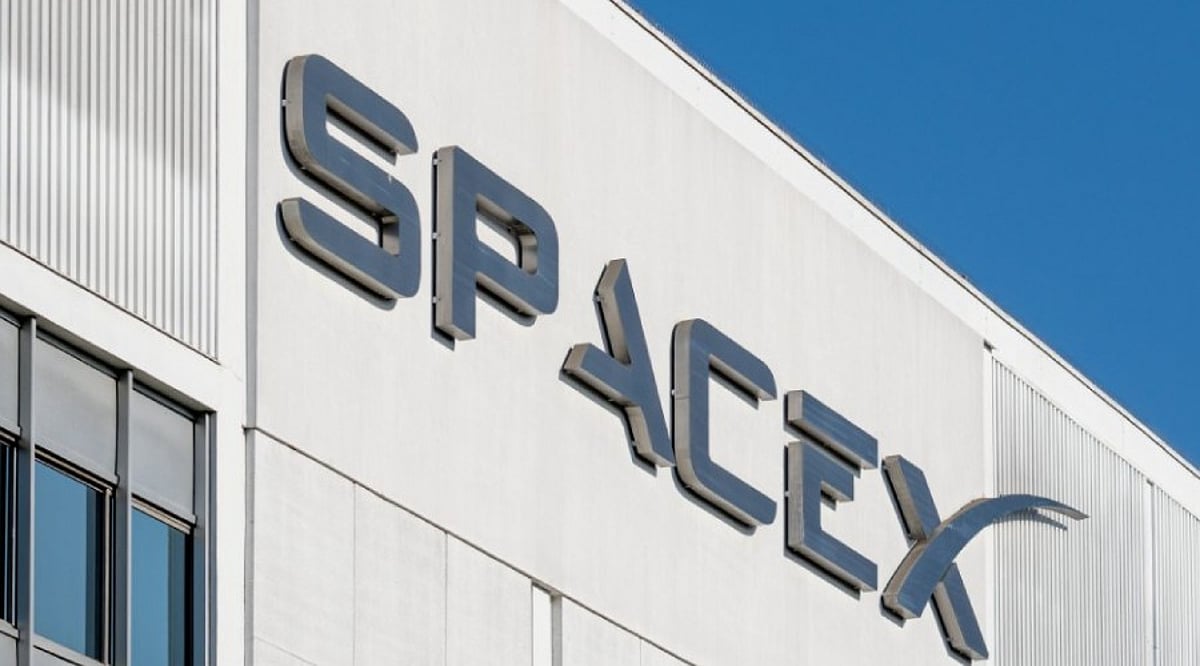
    SpaceX shares fell to a record low on Monday, even after the company’s Starship completed its most successful test flight yet. The stock dipped below $109 before closing 1.4% lower at $113.50, extending a decline that began after its IPO in June.

    Investors are now looking beyond launch milestones. They are focused on whether Starship can achieve high flight rates, safe returns, and cost-effective operations to support SpaceX’s long-term ambitions.

    Starship Achieves Key Flight Milestones

    Starship lifted off from Starbase, Texas, on Friday during its 13th test flight. The mission deployed 20 next-generation Starlink V3 satellites, completed an engine relight in space, and ended with the upper stage making a controlled splashdown in the Indian Ocean.

    SpaceX spokesperson Dan Huot expressed excitement during the livestream, calling the mission ‘lucky number 13.’ The spacecraft remained intact after landing, providing engineers with valuable heat shield data from reentry.

    However, the Super Heavy booster did not complete its planned landing sequence. Five engines failed to restart during the landing burn, causing the booster to hit the Gulf of Mexico harder than intended. SpaceX did not plan to recover either vehicle.

    The mission followed an engine-ignition abort on July 16 and a weather delay on July 23. Elon Musk said SpaceX may attempt to catch the Starship upper stage with its launch tower during Flight 14, pending a thorough data review.

    SpaceX Stock Continues Post-IPO Decline

    SpaceX stock closed at $115.07 on Friday before the launch, after falling 2.7% during the session and 7.2% over the week. Monday’s decline pushed shares further below the company’s $135 initial public offering price.

    The stock has lost nearly half its value since reaching a post-IPO high above $225 in June. Short sellers have built positions during the decline, while investors question the company’s valuation and spending plans.

    Alex Morris, CEO of F/m Investments, said the shares could move into ‘double digits.’ He acknowledged SpaceX’s strong product and limited direct competition but attributed some volatility to the company’s growing focus on artificial intelligence.

    SpaceX plans to report second-quarter results on August 4. The release will give investors their first detailed look at quarterly revenue, costs, cash usage, Starlink growth, and spending across space and AI operations.

    Starship Becomes Central to Future Plans

    SpaceX is shifting its launch strategy toward Starship and away from Falcon 9. Reports indicate the company has turned away some satellite operators seeking dedicated Falcon 9 launches after 2028 and stopped accepting new rideshare reservations for later missions.

    The company has also reduced production of some non-reusable Falcon components. This shift makes Starship’s reliability, reuse, and launch rate critical to operations, as Falcon 9 supports commercial launches and much of the Starlink deployment schedule.

    Investors are monitoring the cost of repairing Starship after reentry and the turnaround time between flights. SpaceX aims to increase launch frequency sharply, but each test carries technical risk and can face hardware or weather delays.

    SpaceX has not confirmed a date for Flight 14. Any tower-catch attempt depends on the company’s review of Flight 13 data, including engine performance, reentry conditions, heat shield results, and splashdown control before approving the next flight.

  • SK Hynix Stock Drops Below IPO Price as AI Enthusiasm Wanes

    SK Hynix Stock Drops Below IPO Price as AI Enthusiasm Wanes

    SK Hynix shares have fallen below their initial public offering price for the first time since listing on the NASDAQ, as the artificial intelligence rally that powered the stock loses steam. The South Korean memory chipmaker’s American depositary receipts closed at $143.02 on July 27, down 7.47% from the previous session, and traded as low as $139.01 during the day.

    The stock opened at $170 on its first trading day and hit an intraday high of $194.80 shortly after the $26.5 billion IPO — the second-largest US share sale after SpaceX. But the early gains have evaporated amid broader selling pressure in semiconductor stocks and growing investor skepticism about AI infrastructure spending.

    IPO Gains Fade Within Weeks

    SK Hynix raised about $26.5 billion by selling 177.9 million depositary shares, each representing one-tenth of a common share. Strong institutional demand drove the offering, but the rally quickly reversed. Monday’s close placed the shares 4% below the $149 IPO price and about 27% below the July 14 peak. Trading volume exceeded 50 million shares as selling accelerated.

    The decline comes just ahead of SK Hynix’s earnings report on Wednesday, where investors will scrutinize demand for high-bandwidth memory, production plans, and capital expenditure levels. The company supplies advanced memory products used with NVIDIA processors in AI servers.

    Semiconductor Stocks Face Broad Selling

    Pressure extended across the semiconductor market. The Philadelphia Semiconductor Index fell 2.2% on Monday, closing at its lowest level since May 19. The index has dropped more than 20% during July after strong gains earlier in the year. NVIDIA, Micron, and other chip companies also declined as investors questioned the pace of AI infrastructure spending.

    Concerns around ‘circular financing’ resurfaced after several large technology agreements involved funding, loan support, and equipment purchases among connected companies. Meanwhile, Chinese memory producer ChangXin Memory Technologies surged 466% during its Shanghai debut, drawing attention to rising competition in the memory market. Reports of new Chinese chipmaking equipment added pressure across Asian and US semiconductor shares.

    Major US Listings Lose Early Support

    SK Hynix joins SpaceX among large US listings trading below their offering prices. SpaceX closed at $113.50 on Monday, compared with its $135 IPO price, after climbing above $225 shortly after its June listing. Other recently listed companies, including gas engine maker Innio, have also lost early gains, raising closer scrutiny of pricing across major technology offerings.

    SK Hynix’s decline came despite a new partnership between NVIDIA and SK Group, which announced a planned investment exceeding $500 billion across AI data centers and next-generation memory. SK Telecom plans to develop an AI facility with capacity of up to two gigawatts. The project could support long-term demand for SK Hynix memory products, but markets are assessing whether planned spending will match future demand.

  • Wall Street on Edge: Fed Decision, Inflation Data, and Big Tech Earnings Set for Volatile Week

    Wall Street on Edge: Fed Decision, Inflation Data, and Big Tech Earnings Set for Volatile Week

    Global markets are bracing for a turbulent 72-hour period as a wave of major events—including a Federal Reserve decision, key inflation data, GDP figures, and earnings from tech giants Microsoft, Meta, Apple, and Amazon—converge on the calendar. The sequence kicks off with consumer confidence data, followed by the Fed’s policy announcement, economic growth and inflation reports, and a flurry of earnings from four of the largest companies in the S&P 500. Traders are poised for sharp moves across stocks, bonds, currencies, and cryptocurrencies as each release could shift expectations for the next Fed meeting.

    Fed Decision Takes Center Stage

    Tuesday’s Conference Board consumer confidence report provides an early gauge of household demand. A weak reading may signal slower spending, while a stronger figure could reinforce the view that the economy can handle higher borrowing costs. Consumer spending drives the bulk of U.S. economic activity, making this data a key precursor to the Fed’s decision.

    The Federal Reserve will announce its rate decision Wednesday after a two-day meeting. Rate futures indicate roughly a one-in-three chance of a quarter-point increase, though most economists expect the central bank to hold the federal funds rate at 3.50% to 3.75%. Markets will scrutinize Chairman Kevin Warsh’s remarks for hints about September and any signs of policy division. A surprise hike would likely lift short-term yields and the dollar while pressuring rate-sensitive equities. Even a hold could spark volatility if the statement signals another increase is imminent. Investors will also watch the number of dissenting officials.

    PCE and GDP Data Drop on Thursday

    Thursday brings a double dose of economic data: the advance estimate for second-quarter GDP and the June personal income and outlays report, which includes the Personal Consumption Expenditures (PCE) price index—the Fed’s preferred inflation gauge. Both releases are scheduled for 8:30 a.m. Eastern Time.

    GDP data will reveal whether consumer demand and business investment sustained economic growth during the quarter. Forecasts generally point to annualized growth above 2%, though estimates vary. A stronger reading could buoy risk assets but may also strengthen the case for tighter policy if inflation remains elevated. The PCE figures may carry more weight for rate expectations. Softer monthly and annual readings would support the view that price pressures are easing, while firm core inflation could reignite concerns about the need for another rate increase. The worst-case scenario for markets would be weak GDP combined with stubborn inflation.

    Big Tech Earnings Add Pressure

    Microsoft and Meta report after Wednesday’s closing bell. Microsoft investors will focus on Azure growth, AI demand, and capital spending. Meta’s report will draw attention to advertising revenue, user activity, and the cost of expanding its AI infrastructure. Both companies have the power to influence broader tech valuations.

    Apple and Amazon follow after Thursday’s close. Apple’s iPhone demand, services sales, and AI plans will shape expectations for its next quarter. Amazon Web Services growth will indicate the pace of corporate cloud spending, while retail margins and delivery costs will impact Amazon’s broader results. Together, these four companies represent a significant portion of the S&P 500, and their guidance could move index futures even if headline earnings beat forecasts.

    Weekend Sentiment Check

    Friday’s final University of Michigan sentiment reading closes the seven-event stretch. Inflation expectations will be closely watched to see if the preliminary July improvement survived later changes in fuel prices, financial markets, and household views nationwide.

  • Hindustan Unilever Shares Drop Nearly 6% After Q1 Profit Miss Despite 10% Revenue Surge

    Hindustan Unilever Shares Drop Nearly 6% After Q1 Profit Miss Despite 10% Revenue Surge

    Hindustan Unilever opened FY27 with sharply mixed signals for investors. Sales grew at its fastest pace in several quarters, but profit growth failed to keep up, triggering a nearly 6% tumble in its share price on the National Stock Exchange (NSE).

    Shares of India’s largest consumer goods maker fell sharply after the Q1 results. While sharp stock reactions like this are common in the FMCG sector, a profit miss often outweighs strong top-line growth in the short term.

    Stock Tumbles Nearly 6% After Results

    Hindustan Unilever shares (HINDUNILVR) were trading at Rs 2,045.80 on the NSE. According to TradingView, the stock was down close to 5.92% during the session on July 28, 2026. The stock briefly touched its 52-week low zone during the session, and trading volumes surged well above recent averages, pointing to heavy selling pressure right after the earnings release.

    Profit Falls on Tough Base and Higher Costs

    Consolidated net profit fell 3% year-on-year to Rs 2,673 crore, compared to Rs 2,756 crore in the same quarter last year. Rising input costs weighed on the bottom line this quarter.

    EBITDA Margin Holds Within Guided Range

    EBITDA rose 8.4% to Rs 3,947 crore, up from Rs 3,640 crore. The EBITDA margin stayed at 23%, remaining within the range management had earlier guided for FY27.

    Revenue Growth Stays Strong Across Categories

    Revenue from operations grew 10.1% to Rs 17,341 crore this quarter. Underlying volume growth came in at 5%, a healthy pace for the sector. Pricing and volume both contributed equally to this growth.

    Home care was the clear standout this quarter. Its revenue rose 13.4% to Rs 6,554 crore. Underlying sales growth of 14% marked its best show in three years.

    Segment-Wise Revenue Performance in Q1 FY27

    Beauty and wellbeing revenue grew 12.4% to Rs 4,083 crore this quarter. Premium skin care and hair care posted double-digit growth, while foods revenue rose 6.8% to Rs 3,480 crore on steady demand for staples.

    Personal care stayed the weakest link again this quarter. Revenue rose just 3.3% to Rs 2,624 crore. Pricing drove most of the gain, while volumes slipped slightly.

    Leadership Stays Focused on Volume-Led Growth

    CEO Priya Nair called the quarter resilient despite a volatile external backdrop. She pointed to ongoing investments in market development and portfolio transformation, which she said are building a stronger, future-ready business.

    Nair added that the near-term focus stays on volume-led revenue growth. Investments in channel expansion and premium products should support performance ahead. Management gave no signal of a near-term change in strategy.

    Market Outlook

    HUL’s revenue strength points to healthy consumer demand across most categories. The sharp stock fall appears tied more to sentiment than fundamentals. Investors should watch margin trends and personal care recovery in coming quarters.

    Hindustan Unilever delivered strong sales growth this quarter, even as profit growth disappointed the Street. Home care and beauty segments both posted their best show in years, pointing to a business still gaining consumer traction. The sharp stock reaction looks driven by short-term market sentiment rather than any deeper weakness. As costs ease and personal care regains pace, Hindustan Unilever’s scale should keep supporting its long-term standing in India’s consumer goods space.

  • FTSE 100 Edges Up 16.79 Points to 10,798 Despite Tech Sell-Off; Unilever Surges, Barclays Slips

    FTSE 100 Edges Up 16.79 Points to 10,798 Despite Tech Sell-Off; Unilever Surges, Barclays Slips

    The FTSE 100 opened 16.79 points higher at 10,798.54 on Tuesday, defying an early tech-driven sell-off triggered by reports of Chinese advancements in domestic semiconductor manufacturing equipment. The index’s resilience came as investors weighed sector-specific earnings and global oil price declines.

    Market Movers: Unilever Leads Gains, Barclays Falls

    Unilever climbed 5.74% to 4,892.50p after posting its strongest quarterly volume growth in over a decade. The consumer goods giant reported underlying sales rose 5.8% in the second quarter, exceeding the 4.14% consensus estimate, with revenue reaching €13.05 billion. CEO Fernando Fernandez hailed it as “the best volume quarter at Unilever in over a decade,” driven by Power Brands and emerging markets.

    Other gainers included Admiral Group (+3.18%), Reckitt Benckiser (+2.63%), Babcock International (+2.45%), Diageo (+2.33%), and The Sage Group (+2.22%).

    On the downside, Barclays shares tumbled as much as 7% in early trading, their steepest decline since April last year, despite the bank topping profit and income expectations in Q2. Analysts noted that the investment bank’s strong performance had already been priced in, while earnings outside that division were more muted than expected. Games Workshop fell 3.17%, Lion Finance Group dropped 2.21%, and AstraZeneca slipped 1.63%.

    Unite Students Reports £400 Million Loss

    Unite Students, the UK’s largest student landlord, plunged to a £417 million pre-tax loss in the six months to June, reversing a £186 million profit a year earlier. The loss was driven by a £530 million revaluation of its property portfolio and “extremely challenging” building costs. The company plans to sell up to 20,000 beds as it reduces its footprint. Shares fell 3.4% to £538.

    Oil Prices Extend Decline

    Brent crude futures fell 1.95% to $86.64 per barrel, while US West Texas Intermediate declined 1.49% to $81.38 per barrel, as concerns over global demand and Chinese semiconductor news weighed on energy markets.

    Global Market Overview

    In the US, the Dow Jones gained 0.5%, while the S&P 500 was flat and the Nasdaq fell 0.2%. In Asia, Japan’s Nikkei 225 dropped 3.95%, China’s Shanghai Composite fell 1.16%, but Hong Kong’s Hang Seng rose 0.36%. India’s Nifty 50 and Sensex both edged higher.

    Disclaimer: This article is for informational purposes only and does not constitute investment advice. Always conduct your own research before making investment decisions.

  • Indian Stock Market Opens Lower: Nifty 50 Dips 25 Points, Sensex Steady Near 76,830

    Indian Stock Market Opens Lower: Nifty 50 Dips 25 Points, Sensex Steady Near 76,830

    On Tuesday, the Indian stock markets opened on a muted note amid mixed global cues. The Nifty 50 opened at 23,971.25, about 25 points lower than its previous close of 23,995.95. The Bank Nifty started at 56,883.55, down 203.65 points, while the Sensex opened flat at 76,831.75.

    Broader indices ended higher, with the Nifty Midcap 100 rising 1% and the Nifty Smallcap 100 gaining 1.3%. The Indian rupee opened higher by 14 paise at ₹95.75 per dollar compared to the previous close of ₹95.89.

    Foreign institutional investors (FIIs) net sold shares worth ₹1,688 crore, while domestic institutional investors (DIIs) net bought shares worth ₹2,329 crore on July 27.

    Sensex Outlook

    Technically, the Sensex held positive momentum and formed a bullish candle on the daily chart, which is largely positive. “As long as the market is trading above 76,500, the pullback formation is likely to continue. On the higher side, it could retest the 77,000-77,300 level. On the flip side, below 76,500, the selling pressure is likely to accelerate. If it falls below this level, the market could slip to 76,200-76,000,” said Shrikant Chouhan, Head of Equity Research at Kotak Securities.

    Nifty 50 Outlook

    The Nifty 50 formed a bullish candle on the daily chart after snapping its five-session losing streak. The formation of a bullish gap between 23,823 and 23,891 indicates renewed buying interest. As long as the index holds above Monday’s gap area of 23,823-23,891, the ongoing pullback is likely to remain intact.

    “Going ahead, formation of higher high and higher low on a sustained basis and holding above 24,000 levels will signal a pullback towards 24,300-24,350 levels in the coming sessions. On the downside, a move below Monday’s gap area (23,823-23,891) will signal weakness and open downside towards the key support area of 23,500-23,600 being the confluence of the trendline support joining lows of April and June 2026, bullish gap area of 15th June 2026 and 61.8% retracement of the recent up move from 23,070-24,530,” said Bajaj Broking Research.

    Bank Nifty Outlook

    Bank Nifty also ended Monday’s session on a positive note, forming a doji candle and closing above its 50-day exponential moving average (EMA). The banking index continues to consolidate within the 56,500-58,700 range. The immediate hurdle for Bank Nifty is placed at 57,500, while the 58,500-58,700 zone is expected to act as a strong resistance in the coming weeks. A sustained move above these levels could strengthen bullish momentum.

    On the downside, 56,500-56,000 remains a crucial support zone as it coincides with the lower end of the six-week consolidation range, a rising trendline and the 52-week EMA. Bajaj Broking noted that only a decisive breach below this support could accelerate the decline toward the 55,000 level.

    Disclaimer: This article is for informational purposes only and does not constitute investment advice. Readers should conduct their own research before making any investment decisions.

  • S&P 500 Dips as Chip Stocks Slump Despite US-Iran Ceasefire

    S&P 500 Dips as Chip Stocks Slump Despite US-Iran Ceasefire

    US stocks reversed early gains on Monday as a semiconductor selloff weighed on the broader market. The S&P 500 fell 0.2%, while the NASDAQ Composite lost 0.5%. Meanwhile, the Dow Jones Industrial Average gained about 258 points, or 0.5%.

    Markets opened higher after the United States and Iran paused attacks over the weekend. However, the relief rally faded as investors sold chip stocks. Lower oil prices supported travel shares and reduced pressure on bond yields, but technology losses pulled the S&P 500 into negative territory.

    Chip Stocks Pull Major Indexes Lower

    Semiconductor shares fell across the market during Monday trading. The VanEck Semiconductor ETF dropped 3.7%, extending Friday’s losses. Advanced Micro Devices and Teradyne each fell more than 7%, while Micron Technology declined more than 6%.

    The Philadelphia Semiconductor Index dropped about 4% after rising early in the session. Most companies in the index traded lower. NVIDIA also declined as investors assessed stronger Chinese competition and continued artificial intelligence investment. The sector has faced repeated selling during July after strong gains earlier in 2026.

    Investor attention also shifted to spending plans at major technology companies. Ken Mahoney of Mahoney Asset Management said, “The biggest risk is the continuation of the spend.” He also warned that slower spending growth could hurt chip suppliers that depend on large data-center orders.

    Oil Prices Slide After Fighting Pause

    Oil prices fell sharply after both sides halted attacks for a third night. Brent crude dropped about 6.8% to near $90.25 a barrel. West Texas Intermediate crude fell around 6.1% to $83.83. Brent had traded above $100 days earlier as shipping risks increased.

    US Ambassador to the United Nations Mike Waltz said the pause was ‘giving diplomacy some space.’ Iran denied holding direct talks with Washington. Still, Tehran confirmed discussions with Oman about maritime traffic in the Strait of Hormuz. Waltz also said more US military assets were moving into the region.

    The oil decline supported airlines, cruise operators and other companies with high fuel costs. Energy shares moved lower as crude prices fell. Europe’s STOXX 600 gained about 0.9%, while retail and travel stocks rose more than 2%. Asian markets also advanced.

    Fed Decision Returns to Market Focus

    The Federal Reserve will announce its interest rate decision on Wednesday. Most analysts expect the central bank to keep rates unchanged. However, market pricing showed about a one-in-three chance of a rate increase at the July meeting.

    Investors raised rate-hike bets after oil prices and new tariffs added pressure to the inflation outlook. Monday’s oil retreat reduced some concerns. The 10-year US Treasury yield fell about four basis points to 4.64%, while the dollar weakened against several major currencies.

    Fed Chair Kevin Warsh faces a difficult policy setting. Inflation remains above the central bank’s 2% goal, while recent labour and consumer data have stayed steady. Samy Chaar of Lombard Odier said policymakers were ‘not there yet’ on another increase and linked the next move to Middle East tensions.

    Big Tech Earnings Put AI Spending in Focus

    Amazon, Apple, Meta Platforms and Microsoft will report quarterly results this week. Their spending plans will receive close attention after Alphabet’s results raised concerns about artificial intelligence costs. Semiconductor companies rely heavily on orders from cloud and data-center operators.

    About one-third of S&P 500 companies will publish results this week. Earnings are tracking a 26.5% increase from a year earlier. Strong profit growth may support stocks, though investors are also watching cash flow and capital spending.

    The economic calendar includes second-quarter US gross domestic product, June inflation data, personal income and consumer spending. Weekly jobless claims, employment costs and consumer sentiment figures are also due. These reports will give markets more information on growth, prices and the next Federal Reserve decision.

    Also Read: Indian Stock Market Closes Higher: Sensex, Nifty Rally on Easing Crude Prices