
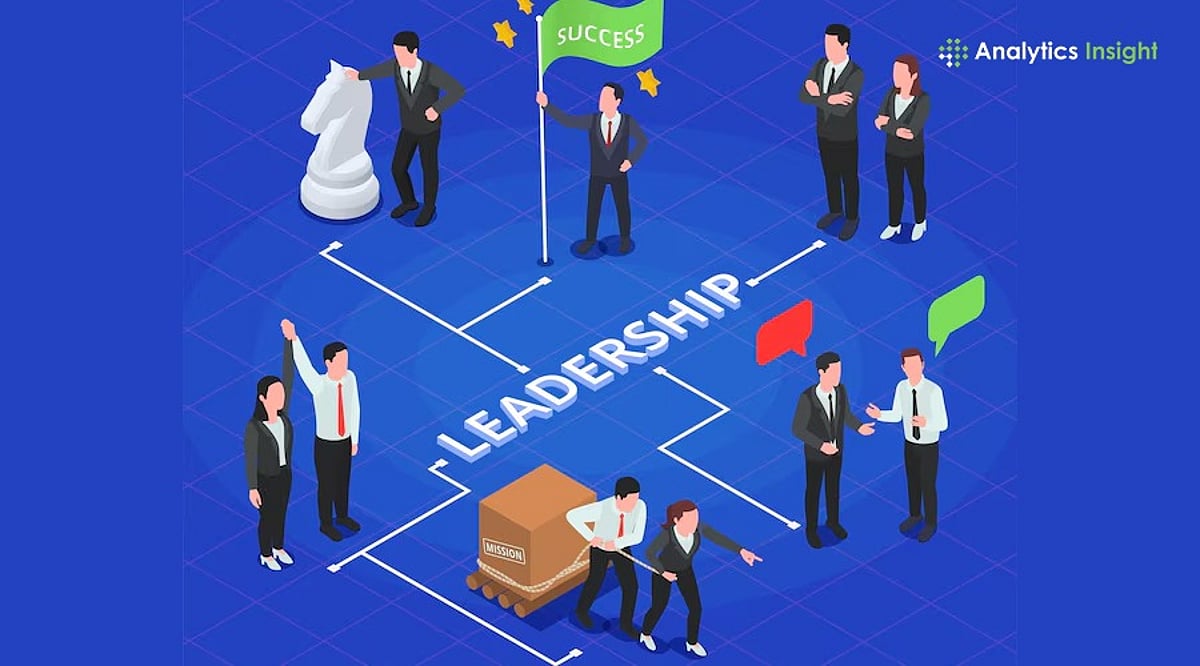
Artificial intelligence is transforming workplaces, hybrid teams are becoming the norm, and economic uncertainty continues to test businesses worldwide. In this era, leadership is no longer measured solely by experience and decision-making capabilities. Today’s leaders must keep people engaged, customers satisfied, and the business competitive amid rapid technological change.
The best business leaders in 2026 combine digital and human skills. They are proficient with technology yet never neglect empathy, ethical values, and innovation. Below are the key leadership skills every business leader needs to thrive.
1. AI Literacy
Leaders need to understand how artificial intelligence impacts processes, client communication, and decision-making. Technical expertise isn’t required, but knowing where AI can add value is essential.
2. Strategic Thinking
Organizations operate in ever-changing environments. Leaders must analyze market trends, anticipate threats, evaluate opportunities, and make strategic decisions to guide their firms.
3. Emotional Intelligence
Self-awareness, empathy, and relationship management are critical. Leaders with high emotional intelligence build effective, resilient teams and foster trust and collaboration.
4. Adaptability
The capacity to pivot in response to technological disruptions, regulatory changes, and customer demands is vital. Adaptable leaders embrace change rather than resist it.
5. Effective Communication
Clear communication ensures everyone understands organizational goals and priorities. Transparency earns trust and aligns teams toward shared objectives.
6. Ethical Decision-Making
Responsible leadership is a competitive advantage. Leaders must ensure technology adoption is ethical, protecting privacy and fairness to maintain reputation and customer trust.
7. Employee Development
Today’s leaders act as mentors, not just supervisors. Developing employees improves retention and prepares the workforce for future challenges.
Why Human Skills Still Matter in the AI Era
While AI excels at repetitive tasks, it lacks empathy, judgment, ethics, and the ability to inspire. Technology becomes far more productive when guided by leaders who understand people. The ideal combination of automation and emotional intelligence delivers superior results.
Organizations must also ensure ethical use of AI: considering threats, complying with regulations, protecting private data, and maintaining transparency. Those that fail risk reputation damage and loss of client trust.
Conclusion
Leadership in 2026 goes beyond hierarchies. AI literacy alone is insufficient; emotional intelligence, ethics, adaptability, and strategy distinguish great leaders from good managers. Companies that cultivate these attributes will innovate, attract talent, navigate uncertainty, and grow in the digital age.
Leave a Reply