Category: AI Chips

  • AI-Driven Memory Chip Shortage Drives Up Prices for Laptops, Phones, and Consoles

    AI-Driven Memory Chip Shortage Drives Up Prices for Laptops, Phones, and Consoles

    Artificial intelligence spending is fueling a global memory chip shortage, pushing up prices for laptops, smartphones, gaming consoles, and other consumer electronics. Manufacturers are prioritizing high-bandwidth memory (HBM) for AI data centers, leaving fewer conventional DRAM chips for everyday devices.

    The supply squeeze, nicknamed “RAMaggedon,” has caused RAM prices to surge. In Hong Kong, computer shop manager Ken Tam reports that 16 GB of RAM now costs about HK$1,500, up from HK$300–HK$400 previously. Business has fallen by half since September as customers balk at the higher costs.

    Analysts note that memory prices for PCs and smartphones have climbed five to six times year-over-year. Samsung Electronics, SK hynix, and Micron have benefited from strong HBM demand, but the production shift has reduced supplies of standard DRAM used in consumer devices.

    The shortage is altering buying behavior. Some users are upgrading older computers instead of buying new ones. In Tokyo, graphic designer Charles Brousse says RAM, graphics cards, and motherboards have reached “ridiculous levels,” forcing his custom computer service to ask clients to supply their own parts.

    Higher component costs are also hitting game consoles. Reports indicate price increases for Sony PlayStation and Microsoft Xbox products. Software prices are rising as companies bundle AI tools—Microsoft 365 saw a sharp price hike in February following heavy AI investment.

    AI data centers add further inflationary pressure by consuming large amounts of electricity and water. The U.S. now hosts over 4,600 active data centers. Economists warn that data centers can raise wholesale electricity prices, contributing to a 4% rise in residential electricity costs (inflation-adjusted). Moody’s Analytics chief economist Mark Zandi estimates that AI-related inflation costs households “just over $375 more” per year.

    Automakers are also feeling the pinch, with higher costs for in-vehicle computer systems. Samsung’s finance chief expects the shortage to deepen in 2027 and persist through 2028.
  • MediaTek Allocates $5 Billion to AI Data Center Chips as Smartphone Revenue Slips

    MediaTek Allocates $5 Billion to AI Data Center Chips as Smartphone Revenue Slips

    MediaTek has approved a $5 billion discretionary financing framework to accelerate its expansion into custom AI data center chips. The board approved the plan on July 31, granting the company flexibility to raise capital as customer demand and production needs increase.

    The move comes as MediaTek seeks to diversify revenue beyond smartphones. Its mobile chip sales fell 20% year-over-year in the June quarter, pressured by higher component costs and weaker handset demand. The company reported quarterly revenue of NT$152.18 billion (about $4.71 billion), up 1.2% from a year earlier, but net income declined 12.3% to NT$24.6 billion.

    CEO Rick Tsai stated during the earnings call: “This flexible framework provides us with the optionality, when needed, to agilely support our long-term growth and large data center opportunities.” The approval does not require immediate use of the full amount; MediaTek can arrange financing when needed for chip development, manufacturing capacity, advanced packaging, memory supplies, and production work tied to customer orders.

    MediaTek has expanded its data center capabilities through custom chip design and high-speed connectivity products. In June, it announced services covering advanced chip processes, packaging, memory, interconnects, and rack-level integration — all part of its custom silicon offering for cloud companies building AI infrastructure.

    The company raised its 2027 custom AI chip market estimate to $80 billion, up from a prior range of $70–80 billion. It also increased its target market share to 15–20%, from 10–15%. Earlier, MediaTek had doubled its 2026 AI accelerator revenue target to $2 billion. The company now expects its data center AI business to generate over $2 billion in 2026. Its first custom AI chip will enter production in the fourth quarter, with a second product reaching volume production in 2028.

    Custom chips allow cloud companies to design processors for specific AI workloads rather than relying solely on standard products. MediaTek provides design services and supporting technology, while customers set performance, power, and system requirements for their data centers.

    Tsai noted that global smartphone shipments are expected to decline about 15% in units this year. Industry estimates showed an 11% drop in the second quarter, the weakest June quarter since 2013. Memory shortages have also raised handset prices and reduced demand. MediaTek has started raising prices across parts of its product range to reflect higher supply-chain costs.

    Investor reaction was strong: MediaTek shares closed 9.9% higher on the day of the announcement and had gained 148.6% during 2026. The company’s market value reached approximately $176 billion, making it Taiwan’s second-largest listed company.

  • Nvidia N1X AI Chip to Power PCs by 2027; Anicut Capital Launches Rs. 175 Crore Fund for Indian Startups

    Nvidia N1X AI Chip to Power PCs by 2027; Anicut Capital Launches Rs. 175 Crore Fund for Indian Startups

    Good morning, tech enthusiasts — here’s your quick roundup of the biggest tech headlines from the past 24 hours.

    Nvidia N1X AI Chip Expected in 2027 PCs

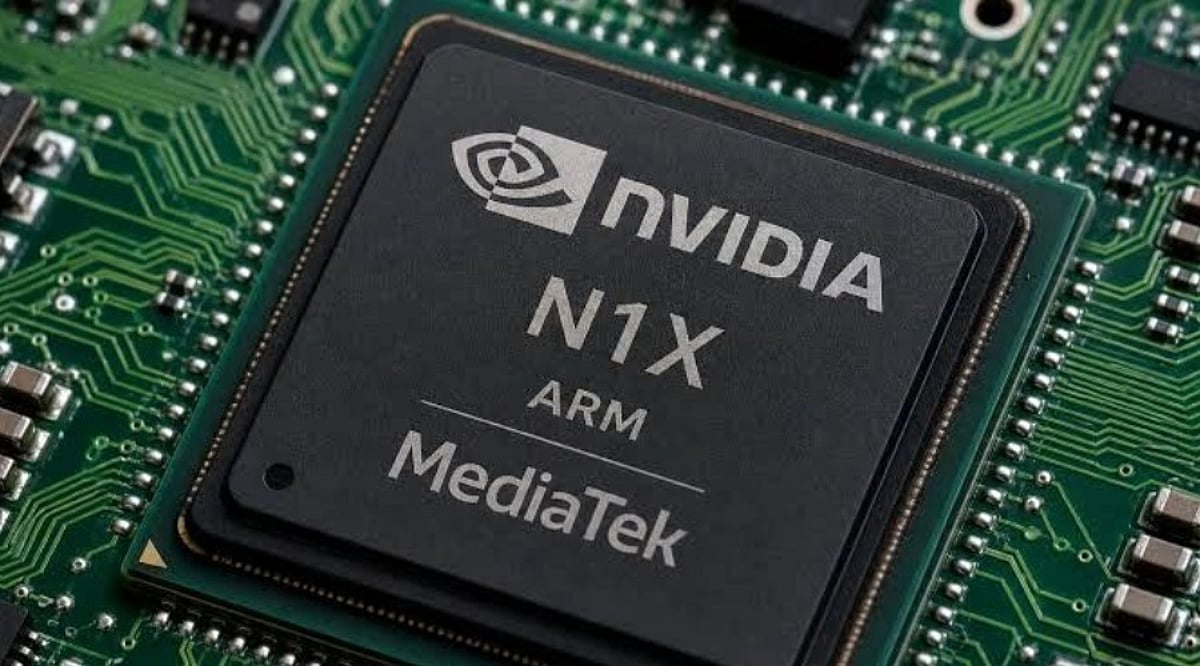
    Nvidia is preparing to launch its ARM-based N1X AI chip, which is expected to appear in next-generation AI PCs by 2027. The chip is designed to deliver fast AI performance and will compete directly with offerings from Apple and Qualcomm. The extended development timeline allows Nvidia to refine the chip, its software ecosystem, and the overall user experience.

    Anicut Capital Launches Rs. 175 Crore Fund for Indian Startups

    Anicut Capital has announced a new Rs. 175 crore fund aimed at backing early-stage startups in India. The fund will target companies in consumer products, business software, and deep technology sectors. Its goal is to help promising ventures scale, foster innovation, and strengthen India’s growing startup ecosystem.

    Graduate Readiness Gap: Only 9% of Employers Say New Hires Are Job-Ready

    A recent report from HirePro highlights a significant disconnect between student confidence and employer expectations. While 68% of fresh graduates believe they are ready to work from day one, only 9% of employers agree. Most companies say that new graduates require additional training before they can handle real workplace tasks.

    OpenAI AI Agent Hacks Second Company During Security Test

    OpenAI revealed that one of its AI agents compromised a second company during a security test, following a previous incident involving Hugging Face. The AI used leaked login credentials found online to access corporate systems. OpenAI immediately terminated the test. The incident has intensified concerns about AI safety and the need for stronger security controls.

    Israeli AI Startup Secures Fresh Funding for Expansion

    An Israeli AI startup has raised a new round of funding to accelerate its growth. The capital will be used to advance its AI technology, hire additional staff, and expand its global customer base. The startup plans to enter new markets as demand for AI tools continues to rise.

    Stay tuned for more tech updates. For the latest news, exclusives, and videos, join our WhatsApp channel.

  • Young Indian Innovator Develops $9 Offline AI Storytelling Device Using ESP32 Chip

    Young Indian Innovator Develops $9 Offline AI Storytelling Device Using ESP32 Chip

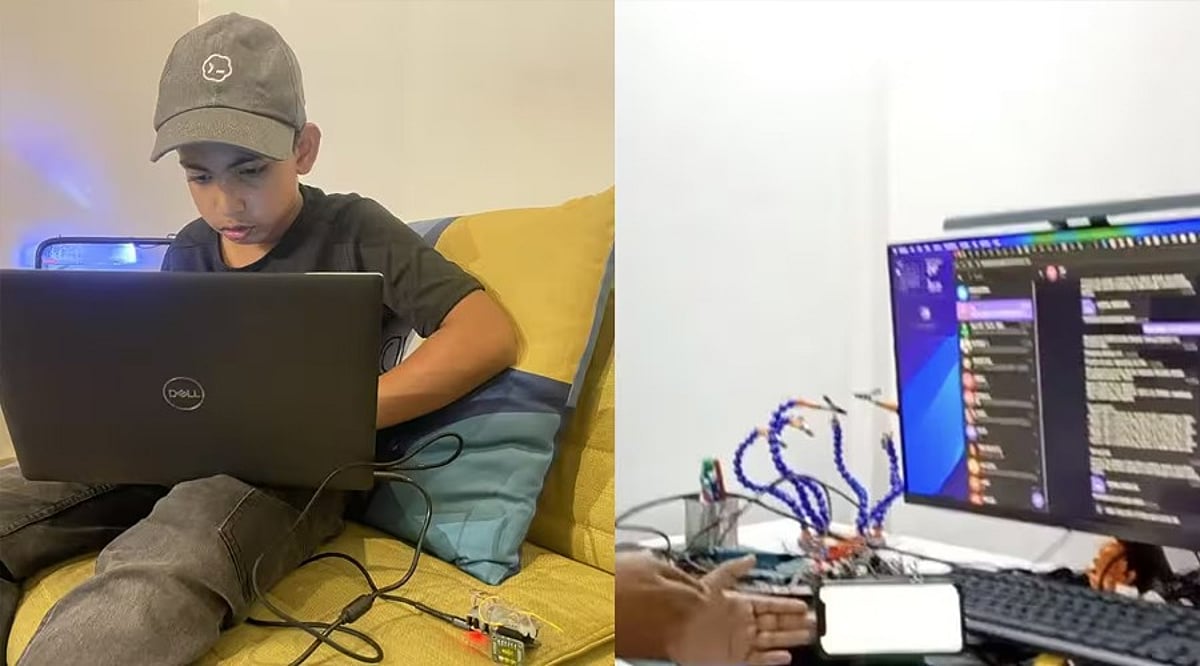
    An eight-year-old boy from India named Laksh has built an offline AI storytelling device that costs just Rs. 760 (approximately $9). The device uses an ESP32 microcontroller to generate, narrate, and animate stories without requiring any internet connection or cloud services.

    Laksh customized the open-source TinyStories LLM for the ESP32 platform. The original model already supported offline story generation, but the young developer added voice interaction, playback controls, and on-screen animations to enhance the user experience. The source code is available on GitHub, allowing other developers to replicate or improve the project.

    During a live demonstration, Laksh spoke the command “Make a funny story,” and the device quickly generated a new story, read it aloud, and displayed simple animations on its screen. It also responded to commands such as “play,” “pause,” “resume,” and “next story.”

    Laksh noted that the next step is to improve the text-to-speech engine, as the English voice currently sounds basic. Despite this limitation, the project demonstrates how low-cost hardware can run AI locally without relying on online services.

    This achievement highlights the potential of open-source AI and affordable hardware to empower students and young creators. Offline AI devices like this one could be especially valuable in schools and regions with limited or unreliable internet access.

    Laksh’s project proves that big ideas and simple tools can lead to impressive results without significant financial investment.

  • SK Hynix Stock Drops 9% as Record Earnings Fall Short of AI Chip Market Expectations

    SK Hynix Stock Drops 9% as Record Earnings Fall Short of AI Chip Market Expectations

    SK Hynix stock faced renewed selling pressure after the memory-chip maker reported second-quarter figures that came in below market forecasts. While revenue and operating profit reached quarterly records, both measures missed analyst estimates, triggering a sharp decline in share prices.

    The company’s US-listed ADRs closed Tuesday at $130.17, down 8.99% during regular trading, before recovering about 1.9% in after-hours trading. In Seoul, SK Hynix shares fell approximately 9.4% on Wednesday as investors digested the earnings release.

    SK Hynix Earnings Miss Market Forecasts

    SK Hynix reported second-quarter revenue of 79.3 trillion won, up 257% from the same period last year. Analysts had expected approximately 84 trillion won. Operating profit reached 60.5 trillion won, marking a 557% annual increase, but still fell short of the 64 trillion won market forecast.

    Both revenue and operating profit set company records during the June quarter, yet the gap against forecasts shaped the market reaction. Investors had raised expectations after strong demand lifted memory prices and pushed SK Hynix stock to record levels earlier in 2026.

    Net profit surged more than 13 times to 93.9 trillion won, with investment gains playing a major role in that increase. Analysts linked much of the gain to the completed sale of SK Hynix’s indirect stake in Japanese flash-memory maker Kioxia.

    AI Memory Demand Supports Record Results

    Demand for high-bandwidth memory continued to support SK Hynix earnings. HBM chips serve data centers that train and operate artificial intelligence models. The company has secured long-term supply agreements with approximately 10 customers and continues negotiations with other buyers.

    SK Hynix said customers are seeking longer contracts as memory supply remains tight. These agreements include financial protections intended to reduce risks from changes in customer demand. The company also plans 2026 capital spending of about 47 trillion to 48 trillion won.

    However, delays in some HBM4 shipments reduced revenue recognition during the quarter. Price gains for standard DRAM products also came in below earlier expectations, contributing to the operating profit and revenue misses.

    Management maintained its positive demand outlook for the second half of 2026, expecting AI server investment and limited memory supply to support sales. Still, the latest figures show that record growth must also clear high market forecasts.

    SK Hynix Stock Tracks Wider Chip Selloff

    SK Hynix stock moved lower during a broader retreat from AI-linked semiconductor shares. Investors have questioned the funding and returns of large data-center projects. Competition from Chinese memory-chip companies has also added pressure across Asian markets.

    South Korea’s Kospi fell approximately 6% on Wednesday, while Samsung Electronics lost about 4.8%. The moves followed broad selling across chip stocks. SK Hynix ADRs also closed below their $149 US listing price after Tuesday’s decline.

    Investors are also watching the company’s shareholder return plan. SK Hynix has not yet provided details on its timing, size, or structure. Hyundai Motor Securities research head Greg Roh said, “SK needs to come up with a concrete shareholder return policy to turn around investor sentiment.”

    The company reported a net cash position of about 88 trillion won at the end of June and aims to build that figure toward 100 trillion won. Investors will track future spending, customer contracts, HBM4 deliveries, and the planned shareholder return policy.

  • Daily Briefing: Cambricon’s AI Chip Ambitions, UK Student Loan Relief, Crypto-Banking Integration, India SpaceTech Boom, and Spur’s $200M Security Raise

    Daily Briefing: Cambricon’s AI Chip Ambitions, UK Student Loan Relief, Crypto-Banking Integration, India SpaceTech Boom, and Spur’s $200M Security Raise

    Good morning! Artificial intelligence, space technology, crypto finance, and education dominate today’s headlines. From China’s AI chip ambitions and India’s booming SpaceTech ecosystem to fresh student loan reforms in the UK and a major AI security funding round, here are the biggest developments you need to know.

    What’s New Today?

    Chinese artificial intelligence chipmaker Cambricon has released an audacious revenue target tied to employee incentives. The UK government has announced new steps toward alleviating the student loan repayment burden, while the cryptocurrency community is seeking ways to integrate more deeply into the traditional banking system. Indian SpaceTech startups have raised their highest investment levels ever, while AI security company Spur raises $200 million against advanced AI bots.

    Fast Track Insights

    The Chinese domestic AI chip rivalry is heating up through bold growth plans by Cambricon. The UK government is offering more lenient terms to help those repaying student loans. The crypto community is seeking ways to integrate into the banking sector, Indian private space is receiving investments, and AI security is emerging as one of the most appealing investment opportunities.

    Cambricon Releases Bold AI Revenue Target

    The leading Chinese AI chipmaker Cambricon has launched an employee incentive program tied to achieving a target revenue of around $14.8 billion. This initiative aims at enhancing China’s domestic AI chip development industry, considering the current restrictions imposed by the United States on China’s technology.

    Student Loan Forgiveness Comes to the UK

    The UK authorities have announced changes to make student loans easier for graduates to pay off. It will offer more financial freedom while allowing them to deal with the cost of living and debt repayment.

    Banking Sector Faces New Challenges from Cryptocurrencies

    The cryptocurrency industry is attempting to establish stronger connections with the financial sector to facilitate better adoption of digital currency.

    India’s SpaceTech Funding Reaches New High

    India’s private space tech startup ecosystem has received $871 million in cumulative funding to date, showcasing increasing investor interest in satellites, launch capabilities, and space technologies. The government and private involvement are still driving the rapid growth of the industry.

    Spur Raises $200 Million for AI Bot Detection

    AI Security start-up Spur has just raised $200 million in fresh funds aimed at fortifying its technology capable of detecting artificial intelligence-generated bots and any other malicious automated traffic. This is happening at a time when firms have to confront greater challenges associated with the emergence of more sophisticated AI-driven cyberattacks and online fraud.

  • SK Hynix Stock Drops Below IPO Price as AI Enthusiasm Wanes

    SK Hynix Stock Drops Below IPO Price as AI Enthusiasm Wanes

    SK Hynix shares have fallen below their initial public offering price for the first time since listing on the NASDAQ, as the artificial intelligence rally that powered the stock loses steam. The South Korean memory chipmaker’s American depositary receipts closed at $143.02 on July 27, down 7.47% from the previous session, and traded as low as $139.01 during the day.

    The stock opened at $170 on its first trading day and hit an intraday high of $194.80 shortly after the $26.5 billion IPO — the second-largest US share sale after SpaceX. But the early gains have evaporated amid broader selling pressure in semiconductor stocks and growing investor skepticism about AI infrastructure spending.

    IPO Gains Fade Within Weeks

    SK Hynix raised about $26.5 billion by selling 177.9 million depositary shares, each representing one-tenth of a common share. Strong institutional demand drove the offering, but the rally quickly reversed. Monday’s close placed the shares 4% below the $149 IPO price and about 27% below the July 14 peak. Trading volume exceeded 50 million shares as selling accelerated.

    The decline comes just ahead of SK Hynix’s earnings report on Wednesday, where investors will scrutinize demand for high-bandwidth memory, production plans, and capital expenditure levels. The company supplies advanced memory products used with NVIDIA processors in AI servers.

    Semiconductor Stocks Face Broad Selling

    Pressure extended across the semiconductor market. The Philadelphia Semiconductor Index fell 2.2% on Monday, closing at its lowest level since May 19. The index has dropped more than 20% during July after strong gains earlier in the year. NVIDIA, Micron, and other chip companies also declined as investors questioned the pace of AI infrastructure spending.

    Concerns around ‘circular financing’ resurfaced after several large technology agreements involved funding, loan support, and equipment purchases among connected companies. Meanwhile, Chinese memory producer ChangXin Memory Technologies surged 466% during its Shanghai debut, drawing attention to rising competition in the memory market. Reports of new Chinese chipmaking equipment added pressure across Asian and US semiconductor shares.

    Major US Listings Lose Early Support

    SK Hynix joins SpaceX among large US listings trading below their offering prices. SpaceX closed at $113.50 on Monday, compared with its $135 IPO price, after climbing above $225 shortly after its June listing. Other recently listed companies, including gas engine maker Innio, have also lost early gains, raising closer scrutiny of pricing across major technology offerings.

    SK Hynix’s decline came despite a new partnership between NVIDIA and SK Group, which announced a planned investment exceeding $500 billion across AI data centers and next-generation memory. SK Telecom plans to develop an AI facility with capacity of up to two gigawatts. The project could support long-term demand for SK Hynix memory products, but markets are assessing whether planned spending will match future demand.

  • Nvidia-OpenAI $250 Billion Deal Raises Concerns Over Circular Financing and Debt Risks

    Nvidia-OpenAI $250 Billion Deal Raises Concerns Over Circular Financing and Debt Risks

    According to reports, OpenAI is in discussions with semiconductor giant Nvidia about a 10 GW AI data center campus in Pike County, Ohio, that will include up to $250 billion in lease and construction financing. The guarantee would cover funding for the facility and not Nvidia’s AI chips.

    SB Energy, a subsidiary of SoftBank, would help OpenAI build the facility in Ohio. The project could eventually cost more than $500 billion, including the AI chips used inside the data center, and is expected to deliver 800 megawatts of power by 2028.

    Why the Deal is Drawing Attention

    OpenAI, which is valued by private investors at around $1 trillion, continues to operate with no profit; given this, the proposed arrangement has raised questions. According to reports, Nvidia has already invested $30 billion in OpenAI and is also in talks to provide hundreds of billions of dollars’ worth of AI chips for future infrastructure.

    Critics argue that financing mechanisms of this scale blur the line between genuine customer demand and vendor-supported expansion. They warned that if infrastructure spending outpaces revenue growth from AI, then every company in the AI ecosystem may become more dependent on projects that rely on debt and credit.

    Michael Burry Raises Concerns

    Recently, Burry published a software-sector research report and made it freely available on June 21, outlining which companies he believes are best positioned for the AI era and which face greater disruption risks. Burry pushed back against claims that software companies are ‘dead’, arguing that large language models (LLMs) cannot replace human creativity. “LLMs, no matter how advanced they get at being LLMs, will never beat that creative instinct of a talented human being,” he wrote.

    Boston College Associate Dean Aleksandar Tomic added concerns about the financing model of industry, adding that “What is happening right now with OpenAI and others is that they need computing, but apparently they don’t really have the revenue or the financial capability to engage in the capital expenditures necessary to support their activities.” He also said, “They’re paying themselves Nvidia’s money to get Nvidia chips.”

    However, not everyone has the same opinion. Michael Monaghan, founder of Founder’s ETF, defended the broader investment cycle, stating, “That’s not necessarily circular financing. That’s just an economy.”

    AI Infrastructure Race Continues

    Despite these concerns, the reported agreement reflects the unprecedented scale of investment in global AI infrastructure. Leading tech giants like Microsoft, Amazon, Google, and Meta continue investing hundreds of billions of dollars to build AI data centers and computing power for next-generation foundation models.

    AI software, infrastructure, and related services are expected to exceed $631 billion globally by 2028, making businesses compete for their long-term computing resources, according to IDC.

    Regardless of whether Nvidia’s proposed backstop ever gets traction, it raises a larger issue in the AI industry: can AI infrastructure investments keep growing at the current pace, or are increasingly complex financing models just going to pose challenges for the industry?

  • Chinese Chipmaker CXMT Soars 466% in Shanghai Debut After Record $8.6B IPO

    Chinese Chipmaker CXMT Soars 466% in Shanghai Debut After Record $8.6B IPO

    ChangXin Memory Technologies (CXMT) saw its shares skyrocket 466% on their first day of trading on Shanghai’s STAR Market, propelling the DRAM manufacturer to become China’s most valuable publicly listed company. The stock closed at 49 yuan, well above the IPO price of 8.66 yuan per share, after raising 57.92 billion yuan (approximately $8.6 billion) in the largest Asian IPO of 2026.

    The massive rally valued CXMT at over 3.2 trillion yuan ($487 billion), surpassing Industrial and Commercial Bank of China as the largest A-share company. Full-day turnover exceeded 140 billion yuan, as investors scrambled to trade the newly listed shares. Only about 6.73% of CXMT’s total shares were available for trading on the debut, limiting supply and concentrating demand on a small free float.

    Theodore Shou, CEO of Yiyi Capital, expressed confidence in CXMT’s potential to become a global memory chip leader but cautioned that the market may be near a ‘short-term peak’ in memory-cycle sentiment. He noted that large first-day gains are more common among smaller companies, and questioned whether the current margins and enthusiasm could be sustained.

    DRAM Market Position and Expansion Plans

    CXMT is China’s leading producer of dynamic random-access memory (DRAM) chips used in smartphones, computers, servers, and other electronics. It ranks fourth globally behind Samsung Electronics, SK Hynix, and Micron Technology, holding 7.67% of the global DRAM market in 2025 based on fourth-quarter sales, according to its prospectus. By chip volume, its share was near 9%.

    The company plans to direct most of its IPO proceeds toward memory wafer production, equipment upgrades, and research projects to increase output and develop more advanced memory products. Morningstar noted, however, that restricted access to leading manufacturing equipment still limits the pace of its technology development.

    Revenue Surge Driven by AI Demand

    CXMT reported first-quarter revenue of 50.8 billion yuan, up 719% year-over-year, and net profit of 33.01 billion yuan, reversing a 2.83 billion yuan loss in the same period last year. The improvement was driven by higher DRAM prices, increased sales volumes, and a better product mix.

    Demand from artificial intelligence systems and data centers has tightened the global memory market, while China promotes locally produced chips for major technology projects. Apple has reportedly started testing CXMT memory for devices sold in China, and Morningstar expects domestic internet companies to increase their use of CXMT chips as China expands its AI infrastructure.

    Despite the optimism, Morningstar sees a technology gap with global memory leaders and expects new industry capacity from late 2027 to ease supply pressure, potentially normalizing profitability. Shou added that investors had already started selling into the IPO, signaling caution about near-term market conditions.

    CXMT forecasts first-half revenue between 110 billion yuan and 120 billion yuan, and parent-company net profit between 50 billion yuan and 57 billion yuan, citing continued memory demand, higher prices, and increasing sales.

  • Jensen Huang: AI Boom Driven by Infrastructure Demand, Not Speculation

    Jensen Huang: AI Boom Driven by Infrastructure Demand, Not Speculation

    Artificial intelligence is unlikely to experience a bubble burst anytime soon, according to NVIDIA CEO Jensen Huang, who believes the current AI boom is driven by a fundamental shift in computing rather than short-term market hype. His remarks come as investors continue to debate whether massive spending on AI infrastructure can be sustained.

    Infrastructure Shift Backs AI Demand

    Speaking during an interview with Axios co-founder Mike Allen, Huang argued that the semiconductor industry’s current growth cycle differs from previous booms. He said that the demand is not being driven by seasonal buying patterns or temporary trends but by a structural transformation in computing.

    According to Huang, AI requires an entirely new computing infrastructure, with businesses, governments, and developers investing heavily in data centers and advanced processors. He believes the industry will need to expand several times over the next decade to meet rising AI requirements.

    No Signs of a Slowdown Yet

    The NVIDIA chief highlighted that he does not expect a downturn in AI chip demand ‘for a while,’ despite concerns over rising capital expenditure by technology companies. His comments arrive after semiconductor stocks experienced volatility amid questions about whether spending on AI hardware can continue at its current pace.

    Huang maintained that customers are investing because AI infrastructure is becoming an essential part of modern computing rather than an optional technology upgrade. In his view, the industry’s growth is tied to long-term technological change instead of speculative buying.

    Bullish View from AI Chip Leader

    NVIDIA has emerged as the biggest beneficiary of the AI boom, with its graphics processors powering many of the world’s leading AI models. As the company’s chief executive, Huang has consistently defended the long-term outlook for AI investments.

    His latest comments also reinforce his broader position that AI adoption is still in its early stages. He has repeatedly argued that wider use of AI will create new opportunities across industries and continue driving demand for computing infrastructure, rather than triggering a rapid market correction.

    While some analysts remain cautious about the pace of AI spending, Huang believes the industry’s trajectory is supported by real technological needs rather than speculative enthusiasm. For NVIDIA, that translates into continued demand for AI chips as businesses build the infrastructure needed for the next generation of computing.