Category: Automotive

  • Beyond Cars: Surprising Tesla Innovations You Didn’t Know About

    Beyond Cars: Surprising Tesla Innovations You Didn’t Know About

    Tesla is widely known as a trailblazer in the electric vehicle (EV) market, but the company’s ambitions stretch far beyond cars. From energy storage to robotics and artificial intelligence, Tesla is quietly building a portfolio of products that could reshape multiple industries. Here’s a look at some of the most surprising things Tesla makes that aren’t electric vehicles.

    Tesla Energy Products

    Tesla’s energy division is a major part of its business. The company produces solar panels, the Solar Roof (a roofing material with integrated solar cells), the Powerwall (a home battery), and the Megapack (a utility-scale battery system). These products allow homes, businesses, and utilities to generate, store, and manage renewable energy, reducing reliance on fossil fuels.

    Optimus Humanoid Robot

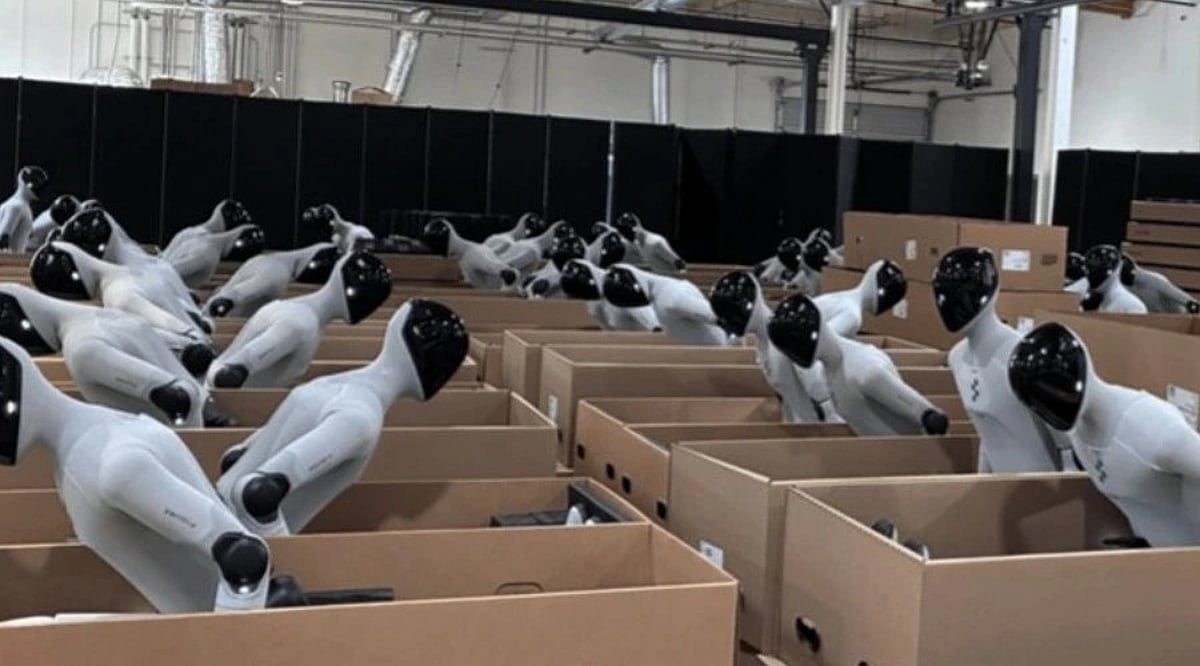
    First unveiled in 2021, the Tesla Optimus humanoid robot is designed to handle repetitive, dangerous, or physically demanding tasks. Currently being tested inside Tesla factories, Optimus is envisioned for future roles in warehouses, manufacturing, logistics, and even household chores. It represents Tesla’s push into advanced robotics and automation.

    Dojo AI Supercomputer

    Dojo is Tesla’s custom-built supercomputer, purpose-designed to train the neural networks behind its Full Self-Driving (FSD) technology. Instead of relying on third-party hardware like Nvidia GPUs, Dojo uses Tesla’s own D1 chips to process massive amounts of video data efficiently. This specialized architecture accelerates AI model training and gives Tesla greater control over its autonomous driving development.

    Tesla AI Chips

    Tesla designs its own artificial intelligence chips for use in its vehicles. These custom processors handle billions of calculations per second to power features like Autopilot and Full Self-Driving. By developing proprietary silicon, Tesla reduces dependency on external suppliers and optimizes performance for its specific needs.

    Tesla Supercharger Network

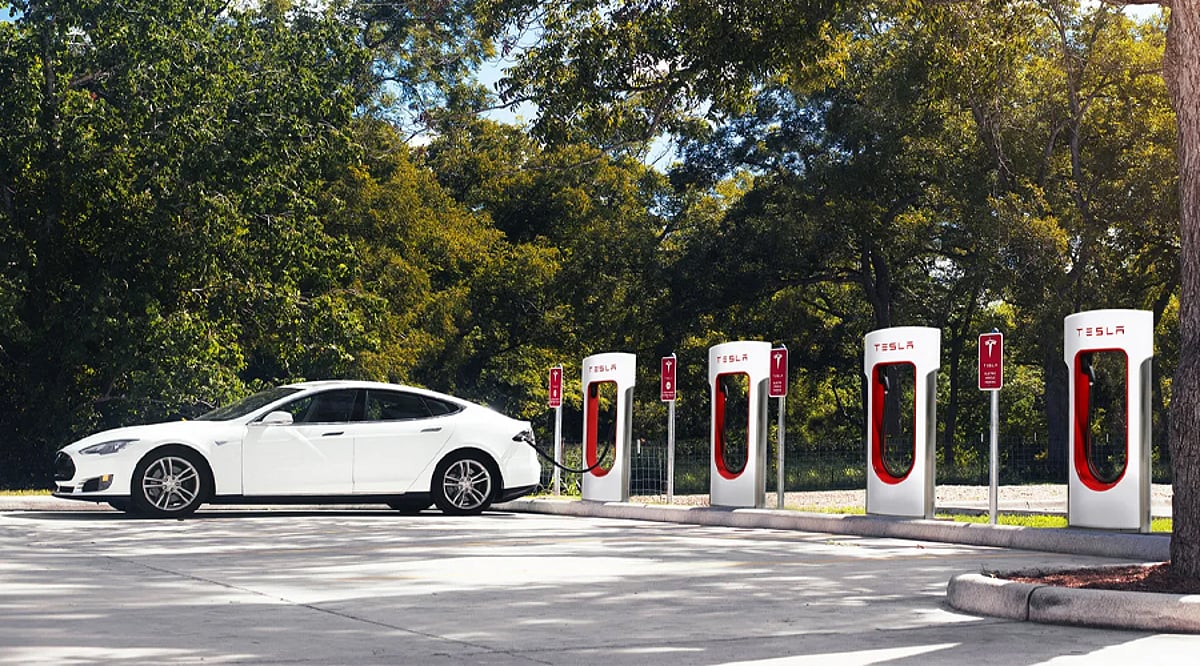
    While originally built exclusively for Tesla vehicles, the Supercharger network has evolved into a standalone infrastructure business. Tesla designs, manufactures, installs, and operates thousands of fast-charging stations worldwide. In many regions, non-Tesla EVs can now use Superchargers via compatible connectors, making the network a vital part of the broader EV ecosystem.

    Tesla Solar Roof

    The Solar Roof is a premium product that replaces traditional roofing materials with durable glass tiles that generate electricity. Unlike bulky solar panels mounted on top of an existing roof, the Solar Roof blends seamlessly with the home’s design. It allows homeowners to produce renewable energy without compromising aesthetics.

    Megapack Grid Batteries

    Megapack is Tesla’s large-scale energy storage solution for utility companies and commercial projects. These massive batteries store energy from renewable sources like solar and wind farms, then discharge it when demand is high. Utilities around the world use Megapacks to stabilize the grid, prevent blackouts, and support the transition to cleaner energy.

    Tesla’s ventures into energy, robotics, AI, and infrastructure show that the company is far more than an automaker. These innovations highlight a broader mission to accelerate the world’s transition to sustainable energy and intelligent automation.

  • Top 9 Automakers Dominating Global Vehicle Sales in 2026

    Top 9 Automakers Dominating Global Vehicle Sales in 2026

    The global automotive landscape is shifting rapidly, with established giants and emerging EV leaders vying for dominance. Based on current sales trajectories and market trends, these nine car brands are expected to lead worldwide vehicle sales in 2026.

    Toyota – Continues to dominate global vehicle sales with its dependable models, hybrid leadership, and an unmatched worldwide manufacturing network.

    Volkswagen – Maintains strong demand across markets thanks to a broad portfolio of passenger cars, SUVs, and a growing lineup of electric vehicles.

    BYD – Has emerged as one of the fastest-growing automakers by offering affordable EVs, leveraging battery innovation, and rapidly expanding internationally.

    Honda – Attracts millions of buyers with reliable cars, efficient engines, and strong hybrid offerings across major global markets.

    Hyundai – Expands market share through stylish SUVs, advanced technology, and competitive EV options tailored for modern consumers.

    Ford – Remains a global leader thanks to its bestselling pickup trucks, commercial vehicles, and continued investments in electric vehicles.

    Tesla – Sustains strong global EV demand with software-driven innovation, long-range batteries, and advanced autonomous driving technologies.

    Nissan – Retains customer confidence through practical vehicles, affordable pricing, and an expanding lineup of electrified models.

    Chevrolet – Continues delivering strong sales with versatile SUVs, pickup trucks, and growing electric vehicle options worldwide.

  • Toyota Crown Office Chair: $3,500 Heated, Cooled Luxury Seat with USB Charging

    Toyota Crown Office Chair: $3,500 Heated, Cooled Luxury Seat with USB Charging

    Toyota has transformed the front power seat of its Crown sedan into a premium office chair that offers heating, cooling, and luxury comfort. The chair is the result of a collaboration between Toyota Boshoku and furniture maker Itoki, merging automotive comfort with office furniture design.

    Users can enjoy heated and ventilated seating with multiple comfort levels, keeping warm in winter and cool during long work sessions. Motorized controls allow adjustment of recline, height, tilt, and lumbar support, replicating the experience of sitting inside a Toyota Crown sedan.

    A clever design twist repurposes the original Crown seatbelt buckle into a handy USB charging port for devices. Premium leather upholstery, chrome accents, and high-density cushioning give the chair a luxury look inspired by Toyota’s flagship sedan.

    Priced at around 495,000 yen ($3,500), the chair is limited to just 70 units and will be sold exclusively through Japan’s THE CROWN dealers. If demand exceeds supply, buyers will enter a lottery system for a chance to own this exclusive chair.

    While its premium price limits mass appeal, the Toyota Crown Office Chair showcases how automakers are bringing luxury car features into home and office spaces.

  • India’s Factory Robot Density Trails Global Manufacturing Leaders Despite PLI Success

    India’s Factory Robot Density Trails Global Manufacturing Leaders Despite PLI Success

    India’s Production Linked Incentive (PLI) schemes have attracted Rs. 2.16 lakh crore in investment and boosted electronics manufacturing from $37 billion to over $115 billion in less than a decade. However, the country’s factories remain far behind global leaders in automation.

    According to 2025 reports, South Korea leads the world with 1,220 robots per 10,000 employees, followed by Singapore with 818. China has 166 robots per 10,000 workers, while India’s robot density stands at just six — among the lowest in major manufacturing economies.

    Prateek Jain, COO and Co-founder of Addverb, stated: “The future of industrial development will be shaped by productivity, precision and the ability to manufacture at globally competitive levels. Robotics is no longer a factory upgrade. It has become a national competitiveness imperative.”

    South Korea’s high robot density is driven by electronics and auto giants like Samsung, LG, and Hyundai, which have increased robot use by 7% annually. China has invested heavily in AI, robotics, and smart factories, automating repetitive tasks, improving quality, and boosting efficiency while controlling costs.

    India’s lower labor costs have slowed automation adoption, but as global competition intensifies, factories may need to blend skilled workers with modern machines. This balance could help India strengthen its position in global manufacturing in the coming years.

  • Longest-Range Electric Cars of 2025: Top EVs That Go the Distance

    Longest-Range Electric Cars of 2025: Top EVs That Go the Distance

    Electric vehicles continue to push boundaries with ever-increasing driving ranges, making long-distance travel more practical than ever. Here are the top electric cars that offer the longest driving ranges, combining efficiency, luxury, and cutting-edge technology.

    Lucid Air Grand Touring

    Delivers an exceptional driving range exceeding 500 miles, making it one of the longest-range production electric cars available globally.

    Mercedes-Benz EQS 450+

    This luxury electric sedan offers remarkable efficiency, premium comfort, and an impressive range suitable for long-distance highway driving with confidence.

    Tesla Model S Long Range

    Combines rapid acceleration, advanced technology, Supercharger access, and outstanding range for convenient long-distance electric travel across extensive networks.

    Chevrolet Silverado EV RST

    Electric pickup provides excellent range while delivering strong towing capability, practicality, and advanced technology for work and recreational adventures alike.

    GMC Sierra EV Denali

    Premium electric truck offers luxurious interiors, impressive driving range, innovative features, and practical utility for demanding everyday transportation needs.

    Rivian R1S Max Pack

    Large electric SUV balances adventure-ready capabilities, spacious seating, off-road performance, and extended driving range for family road trips comfortably.

    Tesla Model 3 Long Range

    Popular electric sedan combines affordability, efficiency, fast charging, and excellent range, making it ideal for daily and highway driving.

    Polestar 3 Long Range

    Stylish luxury electric SUV delivers premium interiors, advanced safety systems, and competitive range with refined driving dynamics for modern buyers.

    Audi A6 e-tron Performance

    Upcoming electric sedan promises exceptional efficiency, advanced charging technology, premium comfort, and long-distance capability with modern aerodynamic design.

  • BMW to Cut 8,000 Jobs in Voluntary Redundancy Program Amid China Sales Slump and EV Competition

    BMW to Cut 8,000 Jobs in Voluntary Redundancy Program Amid China Sales Slump and EV Competition

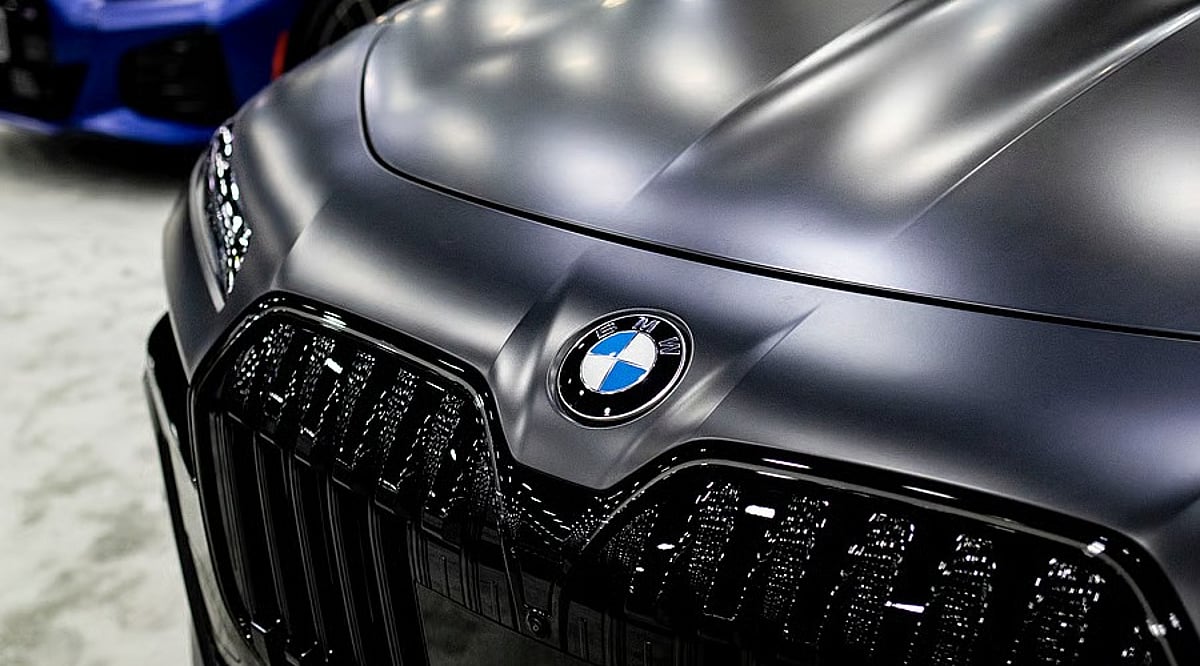
    German luxury automaker BMW is preparing to reduce its global workforce by approximately 8,000 positions through a voluntary redundancy program, marking one of its most significant restructuring efforts in recent years. The cuts are part of a broader cost-saving strategy as the company faces slowing demand in key markets, intensifying competition from Chinese electric vehicle (EV) manufacturers, and growing economic uncertainty.

    The workforce reduction will primarily affect administrative and development roles in Germany, while production jobs are expected to remain unaffected. BMW aims to improve profitability and streamline operations in an increasingly competitive automotive landscape.

    Voluntary Job Cuts to Focus on Non-Production Roles

    BMW has reached an agreement with employee representatives to implement the job reductions through voluntary severance packages rather than compulsory layoffs. The program is scheduled to begin later this year and continue through the end of 2027. It targets office-based positions across administration, research, development, and planning.

    The company currently employs around 150,000 people worldwide, with Germany accounting for more than half of its workforce. BMW intends to protect its manufacturing capacity while reducing operational costs in support functions. The restructuring is expected to lower the company’s global workforce by about 5%.

    A spokesperson stated: “The BMW Group is proactively shaping the profound changes taking place in its operating environment. These include the technological transformation of the automotive industry, geopolitical uncertainties, changing market conditions and developments in China.”

    China Slowdown and EV Competition Drive Restructuring

    BMW’s decision comes amid falling sales in China, one of its major markets. In the second quarter, the company reported a steep decline in Chinese deliveries, resulting in significant profit reductions and leading to adjustments in its financial performance forecast.

    Established European carmakers face increasing pressure from Chinese EV brands, which have grown rapidly by offering relatively low-priced products. Combined with rising tariffs, geopolitical issues, and higher operational costs, BMW has been compelled to take steps toward greater efficiency.

    Transformation Across Europe’s Auto Industry

    Several major European car manufacturers, including Volkswagen, Porsche, Mercedes-Benz, and Stellantis, have unveiled restructuring plans as the industry shifts toward an electrified and software-defined future. While automakers invest heavily in electric mobility, batteries, and digital platforms despite slowing demand in some markets, these factors have pressured them to find ways to innovate while reducing costs.

    Even with job cuts expected as part of the restructuring, BMW confirmed its commitment to developing new technologies, particularly the Neue Klasse all-electric platform, advanced software, and digital solutions.

  • Veo Debuts Three-Wheeled Electric Trike in Denver, Aiming to Broaden Micromobility Reach

    Veo Debuts Three-Wheeled Electric Trike in Denver, Aiming to Broaden Micromobility Reach

    Shared micromobility company Veo has launched its new electric tricycle, the Rover, in Denver, marking a significant step toward making shared transportation more stable and accessible. The three-wheeled vehicle is designed to appeal to seniors, beginners, commuters, and individuals with physical challenges, offering a safer alternative to traditional e-bikes and e-scooters.

    Riders can unlock the Rover through the Veo app, pay per trip, and return it after use. The trike fits within standard bike lanes and has a top speed of 10 mph, lower than typical shared micromobility limits, which Veo says enhances rider safety. It also boasts an estimated range of 45 miles per charge and includes a rear cargo basket suitable for groceries or luggage.

    Unlike two-wheeled vehicles, the Rover’s three-wheel design eliminates the need for balancing, keeping it upright automatically. Veo developed the design in consultation with disability rights groups, organizations for the elderly, and mobility experts.

    Denver signed an exclusive contract with Veo to operate the city’s bike-sharing system, replacing Lime and Bird. The city will serve as a testbed for the Rover, allowing Veo to study rider behavior before expanding to other US cities. The vehicle is equipped with an AI voice assistant for navigation and riding updates, as well as lidar technology that detects sidewalk riding. Trip data is anonymous.

    While electric tricycles have been available in the consumer market for years, Veo’s initiative represents one of the first large-scale efforts to introduce them into shared micromobility services. The company believes the format could appeal to a broad audience, including commuters seeking a more stable ride.

  • Tesla Q2 2026 Revenue Tops Estimates as Earnings Slip and Cash Flow Turns Negative

    Tesla Q2 2026 Revenue Tops Estimates as Earnings Slip and Cash Flow Turns Negative

    Tesla Surpasses Revenue Expectations in Q2 2026

    Tesla reported stronger-than-expected revenue for the second quarter of 2026, driven by record vehicle deliveries and growth in its energy storage business. However, the company’s earnings fell short of analyst estimates, and free cash flow turned negative for the first time in over two years, reflecting heavy investments in artificial intelligence, robotics, and future production programs.

    The electric vehicle maker generated $28.24 billion in quarterly revenue, above market consensus. Adjusted earnings per share came in at $0.33, well below the expected $0.50. Tesla also posted negative free cash flow of $1.09 billion, as capital expenditures more than doubled from the previous quarter and the same period last year.

    Record Deliveries Boost Top Line

    Tesla delivered 480,126 vehicles during the quarter, up from 384,122 a year earlier. The Model 3 and Model Y accounted for 467,762 deliveries, while other models contributed 12,364 units. This 26% year-over-year increase in deliveries helped push trailing twelve-month revenue past $100 billion for the first time.

    Energy storage deployments also showed strong growth, reaching 13.5 gigawatt-hours, compared with 9.6 GWh in the same quarter of 2025.

    Margins and Profitability Under Pressure

    Despite higher revenue, Tesla’s profitability faced headwinds. Automotive gross margin fell to 16.3%, below analyst expectations, as the company relied on lower-priced models and incentives to sustain demand. Revenue from regulatory credits dropped to $146 million, about two-thirds below the prior-year level.

    Net income stood at approximately $1.11 billion, while operating income plunged 57% to $398 million. Rising research and development costs, along with increased spending on production and technology programs, weighed on quarterly earnings.

    Heavy Spending on AI and Future Programs

    Tesla’s capital expenditures reached $5.8 billion in Q2, more than double the amount spent in both the first quarter of 2026 and the second quarter of 2025. Chief Financial Officer Vaibhav Taneja indicated that annual capital spending would exceed $25 billion, directed toward AI systems, robotaxi services, manufacturing equipment, and robotics development.

    CEO Elon Musk described 2026 as “a massive capex year,” emphasizing that the investments will support new products and expanded production capacity. Tesla has already started Cybercab production and is installing manufacturing lines for its Optimus humanoid robot.

    Full Self-Driving Subscriptions Grow

    Tesla ended the quarter with approximately 1.48 million active Full Self-Driving (FSD) subscriptions, a 56% increase year-over-year. More than 55% of new North American deliveries included an FSD subscription. The company continues to seek regulatory approval for the driver-assistance system in Europe and China.

    Musk noted that customers are increasingly considering FSD when purchasing a vehicle, though the system remains supervised and requires driver attention. Tesla is also expanding its robotaxi operations while navigating local regulations and safety requirements.

    Market Reaction

    Tesla shares declined following the earnings release, as investors reacted to the earnings miss, weaker automotive margins, and negative cash flow. The results highlight the balancing act Tesla faces between sustaining revenue growth and funding its ambitious autonomy, energy, and robotics initiatives.

  • Why Major Automakers Are Splitting Investments Between EVs and Hybrids in 2026

    Why Major Automakers Are Splitting Investments Between EVs and Hybrids in 2026

    Automakers are now taking a more balanced approach to powertrain investments, splitting billions between fully electric vehicles (EVs) and hybrids. Rather than retreating from electrification, companies like Toyota, Ford, GM, Honda, and Stellantis are using hybrids to manage risk and support long-term EV goals.

    Why EV Demand Has Cooled

    Between 2021 and 2024, automakers set ambitious timelines for an all-electric future. But by 2025, EV demand slowed as several markets cut incentives and consumer interest plateaued. Toyota reduced its 2026 global EV production target to 1 million units and delayed its US EV production start. Yet Toyota remained the top-selling automaker in the US in 2025, largely thanks to strong hybrid sales. This shift signals that many buyers still prefer hybrids as a practical, affordable choice.

    Why Hybrids Are Making a Comeback

    Hybrids appeal to buyers who want better fuel economy without worrying about charging infrastructure or the higher upfront cost of many EVs. Ford is adding hybrid options across nearly its entire lineup. Honda is developing a new hybrid platform from the ground up. Stellantis, meanwhile, is moving away from plug-in hybrids in North America toward mild hybrids and range-extended models.

    Why Automakers Need Both Powertrains

    Hybrid production uses existing engine and transmission lines, existing supplier deals, and much smaller battery packs than full EVs. This reduces exposure to volatile lithium and nickel prices and helps factories stay busy while EV demand catches up. Ford expects its EV division, Model e, to turn a profit by 2029, with hybrid profits helping bridge the gap. GM took a $6 billion writedown on its EV business and is rethinking an all-electric Cadillac lineup. Stellantis is building the STLA One platform, designed to handle EV, hybrid, and gas models on the same production lines. This approach doesn’t sideline EVs—it uses hybrid profits to buy time for the industry to get electric mobility right.

    Regional Strategies Shape Powertrain Choices

    No single global strategy works for every market. Easing US emissions rules have reduced the compliance value of plug-in hybrids in some segments, leading Stellantis to retire them in North America. Europe, on the other hand, continues to push for tighter emissions standards and stronger EV incentives. North America’s uneven charging infrastructure keeps hybrids ahead in mainstream segments, while regions with robust charging networks and policy support favor EVs. Executives now describe this as running several regional strategies in parallel, rather than one transition plan with a fixed end date.

    What It Means for Buyers and Investors

    Buyers can expect more hybrid choices in mainstream segments through 2026, alongside EVs positioned carefully where charging infrastructure is mature. For investors, key metrics to watch are hybrid margins, capital committed to shared platforms like STLA One, and how fast EV divisions close their profitability gap.

    Final Thoughts

    Instead of betting solely on EVs or hybrids, automakers are competing on operational flexibility—running both powertrains on shared factories and platforms without overcommitting to either. That flexibility, more than any single technology, is shaping up as the industry’s real competitive advantage for the rest of the decade.

  • India’s Longest-Range Electric Cars: Top 9 Models for 2025

    India’s Longest-Range Electric Cars: Top 9 Models for 2025

    India’s electric vehicle (EV) market is rapidly evolving, with automakers offering increasingly impressive driving ranges. As battery technology improves and charging infrastructure expands, the choice of long-range EVs has never been broader. Whether you’re a luxury buyer, an urban commuter, or a highway traveler, there’s an electric car in India to match your needs. Below, we detail the nine electric cars boasting the longest certified ranges in the country, from premium sedans to family-friendly SUVs.

    1. Mercedes-Benz EQS 580 4MATIC – 857 km

    This flagship electric sedan tops the list with an ARAI-certified range of up to 857 kilometers. It combines cutting-edge technology with opulent luxury, making it ideal for those who demand the best in performance and comfort.

    2. Mercedes-Benz EQS SUV – 809 km

    Offering a claimed driving range of up to 809 kilometers, this luxury SUV provides spacious seating and advanced safety systems while retaining the refined electric performance expected from the three-pointed star.

    3. Mahindra BE 6 – 683 km

    Mahindra’s newest electric SUV delivers up to 683 kilometers of claimed range, blending futuristic design with strong performance and a host of advanced features tailored for long-distance driving.

    4. Mahindra XEV 9e – 656 km

    The XEV 9e combines coupe-SUV styling with a claimed range of up to 656 kilometers. It offers spacious interiors, premium technology, and everyday usability, making it a compelling choice in the segment.

    5. BYD Seal – 650 km

    BYD’s sleek sedan provides up to 650 kilometers of claimed range, featuring sporty performance, rapid charging capabilities, and a feature-rich cabin that competes with established luxury brands.

    6. Tata Harrier.ev – 627 km

    Tata’s flagship electric SUV boasts an MIDC range of up to 627 kilometers. Equipped with a dual-motor all-wheel drive system, it offers robust capability and high ground clearance for Indian road conditions.

    7. Tata Curvv.ev – 585 km

    The Curvv.ev offers up to 585 kilometers of claimed range in a coupe-inspired SUV body. It targets families with its blend of modern technology, practical electric mobility, and standout exterior design.

    8. Hyundai Creta Electric – 473 km

    Hyundai’s recently launched electric version of the popular Creta SUV provides a certified range of up to 473 kilometers. It is well-suited for daily commuting and occasional highway trips, supported by Hyundai’s extensive service network.

    9. MG Windsor EV Pro – 449 km

    The Windsor EV Pro rounds out the list with a claimed range of up to 449 kilometers. It emphasizes comfort, connected features, and a value-focused ownership experience, making it an attractive entry-level long-range EV.

    These nine electric cars represent the forefront of India’s shift toward sustainable transportation. With ranges exceeding many petrol vehicles, they prove that electric mobility is no longer a compromise but a smart choice for modern drivers.