Category: Gadgets

  • Samsung Galaxy Watch 9 Review: A Premium Android Smartwatch with a Big AMOLED Display

    Samsung Galaxy Watch 9 Review: A Premium Android Smartwatch with a Big AMOLED Display

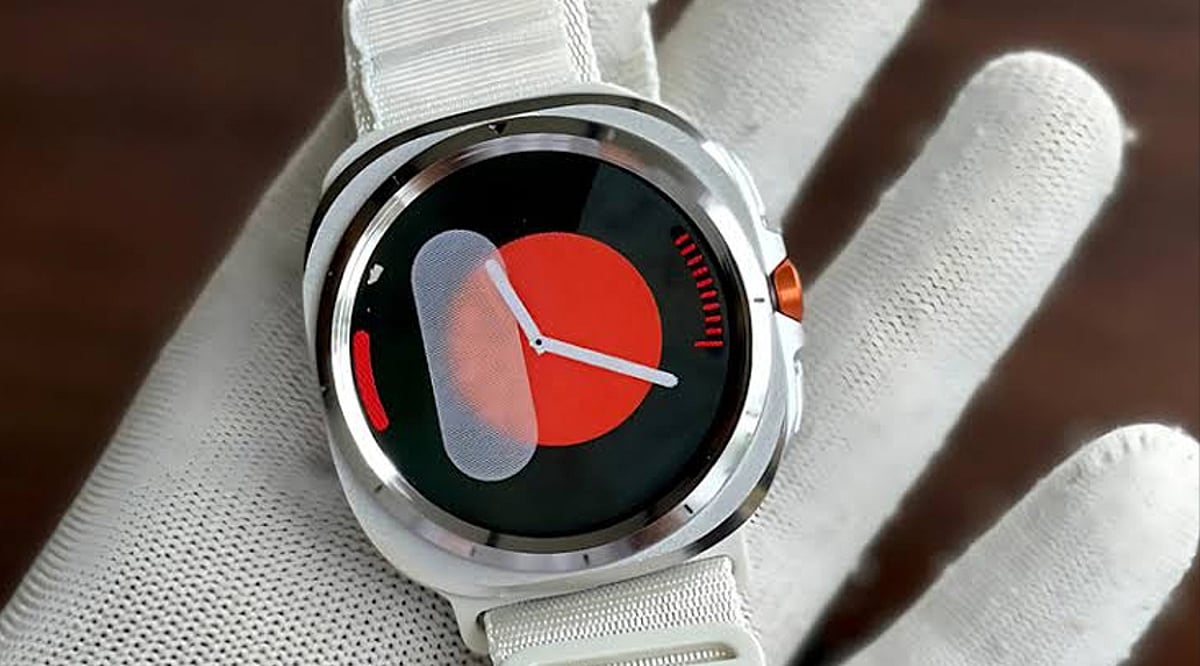
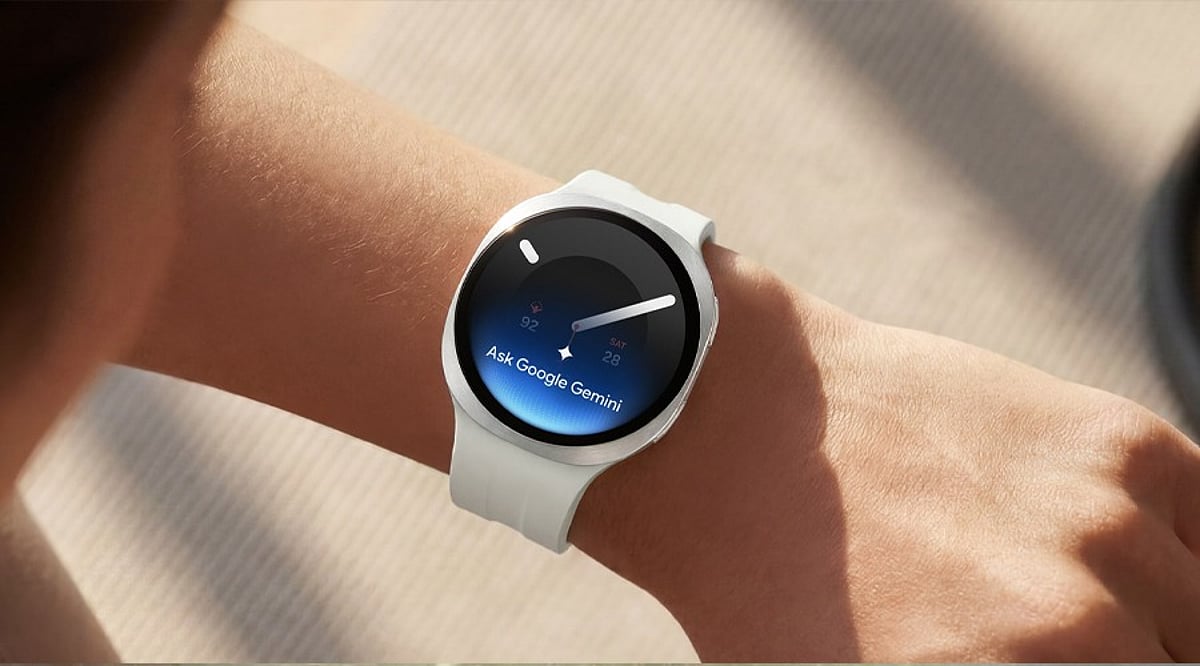
    The Samsung Galaxy Watch 9 is a premium Android smartwatch built for users who want a large display, extensive health and fitness tracking, and a refined design. With its bright AMOLED panel, Snapdragon chipset, and Wear OS experience, this watch aims to be a versatile everyday companion.

    Overview

    Samsung’s Galaxy Watch 9 earns a solid 4 out of 5 rating. It is positioned as an expensive option, but it delivers a well-rounded package for Android phone owners. The watch pairs a big, easy-to-read screen with a lightweight build, making it comfortable for all-day and all-night wear.

    Key Specifications

    • Display: AMOLED display with a large, bright screen for easy viewing of notifications and health data.
    • Chipset: Snapdragon processor for smooth performance.
    • Software: Wear OS with deep integration for Samsung Galaxy devices.
    • Battery: Good capacity for typical daily use.
    • Health features: GPS, sleep monitoring, workout tracking, ECG, body composition analysis, and more.
    • Durability: Built for daily outdoor use and swim-friendly wear.

    Pros and Cons

    Pros

    • Bright, large AMOLED display
    • Fast performance with Snapdragon chipset
    • Comprehensive health and fitness tracking
    • Lightweight and comfortable for long wear
    • Durable enough for outdoor and swimming use

    Cons

    • Battery life is average compared with modern smartwatches
    • Some advanced features work best with Galaxy smartphones

    Final Verdict

    The Samsung Galaxy Watch 9 is a high-end smartwatch that shines with its bright screen, responsive performance, and generous health and fitness suite. The large display is especially useful for notifications, workouts, and everyday navigation. While it remains light enough for extended wear and durable enough for outdoor and swimming activities, buyers should note that battery life is nothing special and that the full experience is best unlocked with a Galaxy phone.

  • Apple AirPods 5 Review: Enhanced ANC, Adaptive Audio, and Improved Battery Life

    Apple AirPods 5 Review: Enhanced ANC, Adaptive Audio, and Improved Battery Life

    Overview

    The latest Apple AirPods 5 bring significant improvements to Apple’s standard wireless earbuds while retaining the familiar open-ear design. These earbuds now feature active noise cancellation (ANC), adaptive EQ, adaptive audio, and personalized spatial audio. Apple has notably enhanced noise cancellation performance, and the updated acoustic system delivers richer, more balanced sound quality. Additionally, the AirPods 5 offer increased resistance to dust, sweat, and water, along with better battery life and hands-free Siri voice commands.

    General Specifications

    • Design: Open-ear, stem-style
    • Active Noise Cancellation: Yes (improved over previous generation)
    • Adaptive EQ: Yes
    • Adaptive Audio: Yes
    • Spatial Audio: Personalized with dynamic head tracking
    • Dust, Sweat, and Water Resistance: IPX4-rated (increased)
    • Battery Life: Up to 6 hours (ANC on), up to 30 hours with charging case
    • Voice Assistant: Siri with voice activation
    • Connectivity: Bluetooth 5.3, Apple H2 chip
    • Weight: 4.0 g per earbud

    Pros and Cons

    Pros

    • Excellent active noise cancellation for open-ear design
    • Rich, detailed sound with adaptive EQ
    • Seamless integration with Apple ecosystem
    • Improved durability against dust, sweat, and water
    • Longer battery life compared to AirPods 4
    • Hands-free Siri and adaptive audio features

    Cons

    • Open-ear design limits passive noise isolation
    • Bass response not as deep as in-ear models like AirPods Pro
    • No customizable fit options (one-size-fits-all)
    • Price premium over competitors

    Final Verdict

    Overall, the AirPods 5 are an excellent choice for Apple users who prefer open-ear earbuds but still want advanced features like ANC, adaptive audio, and spatial sound. The improved audio quality, enhanced noise cancellation, increased durability, and seamless compatibility with Apple devices make them a great everyday listening companion. However, if you require maximum noise isolation or deep, punchy bass, in-ear alternatives such as the AirPods Pro series may be more suitable. For those seeking a well-rounded upgrade with strong value, the AirPods 5 deliver a compelling package.

    Rating: 4.5 / 5

  • Top 5 VR Headsets of 2026: Standalone Gaming, PC Visuals, and Spatial Computing Compared

    Top 5 VR Headsets of 2026: Standalone Gaming, PC Visuals, and Spatial Computing Compared

    The virtual reality market in 2026 offers an unprecedented range of choices, from all-in-one standalone headsets to high-end PC-tethered systems and premium spatial-computing devices. Whether you are a gamer, a simulation enthusiast, or a productivity-focused user, there is a headset tailored to your needs. Below, we break down five standout VR headsets available this year and what makes each one unique.

    1. Meta Quest 3: Versatile All-in-One VR with Mixed Reality

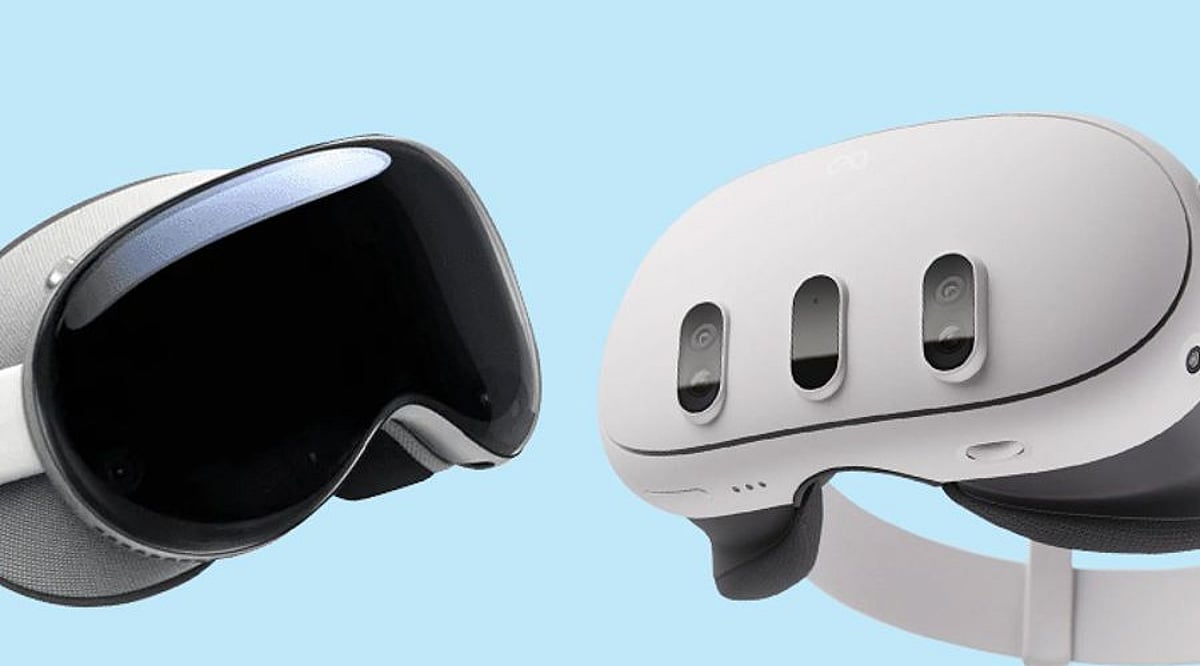
    The Meta Quest 3 continues to dominate the standalone VR segment by combining immersive virtual reality with color passthrough mixed reality. Powered by the Snapdragon XR2 Gen 2 platform and featuring pancake lenses, it requires no PC or console to operate. This headset is ideal for users who want a broad library of games and apps without the hassle of wires, while still offering the option to connect to a PC for more demanding experiences.

    2. PlayStation VR2: Console Gaming at Its Finest

    Designed exclusively for the PlayStation 5, the PS VR2 delivers a console-focused VR experience with stunning OLED displays, integrated eye tracking, and haptic headset feedback. Its advanced Sense controllers provide precise motion tracking and adaptive triggers. This headset is perfect for gamers who already own a PS5 and want access to a curated library of high-quality VR titles.

    3. Valve Steam Frame: Wireless PC VR Freedom

    Valve’s Steam Frame bridges the gap between standalone and PC VR. It runs on a Snapdragon 8 Gen 3 processor with 16GB of RAM and supports wireless connection to a gaming PC. With built-in eye tracking and standalone functionality, it targets users who want the flexibility of untethered play combined with the power of SteamVR’s extensive library. This is a strong choice for those who value both mobility and high-fidelity PC gaming.

    4. Pimax Crystal Light: Visual Fidelity for Simulation Enthusiasts

    The Pimax Crystal Light focuses on delivering exceptional image quality for PC VR. It features high-resolution displays, glass aspheric lenses, and a refresh rate of up to 120Hz. A DisplayPort connection ensures minimal compression and maximum detail, making it a top pick for flight and racing simmers, as well as anyone who prioritizes sharp visuals over standalone convenience.

    5. Apple Vision Pro: Redefining VR as Spatial Computing

    Apple’s Vision Pro takes a different approach by emphasizing spatial computing over gaming. Equipped with dual Micro-OLED displays, Apple silicon, and advanced eye tracking, it enables immersive experiences for productivity, entertainment, and creative work. Spatial video capture and seamless integration with the Apple ecosystem position it as a premium device for users seeking a versatile mixed-reality headset beyond gaming.

    Each of these headsets caters to a distinct audience. The Meta Quest 3 is the jack-of-all-trades; the PS VR2 is for console gamers; the Valve Steam Frame offers wireless PC flexibility; the Pimax Crystal Light delivers uncompromised visuals; and the Apple Vision Pro opens the door to spatial computing. Understanding your primary use case — from gaming and simulations to productivity and media consumption — will guide you to the perfect VR headset in 2026.

  • LG Xboom Bounce Review: Powerful Sound, Unique Design, and 30-Hour Battery Life

    LG Xboom Bounce Review: Powerful Sound, Unique Design, and 30-Hour Battery Life

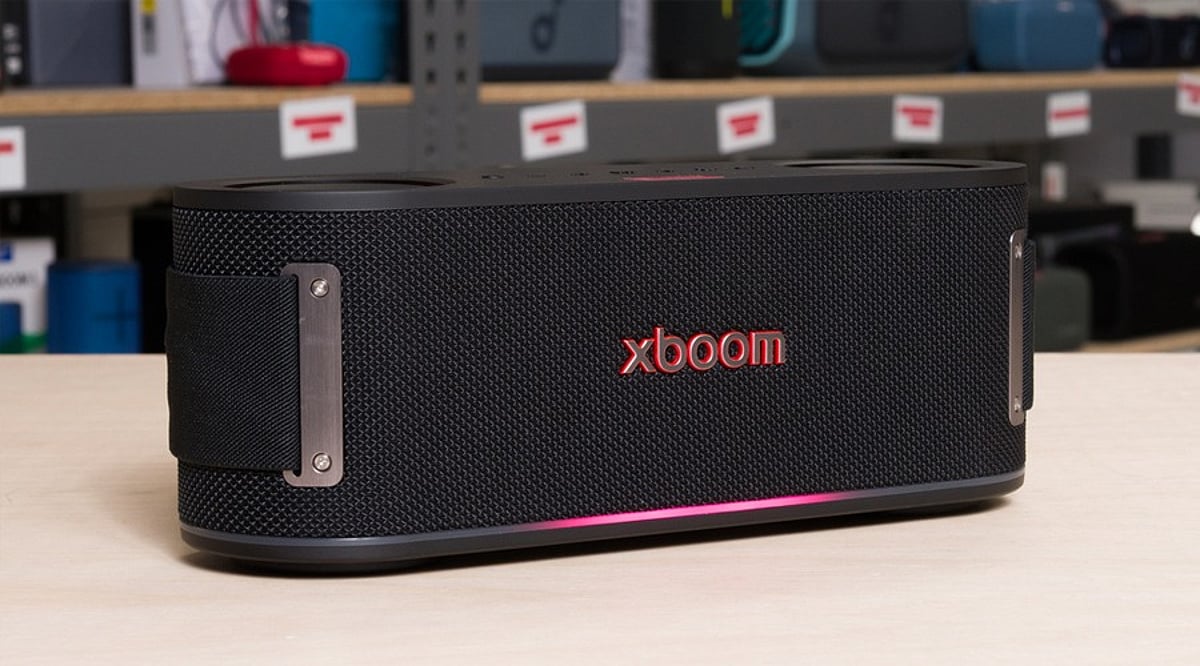
    The LG Xboom Bounce is a portable Bluetooth speaker that stands out thanks to its distinctive design and exposed passive radiators. Developed in collaboration with will.i.am, this speaker combines a unique aesthetic with robust audio performance. It features a 2.1-channel stereo system, Bluetooth 5.4, IP67 dust and water resistance, customizable EQ modes, AI-powered lighting, and an impressive 30-hour battery life. While the Xboom Bounce offers an innovative take on portable speakers, its app setup and included strap could use improvement.

    General Specifications

    Here are the key specifications of the LG Xboom Bounce:

    • Speaker Configuration: 2.1-channel stereo
    • Bluetooth Version: 5.4
    • Water and Dust Resistance: IP67
    • Battery Life: Up to 30 hours
    • Special Features: AI Lighting, customizable EQ
    • Design: Exposed passive radiators

    Pros and Cons

    Pros:

    • Excellent sound quality with rich bass
    • Long battery life (30 hours)
    • IP67 waterproof and dustproof
    • Customizable EQ settings
    • Unique, eye-catching design

    Cons:

    • LG ThinQ app can be cumbersome to use
    • Carry strap feels weak and low quality
    • Sound quality slightly degrades at maximum volume

    Final Verdict

    The LG Xboom Bounce is a strong contender in the portable Bluetooth speaker market. Its design gives it plenty of character, but it is far more than a novelty gadget. With good sound quality, flexible EQ adjustments, reliable waterproofing, and excellent battery performance, the speaker performs well across the board. However, the poor experience with the ThinQ app and the flimsy carry strap are notable drawbacks. Additionally, the audio takes a small hit when played at full volume. Overall, the Xboom Bounce is an easy recommendation at its price point.

  • Refurbished Galaxy Watch? 7 Key Checks to Make Before You Buy

    Refurbished Galaxy Watch? 7 Key Checks to Make Before You Buy

    Buying a refurbished Samsung Galaxy Watch can save you money, but it also requires careful evaluation. These seven checks will help you avoid hidden problems and choose a device that performs like a new one.

    1. Check Battery Health

    A refurbished Galaxy Watch may not deliver the same battery life as a brand-new model. Lithium-ion batteries naturally lose capacity over time, so ask whether the seller replaced the battery during refurbishment. If the original battery is still inside, request a health report or be prepared for shorter battery life.

    2. Confirm Software Update Support

    Older Galaxy Watch models may no longer receive software or security updates. Galaxy Watch4 and newer models run Wear OS, while earlier models use Tizen. Check the exact model number and verify how long Samsung continues to support it before committing to a purchase.

    3. Inspect the Screen and Buttons

    Examine the display closely for scratches, cracks, dead pixels, or other damage. Test every button and the rotating bezel if the model has one. Make sure the touchscreen responds accurately across the entire display, not just in the center.

    4. Test Charging and Water Resistance

    Confirm that the watch charges properly and connects firmly with its charger. Inspect the charging contacts, strap pins, and lugs for damage. Older seals and adhesives can break down over time, so do not assume an older refurbished watch still has its original water resistance rating.

    5. Verify Phone Compatibility

    Before buying, make sure the Galaxy Watch works with your smartphone. Compatibility can vary by model and phone brand. Checking this in advance can prevent issues with setup, apps, notifications, calls, and other smartwatch features.

    6. Research the Seller and Warranty

    Always research the seller before placing an order. Read customer reviews and check whether the listing clearly mentions repaired parts, cosmetic damage, battery condition, warranty, and return terms. A trustworthy refurbisher should also state what tests the device has passed.

    7. Compare Prices Across Sellers

    Do not choose a refurbished Galaxy Watch just because the price is low. Compare the same model across different sellers and consider condition, battery health, accessories, warranty, and software support. Paying a little more may give you better protection and a more complete package.

  • Best Gadget Shopping Stores in India: A Guide to Top Electronics Retailers

    Best Gadget Shopping Stores in India: A Guide to Top Electronics Retailers

    Introduction

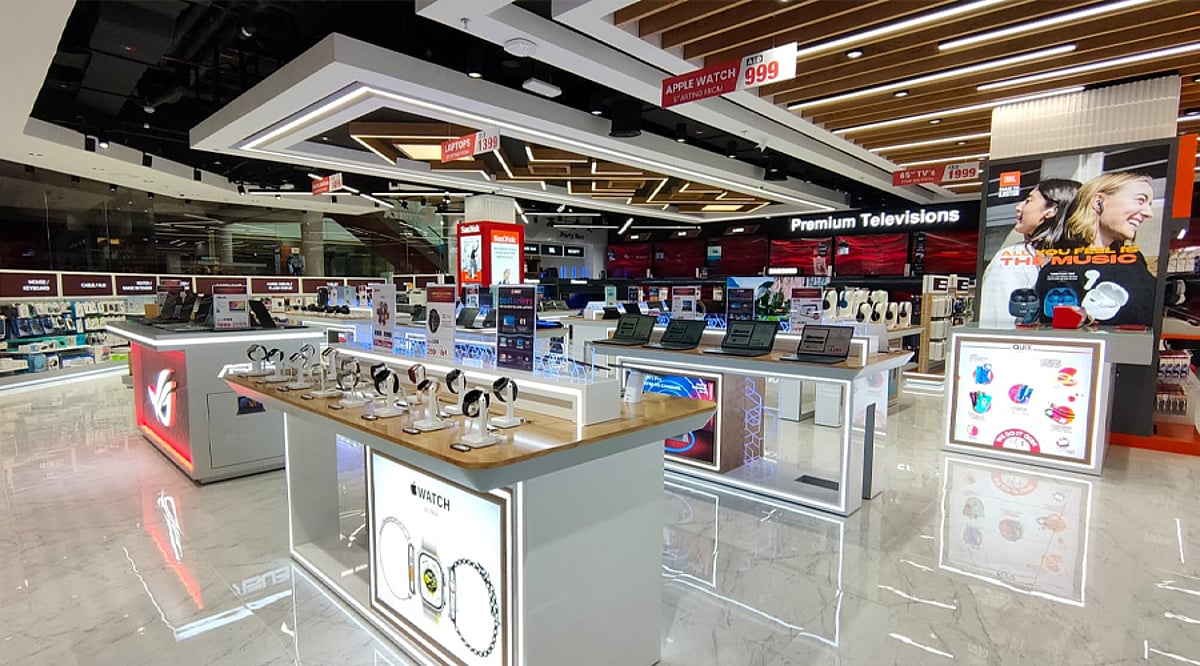
    India offers a diverse range of electronics retailers, from sprawling big-box stores to specialized mobile outlets. Whether you’re looking for the latest smartphone, a powerful laptop, or smart home devices, these stores provide extensive selections and competitive prices. Below is a look at some of the top gadget shopping stores in India.

    Croma

    Croma is a well-known electronics retailer in India, offering a comprehensive range of products including smartphones, laptops, televisions, home appliances, accessories, and gaming gear. With physical stores in numerous cities and a user-friendly online platform, Croma gives customers access to multiple brands and frequent promotional offers, making it a popular choice for gadget purchases.

    Reliance Digital

    Reliance Digital is a leading consumer electronics chain, stocking smartphones, laptops, televisions, cameras, headphones, smart devices, and more. Its widespread retail presence makes it easily accessible across the country, and it offers products from a variety of brands to suit different budgets and preferences.

    Vijay Sales

    Vijay Sales has established a strong foothold in India’s electronics retail sector, particularly in major cities. The store offers a wide array of products including smartphones, laptops, televisions, home appliances, gaming products, and accessories. Its online store complements its physical outlets, and regular discounts and exchange offers make gadget shopping more attractive.

    Sangeetha Mobiles

    Sangeetha Mobiles is a prominent electronics retailer, especially in South India. It specializes in smartphones, tablets, laptops, accessories, and other consumer electronics. The retailer frequently runs promotional offers and exchange deals, giving shoppers additional value when comparing prices across different brands.

    Poorvika Mobiles

    Poorvika Mobiles is another major electronics retailer, particularly popular in southern Indian markets. Its product range includes smartphones, laptops, tablets, smartwatches, headphones, and accessories. The company operates physical stores alongside an online platform, allowing customers to compare devices and explore different brands before making a purchase.

    Lot Mobiles

    Lot Mobiles has a strong retail presence in several parts of India and focuses primarily on smartphones and related electronics. Customers can explore devices from leading brands along with accessories and other gadgets. Its physical stores provide an option for shoppers who prefer hands-on product inspection before buying.

    Amazon India

    Amazon India is a major online destination for gadget shopping, offering a vast selection of smartphones, laptops, gaming accessories, smartwatches, headphones, cameras, and other electronics. The platform’s large inventory allows shoppers to compare brands, specifications, ratings, and prices easily. Major sale events like the Great Indian Festival bring attractive discounts across a wide range of electronic products.

    Conclusion

    Whether you prefer the hands-on experience of a physical store or the convenience of online shopping, India’s gadget retail landscape has something for everyone. From the extensive showrooms of Croma and Reliance Digital to the specialized mobile outlets like Sangeetha and Poorvika, and the e-commerce giant Amazon, shoppers have access to a wealth of options and deals.

  • Upcoming Budget Earbuds: Key Brands and Features to Watch

    Upcoming Budget Earbuds: Key Brands and Features to Watch

    The budget wireless earbuds segment continues to heat up, with several major brands preparing new launches featuring improved sound, battery life, and smart features. Here is a look at what to expect from top players like boAt, Noise, Realme, OnePlus, Boult Audio, JBL, and Oppo.

    boAt

    boAt remains a dominant force in affordable audio, consistently targeting feature-hungry buyers. Upcoming models are expected to emphasize longer battery life, deeper bass, better microphone performance, and low-latency modes. With its deep market penetration in India, new boAt earbuds will likely appeal to everyday users seeking quality wireless audio on a budget.

    Noise

    Noise has carved out a strong niche among younger consumers with value-packed earbuds. Future releases may bring refined sound, extended playback, clearer calling, and more intuitive controls. The brand’s commitment to affordability will keep its upcoming offerings relevant for shoppers prioritizing practical features at low prices.

    Realme

    Realme continues to innovate in the budget segment, blending modern designs with active noise cancellation, long battery life, and dedicated gaming modes. Its tight integration with the Realme smartphone ecosystem could further boost its appeal among users who prefer a single-brand device experience.

    OnePlus

    OnePlus has expanded its audio lineup with products balancing design, sound, and price. Future budget earbuds are likely to enhance noise cancellation, call clarity, fast charging, and seamless integration with OnePlus phones. These features make them attractive for users upgrading from basic wireless earphones.

    Boult Audio

    Boult Audio remains active in India’s value-focused audio space, offering earbuds at multiple price points. New launches will continue to emphasize strong bass, stylish designs, long battery life, and gaming-friendly features. As competition intensifies, buyers can expect even more options in the affordable segment.

    JBL

    JBL brings its renowned audio expertise to budget wireless earbuds. Upcoming models will focus on balanced sound, comfortable ergonomics, reliable connectivity, and solid battery life. For consumers who trust a familiar audio brand, JBL’s new entries add another strong contender to the crowded market.

    Oppo

    Oppo’s audio products often complement its smartphones, and its upcoming budget earbuds are no different. Expect improvements in call quality, battery life, noise control, and effortless device pairing. As the segment grows, Oppo can leverage useful features at accessible prices to attract more buyers.

    Stay tuned for official announcements and reviews as these brands unveil their latest budget-friendly earbuds later this year.

  • Moto Pad 70 Groove vs Standard Moto Pad 70: Which Motorola Tablet Delivers Better Audio?

    Moto Pad 70 Groove vs Standard Moto Pad 70: Which Motorola Tablet Delivers Better Audio?

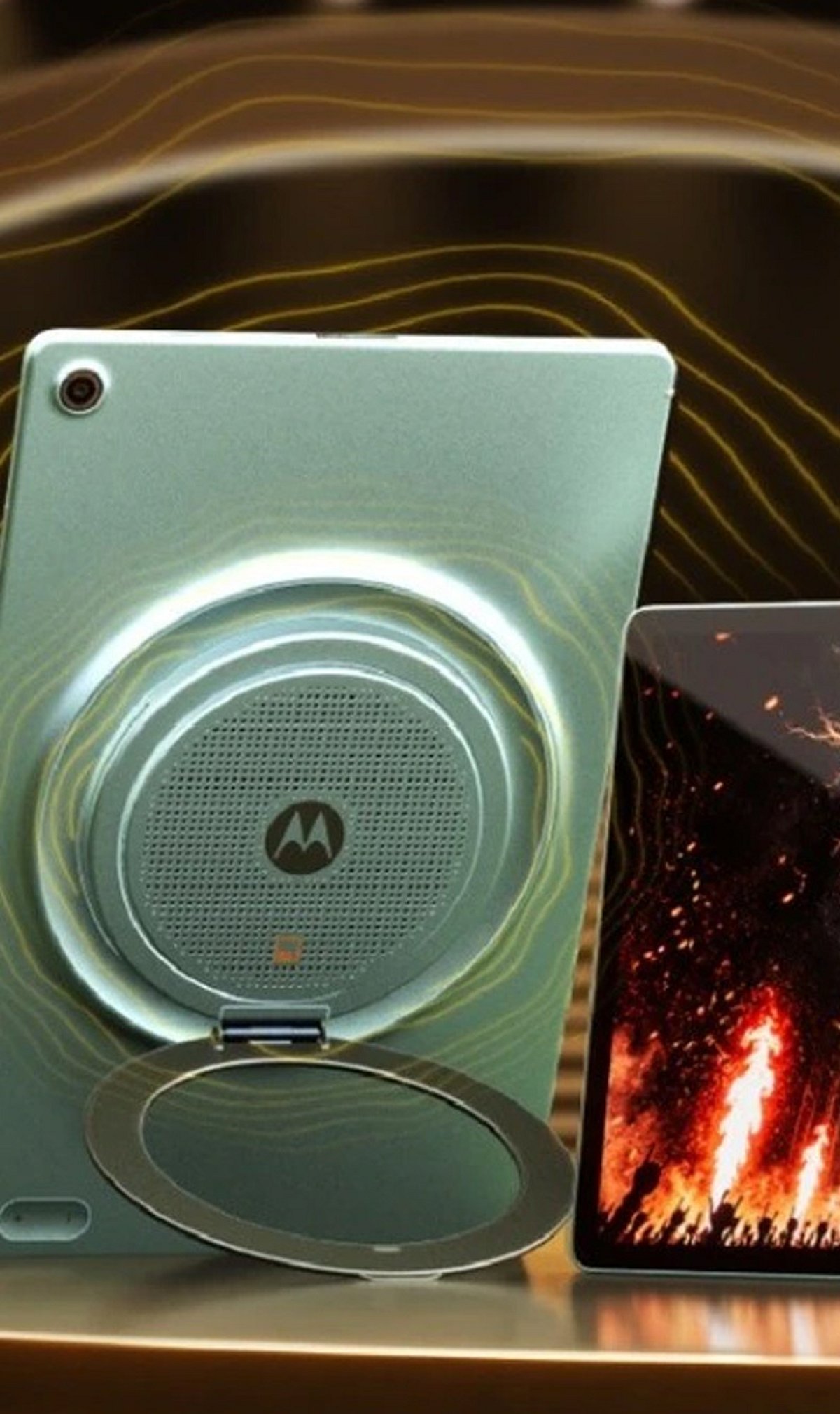
    Motorola’s Moto Pad 70 Groove and the standard Moto Pad 70 may look nearly identical, but they target different user priorities. The key difference lies in audio performance: the Groove variant is engineered for richer sound, making it a stronger choice for entertainment lovers, while the regular model offers a more balanced, no-frills tablet experience.

    The Moto Pad 70 Groove puts audio front and center. Its enhanced sound system is designed to elevate music, movies, and gaming, creating a more immersive media experience. For users who frequently stream content or play audio-heavy games, the Groove model provides a noticeable upgrade in sound quality and volume.

    In contrast, the standard Moto Pad 70 takes a simpler approach. It delivers solid performance for everyday tasks such as browsing, reading, streaming, and light gaming, but does not emphasize audio as a standout feature. This makes it a more straightforward option for users who want a capable large-screen device without paying extra for specialized speakers.

    Both tablets share a similar design and are built to handle typical digital activities. Motorola’s strategy with these two variants shows how small hardware tweaks can create distinct experiences, even when the devices look alike. The Groove model appeals specifically to users who value sound quality, while the standard model caters to those who prefer a well-rounded tablet at a potentially lower price point.

    Ultimately, the decision comes down to how you use your tablet. If rich audio matters to you, the Moto Pad 70 Groove is the clear winner. If you need a reliable, all-purpose tablet without extra audio emphasis, the standard Moto Pad 70 remains a solid choice.

  • Primebook 3 Max Debuts in India at ₹35,990 With 12-Hour Battery and Linux App Compatibility

    Primebook 3 Max Debuts in India at ₹35,990 With 12-Hour Battery and Linux App Compatibility

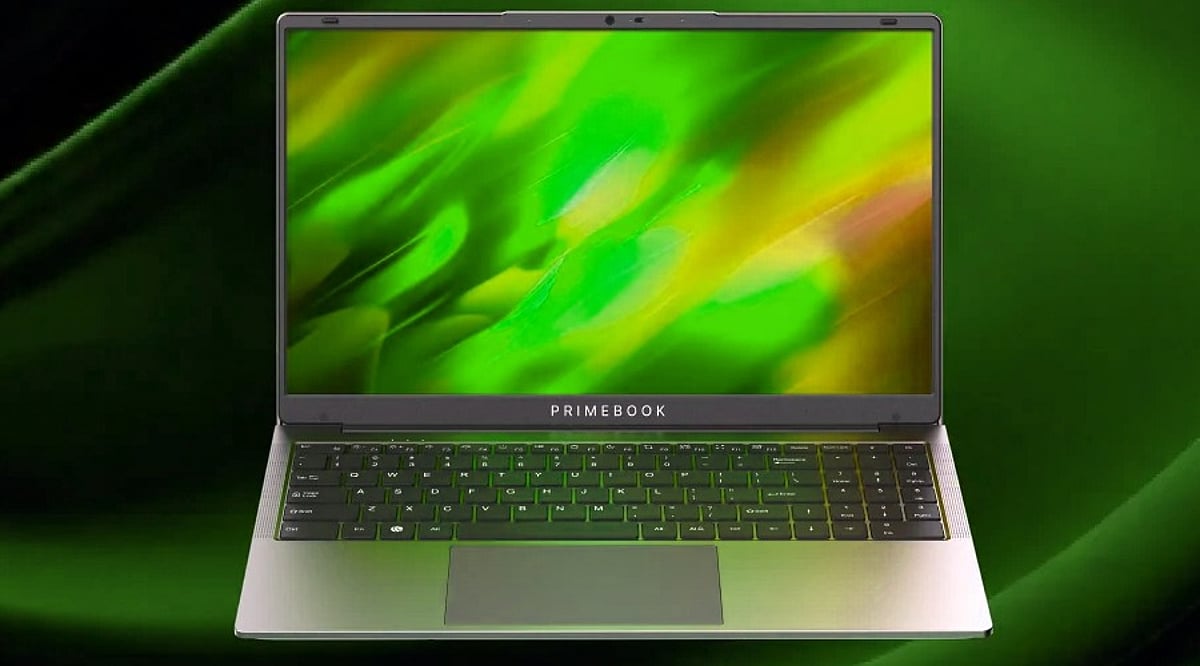
    Primebook has officially introduced the Primebook 3 Max in India at a starting price of ₹35,990. The new laptop marks the beginning of the company’s third-generation lineup, bringing a refreshed mix of hardware and software for budget-minded shoppers.

    Aimed at students, developers, early-career professionals, and general users, the Primebook 3 Max is scheduled to go on sale starting October 1 through Amazon, Flipkart, and the company’s own website. It will also be available at select retail partners including Bajaj Electronics, Sangeetha Mobiles, and Pai International.

    Performance and display

    Under the hood, the Primebook 3 Max runs on a MediaTek Genio 720 processor paired with 8GB of LPDDR5 RAM and 128GB of UFS storage. Primebook says the new model delivers up to 40% higher performance than the previous generation.

    The laptop comes with a 15.6-inch Full HD IPS anti-glare display offering up to 250 nits of brightness. A 60.3Wh battery provides a claimed runtime of up to 12 hours, while a 36W USB-C charger handles recharging. For connectivity, it offers Wi-Fi 6, Bluetooth 5.3, USB-C, USB-A, a headphone jack, and display output support. The device also includes a 5-megapixel webcam, stereo speakers, dual microphones, and a backlit keyboard.

    PrimeOS and Linux app support

    The standout feature of the Primebook 3 Max is PrimeOS, which extends the laptop’s capabilities beyond typical Android apps. PrimeOffice, which includes PrimeDocs, PrimeSheets, and PrimePresent, offers offline productivity with over 90% of commonly used office functions. The company plans to bring PrimeOffice to Primebook 2 and Primebook 3 Pro users as well.

    Linux support is another major addition. Users can access selected Linux applications and a terminal, with pre-supported software including VS Code, GIMP, LibreOffice, Firefox, Arduino IDE, DBeaver CE, and Postman. This gives developers and students more flexibility without leaving the Android ecosystem.

    AI and security features

    Primebook has also integrated PrimeAGNT, an operator AI layer, into the system. The MediaTek Genio 720 platform includes an NPU to support these AI interactions. On top of that, PrimeSecurity and Task Manager help monitor background activity, system resources, and potentially harmful applications.

    Storage and availability

    For those who need more space, the Primebook 3 Max supports microSD expansion up to 1TB. The laptop will also be promoted during the upcoming Amazon Great Indian Festival and Flipkart Big Billion Days sales.

    The Primebook 3 Max enters a crowded budget laptop market with software flexibility as its core selling point. Its blend of Android apps, Linux tools, cloud PC access, and AI features could appeal to users looking for a multi-purpose computing device. However, those who rely on specialized Windows software should verify compatibility before making a purchase.

  • India-Made iPhone 18 Pro and Pro Max Enter Global Launch Supply as Foxconn and Tata Expand Production

    India-Made iPhone 18 Pro and Pro Max Enter Global Launch Supply as Foxconn and Tata Expand Production

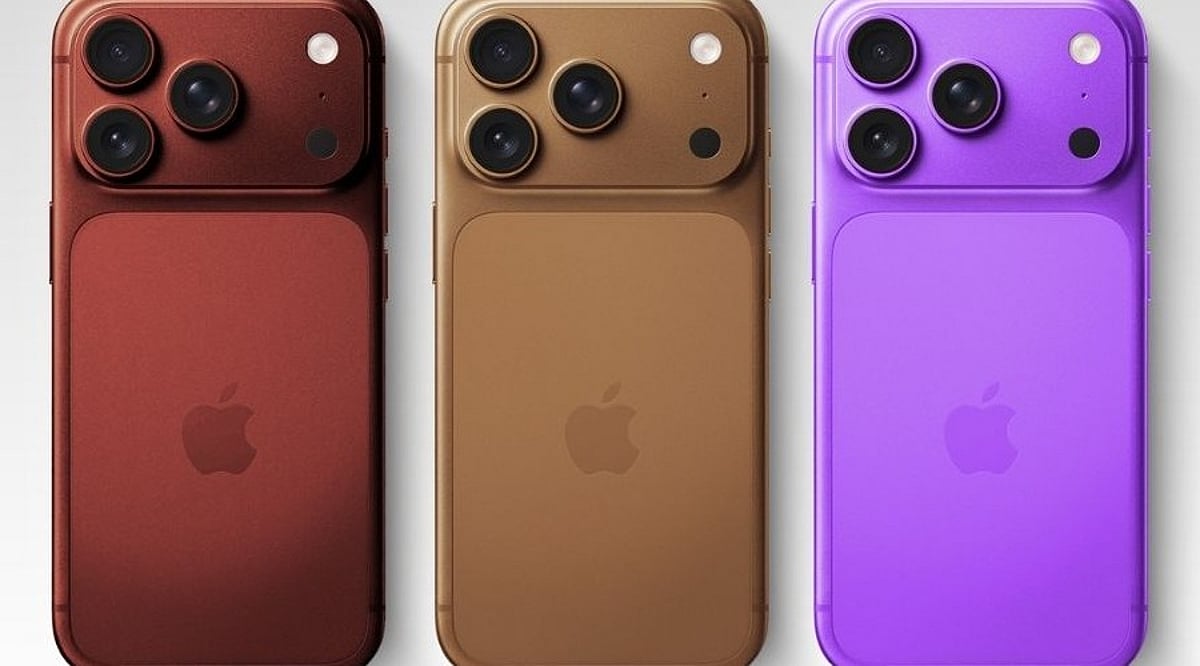
    Apple is expanding its India manufacturing push ahead of the global launch of the iPhone 18 Pro and iPhone 18 Pro Max, with locally assembled units already moving to overseas markets. Multiple chartered flights have reportedly departed from Chennai carrying premium iPhone 18 models as Apple works to secure enough supply for customers when sales begin on September 18.

    The move signals a new phase in Apple’s India production strategy. For the first time, Pro and Pro Max models assembled in India are expected to be available in international markets from day one of global sales. The standard iPhone 17 reached overseas buyers on launch day last year, but Apple’s Pro models previously entered Indian production later in the product cycle.

    Foxconn and Tata Electronics Scale Up Output

    Two Indian plants are currently producing the iPhone 18 Pro and Pro Max: one run by Foxconn and one run by Tata Electronics. Reports indicate that both factories have been operating around the clock as Apple prepares for launch demand.

    Production capacity may grow further as well. Industry reports suggest the number of assembly lines could eventually approach 12, depending on international demand. Apple has not disclosed production volumes or confirmed how many units are allocated to individual countries.

    An estimated 80 to 90 percent of India’s Pro-series output is expected to be exported, with the United States identified as a major destination. That figure is a reported production estimate rather than an Apple-confirmed shipment target.

    Chartered Flights Move iPhones From Chennai

    Speed is central to Apple’s launch logistics. Several chartered aircraft have reportedly carried India-made iPhone 18 Pro and Pro Max units from Chennai to international markets ahead of the September 18 sales date.

    The US is expected to account for a significant share of those shipments. India has become an increasingly important source of iPhone exports to the US as Apple broadens manufacturing beyond China. Analysts cited by India Today estimate that about 26 percent of all iPhones shipped globally in 2026 could be made in India.

    India’s Growing Role in Apple’s Supply Chain

    Apple’s expanding Pro-series production in India adds to an ecosystem that already includes assembly, testing, enclosures, selected mechanical components, battery packs, chargers, cables, packaging, and other subassemblies. However, several high-value components, including displays, camera modules, memory, and advanced semiconductors, continue to be sourced from outside India.

    The latest shipments also highlight a broader shift: India is moving from serving primarily its domestic market to supporting Apple’s international supply chain. With Pro and Pro Max models now entering global distribution from launch day, Indian factories are becoming part of the launch-time production network rather than a later-stage manufacturing base.