Category: Gadgets

  • ViewSonic Unveils Google TV Series and Pro AV Displays in India

    ViewSonic Unveils Google TV Series and Pro AV Displays in India

    ViewSonic has officially launched its Google TV Series in India, alongside a comprehensive range of professional AV displays and projection solutions. The company unveiled the new portfolio at InfoComm India 2026 in Mumbai on September 16, targeting businesses, hospitality, retail, education, and smart city deployments across the country.

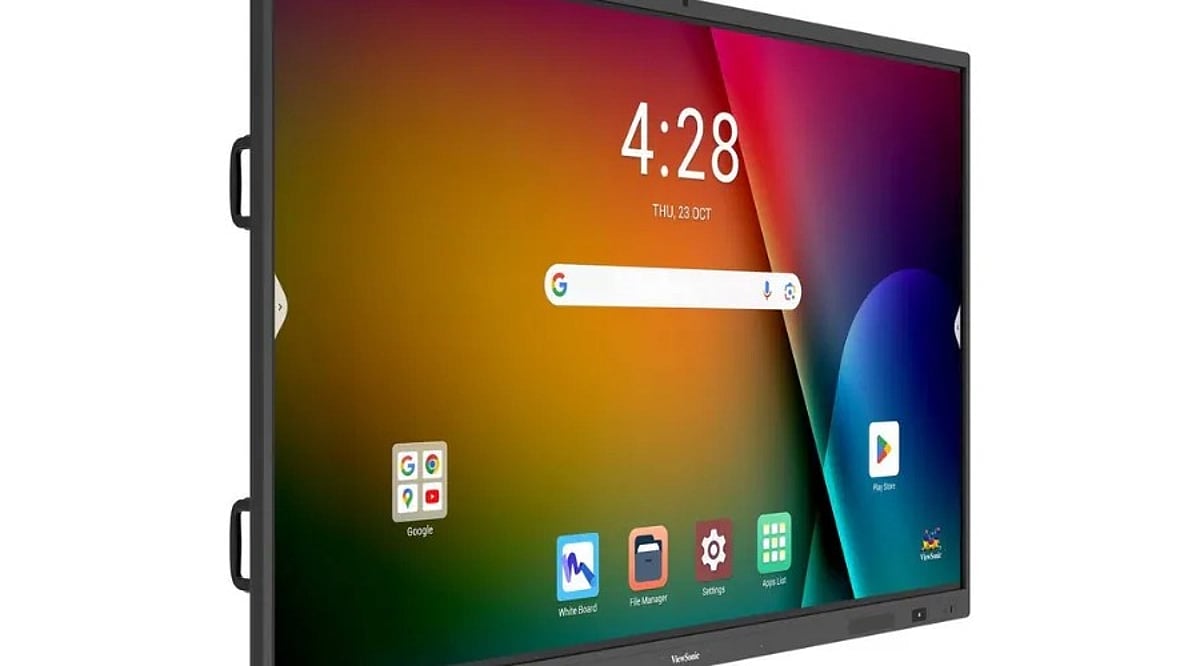
    The ViewSonic Google TV Series is available in five screen sizes, from 32 inches to 65 inches. It runs Google TV Ref+ 5.0 on Android 14, optimized for commercial use. The smart TVs support business applications, cloud content streaming, Chromecast, HDR, Dolby Audio, and Google Assistant for voice control. ViewSonic positions these televisions for meeting rooms, reception areas, training centers, and hospitality spaces, as well as digital signage and other managed commercial environments. Pricing for the Google TV models starts at Rs. 20,000 (plus taxes), according to reports.

    Beyond the Google TV lineup, ViewSonic introduced two Direct View LED displays: the LDC027-182 for command centers (ideal for dashboards, maps, surveillance feeds, and operational data) and the LDC027G-091C for premium installations, featuring Flip Chip COB technology, a 0.94mm pixel pitch, 600 nits brightness, and a 3,840Hz refresh rate. The company also launched a foldable All-in-One LED display in the LDE Series, available in 108-inch, 136-inch, and 163-inch configurations for portable professional installations with integrated power, control, and image-stitching functions.

    Other new additions include the ViewBoard IFP105UW-N, a 105-inch interactive display with 5K resolution and a 21:9 aspect ratio that supports split-screen collaboration; the VG1457 dual-screen portable monitor; the VP3456A ultrawide professional monitor; and the CN5501-1N commercial display for continuous landscape or portrait playback with content scheduling and wireless casting via AirPlay, Miracast, and Chromecast. Open-frame displays were also announced for kiosks, retail, hospitality, and industrial integration.

    Completing the Pro AV expansion is the LSC600WU-ST short-throw laser projector, delivering 6,000 ANSI lumens with WUXGA resolution, 360-degree projection, image warping, and LAN-based control for large professional installations.

    Muneer Ahmad, Managing Director of ViewSonic India, commented, “ViewSonic has grown significantly in India,” highlighting the company’s wider portfolio across LED, collaboration, commercial displays, monitors, and projection solutions. The expanded range signals a broader focus on integrated Pro AV deployments, addressing command centers, boardrooms, retail spaces, training rooms, and large venues. ViewSonic also reported more than two-fold year-on-year growth in its Indian LED display business.
  • iPhone 17e Price Drop on Flipkart: Effective Rs 15,000 Off Before iPhone 18 Pro Sale

    iPhone 17e Price Drop on Flipkart: Effective Rs 15,000 Off Before iPhone 18 Pro Sale

    Flipkart Listing Brings iPhone 17e Closer to Rs 62,000

    Apple’s revised pricing for the iPhone 17e in India now starts at Rs 79,900, but Flipkart is still selling the device at its older price of Rs 64,990. That works out to an effective Rs 15,000 saving for buyers.

    The deal arrives just ahead of the iPhone 18 Pro and iPhone 18 Pro Max sale, which begins tomorrow. Flipkart notes that only a limited number of units are left and delivery is available at select locations.

    iPhone 17e Offers on Flipkart

    • Base price: Rs 64,990
    • Additional Rs 3,245 discount with Flipkart Axis Bank credit card, bringing the effective price below Rs 62,000
    • Exchange bonus: up to Rs 49,650 based on the device, variant, and condition
    • EMI options start at Rs 22,212 per month

    iPhone 17e Specifications

    The phone features a 6.1-inch Super Retina XDR OLED display with a 60Hz refresh rate, 2532×1170 resolution, up to 1,200 nits HDR brightness, and an anti-reflective layer.

    Under the hood, the Apple A19 chip powers the device with 8GB RAM and 256GB or 512GB of storage. The chip includes a six-core CPU, four-core GPU, and a 16-core Neural Engine designed to support Apple Intelligence features.

    For photography, the iPhone 17e has a 48MP Fusion rear camera with an f/1.6 aperture and optical image stabilization. It offers 2x optical-quality zoom via an in-sensor crop and up to 10x digital zoom. The front-facing 12MP TrueDepth camera supports autofocus. Both cameras can record 4K Dolby Vision video at 60fps.

    The handset weighs 169 grams and features an aluminum frame, glass back, and Ceramic Shield 2 on the front. It also carries an IP68 rating for water and dust resistance. Color options are Black, White, and Soft Pink.

  • Stop Your Apple Watch From Listening: A Simple Guide to Disabling Siri Recap

    Stop Your Apple Watch From Listening: A Simple Guide to Disabling Siri Recap

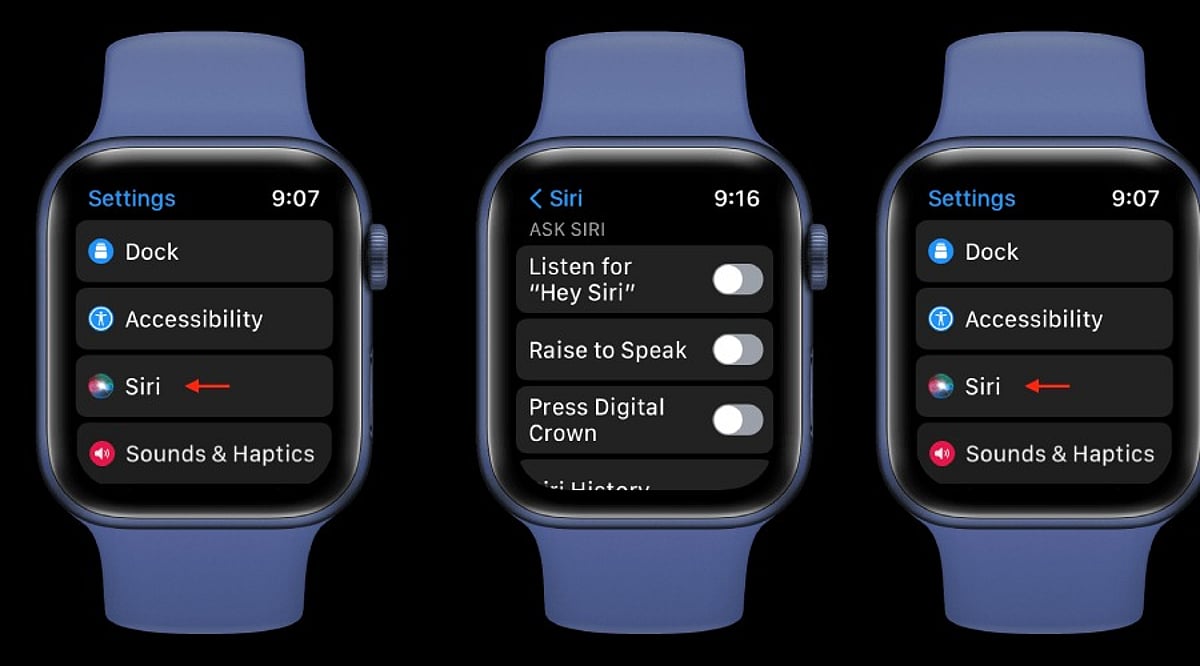
    Apple’s latest Apple Watch models introduce Audio Intelligence features, including Siri Recap, which can listen to conversations in the background and generate AI-powered summaries. While Apple emphasizes that Siri Recap is opt-in and does not store raw audio recordings, many users may prefer to disable it for privacy. Here’s how to turn off Siri Recap on your Apple Watch while keeping standard Siri features fully functional.

    What Is Siri Recap on Apple Watch?

    Siri Recap is part of Apple’s Audio Intelligence suite for Apple Watch. Unlike traditional Siri, which waits for an explicit activation command, Siri Recap works in the background. When enabled, it can listen to conversations throughout the day and create high-level summaries so you can recall important points later.

    Apple states that Siri Recap does not generate conventional audio recordings. Instead, audio is processed in a protected hardware environment that is inaccessible to the operating system, third-party apps, or Apple itself. The resulting recaps are summarized overviews, not full transcripts of your conversations.

    How to Turn Off Siri Recap

    Disabling Siri Recap takes just a few seconds. Use the Watch app on your paired iPhone:

    • Open the Watch app on your iPhone.
    • Tap the Siri section.
    • Locate Siri Recap.
    • Toggle the switch to turn it off.

    Once disabled, your Apple Watch will stop using the feature to take ambient notes or generate conversation summaries. You can also enable or disable Siri Recap directly from Control Center on the watch itself.

    Schedule Siri Recap Instead of Turning It Off Completely

    If you find Siri Recap useful in certain situations but want more control over when it listens, you don’t have to disable it entirely. Apple lets you set Siri Recap to operate on a schedule based on time of day, location, or specific scenarios. For example, you can keep it active during work hours and turn it off automatically at home or overnight.

    Siri Recap vs. Live Rewind

    It’s important not to confuse Siri Recap with Live Rewind, a separate feature. Live Rewind lets you retrieve a text snippet of what was said in the previous 15 seconds after double-pressing the Digital Crown. It does not continuously create a running transcript in the background like Siri Recap can.

    Both features come with the Apple Watch Series 12 and Apple Watch Ultra 4, subject to software and compatibility requirements.

    Disabling Siri Recap Doesn’t Disable Siri

    Turning off Siri Recap has no effect on regular Siri functionality. You can still use Siri for reminders, weather, timers, messages, smart-home controls, and other supported actions. This makes it easy to enjoy the convenience of Apple’s assistant without the concern of background listening.

    By following the steps above, you can take control of your Apple Watch’s privacy features and decide exactly when Audio Intelligence is allowed to listen.

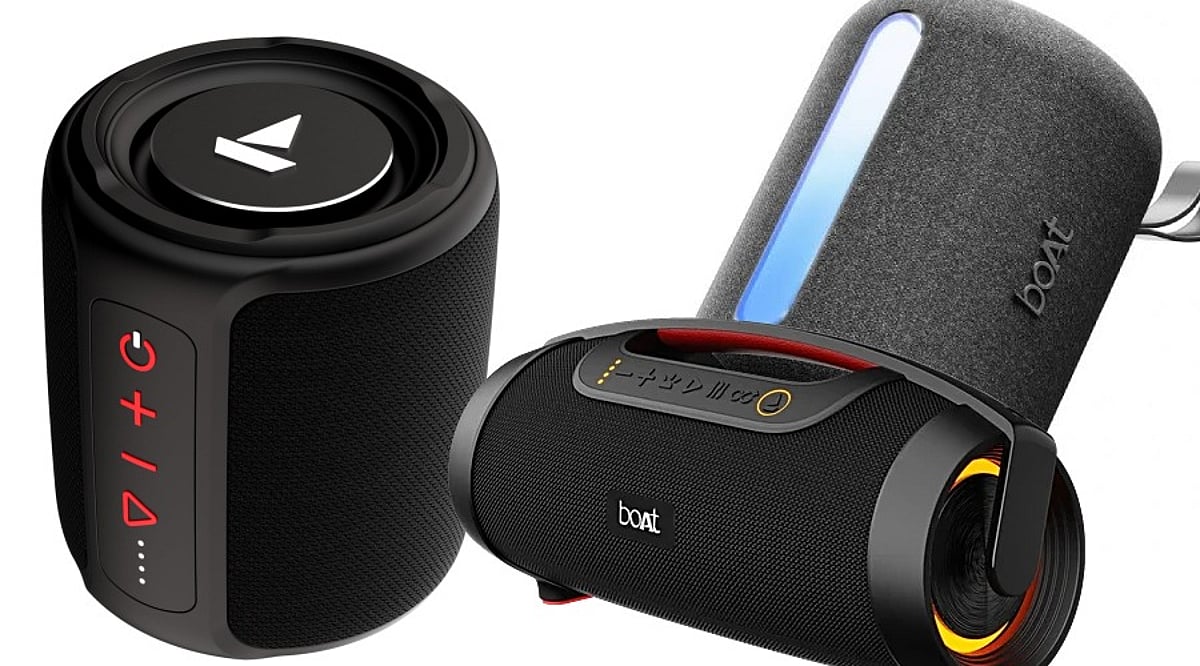
  • boAt Bluetooth Speaker Guide: Comparing Stone 350 Pro, Stone 1200 Pro, Stone 900, and PartyPal Nova

    boAt Bluetooth Speaker Guide: Comparing Stone 350 Pro, Stone 1200 Pro, Stone 900, and PartyPal Nova

    Portable Bluetooth speakers are a convenient way to upgrade your audio without investing in a full home sound system. boAt offers multiple models across different price points, making it easier to find a speaker that matches your listening habits, whether you need a compact companion for daily use or a high-output speaker for parties.

    boAt Stone 350 Pro: Budget-Friendly Portable Sound

    The Stone 350 Pro is the most affordable model in this lineup at around Rs. 2,099. It delivers 14W of audio output and offers up to 12 hours of claimed battery life. Connectivity options include Bluetooth 5.3, AUX, and TF card playback, while RGB lighting and an IPX5 water-resistance rating add extra value for everyday use.

    This speaker suits casual listening at home, small get-togethers, and outdoor activities where portability is key.

    boAt Stone 1200 Pro: More Volume, More Features

    The Stone 1200 Pro steps up the performance with 60W output powered by 76.2mm drivers. Priced around Rs. 4,999, it targets users who want noticeably louder audio from a portable speaker. boAt rates the battery at up to 7.5 hours of playback at 50% volume.

    It also supports True Wireless Stereo pairing, Bluetooth and USB connectivity, and carries an IPX6 rating for splash resistance. A built-in microphone and carry strap make it a useful option for trips and outdoor use.

    boAt Stone 900: High Power with Long Playback

    For those who need even more sound, the Stone 900 delivers 80W output with a boombox-style design that emphasizes bass. According to the official boAt listing, it is priced at Rs. 6,499 and offers up to 15 hours of claimed playback.

    This model is a good fit for louder listening sessions, small gatherings, and users who prefer a bigger audio presence without moving to a full party speaker.

    boAt PartyPal Nova: Karaoke and Party Features

    The PartyPal Nova is the most feature-rich model in this comparison, starting at Rs. 7,999. It delivers 120W output and includes a wireless UHF microphone plus dynamic lighting, making it ideal for karaoke, announcements, and social events rather than routine listening.

    If entertainment features matter more than portability, this is the speaker to consider.

    How to Choose the Right boAt Speaker

    The main differences among these four models come down to output, portability, battery life, and extra features. The Stone 350 Pro is best for budget-conscious buyers who want a compact speaker. The Stone 1200 Pro and Stone 900 offer progressively higher power for louder settings. The PartyPal Nova is aimed at users who want karaoke and party-ready features.

    Prices may vary by retailer and ongoing promotions, so be sure to check current listings and specifications before making a purchase.

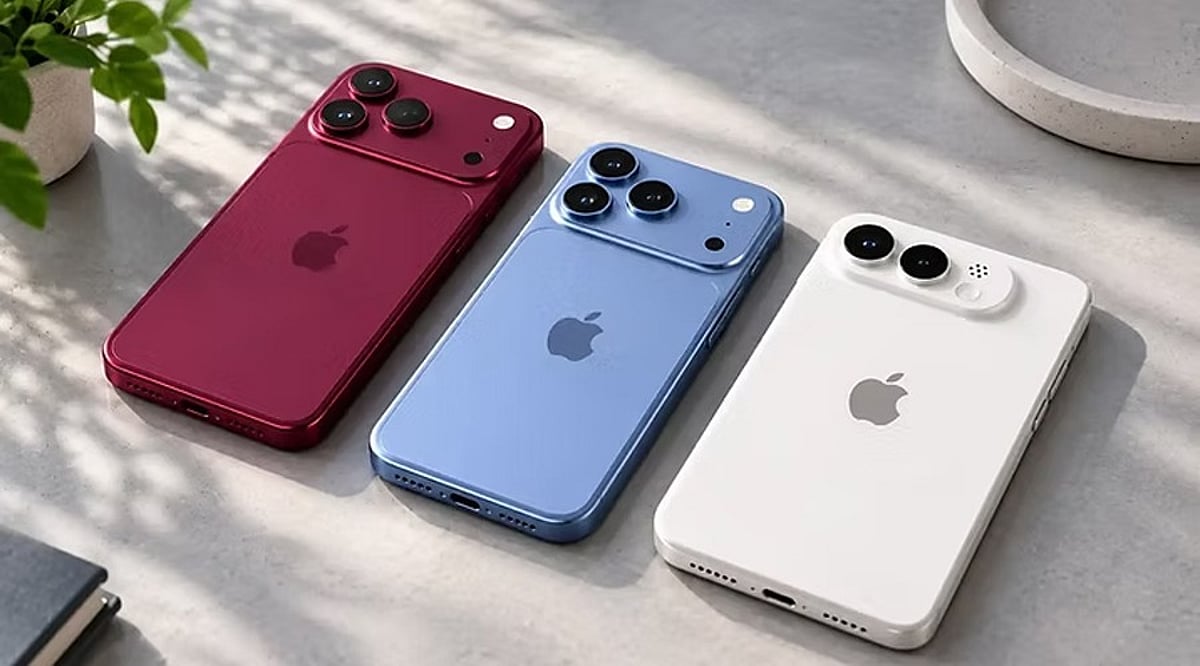
  • iPhone 18 Pro and Pro Max Go on Sale in India: Pricing, EMI Options, and Exchange Deals

    iPhone 18 Pro and Pro Max Go on Sale in India: Pricing, EMI Options, and Exchange Deals

    iPhone 18 Pro and Pro Max: Availability in India

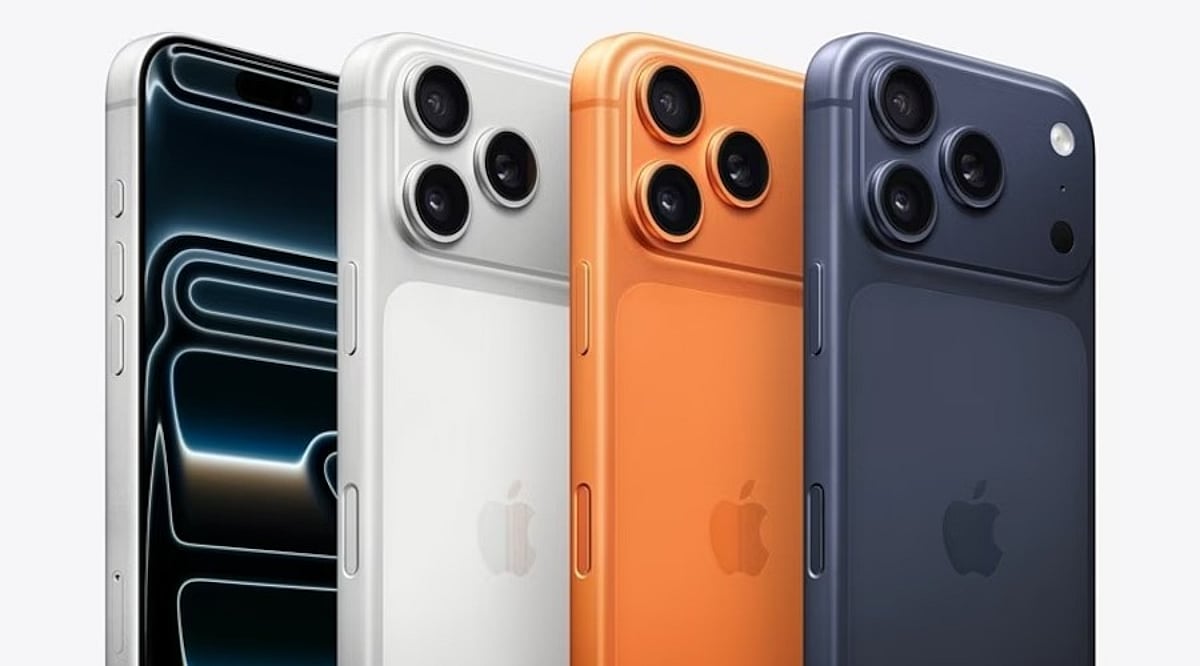
    Apple’s iPhone 18 Pro and iPhone 18 Pro Max go on sale in India on September 18, with pre-orders already open. Shoppers can buy the new Pro models starting at 8 AM IST through Apple’s official website, Flipkart, Amazon, and authorized retailers, including Apple Stores and offline retail outlets.

    Both models are available in burgundy, glacier, black, and silver.

    iPhone 18 Pro and Pro Max India Pricing

    Prices vary by storage variant. The iPhone 18 Pro starts at Rs 1,64,900 for 256GB, while the Pro Max starts at Rs 1,79,900 for the same storage.

    • iPhone 18 Pro: Rs 1,64,900 (256GB) | Rs 1,89,900 (512GB) | Rs 2,39,900 (1TB) | Rs 3,14,900 (2TB)
    • iPhone 18 Pro Max: Rs 1,79,900 (256GB) | Rs 2,04,900 (512GB) | Rs 2,54,900 (1TB) | Rs 3,29,900 (2TB)

    Bank Offers, EMI Plans, and Exchange Deals

    Flipkart is offering an Rs 8,000 instant discount with the Flipkart Axis Bank credit card. Existing device exchange can fetch up to Rs 96,950 depending on the phone’s brand, model, and condition. Flipkart also provides six months of no-cost EMI starting at Rs 28,817 per month for the Pro Max and Rs 26,317 per month for the Pro.

    Croma has EMI plans starting at Rs 8,469 per month for the Pro Max and Rs 7,762 per month for the Pro. Buyers can also save an extra Rs 6,000 on both models with select credit cards.

    The new iPhones feature upgraded chipsets, improved cameras, and larger batteries compared with last year’s models.

  • Dell XPS Googlebook DX13267: 13.4-Inch Google Laptop Appears in Official Filing

    Dell XPS Googlebook DX13267: 13.4-Inch Google Laptop Appears in Official Filing

    Dell’s first XPS Googlebook appears to be nearing launch after the model name DX13267 surfaced in an official Dell document. The Product Carbon Footprint report for September 2026, now available on Dell’s website, lists the upcoming laptop and reveals several early details about the device.

    What the Dell Report Reveals

    The filing identifies the Dell XPS Googlebook DX13267 with a 13.4-inch display and an approximate weight of 1.1 kg. It also lists China as the assembly location and assigns the laptop a four-year product lifetime. Those details align with earlier leaks and benchmark sightings that connected the DX13267 to Dell’s XPS 13 design and the internal codename Mica.

    Expected Hardware and Features

    While Dell has not confirmed final specifications, earlier reports point to Qualcomm’s Snapdragon X Elite processor, 16GB or 32GB of LPDDR5X memory, and a 13.4-inch OLED touchscreen with 2,880 x 1,800 resolution. As a Googlebook, the device will combine Android with Chrome, support Google Play apps, and highlight Gemini-powered AI features.

    Googlebook Launch Plans

    Google’s website currently lists September 21 for Googlebook pre-orders, with Dell among the first hardware partners alongside Acer, Asus, HP, and Lenovo. Dell has yet to announce pricing, regional availability, or final configurations for the XPS Googlebook. More details are expected as pre-orders approach.

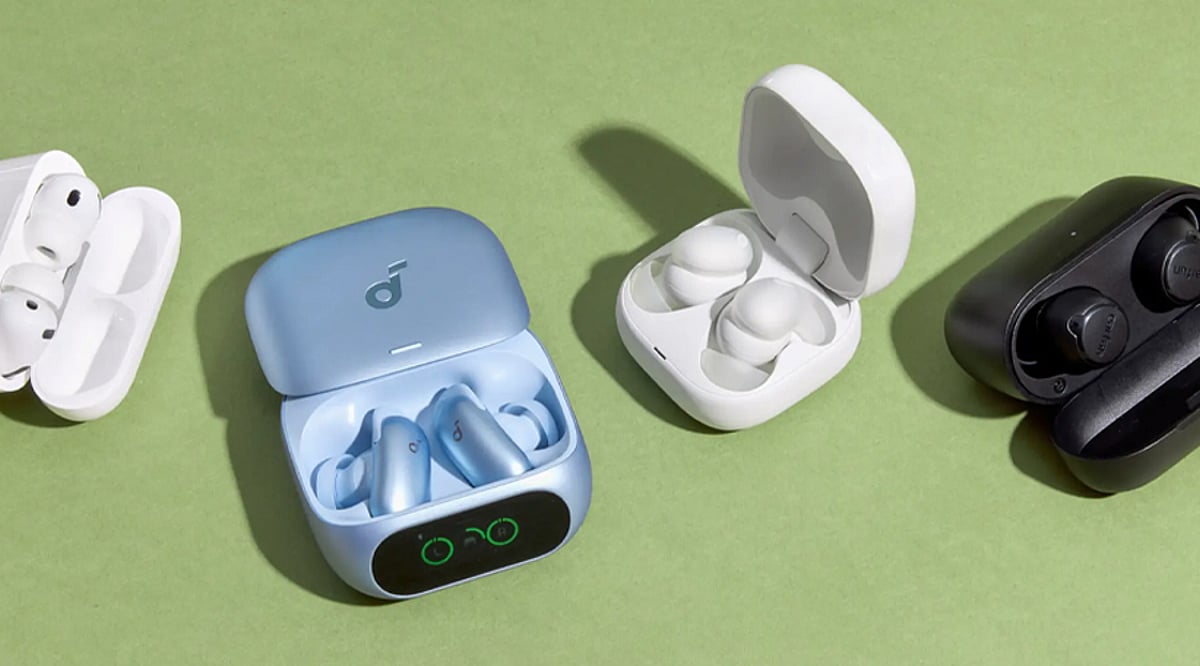
  • 5 Wireless Earbuds That Hit Harder With Bass Than AirPods

    5 Wireless Earbuds That Hit Harder With Bass Than AirPods

    If you crave deep, punchy bass, standard AirPods may leave you wanting more. These five wireless earbuds step up the low-end performance while still offering strong detail, balance, and customization for bass-heavy listening.

    Sony WF-1000XM5

    The Sony WF-1000XM5 delivers a thick, powerful low-end with impressive detail. Bass-heavy tracks sound deeper and more impactful than what you get from standard AirPods, making these a top choice for listeners who want serious low-frequency presence.

    JBL Tour Pro 3

    JBL Tour Pro 3 brings JBL’s energetic sound profile with punchy bass and a smooth low-end. If your playlist leans toward bass-focused music, these earbuds offer a strong, lively listening experience.

    Beats Studio Buds+

    Beats Studio Buds+ produce deep, resonant bass with a noticeable kick. They also keep highs clear and maintain balanced instrument separation, so bass-heavy tracks still sound detailed across different genres.

    OnePlus Buds Pro 3

    OnePlus Buds Pro 3 combine dynamic drivers with bass-friendly tuning to deliver stronger low-frequency impact. Vocals remain clear, and electronic tracks, hip-hop, and pop music all benefit from the extra weight in the low end.

    Soundcore Liberty 4 NC

    The Soundcore Liberty 4 NC offers resonant bass with adjustable EQ, letting you boost the low end for heavier listening. Vocals stay reasonably defined, giving you flexibility without sacrificing clarity.

    For anyone looking to upgrade from AirPods with bass as the priority, these five models prove that powerful low-end performance and overall sound quality can go hand in hand.

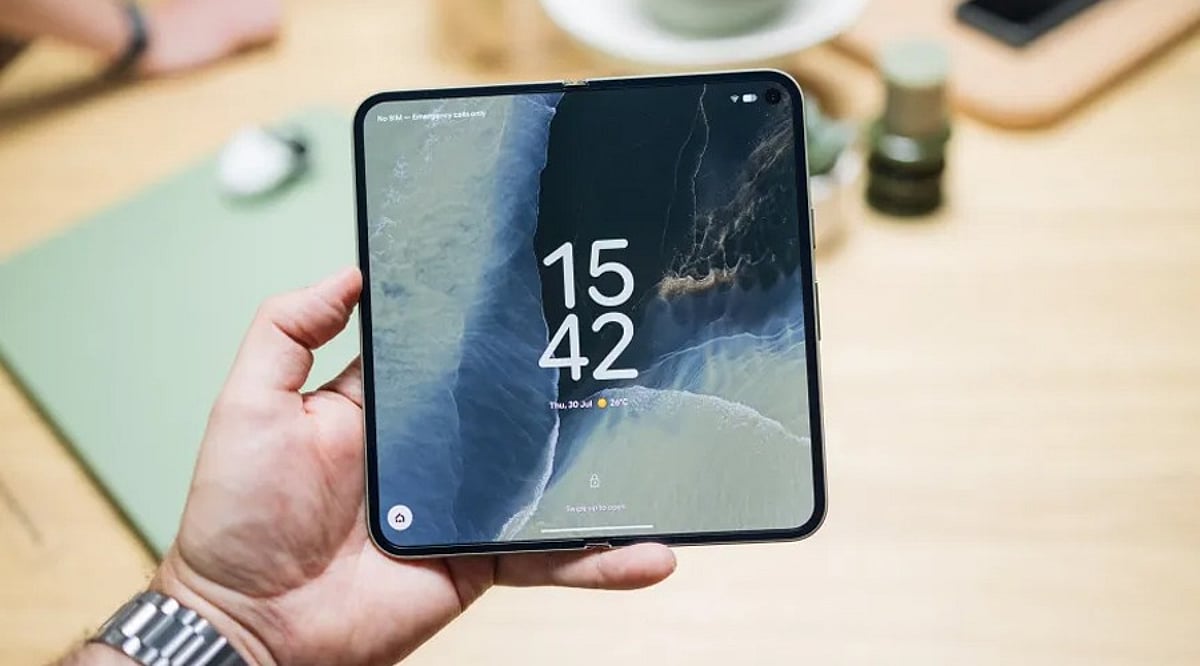
  • Google Pixel 11 Pro Fold Review: AI-First Foldable with Stunning Displays and Cameras

    Google Pixel 11 Pro Fold Review: AI-First Foldable with Stunning Displays and Cameras

    The Google Pixel 11 Pro Fold is a premium foldable smartphone that prioritizes AI and software multitasking over raw performance. With its dual displays, advanced camera system, and integration with Google’s Gemini AI, it offers a compelling experience for users who value intelligent features and long-term durability.

    Key Specifications

    • 6.5-inch external OLED display
    • 8-inch internal folding OLED panel
    • 120Hz refresh rate and up to 3,600 nits peak brightness
    • Triple rear camera: 48MP main, 10.5MP ultrawide, 10.8MP telephoto with 5x optical zoom

    Pros and Cons

    Pros:

    • Excellent displays with high brightness and smooth refresh rate
    • Impressive camera versatility
    • Dust and water resistance
    • Seamless Gemini AI integration for multitasking

    Cons:

    • Heavier than some competitors
    • Moderate charging speed
    • Tensor G6 processor lags behind rivals in raw performance
    • Visible crease on the internal display

    Final Verdict

    The Google Pixel 11 Pro Fold is a solid choice for those who prioritize software experience and AI capabilities. Its bright displays, capable cameras, and Gemini features make great use of the foldable form factor. While it may not be the lightest or fastest foldable on the market, it promises several years of reliable use. If you’re more interested in Google’s ecosystem than benchmark scores, this foldable deserves your attention.

  • iOS 27 Hands-On: Apple Intelligence Puts AI at the Core of the iPhone

    iOS 27 Hands-On: Apple Intelligence Puts AI at the Core of the iPhone

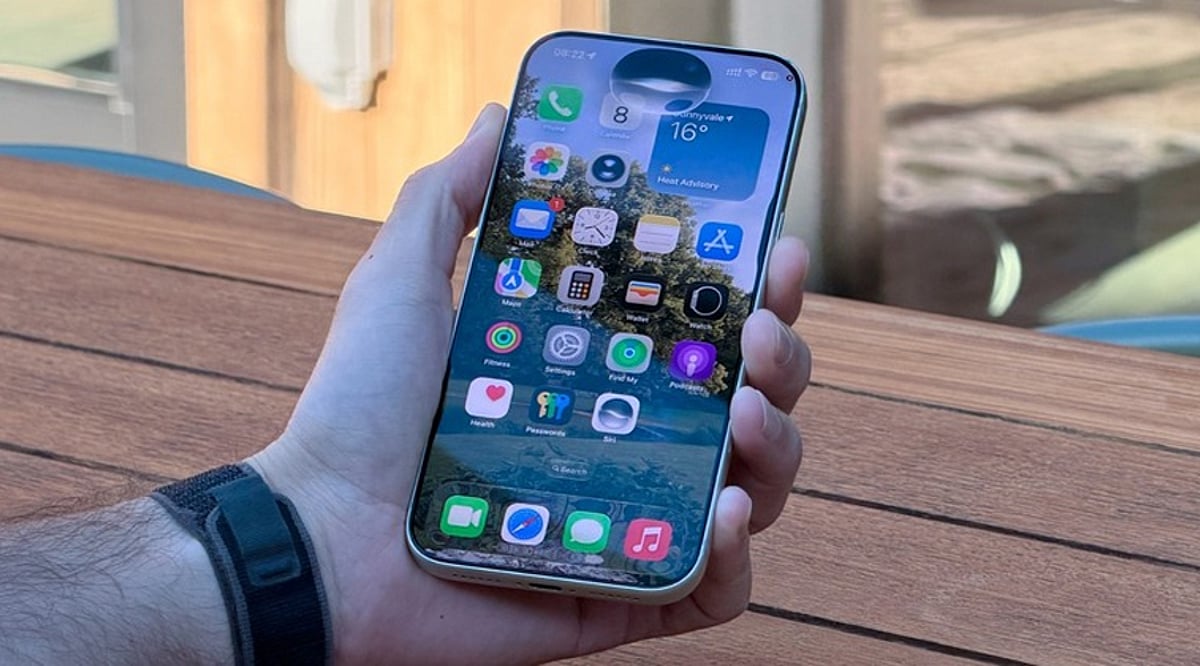
    Apple’s iOS 27 update signals a turning point for the iPhone: artificial intelligence is no longer a side feature but the backbone of the user experience. Powered by Apple Intelligence, the new OS enhances Siri, the Camera, Photos, and writing workflows — making the device more proactive, context-aware, and capable of handling complex tasks across apps.

    Siri AI Takes Center Stage

    With iOS 27, Siri becomes far more than a voice assistant. The upgraded Siri AI understands personal context, what’s on the screen, and natural language requests while executing actions across different apps. Users can ask it to find information buried in emails, photos, and notes, draft content, answer questions, and carry on continuous conversations through Siri’s dedicated app.

    Personal Context Gets Smarter

    Siri AI now draws on messages, emails, photos, and saved notes to deliver more relevant answers. Rather than interpreting isolated commands, it can locate specific details and connect information across apps, creating a more integrated assistant that works with data already stored on your iPhone.

    The Camera Becomes a Visual AI Assistant

    Visual Intelligence arrives in the iPhone Camera, letting users ask questions about objects, text, and situations visible in the viewfinder. Siri can then identify what it sees, offer relevant information, and trigger actions based on the scene. This moves AI beyond chat into everyday visual tasks.

    AI-Powered Photos and Creative Tools

    The Photos app receives new AI-driven editing tools that simplify adjustments. Apple is also expanding Image Playground with the ability to generate photorealistic imagery from natural-language prompts. Together, these features let users edit and create visual content without relying solely on traditional controls.

    Writing Assistance Gets an AI Upgrade

    Apple Intelligence brings writing support directly into iOS 27 workflows. Users can generate first drafts, get feedback, and fine-tune style or tone for different audiences. The goal is to make AI writing assistance feel native to the iPhone rather than an add-on chatbot experience.

    Hardware Limits Remain

    Not every iPhone can run the full Apple Intelligence suite. Siri AI requires an Apple Intelligence-enabled device, including iPhone 15 Pro models and iPhone 16 or later. That leaves a clear gap between supported models and older iPhones that continue to run iOS 27 without the advanced capabilities.

    AI Is Becoming the Interface

    iOS 27 shows Apple moving AI from an optional extra to a core layer of the iPhone experience. Siri, Camera, Photos, writing tools, and cross-app actions all depend on behind-the-scenes intelligence. The result is an iPhone where AI quietly powers how everyday tasks get done.

  • Huawei Watch D3: 5 Standout Features of a Medically Certified Smartwatch

    Huawei Watch D3: 5 Standout Features of a Medically Certified Smartwatch

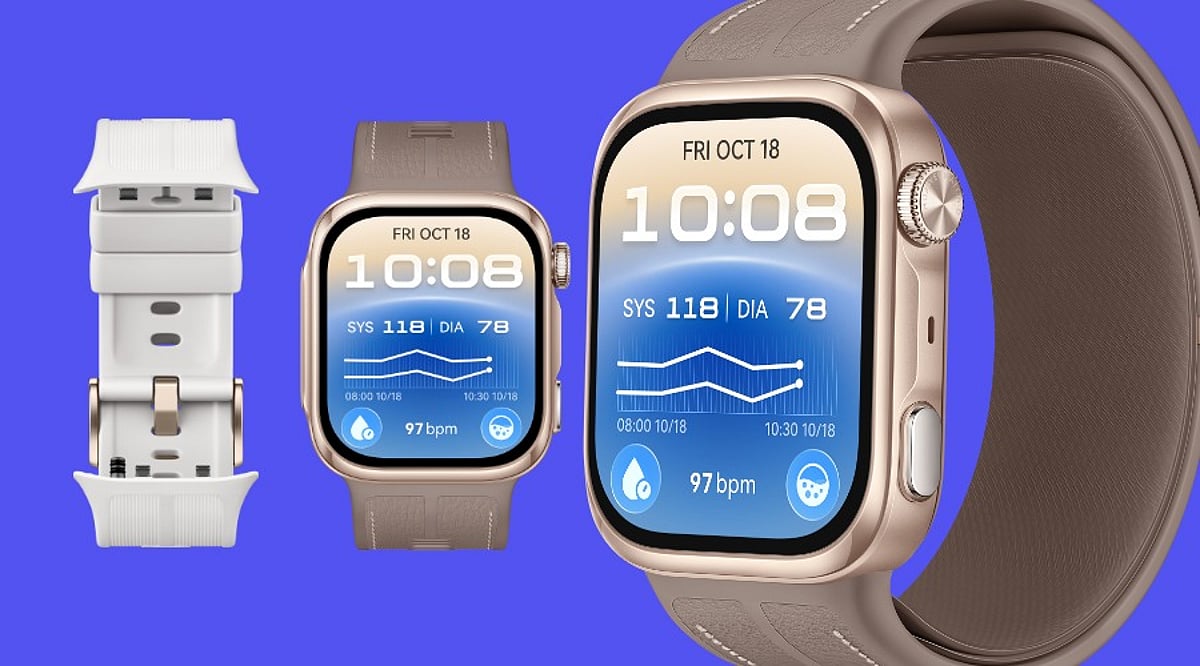
    The Huawei Watch D3, unveiled on September 2, 2026, at the ‘Chase the Wild’ event in Munich, is more than just another Android wearable. It sets a new benchmark by integrating a real mechanical airbag and micro-pump into its strap for blood pressure measurement, a move most smartwatches avoid. This medical-grade approach ensures CE-MDR certification and delivers accuracy that optical sensors can’t match.

    Here are five defining features that make the Watch D3 one of the most compelling health-focused wearables of the year, followed by a full specification breakdown.

    1. 24-Hour Ambulatory Blood Pressure Monitoring

    Unlike typical smartwatches that measure blood pressure on demand, the Watch D3 tracks it continuously throughout the day and night. This system, called ABPM (Ambulatory Blood Pressure Monitoring), inflates the built-in airbag at set intervals every 15 to 30 minutes. It aims for at least 20 daytime and 7 nighttime readings. A quieter pump at night helps avoid disturbing sleep.

    Continuous monitoring eliminates the ‘white coat syndrome’ distortion seen in single office readings and reveals crucial nighttime blood pressure drops that one-off measurements miss.

    2. Pre- and Post-Exercise Blood Pressure Checks

    The Watch D3 takes blood pressure before a workout and again within two minutes after completion. If pre-exercise numbers are too high, the watch alerts the user to hold off on intense activity that day. This mode supports running, walking, and cycling, both indoors and outdoors, acting as a built-in safety check for hypertension management.

    3. ECG and Pulse Wave Arrhythmia Analysis

    Heart rhythm monitoring uses two complementary systems. Pulse Wave Arrhythmia Analysis runs continuously in the background via the PPG sensor, scanning for atrial fibrillation. Beat-by-Beat ECG requires manual activation: users hold the side electrode for 30 seconds to generate a single-channel electrocardiogram. The ECG report exports as a PDF for easy sharing with doctors, and independent testers noted accurate, consistent recordings without false alerts.

    4. Health Glance and Long-Term Trend Reports

    Raw health data becomes meaningful with context. Health Glance compiles 11 biometric indicators—including blood pressure, heart rate, and SpO2—into a single summary in about 60 seconds. Together with Health Insights in the Huawei Health app, users can review weeks or months of trends. TruSleep 5.0 data also joins this dashboard, creating a unified view of daily wellness.

    5. Health Community and Environmental Alerts

    The Watch D3 extends health tracking beyond the wearer. Health Community shares real-time alerts with family members when blood pressure spikes, heart rate changes, or sleep disruptions occur—especially useful for monitoring aging parents remotely. The watch also warns users of environmental shifts like sudden temperature drops or high-altitude changes that could affect blood pressure readings.

    Specifications at a Glance

    Beyond health features, the Watch D3 improves on its predecessor with a slimmer profile and longer battery life. The case is 11.3mm thick (2mm thinner than the Watch D2), the display is a 1.92-inch screen with 3,000 nits peak brightness, and the device weighs just 40g without the strap. Battery life reaches up to 6 days under typical use, dropping to 1 day with continuous ABPM. Charging takes about 75 minutes wirelessly. Connectivity includes Bluetooth 6.0, NFC, and GPS, supporting Android 8.0+ and iOS 13.0+. Water resistance is rated IP68.

    The reduced thickness is particularly beneficial for overnight ABPM, as a bulkier case could catch on bedding and disrupt sleep without compromising the sensor hardware that underpins its medical claims.

    Final Verdict

    Huawei Watch D3 represents a genuine shift in what a smartwatch can responsibly measure. Its mechanical airbag system distinguishes it from every optical sensor on the market. For Android smartwatch buyers seeking real health insight, this feature set stands out. UK retail availability is already confirmed, with other markets to follow. One thing is certain: Huawei has raised the bar for wrist-worn health tracking.

    Frequently Asked Questions

    What makes the Huawei Watch D3 different from other smartwatches?

    It uses a mechanical airbag and micro-pump for real blood pressure readings, not optical estimates. This approach mirrors clinical monitors, offering medical-grade accuracy.

    Is the Huawei Watch D3 compatible with Android phones?

    Yes, it supports Android 8.0 or later, along with iOS 13.0 or later, via Bluetooth 6.0 and NFC.

    How long does the battery last on the Watch D3?

    Typical usage yields up to 6 days; with continuous ABPM, it drops to roughly 1 day.

    Can the Watch D3 detect irregular heartbeats?

    Yes, it runs Pulse Wave Arrhythmia Analysis continuously and offers Beat-by-Beat ECG for manual recordings.

    Does the Huawei Watch D3 hold any medical certification?

    Yes, it has CE-MDR certification under EU Medical Device Regulation and follows European Society of Hypertension guidelines.