Tag: 2026

  • Razorpay vs PayU vs Cashfree: The Ultimate Payment Gateway Comparison for 2026

    Razorpay vs PayU vs Cashfree: The Ultimate Payment Gateway Comparison for 2026

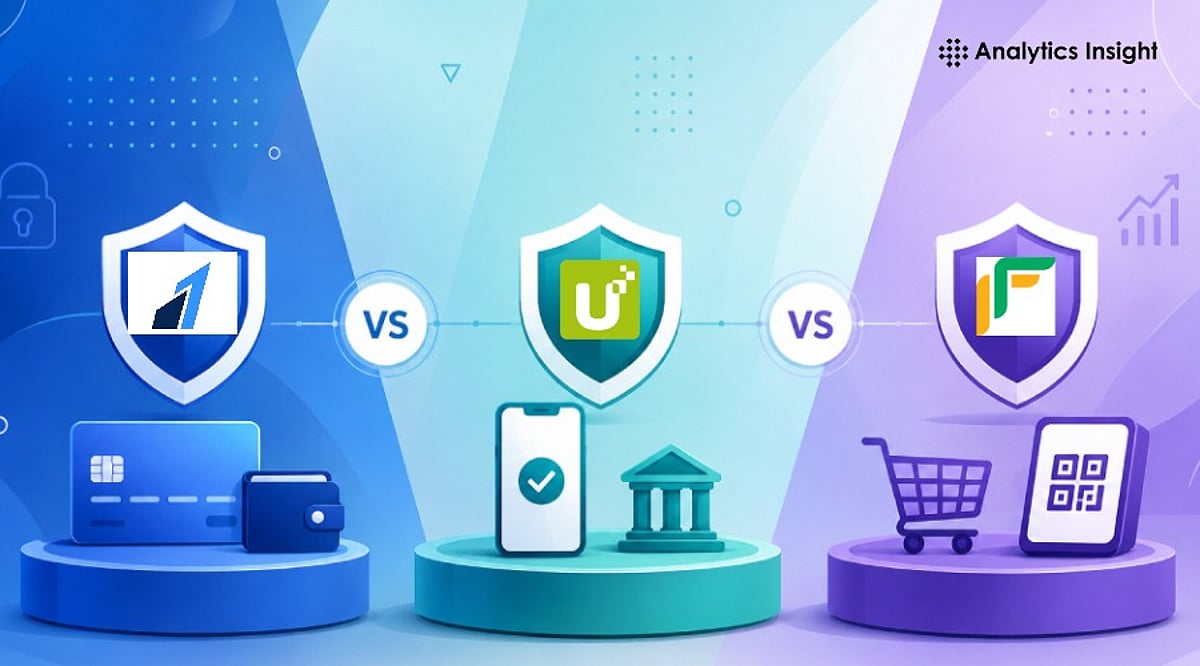
    Choosing the right payment gateway is more than a technical decision—it directly impacts your customer experience, settlement speed, and long-term business growth. As we look ahead to 2026, three major Indian payment gateways stand out: Razorpay, PayU, and Cashfree. Each offers distinct strengths, making the best choice dependent on your specific business needs rather than just transaction fees.

    What Really Matters in a Payment Gateway

    Four key factors set these gateways apart: pricing, settlement speed, features, and developer experience. While transaction fees are important, integration quality, recurring billing support, payout capabilities, and payment success rates often have a greater impact on your bottom line. A low fee is attractive, but delayed settlements or poor operational support can quietly increase your costs over time.

    At a Glance

    This comparison focuses on pricing, settlement cycles, integrations, and business capabilities specific to India’s market, helping merchants make an informed decision for 2026.

    Payment Methods and Integrations

    All three gateways support UPI, credit and debit cards, net banking, and digital wallets. The real differences lie in advanced features:

    • Razorpay and Cashfree offer UPI AutoPay for recurring payments, payment links, and seamless integrations with Shopify, WooCommerce, and Magento.
    • PayU excels in international payments, with strong EMI and Buy Now Pay Later support, plus a broader range of global payment options.

    Security is consistent across all three: PCI DSS compliant, with fraud detection and tokenization.

    Razorpay: Broad Ecosystem, Transparent Pricing

    Razorpay charges a flat 2% + 18% GST on most domestic transactions (cards, UPI, net banking, wallets). Premium methods like EMI, corporate cards, and Amex/Diners cost 3% + GST. There are no setup or annual fees under the standard plan. Domestic settlements run on a T+2 cycle; international settlements take T+7. Note that UPI transactions may have zero MDR under government regulation, but platform fees can still apply.

    Razorpay stands out for subscription tooling, UPI AutoPay, and fast integration—ideal for SaaS and D2C businesses. High-volume merchants (above ~Rs. 50 lakh/month) can negotiate custom rates. Its dashboard provides success-rate breakdowns by payment method and issuing bank, helping diagnose failed transactions.

    PayU: Enterprise Scale, Negotiated Pricing

    PayU does not publish a standard rate card. Independent sources typically cite domestic pricing around 2% for cards, net banking, BNPL, and wallets, rising to ~3% for Amex, Diners, EMI, and international transactions. UPI fees can be negotiated below 1% at higher volumes. This approach offers flexibility for merchants with negotiating leverage.

    PayU’s value at scale comes from dedicated account management, established chargeback handling, and cross-border infrastructure supporting over 150 payment methods globally. The trade-offs include a longer onboarding process with more documentation and a merchant dashboard that users rate lower than Razorpay’s in usability.

    Cashfree: Lower Published Rate, Stronger Payouts

    Cashfree’s standard rate is 1.95% across payment modes for auto-activated merchants—slightly undercutting Razorpay’s published TDR. Setup and integration are free. Settlement follows the same T+2 default, with instant settlement available within 15 minutes for an additional charge.

    Cashfree’s primary differentiator is its payout infrastructure, widely recognized as best-in-class for marketplace and vendor disbursement workflows. Merchants should confirm current promotional pricing and any annual fees directly with Cashfree’s sales team, as some third-party sources report a fixed annual charge not listed in their public FAQ.

    Which Payment Gateway Suits Your Business?

    Subscriptions and Recurring Billing

    Razorpay is the stronger choice for subscription-driven and SaaS businesses. Its UPI AutoPay support and fast integration make it the most complete option for recurring billing.

    Vendor Payouts and Marketplace Settlements

    Cashfree is best positioned for marketplaces and vendor-heavy models. Its payout infrastructure and competitive transaction costs make it ideal where bulk disbursements are a core requirement.

    High Transaction Volume and Enterprise Scale

    PayU is the more appropriate choice for enterprises processing high volumes. Its negotiated pricing model and dedicated account support suit businesses with the scale to justify custom terms.

    Complex or Multi-Factor Requirements

    Businesses with international payment needs or those balancing success rates and costs should evaluate all three providers directly. The right choice depends on your specific payment mix and operational requirements.

    Final Thoughts

    Selecting a payment gateway is a long-term decision that shapes how your business handles money. Razorpay, PayU, and Cashfree each excel in different areas. The businesses that get this right are those that take the time to compare details, verify actual terms with each provider, and avoid jumping at the first option. This extra effort builds payment infrastructure that will hold up well beyond 2026.

    FAQs

    1. Which is the best payment gateway for 2026?

    There is no single best gateway for every business. Razorpay suits SaaS and subscriptions, Cashfree is ideal for marketplaces and payout-heavy operations, and PayU works well for enterprises needing negotiated pricing and dedicated support.

    2. How do Razorpay, PayU, and Cashfree differ in fees?

    Razorpay publishes a standard domestic fee of 2% + GST. Cashfree lists 1.95% for eligible merchants. PayU generally offers negotiated pricing based on volume.

    3. Which gateway is best for startups and small businesses?

    Razorpay is popular for its developer-friendly APIs, subscription tools, and straightforward onboarding. Cashfree is another strong option for competitive pricing and payout capabilities.

    4. Do they support UPI payments?

    Yes. All three support UPI, cards, net banking, and wallets. Razorpay and Cashfree also offer UPI AutoPay for recurring payments.

    5. What should businesses compare besides transaction fees?

    Compare settlement speed, success rates, integrations, recurring billing, payout capabilities, security, customer support, and scalability. These factors often have a greater long-term impact than fees alone.

  • Software Architects and Tech Leads: 7 Essential Books for 2026

    Software Architects and Tech Leads: 7 Essential Books for 2026

    Software architecture isn’t just about designing systems anymore. Today’s architects are expected to make decisions that affect scalability, security, cloud adoption, AI integration, and even business outcomes. As companies continue to modernize their technology stacks, experienced software architects and tech leads are becoming harder to find. According to the Stack Overflow Developer Survey 2025, more than 84% of developers already use or plan to use AI tools in their workflows, making strong architectural thinking more valuable than ever. If you’re planning to step into an architecture role or simply want to become a better technical leader, these seven books deserve a place on your reading list.

    1. Designing Data-Intensive Applications

    Martin Kleppmann’s classic explains distributed systems, databases, replication, and scalability in an understandable way. Essential for cloud-native and large-scale data systems.

    2. Fundamentals of Software Architecture

    Mark Richards and Neal Ford cover architecture patterns, trade-offs, and decision-making for developers transitioning to leadership roles.

    3. Software Architecture: The Hard Parts

    Neal Ford, Mark Richards, Pramod Sadalage, and Zhamak Dehghani explore real-world trade-offs in distributed transactions, event-driven systems, and evolutionary architecture.

    4. Clean Architecture

    Robert C. Martin emphasizes separating business logic from dependencies to build maintainable, long-lasting software.

    5. Software Engineering at Google

    Titus Winters, Tom Manshreck, and Hyrum Wright share Google’s engineering culture insights on code reviews, testing, documentation, and technical debt—applicable anywhere.

    6. Building Microservices (Second Edition)

    Sam Newman provides practical guidance on microservices boundaries, API management, and cloud-first architecture.

    7. Head First Software Architecture

    Raju Gandhi and Mark Richards offer a visually engaging introduction to architecture fundamentals for aspiring architects.

    Looking Ahead

    The role of a technical leader today involves having good judgment, communicating ideas well, and knowing system design. Technologies will change, but the principles in these books will remain valid for years.

    FAQs

    Which book is best for beginners? Head First Software Architecture is excellent for transitioning developers.

    Why should software architects read books in 2026? To stay current with AI, cloud, and distributed systems best practices.

    Is Clean Architecture still relevant? Yes, its principles of maintainability and separation of concerns endure.

    Which book is best for distributed systems? Designing Data-Intensive Applications is the go-to resource.

    Can these books help developers become tech leads? Absolutely, they build technical knowledge and leadership skills.

  • Best Data Mining Courses and Certifications to Master in 2026

    Best Data Mining Courses and Certifications to Master in 2026

    Data mining is growing fast as companies look for better ways to turn large volumes of data into useful decisions. Market estimates by Mordor put it at $1.66 billion in 2026, rising to $2.82 billion by 2031, which reflects an 11.25% CAGR. A different prediction suggests that the tools will be worth $1.2 billion by 2026, rising from $634.7 million in 2020, at a CAGR of 11.1%. Consistent growth proves high demand for skills like data cleaning, pattern detection, and predictive analysis.

    With data driving decisions across industries, the right training can help you build the skills needed to stay relevant, practical, and job-ready.

    Top 10 Courses to Build Data Mining Skills

    Professional Certificate in Data Mining: Coursera (University Specialization)

    A hands-on concentration that addresses preprocessing, association rules, clustering, classification, and modeling evaluation through Python and R. This degree involves a capstone project in which you apply what you have learned from real data sets and receive guidance from instructors.

    Data Mining and Business Intelligence: Indian Statistical Institute Certificate

    This course emphasizes statistical foundations and pattern discovery, with a strong focus on business workflows and decision support. It’s suited to analysts who want rigorous theory combined with applied business intelligence techniques.

    Advanced Data Mining Bootcamp: Simplilearn ProTrack

    A bootcamp course focused on scaling mining techniques, feature engineering, and deployment through the use of Spark and MLlib in the cloud.

    Data Mining with Python: DataMites Professional Course

    A brief, hands-on course focused on applying Python tools and packages like pandas and scikit-learn. This is an ideal choice for quick upskilling and preparation for technical interviews.

    Applied Data Mining: University Capstone on Coursera

    Hands-on project-based learning course taking students through the full process of working with raw data: cleansing, discovering patterns, making predictions, and presenting results.

    Certificate in Data Mining & NLP with R: Online Provider

    This combined course covers structured data mining plus text mining and NLP in R, including preprocessing, topic modeling, and sentiment analysis methods for unstructured datasets common in industry projects.

    Postgraduate Diploma in Big Data Science: University Programs (IIT-level)

    A diploma integrating data mining with big-data engineering and distributed algorithms. It’s tailored for professionals aiming to move into scalable analytics or data engineering roles that require both theory and systems knowledge.

    Data Mining Professional: Vendor-Neutral Certification

    A recognized credential focused on algorithmic understanding, evaluation metrics, and cross-industry case studies. This certification helps validate conceptual mastery independent of specific vendor tools.

    Full-Stack Data Science with Data Mining Specialization: Scaler / InterviewBit

    A curriculum combining software engineering best practices with mining tasks: production ML pipelines, feature stores, experiment tracking, and deployment. It’s ideal for engineers building end-to-end machine learning systems.

    Data Mining Essentials: Short Course (Knowledge Academy)

    A concise course on the basics of association rules, clustering, and classification. This will be a good starting point for those who want to go further into projects and more advanced courses.

    Choosing the Right Course

    Data mining is an essential skill for careers in data science, analytics, and machine learning. Whether you’re just starting out or looking to advance your expertise, choosing a course with hands-on projects, industry-relevant tools, and a recognized certification can help you stay competitive and prepare for real-world data challenges.

    FAQs

    Q1. What is a data mining course?

    A data mining course teaches techniques for collecting, cleaning, analyzing, and interpreting large datasets using statistical methods, machine learning, and programming tools like Python to uncover meaningful patterns and support decision-making.

    Q2. Who should enroll in a data mining certification?

    Data mining certifications are suitable for students, data analysts, software developers, business intelligence professionals, and anyone looking to build practical data analytics skills or transition into data science careers.

    Q3. Which programming language is best for learning data mining?

    Python is the most widely recommended language for data mining because of its extensive libraries, ease of use, and strong support for data analysis, visualization, machine learning, and automation.

    Q4. Are online data mining courses recognized by employers?

    Yes, reputable online courses from universities and established learning platforms are valued by many employers, especially when they include hands-on projects, industry-relevant tools, and recognized certification credentials.

    Q5. How do I choose the right data mining course?

    Choose a course based on your experience level, career goals, curriculum, practical projects, instructor expertise, certification value, and coverage of essential tools like Python, SQL, and machine learning frameworks.

  • GPS vs RTK Robot Mowers in 2026: Which Precision Lawn Mower Is Right for You?

    GPS vs RTK Robot Mowers in 2026: Which Precision Lawn Mower Is Right for You?

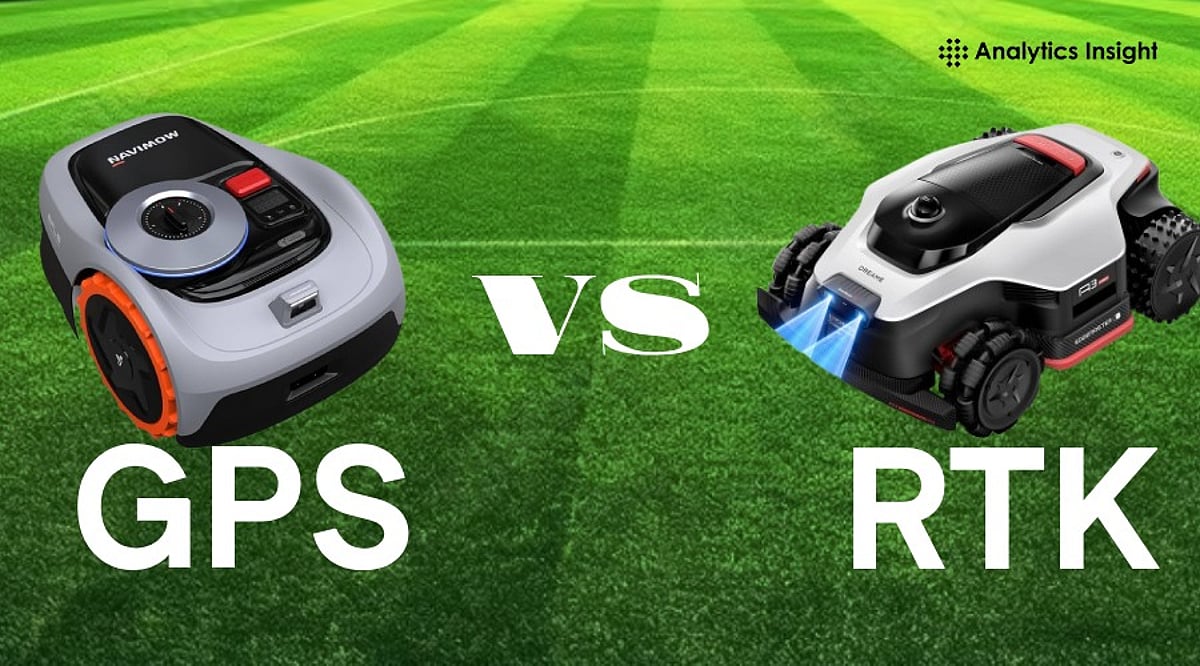
    Robot lawn mowers have transformed yard maintenance, letting homeowners automate grass cutting without manual effort. Two leading technologies dominate the market: GPS-based mowers and RTK (Real-Time Kinematic) mowers. While both offer hands-free operation, they differ significantly in accuracy, cost, and ideal use cases. This guide breaks down their differences and helps you choose the best mower for your lawn in 2026.

    GPS vs RTK: Core Differences

    A GPS robot mower relies on standard satellite positioning to navigate your yard. Many models create a digital map and operate without boundary wires. In contrast, an RTK mower uses satellite signals plus a correction station (base station or network) to achieve centimeter-level accuracy.

    Pros of GPS Mowers

    • More affordable than RTK models
    • Easy setup and minimal technical knowledge required
    • Works well on small to medium lawns
    • Good for homeowners seeking a budget-friendly automation solution

    Cons of GPS Mowers

    • Less precise navigation; mowing paths may appear uneven
    • Can struggle near tall trees, buildings, or other obstructions
    • May overlap or miss areas
    • Not ideal for complex or large lawns

    Pros of RTK Mowers

    • Extremely accurate positioning — down to a few centimeters
    • Creates straight, organized mowing lines for a professional look
    • Efficiently covers large lawns and multiple zones
    • Fewer missed spots and less unnecessary overlap

    Cons of RTK Mowers

    • Higher upfront cost
    • Setup can be more involved (may require a base station or network connection)
    • Performance depends on good satellite reception

    How to Choose the Right Robot Mower in 2026

    Your choice should align with your lawn size, layout, and budget. Here are key considerations:

    • Small yards: A GPS mower is usually sufficient. It keeps grass short without the extra expense of RTK.
    • Medium lawns: If the yard has many paths, trees, or flower beds, an RTK mower can save time and deliver cleaner results. For simple layouts, GPS still works well.
    • Large properties: RTK is the better option. Its high accuracy reduces overlap and covers large areas efficiently.
    • Battery life: Ensure the mower can finish most of your lawn on a single charge. Larger lawns need larger batteries.
    • App features: Look for a mobile app that allows scheduling, zone creation, and tracking.
    • Future needs: If you plan to move or redesign your yard, investing in RTK now may be worthwhile.
    • Support and updates: Choose a brand with reliable customer support and regular software updates.

    Final Verdict

    Both GPS and RTK robot mowers save time and reduce effort. GPS mowers are ideal for homeowners who want a simple, affordable solution for small to medium lawns. RTK mowers suit those who demand high accuracy, clean mowing patterns, and strong performance on larger or more complex properties. There is no universal best — measure your lawn, set a budget, and decide how much precision you truly need. With the right choice, you can enjoy a well-maintained lawn with minimal effort for years to come.

  • Top Budget Gaming Laptops Under Rs. 80,000: Best Flipkart Deals in 2026

    Top Budget Gaming Laptops Under Rs. 80,000: Best Flipkart Deals in 2026

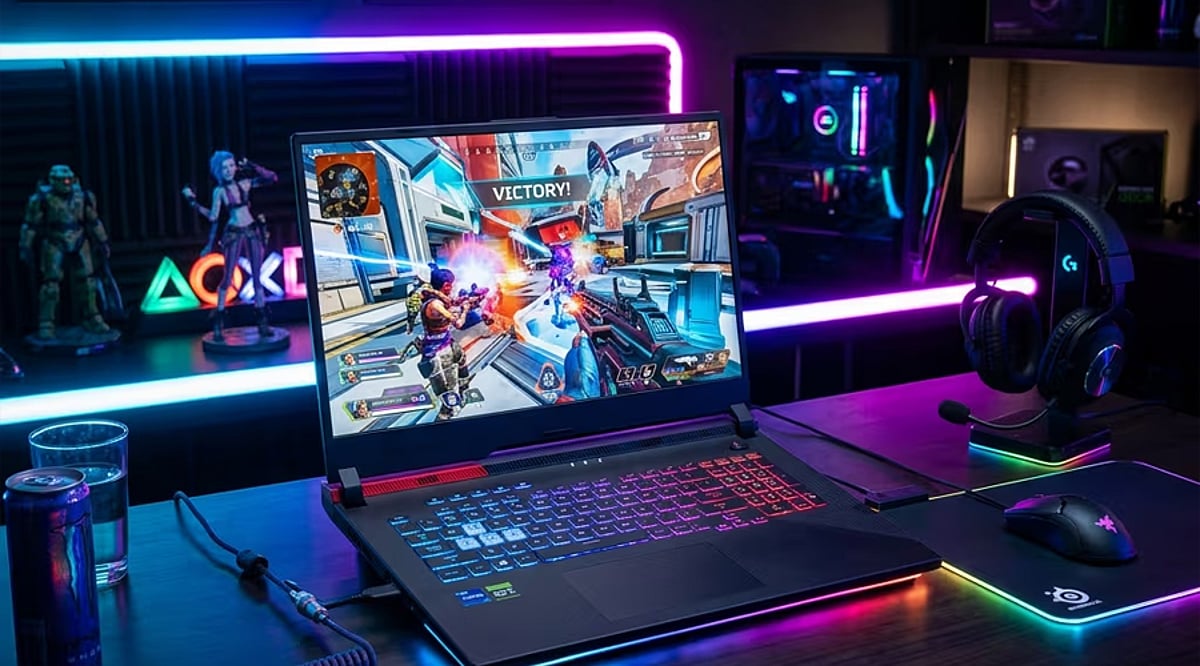
    Gaming laptops under Rs. 80,000 have become significantly more powerful in 2026, offering dedicated NVIDIA GeForce RTX graphics, high-refresh-rate displays, and fast SSD storage. Thanks to competitive pricing and frequent Flipkart discounts, buyers can now enjoy smooth 1080p gaming, content creation, and multitasking without stretching their budgets beyond the mid-range segment.

    Acer Nitro V Offers Excellent Price-to-Performance

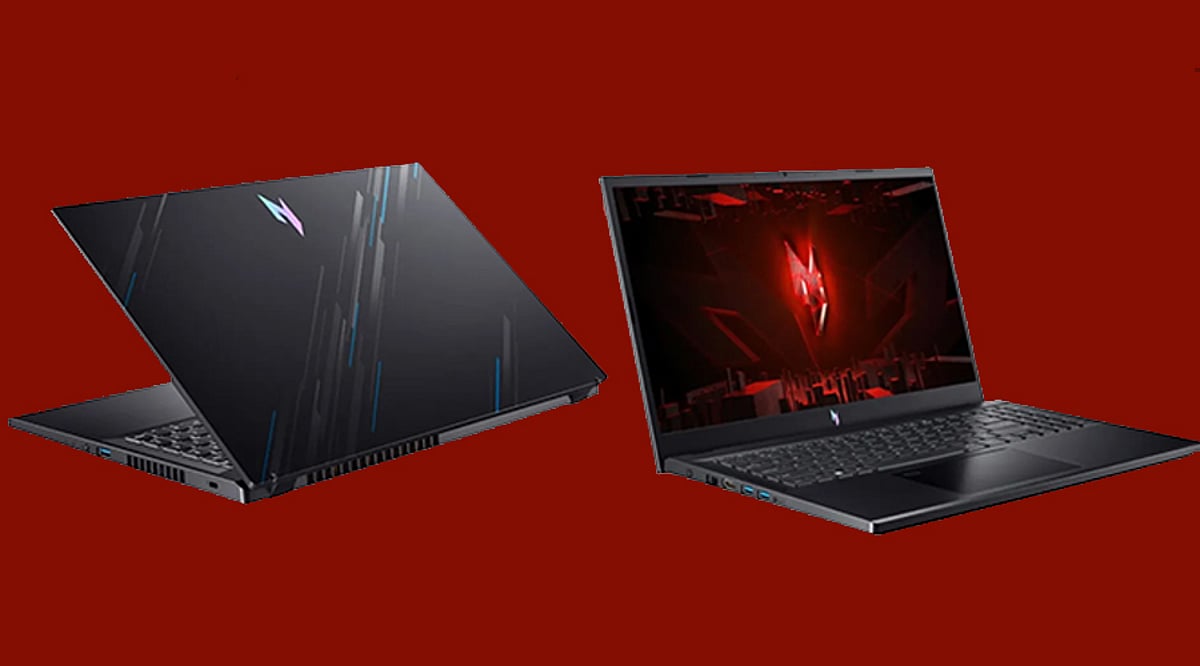
    The Acer Nitro V remains one of the strongest value-for-money gaming laptops in this price category. Equipped with Intel Core or AMD Ryzen processors, NVIDIA GeForce RTX 3050 or RTX 4050 graphics (depending on offers), a 144Hz display, and fast SSD storage, it delivers dependable gaming performance for popular AAA and esports titles.

    ASUS TUF Gaming Series Stands Out for Durability

    ASUS TUF Gaming laptops continue to attract gamers looking for reliable performance and rugged build quality. Military-grade durability, efficient cooling systems, high-refresh-rate displays, and modern Intel or AMD processors make these laptops suitable for extended gaming sessions, college work, and professional productivity, especially during Flipkart sale events.

    Lenovo LOQ Delivers Modern Gaming Features

    Lenovo’s LOQ series has emerged as a popular choice among budget-conscious gamers. Featuring capable RTX graphics, responsive keyboards, advanced thermal management, and vibrant Full HD displays, these laptops offer a balanced mix of gaming, streaming, and everyday computing. Flipkart promotions often make LOQ models even more attractive within the Rs. 80,000 budget.

    MSI and HP Victus Provide Strong Alternatives

    MSI Thin and HP Victus laptops offer competitive specifications for gamers seeking affordable performance. With dedicated NVIDIA graphics, fast processors, upgradeable RAM, and SSD storage, both brands deliver smooth gameplay for popular multiplayer and single-player titles. Buyers should compare specifications carefully, as configurations frequently change during online sales and festive offers.

    Compare Specifications Before Choosing Flipkart Deals

    While discounts may appear attractive, buyers should compare graphics cards, processor generation, RAM capacity, display refresh rate, cooling efficiency, battery life, and warranty coverage before making a purchase. A slightly higher-priced configuration with better GPU performance can provide a significantly improved gaming experience and longer usable lifespan.

    Flipkart Sales Make Premium Gaming More Affordable

    Flipkart’s seasonal sales, bank offers, exchange bonuses, and no-cost EMI options continue to make gaming laptops under Rs. 80,000 more accessible in 2026. Choosing a model with the latest processor, dedicated RTX graphics, expandable memory, and efficient cooling can provide excellent long-term value for gaming, content creation, and everyday performance.

  • Best Surround Sound Systems of 2026: Expert Buying Guide for Every Home

    Best Surround Sound Systems of 2026: Expert Buying Guide for Every Home

    Choosing the right surround sound system depends on your room, budget, and entertainment needs. From premium wireless setups to affordable speaker systems, these top picks deliver immersive sound for movies, music, gaming, and everyday home entertainment.

    What to Consider Before Buying

    Before investing, evaluate room size, budget, and essential features like Dolby Atmos, DTS:X, HDMI eARC, Wi-Fi, and Bluetooth. These ensure top sound quality and smart connectivity.

    Top Surround Sound Systems in 2026

    Sony Bravia Theatre Quad

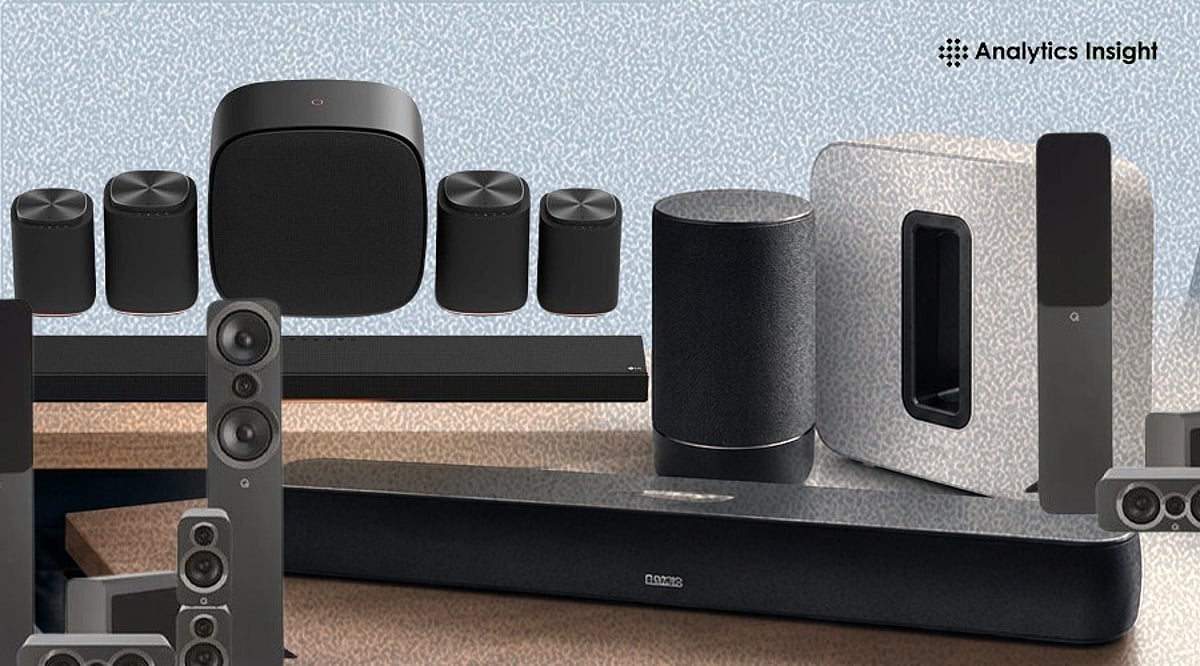
    A premium wireless system with four speakers that create wide, natural audio. Supports Dolby Atmos, DTS:X, 360 Spatial Sound Mapping, HDMI eARC, Wi-Fi, and Bluetooth. Ideal for cable-free setups.

    Samsung HW-Q990F

    An all-in-one home theater solution with a soundbar, rear speakers, and wireless subwoofer. Features 11.1.4-channel audio, Dolby Atmos, DTS:X, HDMI eARC, Wi-Fi, Bluetooth, and Q-Symphony. Easy setup and powerful sound for families.

    Sonos Ultimate Immersive Set

    Includes Arc Ultra soundbar, Sub, and Era rear speakers. Supports Dolby Atmos, HDMI eARC, Apple AirPlay 2, Wi-Fi, Bluetooth, and Amazon Alexa. Fully wireless, expandable, and great for music lovers.

    Klipsch Reference Theater Pack

    Traditional 5.1-channel system with five compact speakers and a wireless subwoofer. Requires an AV receiver. Delivers clear, balanced sound for medium-sized rooms.

    Logitech Z906

    Budget-friendly 5.1-channel system with 500W RMS output and THX certification. Supports Dolby Digital and DTS, with optical, coaxial, and 3.5mm inputs. Lacks Dolby Atmos but offers rich audio for movies and games.

    Which System Is Best for You?

    • Sony Bravia Theatre Quad: Best for premium wireless audio.
    • Samsung HW-Q990F: Ideal for families wanting easy setup and strong performance.
    • Sonos Ultimate Immersive Set: Perfect for smart connectivity and music enthusiasts.
    • Klipsch Reference Theater Pack: Great for traditional speaker lovers with limited space.
    • Logitech Z906: Best for budget-conscious buyers.

    Final Thoughts

    There’s no one-size-fits-all system. Consider room size, features, budget, and sound quality. Visit stores to hear systems firsthand. The right choice will transform your home entertainment experience.

    Frequently Asked Questions

    What is the best surround sound system for home use in 2026?

    The best system depends on your needs. Sony Bravia Theatre Quad for premium wireless, Samsung HW-Q990F for easy setup, or Logitech Z906 for budget.

    Is Dolby Atmos worth it?

    Yes, it adds height channels for a more immersive experience. Many premium systems now support it.

    Do I need an AV receiver?

    Not with soundbar-based systems like Samsung HW-Q990F or Sonos. Traditional speaker packs like Klipsch require one.

    Which system is best for a small living room?

    Compact wireless systems like Sonos Ultimate Immersive Set or Sony Bravia Theatre Quad work well.

    What should I consider before buying?

    Room size, budget, content type, audio formats (Dolby Atmos, DTS:X), connectivity (HDMI eARC, Wi-Fi, Bluetooth), and wireless vs. traditional setup.

  • Top Color E-Readers of 2026 for Comics, Reading, and Note-Taking

    Top Color E-Readers of 2026 for Comics, Reading, and Note-Taking

    Color e-readers have evolved significantly, offering vibrant displays, versatile note-taking capabilities, and seamless integration with digital ecosystems. Here are the best color e-readers in 2026 for reading comics, taking notes, and enjoying multimedia content.

    • Kobo Libra Colour: Offers a vivid color E Ink display, stylus support, waterproof design, and comfortable ergonomics for reading and note-taking enthusiasts.
    • Kindle Colorsoft Signature Edition: Amazon’s premium color e-reader delivers vibrant illustrations, wireless charging, adjustable lighting, and seamless Kindle ecosystem integration for readers.
    • Onyx Boox Note Air4 C: Large color display combines Android flexibility, handwriting features, multitasking capabilities, and productivity tools for professionals and students alike.
    • PocketBook InkPad Color 3: Features a spacious color screen, audiobook support, expandable storage, and versatile file compatibility for immersive reading across multiple content formats.
    • Bigme B751C: Compact Android-powered color e-reader supports note-taking, app installation, split-screen multitasking, and customizable reading experiences for diverse user needs.
    • Onyx Boox Tab Ultra C Pro: Powerful color tablet blends E Ink comfort with productivity features, supporting documents, sketches, browsing, and multimedia applications efficiently.
    • Kobo Clara Colour: Lightweight color e-reader offers comfortable reading, eco-friendly construction, waterproof protection, and access to an extensive digital bookstore collection.
    • PocketBook Era Color: Premium device combines ergonomic design, adaptive lighting, color display, and extensive format compatibility for books, comics, and digital publications.
    • Bigme InkNote Color+: Large-screen color E Ink notebook provides handwriting recognition, productivity features, cloud synchronization, and flexible Android functionality for professionals.
  • Best Solar Panels in Australia 2026: Top 10 Ranked for Efficiency, Warranty & Value

    Best Solar Panels in Australia 2026: Top 10 Ranked for Efficiency, Warranty & Value

    Australia’s residential solar market has entered a more mature phase. Customers are no longer making decisions based solely on whether a system is ‘cheap’ or ‘expensive’; instead, they evaluate its overall value relative to its upfront cost. With leading companies developing better efficiency and warranties, the competitiveness is moving into reliability, post-sale services, and trust in installation. This means a good solar panel system cannot be judged by a single specification.

    Modern modules also deliver better performance during hot summers and challenging weather conditions. This ranking considers panel efficiency, durability, warranty coverage, value for money, performance in Australian conditions, and the reputation of manufacturers and installers to help homeowners choose the right system.

    Top 10 Best Solar Panels in Australia 2026

    1. SunPower Maxeon 7

    Produced by Maxeon Solar Technologies, the SunPower Maxeon 7 continues to be the best model in 2026. It offers more than 24% efficiency and output up to 475W with the use of the latest Interdigitated Back Contact (IBC) technology. With a warranty period of 40 years, it is ideal for people looking for top-notch efficiency and energy generation.

    2. REC Alpha Pure-RX

    Based in Singapore, REC manufactures the Alpha Pure-RX that utilizes Heterojunction Cells (HJT), with efficiency above 22%. The Alpha Pure-RX has power output ranging from 430W to 470W, and is offered with a 25-year warranty and good degradation figures. It is known to perform reliably in Australia’s high temperatures, making it ideal for premium domestic projects.

    3. Aiko Neostar

    Solar panels in the Aiko Solar Neostar range boast All Back Contact (ABC) Technology that enables efficiencies of over 24%. The panels provide output ranges between about 460 W and 490 W and come with warranties that last up to 30 years. They stand out for their excellent performance in low light conditions and elegant design.

    4. Jinko Tiger Neo

    Jinko Solar continues to be a highly favored brand in Australia for its dependable Tiger Neo series. Its cell technology employs the N-Type TOPCon technology, which achieves an efficiency of almost 23%, with power ratings ranging from 440W up to 490W. With a 25-year warranty on the product, the line represents great value.

    5. LONGi Hi-MO X10

    The Hi-MO X10 is LONGi’s latest high-performance panel designed for residential installations that is expected to be available by 2026. The use of back-contact technology makes this solar panel more efficient than any other, with an efficiency rate greater than 24% and power output of around 470W to 500W.

    6. Trina Vertex S+

    The Trina Solar Vertex S+ is a module made using the N-Type TOPCon Technology and is built using a resilient dual-glass panel structure. It provides an efficiency of 22.5% and a power output range of 430W to 460W along with a warranty for 25 years.

    7. Canadian Solar – TOPHiKu6 Series

    The TOPHiKu6 series from Canadian Solar is made using N-Type TOPCon technology. It gives an output ranging between 440W and 485W with efficiencies exceeding 22%. It comes with a 25-year product warranty and provides great performance and durability at an affordable price.

    8. JA Solar – DeepBlue 4.0 Pro

    JA Solar is expanding its presence in Australia through the introduction of the DeepBlue 4.0 Pro model. Using the N-Type BYCIUM+ cell technology, the model provides efficiencies of around 23% with outputs ranging between 440W and 490W. It is accompanied by a 25-year warranty.

    9. Qcells – Q.TRON

    Renowned for its reliability, South Korean company Qcells’ Q.TRON series is made using the latest N-Type technology and comes with efficiencies exceeding 22% with outputs of around 430W to 470W. With a 25-year warranty, it performs well even at high temperatures.

    10. Risen – Hyper-ion

    Risen Energy’s Hyper-ion panels use Heterojunction (HJT) technology and give efficiencies of more than 24% with outputs close to 500W. With performance warranties and excellent resistance to efficiency loss from heat, they are a perfect choice for homeowners in Australia.

    Quick Comparison: Which Panel Fits Your Home?

    When choosing solar panels in Australia, look beyond the purchase price. Higher panel efficiency is valuable if roof space is limited, while a low temperature coefficient helps maintain output during hot summers. Compare product and performance warranties carefully, choose Clean Energy Council (CEC)-approved products, and work with an experienced local installer who offers reliable after-sales support. Premium panels cost more initially but often deliver greater long-term savings and durability.

    The winning solar panel isn’t defined by a single specification. It’s the combination of quality hardware, sound system design and a manufacturer that’s likely to be standing behind its warranty 20 years from now. For homeowners, that’s the difference between simply owning solar and making a genuinely profitable energy investment.

    FAQs

    1. Which is the best solar panel in Australia for 2026?

    SunPower Maxeon 7 ranks among the best for efficiency and longevity, while REC, Aiko, and Jinko offer excellent alternatives depending on budget, roof space, and energy needs.

    2. Are premium solar panels worth the extra cost?

    Premium panels are worthwhile for homes with limited roof space, high electricity consumption, or long-term ownership, thanks to higher efficiency, lower degradation, and stronger warranty coverage.

    3. How many solar panels does an average Australian home need?

    Most Australian households install a 6.6kW system with around 15–16 panels, while larger homes with higher electricity demand often benefit from systems around 10kW.

    4. What should I look for when buying solar panels?

    Prioritise panel efficiency, product warranty, performance warranty, degradation rate, CEC-approved products, and an experienced installer who can design a system based on your electricity usage.

    5. Do government rebates still apply to solar in 2026?

    Yes. Eligible systems continue to receive upfront savings through the Small-scale Technology Certificate (STC) scheme, with rebate values varying by system size and installation location.

  • Top Java Books to Master Programming and Software Development in 2026

    Top Java Books to Master Programming and Software Development in 2026

    Java remains one of the most versatile and widely used programming languages in the world. Whether you’re a beginner looking to build a strong foundation or an experienced developer aiming to deepen your expertise, the right books can make all the difference. Here are the best Java books for 2026 that cover everything from best practices and concurrency to algorithms and enterprise development.

    • Effective Java – Joshua Bloch: Covers Java best practices, design patterns, generics, concurrency, and performance optimization through practical examples for professional developers.
    • Head First Java – Kathy Sierra & Bert Bates: Uses visual explanations and interactive exercises, making Java concepts easy for beginners while building strong programming fundamentals quickly.
    • Core Java Volume I – Cay S. Horstmann: Explains Java syntax, object-oriented programming, collections, exceptions, and modern language features with detailed examples and practical exercises.
    • Core Java Volume II – Cay S. Horstmann: Focuses on advanced Java topics including networking, databases, XML, security, modules, and enterprise-level application development for experienced programmers.
    • Java: The Complete Reference – Herbert Schildt: Provides comprehensive coverage of Java language features, APIs, libraries, multithreading, networking, and application development in one authoritative resource.
    • Java Concurrency in Practice – Brian Goetz: Helps developers understand multithreading, synchronization, thread safety, and concurrent programming techniques for building efficient Java applications.
    • Clean Code – Robert C. Martin: Teaches developers to write readable, maintainable, scalable, and efficient code using software engineering principles applicable across Java projects.
    • Spring in Action – Craig Walls: Introduces Spring Framework fundamentals, dependency injection, Spring Boot, REST APIs, security, and enterprise application development with practical implementation guidance.
    • Grokking Algorithms – Aditya Bhargava: Simplifies algorithms and data structures using illustrations, helping Java developers improve logical thinking and coding interview preparation with confidence.

    These books are essential additions to any Java developer’s library in 2026, offering both foundational knowledge and cutting-edge techniques to excel in software development.

  • Top 7 Budget-Friendly Gaming Laptop Accessories Worth Buying in 2026

    Top 7 Budget-Friendly Gaming Laptop Accessories Worth Buying in 2026

    Gaming on a laptop can be incredibly immersive, but the right accessories can elevate your experience without breaking the bank. In 2026, budget-friendly options for gamers have become more advanced and affordable than ever. Here are seven essential accessories that combine performance, comfort, and value.

    Cooling Pad

    A good cooling pad is a must-have for any gaming laptop owner. It keeps your system at a safe temperature during intense gaming sessions by improving airflow and reducing overheating. Many budget models now come with adjustable fan speeds, RGB lighting, and multiple height settings for added comfort. This accessory not only protects your hardware but also helps maintain stable performance over long periods.

    Gaming Mouse

    A responsive gaming mouse can drastically improve your performance in fast-paced titles. Today’s budget options offer adjustable DPI, programmable buttons, and lightweight designs — all at an accessible price. Whether you play FPS, MOBA, or battle royale games, a quality gaming mouse ensures precision and comfort even during marathon gaming sessions.

    Mechanical Gaming Keyboard

    Mechanical keyboards are no longer a luxury. Affordable models now feature durable switches, anti-ghosting support, and vibrant backlighting. They provide faster key response and a satisfying typing feel, making them ideal for both gaming and everyday use. A compact mechanical keyboard can also save desk space, which is especially handy for laptop gamers.

    Gaming Headset

    A quality gaming headset enhances both gameplay and communication. Budget-friendly options now include clear microphones, comfortable ear cushions, and balanced audio that highlights footsteps and in-game effects. Beyond gaming, these headsets work great for online classes, video calls, and entertainment, making them a versatile addition to your setup.

    Large Mouse Pad

    A large mouse pad offers plenty of room for smooth mouse movement during competitive gaming. It also protects your desk surface and keeps both keyboard and mouse stable. Many affordable designs feature stitched edges and water-resistant materials for improved durability, ensuring long-lasting use.

    Laptop Stand

    A laptop stand elevates your screen to a more comfortable viewing angle while promoting airflow beneath the device. It helps reduce neck strain and encourages better posture during long gaming sessions. Foldable budget stands are lightweight, portable, and compatible with most gaming laptops, making them a practical choice for gamers on the go.

    USB Hub

    Modern gaming laptops often come with limited ports. A budget USB hub adds extra connections for your keyboard, mouse, controller, and external storage. Some models even include SD card slots and fast data transfer support. This accessory is useful not only for gaming but also for everyday productivity tasks.

    Whether you’re a casual player or a competitive gamer, these budget-friendly accessories can significantly enhance your gaming experience in 2026 without straining your wallet.