Tag: Apple

  • Tech Roundup: Sonos Ace Ultra, Poco X8 Battery, Apple Durability Focus, Sam Altman on Smart Glasses, Xiaomi Power Bank

    Tech Roundup: Sonos Ace Ultra, Poco X8 Battery, Apple Durability Focus, Sam Altman on Smart Glasses, Xiaomi Power Bank

    Today’s top tech news covers a range of exciting developments: Sonos has launched a more affordable Ace Ultra, the Poco X8 boasts a massive 8,340mAh battery, Apple’s new CEO John Ternus is prioritizing durability, Sam Altman raises questions about smart glasses, and Xiaomi has introduced new power banks.

    • Sonos Ace Ultra: The audio brand has released a cheaper version of its flagship speaker, making high-quality sound more accessible.
    • Poco X8 Battery: The upcoming smartphone packs an impressive 8,340mAh battery, promising extended usage times.
    • Apple CEO John Ternus: In a recent statement, Ternus emphasized Apple’s commitment to product durability and longevity.
    • Sam Altman on Smart Glasses: The OpenAI CEO expressed skepticism about the current state of smart glasses, questioning their practicality and market readiness.
    • Xiaomi Power Bank: Xiaomi has launched a new line of power banks, expanding its accessories portfolio.

    Stay tuned for more updates on these stories and other breaking tech news.

  • iOS 27 Set for September 2026 Launch: Key Features and Improvements

    iOS 27 Set for September 2026 Launch: Key Features and Improvements

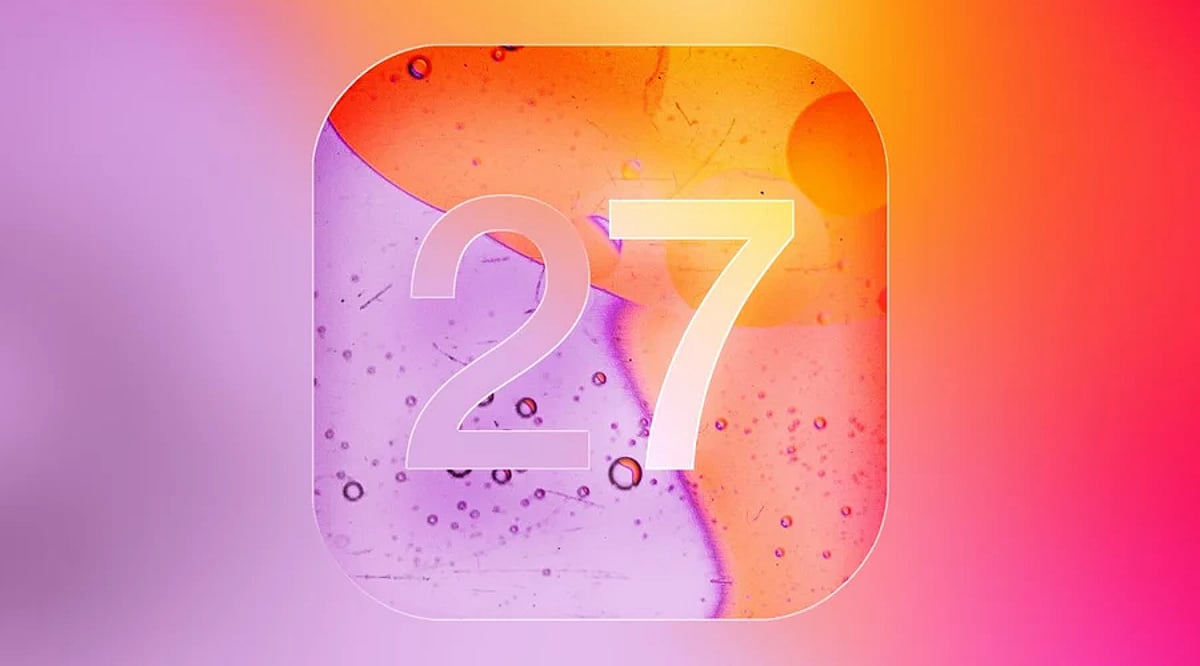
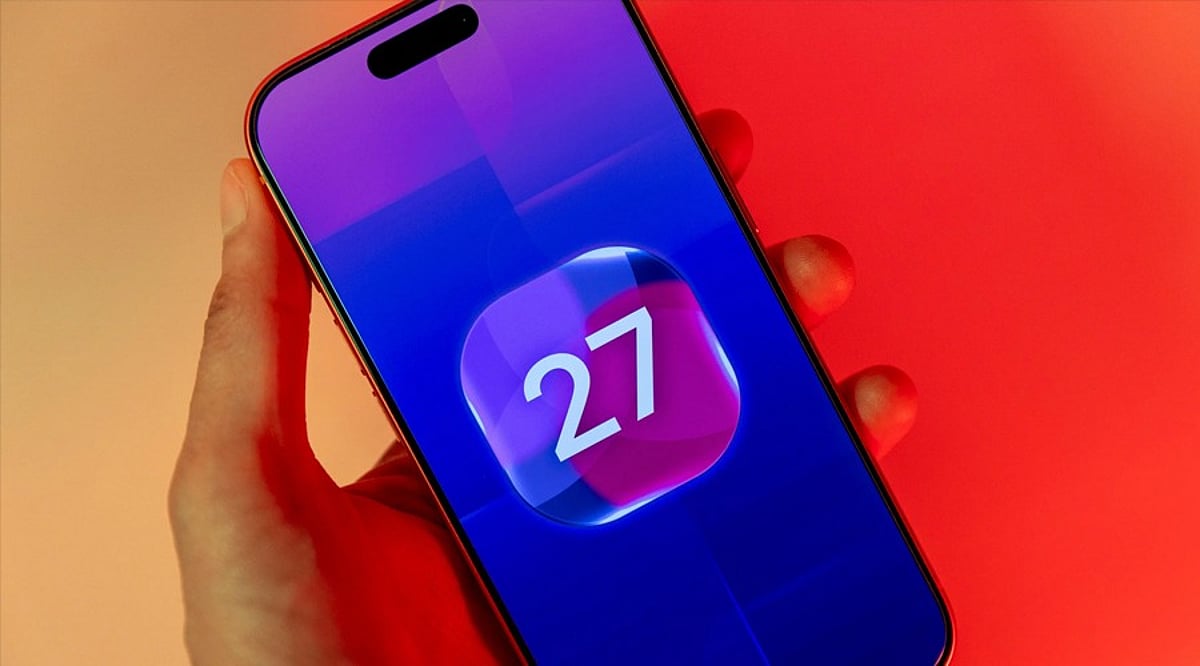
    Apple is expected to unveil iOS 27 alongside its new iPhone lineup in September 2026, following the company’s annual release cycle. While the exact rollout date will be confirmed during Apple’s official announcement, users can anticipate the update to be made available for compatible iPhone models shortly after the event.

    Updated Interface

    iOS updates typically bring visual refinements, and iOS 27 is no exception. Users can expect changes to system apps, menus, and navigation, all designed to create a more cohesive and user-friendly experience without overhauling the familiar iPhone look.

    Apple Intelligence and AI Advancements

    Artificial intelligence remains a core focus for Apple. iOS 27 is likely to expand Apple Intelligence with smarter automation and improved on-device capabilities. Availability of specific AI features may depend on the iPhone model, processing power, language support, and regional rollout.

    Enhanced Siri

    Siri is undergoing significant upgrades as part of Apple’s broader AI strategy. iOS 27 could bring better contextual understanding, deeper app integration, and the ability to handle more complex requests, making voice interactions more practical for everyday tasks.

    Privacy and Security

    Privacy continues to be a cornerstone of iOS. iOS 27 is expected to introduce stronger protections against emerging digital threats, along with more granular controls over app permissions and personal data. Users are advised to install the update promptly once available.

    Health and Accessibility

    Apple regularly enhances health, wellness, and accessibility features with each iOS iteration. iOS 27 may include updates to existing tools and new capabilities aimed at making iPhones more useful for tracking personal health and supporting users with diverse accessibility needs.

    Compatible iPhones

    Not every iPhone will support all iOS 27 features. Hardware constraints—especially those tied to AI processing and newer chips—may restrict advanced functions. Before upgrading, users should consult Apple’s official compatibility list to see which features work on their specific device.

    Stay tuned for official announcements from Apple regarding the exact release date, supported models, and regional availability.

  • Apple iOS 27: September 2026 Release, AI-Powered Features, and Compatible iPhone Models

    Apple iOS 27: September 2026 Release, AI-Powered Features, and Compatible iPhone Models

    Apple is set to release iOS 27 in September 2026, bringing a wave of artificial intelligence enhancements, a smarter Siri, upgraded Photos capabilities, and new child safety tools. The update was first previewed at WWDC 2026 on June 8 and has since undergone developer and public beta testing. Here’s everything you need to know about the release timeline, standout features, and which iPhones will support the new operating system.

    When Will iOS 27 Be Released?

    Apple plans to roll out iOS 27 sometime in September 2026, following its traditional release schedule alongside new iPhone launches. While an exact date hasn’t been confirmed, the company is expected to unveil the iPhone 18 Pro, iPhone 18 Pro Max, and its first foldable smartphone at a September 9 event. The iOS 27 update will likely become available to the public shortly after that event.

    Key Features in iOS 27

    Artificial intelligence is the centerpiece of iOS 27. The update introduces a more capable Siri that understands natural language better and delivers more helpful assistance. AI-powered tools are also coming to the Photos app, allowing users to edit and manipulate images with ease. Additionally, Siri will integrate with the Camera app to recognize objects and provide real-time information about what the iPhone is viewing.

    Apple is also adding new child safety features, alongside broader improvements to performance, Search, design, and the Liquid Glass interface.

    Which iPhones Are Compatible with iOS 27?

    iOS 27 will support iPhone models starting from the iPhone 11 and iPhone SE (2nd generation) onward. However, Apple has noted that not all supported devices will receive every AI feature. The full list of compatible models includes:

    • iPhone 17 series
    • iPhone 16 series
    • iPhone 15 series
    • iPhone 14 series
    • iPhone 13 series
    • iPhone 12 series
    • iPhone 11 series
    • iPhone SE (2nd generation and later)

    What to Expect

    As September approaches, iOS 27 promises to deliver a range of AI-based features, security enhancements, and system-level changes that will redefine the iPhone experience. Stay tuned for more details as the official launch draws near.

  • iPhone 18 Pro Color Options Leaked: Dark Cherry and Sky Blue Revealed

    iPhone 18 Pro Color Options Leaked: Dark Cherry and Sky Blue Revealed

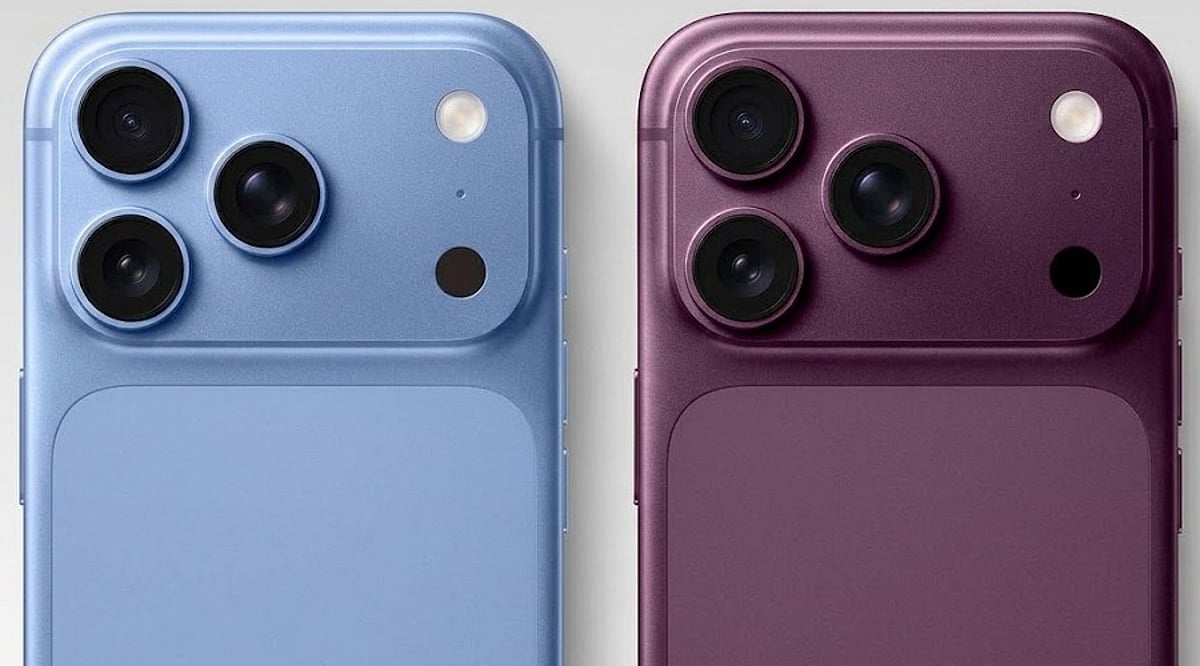
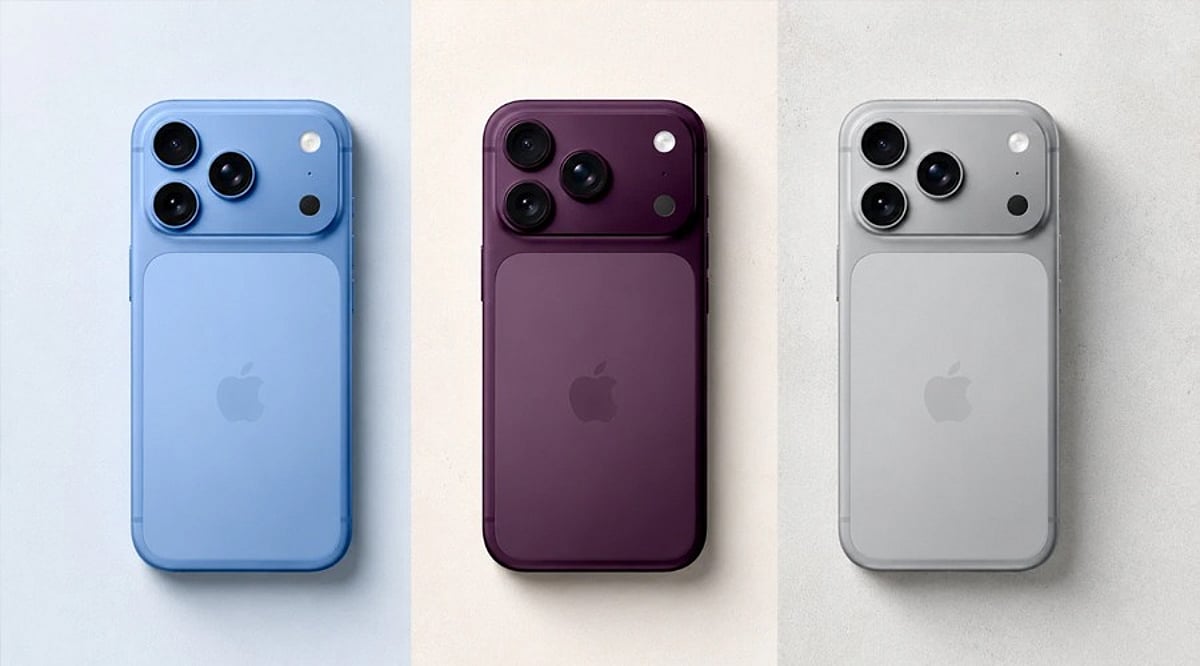
    Apple may be refreshing the color palette for its next-generation Pro iPhones. A recent leak showcasing dummy units of the iPhone 18 Pro and Pro Max suggests the company will introduce Dark Cherry and light blue finishes to the lineup. The Pro Max unit appears in a deep red shade, while the Pro model shows a softer blue hue. Leaked images of purported SIM trays also point to Silver, Dark Cherry, and Sky Blue options.

    The Cupertino-based tech giant hasn’t officially commented on the rumors, but the leaked images have sparked excitement among enthusiasts. The new colors could give the Pro models a distinctly different look compared to previous generations. The iPhone 17 Pro and Pro Max were offered in Cosmic Orange, Deep Blue, and Silver. The reported Dark Cherry shade may provide a darker, more premium aesthetic for the Pro Max, while the light blue option appears much softer than the previous Deep Blue. Silver may not return this time, with some reports suggesting Black as an alternative.

    Beyond the color changes, the iPhone 18 Pro and Pro Max are expected to receive significant hardware upgrades. Consistent reports indicate both models will feature the A20 Pro chip and 12GB of RAM. They are likely to run iOS 27 and include three 48-megapixel rear cameras alongside an 18-megapixel front camera. Screen sizes may differ: the Pro model could sport a 6.90-inch display, while the Pro Max might feature a 6.30-inch screen.

    All details remain unconfirmed leaks until Apple’s official announcement. The company’s September 9 event is approaching, where it is expected to reveal full hardware specifications before the global launch.

  • When Google Sought Steve Jobs’ Blessing to Hire an Apple Executive for a Paris Team

    When Google Sought Steve Jobs’ Blessing to Hire an Apple Executive for a Paris Team

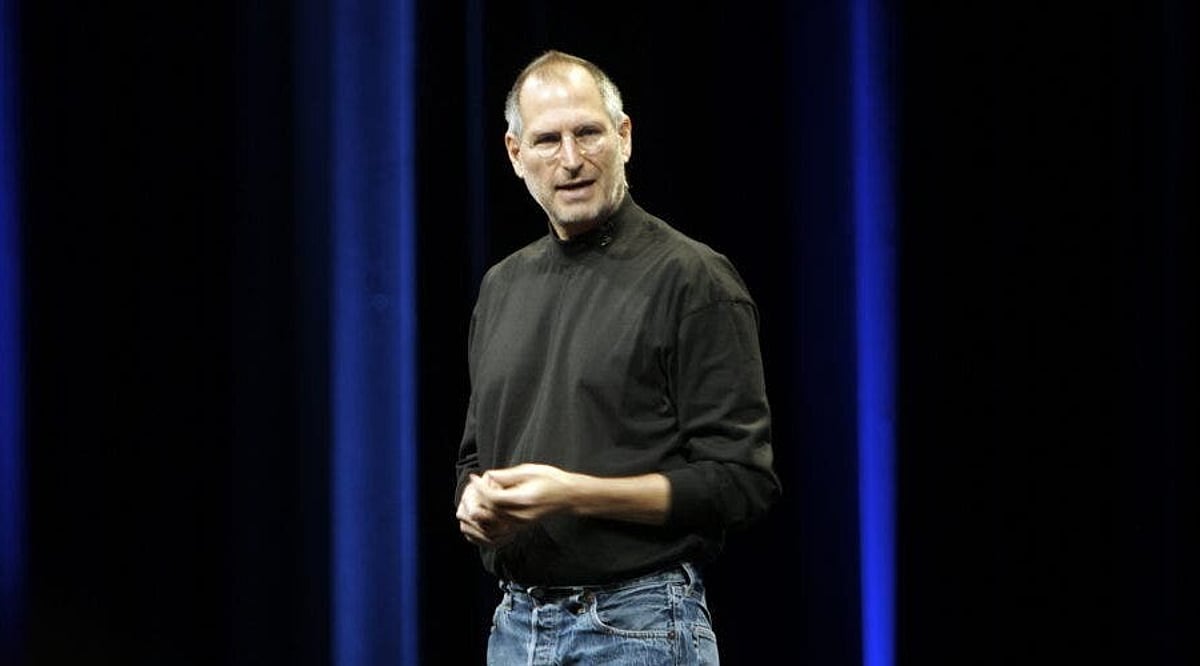
    In a rare glimpse into the early rivalry between Apple and Google, recently surfaced emails reveal that Google once asked Steve Jobs for permission to hire a former Apple executive to lead a new engineering team in Paris. The exchange, part of the High-Tech Employee Antitrust Litigation court records, shows how the plan ultimately unraveled.

    On March 28, 2006, Alan Eustace, Google’s senior vice president of engineering, emailed Steve Jobs to request approval to hire Jean-Marie Hullot, who had left Apple in 2005 after serving as CTO of its applications division. Eustace assured Jobs that Hullot respected Apple and would abide by its non-compete terms, and that Google would drop the plan if Jobs had serious concerns.

    Jobs replied 11 days later, first asking what Hullot would work on, and stating, “We would have a problem if it is related to cell phone handsets.” After Google clarified Hullot’s role, Jobs agreed. However, trouble arose when Hullot wanted to bring four former Apple engineers with him. Jobs objected and advised Google not to hire them. Google complied, and eventually abandoned the Paris center plans. Hullot never joined Google; he later founded the photo startup Fotonauts, which became Fotopedia.

    The emails emerged from the High-Tech Employee Antitrust Litigation case, which alleged that Apple, Google, Intel, and Adobe conspired not to poach each other’s workers. The lawsuit involved about 64,000 engineers. Judge Lucy Koh rejected an initial $324.5 million settlement as too low, approving a $415 million settlement in September 2015, equating to roughly $5,770 per worker.

    This episode underscores how closely Steve Jobs guarded Apple’s talent and offers a window into the fierce competition between the two tech giants nearly two decades ago.

  • Apple’s September 9 Event: How to Watch and What to Expect

    Apple’s September 9 Event: How to Watch and What to Expect

    Apple is gearing up for its next major hardware event, scheduled for September 9. The tech giant is expected to showcase its latest premium iPhones, and there’s growing anticipation around the possible debut of its first foldable iPhone. This event also marks the first major product launch under new CEO John Ternus.

    Event Details and How to Watch

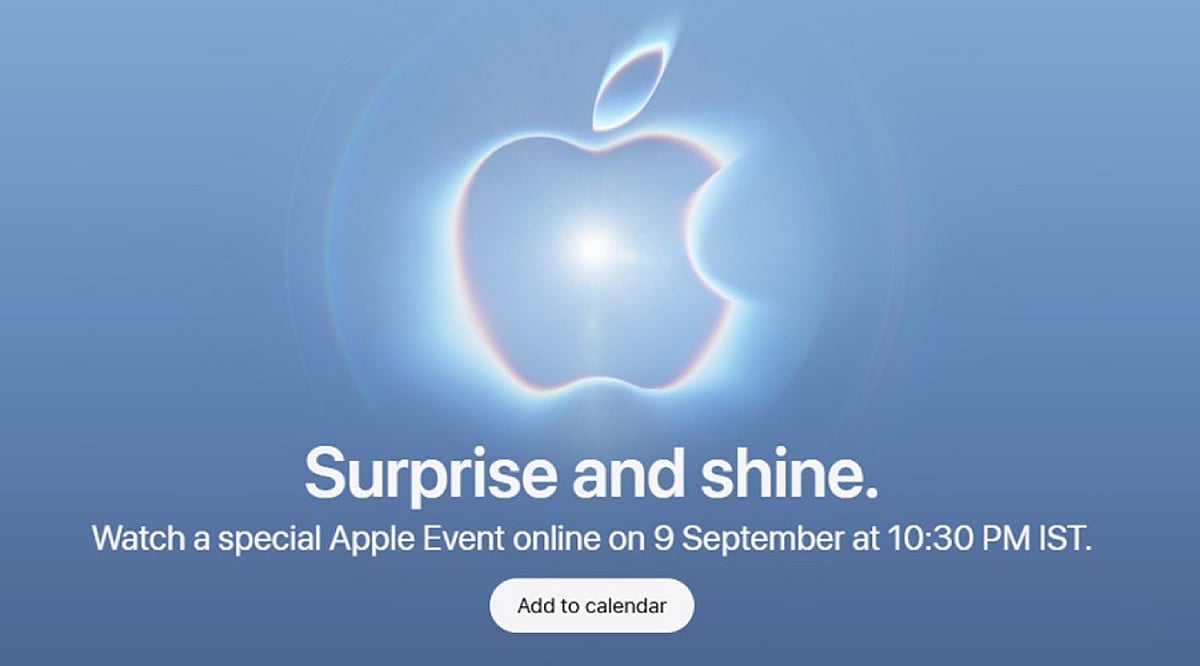
    The event, themed ‘Surprise and Shine,’ kicks off at 10:00 AM Pacific Time (10:30 PM IST) on September 9. Apple will stream the presentation live on its official website and through the Apple TV app. The event will be held at Apple Park in Cupertino, California.

    What to Expect: iPhone 18 Pro and Foldable iPhone

    Industry reports suggest Apple might deviate from its usual launch strategy. While the standard iPhone 18, iPhone 18e, and the next-generation iPhone Air could be delayed until spring 2027, the September event is expected to focus on premium models. This includes the iPhone 18 Pro and Pro Max, and potentially the first foldable iPhone, marking a significant shift in Apple’s smartphone lineup.

    Apple Watch and AirPods Updates

    In addition to iPhones, Apple is likely to introduce the Apple Watch Series 12, Apple Watch Ultra 4, and new AirPods. Reports highlight enhanced health features and a possible ceramic case option for the Watch Series 12, adding to the excitement.

    With the foldable iPhone potentially joining the Pro lineup, Apple’s September event could be a turning point in its smartphone strategy, concentrating on high-end devices.

  • iPhone 18 Pro Max India Price Leaked: What You Need to Know Before Launch

    iPhone 18 Pro Max India Price Leaked: What You Need to Know Before Launch

    Apple’s September 9, 2026 event is expected to reveal the specifications and pricing for the iPhone 18 series, including the Pro and Pro Max models. Industry experts also anticipate the unveiling of Apple’s first foldable iPhone at the same event. Although Apple has not officially confirmed any details, a recent leak has surfaced with pricing information for the iPhone 18 Pro, Pro Max, and the foldable model.

    According to the leak, the iPhone 18 Pro Max could start at ₹1,59,900 in India, while the iPhone 18 Pro is rumored to begin at ₹1,44,900. The much-anticipated foldable iPhone is reportedly priced around ₹2,49,900. It is important to note that Apple has not verified these prices.

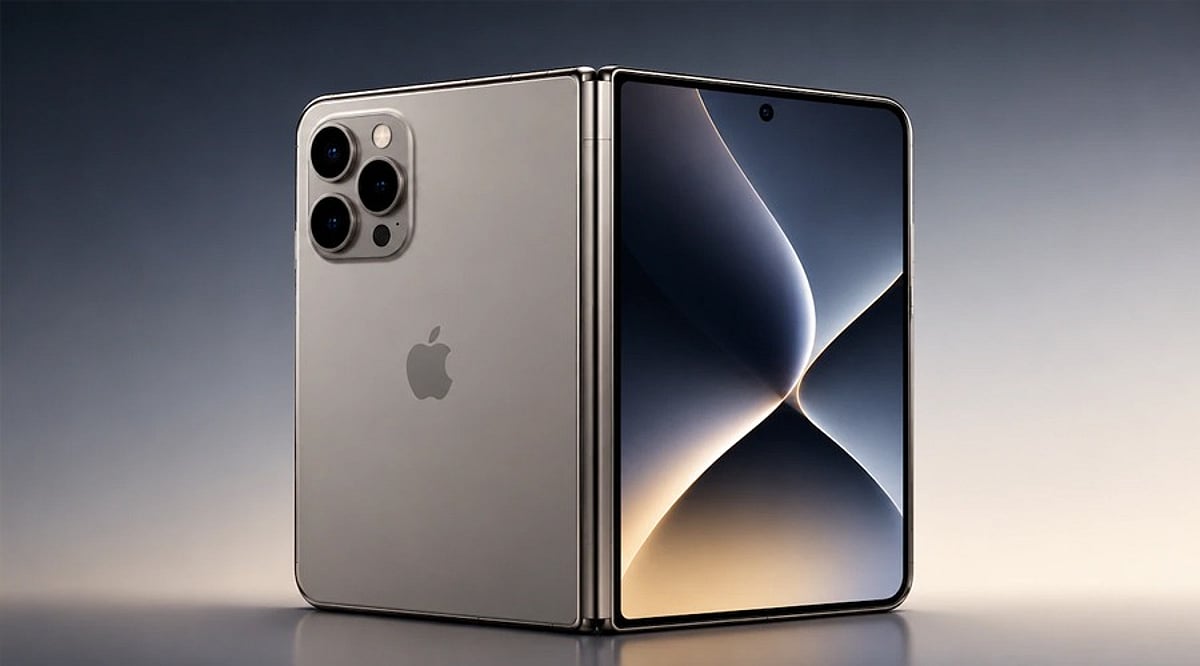
    The iPhone 18 Pro Max is expected to feature the A20 Pro chip, a 48MP main camera with variable aperture, and a smaller Dynamic Island. As for the foldable iPhone, it is tipped to include a large inner OLED screen between 7.6 and 7.8 inches, an outer display measuring 5.3 to 5.5 inches, and both screens supporting a 120Hz refresh rate.

    Apple Foldable vs. Samsung Galaxy Z Fold

    At approximately ₹2.5 lakh, Apple’s foldable phone would sit at the top of the premium segment. For comparison, Samsung’s current foldable Galaxy Z Fold models start at ₹1,79,999 in India, with the Galaxy Z Fold8 Ultra priced at ₹1,99,999. If the rumored price holds, Apple’s foldable would be about ₹50,000 more expensive than Samsung’s highest-tier foldable.

    Apple may leverage its design, software ecosystem, and brand loyalty to attract buyers. However, Samsung has been refining its foldable technology for years, meaning Apple will need to offer something truly distinctive to justify the higher price tag.

  • Apple’s Foldable iPhone May Start at $2,000, Top Variants Could Exceed $3,000

    Apple’s Foldable iPhone May Start at $2,000, Top Variants Could Exceed $3,000

    Apple is preparing to enter the foldable smartphone market with a device that could carry a hefty price tag. According to industry analysts, the company’s first foldable iPhone, rumored to be called the iPhone Ultra, may start at over $2,000, with higher-storage configurations potentially exceeding $3,000.

    Premium Pricing Expected

    IDC estimates the average selling price for the flagship foldable will be above $2,550 (roughly Rs. 2.25 lakh), while other variants could reach or surpass $3,000. TrendForce offers a slightly lower projection, placing the price between $2,099 and $2,299 (approximately Rs. 1.85 lakh to Rs. 2.03 lakh). Citi analysts also expect the starting price to exceed $2,000.

    These figures would position Apple’s foldable well above Samsung’s Galaxy Z Fold 8, which retails at $1,899. The premium pricing reflects not only the novelty of the form factor but also rising component costs.

    Rising Memory Costs

    The smartphone industry has faced significant memory price increases over the past year. Counterpoint Research notes that the cost of 16GB of smartphone DRAM jumped from about $42 in Q2 2025 to around $181 a year later—a more than fourfold increase. This trend is expected to impact the pricing of all high-end devices, including Apple’s upcoming iPhone 18 Pro, which TrendForce predicts will cost $1,319, up from the iPhone 17 Pro’s $1,099 starting price.

    Expected Features and Design

    The iPhone Ultra is rumored to feature a 7.8-inch inner display and a 5.5-inch cover screen, along with 12GB of RAM and a 5,500mAh battery. Apple is reportedly focusing heavily on the hinge mechanism and display crease, conducting additional manufacturing trials to improve both areas.

    Limited Initial Supply

    Production is currently estimated at only a few hundred units per day as Apple fine-tunes the manufacturing process. This suggests that initial supply could be constrained, potentially driving up prices even further in secondary markets.

    Launch Event and Market Impact

    Apple is scheduled to unveil its September lineup at the Steve Jobs Theater on September 9. The event is expected to include the iPhone 18 Pro, iPhone 18 Pro Max, and the foldable model. The standard iPhone 18 and refreshed iPhone Air are expected to follow later.

    The foldable iPhone represents a key test for Apple: will consumers be willing to pay a premium for the new form factor? With the foldable smartphone market still relatively niche, Apple’s entry could either validate the segment or face an uphill battle against established players like Samsung.

    As the launch approaches, more details are likely to emerge. For now, the industry is watching closely to see if Apple can redefine the foldable category—and at what cost.

  • Apple’s Stock Split History: A Complete Timeline from 1987 to 2020

    Apple’s Stock Split History: A Complete Timeline from 1987 to 2020

    Apple’s Stock Splits Over the Decades

    Since 1987, Apple has executed five stock splits, each designed to make shares more accessible to retail investors while preserving overall market capitalization. Here is a timeline of each split and its context.

    • 2-for-1 Stock Split (1987): Announced on June 16, 1987, this split doubled shareholders’ holdings while halving the share price. The move aimed to increase accessibility for retail investors amid growing confidence in Apple’s future despite a competitive PC market.
    • 2-for-1 Stock Split (2000): Executed on June 21, 2000, during the dot-com boom, this split increased liquidity and encouraged broader participation as investor enthusiasm for technology companies surged.
    • 2-for-1 Stock Split (2005): Effective February 28, 2005, following the success of the iPod and strong financial performance, this split attracted additional investors while maintaining shareholder value.
    • 7-for-1 Stock Split (2014): Effective June 9, 2014, this surprising move dramatically reduced the share price, improving accessibility, liquidity, and positioning Apple for inclusion in price-weighted indexes.
    • 4-for-1 Stock Split (2020): Effective August 31, 2020, after a remarkable rally driven by iPhone, services, and wearables growth, this split lowered the entry price for investors and boosted trading activity.

    Why Apple Splits Its Stock

    Stock splits do not change a company’s overall market value or shareholder ownership percentage. Instead, they reduce the per-share price, improving affordability, increasing market liquidity, and making shares psychologically more attractive to retail investors.

    Impact on Long-Term Investors

    Apple has delivered exceptional long-term returns despite only five stock splits since 1987. Investors who held shares through each split saw their ownership multiply significantly, demonstrating how stock splits combined with sustained business growth can amplify investment potential over decades.

  • iPhone 17 Pro Freedom Sale: Buy Now or Wait for iPhone 18 Pro?

    iPhone 17 Pro Freedom Sale: Buy Now or Wait for iPhone 18 Pro?

    Flipkart’s Freedom Sale has dropped the price of the iPhone 17 Pro, making it an attractive option for buyers today. At the same time, the iPhone 18 Pro is expected to arrive within weeks with reported hardware upgrades. The better choice depends on whether saving money now matters more than getting Apple’s newest flagship.

    Sale That Lands One Month Before a Launch

    Flipkart has already published the sale pricing, and the timing is notable. The Freedom Sale opens fully on August 8, with early access for Plus and Black members a day earlier. That places the sale barely a month before Apple is expected to take the stage for its next launch.

    The overlap forces a real choice: lock in a lower price today or hold out for a phone that reports suggest will bring the biggest chip upgrade Apple has offered in years.

    What the Freedom Sale Actually Offers

    Flipkart lists the iPhone 17 Pro at ₹1,26,900 — a flat ₹8,000 off its ₹1,34,900 launch price, with no card requirement. Add an SBI or Flipkart Axis Bank credit card, and the effective price can drop closer to ₹1,21,900.

    The iPhone 17 Pro Max gets a similar ₹8,000 cut, from ₹1,49,900 to ₹1,41,900, with bank offers bringing it toward ₹1,36,900.

    All prices include GST as listed on Flipkart and are subject to change once the sale goes live, so confirm the final figure before checkout.

    iPhone 17 Pro vs iPhone 18 Pro: What Changes

    Specifications rarely tell the full story, but a side-by-side view makes the trade-offs easier to weigh. Reports suggest the iPhone 18 Pro could feature a 2-nanometer A20 Pro chip, a variable-aperture main camera, a smaller Dynamic Island, and improved battery efficiency.

    Why the Price Gap Matters More Than It Looks

    Bloomberg’s Mark Gurman has flagged a possible $100–$200 price increase on new Pro models. In India, that could translate to ₹10,000 or more. The iPhone 17 Pro at ₹1,26,900 is not competing against a flat ₹1,34,900 successor — it could face a launch price closer to ₹1,45,000.

    The Case for Waiting a Little Longer

    Retailers historically discount the outgoing Pro model further once a new generation arrives. A buyer not in a hurry could wait six weeks and compare October’s price against today’s ₹1,26,900 figure. This sale is not the last chance.

    Storage, Resale, and Long‑Term Value

    A 256GB iPhone 17 Pro at today’s sale price is likely to depreciate less sharply than a newly launched flagship bought at full retail. It will remain Apple’s second-newest Pro model for twelve months, a steadier position than paying full price for a base iPhone 18 Pro at launch.

    Buy Now or Wait Six Weeks?

    The right call depends on urgency, not brand loyalty. Immediate need, a tighter budget, and comfort with current camera hardware point toward buying now. Patience, a preference for the newest chip, and willingness to pay a premium point toward waiting six weeks for confirmed iPhone 18 Pro pricing and specifications.

    Final Thought

    If a flagship is needed now, the Freedom Sale represents one of the best opportunities to buy the iPhone 17 Pro before Apple’s next launch. If waiting six weeks is practical, holding off means full clarity on the iPhone 18 Pro’s price and features before spending over ₹1 lakh. Either way, check Flipkart’s live listing and Apple’s official announcement before paying.