Tag: Apple

  • Apple Intelligence Explained: A Complete Guide to iPhone AI Features

    Apple Intelligence Explained: A Complete Guide to iPhone AI Features

    Apple Intelligence is Apple’s personal artificial intelligence system that works across iPhone, iPad, Mac, Apple Watch, and Apple Vision Pro. Unlike traditional AI chatbots that exist as separate apps, Apple built this system directly into the operating system, embedding it into everyday apps like Messages, Mail, Photos, Notes, Safari, and Phone. This design creates a seamless experience without the need to switch between different applications.

    Key Takeaways

    • Apple Intelligence integrates AI directly into iPhone apps for a seamless everyday experience.
    • Most AI processing happens on-device, with Private Cloud Compute protecting user privacy.
    • Advanced features are available only on iPhone 15 Pro, iPhone 15 Pro Max, iPhone 16 models, and newer devices.

    Which iPhones Support Apple Intelligence?

    Apple Intelligence only works on iPhones with enough processing power to handle advanced AI models. The supported devices include the iPhone 15 Pro, iPhone 15 Pro Max, every iPhone 16 model, and newer iPhones. Regular iPhone 15 models do not support Apple Intelligence. Apple says the advanced Neural Engine, higher memory, and powerful Apple Silicon inside supported devices make these AI features possible. Older iPhones cannot meet these hardware requirements.

    Writing Tools Make Everyday Work Easier

    The very basic function of Apple Intelligence is offered by the automatic Writing Tools included in the programming. These features are extensively used by most applications of Apple and by many external programs. You can rewrite texts, correct grammar, make short summaries, and change the tone of messages. Safari, Mail, Notes, and Messages all support these capabilities, turning long emails into short summaries and rough drafts into polished texts.

    Siri Understands Conversations Better

    Apple Intelligence gives Siri a major upgrade. Siri now understands natural conversations more accurately and follows context across multiple questions. Instead of repeating the same information, Siri remembers earlier parts of the conversation and provides smoother replies. Apple also added optional ChatGPT integration. Siri asks for permission before sending a request to ChatGPT, balancing advanced functionality with privacy.

    Creative Tools Add Fun to Everyday Tasks

    Apple Intelligence includes Image Playground, a feature that creates images from simple text descriptions. Apple offers styles such as Animation, Illustration, and Sketch. Messages, Notes, and Freeform all support this feature. Genmoji adds another creative option: a simple description like “golden retriever wearing sunglasses” turns into a unique emoji within seconds.

    Visual Intelligence Understands the World Around It

    Visual Intelligence uses the iPhone camera to recognize objects, places, products, signs, and text. After recognition, Apple Intelligence can explain what appears on the screen, translate foreign languages, search for products online, or create calendar events from posters and invitations. Apple continues to improve this feature with every software update.

    Photos, Notifications, and Mail Become Smarter

    The Photos app now includes the Clean Up tool, which removes unwanted objects from pictures while keeping lighting, shadows, and important details as natural as possible. Notifications also become easier to manage with short summaries for long alerts and priority placement. Mail receives email summaries, suggested quick replies, highlighted important messages, and short previews that help readers understand content before opening each email.

    Notes and Phone Receive Helpful AI Features

    The Notes app gains intelligent tools for summarization, writing improvement, grammar correction, and organization. The Phone app supports call transcripts and call summaries in supported regions and languages, helping users review important conversations without relying on memory alone.

    Privacy Stays at the Center of Apple Intelligence

    Privacy remains one of the biggest differences between Apple Intelligence and many other AI systems. Most AI tasks run directly on the iPhone. Only complex requests move to Private Cloud Compute, which Apple says never stores personal data after processing finishes. This balance between local processing and secure cloud support allows Apple Intelligence to deliver advanced AI features while protecting personal information.

    Why This Matters

    Apple Intelligence changes the way people use an iPhone every day. Built-in AI saves time, improves communication, helps with creative tasks, and makes everyday apps more useful. Strong privacy protection also sets Apple apart from many AI platforms, making Apple Intelligence an important feature for anyone planning to buy or upgrade an iPhone.

    FAQs

    1. What is Apple Intelligence? Apple Intelligence is Apple’s built-in AI system that enhances apps like Messages, Mail, Photos, Notes, Safari, and Siri with smart, privacy-focused features.
    2. Which iPhones support Apple Intelligence? It is supported on iPhone 15 Pro, iPhone 15 Pro Max, all iPhone 16 models, and newer compatible iPhones.
    3. Does Apple Intelligence use ChatGPT? Yes. Siri can optionally use ChatGPT for more complex requests, but only after asking for your permission.
    4. Is Apple Intelligence private and secure? Yes. Most AI tasks run directly on your device, while complex requests use Apple’s Private Cloud Compute, which is designed to avoid storing personal data after processing.
    5. What are the main features of Apple Intelligence? Key features include Writing Tools, smarter Siri, Image Playground, Genmoji, Visual Intelligence, Photos Clean Up, notification summaries, Mail enhancements, and call transcripts.

  • Ultra-Premium Tech: Top Luxury Brands Crafting Elite Gadgets

    Ultra-Premium Tech: Top Luxury Brands Crafting Elite Gadgets

    Luxury tech brands are redefining what it means to own premium gadgets, merging cutting-edge technology with exquisite craftsmanship. Here are the companies creating the most desirable ultra-premium devices on the market.

    Apple

    Apple combines premium design, powerful performance, and a seamless ecosystem to deliver some of the world’s most desirable luxury gadgets.

    Bang & Olufsen

    Known for handcrafted speakers and headphones, Bang & Olufsen blends iconic Scandinavian design with exceptional audio quality.

    Vertu

    Vertu creates handcrafted luxury smartphones using rare materials like titanium, sapphire crystal, and genuine leather.

    Leica

    Leica produces premium cameras that combine legendary German engineering with outstanding image quality for professionals and enthusiasts.

    Devialet

    Devialet’s futuristic speakers deliver groundbreaking sound performance while doubling as stunning luxury home décor.

    TAG Heuer Connected

    TAG Heuer merges Swiss watchmaking excellence with modern smartwatch technology for luxury wearable enthusiasts.

    Caviar

    Caviar customizes flagship smartphones with gold, diamonds, and exotic materials for ultra-wealthy collectors.

    Louis Vuitton Horizon

    Louis Vuitton brings luxury fashion into technology with premium wireless earbuds and connected travel accessories.

  • Top 10 Apple Devices to Transform Your Home into a Smart Haven

    Top 10 Apple Devices to Transform Your Home into a Smart Haven

    Building a smarter, more connected home doesn’t have to be complicated, especially if you’re already in the Apple ecosystem. From the powerful HomePod 2 to the compact AirTag, Apple offers a range of devices that seamlessly integrate to automate your living space. Here are 10 essential Apple gadgets that can help you create a truly intelligent home.

    1. HomePod 2 – Apple’s flagship smart speaker delivers room-filling audio, Siri voice control, and acts as a central smart home hub.
    2. HomePod Mini – A compact speaker offering smart automation, intercom functionality, music playback, and seamless integration with Apple Home accessories.
    3. Apple TV 4K – Serves as both an entertainment device and a HomeKit hub, allowing you to control compatible smart home products remotely.
    4. iPhone – The primary controller for Apple Home, enabling you to automate, monitor, and manage connected devices from anywhere.
    5. iPad – Offers a larger interface for managing HomeKit accessories, viewing security cameras, and controlling automation routines effortlessly.
    6. Apple Watch – Lets you unlock doors, control lights, adjust thermostats, and receive smart home alerts directly from your wrist.
    7. AirTag – Helps locate frequently misplaced belongings and integrates with Apple’s Find My network for accurate item tracking.
    8. HomeKit Secure Video Cameras – Compatible cameras provide encrypted video storage, facial recognition, and secure monitoring through Apple Home.
    9. Smart Door Locks – HomeKit-enabled locks allow secure keyless entry, remote access, and automation with other Apple smart home devices.

    By combining these devices, you can create a cohesive smart home experience that’s both powerful and easy to use. Whether you’re just starting out or looking to expand your setup, Apple’s ecosystem has everything you need for a more connected lifestyle.

  • iPhone 18: Everything We Know So Far About Features, Release Date, and Price

    iPhone 18: Everything We Know So Far About Features, Release Date, and Price

    Apple’s next-generation flagship, the iPhone 18, is already generating buzz with rumors of significant upgrades in performance, AI, cameras, and design. Here’s a comprehensive roundup of expected features, launch timeline, pricing, and the latest whispers from the industry.

    A20 Pro Chip: Faster and More Efficient

    Apple is expected to introduce the A20 Pro chipset, delivering faster processing, enhanced graphics, improved AI capabilities, and better battery optimization. The chip will likely power more demanding applications and enable advanced on-device intelligence.

    Apple Intelligence 2.0: Smarter On-Device AI

    The next generation of Apple’s AI platform, tentatively called Apple Intelligence 2.0, may bring a more conversational Siri, improved writing tools, image generation, and personalized productivity features across apps — all processed locally for privacy.

    Advanced Camera System

    Leaked specs point to improved computational photography, larger sensors, and an enhanced periscope zoom lens. These upgrades should deliver better low-light performance, sharper portraits, and greater optical zoom capabilities.

    Display Technology Upgrades

    The iPhone 18 lineup is rumored to feature brighter OLED panels with thinner bezels, smoother refresh rates (potentially 120Hz on all models), and improved outdoor visibility for a premium viewing experience.

    Battery and Charging Improvements

    Hardware and software optimizations are expected to extend battery life, while faster wired and wireless charging may also be introduced.

    iOS 27: Fresh Features and Privacy

    The iPhone 18 will likely debut with iOS 27, bringing new customization options, enhanced privacy controls, and AI-driven tools that integrate seamlessly with the new hardware.

    Premium Design and Build

    Rumors suggest Apple will use lighter materials, refine the camera housing, and slim down the chassis while maintaining its signature premium feel.

    Expected Pricing

    Flagship pricing is expected to remain in line with previous iPhone launches, though regional variations may occur due to component costs and international market factors.

    Launch Timeline

    Apple is widely expected to unveil the iPhone 18 series at its traditional September launch event in 2027.

  • Redington Shares Surge to Record High on Strong Apple Sales and Q1 Profit Jump

    Redington Shares Surge to Record High on Strong Apple Sales and Q1 Profit Jump

    Redington shares hit a record high on August 3 after the company reported outstanding Q1 FY27 results, driven by robust Apple sales in India and strong performance across multiple technology segments. The stock surged 7.6% to Rs. 346.20 on the NSE during Monday’s trading session, extending a five-session rally of 23%.

    The company posted its highest-ever quarterly revenue of Rs. 34,966 crore, a 34% year-over-year increase. Profit after tax soared 77% to Rs. 486 crore, significantly outpacing revenue growth. India operations were a standout, with revenue climbing 63% and profit rising 60% during the quarter.

    Redington attributed its India growth to large enterprise deals, stronger PC sales, premium smartphone demand, cloud services, and cybersecurity solutions. As a major Apple distributor in the region, the company benefited directly from Apple’s strong performance in India.

    Apple reported June quarter revenue of $109.4 billion, up 16% year over year, with India among the markets recording double-digit growth. IDC India analyst Navkendar Singh noted that Apple’s India business still has a “long runway” as more consumers enter the market, supported by wider retail access, financing options, and local iPhone production.

    International operations also contributed to Redington’s strong quarter. Revenue across the Middle East and Africa rose 15% year over year, driven by demand for cloud services and cybersecurity.

    V S Hariharan, Managing Director and Group CEO, commented that Redington began FY27 with its “highest-ever quarterly revenue and profit,” highlighting stronger demand across technology distribution and profit growth that outpaced revenue expansion.

    The combination of record Q1 results and Apple sales momentum has emerged as the key catalyst behind Redington shares reaching new highs.

  • Apple MacBook Air Hit by Supply Shortage as AI Memory Chip Demand Rises

    Apple MacBook Air Hit by Supply Shortage as AI Memory Chip Demand Rises

    A new report indicates that Apple is facing supply constraints for its popular MacBook Air due to a global memory chip shortage, which could delay deliveries in several markets.

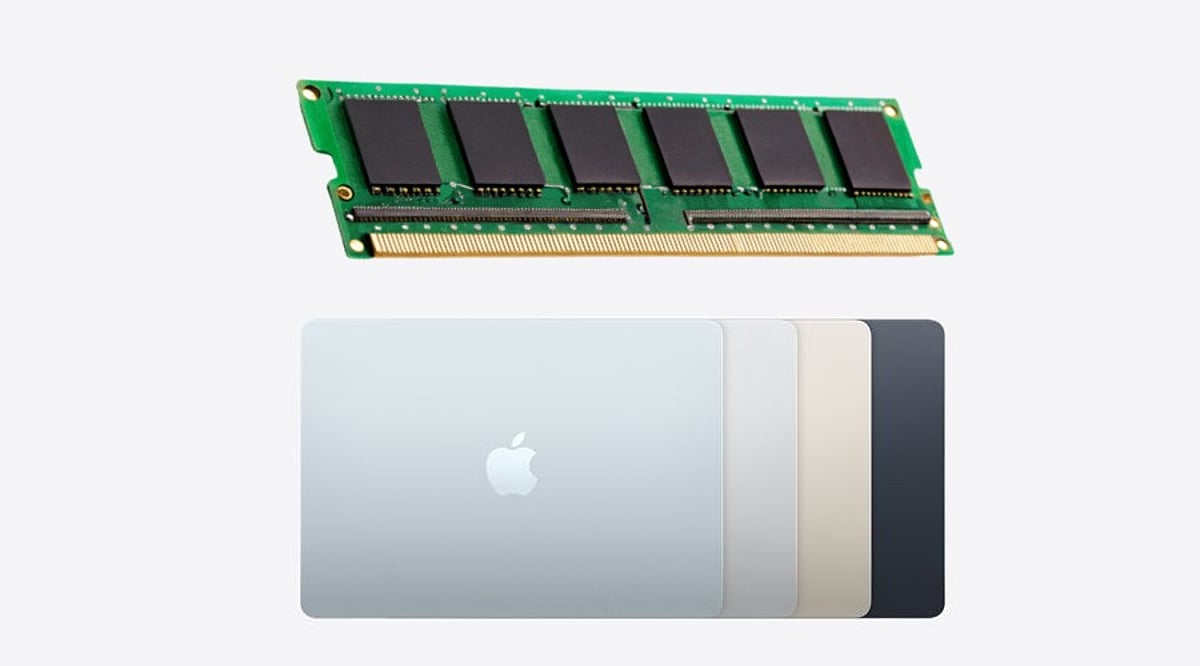
    According to Bloomberg, the rising demand for memory chips from artificial intelligence companies is straining Apple’s supply chain. Mark Gurman reported that the MacBook Air is now affected, though Apple previously faced similar issues with less popular models like the Mac mini and Mac Studio.

    Customers ordering the MacBook Air through Apple’s official website are now seeing delivery dates pushed into the second half of August. Some configurations may require even longer waiting periods. While Apple has not officially confirmed the shortage, the report notes that the company is directing customers toward the MacBook Pro on its website and in retail stores. Some users have also encountered a disclaimer stating, “MacBook Air subject to availability.”

    Could the Shortage Benefit Windows Laptop Makers?

    Limited availability of MacBook Air models could create an opportunity for Windows laptop brands such as Dell, HP, Lenovo, and Asus, which already offer thin and light competitors. If MacBook Air units become harder to buy, some customers may choose those alternatives instead of waiting.

    However, Windows manufacturers may not be entirely safe. If the memory shortage worsens, they could also face production problems. The company that manages its supply chain more effectively may gain an advantage in the coming months.

    A Reminder That Hardware Still Matters

    The reported MacBook Air shortage underscores how a single missing component can disrupt an entire product line. Even the largest tech companies depend on a steady flow of parts. For Apple, keeping the MacBook Air readily available on store shelves will be crucial as competition in the laptop market continues to intensify.

  • India Offers Apple Up to 15 Years of Tax Stability to Boost Manufacturing

    India Offers Apple Up to 15 Years of Tax Stability to Boost Manufacturing

    India is planning to provide Apple with up to 15 years of tax certainty for its manufacturing operations, a move designed to encourage the iPhone maker to expand production, invest in new facilities, and deepen its manufacturing footprint in the country.

    Under the proposed plan, the tax certainty would extend until March 31, 2041, up from the current deadline of 2031. The existing framework was introduced in February 2026 as part of the Union Budget for 2026–27 and was registered as Clause 109 of the Finance Bill, which amended Schedule IV of the Income-tax Act 2025.

    The proposal is linked to India’s business connection rules, which determine how foreign companies are taxed when operating in the country. A predictable tax environment helps companies plan long-term investments without fear of sudden policy changes. For a business investing billions in factories and supply chains, such stability is critical.

    In India, Apple funds the high-precision machinery used by Foxconn and Tata Electronics to assemble iPhones. Building new factories is a long-term commitment that requires years to set up production, hire workers, and develop supplier networks. Stable tax rules reduce business risks and make these decisions easier.

    The initiative builds on a 2016 agreement between Apple CEO Tim Cook and Indian Prime Minister Narendra Modi to establish a production base in India that goes beyond simple assembly. If approved, the extended tax certainty could help India attract more global manufacturers, strengthen its role in Apple’s worldwide supply chain, and bring additional jobs, investment, and exports to the country.

  • Apple Briefly Delists Telegram from App Store Over Moderation Violations

    Apple Briefly Delists Telegram from App Store Over Moderation Violations

    Apple has temporarily removed Telegram from the App Store in select countries, leaving many users unable to find or download the messaging app on their iPhones and iPads. The action, which took effect on August 3, 2026, was later confirmed by Apple as a response to discovered content violating its strict guidelines on child sexual abuse material.

    According to a statement shared by Bloomberg’s Mark Gurman, Apple said: “We briefly removed Telegram from the App Store after our review found content that violates our strict guidelines prohibiting child sexual abuse material. The app was subsequently restored after the developer promptly removed the content and banned the user who posted it.”

    The removal was not global. Users in India and many other regions still see Telegram normally, and those who already had the app installed were unaffected. The issue only impacted first-time downloads in the affected countries. Google Play, Android’s official store, continues to offer Telegram without interruption.

    This isn’t the first time Telegram has faced such action. In 2018, Apple pulled the app from the App Store globally after inappropriate content was identified. However, this latest incident appears limited to specific markets, likely due to legal requests or regional enforcement.

    Apple’s ability to remove apps stems from its App Store guidelines, which all developers must follow. The company can also act on valid legal requests from governments. Once the offending content is removed and the issue resolved, the app can be reinstated, as happened here.

    For now, Telegram remains available on iOS in most regions, and Android users haven’t experienced any disruption. This incident highlights the ongoing challenge of content moderation on major platforms and the delicate balance between user safety and app availability.

  • Apple’s Camera AirPods Rumored for September 2026 Launch: Visual Intelligence Features Revealed

    Apple’s Camera AirPods Rumored for September 2026 Launch: Visual Intelligence Features Revealed

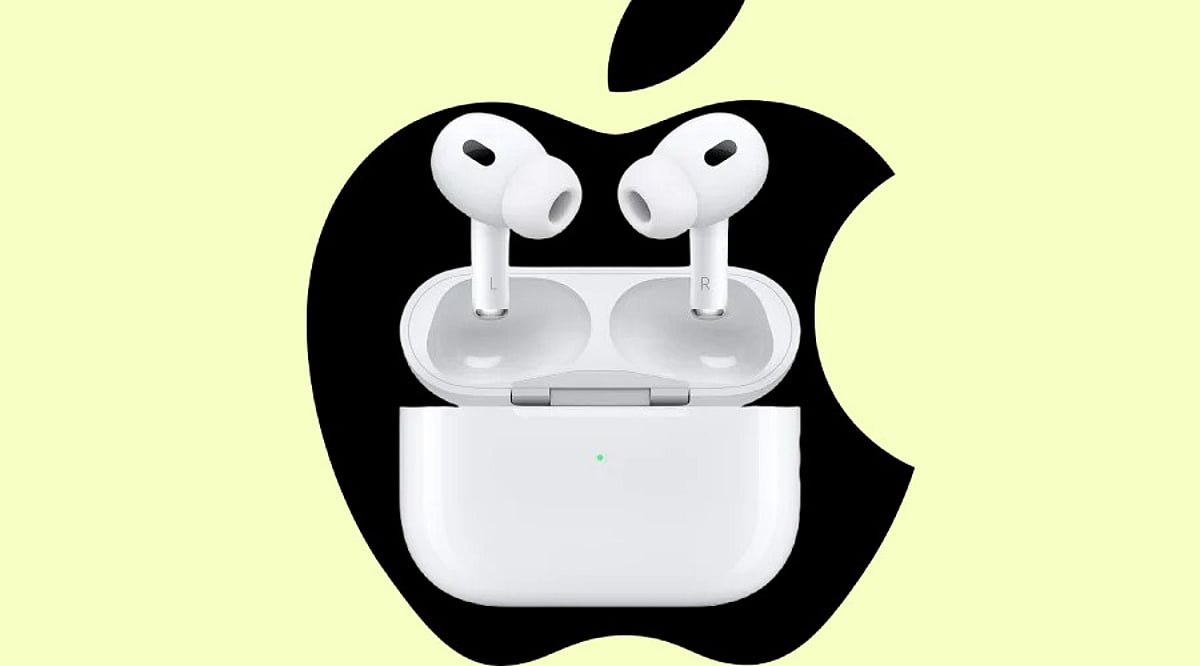
    Apple may launch camera-equipped AirPods as early as September 2026, according to a report from Bloomberg’s Mark Gurman. The earbuds are expected to debut alongside Apple’s next iPhone lineup, though the company has not officially confirmed the launch. The move is part of Apple’s growing focus on AI-powered wearables that use cameras to help Siri understand its surroundings.

    Two AirPods projects are reportedly under development: B790 and B798. The B790 model appears to be further along and could launch in September 2026, while B798 is linked to a later 2027 release. References to B790 in iOS 27 code have added weight to the 2026 timeline.

    The rumored Camera AirPods are not intended for photography. Instead, the cameras will capture visual input for Apple’s Visual Intelligence features, enabling Siri to recognize objects, read text, and identify landmarks. According to Gurman, the cameras “can’t capture media” — they are designed solely to feed information to Siri. The system may also request a second image when lighting or clarity affects recognition.

    The earbuds could feature longer stems to accommodate camera hardware and an LED indicator for cloud data transfers. Apple may use the “AirPods Ultra” name for the high-end product, positioning it above the current AirPods Pro range.

    However, a separate report from TechTimes creates uncertainty around the September timeline. It suggests B790 could instead be a camera-free AirPods update this year, leaving B798 as the main camera-focused model planned for 2027. With conflicting reports and no official confirmation from Apple, the final design, features, pricing, and launch date remain unconfirmed.

  • Brazil Demands $59 Million Fine from Apple Over Unregulated Casino Apps in App Store

    Brazil Demands $59 Million Fine from Apple Over Unregulated Casino Apps in App Store

    Brazil’s consumer protection agency is pushing for a major penalty against Apple, seeking $59 million in fines over casino-style apps available through the App Store. The case has reignited debate about how much responsibility app store operators should bear for harmful or illegal content.

    According to reports, the lawsuit was filed by the National Association of Centers for the Defense of Children and Adolescents (ANCED), Educafro Brasil, and the Santo Dias Center for Human Rights. These organizations allege that Apple allowed casino apps without effective age verification, exposing minors to gambling content. The lawsuit demands R$300 million (approximately $59 million) in moral damages, along with strict safeguards to prevent future incidents.

    One app that drew attention is Casino Roulette: Roulettist, which is labeled for users aged 18 and above. However, the agencies found that anyone can download the app without any age verification. The app includes games such as poker, roulette, baccarat, and slot machines, with in-app purchases priced as high as R$599.90.

    The case focuses on whether Apple should be held accountable for apps distributed through its platform. Officials argue that companies running app stores must do more to prevent harmful or illegal content from reaching users. Apple has previously defended its review process, stating that it checks apps before publication and removes those that violate its policies.

    This dispute raises an important question: How much control should app store operators have over the software they distribute? Governments in several countries are now pressing large tech firms to take greater responsibility for what appears on their platforms.