Tag: Apple

  • Apple iPhone Ultra Launch Predicted to Boost Foldable Phone Shipments 20% by 2026

    Apple iPhone Ultra Launch Predicted to Boost Foldable Phone Shipments 20% by 2026

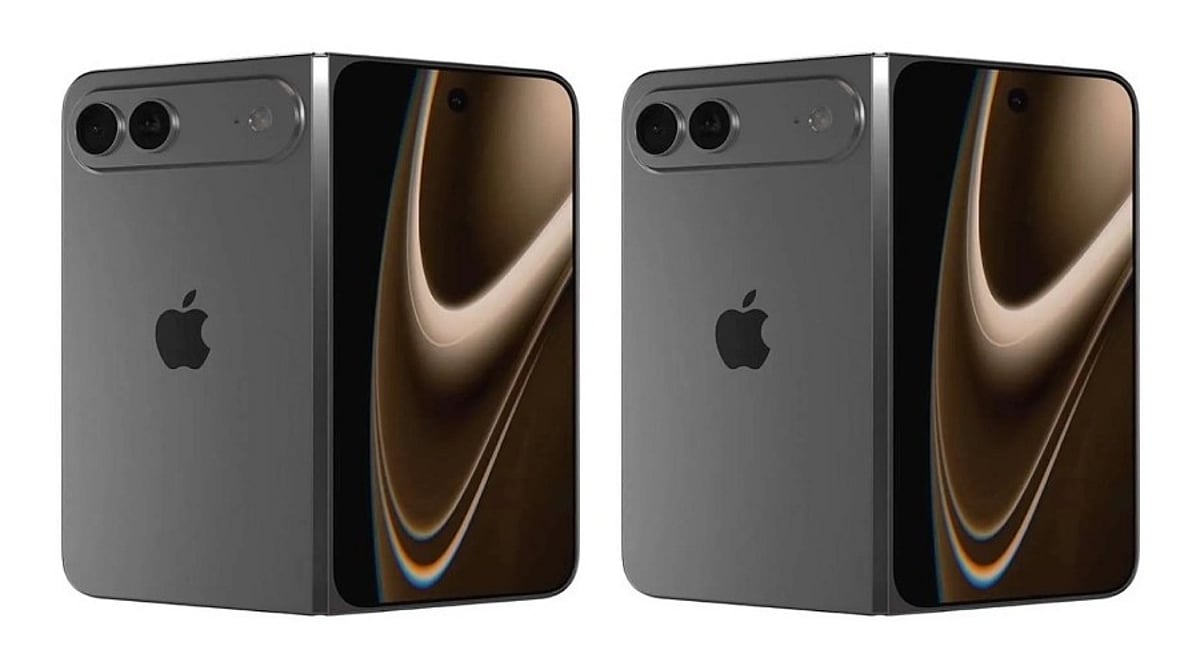
    Apple’s first foldable iPhone could help global foldable phone shipments grow 20% in 2026. The iPhone Ultra may arrive in September with the iPhone 18 Pro models. Industry sources cited by DigiTimes expect Apple’s entry to bring more buyers to foldable phones. Wider book-style designs could also support this growth across the global market.

    Samsung is expected to remain the biggest foldable phone maker in 2026. Apple could quickly become a strong competitor after entering the market. DigiTimes expects the fourth quarter to record the strongest foldable phone sales this year. Several new flagship phones could arrive during the same period.

    Apple has not confirmed the iPhone Ultra or its launch date yet. Reports suggest Apple asked suppliers to prepare around 10 million units for 2026. Supply issues could push pre-orders toward the fourth quarter, according to analyst Ming-Chi Kuo. Kuo expects strong demand for Apple’s foldable phone after its launch. He said the iPhone Ultra ‘could sell out immediately after pre-orders open.’ Delivery delays could follow if demand becomes stronger than supply.

    The expected launch could also change the foldable phone market. Samsung, Huawei, Motorola, and other Chinese brands already compete in this segment. Apple could bring more attention to larger foldable screens and premium designs. The wider smartphone market faces chip supply pressure and higher memory costs. Foldable phones could still grow as companies launch newer designs and better features. Apple’s entry could also encourage more buyers to try foldable phones for the first time.

    Reports suggest the iPhone Ultra could cost more than $2,000. The high price may limit sales among budget-conscious buyers. Still, Apple’s strong brand could help foldable phones reach a larger audience.

  • OpenAI Seeks Dismissal of Apple Trade Secrets Lawsuit, Citing Vague Claims

    OpenAI Seeks Dismissal of Apple Trade Secrets Lawsuit, Citing Vague Claims

    OpenAI has filed a motion in a US federal court to dismiss Apple’s trade secrets lawsuit, arguing that the iPhone maker failed to identify any specific confidential information that was allegedly misappropriated. The AI firm contends that it has “no use, need or desire” for Apple’s trade secrets and is developing its consumer hardware independently.

    In its court filing, OpenAI stated that Apple’s complaint lacks a clear description of the stolen trade secrets and does not explain how any such secrets were used. The company emphasized that the information Apple references is either publicly available or does not qualify as trade secrets under the law.

    The legal dispute stems from Apple’s allegations that OpenAI and several former Apple employees took confidential hardware-related information when they joined the AI company. Apple has also requested a preliminary injunction to prevent OpenAI from using any alleged confidential information during the litigation.

    OpenAI dismissed these claims as baseless, asserting that there is no evidence the company obtained, disclosed, or used any trade secrets. The firm further argued that Apple is leveraging the lawsuit to mask its own challenges in attracting engineering talent and keeping pace with AI advancements.

    Despite the legal battle, the two companies continue to collaborate in some areas. Apple integrates ChatGPT into Siri through its Apple Intelligence service, and iPhone users can access ChatGPT via iOS.

    The court will now decide whether to dismiss the case. If the motion is denied, the lawsuit will proceed alongside Apple’s request for a preliminary injunction. This case highlights the intensifying competition between tech giants in artificial intelligence and consumer hardware development.

  • Top US Stocks Driving Strong Market Momentum in 2025

    Top US Stocks Driving Strong Market Momentum in 2025

    Several U.S. equities have consistently outperformed in recent months, buoyed by advancements in artificial intelligence, cloud computing, and digital advertising. Below is an overview of the top-performing stocks that continue to deliver robust market momentum.

    Nvidia (NVDA)

    Nvidia dominates AI chip manufacturing, benefiting from surging demand for data centers, enterprise computing, and artificial intelligence infrastructure worldwide.

    Microsoft (MSFT)

    Microsoft’s cloud services and AI-powered software continue driving revenue growth, making it a consistent performer among technology industry leaders globally.

    Apple (AAPL)

    Apple’s ecosystem, premium devices, and expanding services business generate resilient revenue, supporting long-term investor confidence despite competitive technology markets.

    Amazon (AMZN)

    Amazon combines cloud computing leadership with advertising, logistics, and artificial intelligence investments, creating multiple high-growth revenue opportunities for shareholders.

    Meta Platforms (META)

    Meta’s AI investments and digital advertising business continue improving profitability while expanding virtual reality and social media platform capabilities globally.

    Broadcom (AVGO)

    Broadcom benefits from rising semiconductor demand, enterprise software growth, and AI infrastructure expansion, supporting consistent financial performance and shareholder returns.

    Tesla (TSLA)

    Tesla continues innovating in electric vehicles, autonomous driving technology, and energy storage, maintaining significant influence within global automotive markets.

    Alphabet (GOOGL)

    Alphabet strengthens revenue through search, cloud computing, YouTube, and artificial intelligence innovations across consumer and enterprise technology services worldwide.

    Palantir Technologies (PLTR)

    Palantir’s AI-powered analytics platforms drive enterprise and government adoption, supporting impressive revenue growth and expanding commercial customer relationships.

  • World’s Most Valuable Tech Companies: Microsoft, NVIDIA, Apple, and More

    World’s Most Valuable Tech Companies: Microsoft, NVIDIA, Apple, and More

    Microsoft: Leading in cloud computing, artificial intelligence, productivity software, and enterprise services, Microsoft consistently ranks among the world’s highest-valued technology companies.

    NVIDIA: Dominating AI chip development and accelerated computing, NVIDIA powers data centers, gaming, autonomous systems, and advanced artificial intelligence worldwide today.

    Apple: Known for premium devices, software, and services, Apple maintains exceptional brand loyalty while generating massive revenue across global consumer markets.

    Amazon: E-commerce leadership combined with Amazon Web Services strengthens its valuation through cloud infrastructure, digital advertising, logistics, and subscription-based business growth.

    Alphabet: Google’s parent company generates substantial revenue through search, advertising, cloud computing, YouTube, artificial intelligence, and innovative technology investments globally.

    Meta Platforms: Owner of Facebook, Instagram, WhatsApp, and Threads, Meta expands artificial intelligence capabilities while investing heavily in virtual and augmented reality technologies.

    Saudi Aramco: Though primarily an energy company, Saudi Aramco invests significantly in digital transformation, artificial intelligence, and advanced technology infrastructure supporting global operations.

    Broadcom: Broadcom develops semiconductor solutions and enterprise software, benefiting from growing demand for networking hardware, cloud infrastructure, and AI-focused technology markets.

    Taiwan Semiconductor Manufacturing Company (TSMC): The world’s leading chip manufacturer produces advanced semiconductors powering smartphones, AI processors, automotive systems, and next-generation computing technologies globally.

  • iPhone 20 Pro and Pro Max Rumored to Debut with Larger Screens and Bezel-Free Design

    iPhone 20 Pro and Pro Max Rumored to Debut with Larger Screens and Bezel-Free Design

    Apple’s upcoming 20th anniversary iPhone lineup is generating buzz with reports of significant display upgrades and a refreshed aesthetic. According to a well-known Chinese tipster, Digital Chat Station, the iPhone 20 Pro could feature a 6.4-inch screen, while the iPhone 20 Pro Max may push to 7 inches—marking the largest displays ever on an iPhone. The devices are expected to launch in September 2027, commemorating two decades since the original iPhone’s release.

    The new Pro models are also tipped to adopt a bezel-free design with curved glass wrapping around all four edges. This approach could make the screen appear even larger without substantially increasing the phone’s overall footprint, giving the anniversary edition a distinctive, modern look.

    Beyond the display, the iPhone 20 Pro series may introduce several other innovations. Under-display Face ID technology could reduce the size of the Dynamic Island, while solid-state buttons might replace traditional physical buttons on the frame. Additional rumored upgrades include a brighter OLED panel, a next-generation 2nm chip, and a silicon anode battery designed to enhance battery life without adding thickness.

    It’s important to note that Apple has not officially confirmed any of these details, and the final design and features could change before the 2027 launch. As always, these rumors should be approached with cautious optimism.

  • Apple’s 2026 Product Roadmap: iPhone 18, Smart Home Hub, and More

    Apple’s 2026 Product Roadmap: iPhone 18, Smart Home Hub, and More

    Apple has a packed schedule for the remainder of 2026, with new iPhones, smart home devices, software updates, and refreshed accessories all expected before the year ends. Here’s a breakdown of the major launches and enhancements coming your way.

    iPhone 18: Faster, Smarter, Longer-Lasting

    The iPhone 18 lineup is rumored to feature faster processors, improved camera systems, extended battery life, and advanced on-device AI capabilities. Apple continues to push the boundaries of performance and intelligence with each generation.

    HomePod with Display and Smart Home Hub

    Apple is reportedly working on a refreshed HomePod that includes a smart display, enabling better home controls, video calls, and deeper HomeKit integration. Additionally, a dedicated smart home hub is in development to manage lights, security devices, entertainment systems, and connected appliances seamlessly.

    AirPods and Apple Watch Updates

    AirPods are expected to receive software enhancements that bring smarter voice features, improved audio quality, and tighter integration across Apple’s ecosystem. The Apple Watch will likely focus on health tracking, battery efficiency, and new watchOS features designed to improve daily fitness and productivity.

    Apple Intelligence Expands Across Devices

    Apple Intelligence will be broadened to include more AI tools across iPhone, iPad, Mac, and home devices. The upcoming software updates – iOS 27, iPadOS, and macOS improvements – promise smoother performance, stronger privacy protections, and useful everyday enhancements for users.

    Overall, Apple’s remaining 2026 roadmap highlights a stronger emphasis on AI, smarter homes, and connected devices, reinforcing its ecosystem as the center of daily digital life.

  • Apple iPhone 16 Now Available at Effective Price of ₹40,612 with Bank Offers and Trade-In

    Apple iPhone 16 Now Available at Effective Price of ₹40,612 with Bank Offers and Trade-In

    Massive Price Cut on iPhone 16

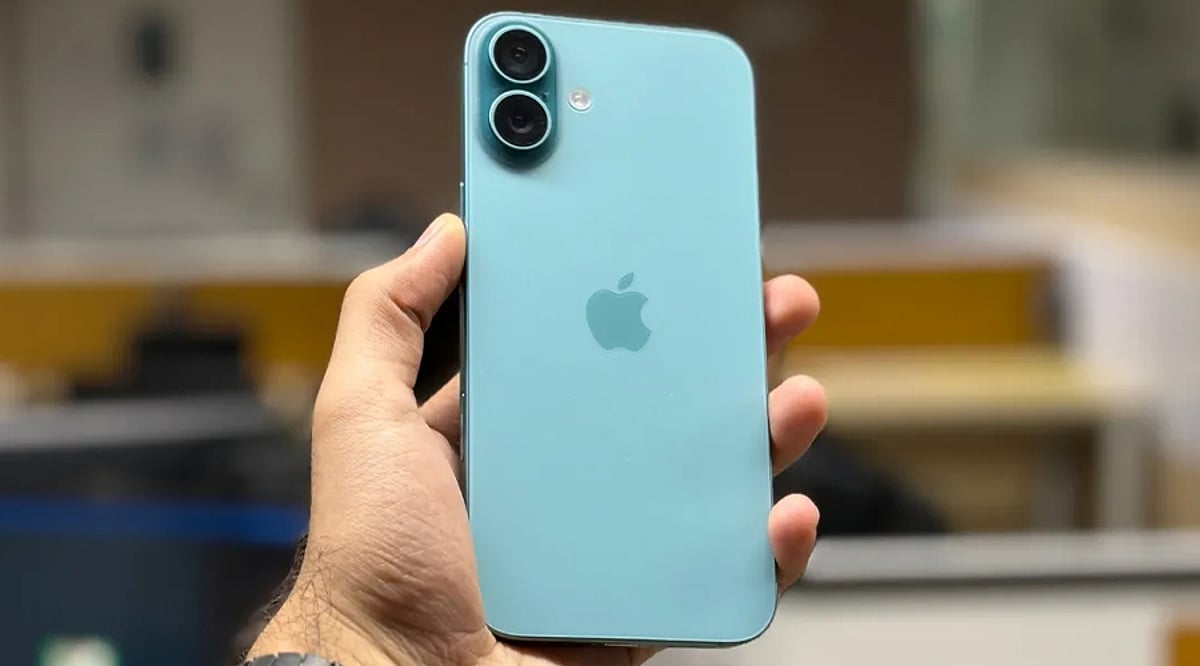
    Apple iPhone 16 buyers can now grab the smartphone at an effective price of just ₹40,612 by combining eligible bank offers with exchange benefits. The headline price requires trading in an old smartphone and using supported bank cards. Final savings vary depending on the exchanged device’s condition and offer eligibility.

    How the ₹40,612 Price Works

    The discounted price is achieved by stacking retailer discounts, instant bank cashback, exchange value, and exchange bonus. Without an eligible trade-in or bank offer, buyers will pay a higher amount. Always verify exchange estimates before completing the purchase to avoid pricing surprises.

    Powerful A18 Performance

    The iPhone 16 is powered by Apple’s A18 chip, delivering fast performance for gaming, multitasking, photography, and Apple Intelligence features. The processor also improves power efficiency, helping extend battery life while handling demanding applications and future iOS updates smoothly.

    Premium Camera Experience

    Apple equips the iPhone 16 with a 48MP primary camera and a 12MP ultra-wide sensor, enabling detailed photos, vibrant colors, and high-quality videos. Camera features support everyday photography, portraits, and low-light shooting while maintaining Apple’s signature image processing quality.

    Bright OLED Display

    The smartphone features a 6.1-inch Super Retina XDR OLED display that delivers sharp visuals, rich colors, and excellent brightness. Whether watching videos, browsing, gaming, or reading, the display offers an immersive viewing experience with impressive clarity indoors and outdoors.

    Long-Term Value

    Beyond hardware, the iPhone 16 benefits from years of iOS software updates, strong resale value, and premium build quality. Buyers planning to keep a phone for several years can expect continued security updates, new features, and dependable overall performance.

    Should You Buy It?

    If you have an eligible smartphone for exchange and a supported bank card, this deal offers one of the lowest effective prices for the iPhone 16. Compare exchange values across retailers and confirm offer terms before purchasing, as discounts remain subject to eligibility and availability.

  • Apple Intelligence Explained: Complete Guide to iPhone AI Features

    Apple Intelligence Explained: Complete Guide to iPhone AI Features

    Apple Intelligence is Apple’s built-in AI system that helps users write, communicate, edit photos, and complete everyday tasks across iPhone apps. Only iPhone 15 Pro and newer support it, a hardware limit rather than a marketing choice.

    In 2026, the system behind those features has quietly shifted: Apple now leans on an outside AI partner for its hardest reasoning tasks, a development covered later in this guide. First, here’s what Apple Intelligence actually does and how it works.

    What Apple Intelligence Actually Does

    Siri is one of the most noticeable Apple Intelligence features. It understands what’s on screen, maintains conversational context, and performs actions across multiple apps without requiring users to switch between them. Writing Tools lives inside Mail, Notes, and Messages, rewriting drafts and fixing tone without pulling anyone out of the app they are typing in.

    In Photos, Clean Up erases people or objects from the background of a shot, and search works by plain description instead of date or album. Live Translation handles real-time conversation inside Messages, Phone, and FaceTime, useful for travel or chatting across languages.

    Genmoji and Image Playground turn a text description into a custom image or emoji, mostly used inside Messages and Notes. Notification Summaries condense a busy thread into one line instead of ten.

    The Architecture Behind the Features

    These features run on a system layer built into iOS itself, not a separate app. Simple tasks, like notification summaries, run right on the iPhone’s Neural Engine. Heavier requests travel to Private Cloud Compute, Apple’s server system designed to process data and then discard it rather than store it.

    Some work stays on the phone while other moves to Apple’s own servers. That split is the core idea, and it holds steady no matter which outside model powers the cloud side in a given year.

    Foundation Models, Explained Simply

    A foundation model is a large AI system trained on huge amounts of text and images, built to understand language, recognize objects, and follow instructions. Most consumer AI tools lean on one big cloud model to handle every request. Apple splits the job instead. A compact model runs on the phone for routine tasks, while a larger model sits on Apple’s servers for anything that needs deeper reasoning. Simple tasks feel instant. Complex ones take a moment longer.

    Why Some iPhones Miss Out

    Apple Intelligence needs an A17 Pro chip or newer, starting with the iPhone 15 Pro. Running AI models on a phone demands high Neural Engine performance and sufficient memory to avoid lag, overheating, and slower app performance. Older chips cannot hold that load without slowing everything else down. That limit shapes Siri’s design too: it still passes harder requests to the cloud rather than solving them on the device alone.

    Apple picked a smaller pool of supported phones over a weaker experience spread across older ones, a bet that stretched out the timeline for features first shown back in 2024.

    What It Actually Costs

    Apple Intelligence comes with supported iPhones, but its on-device AI features use extra storage and may increase battery usage. On-device models take up several gigabytes of storage, a fixed and measurable cost. Some users report higher battery usage after turning on Apple Intelligence, though it varies by device and Apple has not shared official figures. There have also been reports of software updates re-enabling Apple Intelligence after users had turned it off.

    How It Stacks Up Against Rivals

    Apple keeps sensitive tasks on the device by default. Samsung and most Android tools send far more to the cloud as a matter of routine. Apple pairs a small local model with a larger cloud one, balancing speed with depth. That pairing runs across the whole Apple lineup too: Live Translation and Writing Tools behave the same way on iPhone, iPad, and Mac rather than living inside one app alone.

    Is It Worth an Upgrade?

    The iPhone 15 Pro or newer already gets the full feature set as it rolls out through 2026. For anyone on an older phone, Apple Intelligence should count as one factor among several, since the biggest features still lean on cloud access and an active rollout schedule. Writers, photographers, and anyone deep inside Apple’s ecosystem gain the most. Casual users may barely notice the difference day to day.

    Recent Developments

    Industry reports from early and mid-2026 point to Apple licensing Google’s Gemini models for the cloud side of its Foundation Models, alongside a rebuilt Siri AI shown at WWDC 2026. Cost figures and technical specifics remain reported rather than officially confirmed, so this section will need a refresh as the story develops.

    Final Thought: What This Means Going Forward

    The Gemini reports do not change what Apple Intelligence is. They change which model handles the cloud half of a system Apple had already built. The on-device split, the A17 Pro hardware floor, and the privacy-first default remain Apple’s own design choices, separate from whichever outside company powers its toughest reasoning tasks in a given year. Providers can shift. The features and the architecture running underneath them are the part worth understanding and the part that will still be true after the next partnership announcement.

    FAQs

    1. What is Apple Intelligence? Apple Intelligence is Apple’s built-in personal intelligence system that uses generative AI to help users write, communicate, organize information, edit photos, and interact more naturally with Siri. It is integrated into iOS, iPadOS, and macOS rather than being a separate app.
    2. Which iPhones support Apple Intelligence? Apple Intelligence is available on iPhone 15 Pro, iPhone 15 Pro Max, the iPhone 16 lineup, and newer compatible models. It requires supported hardware and the appropriate version of iOS to access its AI-powered features.
    3. What AI features does Apple Intelligence include? Apple Intelligence includes Writing Tools, notification summaries, smarter Siri, ChatGPT integration, Genmoji, Image Playground, Visual Intelligence, natural language photo search, and AI-powered photo editing features like Clean Up.
    4. How does Apple Intelligence protect user privacy? Apple Intelligence performs many AI tasks directly on the device. For more demanding requests, it uses Apple’s Private Cloud Compute, which is designed to process data securely while minimizing the sharing and storage of personal information.
    5. Is Apple Intelligence worth upgrading your iPhone for? If you frequently use Siri, write emails and messages, edit photos, or want AI-powered productivity features, upgrading to a compatible iPhone can provide access to Apple’s latest AI capabilities and future software enhancements.

  • Apple Upgrade Leasing Program Arrives in the US: Flexible Payments for iPhones, Macs, and More

    Apple Upgrade Leasing Program Arrives in the US: Flexible Payments for iPhones, Macs, and More

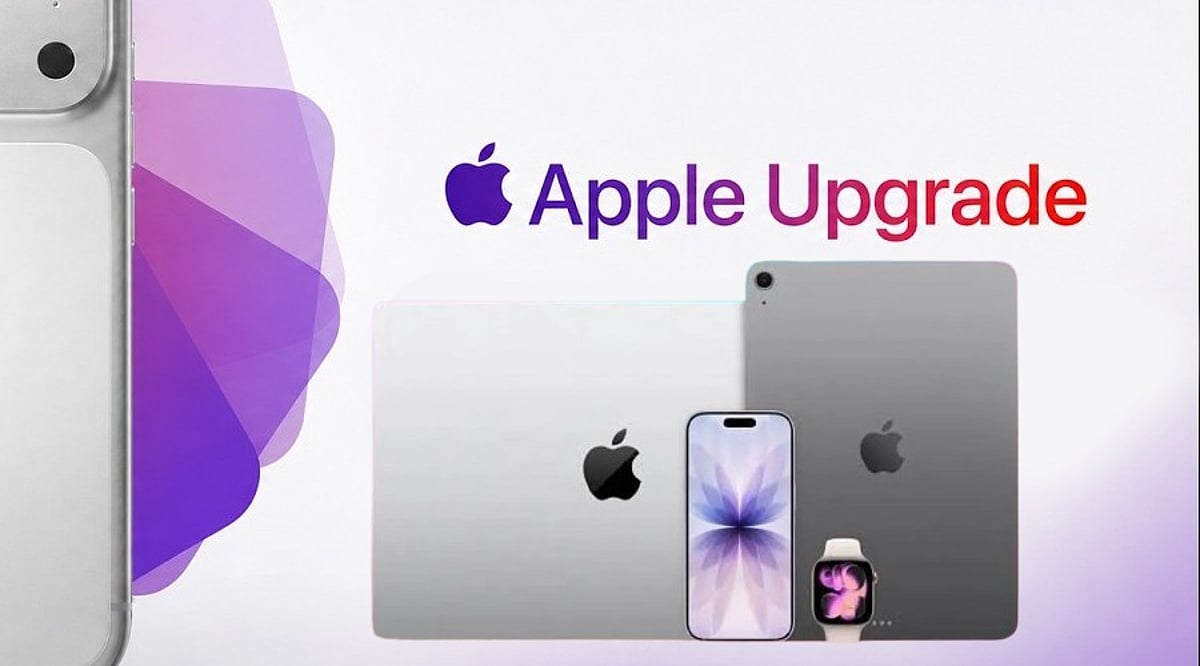
    Apple has officially launched a new device leasing program called Apple Upgrade in the United States, offering customers a flexible way to access iPhones, Apple Watches, Macs, and iPads through monthly payments. The program is powered by Klarna and is available through the Apple online store, Apple Store app, and retail Apple Stores nationwide.

    The move comes as rising component and memory costs put upward pressure on device prices, prompting Apple to provide a lower monthly entry point rather than relying solely on upfront purchases.

    Monthly Leases Starting at $11.99

    Apple Upgrade offers two lease durations for most devices:

    • Apple Watch and iPhone: 12-month or 24-month options
    • Mac and iPad: 24-month or 36-month options

    Monthly payments start at:

    • iPhone: $17.99
    • Apple Watch: $11.99
    • Mac: $24.99
    • iPad: $11.99

    Exact charges depend on the specific model and lease duration. For example, an unlocked iPhone 17 Pro is reportedly $31.99 per month for 24 months, or $45.99 per month for a 12-month lease.

    Customers can also save by trading in their previous device through the Apple Trade In program. In addition, lease payments made with an Apple Card earn 3% daily cash rewards.

    “At Apple, we put the customer at the center of everything we do,” said Karen Rasmussen, Vice President of the online Apple Store. “We’re thrilled that Apple Upgrade offers our customers, both online and in-store, a more flexible way to pay for the products they love.”

    How Apple Upgrade Works

    Customers can apply online or in-store. Klarna performs a soft credit inquiry that does not affect credit scores. Once approved, users can receive their devices via delivery, store pickup, or immediate in-store collection.

    At the end of the lease, customers have three options:

    • Return the device
    • Upgrade to a newer model
    • Purchase the device outright with a one-time payment

    Lease details, including billing schedules and outstanding payments, are managed through the Klarna app. According to program terms, no security deposit is required, and Klarna will not charge late fees—though leases may be terminated after three consecutive missed payments.

    Existing iPhone Programs Replaced

    With the launch of Apple Upgrade, Apple is discontinuing the older iPhone Upgrade Program and iPhone Payments in the US. Existing customers may switch to Apple Upgrade, Apple Card Monthly Installments, carrier financing, or outright purchases.

    The move could also shorten Apple’s device replacement cycle. According to Bernstein estimates, the average iPhone upgrade period has stretched to nearly four years.

    Apple is now competing more directly with carriers like AT&T, Verizon, and T-Mobile, which use installment plans and trade-in incentives to retain customers. The leasing model may help Apple mitigate the impact of potential price increases while creating more predictable upgrade demand across its product ecosystem.

  • 10 Best Apple Gadgets Under $50 You Should Buy in 2026

    10 Best Apple Gadgets Under $50 You Should Buy in 2026

    Apple is known for premium pricing, but several of its official accessories still cost under $50. These gadgets enhance everyday convenience, protect your devices, and deliver reliable performance without breaking the bank. Here are the top 10 Apple gadgets under $50 that combine quality, functionality, and value.

    1. Apple AirTag (2nd Generation) – $29

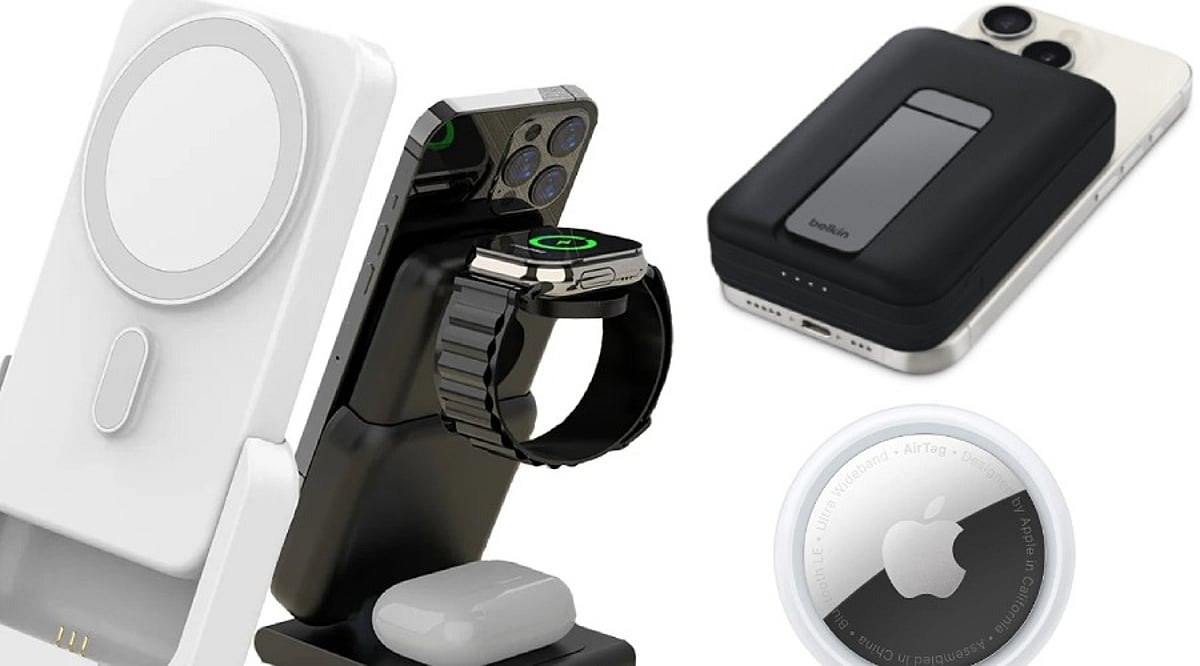
    The AirTag is a compact tracker that helps you locate keys, wallets, backpacks, and luggage using the vast Find My network. The second generation offers improved Precision Finding on compatible iPhones. Its battery lasts about a year, and the simple design fits almost anywhere. At $29, it’s one of the most practical Apple accessories you can buy.

    2. Apple MagSafe Charger – $39

    This wireless charger uses built-in magnets to align perfectly with MagSafe-compatible iPhones, ensuring stable and efficient charging. Its compact size makes it travel-friendly, and the premium materials match Apple’s design ethos. Ideal for home, office, or on-the-go use.

    3. Apple 20W USB-C Power Adapter – $19

    A small but mighty charger that supports fast charging for iPhones, iPads, and AirPods. Its compact footprint saves space in your bag, and fast charging reduces downtime significantly. Reliable and consistent, it’s a great everyday companion.

    4. Apple EarPods – $19

    Wired earphones that deliver clear sound, a reliable microphone, and simple controls. No battery to charge, no pairing delays – just plug and play. Available in USB-C and Lightning versions, they remain a popular choice for many users.

    5. Apple USB-C to USB-C Woven Cable – $19–$29

    A braided cable that resists wear and tear better than standard plastic cables. Supports both charging and data transfer. The durable construction adds long-term value, and the clean design complements modern Apple devices.

    6. Apple MagSafe Silicone Case – $49

    Soft silicone exterior with a microfiber lining protects your iPhone from scratches. Built-in magnets allow MagSafe charging without removing the case. Precise cutouts and multiple color options make it both functional and stylish.

    7. Apple Watch Sport Band – $49 (often on sale)

    Made from soft fluoroelastomer, this band is comfortable all day and secure during workouts. The pin-and-tuck closure keeps it tidy, and multiple colors let you change your look without buying a new watch.

    8. Beats USB-C Woven Cable – $18–$20

    An Apple-owned brand offering a premium braided USB-C cable. Resists daily wear better than ordinary cables, supports charging and data transfer, and has a modern design that pairs well with Apple products.

    9. Apple MagSafe Wallet – $49 (often discounted)

    Magnets attach this slim wallet securely to compatible iPhones. It holds essential cards without adding bulk, and the premium materials create an elegant look. Perfect for carrying just the basics.

    10. Apple Cleaning Cloth – $19

    A microfiber cloth designed to safely remove smudges, fingerprints, and dust from Apple screens. Safe for iPhones, iPads, and MacBooks. Regular cleaning keeps your displays clear and bright. High quality ensures long-lasting effectiveness.

    Why These Gadgets Matter

    Affordable Apple accessories prove that high value doesn’t always require a high price. From tracking lost items to protecting your devices and simplifying charging, these gadgets improve daily life without a large expense. They offer reliable compatibility, strong build quality, and seamless integration with the Apple ecosystem.

    Final Thoughts

    Apple’s under-$50 lineup shows that premium quality can be accessible. Items like the AirTag, MagSafe Charger, and EarPods deliver real everyday benefits. Protective cases and bands extend device lifespan, while cables and wallets complete the experience with thoughtful design. Each product balances reasonable cost, high quality, and reliable performance.