Tag: DeFi

  • Hyperliquid HYPE Surpasses Dogecoin in Market Cap: Investors Shift Focus to Utility-Driven Cryptos

    Hyperliquid HYPE Surpasses Dogecoin in Market Cap: Investors Shift Focus to Utility-Driven Cryptos

    Hyperliquid has achieved a significant milestone in the cryptocurrency market. Its native token, HYPE, has overtaken Dogecoin (DOGE) in market capitalization, entering the top 10 cryptocurrencies by market value. This development underscores a broader trend: investors are increasingly valuing projects with real revenue and strong fundamentals over those driven solely by community hype.

    According to recent data, Hyperliquid’s market cap stands at approximately $16 billion, slightly ahead of Dogecoin’s $15.9 billion. While the gap is narrow and rankings may fluctuate, the shift signals growing confidence in Hyperliquid’s business model.

    Strong Price Growth and Trading Activity

    HYPE has experienced remarkable price appreciation. Trading between $67 and $69, with an all-time high near $76.70, the token has surged over 1,600% from its lowest point. Daily trading volumes range from $480 million to over $1.1 billion, reflecting robust investor interest and liquidity.

    Revenue Generation Sets Hyperliquid Apart

    Unlike many cryptocurrencies that rely on market sentiment, Hyperliquid generates substantial revenue through its decentralized perpetual futures exchange. In the first quarter of 2026, the platform reported approximately $215 million in protocol revenue. The second quarter had already surpassed $104 million before its end, placing Hyperliquid among the top revenue-generating DeFi projects.

    This revenue stream provides a solid financial foundation, reducing dependence on speculative trading.

    Token Buybacks Create Sustained Demand

    A key feature of Hyperliquid is its token buyback mechanism. The platform allocates 99% of protocol fees (excluding certain builder and unit fees) to an Assistance Fund, which purchases HYPE tokens from the open market. This process creates consistent demand, directly linking platform success to token value—similar to corporate share buybacks.

    Institutional Interest Grows

    Traditional financial institutions are taking notice. The launch of the 21Shares Hyperliquid ETF (THYP) on Nasdaq and the Bitwise Hyperliquid ETF (BHYP) on the New York Stock Exchange has made HYPE accessible to a broader investor base. Some products also offer staking rewards, adding further appeal. Institutional support brings larger capital pools and enhances market confidence.

    Why Dogecoin Faces Challenges

    Dogecoin remains a well-known cryptocurrency with a loyal community and strong brand. However, it lacks protocol revenue, has an inflationary supply, and does not feature buybacks linking network activity to token demand. Its value largely depends on community support and market sentiment.

    In contrast, Hyperliquid combines exchange services, governance, staking, and the growing HyperEVM ecosystem, offering multiple reasons for investors to hold the token beyond speculation.

    Future Growth and Risks

    Hyperliquid continues to expand with developments like HyperEVM for decentralized applications, HIP-3 permissionless perpetual markets, and synthetic asset trading including pre-IPO contracts. These innovations could drive further network activity.

    However, risks remain. Future contributor token unlocks may increase circulating supply and cause selling pressure. Regulatory changes could impact decentralized derivatives platforms. Additionally, the current valuation relies on sustained trading activity and revenue growth; any slowdown could affect investor confidence.

    A New Direction for Crypto

    Hyperliquid’s ascent past Dogecoin is not a mere statistical anomaly. It represents a market shift toward projects with real revenue, active ecosystems, and long-term value propositions. While Dogecoin’s cultural impact is undeniable, HYPE’s rise suggests that utility-based cryptocurrencies may lead the next wave of digital asset development.

    FAQs

    1. Why did HYPE overtake Dogecoin? HYPE’s strong revenue generation, buyback mechanism, and growing ecosystem boosted investor confidence and market value.

    2. What makes Hyperliquid different from Dogecoin? Hyperliquid generates protocol revenue, supports staking, governance, and token buybacks, while Dogecoin primarily relies on community support and market sentiment.

    3. How do HYPE buybacks work? Most protocol fees are used to buy HYPE tokens from the open market, creating consistent demand.

    4. Why are institutions interested in Hyperliquid? The launch of HYPE-focused ETFs and the platform’s revenue-generating business model have attracted traditional investors.

    5. What risks should investors consider? Potential token unlocks, regulatory changes, and any decline in trading activity or protocol revenue could impact HYPE’s future performance.
  • Leading Non-Custodial Crypto Neo Banks Reshaping Digital Finance in 2026

    Leading Non-Custodial Crypto Neo Banks Reshaping Digital Finance in 2026

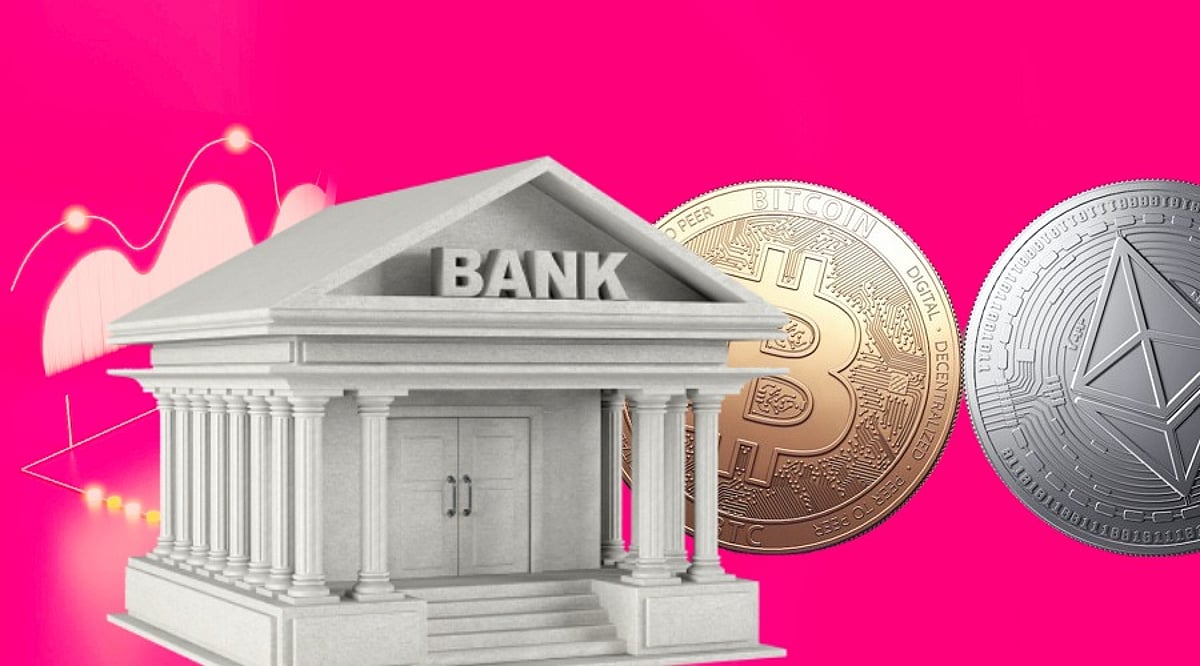
    Non-custodial crypto neo banks are gaining momentum as more users demand full control over their digital assets. These platforms blend traditional banking features with self-custody, offering services such as crypto payments, DeFi access, staking, and debit cards — all while keeping private keys in the user’s hands. With over 700 million crypto users worldwide and the self-custody market growing at 20–25% annually, these banks are set to become a cornerstone of digital finance. Here are the top platforms to watch in 2026.

    Bitwala: Banking Meets Self-Custody

    Based in Germany, Bitwala combines a traditional bank account with a non-custodial Bitcoin wallet. Users can save, spend via a Visa debit card, and transfer funds via SEPA, all while retaining control of their private keys. The platform serves 29 EEA countries and has raised approximately €42 million.

    Argent: Simplified Crypto Banking

    Argent simplifies the wallet experience with social recovery instead of seed phrases, reducing the risk of losing assets. It offers direct access to DeFi, stablecoin payments, and Ethereum Layer-2 networks. With over 2 million app downloads, it’s a favorite among newcomers.

    Safe: Enterprise-Grade Multi-Sig Security

    Formerly Gnosis Safe, Safe is trusted by businesses and DAOs for multi-signature security. The ecosystem protects over $100 billion in digital assets, making it one of the largest self-custody platforms globally.

    Ledger Live: Beyond Hardware Wallets

    Ledger’s Ledger Live app now offers buying, swapping, staking, and NFT management. With over 7 million hardware devices sold, it leverages a vast user base to expand into crypto financial services.

    Trust Wallet: Largest Self-Custody Community

    Trust Wallet supports over 100 blockchains, thousands of tokens, NFTs, and staking. With more than 220 million users, it’s the most widely used non-custodial wallet, offering a comprehensive mobile experience.

    Coinbase Wallet: Full Ownership Within the Coinbase Ecosystem

    Coinbase Wallet is a fully non-custodial wallet that integrates with the Coinbase exchange while supporting DeFi, NFTs, and multiple blockchains. Users get exchange services without sacrificing control.

    Blockchain.com Wallet: A Trusted Veteran

    Blockchain.com has evolved from a blockchain explorer to a full crypto platform with self-custody, trading, and rewards. With around 39 million verified wallets, it remains a reliable choice.

    Rabby Wallet: DeFi Power User’s Choice

    Rabby Wallet excels for DeFi enthusiasts, offering seamless network switching, transaction previews, and security alerts. Though smaller, it’s rapidly gaining traction in the DeFi community.

    Best Wallet: Rapidly Growing Newcomer

    Best Wallet launched recently but already offers portfolio management, token discovery, cross-chain swaps, and staking. Upcoming features like MEV protection and gas optimization aim to challenge larger players.

    Ctrl Wallet: Multi-Chain Compatibility

    Ctrl Wallet focuses on cross-chain operations, including swaps, NFT management, and dApp access via browser extensions and mobile. Its broad compatibility suits users who move assets across ecosystems.

    The Road Ahead

    Future innovations like account abstraction, MPC security, stablecoin payments, and regulatory frameworks (e.g., MiCA) will drive growth. With a $300 billion stablecoin market and $150–200 billion locked in DeFi, non-custodial crypto neo banks are poised to lead global digital finance.

    FAQs

    1. What is a non-custodial crypto neo bank? A digital platform where users control their private keys while accessing banking-like services.
    2. Why are they popular? Users prefer full ownership over trusting third parties.
    3. Which has the largest user base? Trust Wallet with over 220 million users.
    4. Can they handle everyday payments? Yes, many offer debit cards, stablecoin payments, and fiat transfers.
    5. What trends will shape them in 2026? Account abstraction, MPC security, stablecoin adoption, and stronger regulation.
  • XRP Bullish Sentiment Surges as XRP Ledger Exceeds 8 Million Active Accounts

    XRP Bullish Sentiment Surges as XRP Ledger Exceeds 8 Million Active Accounts

    The XRP Ledger (XRPL) has achieved a significant milestone, surpassing 8 million activated accounts for the first time. This growth comes amid rising bullish sentiment, increased DeFi activity, and a notable shift in stablecoin liquidity toward alternative Layer-1 networks.

    Market Rotation Fuels Altcoin Interest

    Current market data indicates conditions typical of an altcoin season. While Bitcoin dominance has risen above 59% for three consecutive weeks, Ethereum dominance has also gained, lifting the ETH/BTC ratio by over 10% in the past three weeks. This suggests capital is rotating beyond Bitcoin, spreading to other major cryptocurrencies.

    According to AMBCrypto, fear of missing out (FOMO) surrounding XRP and Ethereum has reached its highest level in five weeks, while Bitcoin sentiment remains neutral. XRP currently leads Ethereum in bullish discussions, with a 3.02-to-1 bullish-to-bearish comment ratio compared to Ethereum’s 2.31-to-1.

    On-Chain Activity Strengthens

    The XRP/BTC ratio has been consolidating around the 0.000015 level for nearly 10 weeks, indicating potential long-term accumulation rather than short-term speculation. Meanwhile, on-chain metrics are improving. DeFiLlama data shows total value locked (TVL) on XRPL increased by over 3% in the last 24 hours, while stablecoin supply on the network grew by more than 6%, bringing nearly $1 billion back into the ecosystem.

    In contrast, over $2 billion in stablecoins left the Ethereum network during the same period, suggesting liquidity is shifting toward XRPL and other Layer-1 alternatives. If this trend continues, XRP could benefit from stronger network participation beyond mere sentiment.

    XRPL Crosses Historic User Milestone

    The XRP Ledger has officially exceeded 8 million activated accounts, reaching 8,000,688 wallets. According to XRPScan, these wallets collectively hold 67.526 billion XRP, representing the token’s circulating supply. Unlike previous reports that counted all ever-created wallets (including deleted ones), this milestone counts only activated accounts, marking the first official time the network has achieved this level of active participation.

    With improving DeFi metrics, growing stablecoin liquidity, and extended XRP/BTC consolidation, the network is drawing increased attention. Investors will watch closely to see if these fundamentals translate into sustained market strength.

  • Solana’s Stablecoin Supply Surges 15x Since 2025, Fueling Liquidity and DeFi Expansion

    Solana’s Stablecoin Supply Surges 15x Since 2025, Fueling Liquidity and DeFi Expansion

    Solana’s stablecoin supply has experienced a remarkable 15-fold increase since 2025, propelling network growth through enhanced liquidity, surging DeFi activity, and rising institutional adoption. The total stablecoin supply on Solana now exceeds $13 billion, with non-USDC and non-USDT stablecoins alone reaching approximately $3.8 billion by mid-2026. This dramatic expansion underscores the blockchain’s growing appeal among users, developers, and financial institutions seeking scalable digital payment and decentralized finance solutions.

    Key Takeaways

    • Solana’s non-USDC and non-USDT stablecoin supply has grown nearly 15x since 2025.
    • Total stablecoin supply on Solana surpasses $13 billion, boosting network liquidity.
    • Institutional interest and DeFi expansion remain key drivers of long-term ecosystem growth.

    Diversification of Stablecoin Assets

    While USDC continues to dominate Solana’s stablecoin landscape, the market has witnessed a significant rise in alternative digital dollar tokens such as PayPal USD (PYUSD), Ethena’s USDe, and several emerging projects. This diversification reduces reliance on single issuers, enhances liquidity, and provides developers with greater flexibility—creating a more resilient and attractive ecosystem.

    Liquidity Fuels Trading and Lending

    The influx of stablecoins has deepened liquidity across Solana’s decentralized exchanges (DEXs) and lending platforms. Transaction volumes have surged, and Solana now competes closely with Ethereum and other leading smart contract chains in DEX trading volume. Fast transaction speeds and low fees continue to attract both retail and institutional participants.

    Total Value Locked (TVL) Surpasses $7.5 Billion

    Solana’s total value locked (TVL) climbed above $7.5 billion in 2025, reflecting sustained user confidence in the network’s DeFi ecosystem. Despite typical market fluctuations, TVL remains significantly higher than in previous cycles, signaling enduring trust in Solana’s infrastructure.

    Popular Applications Drive User Adoption

    Leading Solana applications—including Jupiter, Raydium, Kamino Finance, Orca, Meteora, Drift, Marginfi, and Jito—have seen increased user activity thanks to stablecoin-powered liquidity. These platforms benefit from Solana’s high throughput and low costs, making them attractive for traders and developers alike.

    SOL Price Reflects Network Health

    As of mid-July 2026, SOL trades near $80, recovering alongside the broader crypto market. The token previously reached an all-time high of nearly $294 in early 2025 before a market correction. The stabilisation of stablecoin supply has contributed to SOL’s price resilience.

    Institutional and Real-World Asset Adoption

    Institutional interest is growing, with asset managers developing Solana-based investment products and financial institutions leveraging the blockchain for faster payments and settlements. Real-world asset (RWA) tokenization is also gaining traction, as firms explore placing treasury products on-chain, drawn by Solana’s speed and low costs.

    Infrastructure Improvements Support Future Growth

    Solana’s technical foundation continues to strengthen. Validator participation remains robust, and developers are building across DeFi, gaming, AI, consumer services, and digital payments. Enhanced developer tools and institutional custody solutions are lowering barriers for new projects, sustaining long-term ecosystem expansion.

    Why This Matters

    Solana’s 15x stablecoin surge marks a pivotal shift from reliance on single asset issuers to a diversified capital base. This liquidity boost solidifies its position as a leading institutional-grade DeFi hub, directly supporting sustained network growth.

    Stablecoins: The Core Growth Driver

    Stablecoins do more than provide liquidity—they amplify transaction activity, improve lending markets, support decentralized trading, and create new opportunities for payments and yield generation. Each new dollar entering the ecosystem strengthens overall network activity. Solana now ranks as the third-largest blockchain by stablecoin supply, behind only Ethereum and TRON, underscoring its rapid ascent.

    If current trends continue, stablecoins will remain a central catalyst for Solana’s expansion, with increasing payment services, institutional participation, RWA tokenization, and DeFi innovation drawing more users and capital to the network.

    Frequently Asked Questions

    Why has Solana’s stablecoin supply grown so quickly?

    Higher DeFi adoption, low transaction fees, fast processing speeds, and increasing institutional participation have driven strong stablecoin growth.

    How much has Solana’s total stablecoin supply reached?

    The network’s total stablecoin supply has exceeded $13 billion, marking more than 150% annual growth during 2025.

    Which stablecoins are expanding on Solana?

    USDC remains the largest, while PYUSD, USDe, and several newer stablecoins have also seen significant growth.

    How does stablecoin growth benefit the Solana network?

    It improves liquidity, supports decentralized trading and lending, increases transaction activity, and attracts more developers and institutions.

    What is Solana’s current position among blockchain networks?

    Solana ranks as the third-largest blockchain by stablecoin supply, behind Ethereum and TRON, highlighting its rapid ecosystem expansion.

  • Leading EVRmore Ecosystem Tokens Ranked by Market Capitalization

    Leading EVRmore Ecosystem Tokens Ranked by Market Capitalization

    Discover the top EVRmore ecosystem tokens that are driving blockchain innovation this year. These digital assets power various aspects of the network, from transactions and governance to gaming and decentralized finance.

    • EVR – The native coin powering transactions, governance, and ecosystem growth.
    • EVRM Stake – Supports staking rewards while strengthening network security and participation.
    • EVR Bridge – Enables seamless cross-chain asset transfers across blockchain ecosystems.
    • EVR Swap – The decentralized exchange token driving liquidity and token swaps.
    • EVR DAO – Governance token allowing the community to vote on ecosystem proposals.
    • EVR Finance – Focused on decentralized lending, borrowing, and yield generation.
    • EVR NFT – Supports NFT creation, trading, and digital asset ownership.
    • EVR Gaming – Designed for blockchain gaming, in-game rewards, and Web3 experiences.
  • DeFi Tokens Surge Ahead of Bitcoin in June 2026 as Investors Embrace Fundamental Valuations

    DeFi Tokens Surge Ahead of Bitcoin in June 2026 as Investors Embrace Fundamental Valuations

    The cryptocurrency landscape witnessed a notable shift in June 2026, as major decentralized finance (DeFi) tokens significantly outperformed Bitcoin. While Bitcoin suffered a steep 22% decline, leading DeFi tokens dropped only about 4%, according to data from Bitwise. This divergence signals a growing investor preference for projects with tangible revenue, active user bases, and sustainable business models—a trend analysts are calling a “quiet re-rating.”

    What Is Driving the DeFi Outperformance?

    Market re-rating occurs when investors fundamentally change how they value an asset or sector. In the past, DeFi tokens were often viewed as speculative. Now, investors are focusing on real-world metrics such as protocol fees, daily active users, and revenue generation. This shift has boosted confidence in DeFi platforms that function as decentralized financial businesses, offering services like lending, trading, and infrastructure.

    Strong Fundamentals Over Speculation

    Many DeFi projects now generate steady income through transaction fees and maintain high user engagement despite market volatility. This financial health has made them more attractive during downturns. Investors are becoming selective, favoring projects with solid performance and long-term potential over broad market bets.

    Capital Rotates Beyond Bitcoin

    Bitcoin’s dominance has eroded as capital flows into other sectors like DeFi and tokenized real-world assets. Reuters noted that Bitcoin’s market share declined as investment diversified. This rotation, combined with improved regulatory clarity in several jurisdictions, has further supported DeFi’s relative strength.

    Bitcoin Remains Central but Faces Headwinds

    Despite its June decline, Bitcoin has recovered above $63,000 and retains its position as the largest cryptocurrency. Strong on-chain data suggests selling pressure has eased, but analysts remain cautious. Bitcoin’s role is still pivotal, yet the latest performance underscores that investors are no longer solely focused on a single asset.

    What This Means for the Crypto Market

    The outperformance of DeFi tokens during a Bitcoin rout marks a structural shift. Investors are now pricing DeFi protocols based on cash flows and utility rather than hype. While a single month does not confirm a permanent trend, it suggests that DeFi has entered a new phase where business strength matters more than market excitement. However, risks remain—DeFi carries unique smart contract and regulatory vulnerabilities.

    FAQs

    1. What is a market re-rating?
    A re-rating happens when investors fundamentally shift how they value a sector, moving from speculative hype to pricing assets based on underlying revenue, utility, and concrete business metrics.

    2. How did DeFi tokens perform compared to Bitcoin?
    During June 2026, major DeFi tokens lost only about 4%, while Bitcoin fell 22% over the same period.

    3. Why are investors showing more interest in DeFi?
    Investors are tracking tangible metrics like protocol fees, active daily users, and sustainable revenue models, finding value in platforms acting as functional, decentralized financial businesses.

    4. Did Bitcoin lose its importance?
    No. Bitcoin remains the largest, most liquid digital asset and recently recovered above $63,000, but its dropping dominance shows investors are diversifying into cash-flowing utility tokens.

    5. Is this enough to confirm a long-term trend?
    Not yet. Analysts warn that a single month of outperformance does not guarantee a permanent decoupling, as DeFi still carries unique smart contract and regulatory risks.

  • Why Binance Coin (BNB) Is Poised to Challenge Bitcoin and Ethereum Dominance

    Why Binance Coin (BNB) Is Poised to Challenge Bitcoin and Ethereum Dominance

    Binance Coin (BNB) has transformed from a simple exchange token into the backbone of a vast blockchain ecosystem. With real-world applications spanning decentralized finance (DeFi), NFTs, gaming, AI, and payments, BNB is increasingly seen as a strong contender to rival Bitcoin and Ethereum. While overtaking these giants remains a monumental challenge, BNB’s unique features continue to drive its adoption and value.

    Key Takeaways

    • BNB powers a large blockchain ecosystem including DeFi, NFTs, gaming, AI, and payment applications.
    • Regular token burns reduce BNB’s supply, potentially supporting long-term value appreciation.
    • Fast, low-cost transactions and strong developer support drive ecosystem growth.

    Bitcoin leads on market cap. Ethereum dominates smart contracts and blockchain applications. BNB has established itself as one of the most significant tokens in the market. BNB started as a simple token for the Binance exchange. Today, it has become the main coin of a large blockchain network. It supports many online services, apps, and digital projects. Given its fast growth and many real uses, many people believe BNB has the power to become even bigger in the future. Even though passing Bitcoin and Ethereum will not be easy, BNB has many strong features that make it one of the top cryptocurrencies.

    What Is Binance Coin?

    Binance Coin, also called BNB, is the main cryptocurrency of the Binance ecosystem. It was launched in 2017 during the Binance Initial Coin Offering (ICO). In the beginning, BNB worked on the Ethereum blockchain as an ERC-20 token. Later, it moved to its own blockchain called the BNB Chain. Today, BNB is much more than an exchange token. It helps run the BNB Smart Chain, the BNB Beacon Chain, Layer-2 solutions, and cross-chain technology. It has become an important part of many blockchain services.

    A Large Blockchain Network

    The main reason for the success of BNB is its massive blockchain network. Many cryptocurrencies serve a single purpose, but BNB enables numerous projects at the same time. Many decentralized apps are operational on BNB Chain. These include decentralized finance (DeFi), blockchain games, NFT marketplaces, AI-powered Web3 projects, and stablecoin applications. The more people use these applications, the greater the demand for BNB to pay transaction fees. This leads to an ongoing need for the coin itself. The big network encourages new users and developers to join the platform as well.

    BNB Has Many Real Uses

    BNB is useful in many ways. It is not only a coin for buying and selling. People use it to pay transaction fees on the BNB Chain. It is also used for staking, governance voting, liquidity farming, and joining new token launches. People who trade on Binance can also use BNB to receive discounts on trading fees. Some businesses and payment services also accept BNB as a payment method. Since BNB has many real uses, its value does not depend only on market trading. Regular use across the ecosystem also creates demand.

    Also Read: Why Stablecoins Are Important for the Cryptocurrency Market

    A Supply That Gets Smaller

    One special feature of BNB is its supply system. Binance follows an automatic quarterly token burn program. During every burn, some BNB coins are permanently removed from circulation. This means the total supply becomes smaller over time. When supply goes down and demand stays strong, the value of a coin may increase. Many investors like this system as it makes BNB different from cryptocurrencies that continue to create new coins.

    Fast Transactions and Low Fees

    The BNB Chain is well known for its fast speed and low transaction fees. Many users choose it because sending money and using blockchain applications costs much less than on Ethereum. Lower costs make the network attractive for both users and developers. Many blockchain projects choose the BNB Chain as it offers a smooth and affordable experience.

    Support for New Projects

    Binance continues to support developers who build new blockchain projects. The company offers grants, accelerator programs, venture funding, hackathons, and better network tools. This support helps new projects grow on the BNB Chain. More projects attract more users, increasing demand for BNB. This steady growth helps make the ecosystem stronger every year.

    Can BNB Become Bigger Than Bitcoin and Ethereum?

    BNB already ranks as one of the largest currencies in the industry. However, overtaking Bitcoin or Ethereum is still a daunting task. For this to happen, blockchain adoption would need to expand significantly. The BNB ecosystem would need to continue growing, more businesses would need to adopt its technology, and more users would need to use BNB across a wider range of services. At present, Bitcoin is still the leading digital currency in terms of stored value, and Ethereum stands out as the largest smart contract platform.

    There Are Still Risks

    Like every cryptocurrency, BNB also has risks. Government rules and regulations could affect Binance and its services. Competition from Ethereum, Solana, Avalanche, and other blockchain networks is also very strong. The cryptocurrency market is also known for large price changes. Security problems in blockchain projects can also affect confidence. Given these reasons, future growth is never guaranteed.

    Also Read: Top Smart Contract Cryptocurrencies by Market Cap to Watch in 2026

    Final Thoughts

    Binance Coin has grown from a simple exchange token into one of the world’s most useful cryptocurrencies. It has a large blockchain network, many real uses, low transaction fees, a steadily decreasing supply, and strong support for new projects. Although surpassing Bitcoin and Ethereum is still a big challenge, BNB has built a strong place in the cryptocurrency market. If its network continues to grow and more people use its services, Binance Coin could become one of the most valuable digital assets in the future.

    Frequently Asked Questions

    1. What is Binance Coin (BNB)?
      BNB is the native cryptocurrency of the Binance ecosystem and powers the BNB Chain for transactions, staking, governance, and decentralized applications.
    2. Why do investors consider BNB valuable?
      Its wide range of real-world uses, growing ecosystem, low transaction fees, and automatic token burn mechanism contribute to its appeal.
    3. Can BNB overtake Bitcoin or Ethereum?
      It’s possible in theory, but Bitcoin and Ethereum currently have much larger adoption, market presence, and established use cases.
    4. What makes BNB Chain attractive?
      It offers fast transaction processing, lower fees than many competitors, and supports thousands of decentralized applications.
    5. What are the main risks of investing in BNB?
      Key risks include cryptocurrency market volatility, regulatory changes, security concerns, and strong competition from other blockchain networks.

    Disclaimer: This article is provided for informational purposes only and does not constitute investment advice. Cryptocurrencies are high-risk assets; you may lose your entire investment. Always conduct your own research (DYOR) before making any financial decisions.

  • Solana Price Prediction 2026: Can SOL Outperform Bitcoin?

    Solana Price Prediction 2026: Can SOL Outperform Bitcoin?

    Solana has become one of the most talked-about cryptocurrencies in the market. Fast transaction speed, low fees, and strong network activity have helped the project attract developers, businesses, and investors from around the world. The network supports decentralized finance, digital collectibles, blockchain games, and payment systems. These areas have continued to expand, which has helped Solana build a large and active ecosystem.

    The latest market data shows Solana at about $77.97. Like every major cryptocurrency, the price changes throughout the day. Even though short-term movement can be sharp, many market experts remain focused on the long-term outlook. The biggest question now is how high SOL can climb by 2026 and whether it has any chance of moving ahead of Bitcoin.

    What Could Happen to SOL in 2026?

    Many experts believe Solana has room for strong growth if the crypto market stays healthy over the next few years. The network already has a large user base and continues to attract new projects. Better technology, wider adoption, and fresh investment could support higher prices in the future.

    A careful outlook places SOL between $150 and $300 by 2026 if market conditions remain favorable. This range reflects steady growth across the Solana ecosystem and a positive mood in the broader cryptocurrency market.

    A much stronger bull market could push the price even higher. In that case, SOL could trade between $300 and $600 or more. Such a move would require major institutional interest, rapid network expansion, and strong demand from investors across the world.

    A weaker market could produce a different result. If economic conditions become difficult or crypto demand falls, SOL could remain between $50 and $120. This range reflects slower growth and reduced activity across blockchain markets.

    Why Solana Has Growth Potential

    Several factors support the long-term outlook for Solana. One of the biggest strengths is speed. The network processes transactions much faster than many older blockchains. Low transaction costs also make the platform attractive for developers and users.

    The ecosystem continues to expand across decentralized finance, blockchain games, payment services, and digital assets. More businesses and developers choose Solana for its ability to handle large amounts of activity without high costs. This wider adoption could increase demand for SOL over time.

    Institutional interest could also become an important factor. If investment products based on Solana receive wider approval and more financial companies enter the market, additional capital could support future price growth. Strong network improvements and reliable performance would also help build confidence among investors.

    Why Bitcoin Still Holds the Top Position

    Despite Solana’s impressive growth, Bitcoin remains the most popular cryptocurrency. Bitcoin has gained years of trust and became a go-to for many institutional investors. Moreover, people consider Bitcoin digital gold for its low supply and reputation.

    Bitcoin also has the highest market capitalization and the deepest trading market. Major funds and exchange-traded funds are mostly focused on Bitcoin. The above support from institutions gives Bitcoin an edge over other cryptocurrencies.

    To surpass Bitcoin, Solana must go through rapid growth while Bitcoin fails to generate any gains. However, experts believe that it is unlikely to happen until 2026, given Bitcoin’s position in the crypto space.

    Can Solana Beat Bitcoin in Returns?

    Solana may not outclass Bitcoin regarding market capitalization, but the smaller market capitalization of Solana means that it can experience price surges within a short period. Consequently, Solana’s potential for price growth attracts investors.

    Investors should note that the growth potential is usually accompanied by potential risk. In the past, Solana’s price has fluctuated significantly, and similar situations may occur in the future. On the contrary, Bitcoin has proven to be more reliable with its history and number of users.

    Final Outlook for 2026

    The Solana blockchain has a lot of beneficial factors pointing to its positive future. Its rapid transaction processing, low fees, and growing infrastructure make it appealing to developers and customers alike. Should these trends continue and the crypto market thrive, SOL may achieve remarkable growth by 2026.

    Nevertheless, beating Bitcoin in the next few years seems unlikely. Despite Solana’s superior percentage growth, Bitcoin is still the largest cryptocurrency and enjoys the highest institutional support and reputation in the market.

    In the future, Solana may gain a lot from more widespread use, innovation, and a good environment for cryptocurrency technologies.

    FAQs

    1. What is the expected Solana price in 2026? Most forecasts place SOL between $150 and $300, while a strong bull market could push prices above $600.
    2. Can Solana overtake Bitcoin by 2026? It is considered unlikely, as Bitcoin maintains a significant lead in market capitalization, institutional adoption, and investor trust.
    3. Why is Solana considered a high-growth cryptocurrency? Its fast transaction speeds, low fees, expanding developer ecosystem, and increasing adoption across DeFi, gaming, and payments support long-term growth.
    4. Is Solana riskier than Bitcoin? Yes. Solana has historically experienced greater price volatility, while Bitcoin is generally viewed as the more established and relatively stable cryptocurrency.
    5. What factors could drive Solana’s price higher? Greater institutional investment, continued network improvements, broader blockchain adoption, and a favorable crypto market could all contribute to higher SOL prices.
  • July 2026’s Top Altcoin Performers: SOL, HYPE, ETH, ZEC, and ONDO Lead the Recovery

    July 2026’s Top Altcoin Performers: SOL, HYPE, ETH, ZEC, and ONDO Lead the Recovery

    Bitcoin has dropped nearly 20% in recent weeks, but several altcoins are bucking the downtrend. Projects with strong fundamentals, network upgrades, and institutional backing are drawing investor attention and spearheading the crypto recovery in July 2026.

    Solana (SOL)

    Solana remains one of July’s strongest performers, powered by its fast, low-cost blockchain, expanding developer ecosystem, and major upgrades such as Firedancer and Alpenglow. Rising institutional adoption and growing DeFi activity continue to bolster Solana’s long-term outlook despite market volatility.

    Hyperliquid (HYPE)

    Hyperliquid has emerged as a standout winner in July 2026. The decentralized perpetual trading platform dominates on-chain derivatives, supported by permissionless HIP-3 markets, surging trading volume, and upcoming native options features that have boosted investor confidence.

    Ethereum (ETH)

    Ethereum maintains its position as the leading smart contract network. Institutional demand, Real-World Asset (RWA) tokenization, DeFi growth, and ongoing scalability improvements help ETH outperform many large-cap cryptocurrencies during the current correction.

    Zcash (ZEC)

    Privacy-focused Zcash is gaining renewed interest as investors look beyond speculative assets. Upcoming network upgrades, Bitcoin-like supply scarcity, and improving institutional interest have helped ZEC hold relative strength while many cryptocurrencies remain under pressure.

    ONDO and Render (RENDER)

    Real-world utility continues to drive crypto investment in 2026. ONDO benefits from the rapid growth of tokenized real-world assets, while AI-focused projects like Render remain popular as decentralized GPU computing and AI infrastructure become major blockchain investment themes.

    July’s strongest altcoins are propelled by real catalysts rather than hype alone. While Solana, Hyperliquid, Ethereum, Zcash, and ONDO lead the market, investors should remember that crypto remains highly volatile. Diversification, thorough research, and risk management are essential before investing in any digital asset.

  • Bitcoin Exchange Supply Drops to Multi-Year Lows as ETFs and Institutional Custody Shift Market Dynamics

    Bitcoin Exchange Supply Drops to Multi-Year Lows as ETFs and Institutional Custody Shift Market Dynamics

    Bitcoin exchange balances have fallen to levels not seen in years, but analysts warn that the traditional bullish interpretation of this trend no longer holds the same weight. According to blockchain analytics firm Santiment, the amount of Bitcoin held on exchanges has dropped to just 6.6% of its circulating supply, while Ether stands at 4.3%—the lowest since 2017 and 2015, respectively.

    Industry executives point to the rise of institutional custody, spot exchange-traded funds (ETFs), and decentralized finance (DeFi) as key factors reshaping how digital assets move. In the past, declining exchange reserves signaled that investors were moving coins into self-custody, reducing immediate selling pressure and often preceding price rallies. Today, the picture is more complex.

    Mark Zalan, CEO of GoMining, noted that prolonged declines in exchange supply have historically appeared before multi-quarter bull markets, but he cautioned that accurate timing remains uncertain. Meanwhile, Eneko Knorr, CEO of Stabolut, explained that many assets now flow into staking platforms, DeFi protocols, and institutional custody rather than remaining on exchanges. Bitcoin withdrawn from exchanges often becomes wrapped assets like WBTC, used as collateral or lent across decentralized markets.

    Spot Bitcoin ETFs further complicate the narrative. When demand rises, ETF issuers purchase Bitcoin and place it with custodians such as Coinbase Custody, Fidelity Digital Assets, and BitGo. Investors then trade ETF shares on regulated exchanges while the underlying Bitcoin stays off exchange wallets. Currently, U.S. spot Bitcoin ETFs hold over $73 billion in net assets (more than 641,400 BTC), and Ether ETFs manage roughly $13.7 billion (about 7.7 million ETH).

    Ben Nadareski, CEO of Solstice, described lower exchange balances as the end of the exchange-custody era rather than a simple bullish indicator. Assets are now moving toward regulated custodians or productive on-chain positions. Historical data also shows that low exchange reserves do not guarantee higher prices—during 2022, reserves stayed relatively low while Bitcoin prices still declined sharply.

    Despite these shifts, accumulation continues across multiple sectors. Public companies now hold about 1,264,579 BTC, private companies own 281,752 BTC, and government entities control 649,954 BTC. DeFi and related protocols hold 369,595 BTC, while ETFs and exchanges account for 1,622,533 BTC. Nearly seven million Bitcoins remain in dormant wallets, meaning about 56.5% of the circulating supply (roughly 11.2 million BTC) sits outside active trading.

    In summary, while Bitcoin’s exchange supply remains near historic lows, the indicator no longer provides a straightforward bullish signal. The market has matured, and investors must consider ETFs, institutional custody, and DeFi to understand true supply dynamics.