Tag: India

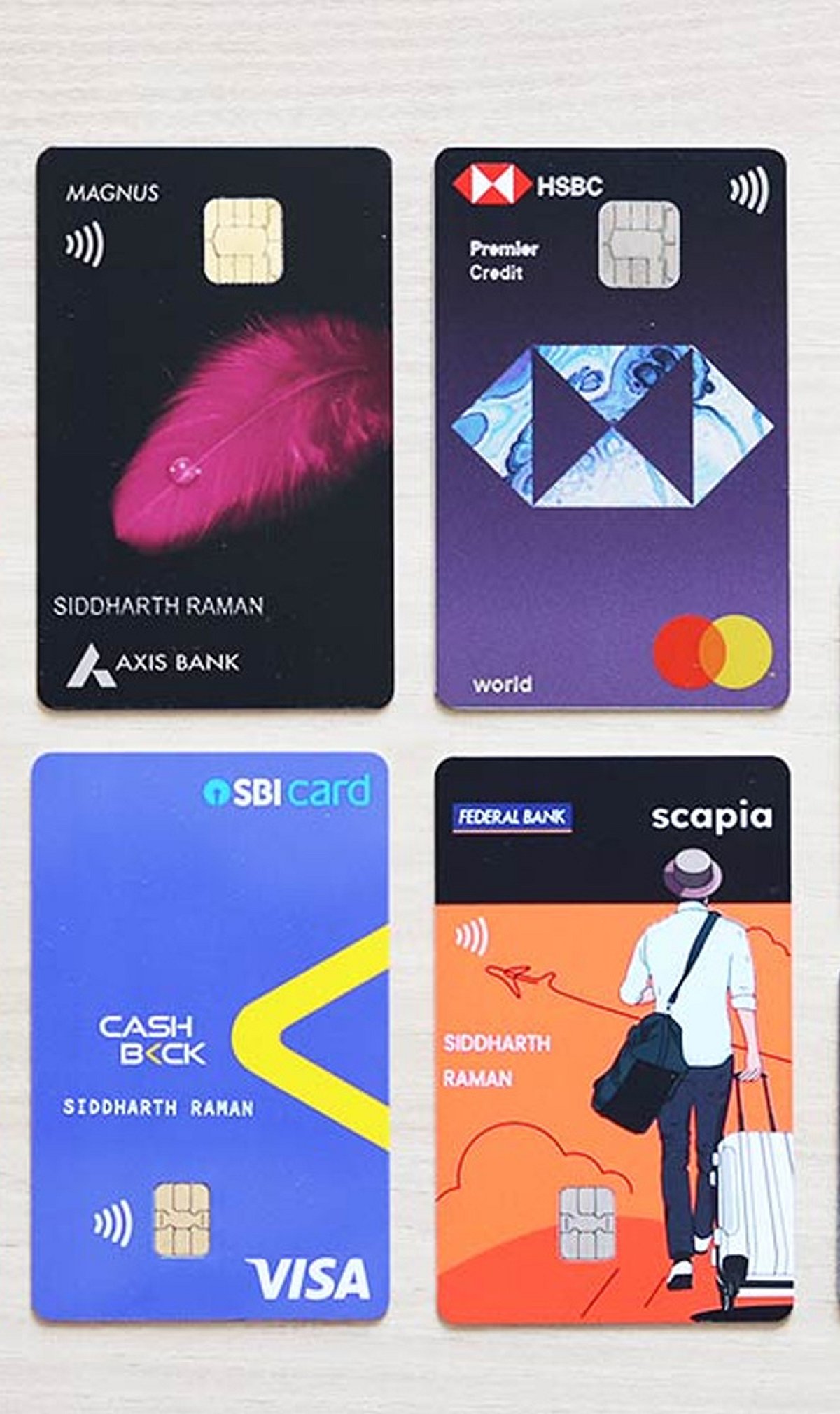
  • Top Credit Cards for Online Shopping in India (2026 Edition)

    Top Credit Cards for Online Shopping in India (2026 Edition)

    Online shopping credit cards allow users to earn cashback, rewards, and exclusive discounts on everyday purchases across popular e-commerce platforms. Choosing the right card can significantly boost your savings on digital transactions.

    Amazon Pay ICICI Credit Card

    This card offers attractive cashback, lifetime free membership, and extra savings for frequent Amazon shoppers. It is ideal for those who primarily shop on Amazon India.

    Flipkart Axis Bank Credit Card

    Designed for Flipkart enthusiasts, this card provides cashback on Flipkart purchases, partner brands, and exciting discounts during festive shopping sales.

    HDFC Millennia Credit Card

    HDFC Millennia rewards online spending across shopping, travel, food delivery, and entertainment platforms with cashback benefits, making it a versatile choice for everyday use.

    SBI Cashback Credit Card

    The SBI Cashback Credit Card offers cashback on eligible online transactions across multiple merchants without restricting rewards to one platform, giving you flexibility.

    Axis Bank ACE Credit Card

    This card combines cashback on online shopping, utility bill payments, and selected partner merchant transactions, making it a strong all-rounder.

    How to Choose the Right Card

    Compare annual fees, cashback rates, reward limits, and your spending habits before selecting a card. Always pay credit card bills on time to avoid interest charges and maintain a healthy credit score. The right credit card can maximize savings while making online shopping more rewarding, convenient, and financially beneficial in 2026.

  • Best Rice Cookers Under ₹5,000 in India: Top 10 Picks for 2026

    Best Rice Cookers Under ₹5,000 in India: Top 10 Picks for 2026

    Overview

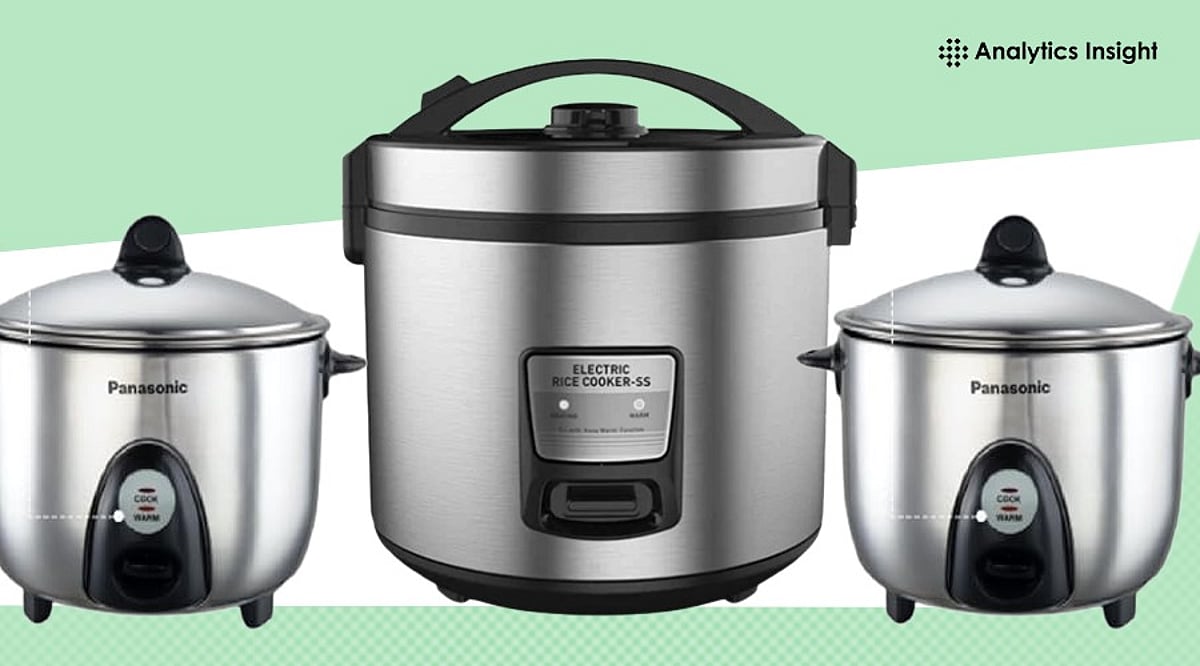
    Budget rice cookers now offer automatic cooking, pressure functions, and dependable everyday performance for households. Choose capacities that match your family size while considering safety, inner-pot quality, and cooking versatility before purchasing. Reliable brands deliver consistent rice, biryani, dal, and one-pot meals at affordable prices across India.

    A rice cooker under ₹5,000 no longer means it’s only for basic cooking and warming. Several brands now offer automatic, pressure-style, and multi-function cookers that handle rice, dal, biryani, and slow-cooked meals. In India, the useful range sits between ₹1,500 and ₹4,999, where capacity, inner-pot quality, and preset menus matter more than brand name. This list focuses on reliable models that deliver consistent results without unnecessary extras.

    Top Rice Cookers Under ₹5,000

    Pigeon by Stovekraft Joy 1.8L

    Pigeon’s Joy 1.8L is a simple automatic rice cooker for small families or bachelors. It has one button for cooking and keep-warm, plus a basic aluminium inner pot. Capacity covers 3–4 cups of raw rice. The unit is compact and fits in small kitchens. For users who want a no-frills cooker for daily rice, this model works well. Available on major e-commerce platforms.

    Pigeon by Stovekraft Joy 1L

    The 1L Joy is meant for individuals or couples who cook smaller portions. It follows the same design as the 1.8L but is smaller. Controls are clear, and the power cord detaches for easy storage. This cooker suits hostel rooms, small apartments, or as a second unit for quick meals.

    Prestige PRWO 1.8–2 Liter

    Prestige’s PRWO 1.8–2L brings a known brand into the budget segment. It offers automatic rice cooking with keep-warm and a non-stick aluminum inner pot. Capacity fits 4–6 people. Build quality feels stronger than that of many entry-level models. For families used to Prestige appliances, this cooker gives steady performance at a fair price.

    Butterfly KRC-08 2.8L

    Butterfly’s KRC-08 is a basic automatic rice cooker with a 1.8 L capacity. It has one-touch operation, a heat-regulated cooking plate, and a plain aluminium inner pot. The design is compact, and controls are easy for first-time users. For households wanting a budget cooker for regular rice and light gravies, this model is practical.

    V-Guard VRC 1.8C

    V-Guard’s VRC 1.8C is a compact automatic rice cooker with added safety features. It includes overheat protection, a cool-touch handle, and a simple control panel. Capacity suits small to medium families. The inner pot is aluminium with non-stick coating. For users who want safety, brand trust, and basic functions, this cooker is solid.

    V-Guard VRC 2.8L

    The VRC 2.8L offers the same safety and simplicity as the 1.8C, but with a larger capacity for bigger families. It handles around 5–7 cups of raw rice. Design stays compact, and controls are straightforward. This model works well for households that use a single cooker for rice and mixed meals such as dal-chawal or khichdi.

    AGARO Regal 3L (Electric Pressure Rice Cooker)

    AGARO’s Regal 3L is an electric pressure rice cooker that goes beyond basic rice cooking. It has preset menus for rice, dal, soup, slow cook, and steam, along with pressure functions. Capacity fits 3–4 people. The inner pot is usually stainless steel or high-grade aluminium with a durable coating. For users who want a multi-purpose cooker to replace a pressure cooker and rice cooker, this model offers strong value under ₹5,000.

    AGARO Royal 3L

    The AGARO Royal 3L is another electric pressure-style rice cooker in the same price band. It offers preset options, a keep-warm mode, and safety features such as pressure control and a lid lock. Capacity suits small to medium families. The unit handles soft rice as well as thicker dishes like biryani and curries. For those wanting multi-function cooking without premium pricing, the Royal is practical.

    Preethi RC 321

    Preethi’s RC 321 is built around Indian cooking habits, with automatic rice cooking, keep-warm mode, and a sturdy aluminium inner pot. The brand’s reputation in kitchen appliances adds reliability. Capacity is 2.2 liters, suitable for 4–6 people. For households already using Preethi products, this cooker fits seamlessly into existing routines and is backed by trusted service support.

    Bajaj RCX 1.8 DLX

    Bajaj RCX 1.8 DLX is an economical automatic rice cooker that emphasizes simplicity and sturdiness. The features include one-button operation, keep-warm facility, and a non-stick aluminium inner pot. Its design is space-saving and lightweight. For people who need a simple cooker that gets the job done without hassle, this one is ideal.

    Conclusion

    Selection of a rice cooker within ₹5,000 depends on various factors, such as family size and cooking preferences. Reliable brands like Pigeon, Prestige, Butterfly, V-Guard, Preethi, and Bajaj offer economical automatic rice cookers. For those who need multiple features and prefer pressure cooking, AGARO Regal and AGARO Royal are excellent options. Consider your cooking needs and choose a model that fits your lifestyle.

  • DMart Q1 Revenue Rises 14.9% as Margin Squeeze Persists Amid Higher Costs

    DMart Q1 Revenue Rises 14.9% as Margin Squeeze Persists Amid Higher Costs

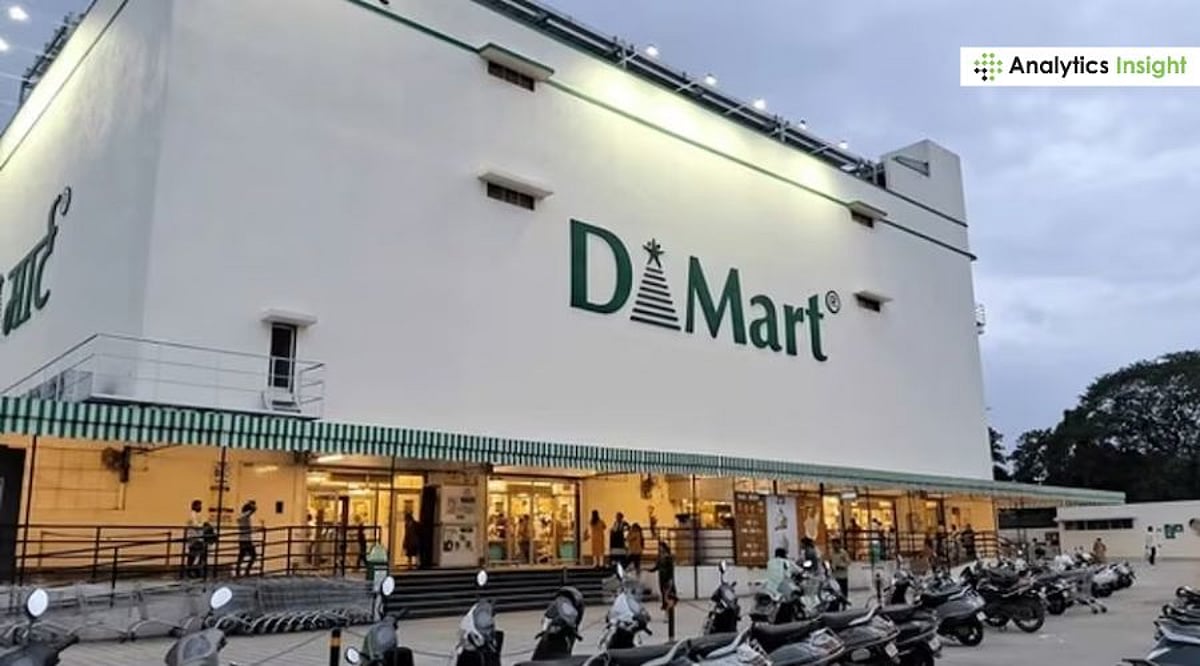
    DMart, operated by Avenue Supermarts, has reported its first-quarter results for fiscal year 2027, revealing steady revenue growth driven by increased footfall. However, rising operational expenses continue to pressure profit margins, reflecting broader challenges faced by the retail sector.

    Consolidated revenue for the quarter reached Rs. 18,794.5 crore, a 14.9% increase year-over-year. Total expenses climbed to Rs. 17,637.2 crore from Rs. 15,321.7 crore in the same period last year. The company’s managing director, Anshul Asawa, noted that stores open for two years or more saw same-store sales growth of 5.5% in Q1 FY27, down from 7.1% in Q1 FY26.

    Food and grocery items accounted for 54.9% of total revenue, a slight decline from 55.6% a year ago, while general merchandise and apparel contributed 25.5%, up from 24.7%. The results indicate that DMart continues to attract shoppers despite intense competition from online grocery platforms like Zepto and Instamart, as well as traditional retailers.

    Higher employee costs, store maintenance expenses, and general inflation are eating into margins. DMart’s strategy of offering low prices makes it difficult to pass on cost increases to customers. The company’s ability to maintain profitability while expanding its store network will be closely watched by investors in the coming quarters.

    These results underscore a broader trend in India’s retail market: consumers are spending cautiously, and retailers must balance cost control with competitive pricing in an environment of rising expenses and shifting shopping habits toward online and quick-delivery services.

  • India’s Ethanol Blending Program Saves Rs. 1.9 Lakh Crore in Foreign Exchange, Government Reports

    India’s Ethanol Blending Program Saves Rs. 1.9 Lakh Crore in Foreign Exchange, Government Reports

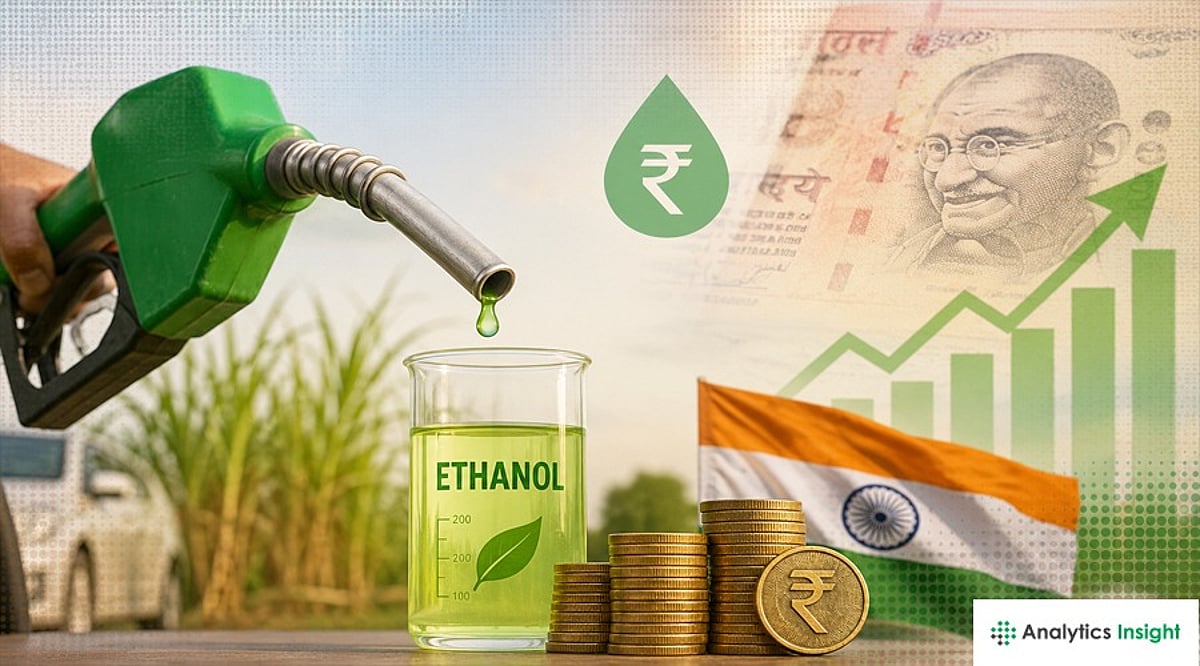
    The Indian government has announced that its ethanol blending program has saved the country approximately Rs. 1.9 lakh crore in foreign exchange by reducing the need for crude oil imports. The announcement comes as India expands the availability of E20 fuel across the nation.

    According to government officials, the Ethanol-Blended Petrol (EBP) program, which mixes ethanol derived from crops like sugarcane and maize with petrol, has significantly cut crude oil imports. Between 2014-15 and 2026, the program saved around Rs. 1.9 lakh crore in foreign exchange. Additionally, it led to a net reduction of approximately 930 lakh tonnes of CO2 emissions. The government also disbursed about Rs. 14,600 crore in subsidies to sugar mills from 2014-15 to 2020-21.

    C K Jain, President of the GEMA, stated, “The result showed that E20 is safe for all engines. It was executed and implemented after technical studies, pilot projects, policy discussions, and not in haste.”

    India imports most of its crude oil for petrol and diesel production, paying in foreign currency, primarily US dollars. By reducing imports, the country spends fewer dollars, easing pressure on foreign exchange reserves and strengthening the economy against global oil price volatility.

    The government’s renewed emphasis on ethanol blending comes amid the rollout of E20 fuel, which has sparked debate over vehicle compatibility, mileage, and maintenance costs. Some experts have called for a slower transition. However, the government aims to highlight the program’s broader benefits: reducing oil imports, supporting farmers, and enhancing energy security.

    With India’s continued push for E20, the discussion is expected to persist. For now, officials are focusing on long-term gains rather than short-term concerns.

  • Which Countries Are Setting the Standard for AI Education in 2026?

    Which Countries Are Setting the Standard for AI Education in 2026?

    Preparing students for an AI-powered future has become a national priority worldwide. Leading countries are introducing AI into schools, expanding university programs, and supporting digital skills. These efforts define the global leaders in AI education in 2026. Here is how the top contenders stack up—and where ambition meets reality.

    Key Takeaways

    • China and the UAE are the only nations running compulsory, national AI curricula since the 2025-26 school year.
    • India, Estonia, and South Korea reveal three different speeds of rollout—from a ten-million-teacher training push to a public reversal.
    • The nations pulling ahead are matching curriculum ambition to teacher readiness, not chasing the boldest headline.

    Every government wants to claim it leads in AI education. Few can prove it with a classroom that actually works. The gap between what gets announced and what reaches a teacher standing in front of thirty students will become the real story worth telling.

    Two Speeds of Compulsory Rollout

    China moved early, and it moved fast. By September 2025, AI had become a compulsory subject for every student from age six, sitting alongside mathematics on the timetable, not tucked away as an elective. Beijing schools now owe every student at least eight hours of AI instruction a year, and in a growing number of classrooms, platforms like Squirrel AI are already doing the adaptive teaching. What has not kept pace is everything around the technology: ethics, data privacy, and equal access. The rollout outran the guardrails.

    The UAE got there first in a different sense. A Cabinet decision in May 2025 made it the first country on record to mandate a nationwide AI curriculum for K-12 students, full stop. Close to a million children in government schools are now working through seven curriculum strands, taught by more than a thousand teachers trained specifically for this. Private schools are not required to follow suit, not yet at least, though a fair number have adopted the material on their own, without waiting to be told to.

    When Ambition Outpaces Readiness

    South Korea shows what happens when a rollout runs ahead of its teachers. Seoul planned mandatory AI textbooks from 2025, but adoption sat below 30% by March, and that August, the National Assembly stripped the textbooks of official status after unions said the pace had outrun preparation. Korea responded with a $960 million plan to build AI talent centers and vocational high schools through 2030. The setback was not proof that AI education fails. It showed that mandates without matching teacher training buckle under their own weight, even in a well-funded system.

    India is betting bigger than anyone. From 2026 to ’27, AI and computational thinking will become mandatory from Class 3 across government and private schools, backed by a Rs. 500 crore center of excellence and the Rs. 10,372 crore India AI mission. The open question is delivery: roughly 10 million teachers need training, and only 15% were AI-fluent as of a 2025 survey. Whether India becomes the largest AI-literate student population in the world depends entirely on whether that math closes in time.

    Coherence Over Scale

    Singapore’s edge is not size but order of operations. Its Smart Nation strategy targets AI leadership by 2030, with teacher training promised at every level by 2026. A government-funded research center pilots tools with the Ministry of Education before they reach classrooms, rather than after.

    Finland and Estonia are playing a different game entirely, treating AI fluency as a civic skill rather than a career pipeline. Finland’s Elements of AI course has reached hundreds of thousands of citizens; Estonia’s AI Leap gave 20,000 students and 3,000 teachers early access, with plans to scale nationwide by 2027.

    Also Read: The World Is Your Campus: Where to Study AI and Programming at the Planet’s Greatest Universities

    Research Depth, Classroom Gap

    The United States still leads in university-level AI research, and Washington has tried to close the K-12 gap too, through an executive order that created a federal task force and a student AI challenge. However, the same period saw the Department of Education shutter its Office of Educational Technology. Only four states include AI in computer science standards, and enrollment in the subject fell 11% between 2024 and 2025, even as graduate AI programs kept growing. A country can lead the world in research capacity while still trailing far smaller nations in the classroom.

    There is no single best country here, only different goals pursued at different speeds. What separates the nations worth watching is not the size of the announcement, but the honesty of the follow-through—and Korea’s public reversal is proof that admitting a gap is not the same as failing to close it.

    Also Read: Case Studies: Universities That Rebuilt Curricula for AI vs Those That Just Added It

    Final Thoughts

    The competition to be the first to educate about AI isn’t about being the loudest or the first to shout. It will be given to the people who make the often-ugly but ultimately beautiful things happen: training teachers, updating classrooms, keeping students safe, and working at it year after year, well past the news cycle. The countries leading the way in 2027 will not be those with the most impressive plan on paper. This will be where that plan has become a normal part of a school day without being noticed.

    You May Also Like:

    FAQs

    1. Which country leads AI education in 2026?

    There is no single leader. China leads in scale, the UAE in national curriculum rollout, Singapore in implementation, and the United States in AI research.

    2. Which country made AI education compulsory first?

    The UAE became the first country to introduce a nationwide mandatory AI curriculum for K-12 students in May 2025. China also made AI compulsory for school students from age six.

    3. Why is teacher training important for AI education?

    Teachers need the skills to use AI effectively in the classroom. Without proper training, even well-funded AI education policies can struggle to deliver results.

    4. Is AI now a compulsory subject in India?

    India plans to introduce AI and computational thinking as compulsory subjects from Class 3 beginning in the 2026–27 academic year, supported by the IndiaAI Mission and teacher training initiatives.

    5. What makes an AI education system successful?

    A successful AI education system combines a strong curriculum, trained teachers, ethical guidelines, digital infrastructure, and regular updates to keep pace with advances in AI technology.

  • Top Livpure Water Purifiers for Indian Homes: A Complete Buying Guide

    Top Livpure Water Purifiers for Indian Homes: A Complete Buying Guide

    Safe drinking water is a priority for every Indian household, and choosing the right water purifier can make a significant difference. Livpure offers a diverse range of water purifiers designed to handle different water sources, including municipal supply, borewell, and tanker water. This guide explores the most popular Livpure models, their purification technologies, key features, maintenance considerations, and how to select the best one for your needs.

    Overview of Livpure Water Purifiers

    Livpure water purifiers incorporate multiple purification technologies such as RO (Reverse Osmosis), UV (Ultraviolet), UF (Ultrafiltration), copper infusion, alkaline enhancement, and mineralizers. These technologies work together to deliver multi-stage purification suitable for varying water qualities. When selecting a purifier, it is important to consider factors like water source, TDS level, storage capacity, and maintenance requirements.

    Best Livpure Water Purifiers at a Glance

    Livpure Allura Premia

    Allura Premia is Livpure’s premium model, featuring a 10-stage purification system that combines RO, UV, UF, copper infusion, alkaline enhancement, and mineralizer technology. It also includes in-tank UV sterilization to maintain water purity inside the storage tank. The company offers a filter plan that covers up to 2.5 years on eligible purchases. This model is ideal for households that rely on borewell or tanker water with higher TDS levels.

    Livpure Allura Prime

    Allura Prime offers many premium features at a more accessible price point. It uses a 10-stage purification process with RO, UV, UF, and copper technology, plus in-tank UV sterilization. It also includes up to two years of filter coverage. This purifier is well-suited for medium-sized families seeking advanced purification without the highest price tag.

    Livpure GLO PRO++

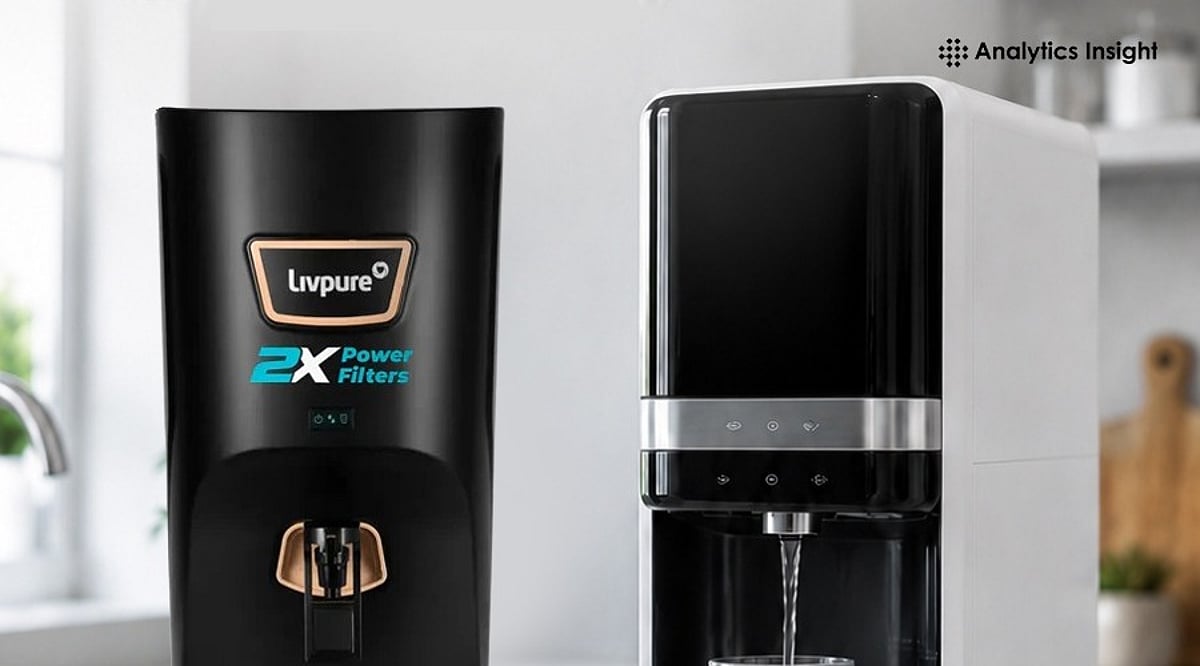
    GLO PRO++ focuses on long-term maintenance savings. It features RO, UV, and UF purification combined with Livpure’s 2X Power Filter technology, which the company claims can last up to two years under standard usage. This model works with municipal, tanker, and borewell water supplies.

    Livpure Glo Star

    Glo Star is one of Livpure’s most popular models. It combines RO, UV, UF, and a mineralizer in a compact wall-mounted design. It has a 7-litre storage tank and a purification capacity suitable for everyday family use. This model is a balanced choice for buyers looking for reliable features at a competitive price.

    Livpure Bolt+

    Bolt+ targets buyers who want efficient purification with lower water wastage. It includes RO, UF, and mineralizer technology along with water-saving features. Designed for municipal, tanker, and borewell water, this purifier offers a practical mix of performance and affordability.

    How to Choose the Right Livpure Water Purifier

    Selecting the right purifier begins with understanding your water source:

    • RO purification is generally suitable for borewell and high-TDS water.
    • UV and UF technologies work well with treated municipal water.
    • A storage capacity of 7 litres is appropriate for most small and medium-sized families.
    • Models with extended filter life can reduce maintenance frequency.

    Testing your home’s water quality before purchase helps you choose the most effective purification technology.

    Things to Consider Before Buying

    Before placing an order, keep these factors in mind:

    • Verify that installation is available in your city.
    • Compare warranty and filter replacement plans.
    • Check annual maintenance costs after the free service period.
    • Review ratings and verified customer feedback.
    • Confirm compatibility with your household water source.

    Final Verdict

    Livpure has expanded its portfolio to address different household needs. The Allura Premia stands out for buyers seeking premium purification and longer filter life. The Allura Prime delivers advanced features at a competitive price. The GLO PRO++ appeals to users looking for lower maintenance, while the Glo Star and Bolt+ offer practical options for everyday use.

    The best water purifier matches your water quality rather than simply offering the highest number of features. Compare purification technology, service support, filter life, and maintenance cost to make a well-informed long-term purchase.

    Frequently Asked Questions

    Which Livpure water purifier is best for home use?

    Livpure Allura Premia, Allura Prime, GLO PRO++, Glo Star, and Bolt+ are all popular choices. The best model depends on your water quality, family size, required features, and maintenance preferences.

    Is the Livpure RO water purifier suitable for borewell water?

    Yes, Livpure RO water purifiers are designed for water sources with higher TDS levels, including borewell and tanker water. RO technology helps reduce dissolved impurities and improves overall water quality.

    How do I choose the right Livpure water purifier?

    Check your water source, TDS level, storage requirements, purification technology, and available service support. These factors will help you identify the most suitable model for your home.

    How much storage capacity is available in Livpure water purifiers?

    Many Livpure models come with a 7-litre storage tank, which is generally sufficient for small and medium-sized families.

    Does Livpure provide filter replacement plans with water purifiers?

    Selected Livpure models include filter replacement plans on eligible purchases. These plans help manage maintenance and reduce the effort involved in arranging regular filter changes.

  • iPhone 18 Pro Max 1TB Expected to Set New Price Record in India

    iPhone 18 Pro Max 1TB Expected to Set New Price Record in India

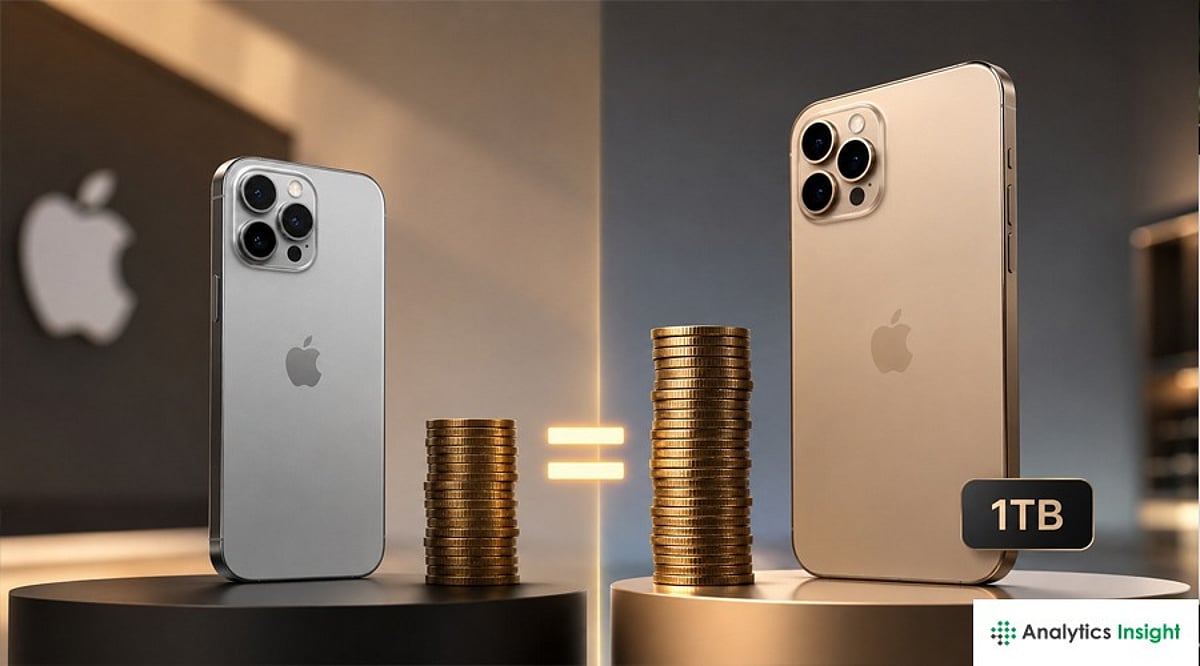
    Apple’s upcoming iPhone 18 Pro Max could become the company’s most expensive smartphone ever sold in India, with the 1TB storage variant reportedly crossing the ₹2 lakh mark. According to recent leaks, the price hike is driven primarily by rising memory and component costs rather than new hardware features.

    Early estimates from Digit suggest the top-tier model will see a significant jump over the iPhone 17 Pro series, contradicting earlier rumors that Apple might keep pricing similar to the previous generation. The shift reflects growing pressure from global supply chain expenses, especially for high-capacity memory modules.

    If the leaks prove accurate, buyers will pay a premium not only for performance but also for the status and storage capacity of the 1TB version. The final price will be confirmed at launch, but early indications point to a major repositioning of the Pro Max as an ultra-premium device.

  • Best Business Management Courses After 12th Grade in India: A Complete Guide

    Best Business Management Courses After 12th Grade in India: A Complete Guide

    Overview

    Business management education equips students with the knowledge and practical skills needed to succeed in today’s competitive business environment. After completing Class 12, several degree and diploma programs are available across India. Understanding how these courses differ can help students make a confident and informed decision.

    BBA, BMS, BBM, and integrated IPM programmes each serve a distinct kind of student—not just different titles for the same degree. Entrance exams such as CUET, SET, NPAT, and IPMAT have different eligibility criteria; some require Class 12 mathematics, while others do not. A comparison table and a short decision framework help match the right course to the right student before applications open.

    Not every management degree opens the same door. Some build broad business skills. Others prepare students for one specific industry, and a handful compress an entire management career into a faster track. India’s business world keeps shifting, and the course a student picks right after Class 12 ends up shaping where they land: marketing, finance, HR, entrepreneurship, or somewhere else entirely.

    Eligibility and Entrance Exams for Business Management Courses After 12th

    Here’s the baseline: most business management courses accept students from any stream after Class 12, and the usual cutoff hovers around 50%. Some colleges just look at Class 12 marks and admit candidates directly. Others require an entrance exam first. SET, CUET, NPAT, IPMAT, JIPMAT—these names come up repeatedly, though eligibility criteria change from one college to the next in ways that catch people off guard.

    For instance, Delhi University’s BMS and BBA (FIA) programs require Mathematics or Applied Mathematics on the Class 12 marksheet for anyone going the CUET route. SET doesn’t care about the stream at all—no math is needed. It’s worth checking a target college’s fine print before weeks go into prep for the wrong test.

    Top Business Management Courses After Class 12 in India: Comparison

    Here’s how the main courses stack up on duration, entrance exams, who they suit, and where they tend to lead.

    BBA (Bachelor of Business Administration)

    The BBA is India’s most widely offered business management degree, by a wide margin. It covers subjects that show up in almost every management job: marketing, finance, HR, and operations—without forcing an early commitment to one lane. For anyone still unsure what kind of business role fits best, this is usually the starting point.

    BMS (Bachelor of Management Studies)

    BMS tilts more toward theory: more research, more analytical thinking, and less of the generalist sprawl that comes with a BBA. Mumbai and Delhi universities offer it most often. The syllabus isn’t wildly different from BBA’s, but employers mostly treat both degrees as roughly the same thing on a resume.

    BBM (Bachelor of Business Management)

    BBM appears across a cluster of universities, especially in Karnataka, and leans into leadership and business operations as its core identity. Many students use it as a launchpad toward an MBA a few years down the line, and it does that job reasonably well.

    Integrated BBA-MBA (IPM)

    The integrated BBA-MBA route is a five-year program that stitches undergraduate and postgraduate management education into one continuous program. It’s not for the undecided. This suits someone who already knows, with real conviction, that management is the career and would rather walk one long path than apply twice and hope the second round goes well.

    BHM (Bachelor of Hotel Management)

    BHM takes a different turn entirely, pairing business fundamentals with hospitality and tourism training. Students learn how hotels, restaurants, and other service businesses operate day-to-day, making it an obvious pick for anyone whose interests lie in travel, hospitality, or customer-facing work.

    Specialized BBA Programs

    Specialized BBA programs have multiplied lately: business analytics, digital marketing, finance, HR, supply chain, and FinTech. The list keeps growing. These make the most sense for students who already know exactly which corner of business they’re chasing—less useful for someone still figuring that out.

    Diploma in Business Management

    One to two years, practical, skill-heavy, and cheaper. Good for anyone wanting to enter the workforce quickly or just add a specific skill set without committing to three or more years.

    How to Choose the Right Business Management Course After 12th

    The career goal should come first, not the course name. That order matters more than people think. Broad exposure and room to explore point toward BBA or BMS. A clear pull toward hospitality, finance, analytics, or digital marketing usually favors a specialized program. Genuine certainty about a long management career points toward an integrated BBA-MBA. A need for practical skills fast, with a shorter runway into work, favors a diploma. Whichever direction fits, comparing curriculum, internship access, placement track record, and institutional recognition matters more than whatever acronym ends up on the certificate.

    Final Thoughts

    There is no universal best course here, only the one that lines up with what a given student actually wants. A well-run program at a college with real industry ties and a decent placement record will usually beat a fancier-sounding degree from a weaker institution. The career direction should get sorted first. The course and the college follow from that, not the other way around.

    FAQs

    1. Which is the best business management course after Class 12?

    BBA is generally the most popular choice since it provides a broad understanding of marketing, finance, human resources, and operations. However, the best course depends on your career goals, interests, and preferred specialization.

    2. Can students from Science or Arts pursue business management courses after Class 12?

    Yes. Most BBA, BMS, BBM, and other management programs accept students from Science, Commerce, and Arts streams. Some universities, however, have specific subject requirements or entrance exam criteria, so always check the eligibility rules before applying.

    3. What are the common entrance exams for business management courses in India?

    Popular entrance exams include CUET, IPMAT, JIPMAT, NPAT, SET, UGAT, and MAH BMS-CET. The exam required depends on the university and the management program you choose.

    4. What career opportunities are available after completing a business management course?

    Graduates can pursue entry-level roles in marketing, finance, human resources, operations, sales, business development, hospitality, or entrepreneurship. Many students also continue their studies with an MBA or other postgraduate management programs.

    5. How should I choose the right business management course after Class 12?

    Choose a course based on your career interests, preferred specialization, curriculum, internship opportunities, placement support, and the reputation of the institution. Comparing these factors is more important than selecting a course based solely on its name.

  • Google Challenges Rs. 30 Lakh Delhi High Court Ruling in Hindware AdWords Trademark Dispute

    Google Challenges Rs. 30 Lakh Delhi High Court Ruling in Hindware AdWords Trademark Dispute

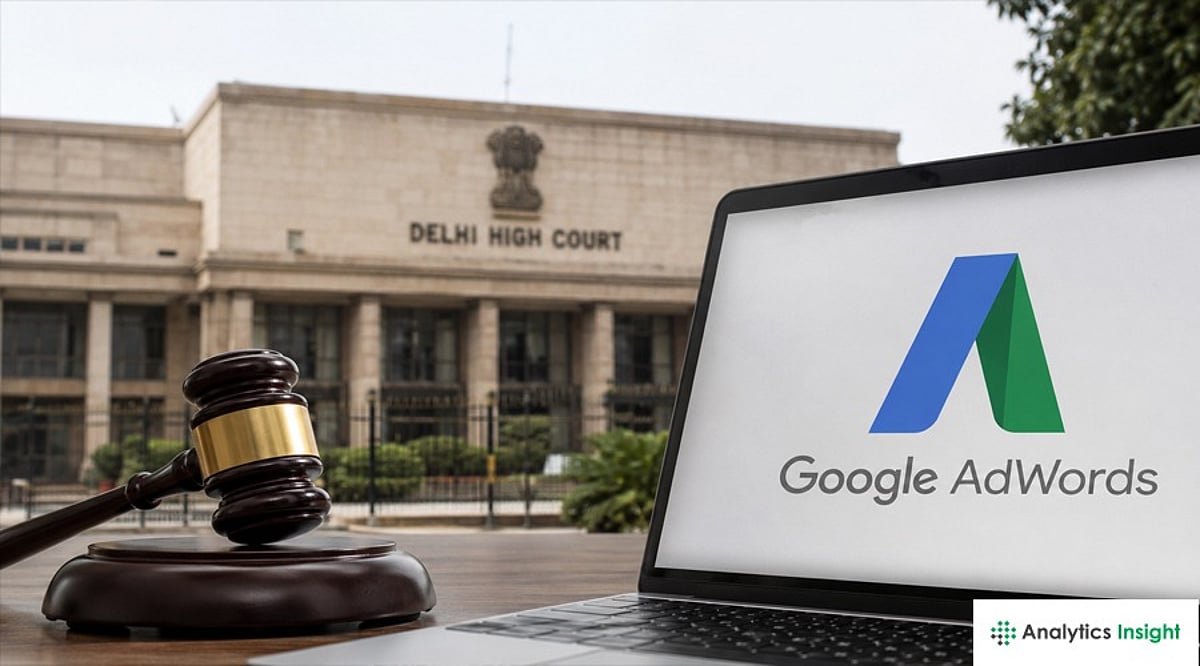
    Google has filed an appeal in the Delhi High Court against a recent order that held the company liable for trademark infringement in the Hindware AdWords case. The earlier ruling imposed a penalty of Rs. 30 lakh on Google and prohibited the company from allowing advertisers to use Hindware’s registered trademark as advertising keywords on its AdWords platform.

    Legal Proceedings

    A division bench of Justices V. Kameswar Rao and Manmeet P.S. Arora heard Google’s appeal on Friday. The court issued a notice to Hindware and scheduled the next hearing for July 24. The judges did not grant interim relief, meaning the previous order remains in effect pending a final decision.

    Google’s Arguments

    Senior advocate Abhishek Manu Singhvi, representing Google, argued that the earlier judgment contradicts several prior court decisions and established global practices. He noted that in many countries, bidding on competitors’ trademarks as advertising keywords is not considered trademark infringement. Google maintains that the AdWords system provides a legitimate way for businesses to reach potential customers through search advertising.

    Background of the Dispute

    The legal battle began when Hindware, a leading sanitaryware brand, alleged that rival companies were purchasing its trademark as a keyword through Google’s AdWords service. This caused advertisements from competitors to appear when users searched for Hindware on Google. Hindware claimed that this practice unfairly diverted its customers to competing brands.

    Earlier Court Findings

    In its May 22 judgment, the single judge ruled in favor of Hindware. The court found that Google derived commercial benefit from selling another company’s registered trademark as an advertising keyword, giving competitors an unfair advantage. The court also noted that Google never obtained permission from Hindware before making its trademark available for advertising. Additionally, the court rejected Google’s claim of protection under Section 79(1) of the Information Technology Act, stating that Google’s role exceeded that of a passive intermediary because it actively sold trademarked keywords.

    Implications for Digital Advertising

    The outcome of this appeal could have significant implications for digital advertising in India. If the court upholds the earlier ruling, companies may be barred from using competitors’ trademarks as advertising keywords. Conversely, a decision in Google’s favor would allow the current advertising model to continue, enabling businesses to reach audiences through keyword-based search ads. The July 24 hearing is expected to be a pivotal moment for the future of online advertising and trademark protection in the country.

  • India’s Space-Tech Startups Driving Commercial Innovation in 2026

    India’s Space-Tech Startups Driving Commercial Innovation in 2026

    India’s space-tech ecosystem is experiencing rapid expansion in 2026, fueled by private sector innovation, government reforms, and increasing global demand for satellite-based services. A new generation of startups is redefining the nation’s role in the commercial space industry.

    Skyroot Aerospace is making strides with cost-effective launch vehicles, having completed successful missions that bolster India’s private launch capabilities. The company aims to reduce barriers to orbit for small satellites.

    Agnikul Cosmos is advancing small satellite launches with its 3D-printed rocket engine technology, offering flexible and rapid mission deployment tailored to emerging needs.

    Pixxel is building one of the world’s largest hyperspectral satellite constellations, delivering high-resolution Earth observation data for applications in agriculture, climate monitoring, and defense.

    Digantara focuses on space situational awareness, developing solutions to track satellites and orbital debris, thereby improving overall space safety and sustainability.

    Bellatrix Aerospace is pioneering advanced satellite propulsion systems and orbital transportation technologies, supporting future commercial space missions with efficient in-space mobility.

    Government initiatives, including reforms by IN-SPACe (Indian National Space Promotion and Authorization Centre), and growing private investment continue to accelerate the growth of India’s commercial space sector.

    Despite these advances, the sector faces challenges such as securing adequate funding, navigating regulatory compliance, managing long development cycles, and competing on a global scale. Nevertheless, with rising demand for satellite services and expanding launch opportunities, India’s space-tech startups are well-positioned for sustained global growth.