Tag: India

  • India Unveils Rs 1.27 Lakh Crore Semicon 2.0 Program to Build Global Chip Ecosystem

    The Union Cabinet has approved Semicon 2.0, a massive Rs 1.27 lakh crore program aimed at transforming India into a global hub for semiconductor design and production. This marks the country’s largest investment yet in chip manufacturing.

    Unlike the initial phase of the India Semiconductor Mission, which focused primarily on fabrication and packaging, Semicon 2.0 expands support across the entire value chain. The program is built around six pillars: chip design, semiconductor equipment and materials, fabrication plants, packaging and testing, research and development, and talent creation.

    It also introduces incentives for companies producing critical inputs such as specialty chemicals, gases, and manufacturing equipment. The government expects international firms to manufacture chips in India while boosting domestic capabilities amid surging demand from artificial intelligence, electric vehicles, smartphones, electronics, telecommunications, and defense sectors.

    This initiative follows the successes of Semicon 1.0, which secured several chip manufacturing and packaging projects in India. Industry experts believe Semicon 2.0 will ensure supply chain resilience, create skilled jobs, and attract increased investments. As global competition for reliable chip supplies intensifies, the program anchors India’s long-term ambition to become a dominant force in the semiconductor industry.

  • Reliance Industries Shares Climb to Rs 1,320 Ahead of Q1 Results; Analysts Predict 20% Profit Surge

    Reliance Industries Shares Climb to Rs 1,320 Ahead of Q1 Results; Analysts Predict 20% Profit Surge

    Reliance Industries Ltd. shares climbed 1.84% to Rs 1,320.40 on the NSE on Friday, reaching an intraday high of Rs 1,323.70, as investors positioned themselves ahead of the conglomerate’s closely watched June-quarter (Q1 FY27) earnings due after market hours. The stock opened at Rs 1,300 and traded in the Rs 1,296.10–Rs 1,323.70 range, reflecting growing optimism that India’s largest listed company could deliver another resilient quarter.

    The optimism spilled over to the broader market, with the Sensex surging more than 800 points and the Nifty 50 reclaiming the 24,280 mark, supported by gains in Reliance, HDFC Bank, ICICI Bank and leading IT stocks. While global concerns over rising crude prices and tensions in West Asia continue to weigh on sentiment, analysts believe Reliance’s diversified business model could once again help cushion volatility.

    Street Expectations for Reliance Q1 FY27

    Oil-to-Chemicals Expected to Shoulder Earnings Growth

    While there have been mixed fortunes for many companies, analysts forecast Reliance to show another decent quarter. Based on consensus estimates, net profit is expected to increase by about 20% sequentially, while revenue is expected to reach Rs 3 lakh crore. Good refining fundamentals and favorable petrochemical margins will more than compensate for the weak demand in retail operations and the reduced production from the upstream oil and gas segment.

    The oil-to-chemicals (O2C) segment is likely to remain the largest contributor to earnings. Estimates indicate that O2C EBITDA will be close to Rs 16,146 crore, driven by higher refining margins, particularly at the SEZ refinery. While there were maintenance shutdowns of one crude distillation unit during the quarter, the impact was largely mitigated by a weaker rupee and global refining margins.

    Jio Remains the Growth Engine While Retail Faces Headwinds

    Reliance Jio is expected to continue delivering stable operational performance. Brokerages estimate the telecom business will add nearly one crore subscribers during the quarter, taking its total subscriber base to around 53.3 crore. Average Revenue Per User (ARPU) is expected to increase to Rs 216, up from Rs 214 in the previous quarter, driven by customer upgrades and rising data consumption.

    Investors will also watch management commentary on tariff plans, JioFiber expansion and the timeline for the much-anticipated Jio IPO, which could become India’s largest public offering.

    The retail business, however, is likely to remain under pressure. Analysts expect Retail EBITDA to decline around 2% sequentially to Rs 6,784 crore, reflecting slower discretionary spending and continued promotional activity. While margins may remain soft in the near term, analysts remain optimistic about the long-term outlook, citing store expansion, digital commerce growth and improving consumer demand.

    Management Commentary Holds the Real Key

    Beyond the financial performance, institutional investors are expected to focus on Reliance’s forward-looking commentary. Updates on crude sourcing, refinery outlook, petrochemical demand, retail consumption, capital expenditure, debt reduction, new energy investments, and Jio’s IPO preparations could significantly influence market sentiment.

    Reliance has increasingly evolved from being an energy giant into a diversified consumer and technology company. Consequently, investors pay as much attention to future growth initiatives as to quarterly earnings.

    What It Means for Investors

    Reliance enters the first-quarter earnings season with expectations firmly tilted toward another steady performance. Despite continued lags in retail demand and difficulties for upstream activities, the combination of improving refining margins and robust telecom growth is likely to keep profit trends heading in the right direction.

    What is more important, however, is Reliance’s ability to drive growth across its diverse portfolio of operations and make faster strides in developing its digital and renewable energy operations. With such a large representation in key indices, Reliance’s results and management guidance are likely to have implications for market sentiment that will extend far beyond a one-day trading period.

    Disclaimer: This article is for informational purposes only and does not constitute investment advice. Readers should conduct their own research before making any investment decisions.

  • Indian Stock Market Surges: Sensex Gains Over 900 Points, Nifty Crosses 24,300

    Indian Stock Market Surges: Sensex Gains Over 900 Points, Nifty Crosses 24,300

    Indian benchmark indices surged in Friday’s afternoon session, with the Sensex jumping over 900 points and the Nifty crossing the 24,300 mark. Broad-based buying across banking, IT, and heavyweight stocks lifted investor sentiment and pushed markets sharply higher.

    Indian equity benchmarks ended Friday’s session on a strong note, outperforming most Asian markets as robust buying in information technology and financial stocks offset concerns over rising crude oil prices and geopolitical tensions in the Middle East. Investors largely focused on the ongoing June-quarter earnings season, with encouraging corporate results boosting market sentiment.

    The Sensex rose 912.74 points, or 1.18%, to 78,099.61, while the Nifty climbed 248.10 points, or 1.03%, to 24,320.85. The gains pushed the Nifty above the 24,300 mark, reflecting broad-based buying across sectors.

    IT and Financial Stocks Drive the Rally

    The IT sector took center stage in Friday’s rally as Tech Mahindra delivered better-than-expected quarterly results, sparking buying sentiment in technology-related stocks. Shares of Infosys, HCL Technologies, and Tata Consultancy Services rose, with analysts believing the quarter could mark a turning point for the underperforming sector. Banks were also strong, with Jio Financial Services jumping on better-than-expected quarterly results and loan growth estimates for Reliance Industries ahead of its Q1 results.

    Wipro, CEAT Among Major Laggards

    Wipro got off to a poor start as its quarterly earnings fell short of expectations, and management hinted at a delayed-than-anticipated demand recovery. Tire maker CEAT also took a severe beating due to weak earnings performance. Some pharma and metals sector companies were under selling pressure, with Cipla, Dr. Reddy’s Lab, and Hindalco ending on a negative note.

    Earnings Season Takes Center Stage

    According to market analysts, corporate profits and management outlooks should continue driving stock market movements in the coming weeks. Despite high oil prices and geopolitical instability being important factors, market participants will be closely watching how companies perform during the quarterly earnings season.

    Weekly Market Performance (July 13–17)

    The Indian equity market closed on a bullish note despite staying confined to a range during the July 13–17 week due to uncertainties in the global economic environment and expectations of earnings from Indian companies. The Sensex and Nifty stayed in a tight range as traders weighed strong corporate performance in Q4 June against rising crude oil prices and tensions in the Middle East.

    The week started with a volatile session on Monday as major indices managed to recover from early losses due to strong performance in IT sector stocks driven by earnings results and significant deals. The rally on Friday, led by stocks such as Reliance Industries, Jio Financial Services, Tech Mahindra, and private banking stocks, boosted the major benchmarks.

    Disclaimer: This article is for informational purposes only and does not constitute investment advice. Always conduct your own research before making investment decisions.

  • 2026 Cost Guide: Hiring Dedicated Developers in India – Rates, Factors & Value

    2026 Cost Guide: Hiring Dedicated Developers in India – Rates, Factors & Value

    Building software has become a business necessity rather than a competitive advantage. Whether you’re launching a startup, developing a customer-facing mobile app, modernizing legacy systems, or integrating AI into your operations, one challenge remains the same: finding the right development talent without exceeding your budget.

    That’s why more businesses are choosing to hire dedicated developers in India.

    But how much does it actually cost? Are lower rates the only reason companies are building development teams in India? And how can you ensure you’re getting real value rather than simply choosing the cheapest option available?

    If you’re exploring your options, this guide will help you understand the cost to hire dedicated developers in India and the aspects that influence pricing.

    Why Are More Businesses Choosing to Hire Dedicated Developers in India?

    Let us consider for a moment the difficulties of recruiting software developers from the local market. Recruitment can take months, salaries keep increasing, and competition is fierce for qualified developers. Even after selecting the right person, training, onboarding, and retention can be challenging.

    Now imagine being able to tap into a worldwide pool of highly talented engineers who will begin developing the product straight away. This is one of the major reasons why businesses opt for hiring dedicated developers in India.

    India has become one of the leading technology centers globally, catering to startups, SMEs, and large enterprises from the USA, Australia, the UK, Europe, and the Middle East. The growing demand is driven by:

    • Access to highly skilled software engineers
    • Cost-effective development compared to Western markets
    • Flexible team scaling
    • Faster project delivery
    • Expertise across modern technologies
    • Strong English communication skills
    • Experience working with global businesses

    Market Statistics

    • India has over 5.4 million software developers, one of the world’s largest developer communities. (Source: IBEF)
    • India accounts for approximately 17.5% of the global outsourcing market. (Source: IBEF)
    • The Indian technology industry is projected to reach $500 billion by 2030, driven by growing demand for AI and software services. (Source: IBEF)
    • More than 1,700 Global Capability Centers (GCCs) operate in India, with many multinational companies relying on Indian engineering talent. (Source: NASSCOM)

    Cost to Hire Dedicated Developers in India in 2026

    The cost varies based on experience, technology expertise, project requirements, and engagement model. Here are the average hourly rates businesses can expect:

    Note: For long-term engagements, monthly hiring costs are often more relevant. Ranges vary widely because software development projects differ significantly in complexity—a simple internal application requires different expertise than a fintech platform, healthcare solution, or AI-powered product.

    What Factors Affect the Cost of Dedicated Developers in India?

    1. Developer Experience

    Senior developers typically provide better architecture planning, faster issue resolution, stronger coding standards, reduced technical debt, and improved project outcomes. While they command higher rates, they often reduce overall project costs by minimizing errors and rework.

    2. Technology Stack

    The technologies required directly impact costs. Examples include React, Angular, Node.js, Python, Flutter, AI/ML, cloud engineering, and DevOps. Specialized technologies generally require advanced expertise, increasing rates.

    3. Project Complexity

    Complex projects often involve third-party integrations, real-time functionality, advanced security, cloud infrastructure, AI capabilities, and large-scale databases—demanding more experienced teams.

    4. Team Structure

    Some businesses need only one developer; others require a full offshore team including QA engineers, UI/UX designers, business analysts, project managers, and DevOps specialists. Larger teams increase costs but improve quality and delivery efficiency.

    India vs Other Countries: How Do Development Costs Compare?

    Many organizations compare regions before hiring. However, choosing the lowest rate should never be the primary goal. The real objective is finding the best combination of expertise, reliability, communication, and value.

    The Hidden Costs of Hiring In-House Developers

    Beyond salaries, companies must consider recruitment agency fees, employee benefits, insurance, office space, equipment, software licenses, training, and turnover costs. These hidden expenses make the dedicated development team India model attractive, offering skilled professionals without operational overhead.

    Is Hiring the Cheapest Developer Always a Good Idea?

    Selecting developers based solely on the lowest price can lead to poor code quality, missed deadlines, limited communication, security vulnerabilities, scalability issues, and increased maintenance costs. Successful businesses focus on expertise, communication, delivery processes, and long-term value.

    How to Choose the Right Dedicated Development Partner

    1. Review Their Portfolio

    Look for projects similar to yours. Ask about industry experience, technology stack expertise, and measurable results.

    2. Evaluate Communication Practices

    Strong communication reduces misunderstandings. Look for providers offering regular updates, agile processes, dedicated project managers, and transparent reporting.

    3. Assess Team Scalability

    Choose a partner capable of quickly scaling resources as your needs evolve.

    4. Verify Security Standards

    Review NDA agreements, data protection, secure coding standards, and access management.

    Many businesses evaluating dedicated development services consider established companies like Vrinsoft Technology, which offers flexible engagement models, experienced teams, and scalability.

    Final Thoughts

    The sole reason for hiring dedicated developers in India is no longer limited to cost. Companies worldwide choose India for skilled professionals, faster time-to-market, flexible team composition, and strong technological expertise. Although hiring is still more affordable compared to other markets, the biggest benefit comes from the value combination. Whether you are hiring individual developers or creating an offshore team, focus on the value you will receive.

    It is all about building a team to drive your business forward in a digital world.

  • Skyroot Aerospace’s Vikram-1 Rocket Poised to Reshape India’s Private Space Sector

    Skyroot Aerospace’s Vikram-1 Rocket Poised to Reshape India’s Private Space Sector

    India’s private space industry is undergoing a transformation, and Hyderabad-based startup Skyroot Aerospace is at the forefront. With its upcoming Vikram-1 orbital rocket, the company aims to make satellite launches faster, more affordable, and accessible to customers worldwide.

    Founded in 2018, Skyroot has rapidly evolved from a small team with a bold vision into one of India’s most prominent private space companies. Unlike traditional missions focused solely on research, Skyroot’s commercial approach targets the growing demand for reliable small satellite launch services.

    From Vikram-S to Vikram-1: A Milestone Journey

    In 2022, Skyroot made history with Vikram-S, India’s first privately built rocket to reach space. Though a suborbital test flight, it validated the company’s technology and provided critical data for the development of Vikram-1.

    Vikram-1 is Skyroot’s first orbital launch vehicle, designed to carry small satellites into Low Earth Orbit (LEO) and Sun-synchronous Orbit (SSO). The rocket incorporates modern manufacturing techniques, including 3D printing and lightweight materials, to reduce costs and speed up production.

    The inaugural mission, named Mission Aagaman, will carry payloads from Indian and international customers, demonstrating confidence in Skyroot’s capabilities even before its first orbital flight.

    Why Vikram-1 Matters for India’s Space Economy

    With the global demand for satellite-based services—internet, weather monitoring, agriculture, navigation, and research—rising every year, affordable and dedicated launch options are needed. Skyroot aims to fill this gap by offering flexible launch schedules for small satellite operators who often wait months for rides on larger rockets.

    Beyond launches, Skyroot is developing debris-removal technology, including a robotic system to capture defunct satellites and orbital debris—a growing concern as Earth’s orbit becomes increasingly crowded.

    A successful Vikram-1 mission would not only be a win for Skyroot but also signal that Indian startups can compete globally. It could attract investment, create skilled jobs, and position India as a trusted hub for affordable commercial satellite launches.

    India’s Space Future: A Collaborative Ecosystem

    Skyroot’s journey highlights the maturation of India’s private space sector. While ISRO will continue to lead major national missions, companies like Skyroot complement its efforts by building a robust commercial space industry. Together, they can elevate India’s standing in the global space economy.

  • OnePlus May Exit US and Europe, While India Could Follow by 2027 Under Oppo Restructuring

    OnePlus May Exit US and Europe, While India Could Follow by 2027 Under Oppo Restructuring

    OnePlus, once a trailblazer in the premium smartphone space with its flagship-killer devices, might be on the verge of a dramatic strategic shift. According to multiple reports, the company could soon cease operations in the United States and Europe, with India potentially following suit by 2027 as part of parent company Oppo’s global restructuring plan.

    This potential exit would mark the end of an era for a brand that rose to prominence with affordable yet high-performance smartphones under the motto ‘Never Settle.’

    Oppo’s Restructuring Drives the Move

    The reported exit strategy is tied to Oppo’s broader restructuring efforts. The parent company is believed to be streamlining its international operations amid rising geopolitical tensions, declining smartphone demand in certain regions, and intensifying competition within the Android ecosystem.

    While OnePlus has not made any official announcement, sources suggest that the company may soon reveal its plans for the US and European markets. In the meantime, India—one of OnePlus’s most important markets—is expected to continue operating for now.

    India Remains a Crucial Market

    India has been a standout success for OnePlus, particularly with its premium and mid-range Nord series. The company continues to sell devices through official online channels, and operations there remain active.

    Industry analysts believe that if OnePlus ultimately exits India, it would significantly reshape the premium Android smartphone segment in the country.

    No Official Confirmation Yet

    As of now, neither OnePlus nor Oppo has confirmed the exit reports. Existing customers are awaiting clarity on future software updates, after-sales support, and warranty services should the restructuring proceed.

    Until an official statement is made, these reports should be treated as speculation. However, if the plans move forward, they would represent one of the most significant shifts in OnePlus’s 13-year journey from startup disruptor to globally recognized brand.

  • Zepto’s Best-Selling Products in 2026: Key Categories and Opportunities for Quick-Commerce Sellers

    Zepto’s Best-Selling Products in 2026: Key Categories and Opportunities for Quick-Commerce Sellers

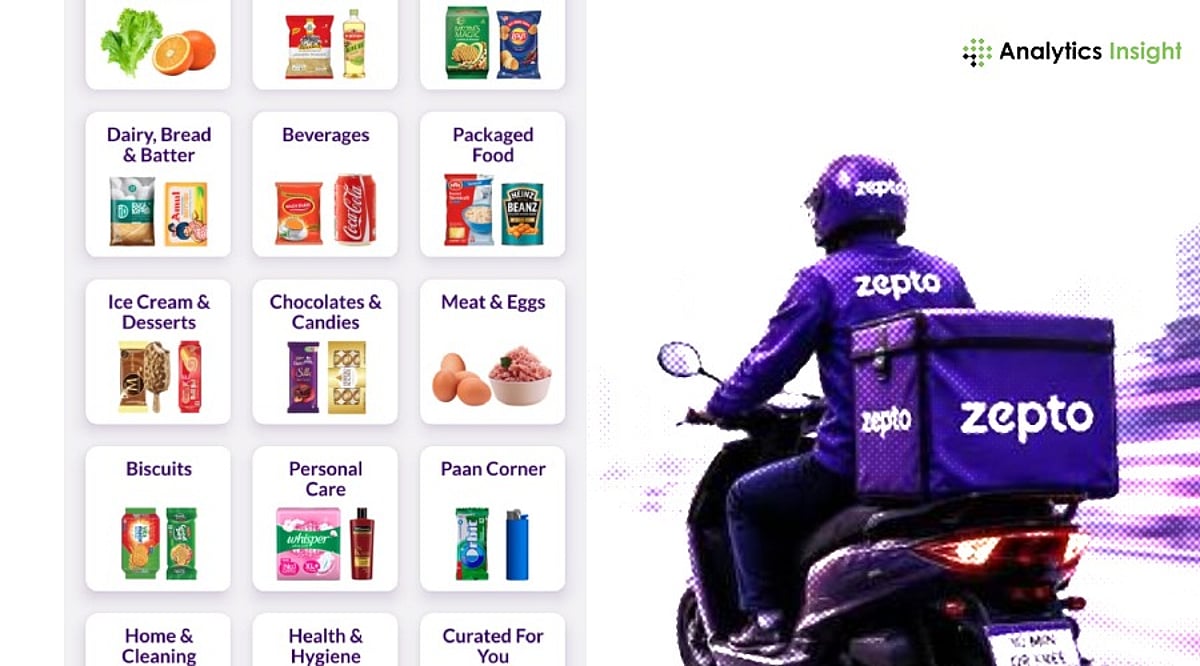
    In today’s fast-paced world, quick commerce has become a key part of everyday life. From Instamart to Zepto, several instant service providers are reshaping how consumers shop. India’s quick-commerce market continues to expand, and Zepto remains a leading platform driving this shift. Consumers now rely on instant delivery for everything from groceries to personal care essentials, creating new opportunities for sellers.

    Top Products on Zepto in 2026: Popular Categories

    Understanding consumer trends on Zepto can help D2C brands, grocers, retail stores, and entrepreneurs identify hot-selling product categories, plan inventories, and offer products that attract repeat purchases. Below are the best-selling product categories on Zepto in 2026.

    Fresh Fruits & Vegetables

    Fresh fruits and vegetables continue to be among the most popular products as consumers prefer having fresh produce delivered daily. Professionals, families, and seniors choose Zepto for the convenience of deliveries rather than going to the market themselves. Seasonal fruits, greens, and cooked vegetables show constant popularity, offering high inventory turnover.

    Dairy Products

    Milk, curd, butter, paneer, cheese, and yogurt are daily essentials purchased frequently. Since they require regular replenishment, dairy items generate many orders weekly. Students, working people, and families value fast deliveries, making dairy products among the most reliable and profitable quick-commerce items.

    Snacks & Namkeen

    Products such as chips, biscuits, namkeen, chocolates, cookies, and healthy snack packages continue to appeal to buyers. Evening snacking, work breaks, and weekend parties drive constant sales. Companies selling regional snacks and premium packaged food benefit from rising consumer interest, making snacks one of the most trending categories on Zepto.

    Instant Noodles & Ready-to-Eat Meals

    Busier lifestyles have increased consumption of instant noodles, pasta, frozen parathas, soup packets, and pre-cooked meals. Students, young adults, and singles often buy these items for easy cooking. With long shelf life and consistent demand, these products are top sellers on Zepto.

    Soft Drinks & Energy Drinks

    Carbonated beverages, fruit juices, packaged water, sports drinks, and energy drinks see consistent sales year-round, with seasonal spikes during summer, tournaments, and festivals. Buyers often include drinks with food orders, increasing basket value and helping sellers achieve healthy sales across many brands.

    Ice Cream & Frozen Food

    The popularity of ice creams, frozen treats, fries, nuggets, and frozen desserts has risen significantly. Instant delivery ensures products arrive in perfect condition. Working households prefer frozen foods for quick and convenient meal options.

    Personal Care & Hygiene Products

    Toothpaste, soaps, shampoos, deodorants, skincare products, sanitary pads, and grooming items enjoy high demand. Buyers often use Zepto to replenish stocks instead of visiting supermarkets, making this category among the most dependable best-sellers.

    Baby Care Essentials

    Parents frequently order diapers, wipes, baby food, lotions, and other infant care products, often urgently. Quick delivery is a major advantage in emergencies. With increasing reliance on quick commerce among young families, baby care generates steady sales and loyal customers.

    Cleaning & Household Supplies

    Household cleaning agents, detergents, dishwashing liquid, floor cleaners, garbage bags, tissues, and disinfectants always see demand. These items generate sales year-round. Bulk buying and reordering make this category lucrative for quick-commerce sellers.

    Pet Food & Pet Care Products

    The growing popularity of pets in India has boosted demand for pet food, treats, litter, grooming products, and other pet care items. Pet owners value the convenience of quick delivery when they unexpectedly run out of supplies.

    Best-Selling Products in Zepto: An Overview

    Quick commerce platforms have grown significantly. Consumer trends on Zepto are influenced by data, efficiency, and speed. From a retail analytics perspective, sellers need to use tools such as demand forecasting, real-time inventory management, SKU-level analytics, and consumer purchase history to identify the best products.

    Understanding buying patterns, repeat purchase cycles, and location-specific demand can improve assortment planning and pricing decisions. As quick commerce becomes increasingly data-driven, businesses that combine fast-moving products with analytics-led inventory management and personalized merchandising will be better positioned to improve conversions, retain customers, and scale profitably.

    FAQs

    1. What are the best-selling products on Zepto in 2026?

    Fresh fruits, vegetables, dairy products, snacks, ready-to-eat meals, beverages, frozen foods, personal care items, baby products, cleaning supplies, and pet care products consistently rank among Zepto’s best sellers.

    2. Why do grocery products perform well on Zepto?

    Grocery products are daily essentials with high purchase frequency. Customers value instant delivery for urgent needs, resulting in repeat orders, predictable demand, and strong inventory turnover throughout the year.

    3. Which product category offers the highest repeat purchases?

    Dairy products, fresh produce, personal care essentials, and household cleaning supplies generate the highest repeat purchases because consumers regularly replenish these items as part of everyday household shopping.

    4. How can sellers improve sales on Zepto?

    Sellers should maintain product availability, monitor demand trends, optimize inventory, use competitive pricing, and analyze customer purchasing patterns to improve visibility, conversions, and long-term sales performance on Zepto.

    5. Is Zepto suitable for D2C brands entering quick commerce?

    Yes. Zepto offers D2C brands access to urban consumers seeking instant delivery. Success depends on stocking fast-moving products, maintaining reliable supply, and leveraging data-driven demand forecasting and merchandising.


  • Step-by-Step Guide: Update Your Aadhaar Email ID Online Without Visiting a Centre

    Step-by-Step Guide: Update Your Aadhaar Email ID Online Without Visiting a Centre

    Updating your Aadhaar email ID has become significantly easier thanks to online services available through the myAadhaar portal. An email ID linked with your Aadhaar helps you receive important updates and access digital services more conveniently.

    1. Visit the myAadhaar portal and log in using your Aadhaar number and the OTP sent to your registered mobile number.
    2. Select the profile or update section to check whether an email ID is already linked with your Aadhaar.
    3. Enter the new email ID carefully and complete the verification process, if prompted.
    4. Review all details before submitting the request to avoid delays or incorrect updates.
    5. Keep your registered mobile number active since OTP authentication is required for online Aadhaar services.

    Important note: If your mobile number is not linked with Aadhaar, online email update services may not be available. A linked email ID makes it easier to receive Aadhaar-related alerts and access several digital government services.

    For the latest news, exclusives, and videos, join our WhatsApp Channel.

  • Top Sandwich Makers in India for Quick and Healthy Breakfasts (2026)

    Top Sandwich Makers in India for Quick and Healthy Breakfasts (2026)

    Start your mornings with crispy, delicious sandwiches in minutes. Here are the best sandwich makers to buy in 2026, carefully selected for their performance, durability, and ease of use.

    Philips HD2288

    Fast heating, non-stick plates, and compact design make it perfect for daily breakfast preparation.

    Prestige PGMFB

    Budget-friendly sandwich maker with durable plates and even heating for crispy sandwiches.

    Bajaj Majesty New SWX 4

    Powerful heating element and cool-touch body ensure safe and quick cooking.

    Havells Big Fill

    Extra-large grilling plates let you prepare thick sandwiches with ease.

    Morphy Richards SM3007

    Elegant design paired with non-stick coating for hassle-free cooking and cleaning.

    Pigeon by Stovekraft

    Affordable option featuring indicator lights and quick heating for busy mornings.

    Kent Sandwich Grill

    Versatile appliance suitable for grilling sandwiches with healthy oil-free cooking.

    Usha Grill Master

    Compact yet powerful, delivering evenly toasted sandwiches every time.

  • NVIDIA GeForce NOW Cloud Gaming Launches in India: Play Steam and Epic Games on Any Device

    NVIDIA GeForce NOW Cloud Gaming Launches in India: Play Steam and Epic Games on Any Device

    NVIDIA has officially launched GeForce NOW in India, bringing cloud gaming to millions of users who want to play high-end PC games without investing in expensive hardware. The service streams supported titles from popular platforms like Steam, Epic Games Store, Ubisoft Connect, and Xbox directly to a user’s device, processing the game on NVIDIA’s servers and delivering it over the internet.

    This launch allows players to access their existing game libraries without repurchasing titles. NVIDIA has confirmed that over 5,000 games, including many free-to-play options, will be supported at launch. The service eliminates the need for large downloads or updates, as games run on cloud servers, enabling users to start playing almost immediately on older laptops, tablets, or basic computers.

    GeForce NOW offers several subscription tiers in India. The Performance membership is priced at Rs. 999 per month, while the Ultimate membership costs Rs. 1,999 per month. For those who want to test the service before committing, day passes are available at Rs. 399 for the Performance tier and Rs. 799 for the Ultimate tier.

    The arrival of GeForce NOW could reshape how people shop for laptops. With cloud gaming, a thin, lightweight office laptop with a good internet connection may be sufficient for both work and gaming, reducing the need for costly gaming laptops. Tablets might also become more appealing to casual gamers who prefer a larger screen without carrying heavy equipment.

    Gaming cafés may need to adapt as cloud gaming gains traction. While fewer players may visit cafés solely for powerful computers, these venues can pivot toward esports events, tournaments, and social gaming experiences that cloud services cannot replicate. Cafés could become community hubs where gamers meet, compete, and enjoy fast internet connections.