Tag: India

  • Mozilla Report Reveals Microsoft’s Unequal Browser Rules: India and US Face Deceptive Practices While EU Benefits from Regulation

    Mozilla Report Reveals Microsoft’s Unequal Browser Rules: India and US Face Deceptive Practices While EU Benefits from Regulation

    Two years after Mozilla first commissioned experts to examine Microsoft’s browser behavior, a new report titled Over The Edge 2.0 finds that the tech giant continues to steer users toward its Edge browser through deceptive design patterns—except in regions where strict regulation forces fairer treatment. The study, led by Dr. Harry Brignull and Cennydd Bowles, tested Windows 10 and Windows 11 in the USA, India, the UK, and Germany, and found a stark regulatory divide.

    Key Findings

    • Windows Search and Widgets still ignore users’ default browser preferences and open links in Edge.
    • Edge injects a banner directly into the Chrome download page on google.com, regardless of the user’s chosen browser.
    • Windows Backup fails to consistently preserve browser preferences when migrating from Windows 10 to Windows 11.
    • In the European Economic Area (EEA), the Digital Markets Act (DMA) has forced Microsoft to remove many harmful patterns, creating a relatively fairer user experience for browser choice. Outside the EEA—especially in India, Brazil, and the US—nearly every documented harmful pattern remains in force.

    Mozilla argues that the default browser experience should not depend on jurisdiction. “Microsoft has shown that it can respect user choice. When regulators are watching, they make some changes. We would ask them to do it globally, rather than relying on competition regulation to force their hand,” said Kush Amlani, Global Competition and Regulatory Lead at Mozilla.

    Why This Matters

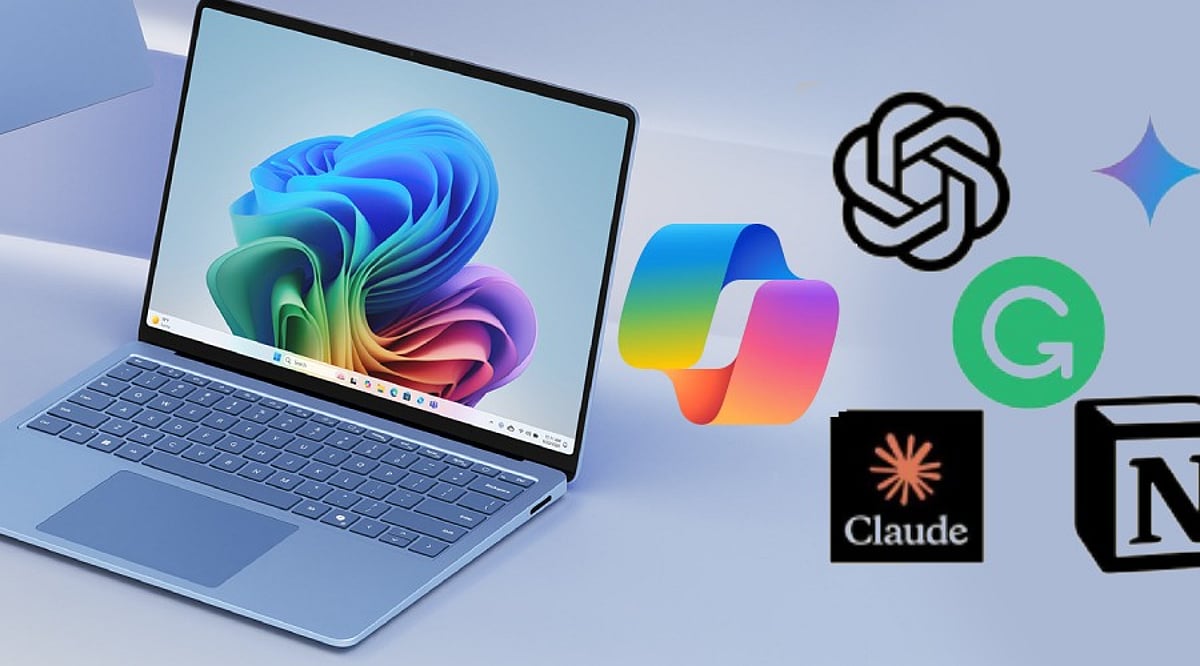
    Windows powers roughly 65% of desktop devices worldwide, affecting more than 1.4 billion users. In India, nearly 43% of Windows users were still on Windows 10 as of Q1 2026—the highest share among tested regions. Browser defaults are increasingly shaping how people access information and encounter emerging AI services. The report highlights that Copilot, Microsoft’s AI assistant, forces web links to open in a side panel rendered by Edge, regardless of the user’s default browser. If such AI-driven self-preferencing goes unchecked, the choices made today could shape the digital landscape for the next decade.

    Closing the Gap in India

    India is one of the world’s largest Windows markets and is developing its own approach to digital-market regulation, including potential ex ante obligations for large gatekeepers. The report’s findings are directly relevant to this conversation: regulatory pressure has already improved user choice in the EU, while the persistence of harmful designs elsewhere shows the need for stronger safeguards. Mozilla is calling on Microsoft to ship the fairer designs it already builds in the EEA to all regions worldwide.

  • Top 10 Cross-Border Payment Platforms in India for 2026: Key Players and Insights

    Top 10 Cross-Border Payment Platforms in India for 2026: Key Players and Insights

    Cross-border payment platforms now offer faster settlements and more transparent pricing than traditional banking channels. Indian exporters, freelancers, and SaaS businesses have more payment options than ever before. RBI approvals and growing competition continue to improve security, compliance, and customer experience.

    Sending and receiving money across countries has become much easier than it was a few years ago. Businesses no longer depend only on traditional banks that often charge high fees and take several days to complete a transaction. Today, many Indian companies, freelancers, exporters, software firms, and online sellers work with clients across the world. This change has created strong demand for payment platforms that offer quick transfers, fair exchange rates, and simple compliance. India’s cross-border payment market continues to grow as more businesses enter global markets and digital trade reaches new records. Several fintech companies now compete to offer faster settlements, lower costs, and a smoother payment experience.

    Wise Keeps International Transfers Simple

    Wise has earned its place as one of the most trusted names in international payments. The company became popular because it uses the real market exchange rate instead of adding a hidden markup. This approach helps businesses save money on every transaction. Wise also supports dozens of currencies and allows customers to receive money through local bank account details in several countries. Quick transfers, clear pricing, and an easy-to-use platform make Wise a preferred choice for startups, consultants, and businesses that deal with overseas clients on a regular basis.

    Payoneer Remains a Strong Choice for Exporters

    Payoneer continues to play an important role in India’s export economy. Thousands of freelancers, agencies, software companies, and marketplace sellers depend on the platform to receive international payments. It works with global platforms such as Amazon, Fiverr, Upwork, and Walmart, which makes payment collection much easier for online businesses. The company recently strengthened its position after it received in-principle approval from the Reserve Bank of India to operate as a Cross-Border Payment Aggregator. This development allows Payoneer to expand its services further in the Indian market.

    Skydo Focuses on Lower Costs

    Skydo has quickly become one of the fastest-growing Indian fintech companies in this space. Instead of charging a percentage on every transaction, the company follows a flat-fee model and removes foreign exchange markups. This pricing structure attracts exporters and freelancers who receive payments frequently. Skydo also provides instant FIRA documents, which simplify regulatory requirements for businesses. The company now serves more than 25,000 Indian businesses and processes payment volumes of nearly $500 million every year. Its recent licence in GIFT City has added another milestone to its expansion journey.

    Razorpay Expands Beyond Domestic Payments

    Razorpay built its reputation through online payment solutions in India, but the company has also developed a strong international payment business. Today, exporters and service companies use Razorpay to collect payments from customers across different countries without switching between multiple platforms. Foreign currency collection, virtual accounts, and payment gateway services have become key parts of its offering. The company also attracted attention after confidentially filing for a public listing, following an earlier valuation of about $7.5 billion.

    Xflow Builds for Modern Export Businesses

    Xflow entered the market with a clear goal of making international payments easier for Indian businesses. The platform supports exporters, agencies, software companies, and startups that receive payments from overseas clients. Local collection accounts in different countries allow customers to pay through domestic bank transfers instead of expensive international wire transfers. Automated compliance and quick settlements reduce paperwork and save valuable time. After securing RBI approval, Xflow also announced plans to expand its international network.

    BriskPe Offers a Fresh Alternative

    BriskPe has become a popular option for small and medium-sized businesses that need simple international payment solutions. The platform combines payment collection, foreign exchange support, and compliance services under one system. Businesses appreciate its transparent pricing because unexpected charges often create problems in cross-border transactions. As India’s export sector grows, BriskPe continues to attract companies that want affordable and reliable payment services without unnecessary complexity.

    PayPal Continues to Benefit from Global Trust

    Despite facing numerous new players in the payment market, PayPal is still one of the most respected payment services worldwide. Most international consumers already possess a PayPal account, which simplifies the collection of payments for Indian firms. Its services are accessible in many countries and currencies. Although PayPal may charge higher fees than some recent fintech competitors, it continues to be chosen by numerous companies, owing to its worldwide acceptance and long credit history.

    Airwallex Helps Businesses Grow Internationally

    Airwallex has built a strong presence among companies that operate in several countries. Multi-currency accounts, international payment collection, business cards, and global expense management make the platform suitable for larger businesses with international operations. Support for more than 60 currencies gives businesses greater flexibility while dealing with customers and suppliers across different markets. Strong technology and developer-friendly tools have also made Airwallex a preferred choice for fast-growing companies.

    Nium Strengthens Global Payment Infrastructure

    Nium focuses on payment infrastructure rather than simple money transfers. Banks, financial institutions, and businesses use its technology to move money across international markets quickly and securely. The company offers API-based payment services, treasury solutions, and real-time transfers through an extensive global network. Strong banking partnerships allow Nium to support businesses that handle large international payment volumes every day.

    PayGlocal Simplifies International Collections

    PayGlocal has carved out a strong position by helping Indian merchants accept payments from customers worldwide. The platform supports multiple currencies, international card payments, and several local payment methods. Easy integration with online stores and strong compliance support reduce technical challenges for businesses. Companies that sell products or digital services to overseas customers often choose PayGlocal because it offers a smooth payment experience without complicated setup.

    The Market Will Become More Competitive

    India’s cross-border payment industry has changed rapidly over the last few years, and the pace shows no sign of slowing down. Higher exports, global freelancing, software services, online commerce, and digital businesses continue to create fresh demand for international payment solutions. At the same time, RBI regulations have pushed companies to improve compliance and customer protection. Competition among payment providers has also reduced costs while improving speed and transparency. As more Indian businesses enter global markets, cross-border payment companies will remain an important part of the country’s digital economy in 2026 and beyond.

    FAQs

    1. What is a cross-border payment company? A cross-border payment company helps businesses and individuals send or receive money between different countries quickly and securely.
    2. Which industries benefit the most from these platforms? Exporters, freelancers, SaaS companies, e-commerce sellers, agencies, and startups benefit the most from cross-border payment services.
    3. Why are fintech payment platforms becoming more popular than banks? Many fintech platforms offer faster transfers, lower fees, better exchange rates, and simpler digital processes.
    4. Which company is best for freelancers in India? Popular choices include Payoneer, Wise, and Skydo because they offer simple payment collection and competitive pricing.
    5. What should businesses compare before choosing a payment platform? Transaction fees, exchange rates, settlement speed, supported currencies, compliance features, customer support, and global coverage are the most important factors.
  • Top Voltage Stabilizers for Washing Machines in India 2026: Expert Picks & Buying Guide

    Top Voltage Stabilizers for Washing Machines in India 2026: Expert Picks & Buying Guide

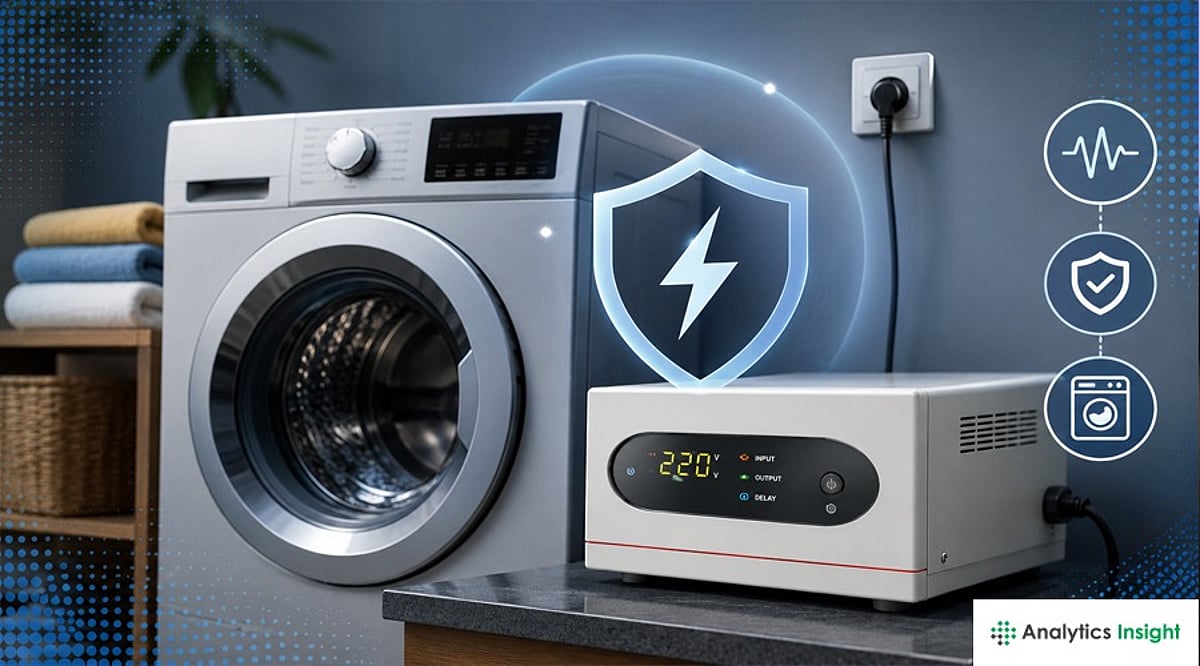
    Choosing a washing machine stabilizer involves more than comparing prices or brand names. The right unit should match the appliance’s power requirements and handle local voltage variations effectively. A balanced combination of capacity, working range, and protection features delivers dependable performance over time.

    Washing machines with digital control boards and inverter motors are increasingly damaged by unstable voltage in Indian homes, often gradually rather than in one dramatic surge, making a stabilizer a practical protective purchase rather than a luxury add-on. The right stabilizer isn’t about brand recognition. It comes down to three factors: whether the working voltage range actually covers local fluctuation severity, whether the capacity (kVA/amperage) matches the machine’s real load, and whether it uses relay or digital correction and copper or aluminum winding.

    Ten specific models across price points (roughly Rs. 1,600–5,000) are compared on these factors, from budget aluminum-wound units for stable-grid homes to wide-range digital models built for rural or older-grid areas with deep voltage drops.

    Do You Actually Need One?

    Not every home does. Stable 220–240V power with no dimming when appliances start up means a stabilizer sits low on the priority list. It matters more if the area sees frequent brownouts or if the machine is a newer inverter model with a digital control board. Some manufacturer warranties exclude damage caused by unstable voltage, so checking the machine’s own warranty card is worth the five minutes.

    How to Choose

    • Mild Voltage Fluctuations: Go for a 200–240 V or 150–280 V stabilizer. Good options are the Everest EW-2KVA or V-Guard VM 500.
    • Moderate Voltage Fluctuations: Pick a 130–280 V model, like Bluebird or Servokon SKW 213C.
    • Severe Rural Voltage Fluctuations: Areas with big power swings need a wide-range stabilizer. The Servokon SKW 290C works well here, since it starts as low as 90 V.
    • Check the Appliance Wattage: Before you buy, look at the nameplate on your washing machine. It will tell you the exact wattage you need to match.
    • Choose Extra Capacity: Don’t buy a stabilizer that just matches the wattage. Get one rated 25–30% higher. Washing machines draw extra power when they start up, and this buffer keeps the stabilizer safe.

    Relay vs Digital, Copper vs Aluminum

    Relay stabilizers correct voltage in steps and cost less. A washing machine motor tolerates that fine, unlike a TV panel. Digital units correct faster and more precisely, which helps the most where dips are short and frequent. The price gap is usually small, so digital is the safer default. Copper-wound transformers also run cooler and last longer under sustained load than aluminum, at a modest premium. Aluminum is not a safety compromise, just a durability one, and it is the first place to check if a listing seems cheap for its stated range.

    Best Picks Comparison Table

    Model Operating Range Capacity Winding Type Approx. Price
    V-Guard VM 500 150V–280V 15A Copper Digital Rs. 2,500
    Microtek Pearl EM4160+ 160V–285V 2kVA Copper Digital Rs. 3,200
    Bluebird BW 213A 130V–280V 2kVA Aluminum Relay Rs. 2,000
    Bluebird BR 113C 130V–280V 1kVA Copper Relay Rs. 1,800
    Servokon SKW 213C 130V–270V 2kVA Copper Digital Rs. 2,800
    Servokon SKW 290C 90V–270V 2kVA Copper Digital Rs. 4,500
    Rahul V-444 C1 100V–280V 1kVA Copper Relay Rs. 1,600
    Everest EW-2KVA 200V–240V 2kVA Aluminum Relay Rs. 1,200
    Aulten AD019 160V–280V 5000VA Copper Digital Rs. 5,000
    Giomex GMX1KV-AL 150V–280V 1kVA Aluminum Relay Rs. 1,400

    Short on Time? The V-Guard VM 500 covers most homes, the Servokon SKW 290C is the better call for severe rural voltage swings, and the Giomex GMX1KV-AL is the pick when budget matters most.

    Detailed Reviews

    V-Guard VM 500

    The V-Guard VM 500 is a popular choice for washing machines, supporting loads up to 15A with a 150V–280V operating range. It includes a three-year warranty, time-delay protection, and digital monitoring, making it suitable for homes experiencing regular voltage fluctuations.

    Pros: Wide brand support and service network, 150–280V range covers most urban conditions, 3-year warranty
    Cons: Reviews are genuinely mixed, with some buyers reporting weak correction or a cracked casing over time

    Microtek Pearl EM4160+

    Designed primarily for air conditioners, the Microtek Pearl EM4160+ is also widely used with washing machines thanks to its 160V–285V working range. Its digital display and on-site service support make it a practical option for household appliance protection.

    Pros: Digital display, on-site service claim within 24–48 hours, wide 160–285V range
    Cons: Built as an AC stabilizer first, and some reviewers report weak correction, so buy from a seller with easy returns

    Bluebird BW 213A

    The Bluebird BW 213A is a 2kVA aluminum-wound stabilizer with a 130V–280V input range. It offers dependable voltage protection for washing machines while keeping costs affordable, making it a practical mid-range choice for everyday household use.

    Pros: Solid 130–280V range, 2kVA capacity, affordable mid-range price
    Cons: Aluminum winding runs warmer than copper under sustained load

    Bluebird BR 113C

    Featuring copper winding and a 1kVA capacity, the Bluebird BR 113C provides better heat dissipation than aluminum alternatives. Its 130V–280V operating range makes it well suited for washing machines in areas with moderate voltage fluctuations.

    Pros: Copper winding at a near-budget price, moderate-range coverage
    Cons: 1kVA capacity is on the lower side for a heavily loaded appliance

    Servokon SKW 213C

    The Servokon SKW 213C combines digital voltage correction with copper winding and a 2kVA capacity. Operating between 130V and 270V, it responds quickly to short voltage dips, helping protect modern washing machines from unstable power conditions.

    Pros: Digital correction plus copper winding, 2kVA capacity
    Cons: Less established brand recognition and service network than V-Guard or Microtek

    Servokon SKW 290C

    With an extra-wide 90V–270V operating range, the Servokon SKW 290C is ideal for regions experiencing severe voltage drops. Its digital circuitry and copper winding provide reliable protection for washing machines in rural and low-voltage areas.

    Pros: Widest working range on this list, digital plus copper build
    Cons: Priced above narrower-range models for the capacity most urban homes won’t use

    Rahul V-444 C1

    The Rahul V-444 C1 is a 1kVA copper-wound relay stabilizer featuring a 100V–280V working range. Its five-step voltage correction offers dependable protection for washing machines while remaining an affordable option for everyday household requirements.

    Pros: Copper winding, wide 100–280V range, affordable
    Cons: Step-based correction is coarser than fully digital models

    Everest EW-2KVA

    The Everest EW-2KVA is a basic relay stabilizer designed for homes with relatively stable electricity. Its 200V–240V operating range suits areas with only minor voltage fluctuations, offering reliable protection at an entry-level price.

    Pros: Lowest price point on this list, simple and reliable for mild swings
    Cons: Narrowest range here, so it cuts off during deeper voltage drops

    Aulten AD019

    The Aulten AD019 is a 5000VA digital stabilizer designed for households that want one unit to support multiple appliances. Its 160V–280V operating range and high capacity make it suitable for demanding home electrical setups.

    Pros: High 5000VA capacity covers washing machine plus microwave or treadmill on one unit
    Cons: Oversized and priced accordingly if only used for a washing machine alone

    Giomex GMX1KV-AL

    The Giomex GMX1KV-AL is a budget-friendly 1kVA aluminum-wound stabilizer operating between 150V and 280V. It delivers dependable voltage protection for washing machines and other small appliances while offering good value for cost-conscious buyers.

    Pros: Low price, decent 150–280V range for the cost
    Cons: Aluminum winding and 1kVA capacity make it better suited to a second machine than a primary appliance guard

    FAQs

    1. Does a washing machine need a voltage stabilizer? A voltage stabilizer is recommended in areas where power fluctuations are common. It helps protect the washing machine’s electronic components and motor from sudden voltage spikes and drops.
    2. Which capacity stabilizer is suitable for a washing machine? Most household washing machines work well with a 1kVA to 2kVA stabilizer. Always check the appliance’s power rating and the manufacturer’s recommendations before choosing one.
    3. Can one stabilizer be used for multiple appliances? Some high-capacity stabilizers are designed to support multiple appliances, but a washing machine performs best with a stabilizer that matches its specific power requirements and load.
    4. What features should be considered when buying a washing machine stabilizer? Look for a wide input voltage range, adequate capacity, overload protection, auto cut-off, time-delay function, and reliable build quality. These features provide better protection during unstable power conditions.
    5. Which is better for a washing machine: a relay stabilizer or a digital stabilizer? Relay stabilizers are affordable and suitable for normal household use. In contrast, digital stabilizers offer faster voltage correction and more precise protection, making them a better choice in areas with frequent voltage fluctuations.

    Final Thoughts

    Choosing a stabilizer is less about buying another appliance and more about protecting the one already in the laundry room. Most failures blamed on the washing machine actually start at the wall socket, in swings small enough to go unnoticed for months. Matching the stabilizer to actual local voltage conditions, rather than defaulting to the most popular listing online, is what decides whether that protection pays off years down the line.

  • Biocon Stock Surges 7% as Mylan Exits via Rs. 3,676 Crore Block Deal, Removing Supply Overhang

    Biocon Stock Surges 7% as Mylan Exits via Rs. 3,676 Crore Block Deal, Removing Supply Overhang

    Biocon Ltd shares jumped sharply on Tuesday following a huge block deal worth Rs. 3,676 crore, triggering strong buying in the biotechnology stock. Nearly 9.19 crore shares changed hands, representing a 5.64% stake at around Rs. 400 per share, marking Mylan’s complete exit from Biocon.

    The stock opened higher at Rs. 427.35, up around 4% from the previous close and later surged as high as 5.61% to Rs. 434 apiece. At about 11:50 am, Biocon shares were trading at Rs. 441, up 7.43%, even as the Nifty 50 slipped 0.45%.

    Mylan’s Biocon Exit a Success

    As of June 2026, Mylan held a 5.64% stake in Biocon. The stake was acquired after Biocon completed the transaction involving Biocon Biologics and Mylan, which included both cash consideration and a share swap. Mylan had planned to sell its entire stake in Biocon through a block deal. The reported floor price was Rs. 378.5, an 8% discount from Monday’s close.

    Why Did Biocon Shares Rise?

    Investors seemed to have seen the stake sale as liquidating a notable supply overhang. Volatile events like a big sell-off from large shareholders can pressure stocks as investors anticipate additional selling. However, after a successful block deal, there was a turnaround in sentiment.

    Biocon was one of the biggest winners on the BSE MidCap index. It has risen 14.22% in the last 12 months and 9.93% year-to-date. Total traded volume so far in the day stood at 3.69 times its 30-day average.

    Analyst View

    Bloomberg data shows that there are 19 analysts covering Biocon, of which 10 have given a ‘buy’ rating while 6 have given a ‘sell’ rating and three have given a ‘hold’ rating. The average 12-month consensus target price of Rs. 429.06 implies a limited upside of 4.48%. The RSI is at 50.86, indicating neutral momentum.

  • India’s Online Gaming Firms Make Last-Ditch Supreme Court Challenge Against 28% GST on Player Entry Fees

    India’s Online Gaming Firms Make Last-Ditch Supreme Court Challenge Against 28% GST on Player Entry Fees

    India’s online real-money gaming industry is back in the Supreme Court, with major companies filing review petitions to challenge the government’s decision to levy a 28% Goods and Services Tax (GST) on the full entry fee paid by players. This legal battle could determine the future of the country’s gaming sector.

    According to reports, Play Games24x7 and Junglee Games have already filed review petitions, and several other online gaming companies are expected to follow suit. The tax demands in question exceed Rs. 1.5 lakh crore, making this one of the most significant tax disputes in the industry’s history.

    Why Gaming Companies Are Fighting the Tax

    Gaming companies argue that the GST rules were not clear when the tax was initially applied, making it unfair to impose retrospective tax demands. They contend that GST should be charged only on the platform fee they earn from each contest, not on the total amount players pay to join games. The government, however, maintains that the full entry fee constitutes a taxable supply.

    Potential Impact on the Industry

    The Supreme Court’s decision will have far-reaching consequences. If the companies win, they could avoid paying massive tax dues, preserving the current business model. If the government prevails, many gaming platforms may have to restructure their operations or face financial strain.

    How India Compares to Other Countries

    India’s tax regime for online gaming is considered one of the harshest globally. In the UK, gaming companies pay tax only on the money they retain after payouts, not on total player deposits. Singapore takes a similar approach for licensed operators. In the US, taxation varies by state but is generally based on gaming income rather than entry fees. The Philippines taxes licensed operators on profits, while Brazil is building its online betting market with a comparable framework. India’s 28% GST on the entire contest entry amount stands out as particularly stringent.

    The outcome of this case is being closely watched by investors, operators, and policymakers alike, as it will set a precedent for how online real-money gaming is taxed in one of the world’s largest markets.

  • PS5 Slim Price Hike in India: Both Digital and Disc Editions Could Cost Rs. 5,000 More

    PS5 Slim Price Hike in India: Both Digital and Disc Editions Could Cost Rs. 5,000 More

    If you are planning to buy a PS5 Slim in India, you may want to act quickly. According to a recent report, Sony is expected to increase the price of both the Digital and Disc editions of the PS5 Slim in the country. While Sony has not officially confirmed the change, retailers have reportedly been informed about the revised pricing.

    The rumored hike would see the PS5 Slim Digital Edition jump from Rs. 44,990 to Rs. 49,990, and the Disc Edition rise from Rs. 54,990 to Rs. 59,990. That means buyers would need to spend an extra Rs. 5,000 regardless of which version they choose.

    Sony has raised PlayStation prices in several other markets before, so this move would not come as a complete surprise. The company has not disclosed the reason for the potential increase in India, but several factors could be at play.

    One likely cause is currency exchange rate fluctuations, which can make imported consoles more expensive. Import duties and rising shipping costs also add to the overall expense. Inflation is another factor—manufacturing and logistics costs for electronics have climbed steadily in recent years, often prompting companies to adjust prices.

    Additionally, Sony’s broader business strategy may be influencing the decision. The PS5 continues to sell well even years after its launch, and strong demand gives the company room to raise prices without significantly hurting sales. With no new PlayStation model expected in the near future, Sony may be aiming to maintain steady profits while demand remains robust.

    For Indian gamers, this rumored price increase could make an already costly console even more expensive. Stay tuned for official confirmation from Sony.

  • Indian Stock Market Update: Nifty 50 Holds Above 24,000, Sensex Targets 77,800 as Global Volatility Persists

    Indian Stock Market Update: Nifty 50 Holds Above 24,000, Sensex Targets 77,800 as Global Volatility Persists

    The Indian stock markets are expected to open lower amid weak global cues, as the ongoing US-Iran conflict continues to weigh on risk sentiment. GIFT Nifty also indicates a gap-down start, trading at 24,056 with a discount of 187 points from its previous Nifty futures close.

    On Monday, the Sensex gained 47.01 points or 0.06% to settle at 77,616.40, while the Nifty 50 rose 4.10 points or 0.02% to finish at 24,211. The broader markets, Nifty Midcap 100 and Nifty Smallcap 100, ended on a flat note. The Indian rupee opened 32 paise lower at Rs. 95.94 per dollar on Tuesday against Monday’s close of Rs. 95.62.

    Sensex Outlook

    Technically, the Sensex formed a bullish candle on the daily chart and recovered its morning losses.

    “The 77,000 would act as a key support zone for short-term traders. As long as the market trades above this level, the uptrend wave is likely to continue. On the higher side, 77,800 would act as an immediate resistance for day traders. If the market successfully breaks that level, the rally could continue till 78,000-78,500. On the flip side, below 77,000, the uptrend would become vulnerable. Below this level, traders may prefer to exit their long positions,” said Shrikant Chouhan, Head of Equity Research at Kotak Securities.

    Nifty 50 Outlook

    Nifty 50 formed a small bullish candle on the daily chart, reflecting continued buying interest at lower levels.

    With weekly expiry today, traders should be prepared for heightened volatility and sharp intraday swings as derivatives positions are adjusted throughout the session. Right now, 24,000 is the ultimate floor. Slipping below this point will likely trigger a deeper slide and ruin the near-term chart setup. On the flip side, any bounce faces a heavy ceiling in the 24,200 to 24,300 zone. Because global headlines are running the show, upcoming expiry-day hedging could easily whip up extra wild price swings. Traders should avoid aggressive positions at the open and focus on disciplined, level-based execution. Expect volatility to remain elevated throughout the day, especially around key support and resistance levels.

    Bank Nifty Outlook

    On Monday, Bank Nifty rose 5.55 points or 0.15% to close at 58,131.45, forming a bullish candle on the daily chart, indicating buying interest at lower levels.

    It has been consolidating within the 56,500-58,500 range over the last four weeks, indicating a healthy pause after the previous up move. On the upside, 58,700 remains the immediate hurdle, said Bajaj Broking Research. “Failure to move above 58,700 will signal extension of last 4 weeks consolidation. On the downside, 57,400-57,500 is expected to act as the immediate support, coinciding with Thursday’s gap-up zone and Monday’s low. The major support is placed at 56,500, where the 20-week and 50-week EMAs converge along with the previous week’s low, making it a strong demand zone,” the brokerage added.

    Disclaimer: Analytics Insight does not provide financial advice or guidance on cryptocurrencies and stocks. This article is provided for informational purposes and does not constitute investment advice. You are responsible for conducting your own research (DYOR) before making any investments.

  • Soult and Trescon Join Forces to Offer Digital Legacy Planning as a Corporate Employee Benefit

    Soult and Trescon Join Forces to Offer Digital Legacy Planning as a Corporate Employee Benefit

    BENGALURU, India — Soult, India’s secure digital life vault for families, has announced a corporate partnership with global business event organizer Trescon. The partnership will extend Soult’s Legacy plan to Trescon employees across its India offices as a company-sponsored benefit, ahead of Soult’s public launch of Soult Dialogues in Bengaluru on August 6.

    Through the partnership, Trescon employees can securely organize financial assets, important documents, passwords, emergency instructions, and personal memories in one encrypted platform. They can also designate trusted contacts who can be granted access when needed most.

    “This partnership reflects a growing recognition that family preparedness is an essential part of employee wellbeing, rather than a personal responsibility employees must manage alone,” said Sanketh Kandlikar, Founder & CTO of Soult. “By making Soult available to Trescon’s workforce, we are helping families organize what matters most through a secure and trusted platform. We believe this is the beginning of a broader shift towards making digital legacy planning a standard workplace benefit.”

    Naveen Bharadwaj, CEO of Trescon, added: “Every organization talks about employee wellbeing, but very few extend that conversation to what happens to an employee’s family in an emergency. It’s an uncomfortable topic, which is exactly why it gets ignored. We wanted to change that for our people. Soult gave us a secure, credible way to do it, and rolling it out across our India offices felt like the right place to start, with our global offices next once the platform is available there.”

    The partnership marks an important milestone in Soult’s growth strategy, expanding its reach from individual consumers into the enterprise segment. As organizations continue investing in employee wellbeing, digital legacy planning is emerging as a valuable addition alongside health insurance, financial wellness programs, and mental health support.

    To celebrate the partnership and the upcoming public launch, Soult will host an exclusive networking evening in Bengaluru on August 6, bringing together over 50 influential business leaders, founders, CEOs, CHROs, HR leaders, wealth management professionals, family office advisors, legal experts, and industry leaders to explore the growing importance of digital legacy planning and family preparedness in India.

    About Soult

    Soult is India’s secure digital life vault, designed to help families organize, protect, and securely pass on their most important information. The platform enables users to store financial assets, legal documents, personal identification, passwords, emergency instructions, and cherished memories in one encrypted location. Through its trusted executor framework, designated family members can securely access essential information when needed. Soult uses AES 256 encryption, hosts data on AWS infrastructure in India, and is certified to ISO 27001 and ISO 9001 standards. The app is available on iOS and Android. For more information, visit soultdigital.com.

  • India Considers Unified Messaging Rules After WhatsApp and Telegram Username Review

    India Considers Unified Messaging Rules After WhatsApp and Telegram Username Review

    The Indian government is reviewing responses from WhatsApp and Telegram regarding their username features, as the Ministry of Electronics and Information Technology (MeitY) considers implementing common regulations for all messaging platforms. The initiative aims to strengthen cybersecurity and curb online scams nationwide.

    MeitY sent notices to WhatsApp, Telegram, and Signal after raising concerns that username-based messaging could enable fraudsters to conceal their identities. Officials worry that without proper safeguards, this feature might facilitate phishing attacks, identity theft, impersonation, and digital arrest scams.

    Government Reviews Messaging Safety

    Electronics and Information Technology Secretary S Krishnan confirmed that WhatsApp submitted its reply over the weekend, and the ministry is now analyzing it carefully. Officials will determine next steps only after completing the review. The government has also requested other messaging platforms to detail the safety measures integrated into their username systems.

    Government officials stated that the primary objective is to establish a single set of rules for all messaging platforms. A uniform policy would prevent disparate treatment of similar features and create clear standards for companies operating in India. Officials believe consistent rules will enhance online safety while supporting technological innovation.

    WhatsApp recently introduced usernames as an optional privacy feature in select countries, allowing users to connect without sharing phone numbers during new conversations. The company emphasized that phone numbers remain necessary for account creation and usage, with usernames serving as an additional layer of personal information protection.

    Telegram has offered username-based messaging for several years, while WhatsApp has not yet launched this feature in India. Government officials have asked both companies to explain how they prevent fake accounts, deter misuse, and protect users from fraud before permitting broader adoption of the feature.

    Why Common Rules are Needed

    India could soon establish a unified safety standard for username-based messaging across all platforms. This move may improve online privacy while reducing fraud and making digital communication more secure.

    The discussion aligns with the government’s broader focus on strengthening cybersecurity nationwide. Krishnan noted that while digital technology has created numerous opportunities, it has also increased security risks. Artificial intelligence can drive innovation, but criminals also exploit the technology to launch more sophisticated cyberattacks.

    Government agencies are now working to improve India’s cyber defenses through enhanced coordination. Organizations such as CERT-In, the National Cyber Coordination Centre, and the Ministry of Home Affairs currently manage various cybersecurity responsibilities. Officials believe better information sharing between government agencies and private companies will help improve India’s response to cyber threats.

    Focus on Stronger Cybersecurity

    Experts also believe clear rules will help businesses protect their official usernames and reduce the risk of fake profiles. Consumers could benefit from stronger identity verification and safer communication across different messaging platforms.

    The Centre will announce its decision after reviewing all responses submitted by the messaging companies. Any new policy is expected to balance user privacy, online safety, and technological innovation while applying the same standards to every messaging platform.

  • Top 5 boAt Smartwatches Under ₹2,000 in India (2026 Buyer’s Guide)

    Top 5 boAt Smartwatches Under ₹2,000 in India (2026 Buyer’s Guide)

    Buying a smartwatch on a budget no longer means settling for basic features. boAt’s affordable lineup includes models with Bluetooth calling, fitness tracking, and modern designs. Discover the best boAt watches under ₹2,000 available in India in 2026.

    Overview:

    • Five boAt models verified for live pricing and availability under ₹2,000 as of July 2026, each ranked for a distinct strength rather than a repeated feature set.
    • A side-by-side comparison table covers display, battery, calling, and IP rating so buyers can shortlist without reading every section.
    • Prices on Amazon and Flipkart shift often in this segment, so the guide flags where figures moved recently and recommends checking the live listing before buying.

    The budget smartwatch market in India has never been more competitive. boAt has responded by spreading its sub-₹2,000 lineup across five distinct strengths rather than chasing one flagship formula. This guide compares them on verified pricing, features, and real-world value, so you can match the watch to what matters most to you in July 2026. Prices verified across Amazon India and Flipkart listings in July 2026. Figures shift during sale events and vary by color and seller, so check the live listing before purchase.

    boAt Wave Astra 3: Best Overall Balance

    Wave Astra 3 earns the overall pick without forcing a trade-off. Its 1.83-inch HD display runs at 240×296 pixels, sharp enough for daily notifications, while the claimed 7-day battery outlasts most watches in this price band. Turn-by-turn navigation stands out: the watch shows directional arrows on the wrist during a ride, a feature usually reserved for pricier models. Over 700 sports modes and IP67 resistance complete a watch built for commuting, workouts, and calls in one device. Buy now

    boAt Wave Sigma 3: Best for a Bigger Display

    If screen real estate is the priority, the Wave Sigma 3’s 2.01-inch display is the largest here, and it’s also the most affordable of the five. The watch adds an emergency SOS button that alerts a preset contact and a built-in QR code tray for quick payments, both beyond the usual step-counting basics. Battery life is rated up to 7 days, with Bluetooth calling included. The trade-off is a bulkier presence on the wrist for buyers who prefer a compact watch. Buy now

    boAt Storm Call 3: Best for Calling on a Budget

    Storm Call 3 is the cheapest watch here and still includes GPS and Bluetooth calling, a combination rarely available below ₹1,300. Its 1.83-inch HD display and up to 5-day battery are more modest than the Astra 3 or Sigma 3, and user reviews note faster battery drain when calling is switched on. For buyers who want calling specifically and don’t need the longest runtime, this is the most direct route to it without paying for navigation or a bigger screen. Buy now

    boAt Lunar Discovery: Best for Navigation

    Lunar Discovery is built around one feature: MapMyIndia turn-by-turn navigation on a 1.39-inch HD TFT display. Riders get left-and-right directional cues without pulling out a phone, and the watch stores up to 20 contacts for quick Bluetooth calling from the built-in dialpad. The display resolution, at 240×240 pixels, is the lowest in this group, better suited to wayfinding than visual sharpness. Buy now

    boAt Lunar Orb: Best for Style

    Lunar Orb breaks from the rectangular dial that dominates this list with a 1.45-inch round AMOLED display, a shape that reads closer to a traditional watch. Always-on display, live cricket and football score updates, and a DIY watch face studio give it the most personalization of the five. Battery life is rated up to 7 days with typical use, though an always-on display cuts that down. This is the pick for a smartwatch that doesn’t look like one. Buy now

    Which Model Should You Buy?

    • Want one watch that does everything reasonably well: Wave Astra 3
    • Want the biggest screen for the least money: Wave Sigma 3
    • Want to call on the tightest budget: Storm Call 3
    • Ride often and need on-wrist directions: Lunar Discovery
    • Care most about how the watch looks: Lunar Orb

    Final Thoughts

    None of these watches replaces a proper fitness tracker or a premium smartwatch, and that’s not the point at this price. Each solves one problem well: the Astra 3 balances everything, the Sigma 3 maximizes screen size, the Storm Call 3 minimizes cost, the Lunar Discovery prioritizes navigation, and the Lunar Orb leads in design. Match the watch to the feature that matters most, and verify the current price before checkout.

    FAQs

    1. Which is the best boAt watch under ₹2,000 in India in 2026? The best boAt watch under ₹2,000 depends on your needs. Some models prioritize Bluetooth calling, while others offer better battery life, larger displays, or more comprehensive fitness tracking.
    2. Are boAt smartwatches under ₹2,000 good for fitness tracking? Yes. Most boAt smartwatches in this price range include features such as heart rate monitoring, SpO₂ tracking, sleep analysis, step counting, and multiple sports modes for everyday fitness.
    3. Do boAt watches under ₹2,000 support Bluetooth calling? Many boAt smartwatches under ₹2,000 support Bluetooth calling, enabling users to make and receive calls directly from the watch when connected to a compatible smartphone.
    4. How long does the battery last on a boAt smartwatch under ₹2,000? Depending on the model and usage, most boAt smartwatches under ₹2,000 provide around 5 to 10 days of battery life on a single charge.
    5. What should I consider before buying a boAt smartwatch under ₹2,000? Look for display quality, battery life, Bluetooth calling, health tracking features, water resistance, build quality, and smartphone compatibility to choose the best boAt smartwatch for your requirements.