Tag: India

  • Swiggy Stock Surges 6% as Domestic Ownership Crosses 50% Mark

    Swiggy Stock Surges 6% as Domestic Ownership Crosses 50% Mark

    Swiggy’s share price jumped nearly 6% on Tuesday after the company disclosed that foreign investment had fallen below 50%, pushing domestic ownership above that critical threshold. The news boosted investor confidence and sent the stock to an intraday high of around ₹267 before closing at ₹264 on the BSE. Despite the rally, the stock remains well below its 52-week high of ₹473, and its 52-week low of ₹235.85, recorded in June 2026.

    Shareholding Structure Shift

    In a stock exchange filing dated July 7, 2026, Swiggy reported that total foreign investment—including foreign direct investment, foreign portfolio investment, and other indirect holdings—stood at 49.76% as of July 6. Consequently, domestic ownership rose to 50.24%. The update follows a failed attempt by the company to amend its Articles of Association, a move that required 75% shareholder approval but received only 72.36%. Despite that setback, Swiggy reiterated that achieving Indian Owned and Controlled Company (IOCC) status remains a key long-term objective.

    Why This Matters

    Domestic ownership exceeding 50% is a significant milestone for Swiggy. It brings the company closer to qualifying as an IOCC under Indian regulations, which could grant Instamart—Swiggy’s quick-commerce arm—greater flexibility to operate an inventory-based model. This shift may improve operational efficiency and support better profit margins over time. The company clarified that the latest disclosure does not alter its ownership structure, management, voting rights, share capital, or daily operations; it merely informs investors of the updated foreign investment level.

    Market Reaction and Outlook

    The market welcomed the development, though the stock still faces headwinds. Swiggy’s share price has gained about 5% over the past month but declined 27% in the last six months and remains roughly 20% lower year-over-year. Investors are now watching for further updates on the IOCC process, which requires additional legal and regulatory steps. The company’s long-term stock performance will ultimately depend on business growth, improved earnings, and stronger results from both its food-delivery and Instamart segments.
  • Cult.fit Files DRHP with SEBI for Rs 950 Crore Fresh Issue, Eyes IPO Launch

    Cult.fit Files DRHP with SEBI for Rs 950 Crore Fresh Issue, Eyes IPO Launch

    Fitness and wellness platform Cult.fit has taken a significant step toward going public by filing its draft red herring prospectus (DRHP) with the Securities and Exchange Board of India (SEBI). The company plans to raise Rs. 950 crore through a fresh issue of equity shares, marking one of the latest initial public offering (IPO) moves by a venture-backed consumer internet firm.

    The proposed public issue will also include an offer for sale (OFS) by several existing shareholders, allowing early investors to partially exit. According to market estimates, the total IPO size is expected to fall between Rs. 3,500 crore and Rs. 4,000 crore.

    Fresh Capital to Fuel Expansion

    According to the draft papers, the proceeds from the fresh issue will be used to strengthen the company’s growth plans, expand its business operations, and support general corporate purposes. The IPO comes as Cult.fit looks to deepen its presence in India’s rapidly expanding health, fitness, and wellness market.

    Founded as Cure.fit, the company has evolved into a multi-category fitness platform offering gym memberships, group classes, online workouts, sports facilities, and wellness services. Over the years, it has built a nationwide network of fitness centers while simultaneously pushing its digital side to reach a wider customer base.

    Part of Broader IPO Wave

    Cult.fit’s filing adds to the growing list of Indian startups moving toward public markets, especially as investor sentiment improves. Over the past year, several venture-backed tech-focused and consumer internet companies have either launched IPOs or filed draft papers, reflecting renewed confidence in India’s capital markets.

    For Cult.fit specifically, the entry into the public space is expected to attract investor attention as demand for organized fitness and preventive health services continues to climb in urban India. Analysts note that the fitness sector has shown steady momentum since the pandemic, driven by rising health awareness and accelerated digital adoption.

    The IPO’s final timeline will depend on regulatory clearances, market conditions, and the company’s decision on issue size and pricing. After SEBI clears the draft papers, Cult.fit is expected to announce the launch timeline and price band for the public offering.

  • India Inks $1.8 Million Lobbying Pact to Deepen Engagement with Trump Administration

    India Inks $1.8 Million Lobbying Pact to Deepen Engagement with Trump Administration

    India’s embassy has signed a 12-month, $1.8 million contract with Washington-based lobbying firm SHW Partners LLC to strengthen outreach to the Trump administration. The deal, disclosed in a June 17 filing with the US Department of Justice, aims to facilitate high-level meetings, media engagement, and strategic policy discussions.

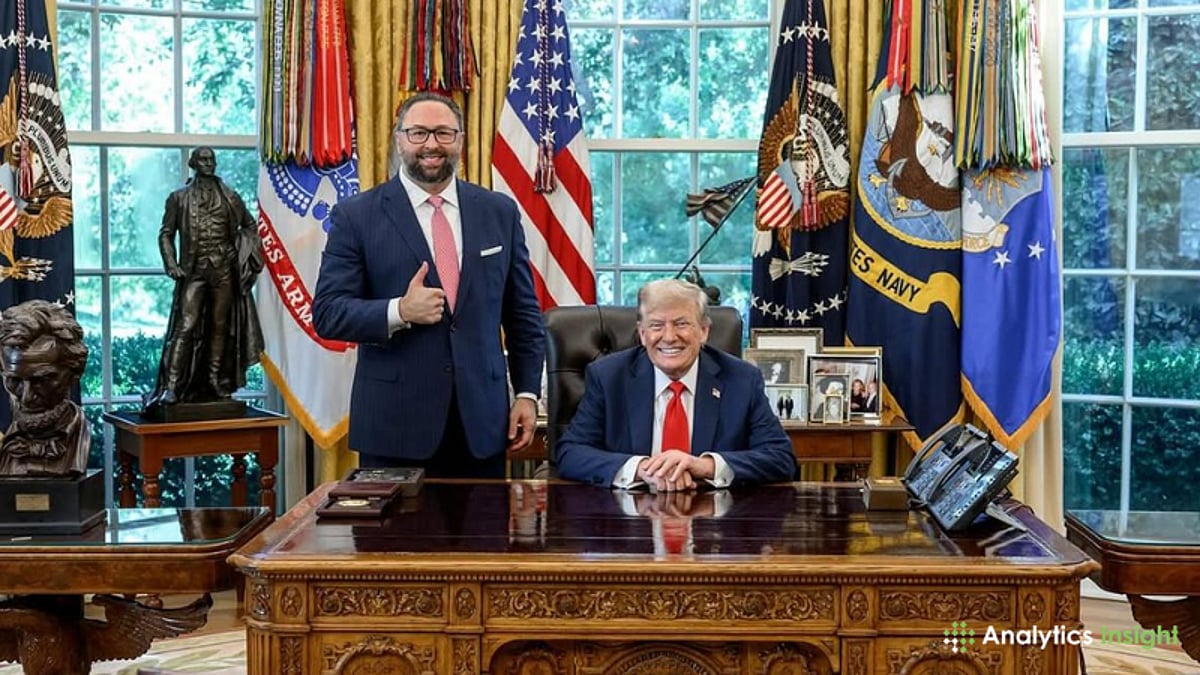
    According to the filing, SHW Partners provides “strategic counsel, tactical planning, and government relations assistance on policy matters before the US Government, US Congress, state governments, academic institutions, think tanks, and any other relevant stakeholders.” The firm, headed by President Donald Trump, specifically hired former spokesperson Jason Miller in April 2025 to lobby on India’s behalf.

    SHW Partners helped Indian officials connect with influential Trump administration figures following the April 2025 Pahalgam terror attack and May’s Operation Sindoor. Key contacts included White House Chief of Staff Susie Wiles, US Trade Representative Jamieson Greer, Under Secretary of War Elbridge Colby, and former National Security Council official Ricky Gill.

    The firm also arranged an interview for Ambassador Vinay Kwatra with Fox News anchor Brett Baier shortly after Operation Sindoor began. In June, SHW facilitated meetings between External Affairs Minister S. Jaishankar and senior US officials, including Vice President JD Vance, CIA Director John Ratcliffe, and Secretary of War Pete Hegseth.

    During July and August 2025, the lobbying firm further organized meetings with White House officials, the US Trade Representative, and Commerce Secretary Howard Lutnick to discuss ongoing US-India trade negotiations.

  • Meta Challenges $1.4 Trillion Penalty Demand in Youth Safety Lawsuit Over Facebook and Instagram

    Meta Challenges $1.4 Trillion Penalty Demand in Youth Safety Lawsuit Over Facebook and Instagram

    Meta has disclosed that four U.S. states are seeking approximately $1.4 trillion in penalties in a youth safety lawsuit targeting Facebook and Instagram. The company revealed the figure in a court filing on Monday, ahead of a trial scheduled for August in Oakland, California.

    The case involves California, Colorado, Kentucky, and New Jersey, which accuse Meta of designing its platforms to maximize engagement among young users and of misleading the public about safety measures. Meta has denied these allegations and questioned the penalty demand, calling it unprecedented.

    Meta Questions $1.4 Trillion Penalty Claim

    According to Meta, the proposed penalty figure emerged from filings by the attorneys general outlining how penalties should be calculated if the states prevail at trial. The company noted that the amount is close to its market value and argued that the states have not provided evidence to support such a sum.

    In its filing, Meta stated, “A sanction of that size has no analog in the history of consumer protection enforcement.” The company also asserted that the figure lacks a proper legal basis under the facts of the case.

    The states’ filings are sealed, but they explained part of their methodology at a June court hearing. They indicated that they calculated the number of alleged violations and multiplied that by fine amounts permitted under state consumer laws. The violations were based on estimates of teens and young users allegedly affected by Meta’s conduct. Representatives for the attorneys general did not immediately comment after Meta disclosed the figure.

    Facebook and Instagram Face Youth Safety Trial

    The August trial will take place before U.S. District Judge Yvonne Gonzalez Rogers. It will cover claims under the federal Children’s Online Privacy Protection Act (COPPA) as well as consumer protection claims from the four states.

    Twenty-nine states have sued Meta in federal court, with many alleging that the company collected data from children without proper parental consent. The four states also claim that Meta misled the public about whether Facebook and Instagram were safe for young users.

    Meta rejects this position. The company argues that the attorneys general have not shown that it misled users about platform addiction. It also contends that “social media addiction” is not an established psychiatric condition, so its statements about addiction cannot be false.

    Judge Rogers recently denied Meta’s request to cancel the trial, stating that factual disputes remain, including whether the platforms were addictive, whether Meta denied designing them that way, and whether the company partly directed the platforms at children.

    Meta Also Faces WhatsApp Scrutiny in India

    Separately, Meta is facing a regulatory issue in India over a new WhatsApp usernames feature. The feature would allow users to chat without sharing phone numbers. India’s Ministry of Electronics and Information Technology has asked Meta to pause the rollout and explain its safety controls.

    Officials have raised concerns that usernames could be used for spoofing or fraud, with scammers potentially copying names linked to real people, government offices, or trusted organizations. Meta has until July 9 to send a detailed response.

    WhatsApp has defended the feature, stating that usernames will be optional and that users will not be searchable only through a username. The company also says users will see safety information before replying to unknown accounts, including the sender’s country and whether the account is new.

    Also read: ChatGPT Lawsuit Claims OpenAI Secretly Shared Private User Chats with Meta and Google

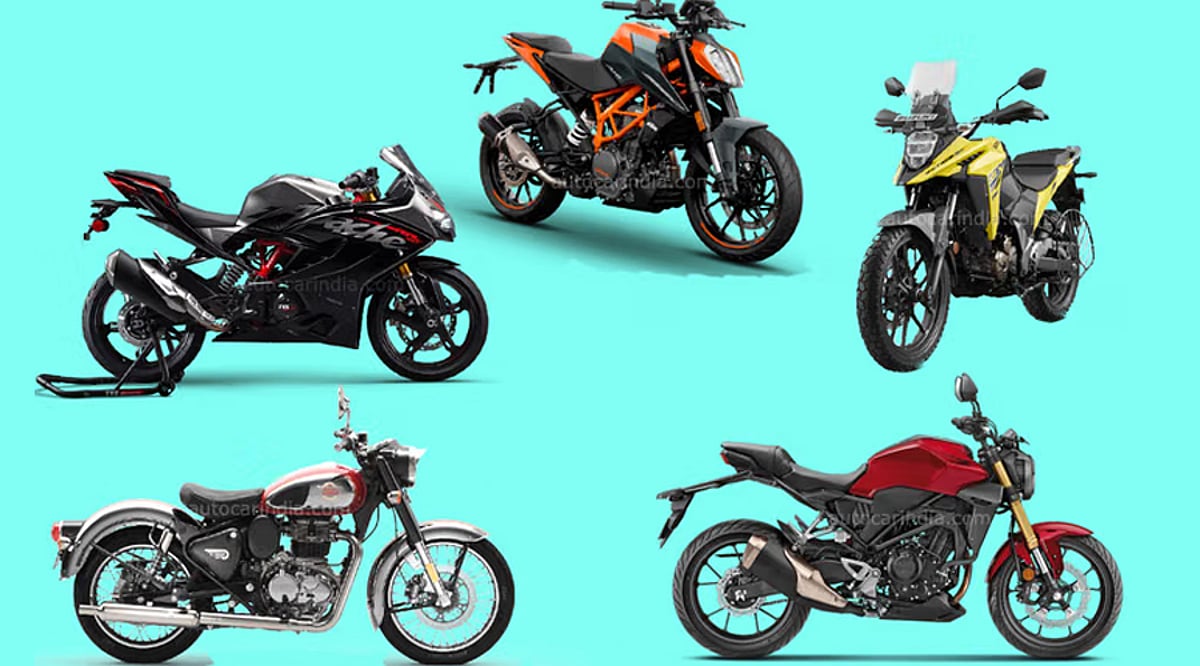
  • Top 5 High-Performance Motorcycles Under ₹3 Lakh in 2026

    Top 5 High-Performance Motorcycles Under ₹3 Lakh in 2026

    Yamaha R15 V4

    The Yamaha R15 V4 remains one of the most popular entry-level supersport motorcycles in India. Powered by a refined liquid-cooled engine with Variable Valve Actuation (VVA), it delivers smooth performance across the rev range. Features like traction control, assist and slipper clutch, dual-channel ABS, and a premium digital display make it an excellent choice for riders seeking track-inspired performance and everyday practicality.

    KTM RC 200

    The KTM RC 200 is built for riders who enjoy aggressive styling and sharp handling. Its lightweight chassis, powerful liquid-cooled engine, WP suspension, and dual-channel ABS provide excellent cornering confidence. Updated ergonomics improve comfort for daily rides while retaining its sporty DNA, making it a strong option for enthusiasts looking for an exciting riding experience under ₹3 lakh.

    TVS Apache RTR 310

    The TVS Apache RTR 310 stands out with advanced technology rarely seen in its segment. It offers multiple ride modes, traction control, cruise control, cornering ABS, wheelie control, and a vibrant TFT display with smartphone connectivity. Combined with its responsive engine and premium suspension setup, the bike delivers impressive performance for both city streets and open highways.

    Hero Mavrick 440

    The Hero Mavrick 440 combines muscular styling with relaxed ergonomics and a torque-rich engine. Designed for comfortable commuting as well as long-distance touring, it features LED lighting, a digital instrument console, premium suspension, and strong mid-range performance. Riders looking for a refined roadster with modern technology and highway capability will appreciate its balanced performance.

    Bajaj Pulsar NS400Z

    The Bajaj Pulsar NS400Z has quickly become one of the most exciting motorcycles in its price range. Featuring ride-by-wire throttle, multiple riding modes, traction control, switchable ABS, slipper clutch, and a powerful engine, it delivers thrilling acceleration and confident handling. Its combination of performance, features, and affordability makes it a standout value-for-money sports bike.

    What to Consider Before Buying

    Performance is important, but buyers should also evaluate maintenance costs, fuel efficiency, riding comfort, service network, spare parts availability, and insurance expenses. Features like ABS, traction control, quality tyres, suspension tuning, and comfortable ergonomics contribute significantly to the overall ownership experience, especially for riders who use their motorcycles every day.

    The Future of Affordable Performance Bikes

    The performance motorcycle segment under ₹3 lakh continues to evolve with better engines, improved safety features, connected technology, and premium riding aids. Manufacturers are offering motorcycles that deliver an engaging riding experience without a premium price tag. Choosing a bike that matches your riding style, budget, and long-term needs ensures the best value and ownership satisfaction.

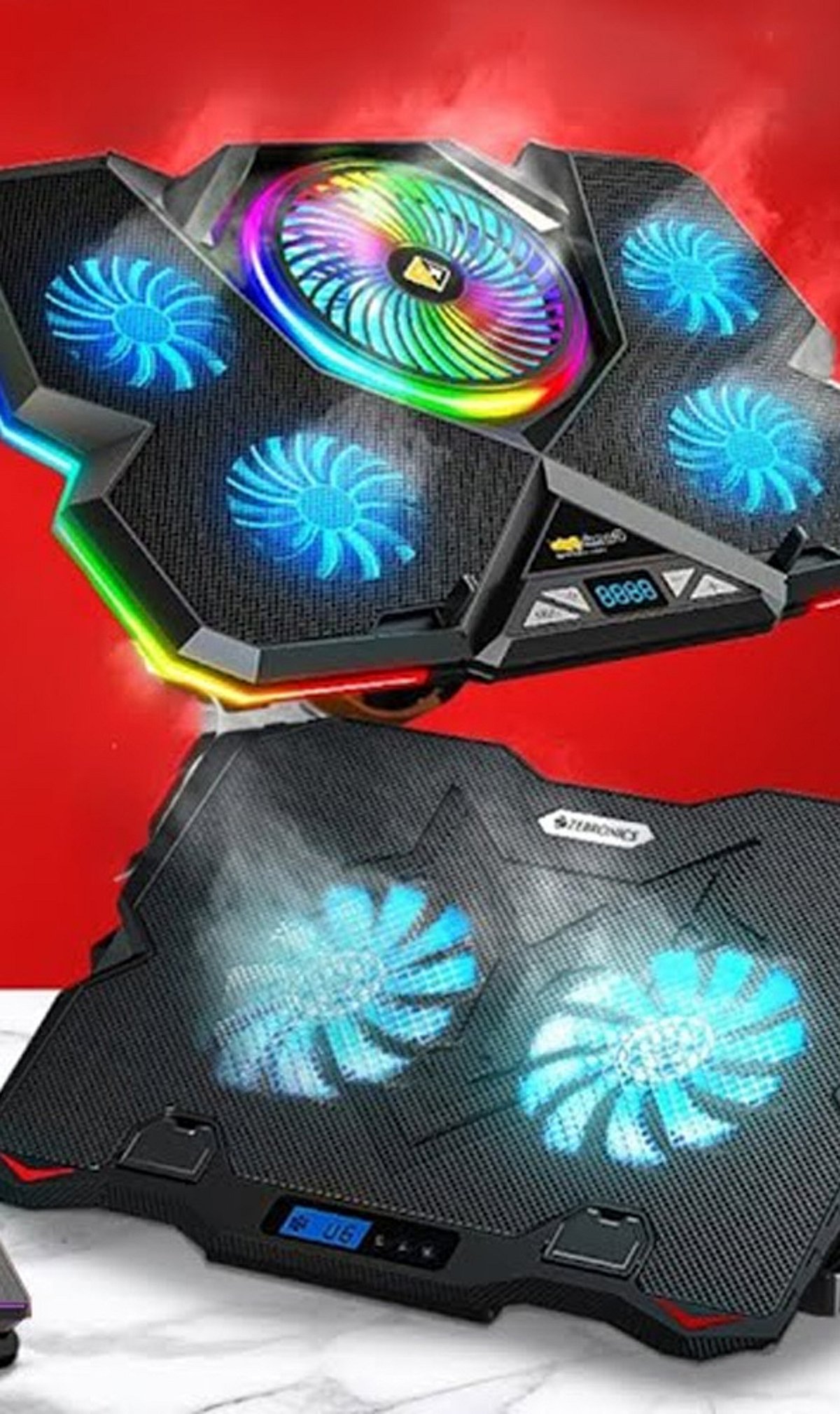
  • 9 Best Laptop Cooling Pads Under ₹3,000 in India (2026 Guide)

    9 Best Laptop Cooling Pads Under ₹3,000 in India (2026 Guide)

    Laptop overheating can slow down performance and shorten the lifespan of your device. A quality cooling pad is an affordable solution that improves airflow, reduces heat, and enhances both work and gaming sessions. If you’re looking for effective cooling without spending more than ₹3,000, here are the 9 best cooling pads available in India in 2026.

    1. Cosmic Byte Cyclone RGB

    This budget-friendly cooling pad features powerful fans, eye-catching RGB lighting, and an adjustable height design for comfortable typing and gaming.

    2. Klim Wind Laptop Cooler

    Known for its whisper-quiet operation and strong cooling performance, the Klim Wind is ideal for long work hours or extended gaming marathons.

    3. Zinq Technologies Cool Slate

    With multiple cooling fans, an ergonomic design, and wide compatibility for laptops up to 17 inches, this cooler offers reliable and versatile performance.

    4. Deepcool N200

    A lightweight and efficient cooler with a silent fan that keeps your laptop temperatures in check during daily productivity tasks.

    5. Tarkan Windstorm RGB

    Combining stylish RGB lighting with multiple high-speed fans, this cooling pad is geared toward gamers who want both performance and aesthetics.

    6. Lapcare ChillMate

    An affordable, sturdy option with dual fans and solid build quality, making it a great everyday companion for regular laptop users.

    7. Kreo Cooling Pad

    Designed specifically for gamers, this model offers adjustable fan speeds, RGB lighting, and ergonomic viewing angles to reduce strain during long sessions.

    8. Ant Esports NC210

    Featuring large fans that deliver excellent airflow while maintaining low noise levels, this cooling pad is perfect for extended use without distractions.

    Investing in any of these cooling pads will help you beat laptop heat without breaking the bank. Whether you’re a gamer, a professional, or a student, there’s a model on this list that fits your needs and budget.

  • NSE IPO Targets September Debut with $3 Billion Offer for Sale

    NSE IPO Targets September Debut with $3 Billion Offer for Sale

    The National Stock Exchange (NSE) is gearing up for one of India’s largest public share sales. According to reports, the NSE IPO could open in September, with marketing for the issue expected to begin as early as next week. If the plan proceeds, the share sale could raise approximately $3 billion, setting a new record for the country’s biggest IPO.

    Investor Roadshows and IPO Size

    The exchange plans to meet large investors across several countries before the launch. Roadshows are slated for the United States, London, Singapore, Hong Kong, the Middle East, and India. These meetings will help assess investor interest before finalizing the price and launch date.

    Reports indicate the exchange holds a grey market value exceeding Rs 5.25 trillion. At that valuation, the IPO could raise around Rs 306 billion, surpassing Hyundai Motor India’s 2024 IPO, currently the largest public issue in the country. Market experts caution that the final valuation and issue size may still change before launch.

    Offer for Sale Structure

    The NSE IPO differs from many recent public issues. The entire offering will be an Offer for Sale (OFS), meaning current shareholders will sell part of their holdings; the exchange will not receive fresh capital. Approximately 148.9 million shares—about 6% of the company—are expected to be offered.

    Lead Managers and Market Impact

    Around 20 investment banks will manage the share sale. Reports name Kotak Mahindra Capital, JM Financial, Morgan Stanley, HSBC, and Citigroup among the lead managers. These banks will coordinate with investors and oversee the listing process.

    A successful NSE listing could boost investor confidence and encourage more large companies to launch public issues in the coming months. Notable businesses preparing to enter the market include Jio Platforms and SBI’s mutual fund arm. Strong response to the NSE IPO could generate positive momentum for these upcoming listings.

    Outlook

    NSE is India’s largest stock exchange and one of the world’s biggest derivatives exchanges. Its dominant position continues to attract interest from Indian and foreign investors. Market conditions will play a critical role; global uncertainty, foreign investment flows, and overall sentiment may influence the final price. Nevertheless, the planned Offer for Sale remains one of the most closely watched events in India’s financial market this year.

  • India to Introduce Comprehensive AI Legislation Targeting Deepfakes and Liability

    India to Introduce Comprehensive AI Legislation Targeting Deepfakes and Liability

    India is preparing to introduce a new artificial intelligence law as the technology’s adoption accelerates across the country. While AI simplifies many tasks, it also introduces challenges that existing regulations are ill-equipped to handle.

    The Ministry of Electronics and Information Technology has begun consulting with experts to draft a legal framework that specifically addresses AI-related issues. Officials believe current laws, written before AI became widespread, cannot adequately cover emerging problems such as deepfakes, algorithmic bias, copyright disputes, and accountability for AI-caused harm.

    Why India Needs a Dedicated AI Law

    One of the most pressing concerns is the proliferation of deepfakes. AI can generate realistic fake videos, audio recordings, and images that can be used for fraud, misinformation, or identity theft. Once such content spreads on social media, it becomes difficult to control. Current regulations require platforms to remove illegal AI content after a court order and to label AI-generated material in certain cases, but officials believe these measures are insufficient given the speed of technological change.

    Accountability is another major issue. AI systems sometimes make decisions that even their developers cannot fully explain, creating ambiguity when something goes wrong. For example, if an AI-powered medical robot makes a surgical error or a self-driving vehicle causes an accident, existing Indian law does not clearly assign responsibility. The new law aims to remove this confusion by establishing clear legal liability.

    Key Challenges the New Rules May Address

    Copyright: AI can now create stories, music, art, software, and other content, yet many AI models train on copyrighted material without permission. The government is studying how copyright law should apply in the AI era.

    Algorithmic Bias: AI systems learn from data, and if that data contains biases, the AI can produce unfair outcomes. This can affect hiring, lending, insurance, and other essential services. New rules may require companies to make AI systems more transparent and equitable.

    How the New AI Law Could Help

    A comprehensive AI law would enhance online safety, provide clear guidelines for businesses, and build public trust in AI while fostering innovation in healthcare, education, banking, and other sectors. The government continues to solicit expert input before finalizing the draft. Once enacted, this legislation could represent one of India’s most significant efforts to curb deepfakes, cyber threats, improve AI accountability, and ensure safe AI deployment.

  • Ather Energy Eyes $200 Million QIP to Boost EV Expansion in India

    Ather Energy Eyes $200 Million QIP to Boost EV Expansion in India

    Electric two-wheeler maker Ather Energy is reportedly preparing to raise approximately $200 million (around Rs 1,700 crore) through a qualified institutional placement (QIP) as the company seeks to strengthen its expansion plans following its listing on Indian stock exchanges earlier this year. According to sources familiar with the matter, the share sale could begin as early as next week.

    The Bengaluru-based EV manufacturer has reportedly appointed HSBC, Axis Capital, and Nomura to manage the institutional fundraising. While the final size and timing of the issue remain subject to market conditions, the offering is expected to attract both domestic and global institutional investors.

    Expansion Plans Drive Fundraising

    The fresh capital is anticipated to be used for expanding Ather Energy’s manufacturing capacity, widening its retail footprint, and accelerating the development of new electric vehicle platforms. The company has been progressively increasing its presence in India amid intensifying competition in the electric two-wheeler segment.

    Ather has made aggressive investments in production, dealer network expansion, and innovative product development, as it competes with both established automobile giants and emerging EV startups.

    Increasing Competition in the EV Industry

    India’s EV industry has become increasingly competitive with the entry of new players such as Ola Electric, TVS Motor, and Bajaj Auto. These companies have invested heavily in developing new products, distribution channels, and manufacturing facilities to meet rising consumer demand for electric vehicles.

    Analysts note that further investment will be required for companies to scale operations, improve profitability, and roll out products across various price segments, rather than focusing solely on one market tier.

    Shift in Focus from IPO

    Ather Energy’s new plan to raise funds through an institutional equity offering follows its recent IPO, signaling the company’s determination to push ahead with its expansion strategy despite intense industry competition. This sequence of fundraising efforts indicates a proactive approach to securing capital for growth initiatives.

  • Top Retro Gaming Handhelds Available in India for 2024

    Top Retro Gaming Handhelds Available in India for 2024

    Retro gaming handhelds have become increasingly popular in India, offering a portable way to relive classic games from consoles like the Game Boy, PlayStation, and arcade systems. Whether you’re a seasoned collector or a newcomer, the market is filled with options ranging from budget-friendly devices to premium Android-powered consoles. Here’s a curated list of the best retro gaming handhelds currently available in India.

    Anbernic RG35XX Plus

    A compact retro handheld featuring a vibrant display, strong emulation performance, Linux-based software, and excellent battery life for classic gaming. It’s a great all-rounder for fans of Nintendo, Sega, and other retro systems.

    Miyoo Mini Plus

    A fan-favorite handheld offering crisp visuals, a pocket-friendly design, custom firmware support, and smooth gameplay across multiple classic gaming platforms. Its small size makes it ideal for on-the-go gaming.

    Retroid Pocket 5

    Premium Android-powered gaming handheld delivering powerful performance, touchscreen controls, wide emulator compatibility, and support for demanding retro gaming systems like Dreamcast, PSP, and PlayStation 1.

    AYN Odin 2

    High-performance handheld powered by flagship hardware, enabling smooth emulation of retro consoles alongside select modern Android gaming experiences. It’s a top choice for those who want both retro and contemporary gaming in one device.

    TrimUI Smart Pro

    An affordable retro gaming device featuring a large display, comfortable controls, solid battery life, and reliable performance for classic game libraries. Great value for casual retro gamers.

    Anbernic RG406H

    A modern retro handheld combining ergonomic design, Hall-effect joysticks, excellent display quality, and powerful hardware for advanced console emulation. Perfect for serious emulation enthusiasts.

    Powkiddy RGB30

    Unique handheld with a square display, ideal for classic arcade, Game Boy, and pixel-art games with impressive battery performance. Its distinctive screen is perfect for vertical shooters and old-school RPGs.

    Retroid Pocket Mini

    Compact Android handheld balancing portability, premium controls, excellent display quality, and reliable emulation across multiple retro gaming platforms. A solid choice for those who prioritize portability without sacrificing performance.

    Anbernic RG40XX H

    Budget-friendly handheld featuring dual analog sticks, a Linux operating system, broad emulator support, and dependable performance for everyday retro gaming. Ideal for beginners or those on a tight budget.

    These handhelds offer a nostalgic trip down memory lane while leveraging modern technology for better performance and display quality. Whether you’re in India or anywhere else, each device has its own strengths, so choose based on your preferred systems and budget.